Burmese Head Defect Is Lethal and Recessive
The joy of welcoming a new litter of kittens is unmatched, but for breeders and future owners of beloved Burmese cats, there's a specific, heartbreaking concern that looms: Burmese Head Defect. This devastating congenital condition can turn hopeful anticipation into profound sorrow, leaving families and dedicated breeders grappling with the loss of tiny lives. This comprehensive guide aims to shed light on what Burmese Head Defect is, how it's inherited, the critical steps breeders take to prevent it, and the emotional realities faced by those dedicated to this wonderful breed.
Understanding Burmese Head Defect
Burmese Head Defect, also sometimes referred to as "lethal craniofacial defect" or "congenital craniofacial deformity," is a severe genetic abnormality that affects the development of a kitten's skull and facial features. It's not a minor cosmetic flaw; it's a profound structural defect that makes survival impossible. For anyone who has ever seen the vibrant, affectionate personality of a healthy Burmese, the thought of this condition is truly gut-wrenching, striking at the very core of what makes these cats so special.
What the Defect Looks Like
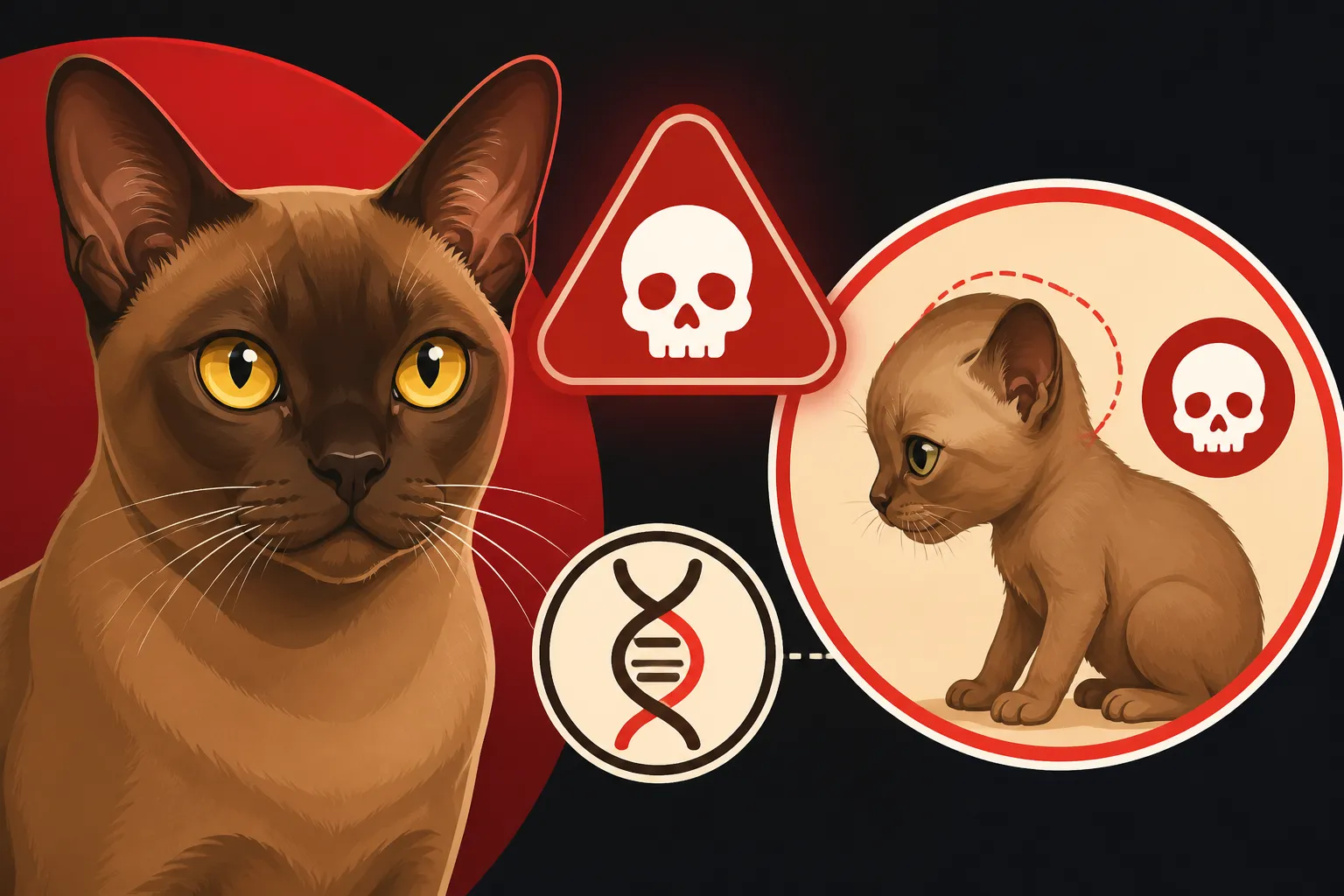
Imagine a newborn kitten, but instead of the adorable, perfectly formed face you expect, there are severe malformations. Kittens affected by Burmese Head Defect often present with a noticeably flattened, distorted, or underdeveloped skull, particularly in the frontal and nasal regions. Their eyes might be unusually wide-set, or even appear to bulge due to the cranial distortions. The jaw can also be affected, leading to a severely undershot or overshot bite, sometimes so pronounced that the mouth cannot close properly. In some tragic cases, parts of the brain may be exposed or entirely missing. These aren't subtle changes; they are stark, obvious indicators that something has gone terribly wrong during development.
The Impact on Kitten Development
From the moment an affected kitten is born, its struggle for survival is evident. The severe malformations of the head and face directly impede basic life functions. The distorted oral cavity makes it impossible for the kitten to latch onto its mother and nurse effectively, if at all. This means they cannot receive the vital colostrum and milk necessary for early growth and immunity, leading to rapid dehydration and starvation. Furthermore, the cranial abnormalities can impact brain development, leading to neurological issues or the complete absence of brain structures essential for life. The tiny bodies are often underdeveloped, and their overall vitality is extremely low. It’s a truly tragic start to life, with no chance of a healthy future.
Why It Is Always Lethal
This isn't a condition that can be managed or corrected with surgery. Burmese Head Defect is, without exception, lethal. The malformations are so extensive and involve such critical structures that the affected kittens simply cannot survive. Most succumb within hours or a few days of birth, unable to feed or breathe properly, or due to neurological dysfunction. The ethical and humane course of action for a kitten born with this defect is often euthanasia, to spare it from prolonged suffering. This heartbreaking decision is one of the toughest a breeder or veterinarian can ever face, underscoring the severity and terminal nature of this genetic anomaly. It’s a stark reminder of the fragile beginning of life and the crucial role genetics play in health.
The Genetics Behind Head Defect
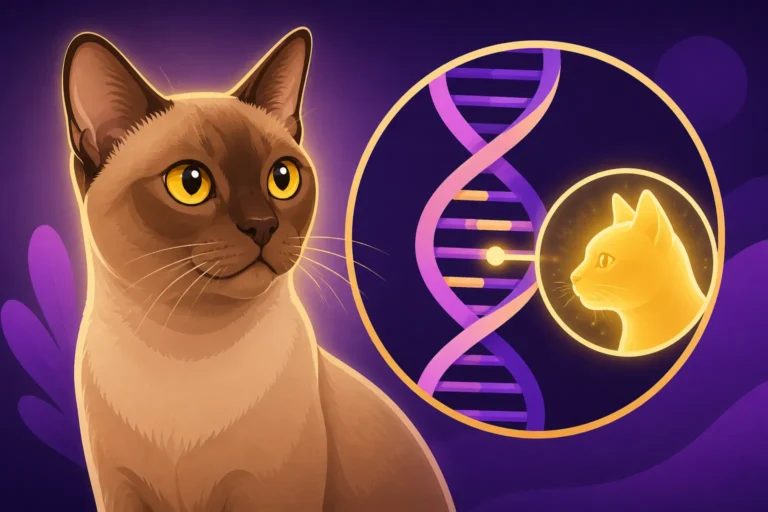
Understanding how Burmese Head Defect is inherited is crucial for breeders committed to the health of the breed. This condition follows an autosomal recessive inheritance pattern, which means it requires a specific combination of genes from both parents to manifest in a kitten. This genetic mechanism is why the defect can seemingly appear out of nowhere in lines that have never had an affected kitten before, adding to the frustration and shock for unsuspecting breeders.
Recessive Gene Explained
In simple terms, a recessive gene is one that only expresses itself (causes a trait or condition) if an individual inherits two copies of it—one from each parent. If an individual inherits only one copy of the recessive gene and one normal, dominant gene, they will not show the trait or disease. Instead, they become a "carrier." Think of it like this: the dominant gene acts as a kind of shield, preventing the single recessive gene from causing any problems. The cat looks and acts perfectly healthy, giving no outward indication that it carries the potential for this devastating defect. This stealthy nature is precisely why such conditions can persist in a breed for generations before being uncovered.
How Carriers Are Involved
A cat that is a carrier for Burmese Head Defect possesses one copy of the normal gene and one copy of the recessive gene for the defect. As mentioned, these cats are completely healthy themselves; they don't exhibit any signs of the craniofacial malformations. They lead full, normal lives and can even produce healthy kittens, provided they are bred responsibly. The issue arises when two carriers are bred together. Each carrier parent has a 50% chance of passing on the defective gene to their offspring. It's a roll of the genetic dice, and sometimes, those dice land in a way that leads to immense sorrow. This is why testing is so critical – to identify these silent carriers before they are unknowingly involved in a pairing that could result in affected kittens.
Why Two Copies Are Needed
For a kitten to be born with Burmese Head Defect, it must inherit two copies of the recessive gene – one from its mother and one from its father. If a kitten inherits one normal gene and one defective gene, it will be a carrier, just like its parents, and will appear perfectly healthy. If it inherits two normal genes, it will be completely clear of the defect and not a carrier. This 25% chance of an affected kitten, 50% chance of carrier kittens, and 25% chance of clear kittens from a carrier-to-carrier mating is a statistical reality that breeders must understand and respect. This inheritance pattern is explored in more detail in articles like "Why Two Burmese Carriers Must Never Be Bred" and highlights the profound responsibility breeders undertake to safeguard the future health of their lines and the breed as a whole.
Identifying Affected Kittens at Birth
Even with the best intentions and responsible breeding practices, sometimes the defect manifests. For breeders, the ability to quickly and accurately identify affected kittens is critical for their welfare and for preventing further emotional distress for the queen and the people involved. These are moments that require immense strength and clear-headed decision-making.
Visual Cues in Newborn Kittens
When a kitten is born with Burmese Head Defect, the signs are typically apparent at birth, or shortly thereafter. The most striking features are usually around the head and face. You might notice a significantly flattened forehead, a very short or absent nose bridge, and widely spaced or even malformed eyes. The upper jaw can be severely underdeveloped, often leading to a 'domed' appearance of the skull where the brain isn't fully protected, or an incredibly 'smashed' look to the face. Sometimes the palate may not be fully formed (a cleft palate), making nursing impossible. The kitten's overall appearance will be notably different from its healthy littermates, which will likely have the typical, well-proportioned Burmese kitten face. The experienced eye of a breeder will immediately recognize these anomalies, signaling a deeply distressing situation.
Confirmation and Prognosis
Upon identifying these visual cues, a veterinarian can quickly confirm the diagnosis through a physical examination. In severe cases, further imaging like X-rays might be used to assess the extent of the cranial and facial bone malformations, though this is often not necessary given the obvious external signs. The prognosis for kittens with Burmese Head Defect is always grave. As discussed previously, the structural abnormalities are incompatible with life. There is no treatment, no surgical intervention, and no therapy that can correct these defects to allow for a normal, healthy life. The kindest and most humane course of action, sadly, is typically immediate euthanasia to prevent suffering. This painful reality is a testament to the severity of this particular genetic condition and is a scenario that no breeder ever wishes to encounter.
The Heartbreak of Early Detection
For breeders, finding a kitten with this defect is an utterly devastating experience. It's not just the loss of a life; it's the crushing realization that despite all precautions, a genetic flaw has manifested. The emotional toll is immense, often leading to guilt, sorrow, and intense self-scrutiny. It highlights the often-unseen struggles of ethical breeding, where the welfare of the animals is paramount, but the emotional cost can be heavy. These moments underscore the dedication of breeders who, even in grief, must think about the future of their lines and how to prevent such tragedies from recurring. It’s a somber reminder of why responsible breeding practices, including rigorous genetic testing, are absolutely non-negotiable in the world of purebred cats.
The Breeder's Role in Prevention
Responsible breeders are the front line of defense against genetic diseases like Burmese Head Defect. Their diligence, ethical decision-making, and commitment to transparency are paramount in protecting the health and integrity of the breed. This isn't just about avoiding a heartbreaking outcome; it's about honoring the breed's legacy and ensuring a healthy future for every kitten.
Screening Parents and Pedigrees
The absolute cornerstone of preventing Burmese Head Defect is thorough genetic screening of all breeding cats. Since this is a recessive trait, identifying carriers is key. While a definitive DNA test for Burmese Head Defect itself is still a goal for researchers, breeders must work with the information they have, often relying on pedigree analysis and the history of related lines. This means a breeder should be fully transparent about their lines, and prospective buyers should ask detailed questions about the prevalence of this defect in a cat's ancestry. Understanding "How a Burmese Breeder Avoids the Head Defect" involves diligent record-keeping and open communication within the breeding community. Furthermore, a comprehensive DNA panel, including tests for other known Burmese genetic issues, is crucial. It’s not just about head defect; breeders have a responsibility to test for "Which Tests Belong on a Burmese DNA Panel" to provide a full picture of genetic health.
Avoiding Carrier to Carrier Matings
Once a breeder knows or suspects a cat is a carrier (either through a genetic test for related traits, or pedigree analysis revealing affected offspring from specific pairings), the most critical preventative step is to never breed that carrier to another known or suspected carrier. This is the only way to guarantee that no affected kittens will be produced. Carriers can still be part of a breeding program, provided they are always mated with cats that are genetically clear (i.e., not carrying the recessive gene). This strategy allows breeders to maintain genetic diversity within their lines, which is incredibly important for long-term breed health, while still preventing the birth of affected kittens. It's a careful balance that requires meticulous planning and an unwavering commitment to genetic health. For example, if a breeder has a beloved queen who is a carrier, they would always choose a stud who has been confirmed as clear of the defect to ensure the kittens are either clear or carriers themselves, but never affected.
The Ethical Dilemma of Carriers
The discovery of a carrier in a breeding line presents a significant ethical dilemma. While the carrier itself is healthy and contributes valuable traits to the breed, the knowledge that it carries a lethal gene can be daunting. Some breeders might opt to remove carriers from their breeding programs entirely, a decision that, while understandable, can unfortunately narrow the gene pool and potentially eliminate other desirable traits. A more balanced approach, and one advocated by many geneticists and ethical breeders, is to carefully manage carriers by breeding them only to clear individuals, and then to prioritize testing the offspring to identify new clear breeding stock. The goal is to gradually breed out the problematic gene while retaining healthy genetics. This process requires a long-term vision and a commitment to meticulous record-keeping and transparency, ensuring that all potential new owners are aware of the genetic background, especially with a potential future insurance policy from providers like Healthy Paws in mind, which might require full disclosure of a kitten's genetic predispositions.
Impact on Burmese Breeding Programs
Burmese Head Defect, alongside other genetic predispositions like the high rate of diabetes (as discussed in "The Burmese Has the Highest Diabetes Rate of Any Cat Breed"), places significant responsibilities on breeders. Managing such defects requires careful planning that extends beyond individual litters to the overall health and future of the entire breed. It's a delicate dance between eliminating harmful genes and maintaining a robust, diverse gene pool.
Balancing Health and Gene Pool Diversity
One of the biggest challenges for Burmese breeders facing genetic conditions is the tension between breeding for health and preserving genetic diversity. If breeders aggressively remove all carriers from their lines, the gene pool can become dangerously small. A limited gene pool increases the risk of other genetic problems emerging or the exacerbation of existing ones, as less genetic variation means less resilience. Ethical breeders understand that a healthy breed isn't just about eradicating one specific defect, but about fostering overall genetic strength. Therefore, the strategy often involves selectively breeding carriers to clear cats, testing the offspring, and then choosing clear progeny to continue the line, slowly reducing the prevalence of the problematic gene over generations. This approach requires patience, foresight, and a deep understanding of feline genetics, all contributing to the longevity and well-being detailed in "How Long a Burmese Lives".
The Importance of Transparency
Transparency is key in a breeding community committed to breed health. Breeders who are open about their challenges, including the presence of carriers in their lines, contribute to a stronger, more informed community. This open communication allows for collaborative efforts in genetic research, sharing of best practices, and collective decision-making to benefit the breed. Hiding carrier status or downplaying the significance of genetic defects not only undermines trust but also harms the entire breed by allowing problematic genes to spread unknowingly. Responsible breeders will readily share genetic test results and pedigree information, offering insight into their lines' health history. They understand that educating prospective owners is part of their commitment, ensuring that new families are aware of any potential health considerations, and can make informed decisions about their kitten's health, including considering insurance from a reputable provider like Healthy Paws.
Support for Affected Breeders
Discovering a kitten with Burmese Head Defect or identifying carriers in their breeding stock can be emotionally crushing and financially straining for breeders. The breeding community plays a vital role in providing support during these difficult times. This includes offering advice on genetic management, sharing resources for testing, and simply providing empathetic understanding. Veterinary geneticists and breed clubs also offer invaluable guidance, helping breeders navigate the complexities of genetic inheritance and make informed decisions that benefit the breed in the long run. It's a collaborative effort, recognizing that every breeder who strives for health and transparency is contributing to the collective well-being of the Burmese cat. For instance, the discussion around "How Burmese Head Defect Was Traced to a Recessive" highlights the scientific community's role in assisting breeders.
Living with the Risk: Owner Considerations
For prospective Burmese owners, understanding the genetic risks, even for conditions that are rare like Head Defect, is part of being a responsible pet parent. It means asking the right questions, scrutinizing breeder practices, and understanding the commitments involved. When considering a Burmese, you’re not just getting an incredibly affectionate companion; you're also taking on the responsibility that comes with a specific breed's genetic heritage.
What to Ask Your Breeder
When you're looking for a Burmese kitten, a reputable breeder will welcome your questions about health and genetics. This is where your due diligence truly comes into play. Don't be shy about asking if Burmese Head Defect has ever appeared in their lines or if their breeding cats have been screened for any known genetic markers associated with recessive craniofacial defects, if such tests exist or are developed. A good breeder will proactively offer information about the parents' health history and genetic testing results. They should be able to explain the lineage and what measures they take to ensure healthy kittens. They should also be transparent about the "The DNA Panel a Burmese Breeder Owes You" for all breed-specific health concerns. If a breeder is evasive or dismisses your concerns about genetic health, that's a significant red flag. You're looking for someone who shares your commitment to the well-being of their cats.
Understanding Guarantees and Contracts
Ethical breeders often provide health guarantees as part of their kitten contracts. While a guarantee can't prevent a genetic issue, it outlines the breeder's responsibility if one arises. For severe congenital defects like Burmese Head Defect, a reputable breeder's contract might specify provisions for replacement or reimbursement if a kitten is born with or develops such a condition within a specified timeframe. It's crucial to read these contracts carefully and understand exactly what is covered, and under what circumstances. This also extends to other serious conditions, such as hypokalemia, where "Hypokalemia Is the Burmese Disease With a DNA Test" confirms its genetic basis. Having a clear understanding of the contract and the breeder's commitment is essential for peace of mind, and can also be important when considering pet insurance. For example, some pet insurance providers like Healthy Paws might have specific clauses regarding pre-existing or congenital conditions, so understanding the kitten's genetic background is doubly important.
The Emotional Aspect for Breeders and Owners
The emotional impact of conditions like Burmese Head Defect extends far beyond the moment of diagnosis. For breeders, it's a profound loss and a constant reminder of the genetic challenges within the breed. They invest countless hours, resources, and emotional energy into their cats, and such an outcome is deeply painful. For prospective owners, learning about these risks can be unsettling, but it’s an important part of making an informed decision about welcoming a new family member. The goal is to choose a breeder who is doing everything in their power to mitigate these risks, and to be prepared for the realities of pet ownership, which sometimes includes confronting difficult health issues. The open discussion about such painful topics helps foster a community that values animal welfare and supports those who dedicate their lives to healthy breeding practices.
Future of Genetic Screening and Research
The good news is that the scientific community, alongside dedicated breeders, is continuously working towards a healthier future for the Burmese cat. Advances in genetic understanding and testing methods offer hope for more definitive solutions to complex inherited conditions like Burmese Head Defect. It's a collaborative journey, fueled by a passion for the breed and a commitment to animal welfare.
Current Research Efforts
Researchers are actively working to identify the specific gene or genes responsible for Burmese Head Defect. This involves studying affected kittens, analyzing DNA samples from family lines where the defect has appeared, and comparing genetic maps. The process is often complex, involving large data sets and sophisticated genetic analysis techniques. The aim is to pinpoint the exact mutation that causes the condition. This kind of research requires significant funding and participation from breeders who are willing to share genetic material and pedigrees, highlighting the importance of the breeding community's involvement. The journey to understand such specific defects is akin to the efforts made in other areas, such as analyzing "What Genome Studies Found in Australian Burmese" in relation to diabetes risk.
The Quest for a Definitive DNA Test
The ultimate goal of this research is to develop a reliable and accessible DNA test that can identify carriers of Burmese Head Defect. Currently, a specific DNA test for this particular condition is not widely available, making prevention reliant on pedigree analysis and avoiding carrier-to-carrier breedings based on historical outcomes. However, once the causative gene is identified, a simple cheek swab or blood test could easily determine if a cat is clear, a carrier, or affected. This would revolutionize breeding practices, allowing breeders to make informed decisions with absolute certainty, virtually eliminating the birth of affected kittens. This proactive approach would save countless lives and immense heartache, offering a clear path forward for the breed’s health, as discussed in detail in "Whether a Burmese Head Defect Test Exists". Such advancements also mean that the cost implications for managing potential health issues, even for rare conditions, can be better planned for with pet insurance options like those offered by Healthy Paws.
Working Towards a Healthier Future
The continued collaboration between feline geneticists, veterinarians, breed clubs, and dedicated breeders is essential for securing a healthier future for the Burmese. By supporting research, participating in genetic studies, and consistently applying ethical breeding practices, the community can work towards minimizing the impact of genetic diseases. This holistic approach ensures that not only is Burmese Head Defect addressed, but other health concerns are too, contributing to the overall vitality and well-being of this beloved breed. It is a long-term commitment, but one that is crucial for every purebred cat, ensuring future generations of Burmese cats can enjoy lives free from preventable genetic suffering.
| Genetic Pairing | Probability of Clear Offspring | Probability of Carrier Offspring | Probability of Affected Offspring |
|---|---|---|---|
| Clear (NN) x Clear (NN) | 100% | 0% | 0% |
| Clear (NN) x Carrier (Nn) | 50% | 50% | 0% |
| Carrier (Nn) x Carrier (Nn) | 25% | 50% | 25% |
| Carrier (Nn) x Affected (nn) | 0% | 50% | 50% |
| Affected (nn) x Affected (nn) | 0% | 0% | 100% |
Note: N represents the normal, dominant gene; n represents the recessive gene for Head Defect.
Disclaimer
The information provided in this article is for educational and informational purposes only and does not constitute veterinary advice. Always consult with a qualified veterinarian for any health concerns or before making any decisions related to your pet's health or treatment.