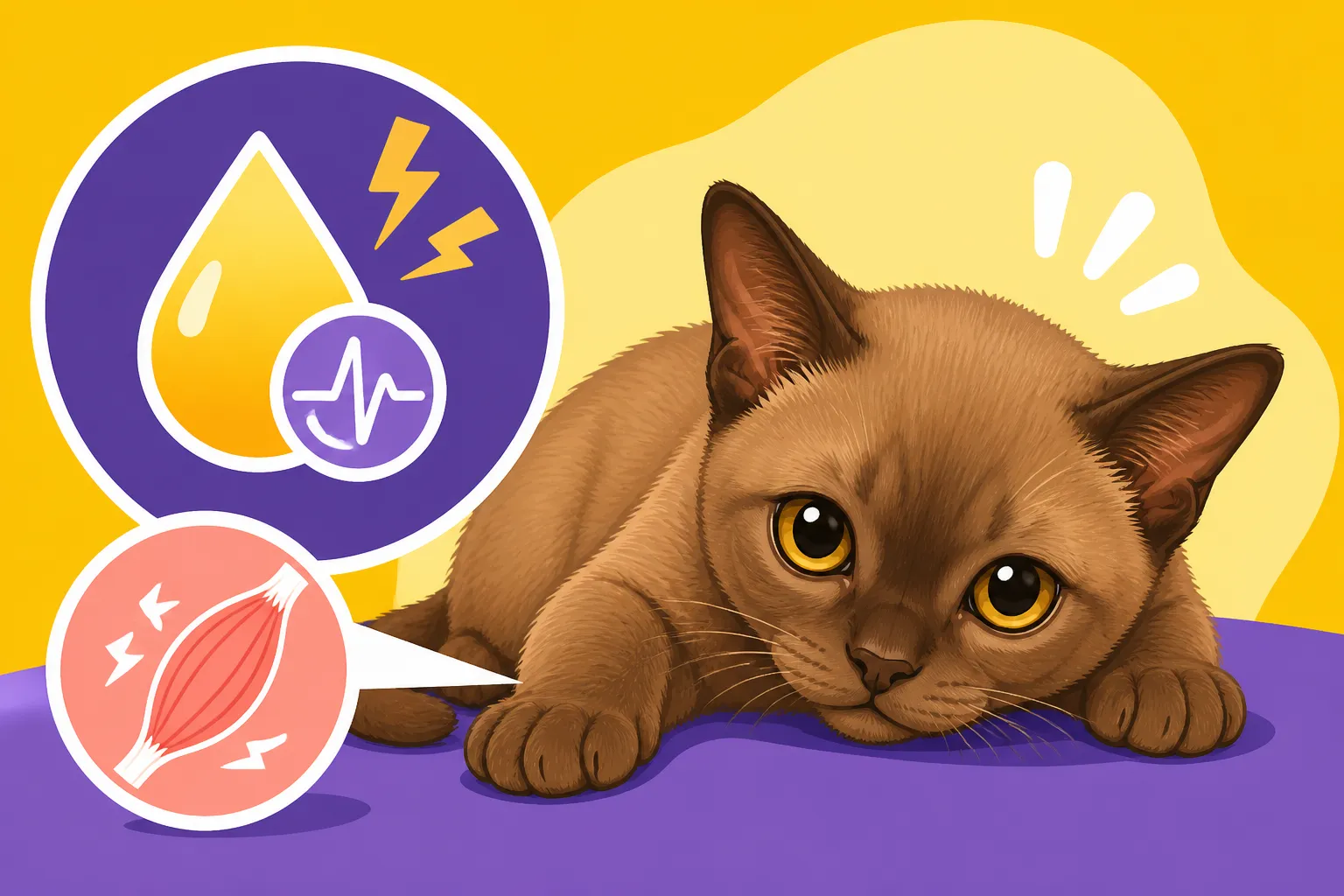
How Hypokalemia First Shows in a Burmese Kitten
It's absolutely heartbreaking to see a tiny Burmese kitten, full of potential and playful energy, suddenly acting unlike themselves. When they're usually bundles of purrs and shoulder-riding antics, any sign of weakness or odd behavior can send a wave of panic through us. This guide is here to help you understand the earliest, most subtle signs of Hypokalemia in Burmese kittens, a serious genetic condition, so you can recognize them quickly and get your precious furball the help they need right away.
Understanding Hypokalemia in Burmese Kittens
Hypokalemia, at its core, is a condition marked by abnormally low levels of potassium in the blood. While any cat can technically experience low potassium due to various illnesses, in Burmese cats, especially kittens, it often points to a specific, inherited genetic disorder. This isn't just about a minor dietary deficiency; it's a fundamental issue with how their bodies regulate this vital electrolyte. Potassium is crucial for so many bodily functions, from nerve impulses and muscle contractions to heart rhythm and enzyme activity. When its levels dip too low, the effects can be widespread and debilitating.
What Exactly is Hypokalemia?
In the context of Burmese cats, Hypokalemia isn't just a symptom; it's a recognized genetic disorder, sometimes referred to as Familial Episodic Hypokalemic Polymyopathy. This means it's passed down through generations. Imagine a kitten inheriting a faulty instruction manual for how its body handles potassium. Instead of maintaining a steady, healthy level, their bodies struggle to keep enough potassium circulating in their bloodstream and within their muscle cells. This struggle leads to periodic drops in potassium, which then manifest as various physical symptoms, most notably muscle weakness. It's a condition that can fluctuate, with kittens appearing completely normal between episodes, which makes early detection even more challenging for unsuspecting owners.
Why Burmese Kittens Are Particularly Susceptible
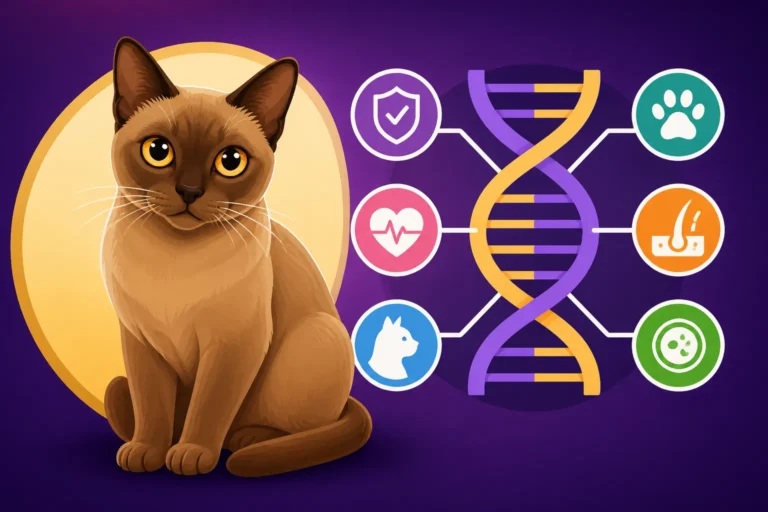
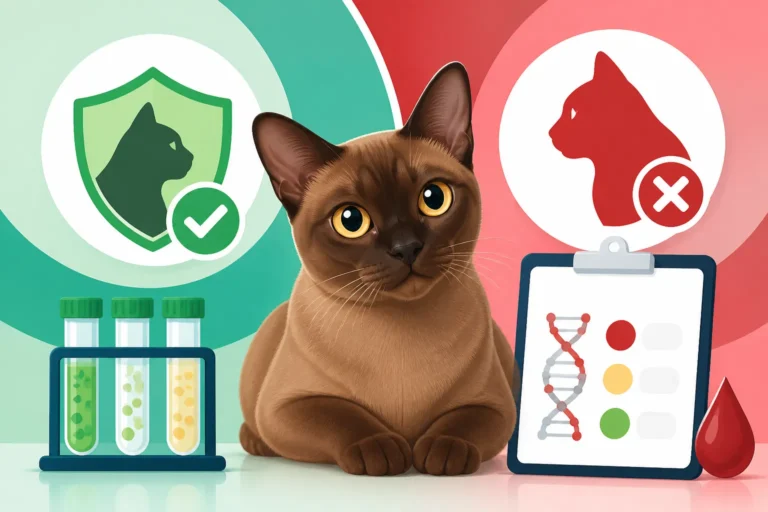
The susceptibility of Burmese cats to Hypokalemia lies deep within their genetic code. Specifically, research has identified a mutation in the WNK4 gene as the culprit. This gene is vital for regulating potassium transport in the kidneys. When this gene has the mutation, the kidneys don't reabsorb potassium effectively, leading to excessive loss in the urine. This isn't a problem caused by diet or environment, but an inherent, inherited predisposition. If a kitten inherits two copies of this mutated gene (one from each parent), they will develop the condition. If they inherit only one copy, they'll be a carrier and won't show symptoms themselves but can pass it on to their offspring. This makes understanding "What the WNK4 Mutation Does in a Burmese" incredibly important for breeders and prospective owners. Without careful breeding practices, this condition can persist within bloodlines, making comprehensive genetic testing a must for all breeding Burmese cats.
The Urgency of Early Recognition
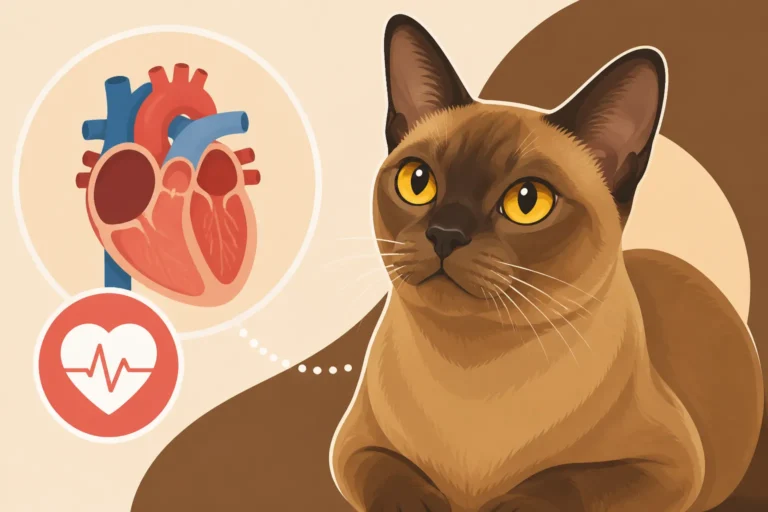
Recognizing Hypokalemia early in a Burmese kitten is paramount. These episodes of muscle weakness can be extremely frightening and, if severe enough, potentially life-threatening. Prolonged or severe Hypokalemia can lead to cardiac issues, respiratory distress, and generalized weakness that can leave a kitten unable to eat, drink, or even lift its head. Imagine your kitten, usually so vibrant, suddenly unable to move, struggling to breathe. It’s a terrifying scenario. Swift identification of symptoms allows for prompt veterinary intervention, which typically involves potassium supplementation. Early treatment can reverse the acute episode, prevent secondary complications, and ultimately improve the kitten's quality of life. The sooner you act, the less severe the episode tends to be, and the better the long-term prognosis for managing the condition. This is why being vigilant for any subtle changes is so critical.
Early Behavioral Clues of Hypokalemia
Burmese kittens are renowned for their outgoing, playful, and incredibly social personalities. They are often described as "dogs in cat suits" due to their loyalty and constant desire to be involved in whatever you're doing. This makes any deviation from their typical vivacious behavior a potential red flag, especially when it comes to Hypokalemia. They thrive on interaction and constant motion, so if your usually boisterous kitten starts slowing down, it's worth a closer look.
Subtle Changes in Play and Activity
One of the first things you might notice is a subtle, yet concerning, shift in your kitten's play habits. Where they once chased wand toys with boundless enthusiasm or tackled their littermates with gusto, they might now seem a bit less interested, perhaps even a touch clumsy. You might see them start a game, but then quickly lie down or sit, observing rather than participating fully. This isn't necessarily outright paralysis, but rather a noticeable decrease in stamina or intensity during play. Perhaps they're not jumping as high, or their movements seem less coordinated than before. This might be mistaken for normal kitten fatigue, but if it becomes a pattern or seems out of character for your energetic Burmese, it warrants attention. Think about how long they typically play; if those sessions are suddenly shorter, or if they seem winded quicker, it could be an early warning sign.
Unusual Head or Neck Postures
This is one of the more distinctive and often startling signs of Hypokalemia in Burmese cats. Kittens with low potassium can develop a peculiar weakness in their neck muscles. You might observe their head "bobbing" or held at an odd, low angle, as if it's too heavy for them to support properly. In more severe cases, they might struggle to lift their head at all, or when they do, it's with significant effort. This symptom is sometimes described as a "meerkat neck" because the kitten will strain to hold its head up, giving it a characteristic elongated appearance. However, unlike a meerkat, the Burmese kitten is doing this out of weakness, not curiosity. If you see your kitten struggling to look up at you, or if their head seems to droop, especially after activity, this is a strong indicator to seek veterinary help immediately. Learning to recognize "The Meerkat Neck That Tells You a Burmese Has Hypokalemia" can be life-saving.
Changes in Appetite and Hydration
While not always the most obvious first sign, changes in appetite and drinking habits can accompany Hypokalemia episodes. A kitten experiencing muscle weakness might find it physically difficult or uncomfortable to lower its head to eat or drink. They might approach their bowl but then turn away, or take only a few tentative licks. You might notice they are drinking more water than usual, which could be a compensatory mechanism or a symptom related to kidney function being affected by low potassium. Conversely, severe weakness could lead to a complete lack of interest in food and water. Tracking your kitten's intake, especially if you measure their food, can give you vital clues. It's important to differentiate this from a general picky eating phase; if coupled with other signs of weakness, a reduced or altered appetite needs investigation. You should always be mindful of "Why a Burmese's Appetite Goes When It Is Unhappy", but in this context, it's more than just unhappiness.
Physical Manifestations to Watch For
Beyond the subtle behavioral shifts, Hypokalemia in Burmese kittens can manifest through more overt physical signs, particularly those related to muscle function and overall development. These physical clues can often be the most alarming and tend to prompt immediate veterinary attention.
Muscle Weakness and Stiffness
The defining characteristic of Hypokalemia is muscle weakness, or polymyopathy. In a kitten, this can look like a general lack of coordination, a stiff or unsteady gait, or an inability to jump onto low furniture that they previously managed with ease. You might notice them walking with their head low, their hindquarters swaying slightly, or even collapsing briefly after exertion. Some owners describe their kittens moving as if they are "walking on eggshells" or having trouble extending their limbs fully. The muscles, particularly in the neck and hind legs, can also feel stiff or painful to the touch during an episode. This isn't just tired kitten syndrome; it's a profound weakness that affects their ability to move normally. Imagine a tiny body struggling against its own limbs – it's a difficult thing to witness, but recognizing these signs quickly is crucial for their welfare. "Why a Hypokalemic Burmese Cannot Hold Its Head Up" delves deeper into this particular symptom.
Developmental Delays or Stunted Growth
While acute episodes are the most commonly recognized presentation, chronic or frequently recurring bouts of Hypokalemia can subtly impact a kitten's overall development. If a kitten is constantly battling low potassium, its body's resources are diverted, and its ability to grow and thrive can be compromised. This might lead to a kitten being noticeably smaller than its littermates, failing to gain weight at the expected rate, or simply appearing less robust. Their muscle development might be delayed, leaving them with a leaner, less powerful build than is typical for the muscular Burmese breed. While many things can cause stunted growth in kittens, if coupled with episodes of weakness or unusual postures, Hypokalemia should definitely be on your vet's diagnostic radar. Regular weighing and body condition scoring, as discussed in "How to Weigh a Burmese Accurately at Home", can help track normal development and identify potential issues.
Vocal Changes or Lack of Characteristic Burmese Chatter
Burmese cats are known for their distinctive, often raspy, vocalizations. They are conversationalists, ready to "talk" to you with a range of chirps, trills, and deep rumbles. If your Burmese kitten, typically a chatty companion, suddenly becomes unusually quiet or if their voice sounds weak and strained, it could be another subtle sign of Hypokalemia. The muscles involved in vocalization can also be affected by potassium deficiency, leading to a diminished ability to produce their characteristic sounds. Instead of their usual insistent meows or rumbling purrs, you might hear a faint squeak or perhaps nothing at all. This change, while seemingly minor, is significant because it's a deviation from the breed's well-established behavioral pattern. Combined with other physical or behavioral changes, a quiet Burmese kitten should always raise a flag.
Differentiating Hypokalemia from Other Kitten Ailments
It's easy to jump to conclusions when a kitten isn't feeling well, and many common kitten illnesses share generalized symptoms like lethargy or loss of appetite. However, for a Burmese, the specific nature of Hypokalemia's presentation—particularly the muscle weakness and neck issues—often provides crucial clues that help distinguish it from other ailments. Knowing what to look for, and when to specifically suspect Hypokalemia, can guide your conversation with your veterinarian.
Comparing Symptoms with General Illness
When a kitten is generally unwell, whether from a viral infection, parasites, or a digestive upset, you'll often see a constellation of symptoms. These might include fever, vomiting, diarrhea, nasal discharge, coughing, or generalized lethargy where the kitten is just "flat" and uninterested in anything. While some lethargy can overlap with Hypokalemia, the distinguishing factor for Hypokalemia is often the type of weakness. It's not just that the kitten is tired; it's that its muscles aren't working correctly, leading to specific gait abnormalities or the struggle to lift its head. A kitten with a tummy bug might be miserable and still, but they can typically hold their head up and walk fairly normally if coaxed. Moreover, many general illnesses will often present with a distinct lack of appetite, whereas in early Hypokalemia, appetite might be impacted more by the physical difficulty of eating rather than a total loss of interest in food.
| Symptom | General Kitten Illness (e.g., FVR, parasites) | Burmese Hypokalemia Episode |
|---|---|---|
| Lethargy/Energy Level | Generalized tiredness, disinterest, often listless | Weakness in specific muscle groups, fatigue with exertion |
| Head/Neck Posture | Usually normal, unless very weak or nauseous | Difficulty holding head up, "meerkat neck," head bobbing |
| Gait/Movement | May be slow or hesitant, but typically coordinated | Stiff, clumsy, uncoordinated, hind leg weakness, collapses |
| Appetite | Often completely lost due to nausea or malaise | May be reduced due to difficulty eating, or normal but hard to access food |
| Vocalization | May be quieter, but often still clear if provoked | Weak, raspy, or absent meows/purrs due to muscle weakness |
| Associated Symptoms | Fever, vomiting, diarrhea, sneezing, coughing | No fever, may have increased thirst and urination |
When to Suspect Hypokalemia Specifically
You should specifically suspect Hypokalemia if you own a Burmese kitten and observe one or more of the characteristic muscle weakness signs. This is especially true if you've done your due diligence and know that Hypokalemia runs in the kitten's lineage, or if its parents are carriers. The "meerkat neck" is a strong visual cue that points directly to this condition. If your kitten shows intermittent episodes of weakness, where they are fine one day and struggling the next, this cyclical nature is highly indicative of Hypokalemia. It's also critical if these signs appear after periods of stress, excitement, or changes in diet, which can sometimes trigger an episode. Always remember that due to their genetic predisposition, a Burmese kitten exhibiting muscle weakness should immediately lead you to consider Hypokalemia, rather than just dismissing it as a common kitten ailment. This breed-specific knowledge is incredibly valuable for owners.
The Role of a Thorough Veterinary Examination
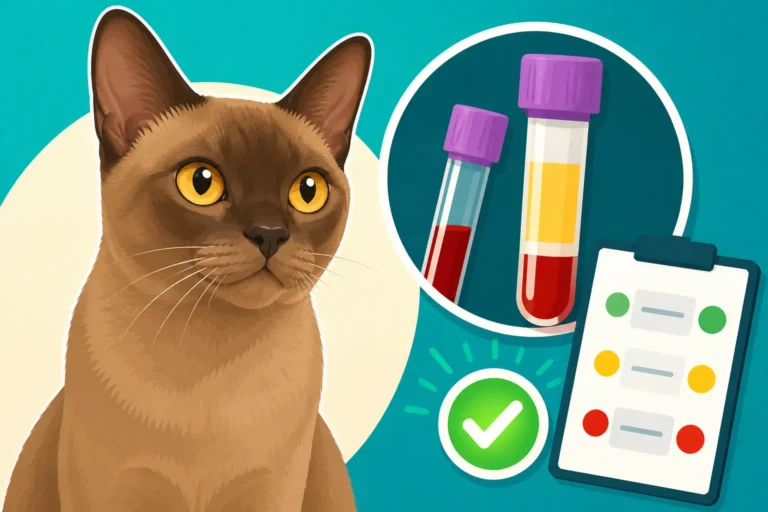
When you bring a kitten exhibiting these symptoms to the vet, a thorough examination is crucial. Your veterinarian will conduct a full physical, observing your kitten's gait, muscle tone, and reflexes. They'll also likely want to run blood tests, specifically looking at electrolyte levels, with a particular focus on potassium. A blood panel will confirm low potassium levels, which is the definitive diagnostic marker for Hypokalemia. They might also check kidney function, as chronic potassium loss can sometimes be linked to renal issues. It's also important to share any information you have about the kitten's parentage and any genetic testing done on the breeding pair. For instance, knowing "How the Burmese Hypokalemia Test Is Read" or "Which Lab Runs the Burmese Hypokalemia Test" can help your vet understand the genetic background. Don't be shy about advocating for these specific tests if your vet isn't immediately thinking "Burmese Hypokalemia," as not all vets may be intimately familiar with this breed-specific genetic condition.
Immediate Actions and Long-Term Management
Discovering your kitten has Hypokalemia can be overwhelming, but with prompt action and proper long-term management, these kittens can often lead full and happy lives. The initial steps you take can make a huge difference in the outcome of an acute episode, and understanding ongoing care is key to preventing future severe recurrences.
What to Do If You Suspect Hypokalemia
If you notice any of the tell-tale signs of Hypokalemia in your Burmese kitten, your first and most crucial step is to contact your veterinarian immediately. Do not wait. Describe the symptoms clearly, emphasizing the breed and the specific nature of the muscle weakness or neck issues. While waiting for your vet appointment, ensure your kitten is in a warm, quiet, and safe place. Keep food and water easily accessible, perhaps even elevated, so they don't have to lower their head too much to reach it. Encourage drinking if they are able, but don't force it. Avoid exciting your kitten or encouraging play, as exertion can sometimes worsen an episode. Just focus on keeping them comfortable and monitored until you can get professional veterinary care. Remember, early intervention is critical for the best possible outcome.
Veterinary Diagnosis and Treatment Options
Upon arrival at the clinic, your vet will confirm the diagnosis of Hypokalemia through blood work, primarily focusing on serum potassium levels. Once confirmed, treatment usually involves potassium supplementation. For acute, severe episodes, this will likely be administered intravenously, providing rapid correction of the potassium deficit. This is often followed by oral potassium supplements that you'll administer at home. "How a Vet Treats a Burmese Hypokalemic Episode" will detail the precise medical protocols your vet will follow. The dosage and frequency of oral supplements will be carefully tailored to your kitten's individual needs and monitored through regular blood tests. Your vet might also discuss dietary management, as some specialized diets can help in maintaining electrolyte balance. While treatment can feel intensive at first, it's about stabilizing your kitten and setting them up for long-term health. Pet insurance providers like Healthy Paws can be a real lifesaver when it comes to covering the costs associated with diagnostic tests and ongoing medications for chronic conditions like this.
Living with a Hypokalemic Burmese Kitten
Managing Hypokalemia in a Burmese kitten is a commitment, but it's one that rewards you with a healthy, thriving companion. Long-term care involves consistent oral potassium supplementation, often for life, though some kittens do improve as they mature – "Why a Burmese Kitten Grows Out of Hypokalemia" explains this phenomenon. Regular vet check-ups and blood tests are essential to monitor potassium levels and adjust medication dosages as needed. You'll become adept at recognizing subtle changes in your kitten's behavior or activity levels that might indicate a dropping potassium level. Providing a calm, predictable environment with minimal stressors can also help reduce the frequency of episodes. Owners often find that once regulated, their Hypokalemic Burmese kitten can lead a remarkably normal and happy life, full of the same purrs and shoulder rides as any other Burmese. Investing in a good pet insurance plan from a company like Healthy Paws early on can significantly ease the financial burden of ongoing care and monitoring, allowing you to focus on your kitten's well-being. Ultimately, "Whether a Hypokalemic Burmese Lives a Normal Life" largely depends on dedicated and informed care.
Disclaimer
This article is intended for informational purposes only and does not constitute veterinary advice. Always consult with a qualified veterinarian for any health concerns or before making any decisions about your pet's care.