Why a Hypokalemic Burmese Walks Stiffly
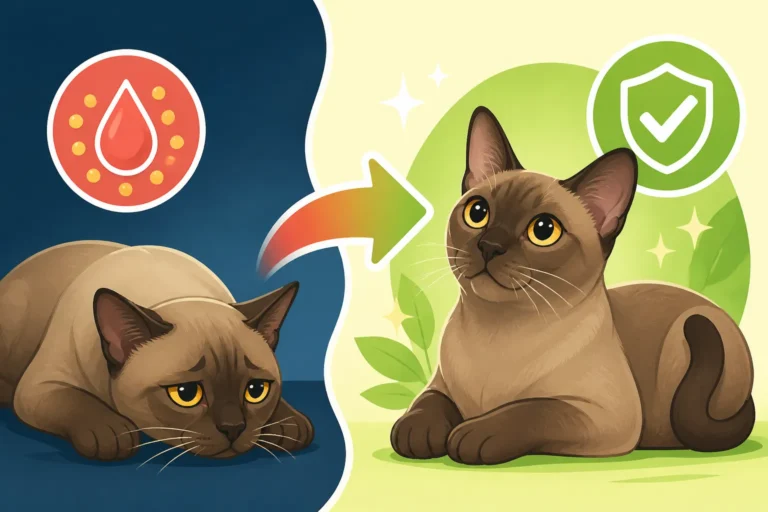
It’s truly alarming when your usually energetic Burmese cat, known for its playful antics and graceful movements, suddenly starts walking stiffly or seems weak in its hindquarters. This isn't just a quirky phase; it's a deeply concerning sign that often points to a serious underlying health issue specific to this beloved breed: hypokalemia, or low potassium. This guide will delve into why this condition manifests as a stiff gait and how you can manage it to ensure your feline companion continues to thrive.
Understanding Hypokalemia in Burmese Cats
Watching your cherished Burmese struggle with movement can be heartbreaking, especially when they're usually so agile. Hypokalemia isn't just a vague term for 'low energy'; it's a specific metabolic disorder that, in Burmese cats, often has a genetic root. Recognizing it early and understanding its mechanisms is paramount to providing the best care.
What Exactly is Hypokalemia?
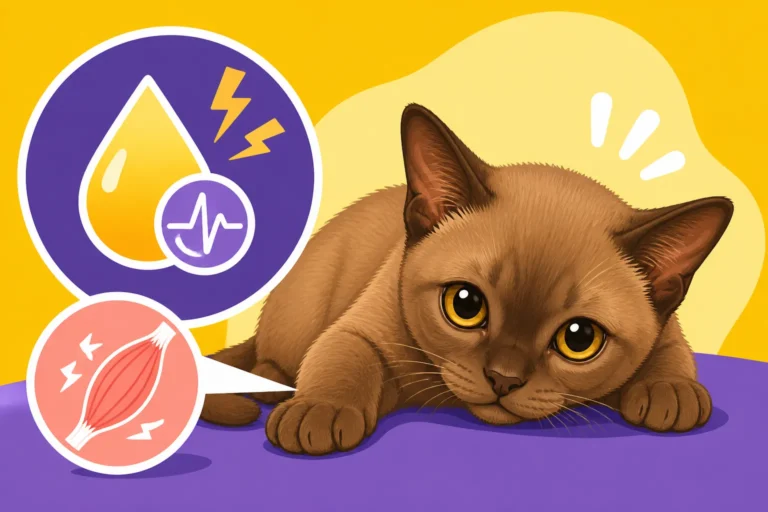
At its core, hypokalemia means your cat has abnormally low levels of potassium in their blood. Now, potassium might sound like just another mineral, but it's an absolute powerhouse when it comes to the body's fundamental functions. Think of it as the conductor of a tiny orchestra inside every single cell, especially muscle and nerve cells. It's crucial for transmitting nerve impulses, regulating heart rhythm, and, most relevant to our discussion, enabling normal muscle contraction and relaxation.
When potassium levels dip, this intricate system goes haywire. Muscles can't communicate effectively, leading to weakness, tremors, and that distinctive stiffness you might observe. Imagine trying to drive a car with a sputtering engine – it just can't perform as it should, and that's precisely what happens to your Burmese's muscles when potassium is deficient. It's a frustrating and often painful experience for them, and for you, the worry is immense.
The Genetic Link in Burmese
What makes hypokalemia particularly prevalent and frustrating for Burmese owners is its strong genetic component. Unlike other cats where hypokalemia might stem from kidney disease or dietary issues, a significant number of Burmese cats carry a specific genetic mutation that predisposes them to this condition. This mutation affects the WNK4 gene, which plays a critical role in regulating how the kidneys handle potassium.
Normally, the kidneys are masters at balancing electrolytes, making sure just the right amount of potassium is reabsorbed or excreted. However, in a Burmese with the WNK4 mutation, this finely tuned system is disrupted. The kidneys might inappropriately excrete too much potassium, even when the body needs it, leading to a chronic or episodic deficiency. This isn't something that happens overnight; it's a predisposition wired into their DNA. It’s why understanding Why the WNK4 Gene Matters in a Burmese is so crucial for breeders and owners alike. If you're considering a Burmese kitten or have a rescue, knowing about this genetic predisposition is incredibly important, and it’s always wise to ask about genetic testing from a breeder or have a rescue tested, as highlighted in Why a Rescue Burmese Should Still Be Tested. While not every Burmese cat will develop hypokalemia, the genetic risk is undeniable, and it means we as owners need to be extra vigilant. It's a unique challenge for the breed, and it means that How Many Burmese Carry the Hypokalemia Mutation is a question frequently on the minds of responsible breeders.
Triggers for Hypokalemic Episodes
Even with a genetic predisposition, hypokalemia often manifests in episodes, meaning your cat might seem fine one day and then suddenly display severe symptoms. These episodes aren't random; they're often kicked off by certain stressors or physiological changes. It's like a delicate balance being tipped over.
Common triggers include:
- Stress: Any kind of emotional or physical stress can exacerbate the condition. This could be something as simple as a vet visit, a change in routine, or even another pet in the house. When a cat is stressed, their body releases hormones that can impact electrolyte balance, making them more vulnerable to a potassium crash.
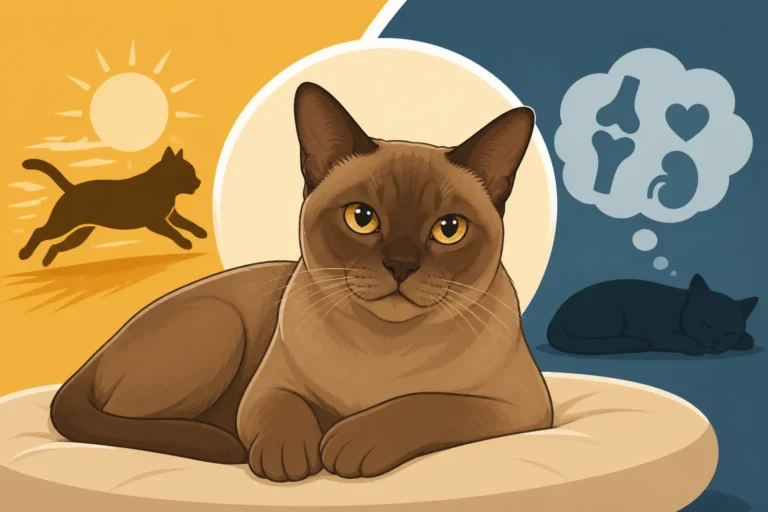
- Vigorous Exercise: While Burmese are playful, an intense play session or prolonged physical activity can deplete potassium stores more rapidly in susceptible cats. Imagine their muscles working overtime without enough fuel – it’s a recipe for weakness.
- Dietary Factors: While not always the primary cause in genetically predisposed Burmese, an imbalanced diet or sudden changes in food can certainly play a role. Certain foods, or even appetite loss during illness, can affect potassium intake.
- Other Illnesses: Any concurrent illness, especially those causing vomiting, diarrhea, or anorexia, can quickly lead to dehydration and electrolyte imbalances, precipitating a hypokalemic crisis. For instance, if your Burmese is battling a gastrointestinal bug, their potassium levels could plummet rapidly.
- Medications: Some medications, particularly diuretics, can increase potassium excretion and potentially trigger an episode. Always discuss your Burmese's full medical history with your vet, especially if they have a known genetic predisposition to hypokalemia.
It's this unpredictable nature of the episodes that can be so worrying for owners. One day your cat is leaping onto the counter, the next they're struggling to lift their head. Recognizing What Triggers a Burmese Hypokalemic Episode is key to potentially mitigating future occurrences and being prepared. For many owners, it's a constant balancing act, trying to keep life stable and calm for their beloved cat.
The Stiff Gait: Why Potassium Matters for Muscles
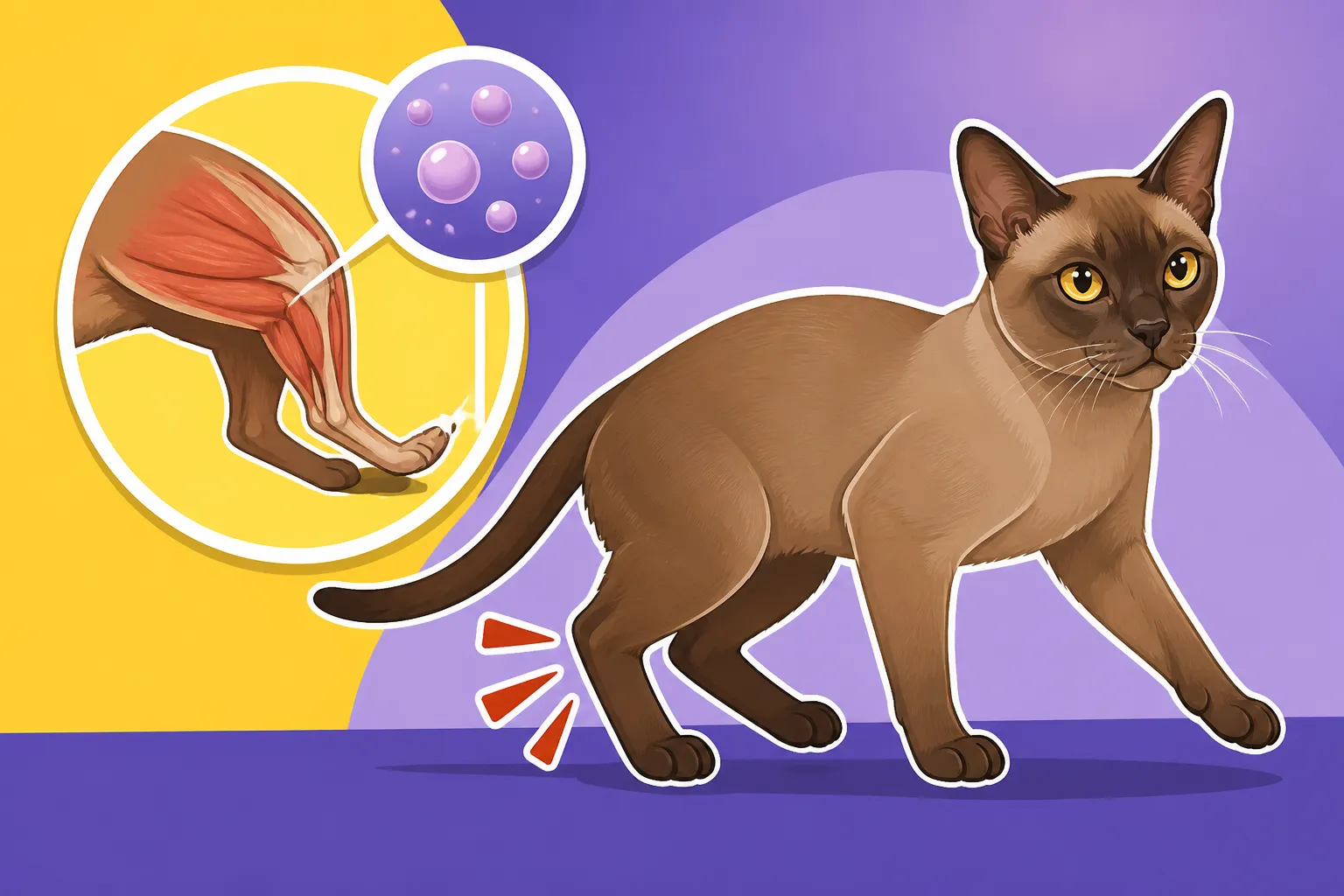
The stiff, awkward way a hypokalemic Burmese walks is one of the most distinctive and distressing symptoms. It's not just a little stumble; it's a profound inability for their muscles to function correctly, making even simple movements a struggle. This stiff gait is a direct consequence of potassium’s essential role in muscle physiology.
The Role of Potassium in Muscle Function
To truly grasp why low potassium causes stiffness, we need a quick peek into how muscles work. Every time your Burmese stretches, pounces, or even just blinks, an incredibly complex dance is happening at the cellular level. This dance relies heavily on electrolytes, and potassium is one of the lead performers. Muscle cells, like nerve cells, have a delicate electrical charge across their membranes, maintained by pumps that shuttle ions like potassium, sodium, and calcium in and out. This is called the resting membrane potential.
When a muscle needs to contract, a nerve impulse arrives, triggering a rapid influx and efflux of these ions, leading to a change in electrical potential. Potassium plays a critical role in repolarizing the muscle cell, essentially resetting it for the next contraction and, crucially, allowing it to relax. If potassium levels are too low, this repolarization process is hindered. The muscle cells can't fully relax after contraction, or they struggle to initiate a strong, coordinated contraction in the first place. The result? Muscles that feel tight, weak, and uncooperative, leading directly to that painful stiffness. Your cat isn't just "sore"; their very muscle machinery is malfunctioning.
What a Stiff Walk Looks Like
When hypokalemia strikes, the changes in your Burmese’s movement can be quite dramatic and heartbreaking to witness. It's more than just being a bit wobbly; it's a profound muscular weakness that impacts their entire body. Owners often describe a range of symptoms, all stemming from that underlying muscular dysfunction.
You might notice your cat:
- Walking with a hesitant, almost rigid posture: Their legs might seem like they're moving on stiff stilts, rather than with their usual fluid grace.
- Having difficulty lifting their head: This is a hallmark symptom, often referred to as a "meerkat neck" because they struggle to hold their head upright, sometimes letting it hang low or tucked into their chest. They might sit hunched over, looking almost defeated. This severe weakness is precisely Why a Hypokalemic Burmese Cannot Hold Its Head Up. You can often see the muscles in their neck trembling as they try to exert control.
- Struggling with stairs or jumping: Activities they once did with effortless agility become monumental tasks. They might refuse to jump onto furniture or even struggle to navigate a single step.
- Displaying a wobbly or uncoordinated gait: Sometimes, it’s not just stiffness but a general lack of coordination, as if they’re a bit drunk. This can make them prone to falling or bumping into things.
- Having muscle tremors or twitching: In more severe cases, you might visibly see muscles in their legs or neck twitching, indicating the struggle they're enduring.
This stiff walk is a clear distress signal. It’s a direct consequence of the body’s inability to properly regulate muscle function due to insufficient potassium. It’s why early recognition of symptoms like How Hypokalemia First Shows in a Burmese Kitten can be so critical, allowing for prompt intervention. It can be particularly challenging because Burmese are so naturally playful and active; seeing them reduced to such a state is incredibly difficult.
Differentiating Stiff Walking from Other Issues
It's natural to panic when your beloved Burmese starts walking stiffly, and your mind might jump to all sorts of scary conclusions. While hypokalemia is a strong contender for a Burmese displaying these symptoms, it's absolutely vital to remember that other conditions can also cause a stiff gait or weakness. This is why a swift and thorough veterinary examination is non-negotiable.
Your vet will want to rule out other possibilities, such as:
- Arthritis or joint pain: Especially in older cats, arthritis can cause stiffness, particularly after resting. However, typically, arthritis doesn't cause the profound, generalized weakness or the "meerkat neck" seen in hypokalemia.
- Injuries: A sprain, strain, or even a hidden fracture could cause lameness or a stiff limb. Your vet will carefully palpate your cat's legs and body to check for pain points.
- Neurological disorders: Conditions affecting the brain, spinal cord, or nerves can lead to coordination problems, weakness, or altered gait. These can sometimes mimic aspects of hypokalemia, though the specific clinical signs might differ.
- Other metabolic diseases: While less common than hypokalemia in Burmese, other imbalances or diseases can also manifest with weakness. For instance, severe dehydration from an illness could lead to generalized weakness.
- Toxins: Exposure to certain toxins could also lead to neurological or muscular issues, resulting in an abnormal gait.
The key takeaway here is not to self-diagnose. While you might suspect hypokalemia, your vet has the expertise and diagnostic tools to pinpoint the exact cause. They'll consider your Burmese's breed, age, medical history, and the specific pattern of symptoms to arrive at an accurate diagnosis. It's a testament to the importance of professional medical guidance in these situations.
Diagnosing and Managing Hypokalemia
Once you’ve noticed that concerning stiffness, the next step is swift veterinary action. Diagnosing hypokalemia in a Burmese involves a combination of clinical observation and specific tests, and thankfully, it's a treatable condition. Management is usually lifelong, but with proper care, your cat can still enjoy a good quality of life.
The Diagnostic Process
When you bring your stiff-walking Burmese to the vet, they won't just guess; they'll follow a systematic approach to get to the bottom of the problem. Your detailed observations about when the stiffness started, what it looks like, and any potential triggers will be incredibly valuable.
Here’s what you can expect during the diagnostic journey:
- Comprehensive Physical Examination: The vet will thoroughly examine your cat, paying close attention to muscle tone, reflexes, and how they move. They’ll observe if your Burmese struggles to lift its head, a classic sign. They'll also check for any signs of pain or injury that might suggest other causes.
- Blood Tests, Especially Potassium Levels: This is the cornerstone of diagnosis. A simple blood sample will be taken to measure the serum potassium concentration. Low potassium levels confirm hypokalemia. Your vet might also run a broader blood panel to check kidney function, electrolytes, and other health markers to rule out contributing factors or other underlying diseases.
- Genetic Testing: Given the strong genetic predisposition in Burmese cats, genetic testing is often recommended to confirm the presence of the WNK4 gene mutation. This involves a simple cheek swab and can definitively identify if your cat carries the gene, even if they aren't currently showing symptoms. Understanding How the Burmese Hypokalemia Test Is Read can help you interpret the results with your vet. This genetic information is incredibly powerful for long-term management and breeding decisions, if applicable.
- Urine Analysis: Sometimes, a urine sample might be taken to assess kidney function and ensure there are no other issues contributing to potassium loss.
It's a process of elimination and confirmation, ensuring that the diagnosis is accurate and that the treatment plan is tailored specifically to your cat's needs.
Treatment and Supplementation
The good news is that hypokalemia in Burmese cats is highly treatable. The primary goal of treatment is to restore normal potassium levels, alleviate symptoms, and prevent future episodes.
Here’s how treatment typically unfolds:
- Oral Potassium Supplements: For most stable cases, potassium is supplemented orally. This usually comes in the form of a powder, gel, or tablet that you mix into your cat's food. Your vet will determine the correct dosage based on your cat's weight and the severity of their hypokalemia. Consistency is absolutely key here – skipping doses can lead to a relapse of symptoms. It’s important to give it exactly as prescribed. Learning What Potassium Supplementation Does for a Burmese will help you understand its vital role in recovery.
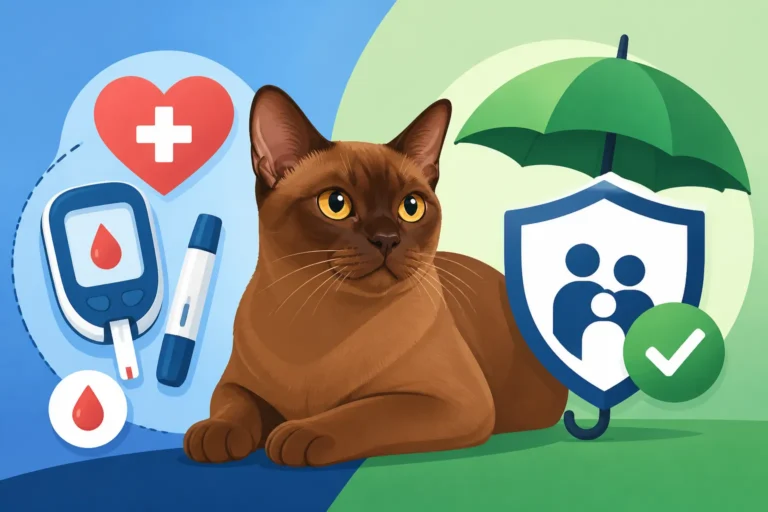
- Emergency Treatment for Severe Cases: If your Burmese presents with severe weakness, collapse, or a dangerously low potassium level, they may require hospitalization and intravenous (IV) potassium supplementation. This allows for rapid and controlled delivery of potassium directly into their bloodstream, stabilizing them quickly. During these critical times, having pet insurance like Healthy Paws can be a lifesaver, helping to cover the significant costs of emergency veterinary care. This type of intensive care is precisely How a Vet Treats a Burmese Hypokalemic Episode.
- Addressing Underlying Triggers: While supplementing potassium, your vet will also work with you to identify and mitigate any triggers. This might involve adjusting diet, managing stress, or treating any concurrent illnesses.
- Monitoring: Regular blood tests will be necessary, especially in the initial stages of treatment, to ensure potassium levels are returning to normal and to adjust the supplement dosage as needed. Even after stabilization, periodic checks are essential.
While it might seem daunting, managing hypokalemia becomes a routine part of life for many Burmese owners. The relief of seeing your cat regain their strength and agility with proper supplementation is immense.
Long-term Management and Prognosis
Hypokalemia in Burmese cats, particularly the genetically linked form, is typically a lifelong condition requiring ongoing management. This isn't a "fix it and forget it" situation; it’s about diligently maintaining potassium balance to ensure your cat remains healthy and comfortable.
- Lifelong Potassium Supplementation: Most Burmese cats with genetically linked hypokalemia will need daily potassium supplementation for the rest of their lives. Your vet will establish a maintenance dose, but it may require adjustments over time based on your cat's response and routine blood tests. This continuous care can add up, so having a good pet insurance plan from a provider like Healthy Paws can truly help manage those ongoing medication costs.
- Regular Monitoring: Even when your cat is stable, periodic veterinary check-ups and blood tests to monitor potassium levels are essential. This helps catch any potential dips before they lead to another severe episode. Your vet might recommend checks every few months, or even less frequently once a stable regimen is established.
- Observing for Recurrence: Despite best efforts, some cats may still experience occasional mild episodes, especially during times of stress or illness. Being vigilant for any return of weakness or stiffness allows for prompt intervention. You'll become an expert in recognizing subtle changes in your cat’s movement or behavior. You might find that Whether a Hypokalemic Burmese Recovers Between Episodes depends on the severity and quickness of treatment.
- Excellent Quality of Life: The good news is that with consistent treatment and careful management, most Burmese cats with hypokalemia can live full, happy lives. The condition doesn't typically shorten their lifespan, and their playful personalities often shine through between episodes. You'll be amazed at Whether a Hypokalemic Burmese Lives a Normal Life when they're properly managed, once again climbing and cuddling with their characteristic charm. It really comes down to your commitment to their ongoing care.
Living with a Hypokalemic Burmese
Having a cat with a chronic condition like hypokalemia can feel overwhelming at first, but with a few adjustments and a proactive approach, you can create a supportive environment where your Burmese thrives. It’s all about understanding their needs and adapting your routine.
Creating a Supportive Home Environment
A major part of managing hypokalemia is making your home a haven that minimizes physical strain and stress for your cat. When their muscles are potentially compromised, even simple daily tasks can become difficult or risky.
Consider these adjustments:
- Accessibility Aids: If your Burmese struggles with jumping, think about ramps or pet stairs for accessing their favorite couch, bed, or window perch. This reduces the need for strenuous jumps that could trigger weakness or lead to falls and injury during an episode. A low-sided litter box can also be very helpful, preventing discomfort when stepping in and out.
- Temperature Control: Burmese cats have very short, satin-like coats and can feel the cold more acutely. Keeping their environment comfortably warm can prevent muscles from tensing up due to chills, which might exacerbate stiffness. Provide cozy, warm beds in draft-free areas.
- Stress Reduction: As stress is a known trigger, creating a calm and predictable environment is paramount. Maintain a consistent daily routine for feeding, playtime, and rest. Provide plenty of safe, quiet spaces where your cat can retreat if they feel anxious. Consider calming pheromone diffusers if your cat is particularly prone to stress. Avoid sudden loud noises or significant changes in their environment where possible.
- Secure Access: While Burmese are usually indoor-only cats due to their trusting nature, if your cat has any outdoor access, ensure it's secure. During an episode, a weakened cat could be more vulnerable to dangers. A catio might be a safe way for them to enjoy fresh air without risk.
By proactively adapting your home, you’re not just managing a condition; you’re enhancing your beloved Burmese’s comfort and quality of life, allowing them to conserve energy and reduce the likelihood of a severe episode.
Dietary Considerations
When it comes to a hypokalemic Burmese, their diet plays a supportive, but often not primary, role. Remember, the genetic defect affects how their kidneys process potassium, not necessarily how much they ingest. However, a high-quality, consistent diet is still incredibly important for overall health and to avoid any additional strain on their system.
Here's what to keep in mind:
- Consistent, High-Quality Food: Stick to a reputable, high-quality cat food that is nutritionally complete and balanced. Sudden changes in diet can sometimes upset a cat's digestive system, potentially leading to vomiting or diarrhea, which can, in turn, cause potassium loss. If you need to change food, do so very gradually over a week or more.
- Wet Food Preference: Many vets recommend a wet food diet for cats generally, as it provides more hydration. Good hydration is always beneficial, especially for kidney health, even if it's not the root cause of the hypokalemia.
- Avoid Excessive Treats or Table Scraps: While a small, occasional treat might be fine, avoid overdoing it, especially with human foods. Some human foods can be high in sodium or other ingredients that might disrupt electrolyte balance or cause gastrointestinal upset. Your cat's weighed, portion-controlled meals are vital for their health, as discussed in Why Portion Control Is Medical Care in a Burmese.
- Monitoring Appetite and Water Intake: Pay close attention to your Burmese’s eating habits. A sudden loss of appetite or increased thirst could be a sign of an impending episode or another health issue that could impact potassium levels. Any significant changes warrant a call to your vet.
It's about supporting their overall health through consistent, appropriate nutrition, making sure their body has all the tools it needs to function as well as possible, even with a genetic challenge.
Recognizing Warning Signs and Emergency Preparedness
Even with the best long-term management, episodes can still occur. Being able to recognize the early warning signs of a potassium dip is crucial for prompt intervention, potentially preventing a full-blown crisis and ensuring your cat receives care when they need it most.
Keep an eye out for these subtle (and not-so-subtle) indicators:
- Subtle Weakness: Your cat might seem a little less enthusiastic about play, might be slower to get up, or may not jump as high as usual. They might start hiding their affection, and for a Burmese, this is a huge warning sign, as discussed in Why a Burmese Hides Illness Behind Its Affection.
- Stiffness or Unsteadiness: The very symptom that brought you here could reappear. Watch for any return of the stiff gait, wobbly movements, or difficulty navigating obstacles.
- Muscle Tremors: A slight trembling in their legs, neck, or even their whole body can indicate muscle weakness.
- Loss of Appetite or Changes in Thirst: While not always specific to hypokalemia, these are general signs of illness that could precede or accompany an episode.
- Lethargy and Hiding: If your usually social Burmese is withdrawn, sleeping more, or hiding, it's a serious red flag.
- "Meerkat Neck" or Drooping Head: As mentioned, the inability to hold their head up is a classic and very concerning sign of severe hypokalemia.
Emergency Preparedness:
- Vet Contact Information: Keep your veterinarian's number, and the number of an emergency veterinary clinic, readily accessible.
- Medication Supply: Always ensure you have an adequate supply of your cat's potassium supplements. Don't wait until you're down to the last dose to reorder.
- Pet Insurance: This is where a robust pet insurance plan truly shines. Providers like Healthy Paws can significantly ease the financial burden of unexpected emergency visits, diagnostic tests, and ongoing medication. Knowing you can afford the best care without undue financial stress is invaluable when your pet is in crisis.
- Emergency Kit: Have a small kit ready with their medical records, current medications, and a comfortable carrier for quick transport to the vet.
By being observant and prepared, you're giving your Burmese the best chance at a rapid recovery and preventing episodes from escalating into severe, life-threatening situations. It’s a commitment, but one that is so worth it for these wonderful, affectionate cats.
Hypokalemia Management at a Glance
| Aspect | Description | Key Actions |
|---|---|---|
| What It Is | Low potassium in the blood, often genetically linked in Burmese cats due to the WNK4 gene mutation. | Genetic testing for WNK4 mutation, early diagnosis. |
| Symptoms | Muscle weakness, stiffness (especially hindquarters), "meerkat neck," lethargy, uncoordinated gait. | Vigilant observation for changes in movement, posture, and activity levels. |
| Triggers | Stress, vigorous exercise, concurrent illness (vomiting/diarrhea), certain medications. | Minimize stress, maintain consistent routine, seek prompt vet care for any other illnesses. |
| Diagnosis | Veterinary examination, blood test for potassium levels, genetic testing. | Immediate vet visit if symptoms appear, provide detailed history. |
| Treatment | Oral potassium supplements (lifelong), IV potassium for emergencies, addressing triggers. | Consistent daily supplementation, emergency vet contact for severe episodes. Pet insurance (e.g., Healthy Paws) for emergency costs. |
| Prognosis | Excellent with consistent management; most cats live normal lifespans with appropriate care. | Regular vet check-ups, ongoing monitoring of potassium levels, creating a supportive home environment. |
Disclaimer
This article is intended for informational purposes only and does not constitute veterinary advice. Always consult with a qualified veterinarian for any health concerns or before making any decisions about your pet's medical care. The information provided here is not a substitute for professional veterinary examination, diagnosis, or treatment.