What Triggers a Burmese Hypokalemic Episode
It’s an incredibly frightening experience to witness your lively, affectionate Burmese cat suddenly become weak, unable to hold their head up, or even struggle to walk. This alarming scenario often points to a hypokalemic episode, a condition more common in our beloved Burmese than many realize. Understanding what triggers these episodes is crucial for early intervention and ensuring your cat leads the fullest, happiest life possible.
The Genetic Underpinnings of Burmese Hypokalemia and Why Triggers Matter
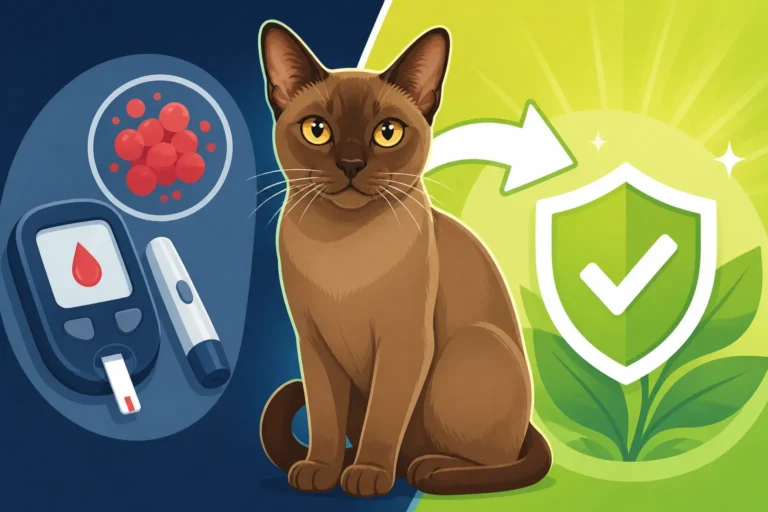
Before we dive into what can spark a hypokalemic episode, it's really important to understand the fundamental predisposition in Burmese cats. This isn't just a random occurrence; it's rooted deep in their genetics. Burmese cats are uniquely susceptible to what's formally known as Burmese Hypokalemia, or Familial Episodic Hypokalemic Polymyopathy, due to a specific genetic mutation. This condition causes their potassium levels to drop dangerously low, leading to muscle weakness, tremors, and in severe cases, the inability to lift their head – often described as a "meerkat neck" due to the posture they adopt when struggling.
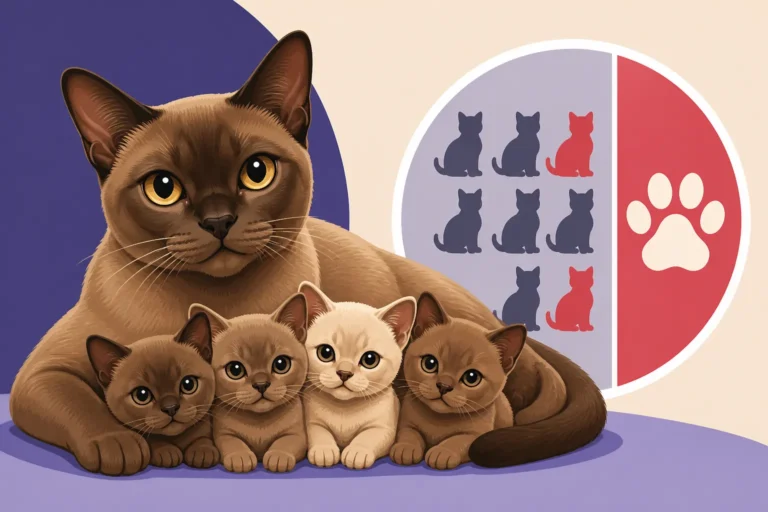
The culprit is a mutation in the WNK4 gene. This gene plays a critical role in regulating potassium levels in the body, particularly in the kidneys. When this gene is faulty, as it is in affected Burmese cats, their bodies struggle to maintain adequate potassium balance. It’s a recessive genetic trait, meaning a kitten must inherit two copies of the mutated gene (one from each parent) to be affected. Cats with only one copy are carriers and typically show no symptoms themselves, but can pass the gene on. This is precisely why responsible breeders conduct DNA testing, like the one offered by Langford Vets or other specialized labs, to identify carriers. Understanding What the WNK4 Mutation Does in a Burmese really clarifies why this breed is so uniquely vulnerable.
While the WNK4 mutation is the underlying cause, it doesn't mean an affected Burmese will constantly be in crisis. Think of it like a faulty switch: the wiring is there, but something external usually has to flip the switch. These external factors are what we refer to as "triggers." They don't cause the genetic condition, but they push the cat's already compromised potassium regulation over the edge, leading to a symptomatic episode. Knowing that How Many Burmese Carry the Hypokalemia Mutation helps highlight the importance of careful breeding to reduce the incidence of this condition.
So, while we can't change the genetic blueprint of an affected cat, we can absolutely influence the frequency and severity of their episodes by managing these triggers. It highlights the critical difference between having the potential for a condition and experiencing its full-blown symptoms. A Burmese can be genetically predisposed for years without showing a single symptom until a specific trigger presents itself. This makes managing their environment and care paramount for their quality of life. Owners are often relieved to find out that Why a Burmese Cheek Swab Is Enough for this important genetic test, making the screening process quite straightforward.
Dietary and Lifestyle Factors That Can Spark an Episode
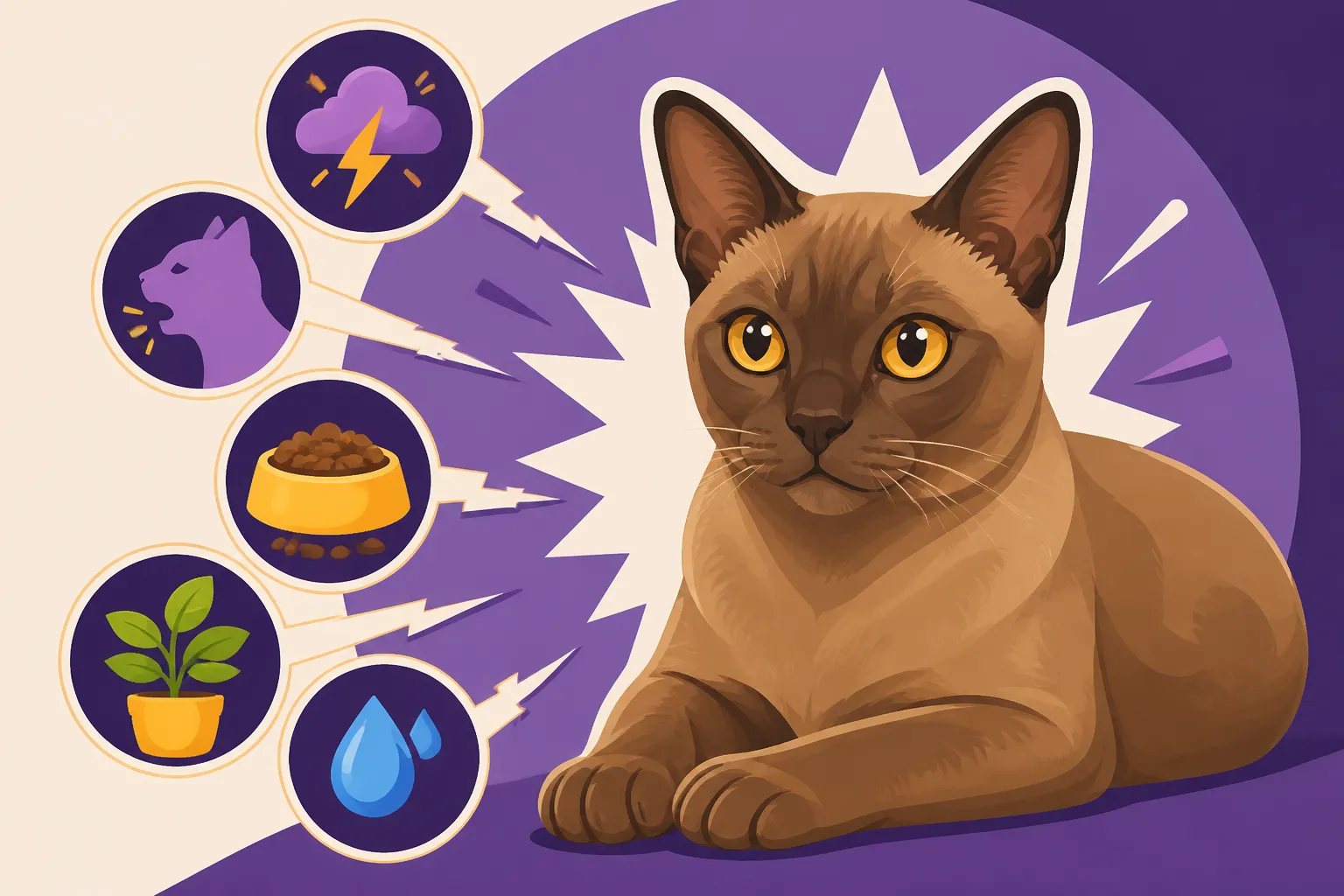
When we talk about triggers, many owners immediately think of sudden, dramatic events. However, for a Burmese cat prone to hypokalemia, everyday dietary choices and subtle lifestyle shifts can be just as impactful. Nutrition, in particular, plays an incredibly significant role in managing this condition, because potassium is absorbed directly from food.
One of the most common and often overlooked dietary triggers is an inappropriate diet, particularly one low in potassium or high in sodium. While commercial cat foods are generally formulated to be balanced, some lower-quality options or specific prescription diets not intended for hypokalemia management might inadvertently contribute to an imbalance. Our Burmese felines, being prone to this condition, need consistent access to high-quality, potassium-rich food. Even seemingly innocent dietary changes, like switching brands abruptly or introducing new treats, can sometimes upset their delicate electrolyte balance. It's a tricky balance, and sometimes a vet-recommended therapeutic diet specifically designed to support kidney health and electrolyte balance is the best course of action. This is where a knowledgeable veterinarian's advice becomes invaluable.
Beyond the specific nutritional content, inconsistent feeding schedules can also act as a trigger. Cats, especially those with underlying health issues, thrive on routine. Irregular meal times, sudden changes in portion sizes, or allowing them to free-feed (which can lead to overeating or inconsistent intake) can disrupt their metabolic rhythm and potentially contribute to an episode. The body's demand for nutrients and electrolytes is consistent, and erratic input can make it harder for a compromised system to cope. Tracking water intake is also crucial, as dehydration, even mild, can concentrate electrolytes and exacerbate an imbalance. If your Burmese suddenly starts drinking more, it warrants a vet check, as this can be a sign of many issues, including early kidney trouble or even diabetes, both of which can impact electrolyte balance.
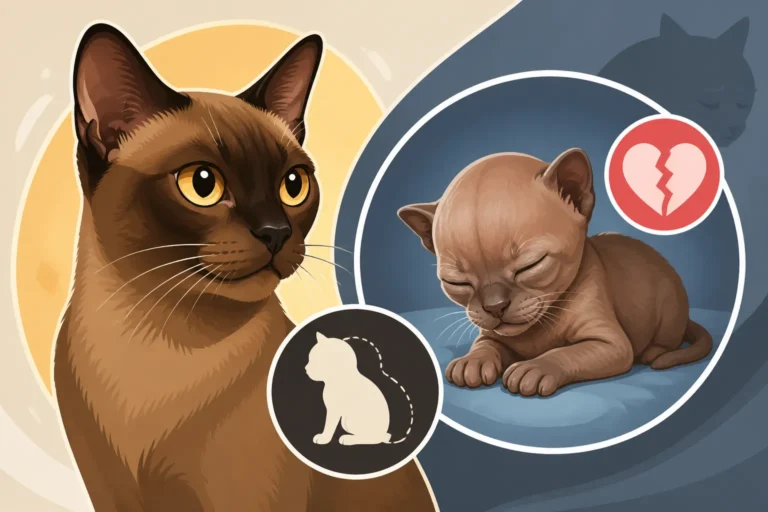
Lifestyle factors, even seemingly minor ones, can also play a part. While these cats are robust and playful, excessive physical exertion can sometimes be a trigger. Think about a particularly long or intense play session, or perhaps an agility course if your Burmese is one of those highly energetic, trick-learning individuals. During intense activity, muscle cells can release potassium, and if the cat's system is already struggling to maintain levels, this additional strain can be enough to tip them into an episode. Similarly, prolonged exposure to heat can lead to increased panting and sweating (yes, cats can sweat through their paw pads!), causing fluid and electrolyte loss that a hypokalemia-prone Burmese might struggle to replenish. It's truly heartbreaking to see How Hypokalemia First Shows in a Burmese Kitten when they're so young and vulnerable, often after periods of play.
| Trigger Category | Specific Trigger Example | Impact on Potassium | Preventative Action |
|---|---|---|---|
| Dietary | Low potassium cat food | Depletion | High-quality, balanced diet, vet consultation for specific needs. |
| Sudden diet change | Imbalance | Gradual diet transitions. | |
| Inconsistent feeding | Metabolic stress | Strict feeding schedule, weighed portions. | |
| Dehydration | Concentration | Fresh water access, monitor intake. | |
| Lifestyle | Intense play | Muscle release | Moderate play sessions, monitor for fatigue. |
| Heat exposure | Fluid/electrolyte loss | Keep cool, ensure hydration. | |
| Stressful events | Physiological stress | Minimize stressors, provide safe spaces. | |
| Illness | Vomiting/Diarrhea | Rapid loss | Prompt vet care for GI issues. |
| Concurrent diseases | Metabolic strain | Regular vet check-ups, manage existing conditions. |
Stress, Illness, and Environmental Stressors: Unexpected Catalysts
Our Burmese cats, for all their robust appearance and demanding affection, are also incredibly sensitive creatures. This sensitivity means that psychological and physiological stressors, as well as environmental factors, can act as potent triggers for a hypokalemic episode, pushing their already compromised systems past their limits. It’s not always about what they eat; sometimes, it's about what they feel or experience.
Stress, for instance, is a major, often underestimated, trigger. Think about what stresses a cat: a trip to the vet, a new pet joining the household, moving to a new home, even significant changes in your daily routine. While most cats might just hide or become a bit withdrawn, a Burmese with a predisposition to hypokalemia might react physiologically. Stress hormones can influence kidney function and electrolyte balance, making it harder for the body to retain essential potassium. A cat experiencing chronic anxiety, perhaps from being left alone too much or not having enough mental enrichment, could be at a higher risk. This is why it's so important for Burmese owners to understand Why a Burmese Cannot Be Left Alone All Day – their emotional well-being is intrinsically linked to their physical health. Providing a stable, predictable, and loving environment is not just good pet ownership; it's a vital part of managing their health.
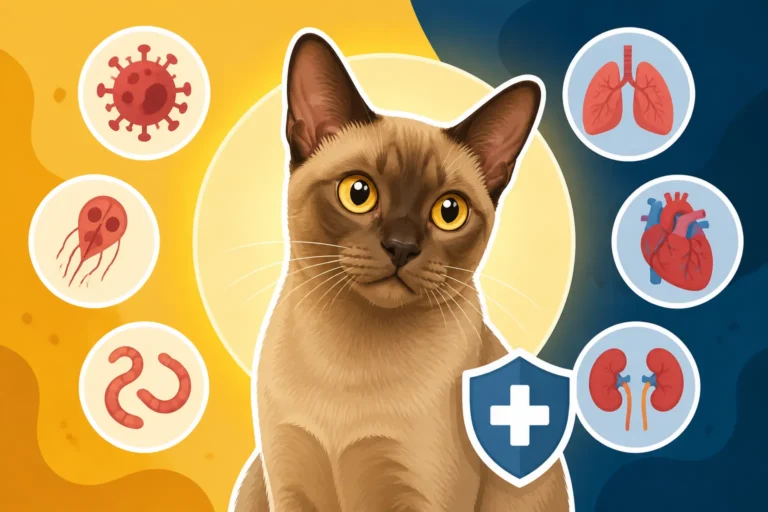
Beyond emotional stress, any concurrent illness can also trigger an episode. Conditions that lead to fluid and electrolyte loss, such as vomiting or diarrhea from a gastrointestinal upset, can rapidly deplete potassium stores. Even something as seemingly minor as a persistent urinary tract infection can create systemic stress. Chronic kidney disease, which unfortunately can affect older cats, further compromises the body's ability to regulate electrolytes, making hypokalemic episodes more likely and more severe. If your Burmese is already dealing with one health issue, their body has less reserve to handle a sudden drop in potassium, which makes early detection and aggressive management of any illness crucial. This is particularly true if you see signs like Why a Burmese Drinking More Needs Testing That Week.
Environmental factors can also play a role. While we mentioned heat as a lifestyle factor, consider extreme cold. Though Burmese cats are typically indoor pets, accidental exposure to very cold temperatures can put stress on their system. Their short, satin-like coats provide less insulation than those of many other breeds, making them more susceptible to feeling the cold. Any environmental condition that causes the body to work harder to maintain core temperature or hydration can indirectly influence electrolyte balance. It’s a holistic view of care: everything from their emotional state to the temperature of their sleeping spot contributes to their overall well-being and ability to stave off an episode. It's often the cumulative effect of several minor stressors that finally triggers a visible episode, making it difficult for owners to pinpoint a single cause after the fact.
Proactive Steps to Minimize Triggers and Manage the Condition
Living with a Burmese cat prone to hypokalemia certainly adds a layer of responsibility, but it doesn't mean a life of constant worry. With proactive management and a keen eye for detail, you can significantly reduce the frequency and severity of hypokalemic episodes, allowing your feline companion to thrive. The key lies in understanding their unique needs and implementing consistent preventative measures.
First and foremost, diet is foundational. Work closely with your veterinarian to establish the best possible diet for your cat. This often involves a high-quality, potassium-rich, and possibly low-sodium diet. Some cats may even benefit from a veterinary prescription diet specifically formulated for kidney support or electrolyte balance. It's not just about the type of food, but also the consistency. Stick to a regular feeding schedule with carefully portioned meals. This helps regulate their metabolic processes and ensures a steady intake of essential nutrients. Discussing What Potassium Supplementation Does for a Burmese with your vet is crucial, as some cats might need additional potassium chloride to maintain stable levels, especially during times of higher risk.
Regular veterinary check-ups are non-negotiable. These routine visits are vital for monitoring your cat's overall health, including blood work to check electrolyte levels. Early detection of any underlying issues, whether it's a subtle dip in potassium or the onset of another condition, allows for timely intervention. If your Burmese has experienced an episode, your vet will likely want to discuss a long-term management plan, which could involve more frequent monitoring. Having a good pet insurance plan, like one from Healthy Paws, can really alleviate the financial stress associated with these essential, but sometimes costly, veterinary interventions and ongoing care for chronic conditions. Knowing How a Vet Treats a Burmese Hypokalemic Episode can empower you to ask informed questions and work collaboratively with your veterinary team.
Minimizing stress and ensuring a stable environment are equally important. Identify potential stressors in your cat's life and mitigate them where possible. This might mean providing quiet, safe spaces for them to retreat, maintaining a consistent daily routine, and introducing any changes (like new pets or furniture) gradually. Enrichment through play and interaction can reduce anxiety, but be mindful of overexertion, especially during very active play sessions. Ensure they always have access to fresh water to encourage good hydration, and keep their living environment at a comfortable, stable temperature. Many owners find peace of mind in knowing that with proper care, Whether a Hypokalemic Burmese Lives a Normal Life is often a resounding yes.
Finally, stay vigilant for any subtle signs that an episode might be brewing. Early detection is your best weapon. Observe their energy levels, gait, head carriage, and appetite daily. If you notice any weakness, stiffness, or reluctance to move, contact your vet immediately. Since the condition is genetic, ethical breeding practices are also key. Breeders should always test their breeding cats for the WNK4 mutation to avoid producing affected kittens. Owners adopting a Burmese should always request to see the parents' genetic test results to ensure they are getting a kitten from responsible lines. This proactive approach, from diet to vet care to understanding their genetic background, allows our beloved Burmese to enjoy a full and happy life, even with their unique predisposition. It's truly a testament to how much love and careful management can make a difference, especially for kittens who might eventually Why a Burmese Kitten Grows Out of Hypokalemia with age and careful management. Insurance providers like Healthy Paws also often offer robust coverage that can assist with the diagnostics and treatments for conditions like hypokalemia, provided the policy is in place before symptoms arise. This foresight can be invaluable.
Disclaimer
The information provided in this article is for general informational purposes only and is not intended as a substitute for professional veterinary advice. Always consult with a qualified veterinarian for any health concerns or before making any decisions related to your pet's health or treatment.