Whether a GM2 Test Exists for the Burmese
It's absolutely heartbreaking to think about a kitten suffering from a serious genetic condition, and for Burmese cat owners and prospective buyers, GM2 Gangliosidosis is one of those frightening terms that can keep you up at night. The worry about bringing a new kitten home, or breeding your beloved Burmese, only to discover a devastating, untreatable illness, is a very real and valid concern. Thankfully, when it comes to GM2, there’s crucial information and a definitive answer regarding testing that can bring immense peace of mind. This guide will delve into what GM2 Gangliosidosis is, and most importantly, whether a genetic test exists to help protect these wonderful cats.
Understanding GM2 Gangliosidosis in Burmese Cats
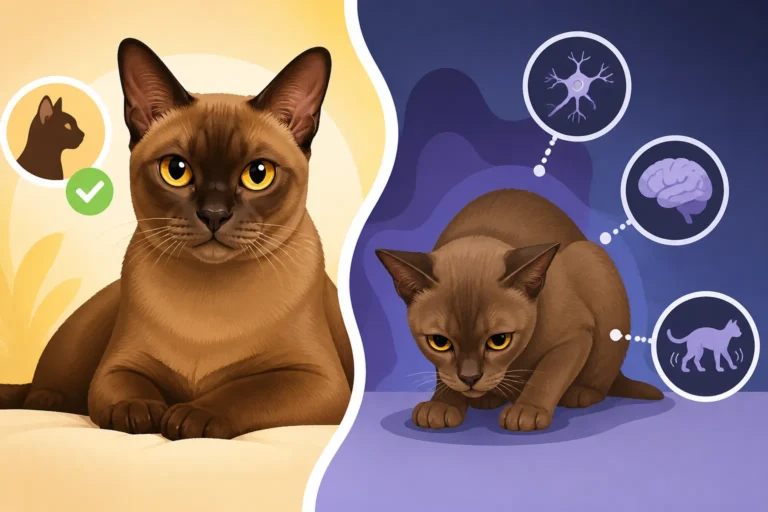
Before we even get to testing, it's important to truly grasp what GM2 Gangliosidosis is and why it's such a serious concern for the Burmese breed. This isn't just a mild inconvenience; it's a progressive, fatal neurological disorder that steals precious time from affected kittens. Imagine a kitten, full of life and playful energy, slowly losing its ability to move, see, and interact – that's the cruel reality of GM2.
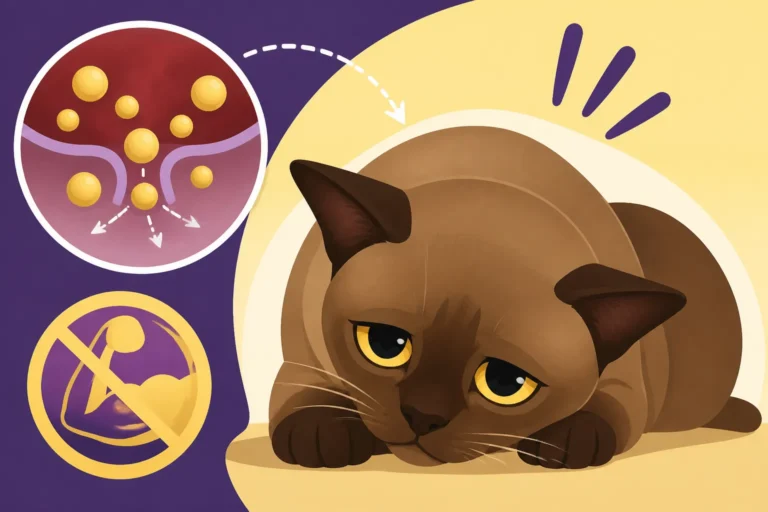
At its core, GM2 Gangliosidosis is a type of lysosomal storage disease. Think of lysosomes as the recycling centers within a cell. Their job is to break down waste products. In GM2, there's a specific enzyme deficiency – beta-hexosaminidase – which means certain fatty substances, called gangliosides, can't be broken down properly. Instead, they accumulate to toxic levels, primarily in the nerve cells of the brain and spinal cord. This build-up literally chokes the cells, leading to their dysfunction and eventual death. It's like a tiny, intricate engine getting clogged with sludge, slowly grinding to a halt.
The symptoms of GM2 in a Burmese kitten are incredibly heartbreaking to witness, precisely because they impact the cat's neurological function so severely. Typically, you might start noticing subtle changes when the kitten is just a few months old, often between two to five months of age. Initially, it might be something as seemingly innocuous as a slight tremor or a loss of balance that seems like clumsy kitten play. However, as the disease progresses, these signs become much more pronounced. Kittens will often develop a wobbly gait, making them look like they're perpetually drunk. They might struggle with coordination, misjudging jumps or bumping into things. Their vision can also deteriorate, leading to further disorientation. Behaviorally, you might notice changes too, as the neurological damage affects their cognitive function. They might become withdrawn, or their usual playful antics might fade away, replaced by listlessness and confusion. Sadly, How Early GM2 Shows in a Burmese is usually a devastating indicator of the disease taking hold, and the progression is relentless, leading to severe disability.
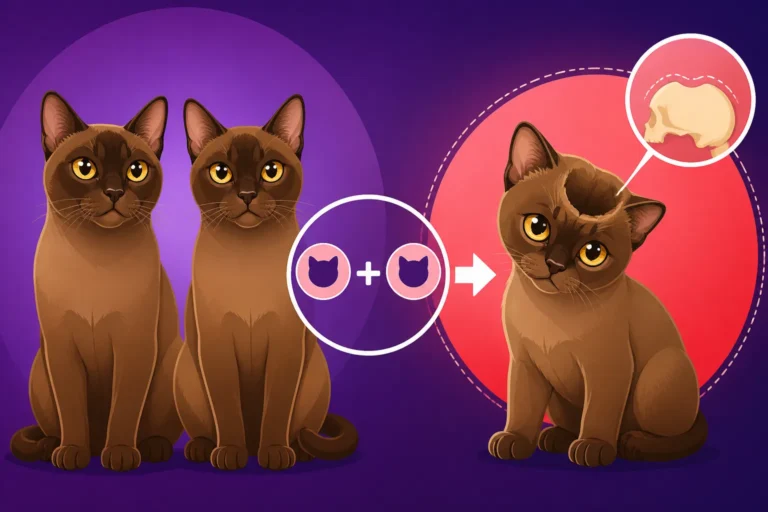
Genetically, GM2 Gangliosidosis is inherited in an autosomal recessive pattern. This means a kitten must inherit two copies of the faulty gene – one from each parent – to be affected by the disease. If a kitten inherits only one copy, it will be a "carrier." Carriers do not show any symptoms of the disease themselves, but they can pass the faulty gene on to their own offspring. This recessive nature is precisely what makes genetic testing so vital; without it, perfectly healthy-looking carrier cats can inadvertently produce affected kittens. The impact on a Burmese kitten can be devastating, as detailed in What GM2 Gangliosidosis Does to a Burmese Kitten.
The Existence and Accessibility of a GM2 Genetic Test
This is where good news, and immense relief for many, comes into play: yes, a highly accurate and readily available genetic test for GM2 Gangliosidosis in Burmese cats does exist. This isn't some experimental procedure; it's a standard DNA test that breeders and responsible owners can (and absolutely should) utilize. The existence of this test is a game-changer because it takes the guesswork out of preventing this tragic disease. It empowers breeders to make informed decisions and gives prospective owners the confidence that their new family member won't suffer from GM2.
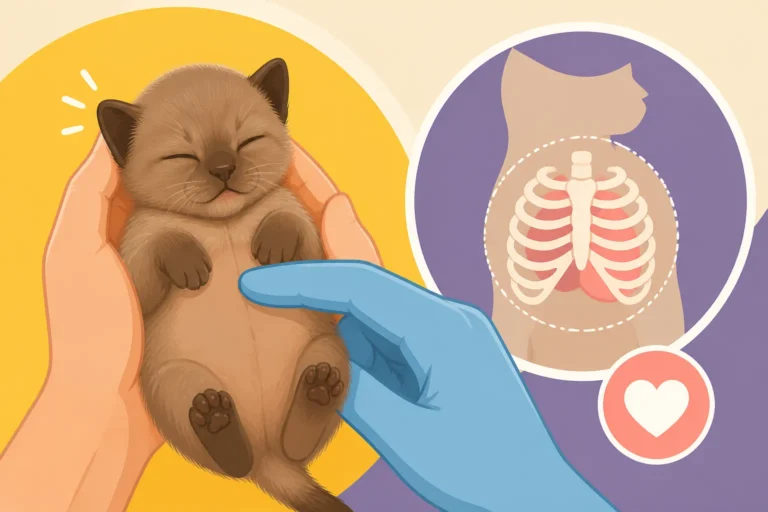
The GM2 genetic test works by analyzing a sample of your cat's DNA to look for the specific genetic mutation known to cause the disease in Burmese cats. It's a sophisticated molecular process, but for you and your cat, the sample collection is incredibly simple and non-invasive. Most commonly, a veterinarian or even you, at home, can collect a buccal swab – essentially, a cheek swab – from the inside of your cat's mouth. This swab collects cells that contain DNA. Some laboratories might also accept a small blood sample, but the cheek swab is often preferred for its ease. Why a Burmese Cheek Swab Is Enough for these tests, making the process stress-free for your feline friend.
Once collected, the sample is sent to a specialized veterinary genetics laboratory. Several reputable labs offer this test. For example, labs such as Optimal Selection (run by Wisdom Panel) or institutions like the Veterinary Genetics Laboratory at UC Davis are well-known for providing comprehensive genetic testing panels for various breeds, including the Burmese. These labs employ advanced techniques to isolate the DNA and identify the presence or absence of the specific GM2 mutation. The turnaround time for results can vary, but typically you can expect them within a few weeks. The availability of such robust genetic panels means that Which Tests Belong on a Burmese DNA Panel can now include GM2 as a standard part of comprehensive health screening.
For breeders, this test is indispensable. It allows them to identify "carrier" cats in their breeding lines before any mating even takes place. This way, they can carefully plan pairings to ensure that no affected kittens are ever produced. For prospective owners, especially those looking to buy a kitten, asking for proof of GM2 testing for both parents, or even the kitten itself, is a crucial step in ensuring you're getting a healthy cat. Even if you're considering a rescue Burmese, which might have an unknown history, Why a Rescue Burmese Should Still Be Tested remains critically important to understand their genetic health and make informed care decisions.
Why Genetic Testing is Crucial for Responsible Breeding and Ownership
Genetic testing for GM2 Gangliosidosis isn't just a suggestion; it's a cornerstone of responsible breeding and ownership for Burmese cats. When we talk about preventing suffering, this test stands out as one of the most impactful tools available. The thought of a kitten enduring the neurological decline associated with GM2 is truly distressing, and the ability to prevent that outcome through a simple test is a moral imperative for anyone involved with the breed.
From a breeding perspective, the ethical responsibility is clear. Breeders have a duty to produce healthy, thriving kittens, and knowingly or unknowingly passing on a gene for a fatal disease goes against that principle. By testing all breeding cats for GM2, breeders can confidently identify carriers. This information then guides their breeding program. A responsible breeder will never mate two carriers together, as this carries a 25% risk of producing affected kittens. Instead, carriers can still be bred responsibly with "clear" mates (cats that do not carry the gene) to ensure no affected kittens are born. This careful selection allows breeders to maintain genetic diversity within the breed while actively working to eradicate harmful mutations. This is a primary reason What a Burmese Breeder Must Test Before Any Mating includes GM2, alongside other significant conditions like Hypokalemia.
Beyond the immediate welfare of the kittens, widespread genetic testing also plays a vital role in the long-term health and integrity of the Burmese breed itself. By identifying and strategically managing carrier cats, breeders can gradually reduce the prevalence of the GM2 mutation in the gene pool without overly restricting breeding options. This proactive approach helps to safeguard the breed for future generations, preventing the disease from becoming more widespread or causing undue suffering. It also contributes to a general understanding of Which Diseases the Burmese Actually Carries, empowering the community to address these challenges head-on.
Let's also talk about the very real financial and emotional implications of an affected kitten. Caring for a cat with a progressive neurological disease involves significant veterinary costs, including diagnostics, supportive care, and potentially specialized diets or medications. These expenses can quickly become overwhelming. More importantly, the emotional toll on owners who watch their beloved pet decline, knowing there's no cure, is immense. It's an incredibly difficult situation to face, and one that is entirely preventable with proper testing. For new owners, understanding these genetic risks is paramount, not just for the cat's health but also for your financial planning. While a company like Healthy Paws offers excellent pet insurance, many policies have exclusions for pre-existing or genetic conditions if they aren't diagnosed or screened for proactively. Having a clear genetic test result for GM2 means you’ve done your due diligence, and should other health issues arise, your Healthy Paws policy can provide valuable support. It's a testament to responsible pet ownership to know your cat's genetic status. Imagine the emotional and financial strain of caring for a kitten with GM2. Vet bills can quickly skyrocket, and even the most comprehensive pet insurance, like those offered by Healthy Paws, will typically not cover conditions that were present or diagnosable before coverage began. This makes pre-emptive testing an invaluable investment.
Interpreting GM2 Test Results and Making Informed Decisions
Receiving your Burmese's GM2 test results can feel like a pivotal moment, especially if you're a breeder or anxiously awaiting the health status of a new kitten. Understanding what those results mean is crucial for making responsible decisions, whether it's about a breeding program or simply ensuring your pet's future well-being. The good news is that genetic test results for recessive conditions like GM2 are usually quite straightforward, typically falling into one of three categories.
Here’s a breakdown of what each result means:
- "Clear" (or "Homozygous Normal"): This is the ideal result. It means your Burmese has two healthy copies of the gene and does not carry the GM2 mutation. A "clear" cat will not develop GM2 Gangliosidosis, nor can it pass the mutation on to its offspring. If you’re a breeder, these cats are excellent candidates for your program, as they can be safely bred with any other tested cat (even a carrier) without the risk of producing affected kittens. For pet owners, a "clear" result offers immense peace of mind.
- "Carrier" (or "Heterozygous"): This result indicates that your Burmese has one healthy copy of the gene and one copy of the GM2 mutation. Carriers do not develop GM2 Gangliosidosis themselves because the single healthy copy of the gene is sufficient to produce enough of the necessary enzyme. However, they can pass the mutated gene on to approximately 50% of their offspring. This is why carriers are so important to identify in a breeding program. While they are perfectly healthy, breeding two carriers together is a recipe for disaster, as you'll see below.
- "Affected" (or "Homozygous Affected"): This result means your Burmese has inherited two copies of the GM2 mutation, one from each parent. An "affected" cat will develop GM2 Gangliosidosis and will exhibit the heartbreaking symptoms of the disease. This is a devastating diagnosis, and sadly, the prognosis is universally poor, leading to a severely shortened lifespan and significant suffering. Typically, if a kitten tests as "affected," the signs of the disease would already be apparent or would manifest very early in life. An affected cat should never be used for breeding.
To visualize the implications of these results, especially for breeders, consider the following inheritance patterns:
| Parent 1 Result | Parent 2 Result | Probability of Offspring: Clear | Probability of Offspring: Carrier | Probability of Offspring: Affected |
|---|---|---|---|---|
| Clear | Clear | 100% | 0% | 0% |
| Clear | Carrier | 50% | 50% | 0% |
| Carrier | Carrier | 25% | 50% | 25% |
| Clear | Affected | 0% | 100% | 0% |
| Carrier | Affected | 0% | 50% | 50% |
| Affected | Affected | 0% | 0% | 100% |
This table makes it starkly clear why it is absolutely paramount to avoid breeding two GM2 carriers together. That 25% chance of producing an affected kitten is a preventable tragedy. When a breeder understands these probabilities, they can make judicious decisions about which cats to mate. For instance, a valuable carrier cat can still contribute to the gene pool if bred only to a "clear" mate. This way, no affected kittens are born, and half the litter will be carriers (which can then be tested and managed), while the other half will be clear. This careful selection ensures that the undesirable gene doesn't just disappear overnight but is diluted out responsibly over generations.
The cost of a full genetic panel for a Burmese, which includes GM2 testing, is a worthwhile investment. How Much a Full Burmese DNA Panel Costs is a minor expense compared to the potential heartbreak and financial burden of an affected kitten. If you're considering insuring your Burmese, checking for genetic conditions like GM2 is a smart move. A clean bill of health, backed by DNA testing, can make the process smoother, ensuring that future, unrelated health issues are covered by your chosen provider, such as Healthy Paws. This proactive approach not only benefits the individual cat but also contributes to the overall health and good name of the Burmese breed. What a Burmese breeder owes you should always include full transparency on these vital health tests.
Navigating a GM2 Positive Result
Receiving a positive result for GM2, whether it's a carrier status or, even more devastatingly, an affected status, can bring a flood of emotions. But understanding what these results truly mean and having a clear plan of action is essential. It's a challenging moment, but it's one where knowledge and responsible choices can make all the difference.
If your Burmese receives a "Carrier" result, it means your cat is genetically healthy and will never develop GM2 Gangliosidosis. This is important to remember – carriers are not sick cats. However, they do carry one copy of the mutated gene and can pass it on. For pet owners, a carrier status simply means you have a healthy cat, and there's nothing specific you need to do for their health care related to GM2. It's merely information about their genetic makeup. For breeders, a carrier result means you need to be very strategic in your breeding plans. A carrier can still be a valuable part of a breeding program, especially if they possess other desirable traits. The golden rule is that a carrier must only be bred to a cat that has tested "Clear" for GM2. As we saw in the table above, this pairing ensures that no affected kittens will ever be born. While half the litter might still be carriers, these kittens can then be tested, and future breeding decisions can be made accordingly. This responsible approach allows for maintaining genetic diversity while actively reducing the presence of the GM2 mutation in the breeding lines. It's a careful balance, but one that ensures the health of future generations. It’s a good idea to confirm if How Many Burmese Litters Carry the Defect have resulted in affected kittens in various lines, which emphasizes the need for consistent testing.
A more heartbreaking scenario arises if a Burmese kitten receives an "Affected" result, meaning it has two copies of the GM2 mutation. This is a devastating diagnosis, as affected kittens will develop the severe, progressive neurological symptoms of GM2 Gangliosidosis. Unfortunately, there is no cure or effective treatment for GM2, and the disease is ultimately fatal. For owners facing this news, the priority shifts to providing compassionate, palliative care to ensure the kitten's comfort for as long as possible. This often involves working closely with your veterinarian to manage symptoms and assess their quality of life as the disease progresses. Regrettably, due to the progressive nature and severity of GM2, euthanasia is often the most humane option to prevent prolonged suffering. The emotional toll of this situation is immense, and it highlights just how crucial preventative genetic testing is in the first place. This is why Whether a Burmese Kitten Can Be Screened for GM2 at Birth is a critical question for breeders to prevent such tragedies.
For breeders, receiving an "affected" result for a kitten implies that both parents are, at minimum, carriers (or one is affected, though this is rare for a breeding cat). This revelation necessitates immediate action: both parents must be pulled from any further breeding until their status is confirmed through testing. If both parents are confirmed carriers, they should never be bred together again. Decisions then need to be made about their future in the breeding program, often restricting them to pairings with only "clear" mates, or retiring them from breeding entirely. The goal is always to prevent any more affected kittens from being born, protecting the welfare of the animals and upholding the ethical standards of breeding. Understanding How a Burmese Breeder Avoids the Head Defect, another serious genetic condition, can provide a parallel understanding of the critical importance of genetic screening for all known breed-specific issues.
Disclaimer
This article is intended for informational purposes only and does not constitute veterinary advice. Always consult with a qualified veterinarian for any health concerns or before making any decisions about your pet's care or breeding program. Genetic testing results should always be interpreted in conjunction with professional veterinary guidance.