Why a Burmese’s Glucose Should Be Checked From Seven
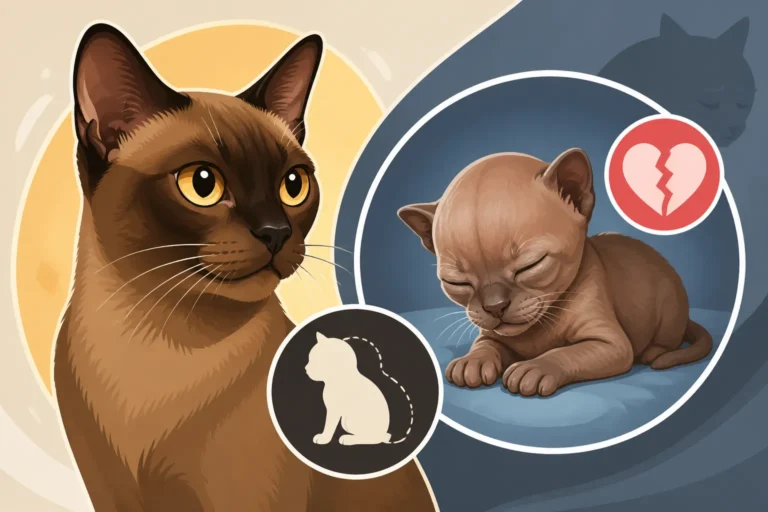
It’s a heart-wrenching worry for any cat parent: seeing your beloved feline friend start to slow down, drink more water, or inexplicably lose weight, only to discover it’s a serious health issue that could have been caught earlier. For Burmese cat owners, this worry takes on a specific urgency, especially concerning diabetes. This guide delves into why checking your Burmese's glucose levels from as early as seven years old isn't just a good idea, it's a vital step in proactive care that can truly extend their happy, healthy life with you.
The Unique Diabetes Risk in Burmese Cats
As a Burmese owner, you're likely already aware that our gorgeous, affectionate companions come with a few genetic quirks, and one of the most significant is their elevated risk for Feline Diabetes Mellitus. It’s not just a general feline concern; it's a specific predisposition deeply rooted in their breed.
Understanding the Breed's Predisposition
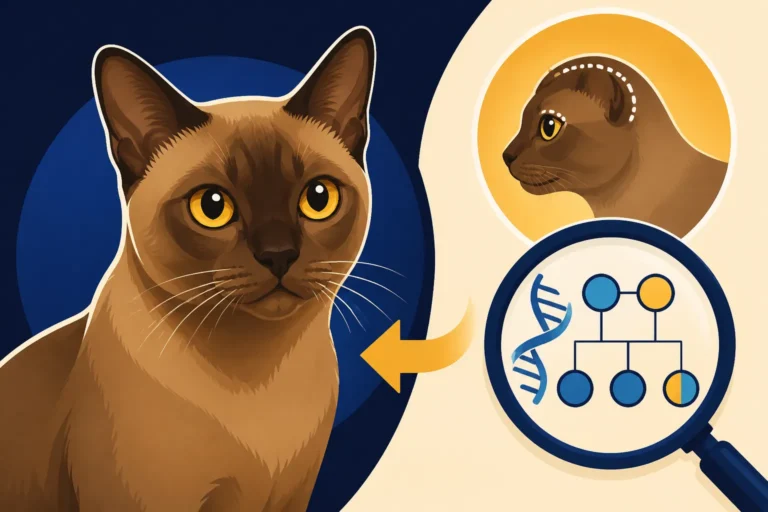
The genetic lottery plays a big role in a Burmese's susceptibility to diabetes. While all cats can develop diabetes, the Burmese breed, particularly lines originating from Australia and Europe, has a statistically much higher incidence. We're talking about a risk that can be four times higher than other breeds, which is a stark number to contend with. Research, including genome studies, has identified specific genetic markers that contribute to this heightened risk, suggesting a genetic mutation in the WNK4 gene plays a role in how their bodies handle insulin and glucose. This means that even if you're doing everything "right" with diet and exercise, your Burmese still carries an inherent vulnerability. It's why understanding Why the Burmese Diabetes Risk Is Inherited is so crucial for every owner.
This isn't to say every Burmese will become diabetic, but it does mean we need to approach their care with extra vigilance. Their strong, muscular build can sometimes mask early weight changes, making it even harder to spot trouble brewing. It’s a sad reality that sometimes, our most beloved companions inherit these vulnerabilities, and our job as their guardians is to be as informed and proactive as possible.
The Silent Onset of Feline Diabetes
One of the most frustrating aspects of feline diabetes is its stealthy nature. Cats, including our stoic Burmese, are masters at hiding illness. In the early stages, the signs can be incredibly subtle, easily mistaken for normal aging or dismissed as minor quirks. You might notice your cat drinking a little more, or perhaps an increase in urination, but these changes can be so gradual that they slip under the radar. By the time obvious symptoms like significant weight loss, lethargy, or a ravenous appetite appear, the disease might already be quite advanced.
This silent progression is precisely why waiting for overt symptoms is a risky strategy for a Burmese. If you wait until you see Which Signs Come First in a Diabetic Burmese, you've potentially lost valuable time. Early intervention, often triggered by routine glucose checks, can mean the difference between managing the disease effectively and facing more severe complications down the line. It's a testament to their affectionate, resilient nature that they often mask their discomfort, making our role as observant caregivers even more critical.
Why Age Seven is a Critical Milestone for Glucose Monitoring
The recommendation to start glucose checks from age seven isn't an arbitrary one. It's based on an understanding of the typical age of onset for feline diabetes and the compounding factors of aging in general. This isn't about panicking, but about being sensibly proactive.
The Natural Progression of Risk with Age
As cats age, their bodies naturally undergo changes that can increase their susceptibility to various health conditions, and diabetes is certainly one of them. For Burmese cats, whose inherent risk is already higher, these age-related changes simply add another layer of vulnerability. Most Burmese cats who develop diabetes tend to do so in their middle to senior years, with ages seven and up being a particularly common timeframe. Think of it like us getting regular check-ups as we get older; our pets need the same foresight.
Weight gain, reduced activity levels, and other metabolic shifts can occur as a cat matures, all of which contribute to insulin resistance. A Burmese that has maintained a healthy weight throughout its younger years can still start to carry a few extra pounds as it ages, and even a modest increase in weight significantly raises the risk. How Much Weight Raises a Burmese's Diabetes Risk is often surprising to owners – it doesn't take much. By starting glucose monitoring at age seven, we're acknowledging this natural progression and setting up a baseline for comparison. This allows your vet to track trends, not just isolated readings, which can be invaluable.
Catching Diabetes Before Clinical Signs Emerge
The primary goal of early glucose monitoring is to detect subtle changes in blood sugar levels before your Burmese starts showing noticeable clinical signs of diabetes. This is often referred to as pre-diabetic or early-stage diabetes. At this point, the disease is much more manageable, sometimes even reversible, with dietary adjustments and lifestyle changes. Imagine being able to intervene with a simple diet modification, like ensuring Why Low Carbohydrate Food Matters for a Burmese, rather than moving straight to insulin injections.
If diabetes is caught early, there's a much greater chance of achieving diabetic remission, especially if aggressive dietary changes are implemented promptly. This means your cat could potentially go off insulin altogether, leading to a higher quality of life for them and less stress (and cost!) for you. If you wait until you see your Burmese consistently drinking more water than usual, that’s already a strong indicator that their blood glucose has been elevated for some time, and it’s time to act immediately. As the saying goes, prevention is better than cure, and in the case of Burmese diabetes, early detection is your best shot at true prevention.
What a Glucose Check Involves for Your Burmese
So, what exactly happens when you take your Burmese in for one of these crucial glucose checks? It’s not as daunting as it might sound, and our affectionate Burmese cats often handle vet visits with surprising calm.
The Vet Visit and Initial Screening
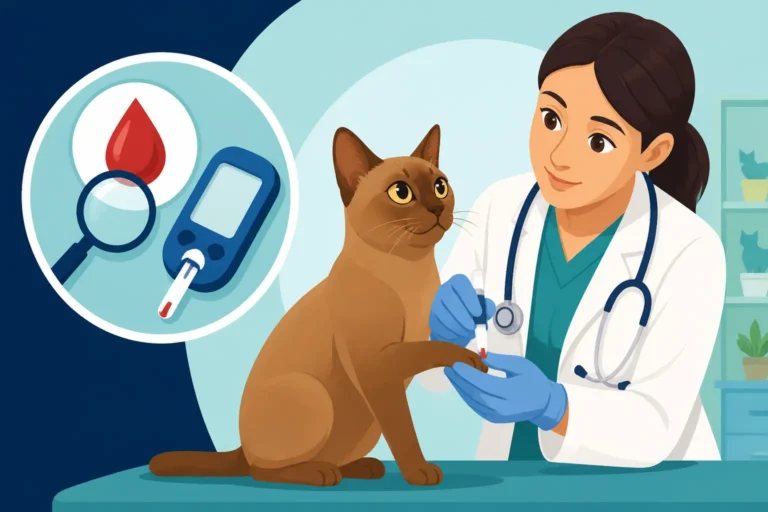
Typically, a glucose check begins with a routine veterinary visit. Your vet will usually recommend a blood test, which is a straightforward procedure. For a baseline glucose reading, a single blood sample is usually sufficient. However, because stress can temporarily elevate a cat's blood glucose (a phenomenon known as "stress hyperglycemia"), your vet might also recommend a fructosamine test. This is an absolute game-changer for diagnosing diabetes in cats.
A fructosamine test provides an average of your cat's blood glucose levels over the past 1 to 3 weeks, giving a much more accurate picture of their long-term glucose control, unaffected by any short-term stress from the vet visit itself. This allows for a more confident diagnosis. If the initial blood glucose is high, a fructosamine test will almost certainly be the next step. It’s part of how a vet truly confirms diabetes in a Burmese. Knowing What a Fructosamine Test Shows in a Burmese can alleviate a lot of anxiety about those initial, potentially stress-inflated glucose readings.
Interpreting the Results and Next Steps
Once the blood work is back, your vet will carefully interpret the results. If both the glucose and fructosamine levels are elevated, a diagnosis of diabetes is likely. This is where a proper plan of action comes into play, which will almost certainly involve significant dietary changes to a low-carbohydrate, high-protein wet food diet. This change alone can often make a profound difference.
If your Burmese’s numbers are borderline or mildly elevated, your vet might suggest monitoring and making immediate dietary adjustments, then retesting in a few weeks or months. This is that sweet spot of early intervention we discussed. If the diabetes is more advanced, your vet will discuss starting insulin therapy. While giving your cat injections sounds intimidating, many Burmese owners find their cats tolerate it remarkably well, thanks to their trusting and cooperative nature. It's a learning curve, but one that is absolutely achievable. Don't be afraid to ask your vet for a demonstration, or for tips on How to Give a Burmese Its Insulin at Home. It becomes part of the daily routine, much like feeding them.
Proactive Care for a Healthier Lifespan
Glucose checks are just one piece of the puzzle. They inform a broader strategy of proactive care designed to give your Burmese the longest, healthiest life possible. It's about combining regular monitoring with smart lifestyle choices.
Dietary Management and Weight Control
Diet is paramount when it comes to managing diabetes risk in Burmese cats. Because of their predisposition, feeding a low-carbohydrate, high-protein diet from a young age is highly recommended, not just for those already showing signs of diabetes. This type of diet helps regulate blood sugar levels and prevents excessive weight gain, which is a major contributing factor to insulin resistance. Many owners might not realize just Why Portion Control Is Medical Care in a Burmese, but for a breed prone to diabetes, it truly is.
Regularly weighing your Burmese at home and adjusting their food intake accordingly is a simple yet powerful tool. Even feeling their ribs to assess their body condition can give you valuable insights. Remember, a muscular Burmese can often look heavier than it is, so understanding How to Feel a Burmese's Ribs Under a Satin Coat is important. Discuss specific food recommendations and portion sizes with your vet, especially as your cat ages. Brands like Purina Pro Plan Veterinary Diets DM or Royal Canin Veterinary Diet Diabetic are often prescribed, but there are many over-the-counter options that meet the criteria. This dietary discipline, coupled with consistent glucose monitoring, can dramatically improve your Burmese's long-term health outlook.
The Role of Regular Vet Check-ups
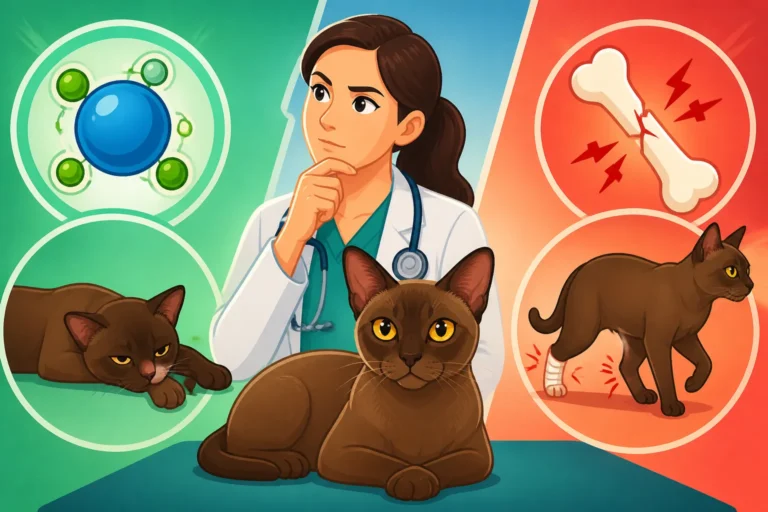
Beyond targeted glucose checks, routine veterinary visits become increasingly vital as your Burmese enters its senior years. These check-ups aren't just for vaccinations; they're comprehensive health assessments. Your vet can perform a thorough physical exam, check for other age-related conditions, and discuss any changes you've observed in your cat's behavior or habits. For instance, sometimes a slight increase in drinking might not be diabetes, but an indicator of early kidney disease, which also becomes more common with age.
These annual or bi-annual visits are also the perfect opportunity to discuss any new concerns, get updated advice on nutrition, and ensure any existing conditions are being managed effectively. A good pet insurance plan, like those offered by Healthy Paws, can provide immense peace of mind, especially when considering the potential costs associated with managing chronic conditions like diabetes. While many policies might exclude pre-existing conditions, insuring your Burmese before they turn seven and before any symptoms appear can help cover potential future care. These consistent interactions with your veterinary team create a strong foundation for managing your Burmese's health through all stages of its life.
Here's a quick look at why those early checks are so beneficial:
| Symptom | What it might indicate (besides diabetes) | Why early glucose check helps |
|---|---|---|
| Increased Thirst (Polydipsia) | Kidney disease, hyperthyroidism | Confirms or rules out diabetes as a cause, guides further diagnostics. |
| Increased Urination (Polyuria) | Kidney disease, UTI | Identifies diabetes before kidney damage or severe dehydration. |
| Weight Loss (despite normal appetite) | Hyperthyroidism, dental issues, cancer | Allows for dietary intervention before significant muscle wasting occurs. |
| Increased Appetite (Polyphagia) | Hyperthyroidism | Helps catch insulin resistance early, potentially preventing full-blown diabetes. |
| Lethargy / Reduced Activity | Arthritis, general aging | Differentiates diabetes from other age-related issues, improving quality of life sooner. |
Disclaimer
This article is intended for informational purposes only and does not constitute veterinary advice. Always consult with a qualified veterinarian for any health concerns or before making any decisions about your pet's medical care. Individual needs and conditions may vary.