Whether a Burmese Ever Needs Its Potassium Rechecked
One of the most unsettling experiences for a Burmese cat owner is witnessing their vibrant, affectionate companion suddenly weaken, often struggling to even hold their head up. This alarming scenario often points to hypokalemia, a condition where potassium levels in the blood drop dangerously low. Once your vet has stabilized your precious furball and started them on treatment, a natural, pressing question arises: does your Burmese ever truly stop needing its potassium rechecked, or is this a lifelong journey of careful monitoring? This comprehensive guide will explore the necessity of ongoing potassium checks, helping you understand the complexities of this condition and how to best care for your beloved Burmese.
Understanding Hypokalemia in Your Burmese
First, let's really grasp why this particular issue is such a concern for our beloved Burmese. Unlike many other cat breeds, Burmese cats have a genetic predisposition to hypokalemia, making them uniquely vulnerable. It’s not just a random fluke; there’s a specific gene mutation involved. The WNK4 mutation is recognized as the culprit behind this inherited disorder, making it something specific to the breed, rather than a general feline ailment. This means that if your Burmese has had an episode, it's not simply an isolated incident but a sign of an underlying genetic tendency.
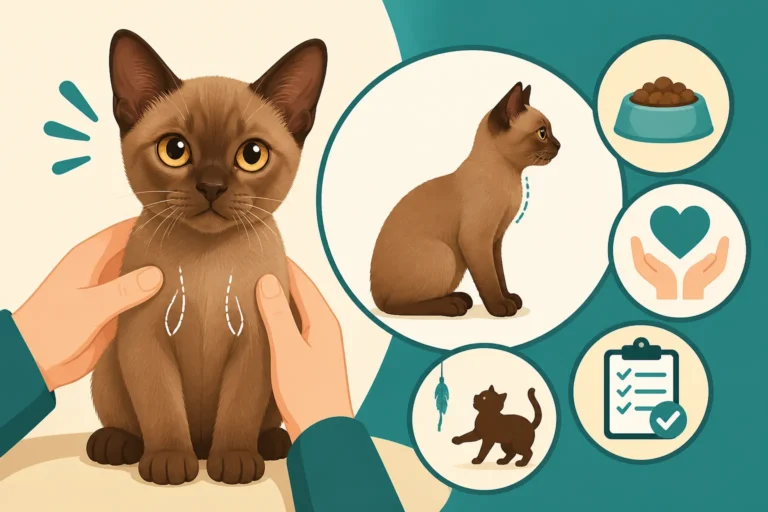
When potassium levels in a cat's blood drop too low, it impacts various bodily functions, most notably muscle function. Imagine trying to move your limbs or even lift your head when your muscles just won't cooperate – that’s what your Burmese experiences. The classic signs are often muscle weakness, particularly affecting the neck, leading to that distinctive "meerkat neck" posture where they struggle to hold their head erect. You might also notice a general lethargy, a reluctance to move, or even a change in their typical boisterous playfulness. It can be quite frightening to witness, especially when it comes on suddenly. Initial diagnosis usually involves a blood test to confirm the low potassium, followed by immediate potassium supplementation, often in a liquid or tablet form. This initial treatment aims to bring their levels back into a safe range and alleviate those distressing symptoms. For a deeper dive, you can read about Hypokalemia Is the Burmese Disease With a DNA Test and The Meerkat Neck That Tells You a Burmese Has Hypokalemia.
The Critical Role of Potassium Rechecks During and After an Episode
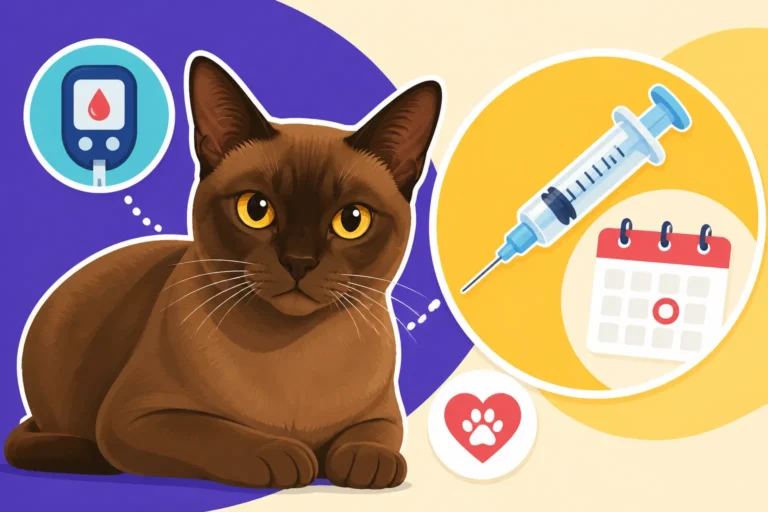
The journey with hypokalemia isn't a one-and-done treatment; it's a dynamic process that demands careful attention, especially during and immediately after an acute episode. When your Burmese is first diagnosed and starts potassium supplementation, your veterinarian will likely recommend frequent rechecks. This isn't just busy work; it's absolutely crucial. The initial goal is to raise the potassium levels to a safe range without overshooting and causing hyperkalemia, which can be equally dangerous. These frequent checks help fine-tune the dosage, ensuring your cat gets precisely what they need. Imagine a tightrope walker, and the vet is constantly adjusting the balance pole – that's what those first few days or weeks of monitoring potassium are like.
Many owners breathe a sigh of relief when their Burmese seems to "recover" from an episode. The muscle weakness subsides, their head is held high again, and they might even resume their playful antics. It's incredibly tempting to think the problem is solved and stop the medication or the rechecks. However, this apparent recovery can be deceptive. While the outward symptoms may disappear, the underlying metabolic issue or the genetic predisposition is still present. Stopping supplementation too soon can lead to a rapid drop in potassium levels, triggering another episode. This is why following your vet’s recheck schedule diligently is paramount, even when your cat looks and acts completely normal. These ongoing checks ensure that the "recovery" is sustained and that your cat's internal chemistry remains stable. It's not uncommon for a cat to look perfectly fine on the outside while their internal potassium levels are teetering on the edge. You can learn more about How a Vet Treats a Burmese Hypokalemic Episode to understand the treatment protocol.
Long-Term Management: Is Lifelong Monitoring Necessary for All Burmese?
The question of lifelong monitoring truly hits home for many Burmese owners. For some Burmese, especially those with mild, infrequent episodes or those who show improvement as they mature, the need for constant rechecks might decrease over time. Some Burmese kittens, for instance, might experience episodes when young but seem to grow out of them as they age, possibly due to a maturation of their kidney function or other physiological changes. This isn't a given for all, however. If your Burmese is a known carrier of the WNK4 mutation, or if they've experienced severe or recurrent episodes, long-term, periodic rechecks are often a non-negotiable part of their care.
The frequency of these long-term rechecks will largely depend on your individual cat's history and stability. Your vet might suggest rechecks every few months, twice a year, or even annually, to catch any subtle dips in potassium before they escalate into full-blown crises. It's about proactive management rather than reactive crisis control. Factors like diet, stress levels, and even other medications your cat might be taking can influence potassium levels, making these periodic checks even more vital. Investing in a good pet insurance policy, such as one from Healthy Paws, can also be a game-changer here, as the costs associated with regular blood tests and potential long-term medication can add up. Such policies can help alleviate the financial burden, making consistent care more accessible. Understanding How the Burmese Hypokalemia Test Is Read can also help you discuss results with your vet more confidently. While it's great news that many Burmese with hypokalemia can live a relatively normal life, that often comes with the caveat of ongoing vigilance, as discussed in Whether a Hypokalemic Burmese Lives a Normal Life.
Genetic Status and Ongoing Vigilance
Understanding your Burmese's genetic status regarding hypokalemia is a critical piece of the puzzle. If your cat has been genetically tested and confirmed as a carrier, or if their parents were carriers, it strongly indicates a predisposition. Even if they haven't had a severe episode, regular monitoring might be advised, especially if they show any subtle signs of muscle weakness or lethargy. It’s a bit like knowing you have a weak spot – you keep an eye on it, even if it’s not actively causing trouble. This knowledge helps you and your vet make informed decisions about their long-term health plan.
Moreover, if your Burmese did experience an episode but appears to have "grown out of it," rechecking potassium periodically is still a sensible precaution. Hormonal changes, stress, or even minor illnesses can sometimes trigger a recurrence in genetically predisposed cats. These rechecks aren't about waiting for a problem; they're about preventing one. They provide peace of mind and ensure that any potential drop in potassium is caught early, allowing for quick intervention and preventing a more severe crisis. It's a small investment in their well-being for a potentially huge return in health and comfort for your furry friend.
Practicalities of Home Monitoring and Vet Visits
Keeping an eye on your Burmese at home is your first line of defense between vet visits. You know your cat best, and subtle changes in behavior can often be the earliest indicators of a problem. Watch for any signs of muscle weakness, particularly in their neck or hind limbs. Are they struggling to jump onto their favorite spot? Do they seem less enthusiastic about play? Are they sleeping more than usual, or showing a decrease in appetite? Even a slight change in their signature affectionate demeanor could be a red flag. If you notice your Burmese suddenly becoming withdrawn or less interactive, it's always best to err on the side of caution and consult your vet. This kind of behavioral change could point to many issues, including a drop in potassium, and for a breed known to hide illness behind its affection, acting quickly is vital. Indeed, Why a Burmese That Stops Following You Is Unwell is a critical insight for all owners.
When it comes to vet visits for potassium rechecks, trying to make the experience as stress-free as possible for your Burmese can greatly benefit their overall health. Use a comfortable carrier that they associate with positive experiences, perhaps by leaving it open at home with treats inside. A calm environment, gentle handling, and perhaps bringing along a favorite blanket can help ease their anxiety. Discussing a plan with your vet to minimize stress during blood draws can also be helpful. Some clinics might offer specific times for calmer visits, or even allow for anti-anxiety medication if your cat is particularly stressed.
Diet and Lifestyle Support
Beyond medical rechecks, supporting your Burmese's overall health through diet and lifestyle plays a vital role in managing their predisposition to hypokalemia. While diet alone can’t cure the genetic condition, a high-quality, balanced diet that supports muscle health and kidney function is always beneficial. Your vet might have specific dietary recommendations, especially if your cat has other health considerations. Ensuring they have a consistent routine, a stimulating environment, and plenty of affection can also contribute to their overall well-being and potentially reduce stress-induced triggers. Remember, a happy, well-cared-for Burmese is better equipped to handle any health challenges that come their way. And don't forget, insurance providers like Healthy Paws often offer wellness plans that can contribute to routine checks and dietary consultations, making comprehensive preventative care more manageable.
Summarizing the Recheck Schedule
To help clarify the general approach to potassium rechecks for your Burmese, here's a helpful table outlining what you might expect at different stages of their life or condition:
| Stage of Condition/Life | Purpose of Recheck | Frequency | Key Considerations |
|---|---|---|---|
| Acute Episode | Stabilize potassium, adjust initial supplementation | Daily to every few days | Crucial for preventing hyperkalemia or rebound hypokalemia; typically in-clinic. |
| Post-Acute Recovery | Confirm sustained normal levels, fine-tune oral dose | Weekly to bi-weekly for 4-8 weeks | Ensure stable transition to oral management; symptoms may resolve before internal stability. |
| Stable Management | Monitor long-term stability, catch subtle dips | Monthly to quarterly, or as recommended by vet | Based on individual cat's history, severity, and response to treatment. |
| Genetic Carrier | Baseline levels, detect early signs in susceptible cats | Annually, or if symptoms arise | Proactive monitoring for those with genetic predisposition but no prior episodes. |
| Kittenhood/Adolescence | Monitor for "growing out of it" or first episodes | Annually, or if symptoms arise | Some kittens may outgrow severe episodes; critical to monitor developmental stages. |
| Senior Years | Monitor for age-related changes affecting potassium | Annually, or if other health issues develop | Kidney function can decline with age, impacting electrolyte balance. |
This table is a general guide, and your veterinarian will tailor a specific recheck schedule based on your individual Burmese's needs, their genetic test results, and their response to treatment. The key takeaway is that for a Burmese predisposed to hypokalemia, potassium rechecks are rarely a one-time event; they are an ongoing, essential part of responsible ownership and loving care.
Disclaimer
This article is for general informational purposes only and does not constitute professional advice. Laws, prices and regulations vary by location and change over time. Consult a qualified professional for guidance on your specific situation.