What a Comb for a Burmese’s Satin Coat Costs
When you first bring home that gorgeous, sleek Burmese cat, you might find yourself wandering the pet store aisles, completely overwhelmed by the sheer number of brushes and combs. You’re probably thinking, "My last cat needed a whole arsenal of grooming tools, what will this one need?" It's a common and totally understandable thought! Many new Burmese owners spend precious time and money trying to figure out the right tool to keep that famously silky, satin coat looking its best, only to discover that most traditional grooming equipment is utterly useless for this particular breed. This guide will walk you through exactly why most combs are a waste of money for your Burmese and what inexpensive, effective alternative will keep their coat gleaming without breaking the bank.
Understanding the Burmese Satin Coat
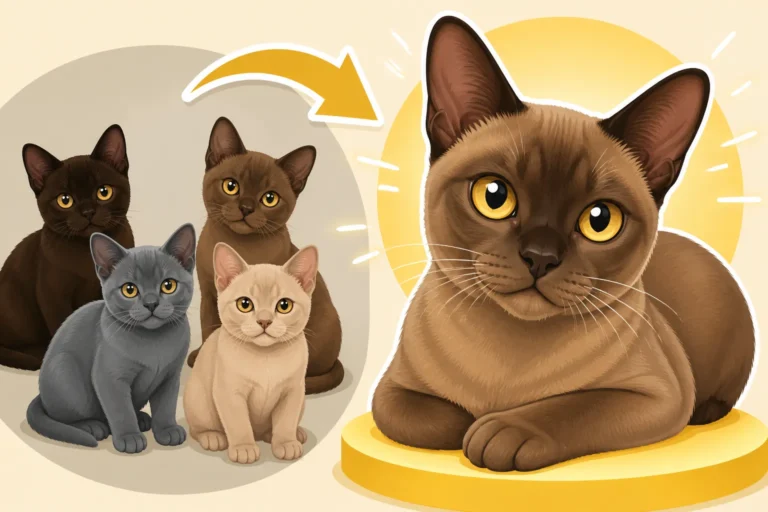
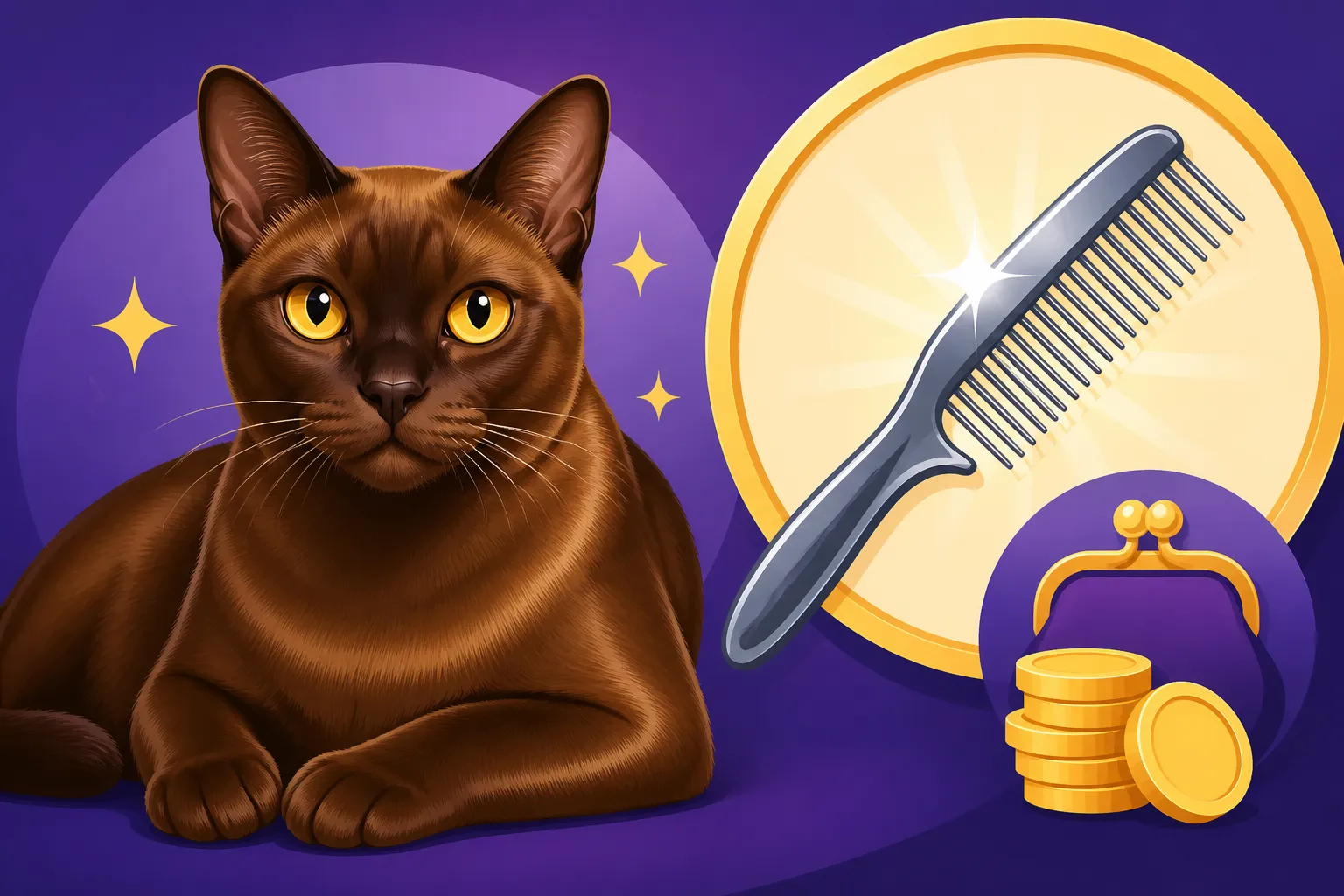
Let's talk about that exquisite coat for a moment, because it's truly what sets the Burmese apart and dictates its minimal grooming needs. Unlike many other cat breeds that boast long, flowing hair or dense, fluffy undercoats, the Burmese has a uniquely short, close-lying coat that feels like pure satin to the touch. It's not just short; it’s incredibly fine and lacks the typical thick undercoat that causes so much shedding and matting in other breeds. Imagine the feel of a fine silk scarf or a perfectly polished wooden surface – that's the kind of texture we're talking about. This isn't just a preference; it's a defining characteristic of the breed standard.
Because of this unique structure, a Burmese's coat lies incredibly flat against their body. There's no fluff to catch, no long hairs to tangle, and minimal loose fur to shed into big clumps around your house. When you run your hand over a healthy Burmese, it's an uninterrupted glide. This distinctive coat is a huge part of their appeal, contributing to their elegant appearance and making them wonderfully low-maintenance in the grooming department. This isn't just about aesthetics; it's a testament to their healthy skin and genetics. You might be interested to know How Short a Burmese's Coat Actually Is and Why a Burmese's Coat Feels Like Satin. It truly is remarkable how little maintenance they need, despite their luxurious appearance.
The lack of a substantial undercoat means that while they do shed – because all cats do – it's typically minimal and consists of very fine, short hairs. These hairs tend to fall out individually or are easily dislodged, rather than forming dense mats or big tufts. This is a huge relief for owners who are used to battling fur tumbleweeds. Because there isn't a thick layer of insulation, Burmese cats tend to seek out warmth, which often means snuggling right up against you under a blanket, or finding the sunniest spot in the house. You'll quickly notice Whether a Burmese Has Any Undercoat and understand why their shedding is so manageable.
Why Traditional Brushes and Combs Just Don't Cut It
Given the nature of the Burmese coat, most conventional grooming tools you see advertised for cats are simply overkill, or worse, completely ineffective. A standard slicker brush, with its fine wire bristles designed to penetrate a dense coat and remove undercoat, will barely make contact with a Burmese's skin. It’ll just glide over the surface, doing little more than stroking them, which they'll probably enjoy because it's attention, but it won't actually groom them effectively. Similarly, a deshedding tool, which is fantastic for breeds with heavy double coats, has nothing to 'deshed' on a Burmese. You'll spend your time and energy for no real benefit, and potentially irritate their delicate skin.
Think about it: a slicker brush or a de-shedding tool is designed to pull out loose undercoat and separate longer guard hairs. A Burmese doesn't have a significant undercoat, and their guard hairs are so short and fine that they lay flat. These tools are simply not built for this kind of coat, and using them might even cause minor discomfort by scratching their skin rather than gently grooming. It can be frustrating to buy various tools only to find them unsuitable, but rest assured, the solution for the Burmese is delightfully simple and much less expensive than a full grooming kit. It's often debated Why a Slicker Brush Is Wasted on a Burmese and Why a Deshedding Tool Is Pointless on a Burmese.
Why a Traditional Comb Isn't the Answer for a Burmese
The notion of using a comb implies a need to detangle or separate hairs, much like you would with human hair or a long-haired cat. However, the Burmese's coat simply doesn't tangle. Its short, fine, and close-lying nature means that knots and mats are virtually non-existent. You could try to comb a Burmese, but you'd quickly find that the comb's teeth would mostly just scrape along their skin, offering little to no benefit in terms of grooming and potentially causing irritation. There’s no substantial hair length to gather, no knots to work through, and no dense undercoat to lift.
Consider the frustration of pet owners who spend good money on specialized combs – perhaps wide-toothed ones for detangling, or fine-toothed combs for fleas. While a flea comb might have a very specific, occasional purpose if your cat encounters fleas, for regular grooming, any type of comb is redundant for a Burmese. It’s like trying to comb a velvet cushion; it just doesn't make sense. The smooth texture of their fur means that anything with teeth is unlikely to be effective. Instead of investing in various combs, understanding the unique needs of their coat will save you both time and money.
The Problem with Bristles and Teeth
Traditional brushes and combs rely on bristles or teeth to perform their function. Soft bristle brushes might feel nice and provide a gentle massage, but they won't effectively remove any loose hairs that are shed from the Burmese's incredibly short coat. The bristles are simply too soft and not designed to "polish" or collect the fine, shed hairs unique to this breed. Harder bristle brushes or metal combs, on the other hand, run the risk of scratching their delicate skin without achieving any significant grooming outcome.
Many pet owners, myself included, have gone through the trial-and-error phase of buying various grooming tools. We see a new brush on the market, promising a "silky smooth finish" or "reduced shedding," and we think, "Maybe this is the one for my Burmese!" But time and again, these tools fall short because they're designed for coats with different textures, lengths, and undercoats. The Burmese's "satin" designation isn't just a pretty word; it truly describes a coat that demands a gentler, more efficient approach than bristles or teeth can offer. You might even find that the cost of a comb is surprisingly minimal because the best tool isn't a comb at all.
The Best (and Most Cost-Effective) Tool for a Burmese's Coat
Alright, so if traditional combs and brushes are out, what does work for a Burmese's satin coat? The answer is beautifully simple, incredibly effective, and wonderfully inexpensive: a chamois cloth. Yes, that's right – the same kind of soft, absorbent cloth often used for polishing cars or cleaning windows. This might sound unconventional, but trust me, it's a game-changer for Burmese owners.
A chamois cloth works by gently buffing the coat. Its smooth surface helps to lift and capture any loose, fine hairs that are present, and at the same time, it polishes the fur, bringing out that characteristic satin sheen that the breed is famous for. It's a non-abrasive method that respects the delicate nature of their short coat, stimulating blood circulation slightly without irritating the skin. Plus, most Burmese cats absolutely adore the gentle sensation, often purring up a storm during their "grooming" sessions because it feels more like a massage than a chore. This is grooming as attention, which a Burmese thrives on.
Natural vs. Synthetic Chamois
When it comes to chamois cloths, you'll generally find two types: natural and synthetic.
- Natural Chamois: These are traditionally made from sheep or lambskin. They are incredibly soft, highly absorbent, and offer a truly luxurious feel. They are often considered superior for their ability to polish surfaces without scratching.
- Synthetic Chamois: These are made from materials like PVA (polyvinyl alcohol) or microfiber. They are often more durable, easier to clean, and typically less expensive than natural chamois. Modern synthetic versions are very soft and effective for grooming.
For your Burmese, either type can work wonderfully. The most important thing is that the cloth is soft, clean, and free of any harsh textures or abrasive elements. You can usually find these cloths at auto supply stores, hardware stores, or even in the cleaning aisle of larger supermarkets. Many online retailers, including pet-focused platforms like Chewy, also carry a variety of chamois cloths, often marketed for detailing or general cleaning.
The cost for a chamois cloth is typically very low, especially when compared to specialized pet brushes. You might find a good quality synthetic chamois for just a few dollars, and even a natural chamois won't usually set you back much more than a typical pet brush. Given that one good chamois can last for a very long time with proper care, it’s an incredibly economical grooming solution. You'll quickly discover Which Chamois Brings Up a Burmese's Satin Shine and how minimal the cost really is.
Beyond the Chamois: Other "Grooming" Costs (and How They Compare)
While the chamois takes care of the coat, it's important to remember that grooming isn't just about the fur. Your Burmese will have other basic care needs that might incur a small cost, though still far less than many other breeds. Thankfully, the Burmese remains a relatively low-maintenance cat in the grand scheme of things, allowing you to focus your budget on other important aspects of their care, like a high-quality diet or preventative health measures.
Nail Trimming
Like all cats, Burmese cats need their claws trimmed regularly to prevent them from becoming too long, sharp, or getting snagged on things. This isn't a complex procedure, and most owners can learn to do it at home with a pair of cat nail clippers. These clippers are very inexpensive, often costing less than $10, and will last for years. If you're nervous about trimming them yourself, your vet or a professional groomer can do it for a small fee during a routine visit. The cost is negligible, especially if you do it yourself. It's a quick process, and a Burmese, being so fond of human interaction, usually tolerates it well if started young. Many owners find Trimming a Burmese's Claws While It Sits on You is a surprisingly easy task.
Ear Cleaning
Burmese cats generally have clean ears, but it's always a good idea to check them periodically. If you notice any wax buildup or debris, you can gently clean the outer ear with a soft cotton ball dampened with a veterinarian-approved ear cleaner. A bottle of ear cleaner is also quite affordable and will last a long time. Unless there's an underlying ear infection, this is a very infrequent and low-cost task. You can learn Cleaning a Burmese's Ears in Under a Minute and keep those beautiful ears pristine.
Dental Care
Now, this is an area where Burmese cats can have more specific needs, and it can become a significant cost if ignored. Burmese are unfortunately prone to gum disease and tooth resorption, which means their dental care needs to be a priority from kittenhood. While a comb for their coat might cost next to nothing, neglecting their teeth could lead to expensive veterinary dental procedures down the line. Brushing their teeth daily with a pet-specific toothbrush and toothpaste is the gold standard for prevention. A starter dental kit is usually under $20, but the real cost is the commitment to daily brushing. Regular vet check-ups will include a dental assessment, and your vet might recommend professional cleanings under anesthesia, which are a more substantial expense. However, being proactive with at-home care can significantly reduce the frequency of these more costly procedures. It’s truly essential to consider Brushing a Burmese's Teeth Before It Loses Them.
Overall Grooming Cost Comparison
Let's put this into perspective with a simple table:
| Grooming Task | Recommended Tool for Burmese | Typical Cost of Tool (Estimate) | Frequency of Use | Potential Long-Term Cost (If Neglected) |
|---|---|---|---|---|
| Coat Care | Chamois Cloth | Very low (single digits) | Weekly | None |
| Nail Trimming | Cat Nail Clippers | Low (under $10) | Every 2-4 weeks | Broken nails, infection, vet visit |
| Ear Cleaning | Vet-approved Ear Cleaner, Cotton Balls | Low (under $15) | As needed | Ear infections, vet treatment |
| Dental Care | Pet Toothbrush & Toothpaste | Low (under $20 for kit) | Daily | Expensive dental procedures, extractions |
As you can see, the specific cost of a “comb” for a Burmese's satin coat is essentially negligible because the best tool isn't a comb at all. The real, ongoing costs lie in general health and preventative care, especially dental health. High-quality, fresh ingredients might contribute to overall feline health, which in turn can support dental health and a glossy coat from the inside out. For any potential major health costs, considering pet insurance from providers like Healthy Paws can be a wise decision, as routine grooming costs are small, but unexpected medical bills can be substantial.
The beauty of owning a Burmese, from a grooming perspective, is that it really doesn't require much more than a soft cloth and a little bit of your time and affection. And since a Burmese thrives on attention, these brief grooming sessions become another lovely bonding opportunity. How Many Minutes a Month a Burmese's Coat Takes is truly minimal, freeing up your time for play and snuggles!
The cost of keeping that magnificent satin coat in pristine condition is remarkably low, primarily because the ideal tool is a simple, inexpensive chamois cloth. Forget the fancy brushes and combs that other breeds demand; your Burmese needs nothing more than a gentle buffing to maintain its signature shine. This allows you to focus your resources on their diet, preventative veterinary care, and plenty of interactive play, which are far more impactful on their overall health and happiness. So, while you might have initially worried about finding the right (and likely expensive) comb, you can rest easy knowing that the solution is both effective and budget-friendly, leaving you with more time and money to enjoy your wonderfully affectionate companion.
Disclaimer
This article is for general informational purposes only and does not constitute professional advice. Laws, prices and regulations vary by location and change over time. Consult a qualified professional for guidance on your specific situation.