Whether Insurers Exclude Diabetes in a Burmese
One of the most heart-wrenching moments for any Burmese owner is hearing those dreaded words: "Your cat has diabetes." Beyond the immediate concern for your beloved companion's health and daily routine changes, a tidal wave of financial worry often hits. Many owners instantly wonder, "Will my pet insurance cover this?" This guide delves deep into the often-confusing world of pet insurance and the Burmese cat's notorious predisposition to diabetes, helping you understand what to expect and how to navigate coverage for this lifelong condition.
Understanding the Burmese Diabetes Predisposition and Insurance Realities
It’s no secret among Burmese enthusiasts and veterinarians alike: this breed carries a significantly higher risk of developing diabetes compared to other cats. This isn't just bad luck; it's rooted in their unique genetics and metabolism. When you first get your Burmese, this might seem like a distant concern, but it’s a reality that can hit hard, often by the time they reach middle age. Insurers, being businesses that assess risk, are very much aware of these breed-specific predispositions.
Why Burmese Cats Are Prone to Diabetes
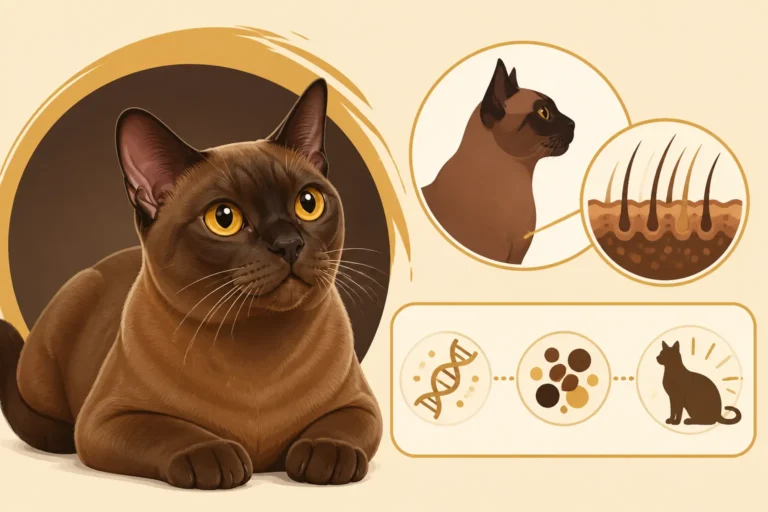
The Burmese cat's genetic makeup makes them particularly susceptible to insulin resistance, which is the precursor to Type 2 diabetes, much like in humans. They don't process carbohydrates as efficiently as other breeds, and their bodies are more inclined to store excess calories as fat, which further exacerbates insulin resistance. This is why Why a Burmese Is Four Times More Likely to Become Diabetic is a topic many breeders and vets discuss openly. Even a seemingly healthy Burmese, if not managed carefully with diet and exercise, can quickly tip into a diabetic state.
It's a frustrating reality for owners because you feel like you're fighting an uphill battle against their very nature. The way they develop diabetes often involves a gradual onset, where the pancreas struggles to keep up with the body's demand for insulin. Over time, this can lead to clinical signs. Understanding How Diabetes Develops in a Burmese is crucial not just for prevention, but also for recognizing early symptoms, which can sometimes be subtle, especially since Burmese cats are masters at hiding discomfort. They are so affectionate and people-oriented that they might mask their illness, requiring vigilant owners to spot changes.
The Impact of Breed-Specific Risks on Insurance
Because of this well-documented genetic predisposition, pet insurance companies approach Burmese cats with a different lens. While they generally aim to cover unexpected illnesses and accidents, known breed-specific conditions like diabetes for the Burmese are treated with caution. This doesn't mean you can't get insurance, but it means you need to be exceptionally diligent in reading the fine print.
The key often lies in when you acquire the insurance policy. If your Burmese is already showing signs of increased thirst or urination, or has received a diabetes diagnosis before you even apply for coverage, you're almost certainly going to face an uphill battle. This is why many experienced Burmese owners consider insurance from kittenhood, often before these genetic predispositions have a chance to manifest into a diagnosed condition.
The "Pre-Existing Condition" Clause: The Insurer's Stance
This is where the rubber meets the road for many Burmese owners. The "pre-existing condition" clause is perhaps the most significant hurdle when it comes to getting diabetes covered by pet insurance. It's a standard term across almost all insurance policies, and it can be a real gut punch.
What Constitutes a Pre-Existing Condition
A pre-existing condition, in the eyes of an insurer, is any illness or injury that your pet showed signs of, or was diagnosed with, before your insurance policy officially began or before a specific waiting period ended. This definition is crucial because it's not just about a formal diagnosis from a vet. If your Burmese started drinking excessive amounts of water or seemed lethargic a month before you signed up for insurance, even if diabetes wasn't diagnosed until a few weeks into your policy, the insurer might still deem it pre-existing.
This can feel incredibly unfair, especially with conditions like diabetes that often have subtle, progressive symptoms. You might not have realized your cat was exhibiting early signs, or you might have attributed them to normal aging. However, insurers typically look at the vet records for any notation of symptoms related to the condition, not just the official diagnosis date. This means that Why a Burmese Drinking More Needs Testing That Week is not just good advice for your cat's health, but vital for protecting potential insurance coverage.
Common Exclusions and Waiting Periods
Most pet insurance policies come with waiting periods – a period of time after you purchase the policy before certain conditions are covered. For accidents, this might be a few days; for illnesses, it can be 14-30 days, sometimes longer for orthopedic issues. If diabetes is diagnosed or signs appear during this waiting period, it will almost certainly be considered pre-existing.
Here's how some common scenarios play out with the pre-existing clause:
| Scenario | Symptoms/Diagnosis Date | Policy Start Date | Waiting Period Ends | Insurance Coverage Likelihood |
|---|---|---|---|---|
| Ideal Coverage | No symptoms, no diagnosis before or during waiting period | January 1st | January 15th | High (for future diabetes) |
| Borderline Case | Mild increased thirst noted by owner, not vet, on January 10th | January 1st | January 15th | Unlikely if related symptoms found in records; possible if no vet record |
| Confirmed Pre-Existing | Diagnosed with diabetes on December 20th | January 1st | January 15th | Very Low to None (pre-existing) |
| Symptoms During Waiting Period | Excessive urination/thirst noted by vet on January 5th | January 1st | January 15th | Very Low to None (symptoms pre-exist waiting period end) |
This table illustrates the critical window. If your Burmese is diagnosed with diabetes after all waiting periods have passed and without any prior documented symptoms, then your policy is much more likely to cover it. However, many insurers explicitly state in their terms that chronic conditions like diabetes may be excluded if there's any evidence of it prior to enrollment. This is why some owners find Whether a Burmese Policy Is Worth It Once Diabetes Is Excluded a difficult question to answer.
Navigating Insurance Policies and Proactive Steps
Given the Burmese predisposition and the strict rules around pre-existing conditions, how can you best protect yourself and your cat? It starts with careful planning and understanding what your options are, both before and after a diagnosis.
Choosing the Right Policy for a Burmese
When you're looking for pet insurance for your Burmese, especially a young kitten, scrutinize policies for their stance on chronic and hereditary conditions. Some providers, like Healthy Paws, are known for their comprehensive coverage, but all will have a pre-existing condition clause. It’s imperative to:
- Enroll Early: The single most effective strategy is to enroll your Burmese when they are a kitten, ideally before their first vet check-up where any subtle health issues might be noted. This provides the best chance that diabetes, if it develops later, will not be deemed pre-existing.
- Read the Fine Print on Chronic Conditions: Understand how the policy defines and covers chronic conditions. Some policies might have limits per condition or per year that could impact long-term diabetes management.
- Check for "Curable" vs. "Incurable" Pre-Existing Conditions: Some insurers differentiate. For instance, a one-time ear infection might be considered a curable pre-existing condition and covered after a certain symptom-free period. Diabetes, however, is generally considered incurable and will almost always be excluded if deemed pre-existing.
- Ask Direct Questions: Don't hesitate to call insurance providers and ask specific questions about their policies regarding breed predispositions and diabetes coverage. Get their answers in writing if possible.
Remember, even if diabetes is excluded, a good policy can still cover accidents and other unrelated illnesses, which is certainly not worthless. Your Burmese will likely have other health needs over its lifespan, and insurance can still be a valuable safety net.
Proactive Management to Mitigate Risk
Even if your insurance doesn't cover diabetes, or if you don't have insurance, taking proactive steps can significantly reduce the risk of your Burmese developing the condition in the first place, and certainly helps manage it once diagnosed. This is where your daily care truly becomes a medical decision.
Firstly, diet is paramount. Burmese cats thrive on a low-carbohydrate, high-protein wet food diet. This is not a preference; it's a medical necessity to help regulate their blood sugar and prevent obesity, which is a major contributing factor to diabetes. Why Low Carbohydrate Food Matters for a Burmese cannot be stressed enough – it's your primary tool against this disease.
Secondly, rigorous portion control is essential. Burmese cats are notoriously food-motivated and can easily become overweight. Why Portion Control Is Medical Care in a Burmese really emphasizes this. Weighing their food rather than using a scoop ensures accuracy and prevents accidental overfeeding. Regular weight checks at home (weekly if possible) can catch weight gain early, allowing you to adjust their diet before it becomes a significant health risk. How to Weigh a Burmese Accurately at Home is a simple but vital skill.
Finally, regular veterinary check-ups, especially as your Burmese enters its senior years, are crucial. Your vet can perform routine blood work, including glucose checks, to monitor for early signs of diabetes. Why a Burmese's Glucose Should Be Checked From Seven underscores the importance of early detection, which can lead to better outcomes and, potentially, even remission if caught soon enough.
Living with a Diabetic Burmese: Financial Realities Beyond Insurance
Whether your insurance covers diabetes or not, understanding the long-term financial commitment is essential. A diabetic Burmese requires ongoing care, medication, and specialized diet, all of which add up.
Medication and Monitoring Costs
Once a Burmese is diagnosed with diabetes, it usually requires daily insulin injections. This means purchasing insulin, syringes, and potentially a home glucose monitor. The cost of insulin can vary, but it's a recurring expense that needs to be factored into your monthly budget. Learning How to Give a Burmese Its Insulin at Home becomes a part of your daily routine.
Regular veterinary visits are also necessary to monitor their blood glucose levels and adjust insulin dosages. This often involves specific tests like fructosamine tests, which give a picture of your cat's average blood glucose over several weeks. What a Fructosamine Test Shows in a Burmese is a key diagnostic tool that helps your vet fine-tune treatment. These appointments and tests contribute to the ongoing cost of care.
Dietary and Lifestyle Adjustments
Beyond medication, the specialized low-carbohydrate diet is a non-negotiable part of managing feline diabetes. These foods can sometimes be more expensive than standard kibble. As mentioned earlier, finding the right brands, perhaps through retailers like Chewy, is important. Which Diet Puts a Burmese Into Remission often highlights the critical role of diet in achieving stable blood sugar or even remission for some cats.
You might also need to invest in puzzle feeders to slow down their eating and provide mental enrichment, as well as ensure they have ample fresh water available. The long-term costs associated with keeping a diabetic Burmese healthy make it clear why What Diabetes Costs a Burmese Owner a Year is a significant consideration. Budgeting for these expenses proactively, regardless of insurance, will help you provide the best possible care for your beloved companion.
Disclaimer
This article is for general informational purposes only and does not constitute professional advice. Laws, prices and regulations vary by location and change over time. Consult a qualified professional for guidance on your specific situation.