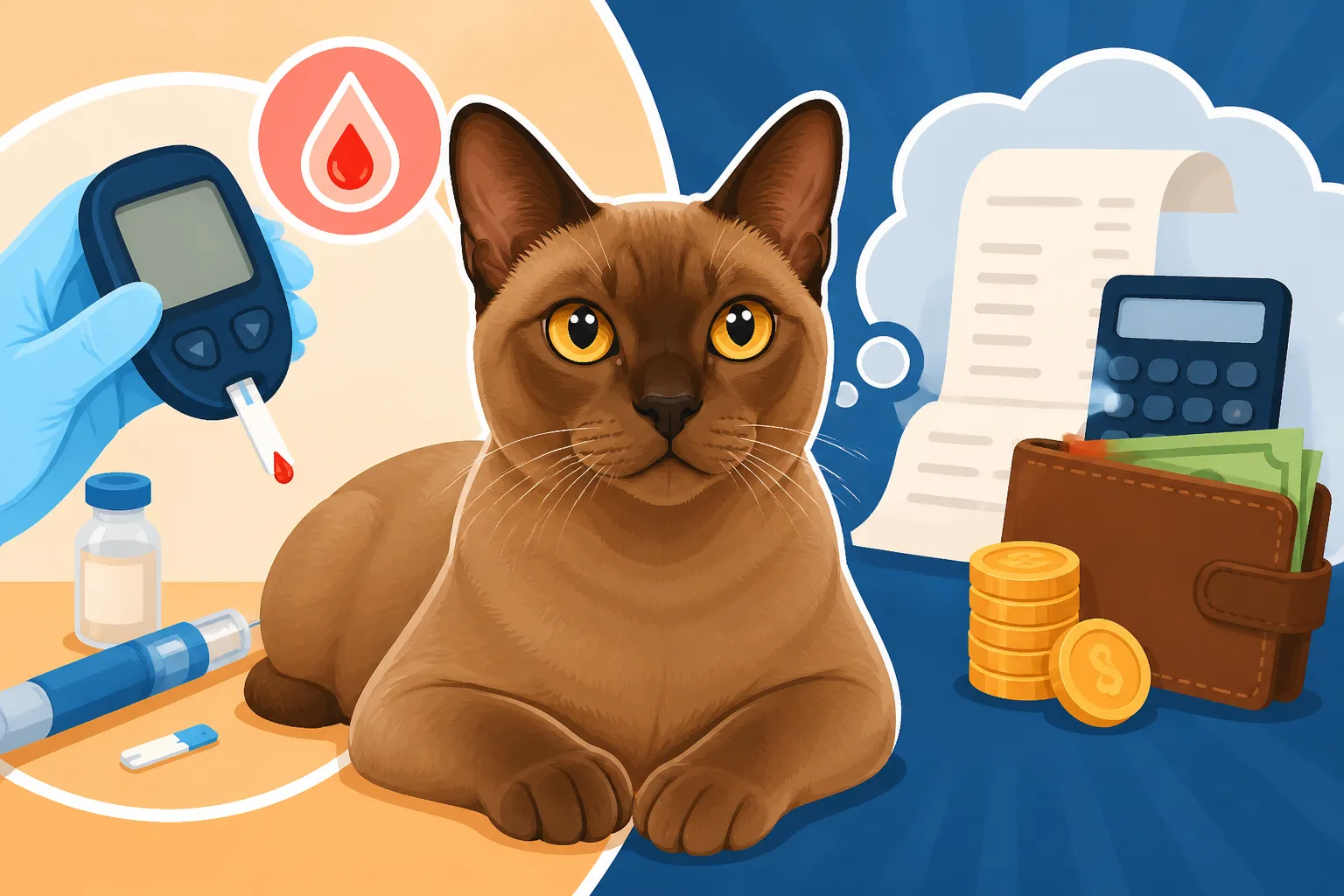
What a Diabetic Burmese Adds to a Lifetime Bill
Hearing those words from your vet – "Your Burmese has diabetes" – can feel like a punch to the gut. Beyond the immediate worry for your beloved companion's health, a wave of financial anxiety often crashes over you, wondering just how much this chronic condition is going to add to your household budget. This guide is here to realistically break down the various costs associated with managing diabetes in a Burmese cat, helping you understand the long-term financial commitment and plan for your sweet companion's continued well-being.
The Immediate Financial Impact: Diagnosis and Initial Treatment
When your Burmese first receives a diabetes diagnosis, it's not just a single vet visit. There's usually a flurry of appointments, diagnostic tests, and the initial setup for treatment that can quickly add up. This initial period is crucial for stabilization but also represents a significant upfront cost.
Diagnostic Tests and Vet Consultations
First, confirming diabetes isn't always straightforward. Your vet will likely run blood tests to check blood glucose levels and a fructosamine test, which gives a better average of glucose over a few weeks, helping to rule out stress-induced hyperglycemia. There might be urinalysis to check for glucose and ketones, too. These tests, combined with multiple consultations to discuss the diagnosis, prognosis, and treatment plan, are your first major expense. Think about the careful process of How a Diabetic Burmese Is Diagnosed and What Diabetes Looks Like in a Burmese, and you can see why these initial checks are so thorough. It's not just a quick peek; it's a deep dive into what's happening internally.
Starting on Insulin and Supplies
Once diabetes is confirmed, the next step is usually starting insulin therapy. This means purchasing the insulin itself, which needs to be refrigerated, along with a supply of appropriate insulin syringes. Your vet will also likely recommend a specific prescription diet, usually a low-carbohydrate wet food, to help manage blood sugar levels. This isn't just a recommendation; it's a cornerstone of treatment. You'll need to learn How to Give a Burmese Its Insulin at Home, and the vet will often have a dedicated session to teach you, which also contributes to those initial costs. This period can feel overwhelming, not just emotionally but financially, as you acquire all the necessary tools and knowledge.
Ongoing Daily and Monthly Expenses of Diabetic Care
After the initial shock and setup, managing a diabetic Burmese settles into a routine, but that routine comes with consistent, recurring costs. These are the expenses you'll factor into your monthly budget for the rest of your cat's life.
Insulin and Syringe Replenishment
Insulin is a daily medication, sometimes twice daily, so it's a perpetual purchase. The cost of insulin varies depending on the type and brand, and it often needs to be replaced regularly to ensure potency, even if the vial isn't entirely empty after a certain period. Similarly, you'll go through a lot of sterile insulin syringes. Buying these in bulk can sometimes save a little money, but they are a constant necessity. This is perhaps the most predictable and unavoidable ongoing cost, forming a core part of What Diabetes Costs a Burmese Owner a Year.
Specialized Diet for Blood Sugar Control
As mentioned, a low-carbohydrate diet is critical for a diabetic Burmese. This often means prescription wet food, which can be significantly more expensive than standard over-the-counter cat food. Brands like Royal Canin Veterinary Diet, Purina Pro Plan Veterinary Diets, or Hill's Prescription Diet are commonly recommended by vets. While you might find some good options at pet retailers like Chewy, ensuring it meets the strict carbohydrate requirements is paramount. Remember, Why Low Carbohydrate Food Matters for a Burmese isn't just about weight; it's about directly influencing blood glucose stability.
Regular Veterinary Check-ups and Monitoring
Even after stabilization, your diabetic Burmese will need more frequent vet check-ups than a healthy cat. These appointments typically include physical exams, weight checks, and blood glucose curves or fructosamine tests to ensure the insulin dose is correct and the diabetes is well-managed. Initially, these might be weekly or bi-weekly, gradually extending to every few months once stable. These visits are vital for adjusting insulin and ensuring no complications are developing.
Here's a look at the types of ongoing expenses:
| Expense Category | Frequency | Typical Impact on Bill (Relative) | Notes |
|---|---|---|---|
| Insulin | Daily/Monthly | High | Varies by type; strict storage/shelf-life. |
| Syringes | Daily/Monthly | Medium | Can be bought in bulk to save. |
| Low-Carbohydrate Wet Food | Daily/Weekly | High | Prescription diets often cost more than standard food. |
| Vet Consultations | Quarterly/Bi-Annually | Medium-High | Essential for monitoring and adjusting insulin. |
| Blood Glucose/Fructosamine Tests | Quarterly/Bi-Annually | High | Crucial for confirming effective diabetes management. |
| Home Glucose Monitoring | As needed | Low-Medium (initial cost higher) | Strips, lancets, monitor. Can reduce vet visits slightly. |
| Dental Care | Yearly (often) | Varies (can be high) | Diabetes can exacerbate dental issues, requiring professional care. |
The Potential for Complications and Emergency Costs
While good management can keep a diabetic Burmese stable for years, complications can arise, adding unexpected and often substantial costs to your lifetime bill.
Hypoglycemia or Hyperglycemia Emergencies
One of the scariest possibilities is a hypoglycemic (low blood sugar) episode, often caused by too much insulin or not eating enough after an injection. This is a medical emergency requiring immediate veterinary attention. Conversely, uncontrolled hyperglycemia (high blood sugar) can lead to diabetic ketoacidosis (DKA), another life-threatening condition that requires intensive hospitalization. These emergencies often involve emergency vet visits, IV fluids, monitoring, and specialized medications, which can rack up a significant bill quickly. Knowing How a Vet Treats a Burmese Hypokalemic Episode might give you an idea of the kind of rapid, intensive care costs involved in similar crises, though the conditions are different.
Other Health Issues Exacerbated by Diabetes
Diabetes can predispose your Burmese to other health problems, or make existing ones worse. Urinary tract infections are common in diabetic cats due to glucose in the urine. Dental disease can also be more severe in diabetic cats, sometimes requiring extensive cleanings or extractions under anesthesia. Peripheral neuropathy, which can cause weakness in the hind legs, is another potential complication. Treating these secondary conditions adds to the overall cost and highlights why ongoing monitoring and proactive care are so important. Why a Burmese's Gums Recede Early becomes an even more pressing concern with diabetes in the picture.
Pet Insurance Considerations
Many pet owners consider insurance when faced with a chronic condition like diabetes. However, it's crucial to understand how pet insurance works with pre-existing conditions. Most policies will exclude any condition diagnosed before the policy begins or during a waiting period. This means if your Burmese is diagnosed before you have insurance, or before your policy's waiting period ends, diabetes-related costs likely won't be covered. This is why Whether a Burmese Policy Is Worth It Once Diabetes Is Excluded is such a critical question. If you have a policy before diagnosis, it can be a lifesaver, but always check the terms carefully. Some companies, like Healthy Paws, are known for comprehensive coverage, but even they adhere to the pre-existing condition clause.
Lifestyle Adjustments and Hidden Expenses
Beyond the direct medical and food costs, living with a diabetic Burmese often necessitates lifestyle changes that have their own subtle financial implications or demand a significant investment of your time.
Boarding and Pet Sitting Challenges
Leaving a diabetic cat with a regular pet sitter or at a standard boarding facility can be challenging, or even impossible, if they are not equipped to administer insulin injections precisely and monitor your cat's health. You might need to find specialized pet sitters or veterinary boarding facilities, which typically charge a premium for their expertise. This can make travel more expensive or complicated. Why a Burmese Should Never Be Boarded Alone takes on an even greater medical urgency when diabetes is a factor.
Home Glucose Monitoring Equipment
While not strictly required by all vets, many owners opt for a home glucose monitor to keep a closer eye on their cat's blood sugar levels. This involves an initial investment in the meter itself, as well as ongoing costs for test strips and lancets. While it adds to your bill, it can potentially reduce the frequency of costly vet-performed glucose curves and empowers you to monitor your cat more closely, contributing to Caring for a Diabetic Burmese at Home effectively.
Time Investment as an Undervalued Cost
While not a direct monetary cost, the time commitment involved in managing a diabetic Burmese is substantial. You'll need to administer insulin injections twice daily, often at fixed times, prepare specialized meals, and diligently monitor your cat's appetite, water intake, and general well-being. This requires a dedication that goes beyond typical pet ownership. If your work schedule is irregular or demanding, this time commitment could impact your career or personal life, making it a "hidden" cost that many people don't fully anticipate until they're in the thick of it. And when you're managing a condition where Why Portion Control Is Medical Care in a Burmese is paramount, every minute counts.
Lifetime Outlook and Planning
Understanding the potential costs over your Burmese's entire lifespan, especially considering The Sixteen to Eighteen Years a Well Bred Burmese Gets, is vital for responsible ownership. Diabetes is a chronic condition that requires lifelong management, and its financial implications are cumulative.
The good news is that with diligent care, appropriate diet, and consistent veterinary oversight, many diabetic Burmese cats can live long, happy, and relatively normal lives. However, the costs are ongoing and can be substantial. Budgeting for these expenses, whether through dedicated savings, pet insurance (if acquired early), or simply by being aware, will help reduce stress and allow you to focus on giving your beloved Burmese the best possible care.
Disclaimer
This article is for general informational purposes only and does not constitute professional advice. Laws, prices and regulations vary by location and change over time. Consult a qualified professional for guidance on your specific situation.