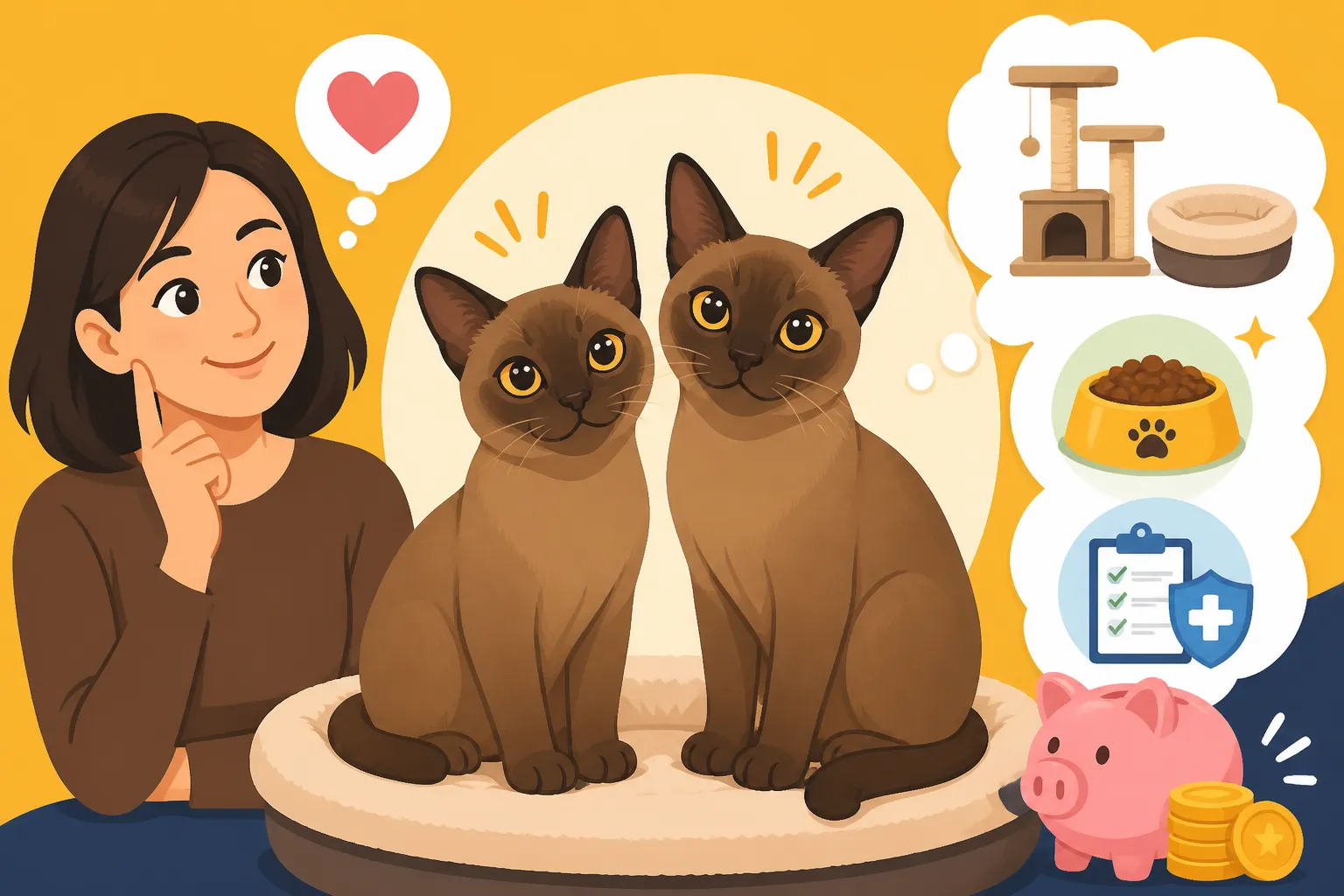
Why a Burmese Owner Should Budget for Two Cats
It’s a common fantasy, isn't it? Bringing home that one adorable Burmese kitten, imagining quiet evenings with a purring companion curled up on your lap. But if you're picturing a serene, solitary cat living a perfectly content life on its own, especially if you have a busy household or work outside the home, you might be setting both yourself and your future furry friend up for some serious challenges. This guide is here to shed light on why, for the highly social and affectionate Burmese, budgeting for two cats right from the start isn't just a luxury – it's often the smartest, most humane, and ultimately most cost-effective decision you can make for their long-term happiness and well-being.
The Unique Social Needs of the Burmese Cat
The Burmese isn't just a social cat; it's the social cat. These aren't your aloof, independent feline companions who tolerate your presence. Burmese cats thrive on interaction and connection, making them utterly charming but also incredibly demanding of your time and attention. Understanding this fundamental aspect of their personality is key to providing them with a fulfilling life.
Why a Burmese Cannot Be Left Alone All Day
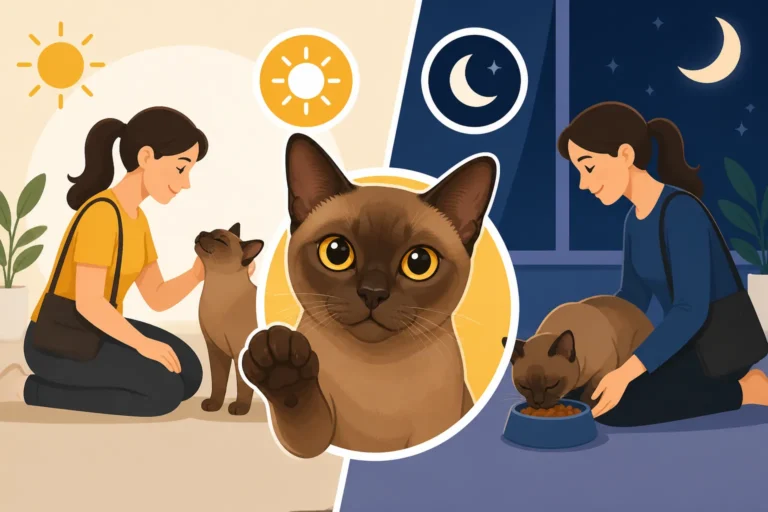
Many cat breeds can happily nap away the hours while their humans are at work or running errands. The Burmese is not one of them. This breed has earned the nickname "Velcro cat" for a reason. They bond intensely with their human family members and genuinely crave constant companionship. They want to be involved in everything you do, from following you to the bathroom to "helping" you fold laundry. Imagine a shadow, but a purring, opinionated shadow that insists on physical contact.
Leaving a Burmese alone for extended periods, like a typical 8-9 hour workday, can be genuinely detrimental to their emotional health. They don't just miss you; they become anxious and distressed. It’s not just a preference; it’s a profound need. They are not content to simply observe; they want to participate in life right alongside you. This isn't a cat that will just sleep its way through your absence, especially if there's no other warm body around. The quiet house becomes a lonely, empty space, and that can trigger a whole host of unwanted behaviors. You might find that Why a Burmese Cannot Be Left Alone All Day truly resonates with your concerns.
What Separation Anxiety Looks Like in a Burmese
When a Burmese is left alone too often or for too long, they can develop what looks a lot like separation anxiety, similar to what you might see in some dog breeds. This isn't just a cat acting out; it’s a cry for help. The signs can range from subtle to destructive, and none of them are pleasant for either the cat or the owner. You might come home to find things knocked over that were usually left alone, or discover that your once-pristine sofa has new claw marks where none existed before.
Common indicators of separation anxiety in a Burmese include excessive vocalization (a constant, plaintive cry that’s more than their usual rasping rumble), destructive scratching of furniture or doors, inappropriate urination or defecation outside the litter box (which can be heartbreakingly frustrating to clean up), and even self-harm like over-grooming to the point of bald patches or skin irritation. Imagine walking in to find your usually silky-smooth cat has pulled out patches of its glorious fur. It's a clear sign of distress. In severe cases, they might refuse to eat or drink while alone, leading to health issues. These behaviors aren't malicious; they are manifestations of a deeply unhappy cat. Understanding What Separation Anxiety Looks Like in a Burmese is crucial for early intervention.
Why a Second Cat Fixes Most Burmese Problems
This is where the idea of budgeting for two Burmese cats becomes not just sensible, but often essential. A second cat, especially another Burmese, provides the constant companionship and interaction that a single Burmese craves. They can chase, wrestle, groom each other, and simply exist together, providing that vital social connection even when you're not physically available.
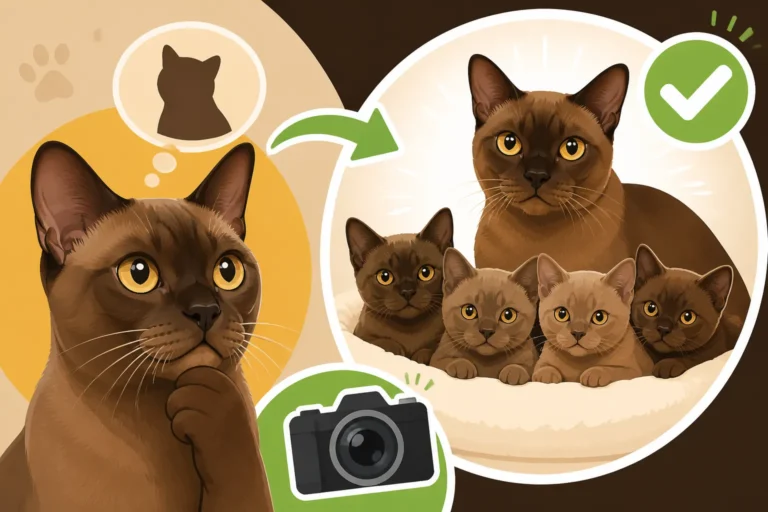
When you bring home two kittens from the same litter, or introduce a carefully chosen second cat, you're giving them a built-in best friend. They can play together, curl up for naps, and keep each other entertained, significantly reducing the chances of loneliness and the behavioral problems that stem from it. This doesn't mean they won't still adore you – they absolutely will! It simply means their core need for companionship is met by another feline, taking immense pressure off you to be their sole source of entertainment and affection 24/7. This dramatically improves their quality of life and your peace of mind. Many breeders will even tell you Why Burmese Breeders Sell Them in Pairs from the outset.
The Financial Argument for a Second Burmese
At first glance, the idea of owning two cats instead of one might sound like doubling your expenses. And in some ways, it is. You'll have two mouths to feed and potentially two sets of vet bills. However, when you dig a little deeper, especially with a breed as prone to separation anxiety as the Burmese, the financial picture often shifts dramatically in favor of the pair.
Initial Costs: Kitten Price vs. Long-term Savings
Yes, two Burmese kittens will cost you more upfront than one. A reputable breeder will charge for each kitten, and these prices can be significant. However, consider the potential costs of dealing with a severely anxious, destructive, or unwell single Burmese over its lifetime. Think about the potential for ruined furniture, expensive behavioral consultations with a feline specialist, or even medications for anxiety. These can quickly add up to far more than the initial price difference of a second kitten.
Furthermore, many Burmese owners find themselves going back for a second cat later when they realize their first one is exhibiting signs of loneliness. Introducing a second cat later in life can be more challenging and stressful, potentially requiring extra care, veterinary visits, or specialized training to ensure they integrate well. Starting with two, ideally littermates or closely bonded cats, can save you these headaches and expenses down the line, not to mention the emotional toll of seeing your beloved pet unhappy. It’s often said that Why Two Burmese Cost Less Than One Anxious One is a hidden truth in Burmese ownership.
Reduced Vet Bills for Anxiety-Related Issues
A lonely and anxious Burmese can develop stress-related health issues that necessitate costly veterinary intervention. We're talking about things like stress-induced cystitis, where the cat experiences painful bladder inflammation and frequent urination outside the box. Or severe over-grooming that leads to skin infections requiring antibiotics or steroids. Chronic stress can also suppress their immune system, making them more susceptible to other illnesses.
If your single Burmese starts urinating inappropriately, you’ll be facing vet visits, diagnostic tests (to rule out medical causes first), and possibly prescription diets or medications. Not to mention the constant cleaning products for your home! With two happy, well-adjusted Burmese cats, these anxiety-driven problems are far less likely to occur. Your vet bills will be more predictable, focusing on routine preventative care rather than managing behavioral crises. Companies like Healthy Paws offer pet insurance that can help with unexpected vet costs, but preventing issues altogether is always the best route.
Sharing Resources: Food, Litter, and Toys
While you'll certainly buy more food, litter, and toys for two cats, the increase isn't always a simple doubling of costs. For example:
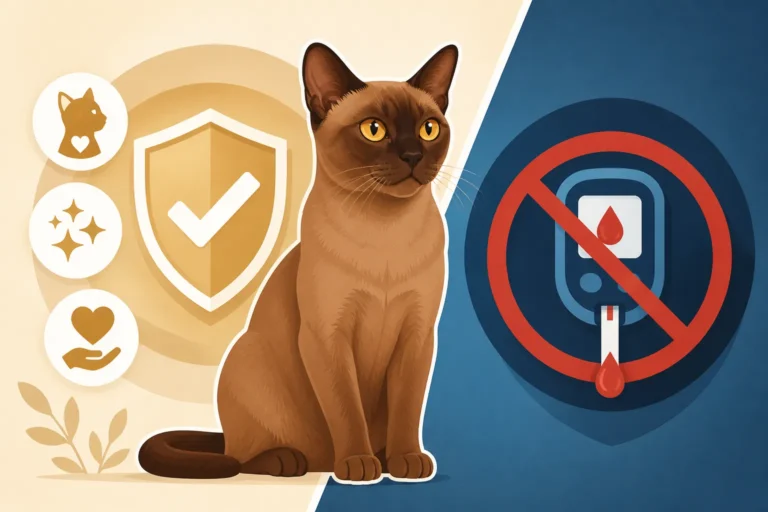
- Food: Two cats will eat more, but buying larger bags or cases of wet food (which is generally recommended for Burmese, especially given their Why a Burmese Is Four Times More Likely to Become Diabetic tendency) can sometimes offer a slight bulk discount. Subscription services can make managing food for multiple cats easier and more economical. Remember, Why Portion Control Is Medical Care in a Burmese is critical for preventing diabetes, so even with two, precise feeding is paramount.
- Litter: You'll need more litter, but you already have the box (or two, which is often recommended even for one cat). The labor of scooping simply increases, not necessarily the capital outlay for the boxes themselves.
- Toys: Two cats will often play with the same toys, sharing them and keeping them in rotation. They don't each need their own identical set of every toy. In fact, they might derive more enjoyment from interactive play with each other using shared toys.
- Bedding: While they'll need multiple comfy spots, Burmese often prefer to snuggle together, so one large, cozy bed can accommodate both, further reinforcing their bond and reducing the need for individual luxury items.
In essence, certain fixed costs remain fixed, while variable costs increase, but often not at a strict 1:1 ratio. The biggest saving, however, remains the prevention of property damage and stress-related vet bills that can come with a lonely, anxious single cat.
| Cost Category | One Burmese (Potential) | Two Burmese (Expected) | Notes |
|---|---|---|---|
| Kitten Price | Standard | Double the standard | Initial outlay higher, but prevents future behavioral costs |
| Food | Regular amount | Increased amount, potential bulk savings | Consider brands that balance quality and potential savings |
| Litter | Regular amount, minimum 1-2 boxes | Increased amount, minimum 2-3 boxes | Bulk purchase often more economical on platforms like Chewy |
| Toys | Regular amount, often gets bored faster | Regular amount, shared play, less boredom | Two cats entertain each other, extending toy lifespan |
| Vet Bills | Routine + potential anxiety-related bills | Routine for two, lower anxiety risk | Preventative pairing can reduce stress-related medical costs |
| Furniture/Home Damage | High potential if anxious | Low potential due to companionship | Significant potential savings on repairs/replacements |
| Pet Sitter/Boarding | Cat sitter must visit at least once daily | Cat sitter may be able to manage two | Less stress for cats with a familiar companion when you're away |
| Behavioral Specialist | High potential | Low potential | Avoids expensive consultations and training for anxiety issues |
Practical Considerations for a Multi-Burmese Household
Deciding to welcome two Burmese cats into your life is a wonderful step, but it does come with its own set of practical considerations. It’s not just about opening your door; it’s about preparing your home and understanding how to nurture their relationship with each other and with you.
Choosing a Compatible Companion
If you're getting kittens, the easiest path is often to adopt two littermates. They've already established a bond, understand each other's play styles, and will likely settle into your home together seamlessly. Their existing bond is priceless and will save you a lot of integration effort.
If you're bringing a second cat into a home with an existing Burmese, careful selection is vital. Ideally, you want another cat with a similar energy level and social disposition. Another Burmese is often the best choice because they speak the same "social language." However, a friendly, confident, and equally playful cat of another breed could also work. Avoid bringing in a timid or highly independent cat, as they might be overwhelmed by the Burmese's intense affection and need for interaction. Age is also a factor; a kitten can often be successfully introduced to an adult Burmese, as the older cat often tolerates and even enjoys the playful antics of a youngster. Always ensure any new cat is healthy, vaccinated, and FIV/FeLV negative to protect your existing pet. You want to bring home a friend, not a health risk.
Integrating Two Burmese into Your Home
Even if you're bringing home two littermates, a little preparation goes a long way. When you bring them home, set up a "safe room" initially with their litter box, food, water, and beds. This gives them a secure base from which to explore. With littermates, they'll likely stick together and quickly become comfortable.
If you’re introducing a new cat to an existing Burmese, a slower, more gradual introduction process is crucial. Start with scent swapping (exchanging blankets or toys) before visual contact. Then, allow supervised visits through a baby gate, slowly increasing interaction time. The goal is positive reinforcement during these encounters, using treats and praise. The Burmese is generally a very accepting and friendly breed, so introductions often go more smoothly than with more territorial cats, but patience is still key. The idea is for them to become companions, not rivals. For more guidance, you might find Bringing Home the Second Cat a Burmese Needs helpful.
Managing Double the Delight (and Double the Responsibility)
Having two Burmese cats means double the purrs, double the cuddles, and double the entertainment. You'll witness their incredible bond firsthand, watching them chase each other through the house, groom one another, and sleep tangled together in adorable piles. Their playful antics can keep you entertained for hours, and their shared affection for you will warm your heart. They’ll likely still insist on sleeping under the covers with you, perhaps one on each side, or one on your chest and one by your feet! Why a Burmese Gets Right Under the Duvet is a common trait that doubles its charm with two.
However, it's also double the responsibility. This means:
- Consistent Feeding: Even with two, individual dietary needs might arise, especially as they age. One might need a low carbohydrate food sooner than the other to manage their diabetes risk.
- Twice the Grooming "Attention": While their short coats require minimal grooming, they will both expect and enjoy the attention of a soft chamois cloth.
- Regular Vet Checks: Both cats will need their annual check-ups, vaccinations, and parasite prevention.
- Playtime: While they entertain each other, they still crave interactive play with you. Schedule dedicated play sessions for both of them.
- Litter Box Maintenance: You'll need at least two, preferably three, litter boxes for two cats, and they'll need to be scooped regularly to keep everyone happy and prevent accidents. Why a Diabetic Burmese Needs a Bigger Box or fills a box faster is something to consider if one develops diabetes.
The joy and companionship that two Burmese cats bring to a household are immeasurable. They fulfill each other's intense social needs, making for happier, healthier pets and a more harmonious home for you. While the initial thought of budgeting for two might seem daunting, the long-term benefits for the cats' welfare and your peace of mind truly make it a worthwhile investment. Thinking of The Sixteen to Eighteen Years a Well Bred Burmese Gets, that's a lot of potential companionship and a lot of potential peace of mind.
Disclaimer
This article is for general informational purposes only and does not constitute professional advice. Laws, prices and regulations vary by location and change over time. Consult a qualified professional for guidance on your specific situation.