Why a Burmese Attaches to Whoever Is Home Most
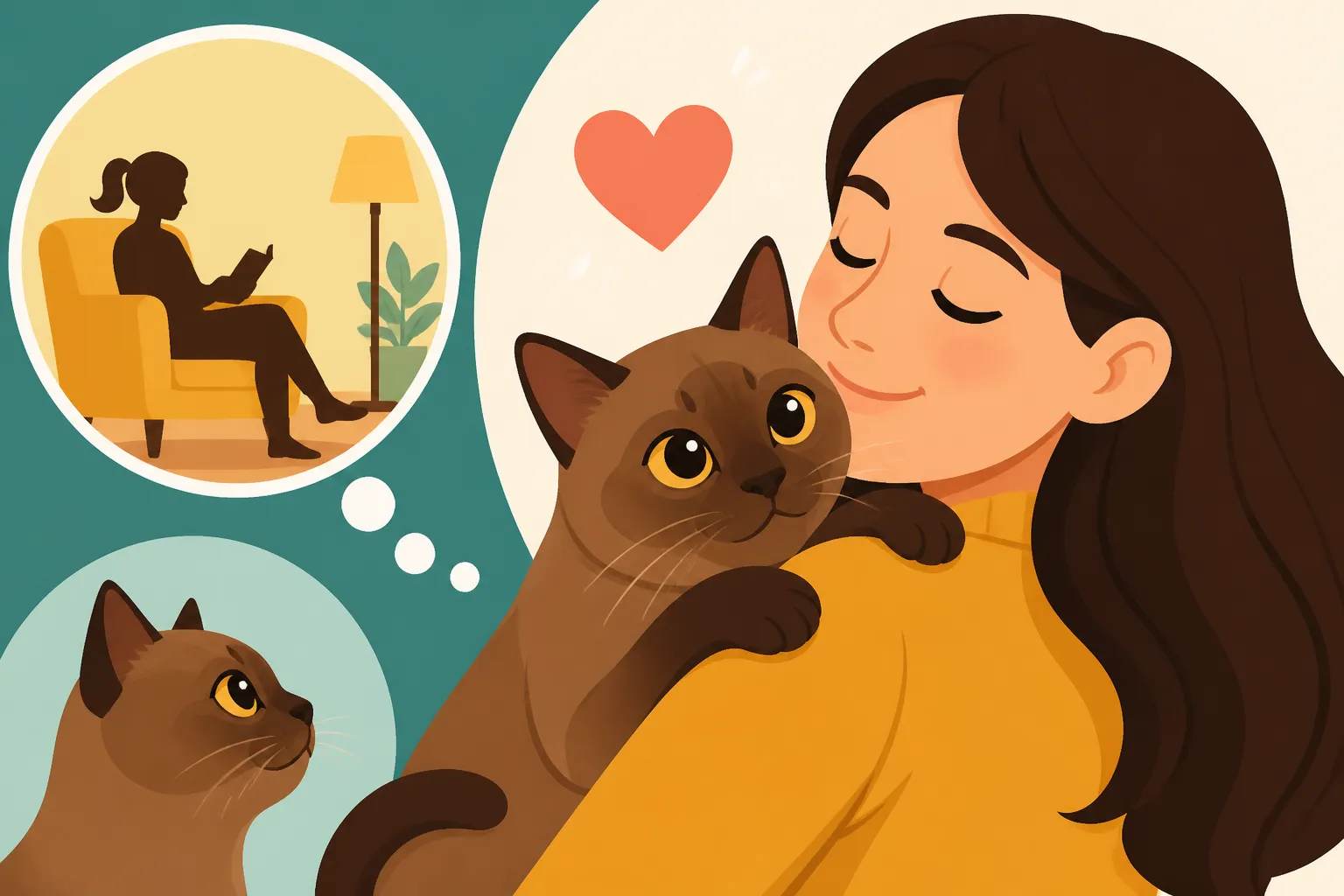
It can be incredibly flattering when your Burmese cat chooses you as their absolute favorite human, following you from room to room, insisting on being in your lap, or even riding on your shoulder. But for many households, the question often arises: why does my Burmese attach so strongly to just one person, usually the one who is home the most? This guide will dive deep into the unique characteristics of the Burmese breed to uncover the reasons behind this profound bond and offer insights on how to foster balanced affection across the entire family.
The Burmese's Innate Need for Company
Let's face it, the Burmese isn't your average aloof feline. These aren't the cats who tolerate your presence; they demand it. Their very nature is woven with a deep desire for constant interaction and companionship, a trait that sets them apart in the feline world. If you've ever felt like your Burmese is less of a cat and more of a shadow, you're not imagining things – it's part of their charm, and sometimes, their challenge.
A Legacy of Closeness, Not Solitude
The Burmese breed, as we know it today, was intentionally developed to be a human companion. From the very beginning, breeders focused on traits that would produce an affectionate, people-oriented cat. This wasn't a breed that evolved in the wild to be solitary hunters, only occasionally interacting with humans for food. Instead, their lineage is rooted in close human-animal bonds. Think of it this way: while many cat breeds tolerate human affection, the Burmese thrives on it. They are genetically predisposed to seek out connection, warmth, and interaction. This isn't just a learned behavior; it's practically written into their DNA. When you bring a Burmese into your home, you're not just getting a pet; you're inviting a full-time, emotionally invested family member. They integrate themselves into your life in a way few other breeds do, making the human element absolutely central to their well-being.
The 'Velcro Cat' Phenomenon
If you've spent any time around a Burmese, you'll quickly understand why they've earned the moniker "Velcro cat." This isn't hyperbole; it's an accurate description of their clingy, utterly devoted nature. They don't just want to be in the same room as you; they want to be on you, next to you, or at the very least, within touching distance. This means you might find your Burmese nestled firmly in your lap while you're trying to work, draped across your shoulders while you walk from room to room, or even tucked under the duvet with you at night. This constant physical proximity is their way of expressing love and security. It's not enough for them to just know you're around; they need to feel your presence, smell you, and hear your voice. This intense need for physical closeness is a defining characteristic of the breed, and it's something owners quickly come to cherish, even if it means sacrificing personal space. They are truly The Burmese Is the Velcro Cat of the Cat Fancy.
Why Solitude is Stressful for a Burmese
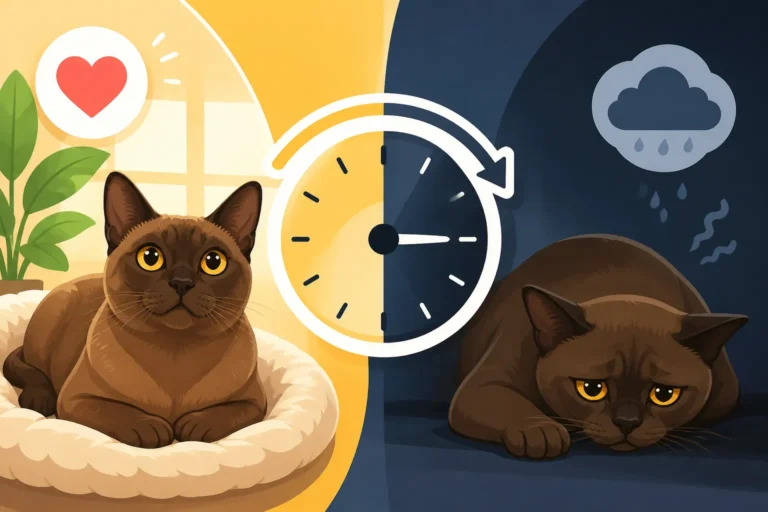
Given their profound need for company, it's no surprise that prolonged solitude can be incredibly stressful for a Burmese. Unlike some independent breeds that might enjoy a quiet house while you're at work, a Burmese often perceives your absence as a profound loss. They thrive on interaction, play, and the comforting rhythm of human activity. When left alone for extended periods, this highly social creature can become genuinely distressed. This stress isn't just emotional; it can manifest in behavioral ways that are both heartbreaking and frustrating for owners. A lonely Burmese might begin destructive behaviors like scratching furniture, over-grooming to the point of bald patches, or even spraying inappropriately to cope with their anxiety. It's a stark reminder that Why a Burmese Cannot Be Left Alone All Day is a crucial consideration for potential owners. Their emotional well-being is intrinsically linked to consistent companionship, making it vital to ensure they have adequate stimulation and presence in their lives.
The Logic Behind Their "Favorite" Person
It often feels personal when a cat "chooses" one family member over another, especially when everyone in the household dotes on them. But with a Burmese, it's less about choosing a favorite in a sentimental way and more about a logical response to consistent interaction and resource provision. They are creatures of habit and profound attachment, and this often leads them to form their strongest bond with the individual who consistently provides what they need most: companionship.
Presence Equals Priority
The simplest explanation for why a Burmese attaches to the person who is home most is the concept of "presence equals priority." Cats are incredibly perceptive, and they quickly learn who is consistently available. If you're the one who is always there, whether working from home, retired, or simply spending more time in the house, you become the constant in their world. You are the steady source of comfort, play, and affection. Imagine a human child always turning to the parent who is consistently present and engaged; a Burmese operates on a similar principle. They form their deepest attachments to the individual who provides the most consistent, unwavering companionship. This isn't a judgment against other family members; it's a practical, instinctual response to the flow of the household. The more hours you spend around them, the more opportunities you create for bonding, and the stronger that unique connection becomes. They begin to anticipate your movements, your routines, and your very presence brings them a deep sense of security.
The Source of Resources and Comfort
Beyond mere presence, the person who consistently provides their vital resources and comfort becomes undeniably important to a Burmese. This includes not just food and water, but also the intangible elements like playtime, grooming, and cuddles. If you're the one who religiously weighs their food portions, ensures their water fountain is clean, or is always ready with a wand toy from Amazon, your Burmese will take notice. The act of feeding, for example, is a powerful bonding ritual for cats. When you provide their sustenance, you are reinforcing your role as a benevolent provider. Similarly, if you're the one who offers the softest laps, the warmest snuggles under the blanket (because Why a Burmese Gets Right Under the Duvet), and the most patient grooming sessions, you become synonymous with ultimate comfort and safety. This doesn't mean other family members don't contribute, but the consistency of one person's role in providing these fundamental needs and pleasures solidifies their position as the primary attachment figure. It's a fundamental aspect of their trust and affection building.
Establishing a Routine and Trust
Burmese cats thrive on routine. They are highly intelligent and observant, quickly learning the patterns of their environment and the people within it. When one person is consistently present and follows a predictable schedule of interaction – feeding times, play sessions, grooming rituals, or even just regular conversations – it builds a profound sense of trust and security. This routine provides a framework within which the Burmese feels safe and loved. If you're the one who always comes home at the same time, or consistently initiates their favorite games, they learn to anticipate and rely on you. This predictability isn't just comforting; it’s a cornerstone of their emotional well-being. A strong, established routine with one primary caregiver can create a bond so deep that the cat might even start to exhibit signs of What Separation Anxiety Looks Like in a Burmese when that particular person is absent, even if other family members are still present. This isn't intentional exclusion of others, but rather an intense reliance on the stability and security that the primary caregiver's routine provides.
Understanding Burmese Communication and Affection
The Burmese cat expresses its affection and needs in ways that are distinct and deeply engaging. Their entire communication style, from their unique vocalizations to their persistent physical closeness, is geared towards maintaining that strong bond with their chosen humans. Understanding these nuances helps us appreciate the depth of their attachment.
More Than Just a Meow: Their Unique Voice
If you're expecting delicate little meows from a Burmese, you're in for a surprise. These cats are known for their incredibly distinctive vocalizations, often described as a rasping rumble. It's a sound that's far throatier and more complex than a typical cat's meow, almost like a permanent purr mixed with a conversation. This unique voice is a crucial part of their communication toolkit, and they use it extensively to engage with their favorite people. They'll greet you at the door with a loud rumble, express their desire for food with insistent chirps, and murmur contentedly while nestled on your lap. This constant vocal feedback isn't just noise; it's an ongoing dialogue. They are literally talking to you, demanding your attention and responding to your presence. The person they are most attached to will hear this rasping rumble the most, as the cat directs its chatter and affirmations towards its primary source of comfort and interaction. This vocal presence is another way they assert their need for constant connection, cementing their place as your conversational companion. The Rasping Rumble a Burmese Uses Instead of a Meow is truly one of their most endearing traits.
Physical Closeness as a Love Language
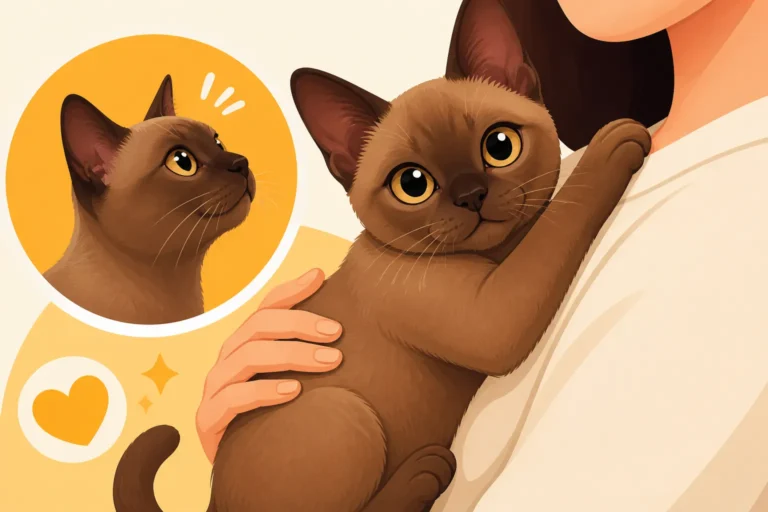
For a Burmese, physical touch is paramount. It’s their primary love language, and they are not subtle about it. These cats aren't content with just being in the same room; they want to be on you, against you, or under you. You might find them pushing their face into your palm, a tender gesture of affection, or insisting on Why a Burmese Rides on Your Shoulder as you move around the house. They will curl up in your lap, drape themselves across your chest while you watch television, and, as mentioned, happily burrow under the covers with you at bedtime. This constant tactile connection serves multiple purposes: it offers warmth, security, and a continuous flow of reassuring scent and presence. When they press their small, muscular bodies against you, they are not just seeking comfort; they are giving it. It's a two-way street of affirmation, solidifying the bond through undeniable physical intimacy. This unwavering desire for closeness means that the person receiving the most physical attention is typically the one they consider their most trusted and beloved companion.
The Constant Shadow
Have you ever tried to go to the bathroom alone with a Burmese in the house? Good luck! One of the most common signs of a Burmese's deep attachment is their tendency to be your constant shadow. Wherever you go, they go. If you move from the living room to the kitchen, they're right there, often weaving between your legs, risking a trip hazard just to maintain proximity. This isn't just curiosity; it's an expression of their absolute need for your presence. They don't want to miss a moment of interaction or a chance for a spontaneous cuddle. This shadow behavior intensifies with their primary person, who often finds themselves with a furry appendage following their every move. While it can occasionally be a little overwhelming, it's a testament to the profound bond they've formed. It means you are their world, and they want to be in yours, every single second. This continuous, silent companionship is a powerful indicator of how strongly they have bonded to the person who is most consistently present.
Managing Attachment in a Multi-Person Household
While it’s lovely to be your Burmese’s favorite, it’s also important for the cat’s overall well-being and for household harmony that everyone feels a connection with their feline companion. Fortunately, with a bit of intentional effort, a Burmese’s love can indeed be spread around.
Spreading the Love: Involving Everyone
The key to preventing your Burmese from becoming a one-person cat, or at least ensuring they feel comfortable and loved by everyone, is consistent involvement from all family members. It’s not enough for other people to just exist in the same house; they need to actively participate in the cat’s life. Encourage everyone to take turns with feeding, even if it's just supervising. Assign different family members to various play sessions throughout the day. For example, one person can handle the morning interactive play with a feather wand (easily found on Amazon), another can do the evening cuddle session, and a third can be responsible for the weekly grooming routine with a soft chamois. Even small, consistent gestures like offering a treat, speaking softly to the cat, or just acknowledging its presence can go a long way. The goal is to create multiple positive associations with everyone in the household, rather than just one primary provider. This helps the Burmese understand that comfort, fun, and resources come from many sources, reducing their intense focus on just one individual.
The Importance of Consistent Engagement
Consistency is truly king when it comes to a Burmese. Short, frequent, and positive interactions from everyone can make a significant difference in how broadly your cat distributes its affection. This means that instead of one long play session with one person, aim for several shorter interactions spread throughout the day with different family members. Even a quick five-minute play with a laser pointer or a brief cuddle on the couch can reinforce a bond. The cat needs to experience these positive engagements repeatedly to form a secure attachment with each person. It's not about the intensity of a single interaction, but the regularity and predictability of many. Think of it as building a network of trust and affection rather than a single strong pipeline. Over time, the Burmese will start to generalize its affection, seeing everyone as a source of positive interaction, even if one person remains their absolute shadow. This also helps to prevent fur pulling (Why a Lonely Burmese Pulls Its Satin Coat Out) due to anxiety when their primary human is away.
Using Play and Training to Strengthen Bonds
Interactive play and positive reinforcement training are incredibly powerful tools for strengthening bonds with a Burmese, especially for those family members who might feel a bit left out. Burmese cats are intelligent and highly food-motivated, making them excellent candidates for learning tricks and engaging in structured play. Simple games like fetch (yes, many Burmese will fetch!) or using a wand toy can create deep connections. When other family members consistently engage in these activities, they become associated with fun, rewards, and positive experiences. For instance, teaching your Burmese to "sit" or "come" for a treat (perhaps a low-carb option you found on Amazon) with different family members not only provides mental stimulation for the cat but also builds a sense of teamwork and mutual understanding between them and each person. These shared activities build a different kind of trust and respect, broadening the cat's social circle beyond just the primary caregiver. Remember, A Burmese Is Still Playing at Fifteen, so this isn't just for kittens; engaging play is a lifelong bonding opportunity.
Addressing Potential Issues from Uneven Attachment
While a strong bond is wonderful, an excessively exclusive attachment can sometimes lead to issues, especially if the primary person is often absent. It's crucial to understand the difference between a natural preference and genuine distress to ensure your Burmese remains happy and healthy.
Separation Anxiety vs. Preference
It's easy to confuse a Burmese's strong preference for one person with full-blown separation anxiety. The distinction is important. A preference means your cat lights up when their favorite person enters the room, seeks them out for cuddles, and generally follows them more. They might seem a little less enthusiastic with others but are otherwise content and relaxed. Separation anxiety, however, is a clinical condition characterized by severe distress when the bonded individual is absent, even if other people are home. Signs might include excessive vocalization, destructive behavior, inappropriate urination or defecation, or even self-mutilation when the primary person leaves. It's a genuine panic response, not just a disappointment. While a Burmese is prone to intense attachment, not every "favorite" cat develops separation anxiety. Recognizing the difference is the first step in addressing any potential issues. If you suspect true separation anxiety, consulting a vet or a feline behaviorist is essential.
Behavioral Manifestations of Loneliness
When a Burmese feels genuinely lonely or anxious due to the absence of their primary attachment figure, this distress can manifest in various challenging behaviors. It's not malicious; it's their way of communicating profound unhappiness. These behaviors might include incessant vocalizations – the normally charming rasping rumble turning into a desperate, continuous caterwaul. They might also engage in destructive scratching of furniture, not out of malice, but as a way to relieve stress or to leave their scent as a comfort. Some Burmese cats will also start over-grooming, licking themselves bald in patches, or even pulling out their fur. In more severe cases, inappropriate elimination outside the litter box can occur, which is almost always a sign of underlying stress or a medical issue. These are not signs of a "bad" cat, but rather a cry for help from a highly social animal whose fundamental need for companionship is not being adequately met. This is why What a Burmese Does to a House It Is Left In can be so devastating for owners.
The Solution of a Second Burmese
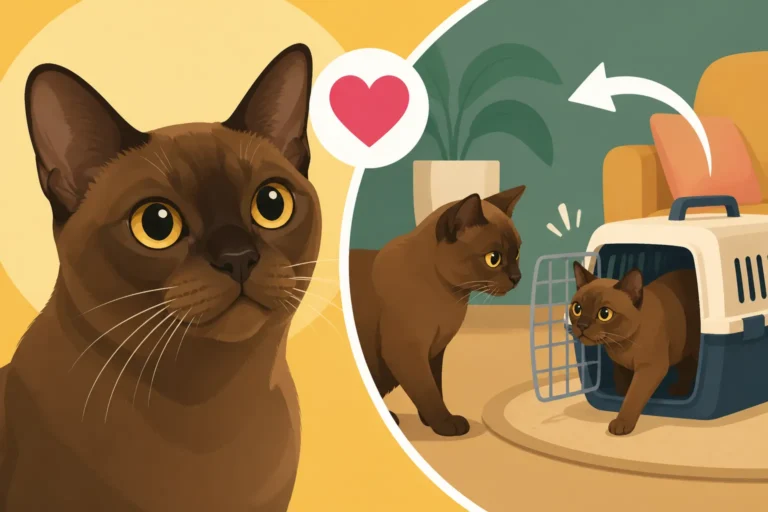
For many Burmese owners facing issues of intense, singular attachment or separation anxiety, the most effective and often joyous solution is to bring a second Burmese into the home. These cats are wired for companionship, and if their primary human cannot always be present, another feline friend can fill that void beautifully. A second Burmese provides constant company, someone to play with, nap with, and groom. They speak the same "language" and understand each other's needs for closeness. Breeders often recommend getting Burmese kittens in pairs for this very reason, understanding that Why Burmese Breeders Sell Them in Pairs is rooted in the breed's social nature. The companionship of another cat can significantly alleviate loneliness, reduce anxiety, and prevent many of the behavioral issues associated with single-cat Burmese households. This isn't just about giving your existing cat a playmate; it's about providing fundamental emotional support that enhances their overall quality of life. Even older Burmese cats can adapt well to a new companion, often blossoming once they have a constant furry friend by their side. You might even find tandem cat trees or extra-large beds for two on Amazon become essential purchases.
| Behavior Trait | Signs of Preference (Normal) | Signs of Separation Anxiety (Concerning) |
|---|---|---|
| Vocalization | More frequent purring, rumbles, and chirps directed at one person; greeting calls. | Excessive, frantic, or continuous vocalizations (howling, desperate meows) when specific person leaves. |
| Following | Consistently follows one person; sits nearby; seeks attention from that person. | Pacing, staring at the door, trying to block exits when specific person prepares to leave. |
| Physical Contact | Actively seeks cuddles, lap time, shoulder rides with one person; content with others. | Destructive scratching or attempts to escape when left alone; frantic rubbing against primary person upon return. |
| Eating Habits | Eats normally; might wait for favorite person to be present for a meal. | Refuses to eat when primary person is absent; excessive hunger/gobbling when person returns. |
| Grooming | Normal self-grooming. | Over-grooming to the point of bald patches, skin irritation, or self-mutilation when alone. |
| Litter Box | Consistent use of litter box. | Urinating or defecating outside the litter box, especially on primary person's belongings, when left alone. |
| Destructive Behavior | Occasional playful scratching on appropriate surfaces. | Chewing, destroying furniture, fabric, or personal items specifically when primary person is absent. |
Lifelong Companionship and Adaptability
The bond with a Burmese is truly a lifelong commitment, filled with unwavering affection. Their need for companionship doesn't wane with age, and while they thrive on consistency, their adaptability is remarkable when their core needs are met.
How an Old Burmese Still Clings
Even as a Burmese cat enters its golden years, its profound need for human companionship remains as strong as ever. You might notice their play sessions become a little less frantic, or their leaps to your shoulder a bit less agile, but their desire for physical closeness, lap time, and consistent interaction continues unabated. An old Burmese will still seek out the warmest lap, snuggle under the covers, and greet you with that familiar rasping rumble. Their world often becomes smaller as they age, making the familiar comfort of their human family even more significant. They become even more reliant on your presence for emotional security and physical comfort. This steadfast devotion is one of the most heartwarming aspects of living with a Burmese; What an Old Burmese Still Wants to Play and still wants to be with you, proving that their loving nature is truly timeless. The person they've bonded most strongly with throughout their life will continue to be their anchor, providing a sense of peace and security in their elder years.
The Burmese's Resilience in Change
Despite their preference for routine and their intense attachments, Burmese cats can be surprisingly resilient and adaptable to changes in their household dynamics, provided their core need for companionship is met. Life happens, and circumstances can shift – new jobs, new schedules, even new family members. While these changes might initially cause a period of adjustment or a brief increase in anxiety, a Burmese with a strong, secure attachment can navigate them. The key is to ensure that even with shifts in routine, the fundamental amount of positive interaction and presence remains consistent, or that a suitable alternative (like a second cat) is introduced. If their primary person's schedule changes, other family members can step up to fill the gaps in attention and play. It might take some time, but a Burmese's deep-seated desire for connection allows them to form new routines and distribute their affection more broadly if they feel loved and secure. Their ability to adapt speaks volumes about their trusting nature and their profound capacity for love, proving that while they may attach to whoever is home most, that love can, with effort, extend to everyone who makes an effort to connect with them.
Disclaimer
This article is for general informational purposes only and does not constitute professional advice. Laws, prices and regulations vary by location and change over time. Consult a qualified professional for guidance on your specific situation.