Why a Burmese Stays Kittenish Into Old Age
One of the most charming, and sometimes surprising, aspects of living with a Burmese cat is their seemingly endless youthfulness. Many cat owners expect their feline friends to mellow out significantly as they age, becoming more sedentary, perhaps a bit aloof, and certainly less interested in boisterous play. However, a Burmese often defies these expectations, retaining a delightful, kittenish spirit and boundless energy well into their golden years. This guide explores why your Burmese might still be chasing feather wands at fifteen and how to keep that joyful spark alive for their entire, wonderfully playful life.
The Enduring Spirit of the Burmese: More Than Just a Pretty Face
The Burmese cat breed is renowned for its unique personality, often described as part cat, part dog, and part monkey. This isn't just hyperbole; it speaks to their incredible intelligence, deep emotional attachment, and acrobatic tendencies. Unlike some breeds that embrace a more stoic or independent demeanor as they mature, the Burmese remains deeply invested in their human companions and their environment, which is a major factor in their sustained youthful outlook.
A Lifelong Pursuit of Play and Interaction
From the moment they open their eyes, Burmese kittens are incredibly interactive and curious, constantly exploring their surroundings and engaging with littermates and humans. This isn't a phase they outgrow; it's a fundamental part of their genetic makeup. They thrive on being the center of attention and consider every human interaction a potential play opportunity. This means that a ten-year-old Burmese might still be batting at your shoelaces or demanding a game of fetch with the same vigor as a six-month-old kitten. Their innate need for mental and physical stimulation keeps them engaged and prevents the kind of boredom that can lead to a more sedate lifestyle in other breeds.
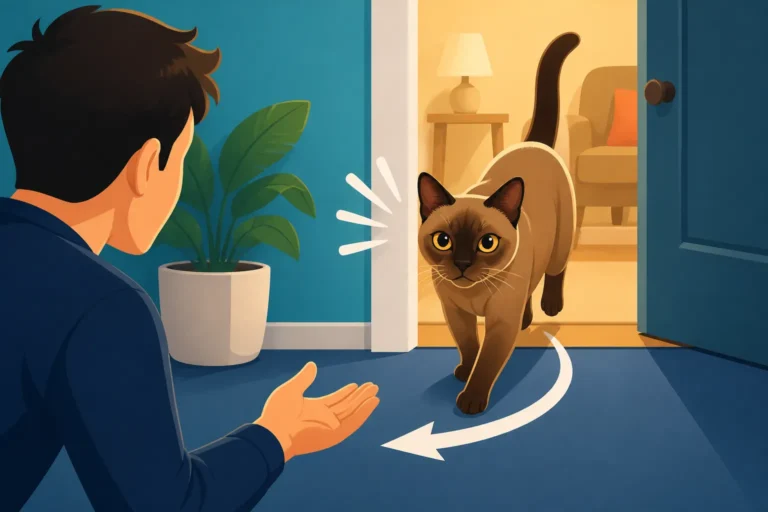
This persistent desire for interaction translates into a cat that will actively seek out games, even when they’re well past their prime. You might find your senior Burmese batting a toy mouse under the sofa, then looking at you expectantly, urging you to retrieve it, or pouncing on your feet as you walk by, all in good fun. They don't just tolerate play; they initiate it and genuinely enjoy it. This is why many Burmese owners often remark, "My Burmese is still playing at fifteen," a testament to their enduring zest for life and playfulness. They truly are the clowns of the cat world, and they don't see any reason to stop making people laugh just because a few gray hairs have appeared.
The "Dog-Like" Traits That Never Fade
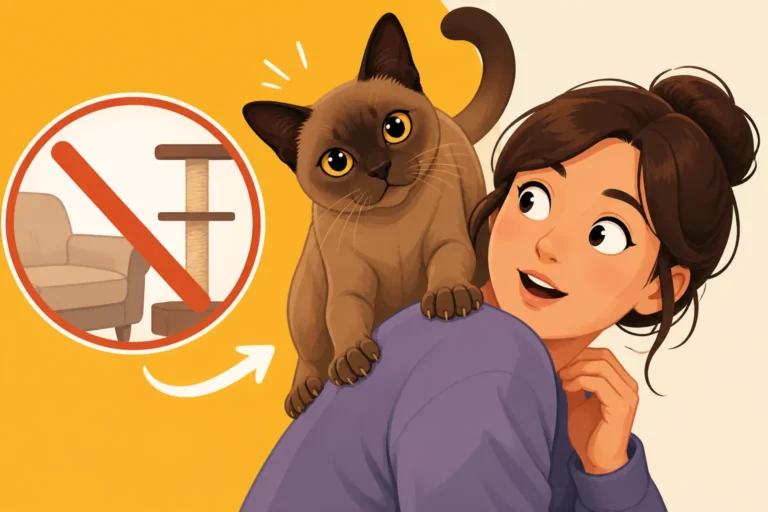
The comparison of a Burmese to a dog isn't just about their loyalty; it's also about their interactive nature and desire to be involved in everything their human family does. They follow you from room to room, often perching on your shoulder or lap, observing your every move. This "velcro cat" tendency means they are constantly seeking physical proximity and engagement, which naturally keeps them more alert and active than a cat content to snooze in a quiet corner. These traits are hardwired and don't diminish with age.
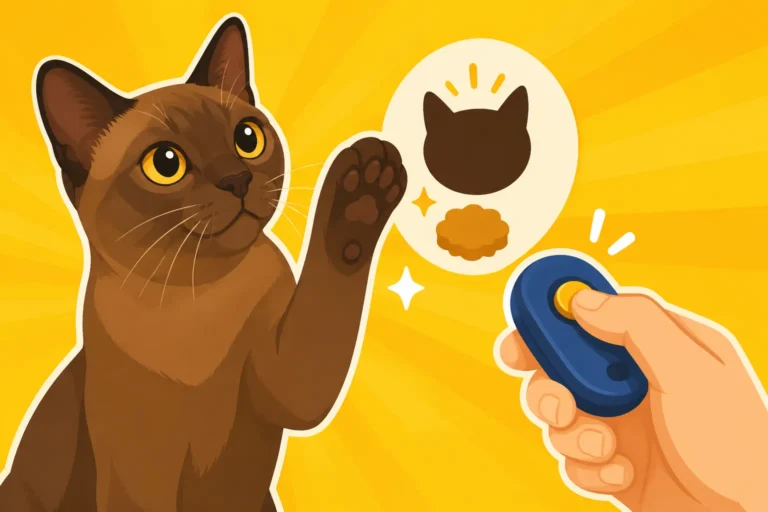
As they grow older, this dog-like devotion often becomes even more pronounced. An elderly Burmese might spend more time curled up beside you, but they'll still be keenly aware of your movements, ready to spring up for a quick cuddle or a short play session. Their willingness to learn tricks, respond to their names, and even walk on a leash (for those who introduced it early) continues well into their senior years. This sustained mental engagement, coupled with their physical activity, prevents the mental stagnation that can sometimes accompany old age in other felines. Their intelligence and eagerness to please mean they view life as a series of shared adventures, making them constantly curious and involved. You'll find that the characteristics that earn them the nickname Why the Burmese Is Called a Dog in a Cat's Body remain just as prominent when they are seniors as when they were kittens.
Understanding the Physical Foundations of Perpetual Youth
While personality plays a huge role, the Burmese's physical attributes also contribute significantly to their ability to maintain a kittenish demeanor. They are generally a robust and healthy breed, known for their compact, muscular build and surprising weight for their size. This physical strength, combined with proper care, allows them to remain agile and energetic long after many other cats have settled into a more sedate senior lifestyle.
Robust Health and a Slowing Metabolism
One of the great blessings of the Burmese breed is their generally strong constitution, which allows many individuals to enjoy a long and healthy life. While no breed is entirely free from health concerns, a well-bred Burmese often experiences fewer age-related debilitating conditions compared to some other breeds. This inherent hardiness gives them a head start in maintaining their youthful energy. However, even with this robust health, their metabolism does start to slow down as they age, just like any other creature. This means that maintaining a healthy weight becomes even more crucial, as extra pounds can put undue strain on joints and organs, diminishing their desire and ability to play.
Their dense muscle mass, which gives them the nickname "brick wrapped in silk," supports their skeletal structure and provides the power for their agile movements. Keeping this muscle tone is vital for maintaining their physical capabilities. A Burmese that is fed a high-quality, protein-rich diet and encouraged to play regularly is more likely to retain its strength and flexibility, helping them to literally leap through their senior years. Regular veterinary check-ups are also key to catching any potential health issues early, ensuring that small problems don't escalate and interfere with their vibrant lifestyle. After all, the better their physical health, the more likely they are to enjoy How Long a Burmese Lives to the fullest, complete with all their kittenish antics.
Sustaining Energy and Muscle Tone
The combination of their athletic build and inherent energy levels means that the Burmese needs consistent physical activity throughout its life to stay healthy and happy. They aren't built for a sedentary existence, and even in old age, their bodies benefit from movement. Their powerful legs and compact bodies are designed for bursts of speed and impressive jumps, and these capabilities can be maintained with continued use. Think of them as feline athletes who just need to keep training.
To keep that muscle tone and energy buzzing, regular, gentle exercise is paramount for an aging Burmese. This could mean shorter, more frequent play sessions, or encouraging them to navigate a cat tree. Maintaining a healthy weight is also non-negotiable. An overweight Burmese, even a senior one, will find it harder to jump, run, and play, which can lead to a vicious cycle of decreased activity and further weight gain. Therefore, consistently monitoring their body condition and adjusting their diet as needed is a critical aspect of care. Learning Why a Burmese's Weight Should Be Recorded Monthly can help you spot changes early and ensure their diet supports their enduring vitality.
The Social Imperative: Why Companionship Fuels Their Kittenish Nature
The Burmese isn't just playful; it's profoundly social. This deep-seated need for companionship is perhaps the most significant factor in why they remain kittenish. Solitude is their kryptonite, and an isolated Burmese, regardless of age, will often become withdrawn, anxious, or destructive, losing that joyful spark. Their "kittenish" behavior is often a direct reflection of how much company and engagement they are receiving.
The Critical Need for Constant Company
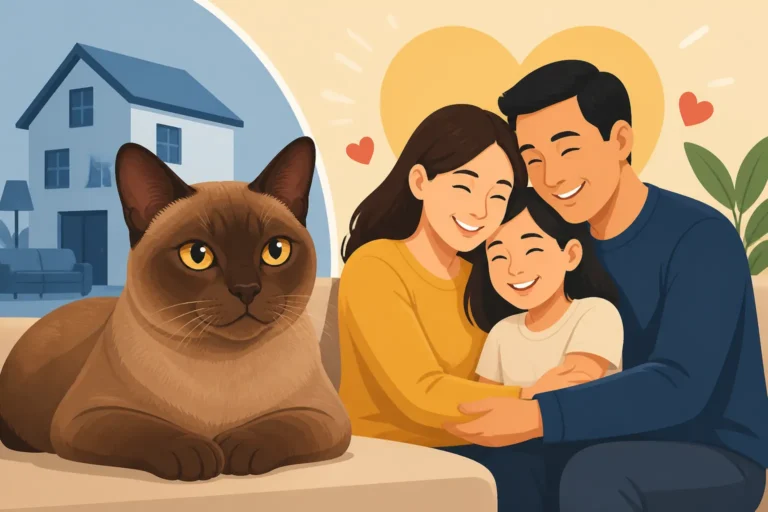
Unlike some independent cat breeds that are content with periodic attention, a Burmese craves constant interaction and presence. They form incredibly strong bonds with their human family and genuinely suffer from loneliness. This isn't just about affection; it's about their fundamental well-being. They want to be involved in everything you do, whether you're working, relaxing, or sleeping. This perpetual desire for interaction means they're always "on," always observing, and always ready to engage. This constant engagement is what keeps their minds sharp and their bodies active, long past the typical age for a cat to become a couch potato.
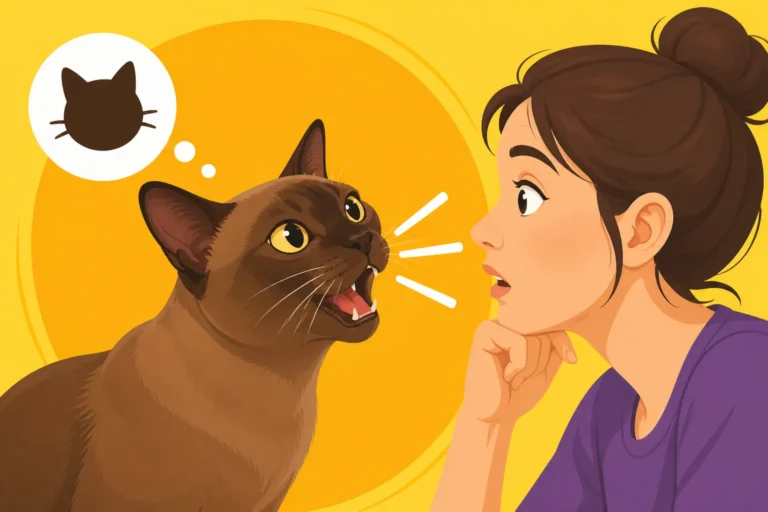
If left alone for extended periods, a Burmese can develop genuine distress, manifesting as destructive behaviors, excessive vocalization, or even self-mutilation. An older Burmese, who might be even more reliant on their established routine and human connections, can find prolonged solitude particularly upsetting. Their kittenish antics are, in many ways, an extension of their intense social drive – a way to maintain connection and ensure they are always part of the action. This is why it’s so important to understand Why a Burmese Cannot Be Left Alone All Day, as it speaks directly to their enduring need for company to fuel their youthful spirit.
Embracing Multi-Cat or Multi-Species Households
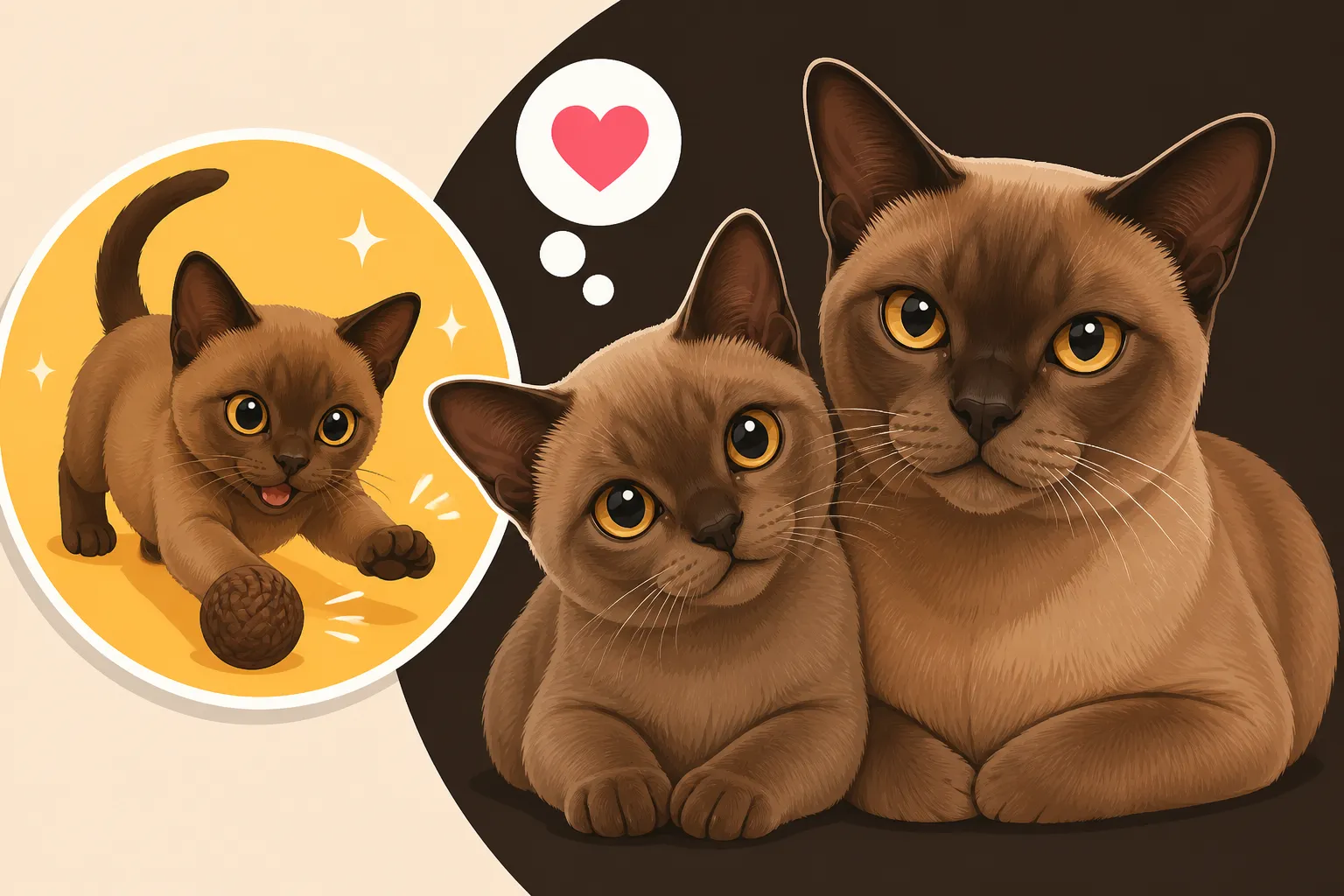
Given their intense need for companionship, a multi-pet household is often the ideal environment for a Burmese, particularly if human family members are away for parts of the day. Another Burmese, or even a compatible cat of a different breed, can provide the constant social interaction that prevents loneliness and boredom. They will play together, groom each other, and simply enjoy each other's presence, providing mutual stimulation that keeps them both active and engaged. This shared activity often means that senior Burmese cats in multi-cat homes retain their playful edge for longer, as they have a playmate always at hand.
It’s not just other cats; many Burmese also form strong, affectionate bonds with well-behaved dogs. Their friendly, outgoing nature allows them to integrate easily into diverse family units. The presence of another creature, whether feline or canine, acts as a constant source of comfort and engagement, fulfilling their need for companionship even when you're busy. This is why many breeders advocate for getting a pair, and it's something to seriously consider, as it ensures they always have someone to chase and cuddle with. Reputable breeders often recommend buying two Burmese kittens at once because Why Burmese Breeders Sell Them in Pairs – they simply thrive on having a constant companion. For those looking to enrich a multi-cat household, interactive toys or puzzle feeders, available on platforms like Amazon, can provide additional stimulation for all pets involved, especially when you're not directly supervising.
Keeping the Spark Alive: Practical Tips for Senior Burmese
While their spirit remains kittenish, an aging Burmese will still have physical changes that require thoughtful care. The key is to adapt your approach to their capabilities, ensuring they can continue to enjoy life to the fullest without overexertion or discomfort. It's about nurturing their inner kitten with wisdom and empathy.
Tailored Play Sessions and Mental Stimulation
As your Burmese gets older, their play sessions might need a slight adjustment in intensity, but certainly not in frequency. Instead of long, strenuous games, opt for shorter, more frequent bursts of play. Use wand toys that allow them to chase and pounce without too much high-impact jumping, protecting their joints. A laser pointer can still be a hit, but remember to end with a tangible toy they can "catch" to prevent frustration. Variety is also crucial to keep their keen minds engaged; rotate toys regularly to maintain interest.
Puzzle feeders are excellent for providing mental stimulation while also slowing down their eating, which can be beneficial for their digestion and weight management. Hide treats around the house, encouraging them to "hunt" and explore, mimicking natural foraging behavior. Even simply talking to your Burmese, teaching them new words, or practicing old tricks can keep their minds sharp and their spirits high. These mental exercises are just as vital as physical play in sustaining their youthful outlook. If you're looking for new puzzle feeders or softer, gentler toys, Amazon has a wide selection that can cater to an older cat's needs. Remember that even at an advanced age, How Much Play a Burmese Still Demands at Ten is still considerable, so don't let their age fool you into thinking they don't want to play.
Maintaining a Stimulating Environment
Creating an environment that supports your senior Burmese's continued activity and comfort is crucial. They might not jump as high as they used to, so consider adding ramps or steps to help them access their favorite high spots, like a windowsill perch or the top of a cat tree. Ensure their litter boxes are easily accessible, perhaps even opting for a lower-sided box to accommodate any joint stiffness. Their short, single coat means they can get chilly easily, so providing cozy, warm sleeping spots is essential. Heated beds or soft blankets in sunny spots can make a world of difference.
The Burmese thrives on being part of the family, so ensure their favorite resting spots are in areas where family activity happens. They want to be near you, observing and participating, even if from a comfortable perch. Keep their routine consistent, as changes can be more unsettling for older cats. Familiar sights, sounds, and smells provide comfort and security. By adapting their surroundings, you empower them to stay engaged and active, even if their physical capabilities have mellowed slightly. Providing them with a snug, warm place to curl up is not just about comfort; it's about their health and happiness, as Why a Burmese Needs Somewhere Warm to Sleep is a genuine concern for this breed.
Nutritional Support for Lasting Vitality
Proper nutrition becomes even more critical as a Burmese enters its senior years. A diet rich in high-quality protein helps maintain muscle mass, which is vital for strength, mobility, and a healthy metabolism. Look for foods specifically formulated for senior cats, as these often have adjusted calorie levels and beneficial supplements like joint support (glucosamine and chondroitin) or omega fatty acids for skin and coat health. Portion control is paramount, as an aging metabolism means they need fewer calories to maintain weight, but still require nutrient density.
Consider dividing their daily food intake into smaller, more frequent meals to aid digestion and prevent hunger pangs. Hydration is also key; encourage water intake with multiple bowls, a pet fountain, or by incorporating wet food into their diet. Consulting with your veterinarian can help you tailor a diet plan that addresses any specific health concerns, such as kidney function or joint issues. Choosing the right food isn't just about what they like; for a Burmese, Feeding a Burmese Is a Medical Decision, Not a Preference throughout their lives, and this becomes even more important in old age. High-quality senior cat food or supplements can be conveniently sourced from Amazon, allowing you to ensure your beloved Burmese continues to receive the best possible nutrition.
Challenges and Considerations for the Forever Kitten
While their enduring youthfulness is a joy, it also comes with its own set of challenges and responsibilities, especially as they truly become seniors. Owners must be vigilant and proactive in addressing their specific needs.
The Potential for Separation Anxiety in Older Age
The deep bond a Burmese forms with its humans can lead to significant separation anxiety, and this can sometimes become more pronounced as they age. An older cat might become more reliant on their established routines and the constant presence of their family, making even short periods of solitude stressful. Signs of increased anxiety might include excessive vocalization, destructive behavior, inappropriate urination or defecation, or even a sudden loss of appetite when left alone. This isn't just "being naughty"; it's a genuine expression of distress.
Addressing separation anxiety in an older Burmese requires patience and understanding. Maintaining a consistent daily routine, providing plenty of interactive playtime before you leave, and ensuring they have a comforting companion (another pet) can help. For severe cases, your vet might suggest calming aids or behavioral therapy. It’s crucial to remember that their "kittenish" clinginess is a sign of their love, but if it causes distress, it needs to be managed for their well-being. Understanding What Separation Anxiety Looks Like in a Burmese is key to addressing this sensitive issue effectively in their golden years.
Adapting to Slower Paces and Health Changes
While they remain kittenish in spirit, an older Burmese will inevitably experience some physical slowing down. Arthritis might make jumping onto high surfaces painful, their eyesight or hearing might diminish, and dental issues can make eating uncomfortable. It's vital for owners to recognize these subtle changes and adapt their care accordingly. A Burmese is incredibly stoic and often hides pain, so vigilant observation is necessary. They might still want to play vigorously, but their bodies might not be able to keep up.
Regular veterinary check-ups are paramount for senior Burmese cats. Annual or even bi-annual visits can help detect common age-related conditions like kidney disease, hyperthyroidism, or diabetes, which the Burmese are predisposed to. Early diagnosis and intervention can significantly improve their quality of life. Even if they still chase a laser pointer with gusto, they might need medication for joint pain or a special diet for a developing condition. Being proactive in their healthcare allows them to maintain their vibrant spirit while managing any physical limitations gracefully. It’s all part of Caring for a Burmese Past Twelve and ensuring their comfort and happiness. Furthermore, be particularly attentive to their oral health, as Why a Burmese Is Prone to Gum Disease is a well-known breed characteristic that can significantly impact their comfort and overall health as they age.
| Characteristic | Young Burmese (Kittenish) | Older Burmese (Still Kittenish) |
|---|---|---|
| Energy Level | Extremely high, constant bursts of play | High, but in shorter, more frequent bursts |
| Play Style | Boisterous, agile, high jumps, quick pounces | Adaptable, prefers ground play, still pounces with enthusiasm, less high-flying |
| Vocalization | Frequent, varied "rasp," demands attention | Consistent, still communicative, often a familiar "chatter" |
| Social Needs | Intense, constantly seeking interaction | Equally intense, may become more clingy, thrives on presence |
| Physical Activity | Runs, jumps, climbs with ease, explores | Walks, trots, uses ramps/steps, may still climb if accessible |
| Curiosity | Investigates everything new with zeal | Retains curiosity, enjoys observing, still engages with novelties |
| Affection | Demanding lap cat, shoulder rider | Deeply affectionate, seeks warmth and closeness, still a lap magnet |
| Learning | Quick to learn new tricks and routines | Continues to learn, enjoys mental challenges, reinforces old tricks |
Disclaimer
This article is for general informational purposes only and does not constitute professional advice. Laws, prices and regulations vary by location and change over time. Consult a qualified professional for guidance on your specific situation.