How Many Hours Before a Burmese Starts to Suffer
It's a common dilemma many cat parents face: how long is too long to leave your beloved feline companion alone? For a Burmese, this question carries extra weight because these cats aren't just pets; they're family members who thrive on constant interaction. Leaving a Burmese by themselves for extended periods isn't just a matter of convenience; it can genuinely impact their emotional well-being and even lead to problematic behaviors. This guide is here to shed light on just how long a Burmese can tolerate solitude and, more importantly, what signs to look for if they're struggling, along with actionable steps to keep them happy and secure.
Understanding the Burmese Need for Company
The Burmese cat is truly in a league of its own when it comes to affection and the need for human (or animal) companionship. They aren't aloof creatures who appreciate their independence; quite the opposite. To truly understand how many hours before a Burmese starts to suffer, we first need to delve into the very core of their personality.
The "Velcro Cat" Persona
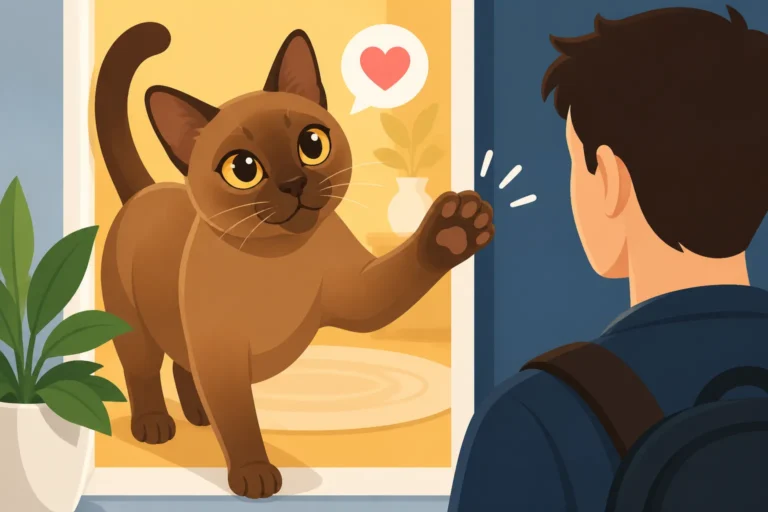
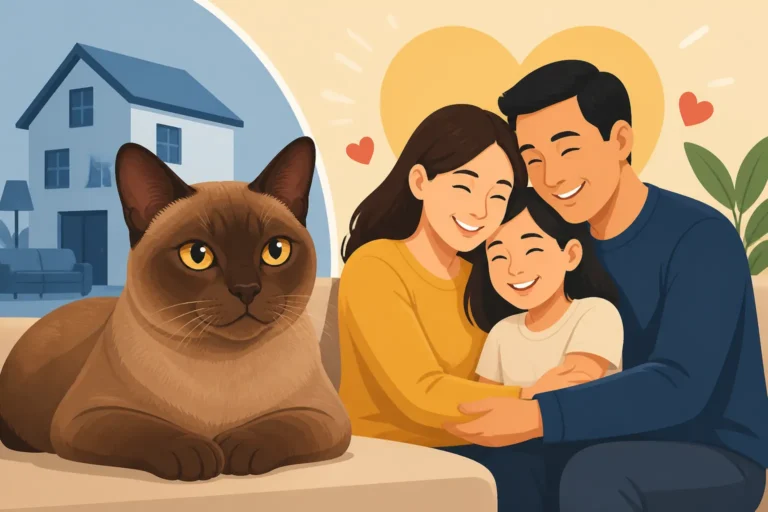
If you've ever owned a Burmese, you know exactly what I mean by "Velcro cat." These felines don't just share your home; they become an extension of you. They'll follow you from room to room, sit on your lap the moment you settle down, and even ride on your shoulder as you move about your day. This isn't just a cute quirk; it's a fundamental aspect of their breed. They bond deeply with their people, often choosing one person as their primary attachment but extending their affection to everyone in the household, including children and even dogs.
This intense need for connection means that for a Burmese, "alone time" is rarely enjoyable. It's often endured. They crave physical touch, conversation, and simply being in the same space as their chosen companions. Imagine having a shadow that purrs and head-butts you for attention – that's a Burmese. When that shadow is suddenly gone for hours on end, they feel a profound void. This isn't just a whim; it's hardwired into their personality. You'll find that The Burmese Is the Velcro Cat of the Cat Fancy is a title they've earned fair and square.
Why Solitude Isn't Natural for a Burmese
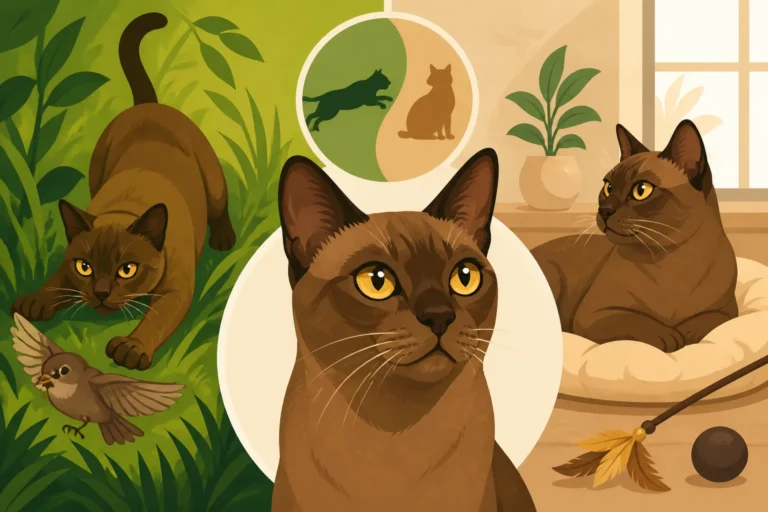
Unlike some breeds that might enjoy a quiet afternoon nap in a sunbeam without a soul in sight, a Burmese thrives on a busy, interactive environment. Their intelligence and playful nature mean they need mental and physical stimulation, much of which is usually provided by their human family. When left without this interaction, their sophisticated minds and affectionate hearts don't just "switch off." Instead, they can become anxious, bored, and genuinely distressed.
Consider their origins; bred for companionship, they've evolved to be highly social. They don't just tolerate company; they actively seek it out. A closed door is an affront, not an invitation to peace and quiet. This makes them wonderfully engaging pets, but it also places a responsibility on owners to ensure their social needs are met. Many breeders will even encourage buying them in pairs, because they recognize that Why Burmese Breeders Sell Them in Pairs is a solution to their profound need for companionship. Without a consistent presence, be it human or another compatible pet, the silence of an empty house can be deafening for a Burmese, leading to suffering long before typical cat breeds might show signs of distress.
The Telltale Signs of a Suffering Burmese
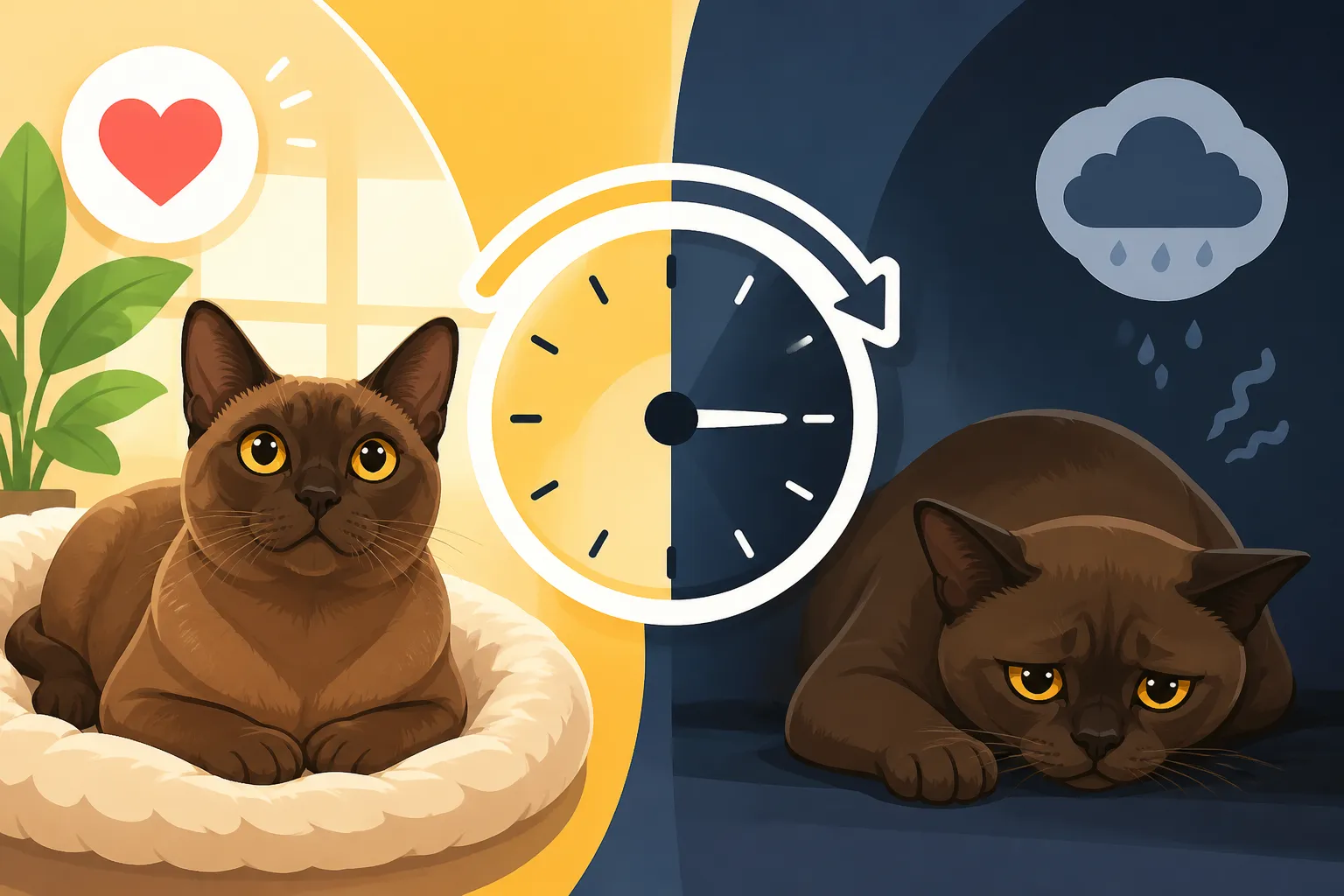
So, how many hours is too many? While every cat is an individual, for a Burmese, even 8-10 hours can be pushing it. Beyond that, or if it's a regular occurrence, you're likely to start seeing behavioral and even physical signs that your sensitive feline friend is struggling. It's crucial to be attuned to these signals, as they are their only way of communicating their distress.
Behavioral Changes and Destructive Tendencies
One of the first places you might notice a Burmese suffering from loneliness or separation anxiety is in their behavior. When left alone for too long, they can express their unhappiness in ways that might seem frustrating to us, but are actually desperate calls for attention and comfort. They might become overly clingy and vocal when you return, unable to let you out of their sight for a moment. Instead of their usual soft chirps and rumbling purrs, you might hear a more insistent, almost mournful cry.
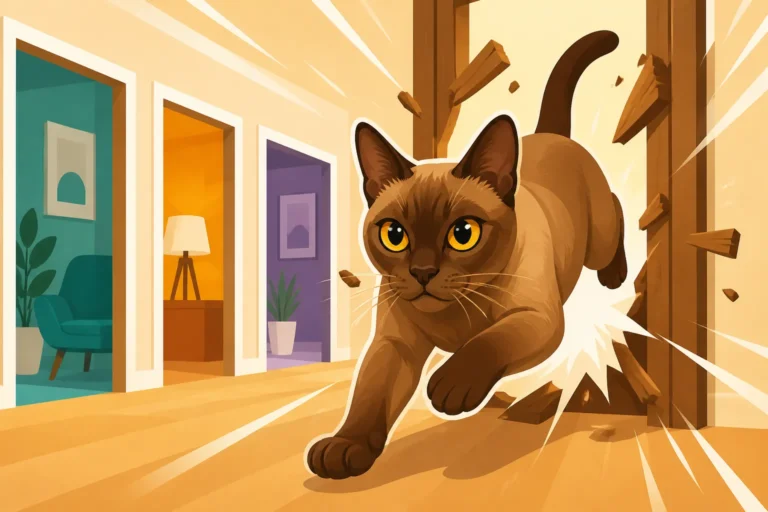
Beyond clinginess, destructive behaviors can emerge. A bored or anxious Burmese might scratch at furniture more aggressively, target specific spots like doorframes or window sills, or even chew on fabric items like blankets, clothing, or curtains. Some might start over-grooming, pulling out their own fur, which can lead to bald patches. This isn't naughtiness; it's a coping mechanism. I've heard countless stories from owners who came home to find a trail of shredded paper or tipped-over plants, all indications that their Burmese had too much unstructured, solitary time. If you notice What a Burmese Does to a House It Is Left In, it's a definite red flag. Some even develop spraying habits, marking territory not out of spite, but from stress. Knowing What Separation Anxiety Looks Like in a Burmese is key to addressing it.
Physical Manifestations of Stress
The emotional toll of prolonged loneliness can also manifest physically in a Burmese. These intelligent and emotionally sensitive cats can internalize stress, leading to actual health concerns. One of the most common physical signs is a change in appetite. A lonely Burmese might suddenly stop eating or eat significantly less, even when presented with their favorite food. This can quickly lead to weight loss and nutritional deficiencies. Conversely, some cats might overeat out of anxiety, leading to rapid weight gain, which is particularly concerning for a breed already prone to diabetes. You should remember that Why a Burmese's Appetite Goes When It Is Unhappy is a serious warning sign.
Another subtle but important sign is a change in their litter box habits. An anxious Burmese might start urinating or defecating outside the litter box, even if they have been perfectly litter-trained for years. This isn't just messy; it's a cry for help. It can be a direct result of stress, a protest against being left alone, or even a reaction to a urinary tract infection brought on by stress-related immunosuppression. It's vital to rule out medical causes with a vet, but often, the root is psychological distress. A duller coat, excessive shedding, or even signs of lethargy when you are home can also indicate they are not thriving in prolonged solitude. It's a reminder that their physical health is deeply intertwined with their emotional well-being.
Practical Strategies for Minimizing Loneliness
The good news is that recognizing the problem is the first step toward solving it. While you might not be able to be home 24/7, there are many effective ways to minimize the impact of your absence and ensure your Burmese is not left to suffer. These strategies focus on enrichment, companionship, and proactive care.
The Power of a Companion Cat
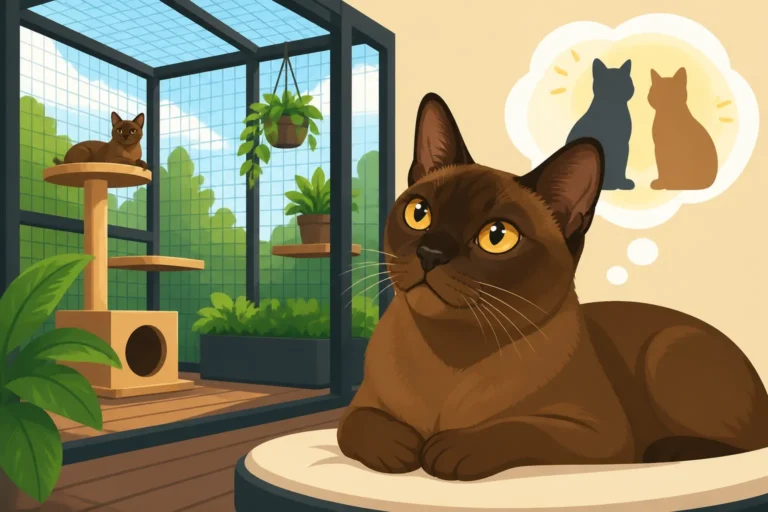
For a breed as profoundly social as the Burmese, the single most effective solution to prolonged loneliness is often another cat. A compatible companion can provide the constant interaction, play, and comforting presence that a lone Burmese craves. This isn't just about having any other cat; it's about finding the right match. Often, another Burmese is the ideal choice, as they share the same high energy levels and intense need for companionship. Many Burmese breeders explicitly recommend getting them in pairs, understanding their social dynamics deeply. Why Two Burmese Cost Less Than One Anxious One is not just about financial savings, but about peace of mind for both you and your cats.
If another Burmese isn't feasible, consider a breed known for its social nature, such as a Siamese or a Tonkinese. The key is to introduce them carefully and ensure they are a good personality match. The presence of another feline can turn an empty house into a shared adventure, complete with wrestling matches, grooming sessions, and shared naps. This companionship can drastically reduce anxiety, destructive behaviors, and the overall stress a lone Burmese experiences during your absence. Remember, Bringing Home the Second Cat a Burmese Needs can transform their life, and yours.
Enriching the Environment for Alone Time
Even with a companion, or if another cat isn't an option right now, creating a stimulating and comforting environment is crucial. Think of your home as their world; what can you add to make it more engaging when you're not there? Vertical spaces like cat trees or wall-mounted shelves give them places to climb, explore, and observe their surroundings from a safe vantage point. You can find excellent options on Amazon for all budgets.
Interactive toys, especially those that dispense treats or require problem-solving, can keep their minds busy. Puzzle feeders are fantastic for this, slowing down their eating (which is great for a breed prone to diabetes) and engaging their hunting instincts. Regularly rotating toys keeps them novel and exciting. Consider placing bird feeders outside windows to give them "cat TV" – a safe and stimulating way to watch the world. Some owners even leave on a radio or TV softly to break the silence, which can sometimes help an anxious Burmese, as explored in Whether Noise Helps a Burmese That Hates Silence. Fresh water fountains also encourage hydration and offer a bit of engaging movement. Don't underestimate the power of a warm, cozy bed in a favorite spot, perhaps near a window or a sunny patch, which can be found easily on Amazon.
Technology as a Stopgap
While technology is no substitute for real interaction, it can certainly help bridge the gap during your absence. Pet cameras, many of which are available on Amazon, allow you to check in on your Burmese from afar. Some even offer two-way audio, so you can speak to your cat, which can be immensely comforting for them, even if it's just for a minute. There are also models that dispense treats remotely, offering a positive reinforcement at specific times.
Automatic feeders are another piece of technology that can be invaluable, especially if you need to be away for longer periods than usual. These can be programmed to dispense measured meals at set times, maintaining a consistent routine and preventing your Burmese from going too long without food. This consistency is particularly important for managing their metabolism and preventing issues like fatty liver if they were to go too long between meals. While a timed feeder shouldn't replace your presence, it can significantly ease the impact of your absence. Just be sure to find one that the clever Burmese can't easily break into!
When to Seek Professional Help
Despite your best efforts, some Burmese may still struggle with separation anxiety or profound loneliness, especially if they have a particularly sensitive temperament or a history of being alone. Knowing when to reach out for professional guidance is an important part of responsible pet ownership.
Recognizing Persistent Anxiety
If, after implementing the strategies above, you continue to observe severe or persistent signs of distress in your Burmese, it's time to consider professional intervention. Persistent anxiety might manifest as ongoing destructive behavior, excessive vocalization, inappropriate urination or defecation despite a clean litter box, or even self-mutilation like fur pulling. A Burmese that is continually withdrawn, unusually aggressive, or still exhibits a lack of appetite even with companionship and environmental enrichment, is signaling that something deeper is at play.
It's heartbreaking to see a cherished pet suffer, but these behaviors aren't something they can just "get over." They indicate a genuine state of mental and emotional distress that requires a more targeted approach. Sometimes, the issue isn't just boredom but a deeply ingrained anxiety pattern that needs specialized help to untangle. Observing and logging these behaviors can provide valuable information for any professional you consult.
Consulting Your Veterinarian or a Behaviorist
Your first point of contact should always be your veterinarian. They can perform a thorough physical examination to rule out any underlying medical conditions that might be contributing to the behaviors. For example, inappropriate urination could be a sign of a urinary tract infection or diabetes, a condition that Burmese are particularly prone to. A vet can also offer advice on stress-reducing supplements or, in some cases, discuss short-term medication options if the anxiety is severe and impacting the cat's quality of life. Make sure to keep your vet updated on any changes in their routine or health. Why a Burmese's Vet Year Is Built Around a Glucose Check will highlight how important regular health checks are.
If medical causes are ruled out, your veterinarian might recommend consulting a certified feline behaviorist or a veterinary behaviorist. These specialists have expertise in animal psychology and can help you identify the root cause of your Burmese's distress and develop a tailored behavior modification plan. This plan might include specific training techniques, environmental adjustments, or even further insights into their unique Burmese temperament. They can provide invaluable support and strategies to help your sensitive Burmese feel more secure and content, even when you're not physically present every second of the day.
Signs of Loneliness vs. Solutions for a Burmese
Here's a quick overview to help you recognize the signs of a lonely Burmese and the potential solutions you can implement.
| Sign of Loneliness/Distress | What it Looks Like | Potential Solutions |
|---|---|---|
| Excessive Vocalization | Constant crying, insistent meows, loud "talking" | Companion cat, interactive play, consistent greetings |
| Destructive Behavior | Shredding furniture, chewing fabric, knocking things over | More playtime, puzzle feeders, durable scratch posts |
| Inappropriate Elimination | Urinating/defecating outside litter box | Vet check, extra clean litter boxes, stress reduction |
| Over-grooming / Fur Pulling | Bald spots, thinning coat, constant licking | Vet check, increased comfort, reduced stressors |
| Clinginess / Shadowing | Unable to leave your side upon return | Gradual separation training, secure "safe space" |
| Changes in Appetite | Refusing food, overeating, sudden weight loss/gain | Vet check, fixed meal times, companion cat, puzzle feeders |
| Lethargy / Withdrawal | Less playful, hiding, seeming depressed | Vet check, increased interaction, stimulating environment |
These are guidelines, but every Burmese is unique. The key is to be observant, proactive, and always put their well-being first.
Disclaimer
This article is for general informational purposes only and does not constitute professional advice. Laws, prices and regulations vary by location and change over time. Consult a qualified professional for guidance on your specific situation.