Teaching a Burmese to Sit Still for a Glucose Check
It's incredibly frustrating when your sweet, affectionate Burmese cat, who normally adores being close to you, suddenly turns into a wriggling, resistant ball of fur the moment you need to perform a vital health check, like a glucose reading. This guide is all about transforming that stressful struggle into a calm, cooperative routine, ensuring both you and your beloved companion feel as comfortable and confident as possible during these essential moments.
Understanding Your Burmese's Nature and the Challenge
Burmese cats are truly unique, often described as having a "dog-like" personality, brimming with intelligence, curiosity, and an insatiable need for connection. This wonderful trait is also what can make certain necessary tasks, like regular health checks, feel like an uphill battle.
Why "Sit Still" Is a Foreign Concept to a Burmese
If you've ever owned a Burmese, you know they are not statues. They are the quintessential "velcro cats," constantly on the move, investigating, playing, and demanding interaction. Your Burmese probably Why a Burmese Rides on Your Shoulder or insists on being right under the duvet with you. They thrive on being involved in whatever you're doing, and their curious minds are always seeking stimulation. Asking them to simply "sit still" for an extended period, especially for something they perceive as uncomfortable or unfamiliar, goes against their very nature. They are intelligent enough to quickly learn the association between the setup (you gathering supplies, the smell of antiseptic, the sight of the glucometer) and the impending poke, leading to them darting away or actively resisting. This isn't naughtiness; it's a deep-seated instinct to avoid perceived discomfort, mixed with their inherent desire to control their environment and engage with you on their terms.
The Importance of Early Intervention (Even If It's Not Early Anymore)
Ideally, the foundation for accepting routine handling and minor medical procedures is laid during kittenhood. A breeder worth their salt will have already started this process, ensuring their kittens are accustomed to being touched, examined, and generally handled without fear. For instance, a responsible breeder will perform checks for conditions like Burmese Head Defect Is Lethal and Recessive or carefully examine a kitten's chest at birth to check for Why a Burmese Kitten's Chest Should Be Checked at Birth, which familiarizes the kitten with gentle examination. However, let's be realistic: not everyone gets their Burmese as a tiny kitten, and even if you did, perhaps the focus wasn't on glucose checks back then. It's easy to feel defeated if your adult Burmese is already resistant. Please know that it's never too late to start positive training. It might take more patience and time, but an adult Burmese is still highly intelligent and food-motivated, making them receptive to learning new things with the right approach.
The Emotional Toll of a Difficult Glucose Check
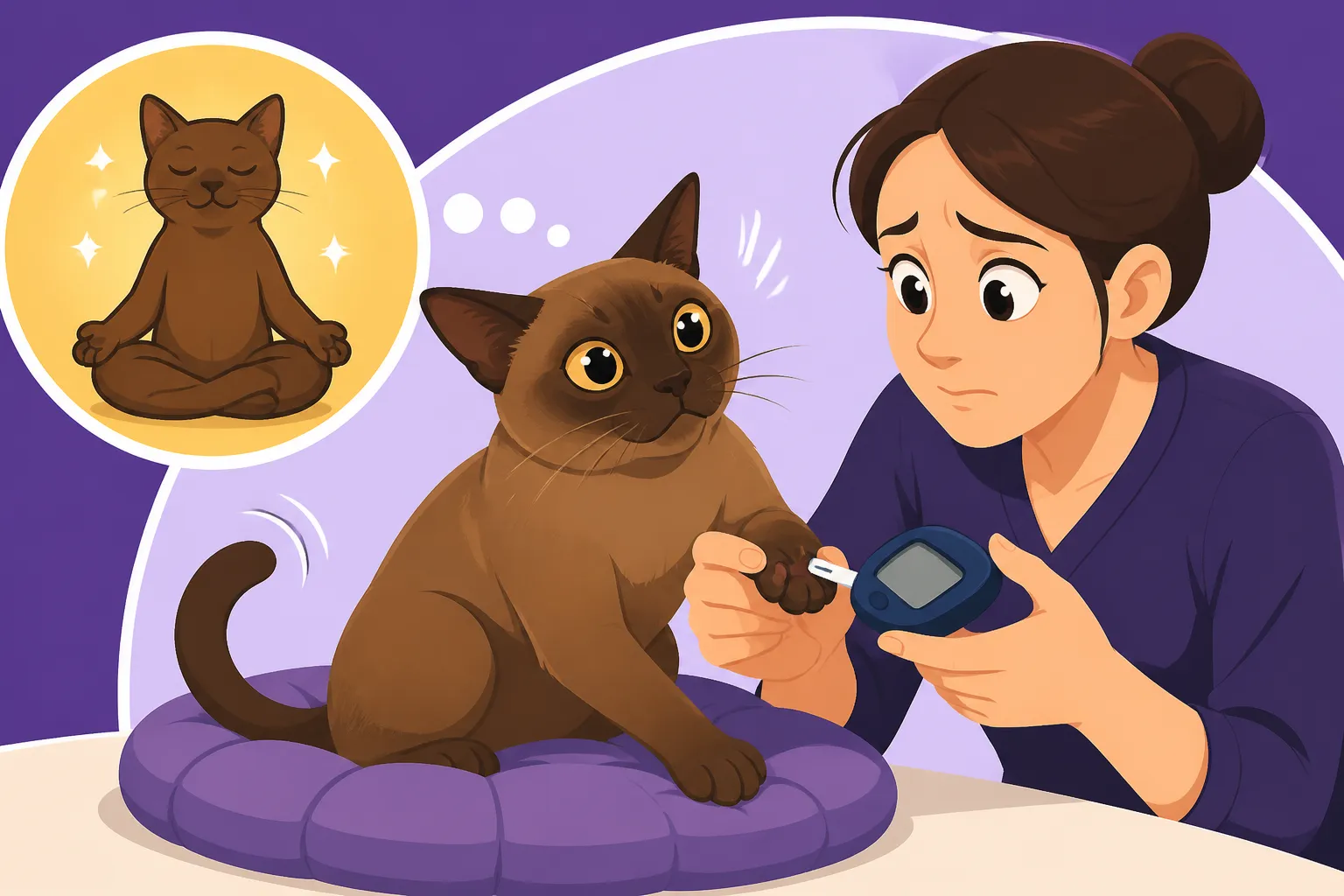
The reality of managing a condition like diabetes in your Burmese means regular glucose monitoring. When these checks become a wrestling match, it's not just physically draining for you, it's emotionally taxing for both of you. Your Burmese picks up on your stress, which makes them more anxious and less cooperative. You, in turn, feel guilty for causing them distress and frustrated by their resistance. This cycle can erode the precious bond you share. Imagine having to chase your beloved cat around the house, corner them, and force them into a procedure that they clearly fear. It’s heart-wrenching. Breaking this cycle is crucial, not just for the accuracy of the readings (stress can elevate glucose levels), but for maintaining the trusting, affectionate relationship that is the hallmark of Burmese ownership. These cats crave connection, and a calm, consistent approach to medical care reinforces that you are a source of comfort, not just a necessary evil for medical treatment.
Step-by-Step Training for Calm Glucose Checks
Teaching your Burmese to sit still for a glucose check requires patience, consistency, and a deep understanding of positive reinforcement. Think of it as teaching a trick, not forcing a procedure.
Setting the Stage: Environment and Tools
Before you even think about touching your cat with a lancet, you need to prepare the environment and gather your supplies. This pre-planning reduces your own stress and ensures you don't have to scramble mid-procedure.
First, choose a consistent, quiet location in your home. This could be a specific spot on the sofa where your Burmese likes to cuddle, a designated grooming table, or even a countertop if they're comfortable being up high. The key is familiarity and calm. Avoid busy areas with distractions. Make sure the lighting is good, as you'll need to see clearly.
Next, have absolutely everything you need within arm's reach. This includes your lancet device, fresh lancets, glucometer, test strips, cotton balls or gauze, and most importantly, an abundance of high-value treats. For a Burmese, "high-value" often means something meaty and delicious – think pureed meat baby food, Churu treats, cooked chicken bits, or even tiny pieces of cheese. Some owners find small, shallow ceramic bowls (like those found on Amazon for dips) perfect for holding these tempting rewards. Having your supplies neatly organized in a small kit can also help. Many owners find value in investing in a reliable home glucose monitoring kit, especially those designed for veterinary use, to effectively perform tasks like How a Burmese Is Monitored on Insulin at Home.
Positive Reinforcement and Desensitization: The Foundation
This is where the real training begins, long before any actual blood is drawn. The goal is to associate all aspects of the glucose check with positive experiences, primarily treats and praise.
Start by simply getting your Burmese used to the presence of the equipment. Place the glucometer, lancet device, and other items nearby while you're simply petting them or playing. Let them sniff the items without any pressure. Reward them with a treat if they show curiosity or remain calm. You can use a clicker if you're already familiar with clicker training, but a verbal marker like "yes!" followed by a treat works just as well. Remember, Why a Burmese Is the Easiest Cat to Clicker Train because they are so motivated by food and attention, so leverage this!
Next, introduce gentle handling that mimics the areas you'll need to touch. Burmese are naturally affectionate and generally accept handling well. Focus on gently touching their ears – not in a restraining way, but just a light stroke. Every time you touch an ear, immediately follow with a treat and praise. Repeat this many, many times over several days. Keep sessions short, maybe 1-2 minutes, and end on a positive note. The idea is to build a positive association: ear touch = yummy treat.
Targeting the Ear: Gentle Handling and Rewards
Now that your Burmese is comfortable with general handling and the presence of the equipment, it's time to get more specific with ear handling.
Start by gently holding the ear for a second or two, just as you might when preparing for a poke. Lightly rub the edge of the ear where you might prick. Immediately release and offer a high-value treat. Gradually increase the duration of this gentle hold. You're teaching them that a light, temporary hold on their ear leads to a reward.
Once they tolerate this, simulate the sensation of the prick without actually doing it. Use your fingernail to give a very light, quick tap or pinch on the edge of the ear. Again, immediately follow with a treat and praise. This helps desensitize them to the brief, sharp sensation.
Finally, introduce the lancet device itself. Hold it near their ear, touch the side of the device to their ear (not the needle end), and then immediately reward. Repeat this until they are completely unfazed by the lancet touching their ear. The goal is for them to not even flinch when the device makes contact, anticipating the treat instead. This is similar to the patience required when teaching a Burmese to accept insulin injections, as detailed in How to Give a Burmese Its Insulin at Home.
The Actual Prick: Speed and Reward
This is the moment of truth, and it needs to be executed swiftly and positively.
When you feel your Burmese is ready, with all the previous steps mastered, prepare your lancet device and glucometer. Gently hold their ear, position the lancet in the desired spot (often the edge of the ear flap, where blood vessels are visible and there are fewer nerve endings), and make the prick quickly. Many vets recommend using the outer edge of the ear, avoiding the very tip or the inner surface, as it tends to bleed better and cause less discomfort. The speed of the prick is key to minimizing sensation.
The instant the prick is made, even before the blood bead forms, immediately give the highest value treat and effusive praise. While they are happily munching their treat, you can then gently squeeze the ear (if needed) to get the small bead of blood required for the test strip. The trick is to distract them with the treat so effectively that the prick itself is almost an afterthought.
As soon as you have the blood, quickly apply it to the test strip and reward again. Make the entire process as fast and seamless as possible. Over time, your Burmese will learn that the quick, minor discomfort of the prick is instantly followed by something wonderful.
Building Duration: Patience is Key
Once your Burmese tolerates the actual prick and immediate reward, the next step is to build the duration of their cooperation throughout the entire testing process.
Initially, your goal was just the prick and the treat. Now, you need them to remain calm while you collect the blood, apply it to the strip, and wait for the glucometer to give a reading. Continue to offer praise and small bits of the high-value treat during these steps. For instance, after the prick and the initial treat, as you gently apply the blood to the strip, you might say "Good job!" and offer another tiny piece of treat. While the meter processes, continue with soft praise and gentle petting.
The session isn't over until the reading is done and you've given a final, generous reward. This teaches them to remain still and cooperative for the whole sequence, knowing that the good things keep coming as long as they stay calm. Always end on a high note, even if it means you only get one successful prick in a session. You want them to walk away feeling positive about the experience, eager for the next one. This consistent, positive approach is what cultivates a cat who views glucose checks as a manageable part of their routine, rather than a fearful ordeal.
Common Pitfalls and Troubleshooting
Even with the best intentions, training doesn't always go smoothly. It's important to recognize common issues and have strategies for overcoming them without resorting to methods that could harm your bond with your Burmese.
When Your Burmese Just Won't Cooperate
There will be days when your Burmese seems to have forgotten everything you've taught them. They might wriggle, growl, or even try to bite. This is normal cat behavior when they feel threatened or uncomfortable. Don't take it personally.
If your Burmese is resisting, the first step is to revert to an earlier, simpler step where they were successful. For example, if they're resisting the ear hold, go back to just gentle ear touches with treats. If they're shying away from the lancet, go back to letting them sniff it. Break the steps down even further if needed. Sometimes, the steps were too big, or you moved too fast.
Re-evaluate your treats. Is the treat you're using truly "high-value" to your Burmese? Some cats go crazy for specific flavors or textures. Try different brands or types. Which Treats Fit Inside a Burmese's Weighed Ration is important to consider, especially for a diabetic cat, but for training, sometimes a slightly less diet-friendly treat for a brief moment is worth the long-term cooperation.
If you find yourself constantly struggling, consider enlisting the help of a second person. A calm, gentle assistant can offer treats while you manage the ear. However, the goal is always for you to be able to do it alone, fostering independence and trust. Recognize stress signals: flattened ears, a swishing tail, dilated pupils, tensing of the body, or trying to hide are all signs your Burmese is uncomfortable. If you see these, stop, take a break, and try again later or another day.
The Temptation of Force (and Why to Avoid It)
In moments of desperation, it can be incredibly tempting to just force your Burmese to comply. You might feel the clock ticking, or worry about missing a vital reading. However, forcing a Burmese, or any cat, is a detrimental long-term strategy. These highly affectionate cats, who typically Why a Burmese Pushes Its Face Into Your Palm and thrive on closeness, will quickly learn to fear your touch if it's consistently associated with unpleasant restraint.
Forcing them will inevitably break down the trust you've painstakingly built. A Burmese needs to view you as a source of comfort and safety, not as a threat. Physical restraint can lead to anxiety, fear-based aggression, and even damage to your bond. Instead of making future checks easier, force will make them exponentially harder, creating a cat who will run and hide at the first sign of a medical procedure.
If you are at your wit's end and truly cannot get a reading safely or calmly, contact your veterinarian. They may be able to offer specific training tips, recommend a veterinary behaviorist, or in rare cases, discuss temporary sedation for initial readings while you continue with positive reinforcement training at home. Never feel guilty about asking for help; your cat's well-being and your relationship are paramount.
Maintaining the Routine for Life
For many Burmese cats, glucose monitoring is a lifelong commitment once diabetes has been diagnosed. While some fortunate cats can achieve How Many Diabetic Burmese Go Into Remission, it's always wise to be prepared for ongoing management. The consistency you establish in your training routine will be invaluable in the years to come.
Keep your sessions positive, short, and consistent. Even when your Burmese is a pro, don't stop the rewards! The treats and praise are not just for teaching; they're for maintaining the positive association. Every successful, calm glucose check reinforces that this is a safe, rewarding experience. If you get complacent and stop rewarding, the positive association can weaken.
Consider integrating little "mock" sessions occasionally, where you go through the motions without the actual prick, just to keep them accustomed to the handling and the routine, always ending with a treat. This also keeps you both in practice. Remember that a long, healthy life for your Burmese often depends on effective management of conditions like diabetes, and your calm, consistent care is the biggest factor in their well-being.
| Training Step | Focus | Reward | Goal |
|---|---|---|---|
| 1. Environmental & Tool Familiarity | Presence of equipment in calm setting | Treat for calm curiosity | No fear of equipment |
| 2. Gentle Ear Touches | Brief, light touch to ear | Treat immediately | Positive association with ear handling |
| 3. Ear Hold & Release | Gently hold ear for 1-2 seconds | Treat immediately | Tolerates light ear restraint |
| 4. Simulated Prick | Light tap/pinch with fingernail on ear | Treat immediately | Desensitization to sharp sensation |
| 5. Lancet Device Contact | Touch lancet device (side) to ear | Treat immediately | No fear of lancet touching ear |
| 6. Actual Prick & Immediate Reward | Quick prick on ear | High-value treat immediately (while pricking) | Associate prick with instant reward |
| 7. Full Process Duration | Calmness during blood collection/reading | Continuous praise & small treats | Sits still for entire glucose check process |
Disclaimer
This article is for general informational purposes only and does not constitute professional advice. Laws, prices and regulations vary by location and change over time. Consult a qualified professional for guidance on your specific situation.