How to Handle a Burmese for Insulin Injections
Finding out your beloved Burmese has diabetes can feel like a punch to the gut. Suddenly, your focus shifts from cuddles and play to daily injections, and the thought of giving your sweet, sensitive cat a needle can be incredibly daunting, even heartbreaking. Many owners worry about hurting their cat, stressing them out, or simply not being able to manage the routine. But trust me, with the right approach and a deep understanding of your Burmese's unique personality, administering insulin injections can become a smooth, almost unremarkable part of your daily life together. This guide will walk you through handling your Burmese specifically for these vital insulin shots, turning anxiety into confidence.
Building Trust and Routine for Insulin Administration
The first step, and arguably the most crucial, isn't about the needle; it's about your relationship with your Burmese. These cats are incredibly intelligent, sensitive, and deeply attached to their humans. They thrive on routine and positive interaction. Any significant change, like a daily medical procedure, needs to be introduced with patience and a whole lot of love. Your Burmese is prone to feeling your emotions, so if you're stressed, they'll pick up on it. Calm confidence from you is key.
Creating a Calm and Predictable Environment
Imagine someone trying to give you an injection in a chaotic, loud room. Not ideal, right? The same goes for your Burmese. They need a quiet, consistent space where they feel safe and secure. This might be a favorite bed, a specific spot on the couch, or even your lap. The key is to choose a location that can be easily recreated daily and is free from sudden noises or distractions. If you have other pets, ensure they are in another room during injection time. If your Burmese associates this specific spot with something pleasant, like a special treat or a gentle petting session before the injection, it will go a long way.
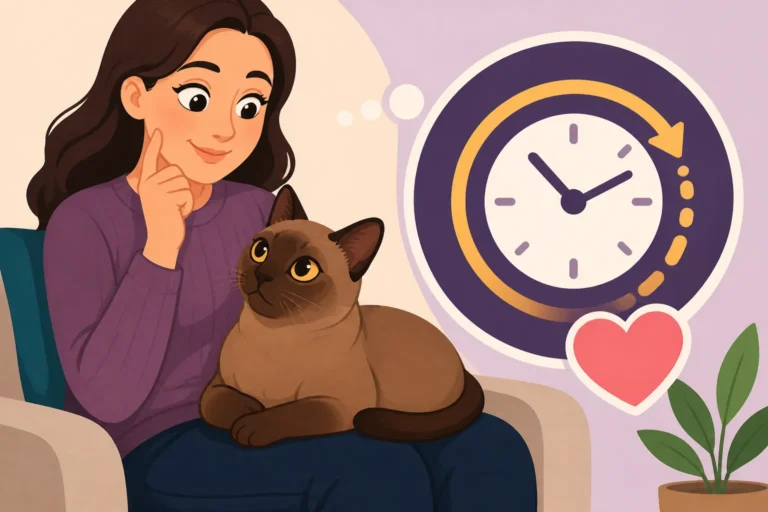
Establish a firm schedule, too. Burmese cats are creatures of habit. They appreciate knowing what's coming. Insulin often needs to be given around meal times, usually twice a day, every 12 hours. Stick to these times as much as humanly possible. If you feed your Burmese at 7 AM and 7 PM, aim for injections at or immediately after these meals. This predictability signals to your cat that it's just another part of their day, like eating or getting cuddles. Consistency helps them relax, knowing what to expect. Think of it as creating a calming ritual. For more on their health, consider reading Caring for a Diabetic Burmese at Home.
Positive Reinforcement and Desensitization
Your Burmese is a highly food-motivated cat, and this is a massive advantage when it comes to medical procedures. Food, praise, and gentle affection are your most powerful tools. Before you even think about an injection, start desensitizing them to the handling. Gently touch the area where the injection will go (typically the loose skin around their scruff or flank) for short periods, associating it with a delicious, low-carb treat. You can find many suitable low-carb treats on platforms like Amazon that fit within a diabetic diet. Gradually increase the duration and pressure of your touch.
Once they're comfortable with being handled in that area, introduce the sterile needle and syringe. Just let them sniff it, or place it on the table nearby while you give them praise and treats. Don't rush. This isn't about administering the injection yet; it's about making the tools part of the routine without fear. If your Burmese is a "velcro cat" and loves to be held, use that to your advantage. Cuddle them close, stroke them, and talk to them in a soothing voice. Your voice is a huge comfort to them. You might be surprised to learn that Why a Burmese Accepts Daily Injections So Easily is often due to this bond and their adaptable nature.
The Practical Steps of Administering a Burmese's Insulin
Once you've laid the groundwork of trust and routine, the actual injection becomes much less daunting. Remember, quick and confident is often better than slow and hesitant. Your Burmese will pick up on your confidence.
Gathering Your Supplies and Preparing the Insulin
Before you even bring your Burmese into the injection area, have everything ready. This prevents fumbling around and causing unnecessary stress.
Here’s a checklist of what you'll need:
| Item | Purpose | Notes |
|---|---|---|
| Insulin | Medication for diabetes | Store as directed, usually refrigerated. |
| Insulin Syringes | For administering the correct dose | Specific size (e.g., U-100, U-40) to match insulin type. |
| Sharps Container | Safe disposal of used needles | Essential for safety; can be purchased from pharmacies or on Amazon. |
| Low-Carb Treats | Positive reinforcement | Small, highly palatable, and approved for diabetic cats. |
| Cotton Ball/Tissue | For dabbing if there's any blood (rare) | Optional, but good to have on hand. |
| Your Burmese's Favorite Spot | Calm, consistent injection location | Bed, lap, soft blanket – somewhere they feel secure. |
Gently roll the insulin bottle between your palms to mix it; do not shake it vigorously, as this can damage the insulin. Draw up the precise dose prescribed by your vet, making sure there are no air bubbles. Double-check the dosage. A tiny difference can have a big impact. Your vet will have guided you on How a Diabetic Burmese Is Started on Insulin and How Often a Diabetic Burmese Is Injected, so stick to their instructions precisely.
Administering the Injection: The "Tent" Method
This is the most common and effective method for giving insulin injections to cats. The goal is to inject into the subcutaneous fat layer, not into muscle.
-
Secure Your Burmese Comfortably: Sit your Burmese on your lap, a low table, or another familiar surface where they are calm and contained. Talk to them in a soft, reassuring voice. Some cats prefer to be standing, while others are fine lying down. If you have a second person, they can gently hold and reassure your cat, but many Burmese owners manage this solo after practice. Your Burmese's instinct to push its face into your palm can actually be used to your advantage here, as it keeps them focused on you. You can read more about their affectionate nature in Why a Burmese Pushes Its Face Into Your Palm.
-
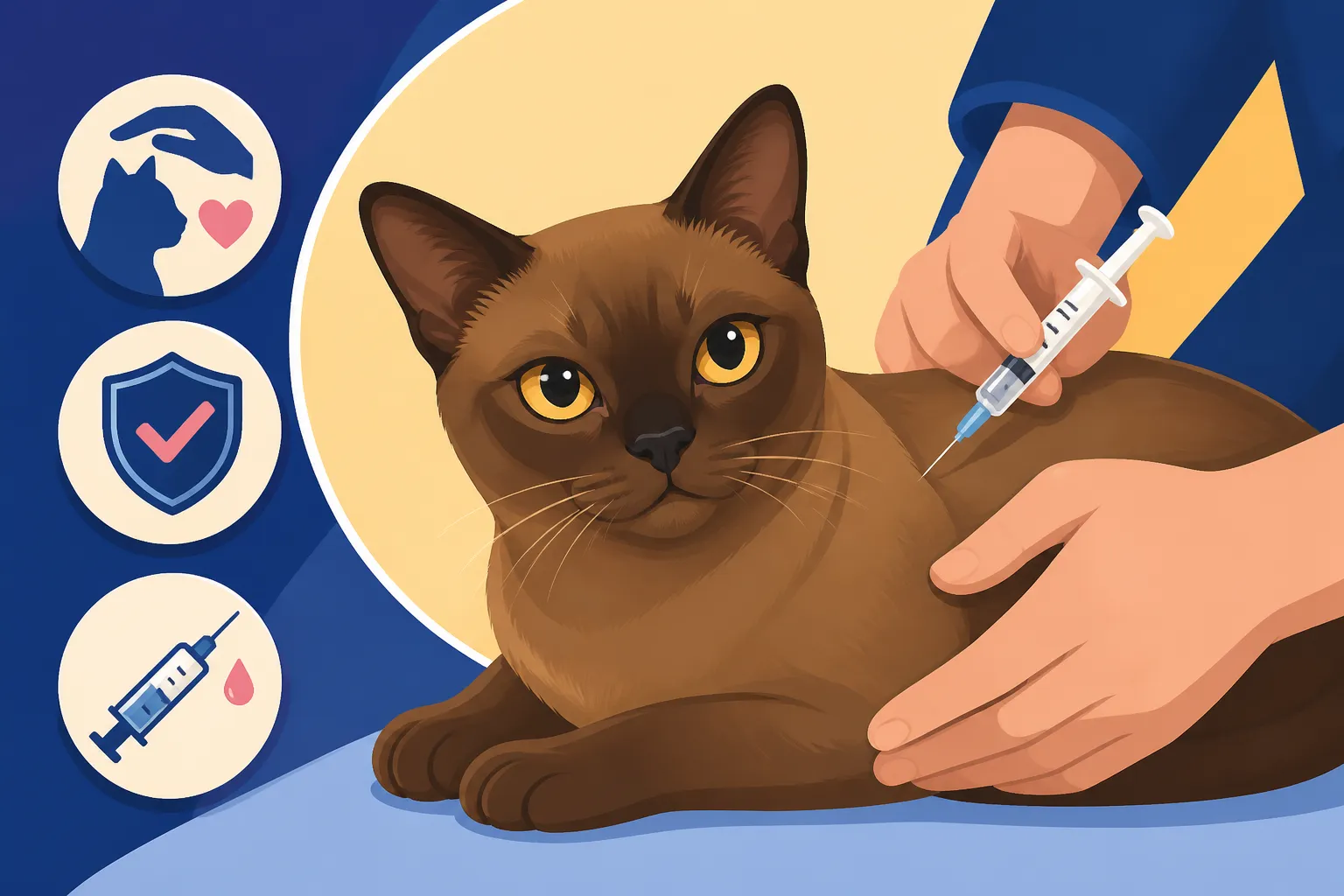
Locate the Scruff/Flank Area: Gently grasp a fold of loose skin. The most common areas are the scruff (the skin at the back of the neck/shoulders) or the flanks (sides of the body). Alternate sites if possible to prevent soreness or thickening of the skin. Don't always use the exact same spot. Create a "tent" with the skin, pulling it upwards gently but firmly away from the body.
-
Insert the Needle: With your other hand, hold the syringe like a dart. Carefully but swiftly insert the needle into the base of the skin tent, parallel to your cat's body, and at a slight angle (around 45 degrees). You should feel minimal resistance. The needle should go under the skin, into the "tent" of loose skin, not through both sides.
-
Administer the Insulin: Once the needle is in, gently depress the plunger to inject the insulin. This should take just a second or two. Do not pull back on the plunger (aspirate) as is sometimes done with human injections; it's generally unnecessary and can cause more discomfort for your cat.
-
Withdraw and Reward: Once the plunger is fully depressed, withdraw the needle quickly and smoothly in the same direction it went in. Immediately give your Burmese their special low-carb treat and plenty of praise and affection. Many cats are so focused on the treat that they barely notice the injection itself. You might even find them retrieving a toy to bring to your lap for further interaction after the treat, which can be a lovely way to end the session. Whether a Burmese Brings a Toy Back to Your Lap talks about this endearing behavior.
-
Dispose Safely: Immediately place the used syringe into your sharps container. Never recap a needle with your bare hands.
It might feel awkward at first, but with practice, you'll find your rhythm. Your vet or vet tech can also provide hands-on demonstrations, which are incredibly helpful. Don't be afraid to ask for a refresher if you're feeling unsure.
Troubleshooting and Long-Term Management for Diabetic Burmese
Even with the best preparation, there might be days where things don't go perfectly. Don't get discouraged; it's part of the journey.
Common Challenges and Solutions
- Your Burmese is Resistant: If your cat becomes agitated or tries to escape, stop. Don't force them, as this can create a negative association. Give them a break, try again later, or use a different technique. Sometimes a more secure hold (like gently wrapping them in a towel, making sure their head is free) can help, but always prioritize calm. If they associate the carrier with vet trips, bringing it out might make them nervous, so try to keep injection spots separate from stressful experiences. Making the Carrier Somewhere a Burmese Sleeps can help alleviate this stress.
- Insulin Leakage: If you see liquid on their fur after the injection, it might mean the needle went through both sides of the skin tent or didn't go deep enough. Don't give another dose. It's impossible to tell how much was absorbed. Just note it down and continue with the next scheduled injection.
- Finding the "Tent": Some Burmese, especially those with less loose skin, can be tricky. Try different areas of the scruff or gently pull the skin on their flanks. You can also try giving the injection while they are distracted by eating their meal.
- Fear of Needles (Yours!): It's okay to be nervous. Take a deep breath. Focus on your cat's comfort and the routine. Remember you are doing this for them. If you're consistently anxious, your cat will sense it. Practice with saline solution if your vet approves, or even on an orange, to build your own confidence.
Monitoring and Long-Term Care
Administering insulin is just one part of managing feline diabetes. Regular monitoring is essential. Your vet will guide you on how often your Burmese needs to be checked, which might involve blood glucose curves at the vet or even at home. Learning Teaching a Burmese to Sit Still for a Glucose Check can be incredibly empowering and reduce vet visit stress.
Consistency in diet is equally vital. A low-carbohydrate, high-protein diet is often recommended to help manage blood glucose levels and can even lead to diabetic remission in some cases. Why Low Carbohydrate Food Matters for a Burmese delves into this. Weighing their food daily ensures they get the precise amount of calories and nutrients without overfeeding, which is particularly important as How Much Weight Raises a Burmese's Diabetes Risk is significant for Burmese cats. Platforms like Amazon offer affordable kitchen scales that are perfect for this task.
Remember, your Burmese still wants to be your loving companion. Don't let diabetes overshadow your bond. Daily injections become a quick moment in your day, and the rewards of a healthy, happy cat are immeasurable. With dedication and a calm approach, you'll be a pro in no time, and your Burmese will continue to ride on your shoulder and purr that characteristic rasping rumble for years to come.
Disclaimer
This article is for general informational purposes only and does not constitute professional advice. Laws, prices and regulations vary by location and change over time. Consult a qualified professional for guidance on your specific situation.