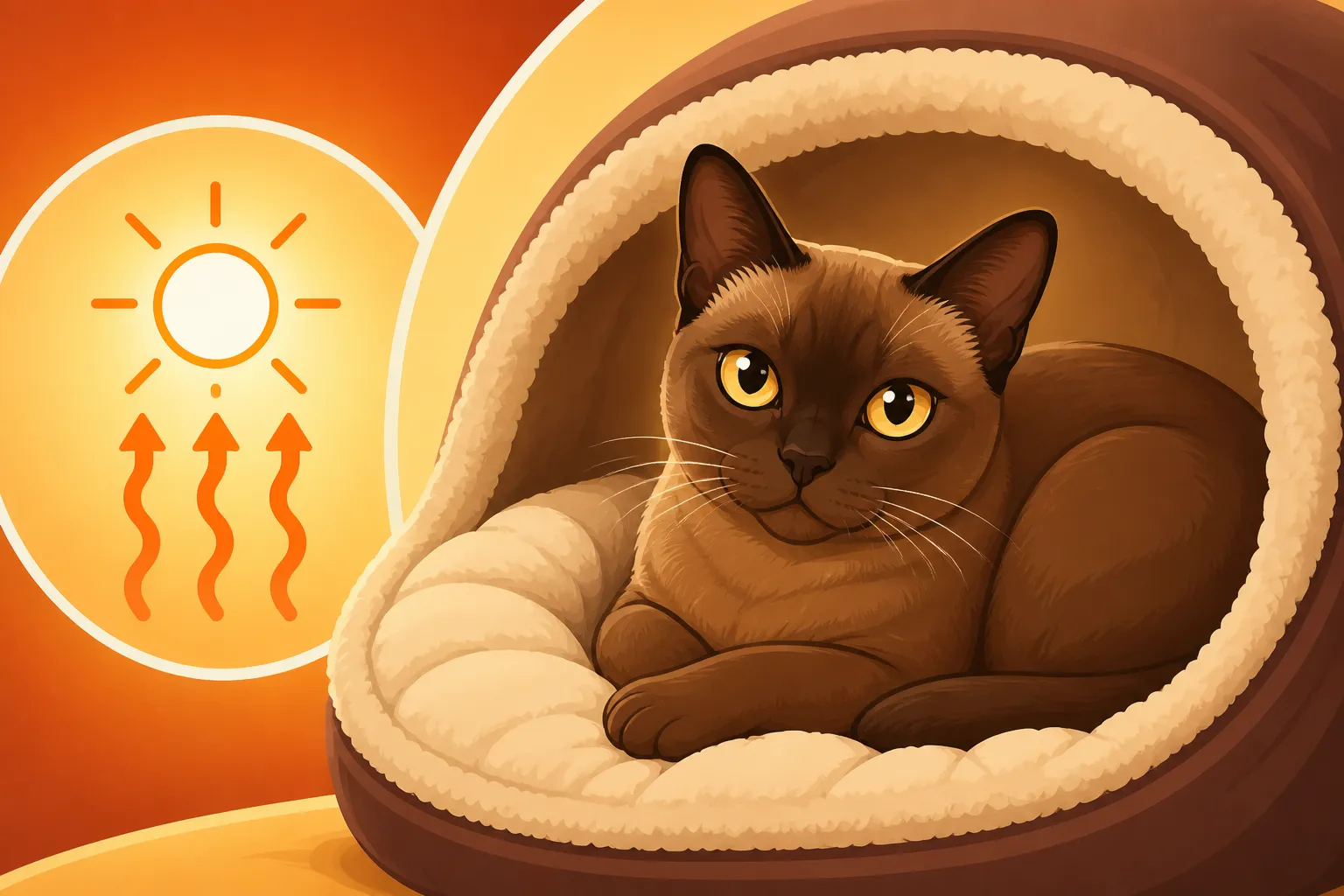
Why a Burmese Needs Somewhere Warm to Sleep
One common misconception I hear from new Burmese cat owners is that all cats are self-sufficient little heat machines, perfectly capable of regulating their own body temperature no matter what. While that might be true for some breeds with thick, luxurious coats, it’s a dangerous assumption to make for our beloved Burmese. These affectionate, sleek beauties have unique physical traits that make them quite sensitive to the cold, and ignoring this can lead to discomfort, anxiety, and even health issues. This guide will delve deep into why a warm sleeping environment isn't just a luxury for your Burmese, but a fundamental necessity, and how you can ensure your companion stays cozy and content.
The Unique Design of the Burmese Coat
The first step to understanding why your Burmese needs a warm place to sleep is to really appreciate their coat. It’s not just "short"; it’s a marvel of feline genetics that sets them apart, but also leaves them with less natural insulation than many other breeds.
The Satin Feel and Lack of Undercoat
If you’ve ever had the pleasure of stroking a Burmese, you know exactly what I mean by its "satin" coat. It’s incredibly soft, incredibly fine, and lies perfectly flat against their muscular body. This isn't just about aesthetics; it's a key physical characteristic. Unlike many cat breeds that boast a dense undercoat for insulation, the Burmese essentially has a single layer of very fine guard hairs. This sleek, close-lying coat feels wonderful to the touch, almost like silk or satin, which is where its nickname "brick wrapped in silk" comes from. However, that lack of a fluffy, insulating undercoat means there's simply less material to trap air and keep them warm when temperatures drop.
Imagine wearing a thin silk shirt in winter compared to a thick wool sweater. That’s essentially the difference between a Burmese coat and, say, a Maine Coon’s. While you might admire their elegant appearance, their bodies are working harder to maintain a comfortable temperature if they don't have external warmth. This is why you'll often find them snuggled up in the warmest spots in the house, even when you feel perfectly comfortable. They aren’t just being affectionate; they’re seeking essential warmth.
How a Burmese's Coat Differs from Other Breeds
To truly grasp the Burmese's vulnerability to cold, it helps to compare their coat to other well-known breeds. Think of a Persian or a Ragdoll with their long, flowing, multi-layered coats. These cats are practically built-in furnaces, with thick fur designed to protect them from harsh environments. Even many domestic shorthairs have a denser, slightly coarser coat than the Burmese, often with a noticeable undercoat that provides a bit of a buffer against the chill.
The Burmese, on the other hand, is built for closeness and warmth. Their natural habitat, where their ancestors originated, likely involved warmer climates or at least consistent human interaction where body heat was readily available. How Short a Burmese's Coat Actually Is really emphasizes just how minimal their fur truly is. There's no thick, downy layer to trap warmth close to their skin. This makes them less equipped to handle even moderate drops in indoor temperature, let alone a drafty room or an open window. They rely on external heat sources, whether that's your lap, another furry companion, or a carefully provided warm bed, to keep them cozy. This distinction is crucial for owners to understand, as it directly impacts how we create their living environment.
The Health Implications of Being Cold
It’s not just about comfort; a consistently cold environment can genuinely impact your Burmese’s physical health, leading to a cascade of problems that can range from minor discomfort to serious medical conditions.
Increased Energy Expenditure to Stay Warm
When a Burmese is cold, its body automatically kicks into overdrive to generate heat. This is a natural physiological response. Their metabolism speeds up, muscles might subtly shiver, and they'll naturally try to curl into a tighter ball to minimize heat loss. All of these actions require energy – precious calories that would otherwise be used for normal bodily functions, play, or maintaining their robust muscle mass. If your Burmese is constantly expending energy just to stay warm, it can lead to a few issues.
Firstly, they might need to eat more to compensate, which, for a breed already prone to weight gain and diabetes, is a tricky balancing act. How Many Calories a Neutered Adult Burmese Burns is a key consideration here, and if they're burning extra just to shiver, their dietary needs become even more precise. Secondly, this constant energy drain can lead to general lethargy and a reduction in their characteristic playful, active nature. They might seem less engaged, less interested in toys, and more inclined to simply rest, not because they're tired from activity, but because their body is silently fighting the cold. This underlying stress can weaken their overall system.
Compromised Immune System
A body that is constantly working hard to stay warm is a body under stress. Chronic stress, even from something as seemingly innocuous as being a bit chilly all the time, takes a toll on the immune system. When the immune system is compromised, your Burmese becomes more susceptible to common illnesses, such as upper respiratory infections, minor skin issues, or even slower recovery from routine veterinary procedures like vaccinations or dental cleanings. Think of how you feel when you're constantly cold and tired; your body just isn't operating at its peak.
For a breed that is generally quite hardy but has specific genetic predispositions, maintaining a strong immune system is paramount. Providing adequate warmth helps their body conserve energy for immune function, allowing them to better fight off pathogens and stay healthy. It's a proactive measure that supports their long-term well-being and reduces the likelihood of vet visits for preventable issues. This often overlooked aspect of environmental care plays a significant role in their overall vitality.
Exacerbation of Joint Issues and Other Ailments
As our beloved Burmese age, just like us, they can start to experience joint pain and arthritis. Cold and damp conditions are notorious for making these conditions worse. If an older Burmese is regularly sleeping in a cool spot, or is exposed to drafts, that stiffness and pain in their joints can intensify, making it harder for them to move comfortably. How Arthritis Shows in a Burmese That Still Plays highlights that even playful older Burmese can suffer from this. Ensuring they have a consistently warm and comfortable sleeping area can provide immense relief and improve their quality of life in their senior years.
Beyond arthritis, consistent cold can exacerbate other pre-existing conditions. For instance, cats with kidney issues or other chronic ailments may find it harder to regulate their body temperature or cope with environmental stressors. A warm environment offers a supportive, healing space, allowing their body to focus on managing their health rather than constantly battling the cold. It truly is a simple, yet profound, act of care that can make a huge difference, particularly as they get older and their resilience naturally wanes.
Behavioral Cues Your Burmese Is Cold
Your Burmese can’t tell you in words that they're chilly, but they're master communicators through their body language and habits. Learning to read these cues is essential for their comfort and well-being.
Seeking Out Warm Spots and Huddling
This is perhaps the most obvious sign. If your Burmese is constantly migrating to the sunniest patch of floor, trying to squeeze in behind the refrigerator, or making a beeline for any human lap available, they’re likely trying to warm up. They become little heat-seeking missiles! You'll often find them Why a Burmese Sleeps on the Radiator or tucked under blankets if given the chance.
They might also exhibit "huddling" behavior. This means curling into a very tight ball, tucking their paws and tail under their body, and perhaps pressing themselves against a warm surface or another pet. If you have two Burmese, you’ll see them in a tight, inseparable pile, even more so than usual. This is an instinctive way to minimize their exposed surface area and conserve body heat. While it’s adorable, it’s also a clear indicator that their internal thermostat is calling for more warmth. Take note of where they choose to nap – it's a silent plea for a more consistently warm option.
Reduced Activity or Lethargy
A cold Burmese might appear less active, almost lethargic. Instead of their usual energetic bursts of play or their constant companionship, they might be found sleeping more than usual or simply resting quietly in a warm spot. This isn't necessarily boredom; it's their body’s way of conserving energy. As we discussed, staying warm requires metabolic effort, and if they're cold, they instinctively reduce unnecessary movement to save those precious calories.
This shift in behavior can sometimes be mistaken for an aging cat or one who is simply tired, but if it coincides with cooler temperatures in the house, it's worth investigating. An active, playful Burmese is a healthy, comfortable Burmese. If your usually boisterous cat has suddenly become a couch potato, especially when there's a chill in the air, consider their warmth as a primary factor. Observe them during warmer parts of the day; if their energy levels pick up, you've found a clue.
Shivering or Tense Posture
While less common indoors in a regularly heated home, shivering is a definitive sign your Burmese is truly cold. This involuntary muscle contraction generates heat, but it means their body has reached a point of significant chill. If you ever see your Burmese shivering, even subtly, you need to intervene immediately to provide warmth.
A more subtle sign might be a generally tense body posture. They might not be shivering outright, but their muscles feel taut, and they appear hunched or stiff rather than relaxed and fluid. Their ears might feel cool to the touch, and they might resist being moved from a perceived warm spot. They may also press themselves firmly against you, not just for affection, but as if trying to absorb every bit of your body heat. These are all subtle indicators that their core temperature is dipping below what is comfortable, and they're expending effort to regulate it. Pay close attention to these quieter signals, as they are often the first warnings before more pronounced symptoms appear.
Creating a Warm Home Environment
Beyond just a warm bed, the overall ambient temperature and conditions of your home play a huge role in your Burmese’s comfort. Small adjustments can make a world of difference.
Controlling Ambient Temperature
While we don't want to live in a sauna, maintaining a consistent, comfortable indoor temperature is crucial for a Burmese. Ideally, aim for a range that feels pleasant to you – generally between 68-75°F (20-24°C). The key is consistency. Sudden drops in temperature, especially overnight or when you leave the house, can be taxing for your cat. Smart thermostats can be a fantastic investment, allowing you to program temperatures and even adjust them remotely if you're out longer than expected.
Remember that different areas of your home can have varying temperatures. A sunny window might be warm, but a hallway might be significantly cooler. Pay attention to the areas where your Burmese spends most of their time and ensure those spots are adequately heated. This doesn't mean cranking up the heat unnecessarily, but rather being mindful that a temperature that's just right for a human in a sweater might still be a little too cool for a thinly-coated Burmese, especially if they are stationary for long periods. Their Why a Short Coated Burmese Feels the Cold is a constant factor you need to keep in mind.
Eliminating Drafts and Cold Spots
Even if your thermostat reads a comfortable 72°F, drafts can create significant cold spots that will chill your Burmese. Old windows, poorly sealed doors, and even electrical outlets can let in surprising amounts of cold air. Take a walk around your home on a breezy day, or in cooler weather, and feel for drafts at floor level, where your cat spends a lot of its time. Simple solutions like draft stoppers for doors, weatherstripping around windows, or even heavy curtains can make a huge impact.
Consider where your Burmese sleeps or rests. Is their favorite napping spot right next to a drafty patio door? Move their bed, or add a barrier. Also, pay attention to flooring. Tile or hardwood floors can be quite cold, especially in winter. Laying down a few area rugs or providing thick blankets in their preferred lounge areas can help insulate them from the cold surface. These seemingly small details contribute significantly to their overall warmth and comfort, preventing them from having to constantly seek out warmer microclimates within the house.
Layering Options and Snug Spaces
Just as we layer our clothing, providing multiple layering options for your Burmese gives them choices for warmth. Soft, plush blankets are always a hit. Keep a few strategically placed around the house – on the sofa, at the foot of your bed, and in their designated sleeping spots. They love to knead into them and create their own warm nests. Cat caves or enclosed beds are also fantastic because they trap body heat and offer a sense of security, mimicking a burrow or den.
Think about materials too. Fleece, faux sheepskin, or other soft, insulating fabrics are ideal. You can find a huge variety of these options on sites like Amazon or Chewy, from simple blankets to elaborate cat trees with built-in cozy hideaways. The goal is to give them options to self-regulate. They can dive under a blanket, tuck into a cave, or sprawl out if they get too warm. This autonomy allows them to find their perfect level of comfort throughout the day and night, ensuring they're never too cold.
Specific Warm Sleeping Solutions
Once you've tackled the general ambient warmth of your home, it's time to focus on providing dedicated warm sleeping spots that cater to your Burmese's specific needs.
Heated Cat Beds and Mats
For many Burmese, especially those in colder climates or older cats with arthritis, a heated cat bed or mat can be a game-changer. These come in various forms: some are gently heated by electricity, others are "self-warming" using reflective insulation that captures the cat's own body heat. Electric heated beds are usually thermostatically controlled to maintain a safe, consistent temperature, typically just above body temperature, which is incredibly inviting for a chilly cat. Always ensure any electric heated product is specifically designed for pets and meets safety standards. Read reviews carefully, particularly for brands available on Amazon, to ensure reliability and safety.
The benefits of a heated bed are immense: it provides consistent, direct warmth that deeply penetrates their muscles, offering comfort and promoting relaxation. For older cats, this can alleviate stiffness and pain. For any Burmese, it guarantees a truly cozy retreat where they can fully relax without expending energy to stay warm. Many cats, once they discover the joy of a heated bed, will choose it over any other sleeping spot, cementing its status as an essential item in a Burmese household.
Snuggle Beds and Cat Caves
If an electric heated bed feels like too much, or if your Burmese simply prefers to burrow, a snuggle bed or cat cave is an excellent alternative. These designs are enclosed, often with a soft, plush interior, which naturally traps and retains the cat’s body heat. They create a cozy, den-like atmosphere that many cats adore, especially those who love to feel secure and hidden away.
You can find these in various materials, from soft fleece to sturdy felt, and in designs that range from simple domes to elaborate multi-level structures. The key is the enclosed nature, which makes them inherently warmer than an open bed. Placing a soft, warm blanket inside can amplify the effect. These beds tap into your Burmese's natural desire to feel safe and protected, offering both physical and emotional warmth. Brands like Chewy offer a wide selection, so you can find one that perfectly matches your home decor and your cat's preference. This kind of bed often becomes a prized possession for a Burmese, offering a sanctuary of warmth and security.
Strategic Placement of Warm Beds
Even the best heated bed or snuggle cave won't be as effective if it's placed in a cold, drafty corner. Thoughtful placement is just as important as the bed itself. Consider these points:
- Away from drafts: Ensure the bed is not near windows, exterior doors, or in direct line of cold air vents.
- Elevated if possible: A bed slightly off the floor will be warmer than one directly on a cold tile or hardwood surface.
- Near human activity: Burmese cats are social creatures. They want to be where you are. Place their warm bed in a living room, home office, or bedroom, so they can feel cozy and close to their favorite people. A Burmese will happily Why a Burmese Settles Anywhere You Are as long as it's warm and near you.
- Sunlight advantage: If there's a spot that gets morning or afternoon sun, that can be a bonus. The sun's warmth can pre-heat the bed and provide an extra layer of comfort.
- Avoid high traffic areas: While they want to be near you, they also need uninterrupted sleep. A quiet corner of a busy room is often ideal.
By strategically placing these warm havens, you maximize their effectiveness and ensure your Burmese is not only warm but also feels safe and integrated into the family's daily life. A well-placed warm bed is a testament to understanding your Burmese's unique needs.
Integrating Warmth into Daily Care and Routine
Providing warm places to sleep isn't a one-off task; it's an ongoing commitment that weaves into the fabric of your Burmese's daily care, touching upon diet, grooming, and general vigilance.
Diet and Energy Needs
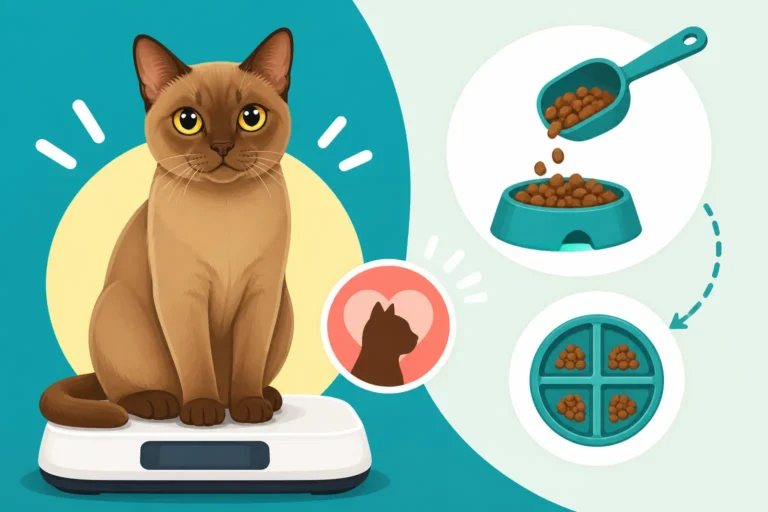
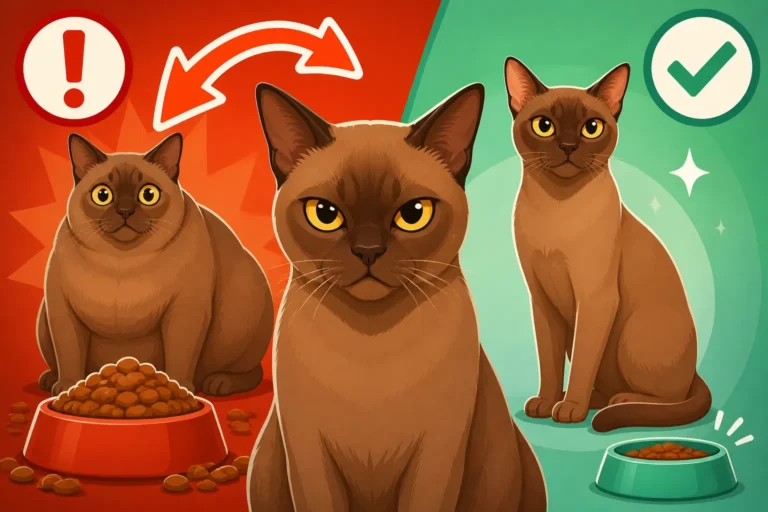
A Burmese that is consistently cold will burn more calories to maintain its body temperature. This means their dietary needs might be slightly higher than a cat kept in a perpetually warm environment. However, this isn't an excuse for free-feeding, especially for a breed as prone to diabetes as the Burmese. Instead, it underscores the importance of a high-quality, appropriately portioned diet. Why a Burmese's Food Bill Is a Health Decision isn't just about ingredients; it's about providing the right fuel for their unique metabolism.
Ensure their food is rich in protein and healthy fats to support their energy levels without excessive carbohydrates. If you notice your Burmese seems hungrier than usual in colder months, it's worth discussing with your vet if a slight adjustment to their portion size is appropriate, always keeping their body condition in mind. However, always consult your vet before making significant dietary changes, especially if your cat has specific health concerns.
Grooming for Comfort
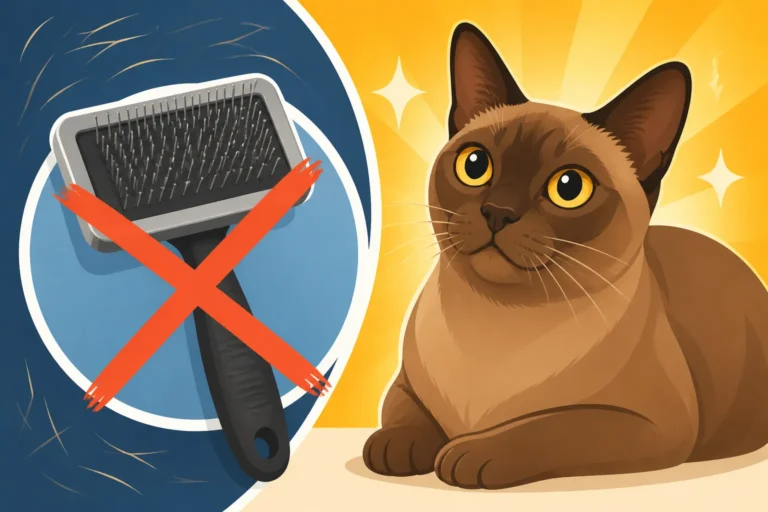
While the Burmese's coat is famously low maintenance, a well-cared-for coat, however short, contributes to overall comfort. A clean, healthy coat can insulate slightly better than a greasy or matted one, even if only marginally for a Burmese. Regular gentle wiping with a chamois or grooming glove, as described in How Many Minutes a Month a Burmese's Coat Takes, keeps their satin fur sleek and free of loose hairs, allowing it to lie flat and trap what little warmth it can.
More importantly, routine grooming sessions are a chance to bond with your cat and check their physical condition. As you groom them, you can feel their body temperature, check for any signs of discomfort, or notice if their fur feels unusually cold. This tactile interaction is invaluable. While a Burmese doesn't typically need baths, ensuring they are thoroughly dry and warm after any necessary bath or if they get wet from an accidental spill is crucial. Allowing a Burmese to air-dry in a cool environment can quickly lead to them becoming uncomfortably chilled.
Monitoring During Colder Months
The colder months, particularly fall and winter, demand extra vigilance. This is when drafts are more prevalent, and indoor temperatures might fluctuate more. Regularly check your Burmese's favorite sleeping spots. Do they still feel adequately warm? Are they seeking out new, perhaps less ideal, warm spots? Pay attention to their behavior – any increase in huddling, seeking laps, or reduced activity should prompt you to re-evaluate their warmth provision.
Consider using a small, indoor thermometer in the rooms where your Burmese spends the most time to get an accurate reading of the ambient temperature. It can be surprising how much cooler a room can be away from the main thermostat. As the days shorten and temperatures drop, be extra mindful when opening and closing doors, ensuring your Burmese isn't caught in a sudden blast of cold air. This consistent monitoring throughout the colder parts of the year ensures that their need for warmth is met proactively, rather than reactively, keeping them comfortable and healthy.
The Special Case of the Senior Burmese
As our beloved Burmese move into their golden years, their need for warmth often becomes even more pronounced. Understanding these changes is vital for providing comfort and support.
Reduced Thermoregulation and Increased Vulnerability
Just like older humans, senior cats often experience a decline in their ability to efficiently regulate their body temperature. Their metabolism might slow down, their muscle mass (which helps generate heat) might diminish, and their circulatory system might not be as robust. This means an older Burmese can get cold more easily and find it harder to warm themselves up once chilled. What felt like a comfortable room temperature to them in their youth might now feel noticeably cool.
This increased vulnerability makes dedicated warmth even more critical. They are less able to bounce back from being cold and are more susceptible to the health issues exacerbated by chill, such as stiffness and reduced immune function. Caring for a Burmese Past Twelve really drives home the idea that their needs shift significantly as they age, and warmth is at the top of that list. Providing consistent, gentle warmth becomes a fundamental part of their daily elder care, directly contributing to their comfort and overall health.
Warmth for Joint Pain and Comfort
Arthritis and joint stiffness are common ailments in senior cats, and cold temperatures undeniably make these conditions worse. Imagine having aching joints and then being asked to sit in a chilly room – it's a miserable experience. For a senior Burmese, a consistently warm sleeping environment can provide immense relief. The gentle heat helps relax stiff muscles, increases blood flow to the joints, and can significantly reduce discomfort. This allows them to rest more deeply and move more comfortably during their waking hours.
A heated pet bed, as discussed earlier, is often a godsend for an older Burmese with arthritis. The consistent warmth can make the difference between a restless, painful night and a truly restorative sleep. It means they can still enjoy their favorite activities, even if it's just a gentle play session, without being hampered by constant discomfort. How Arthritis Shows in a Burmese That Still Plays reminds us that even older Burmese retain their playful spirit, and warmth helps them maintain that zest for life. This comfort is not just about alleviating pain; it's about preserving their quality of life in their senior years.
Specialized Senior Beds and Features
When choosing a bed for a senior Burmese, consider more than just warmth. While heat is paramount, other features can greatly enhance their comfort:
- Orthopedic support: Beds with memory foam or thick, supportive padding can cushion aching joints and provide better spinal alignment.
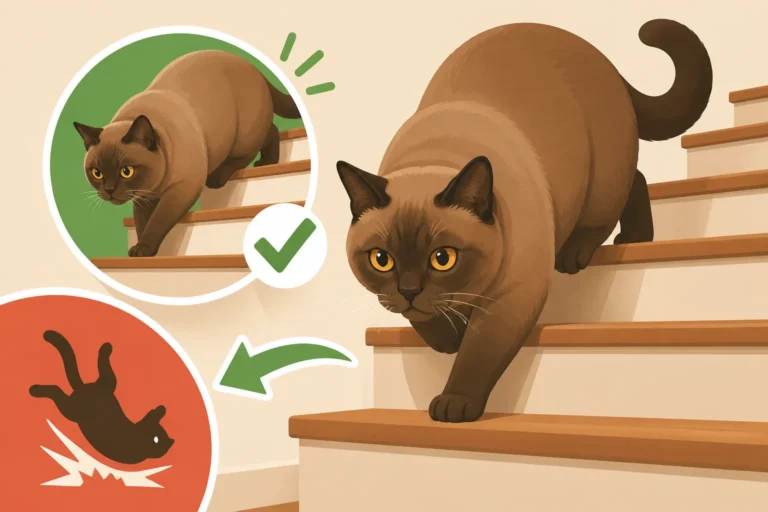
- Easy access: Older cats might struggle to jump or climb. Choose a low-profile bed or one with ramps if it's elevated.
- Washable covers: Accidents can happen with senior cats, so a bed with a removable, machine-washable cover is a must for hygiene.
- Consistent, gentle heat: If using an electric heated bed, ensure it maintains a very gentle, steady warmth rather than getting too hot.
Think about creating multiple warm "stations" around the house, so your senior Burmese never has to travel far to find comfort. Why an Old Burmese Still Climbs Onto You shows their enduring need for closeness and warmth, so having a cozy spot near your favorite chair or bed is always appreciated. Investing in a high-quality, supportive, and warm bed for your senior Burmese is one of the kindest things you can do to ensure their golden years are as comfortable and pain-free as possible. It truly shows them how much you cherish them.
A Burmese's Need for Warmth: Understanding and Providing Comfort
Let's recap the key reasons why a Burmese cat needs somewhere warm to sleep and the best ways to provide it. Understanding these aspects isn't just about making your cat happy; it's about safeguarding their health and reinforcing that incredible bond you share.
| Aspect of Warmth | Why It Matters for a Burmese | How to Provide It |
|---|---|---|
| Thin, Single Coat | Lacks insulating undercoat, making them vulnerable to cold temperatures and drafts. | Maintain ambient room temperature (68-75°F), eliminate drafts, provide soft blankets. |
| Energy Conservation | Constantly burning calories to stay warm, leading to lethargy and potential dietary needs. | Offer heated beds (electric or self-warming), cat caves, and ensure proper, high-quality nutrition. |
| Immune System Support | Stress from cold can weaken immunity, increasing susceptibility to illness. | Consistent warmth allows the body to prioritize immune function, promoting overall health. |
| Joint & Muscle Comfort | Cold exacerbates arthritis and stiffness, especially in older cats. | Heated beds provide therapeutic warmth, reducing pain and increasing mobility. |
| Behavioral Well-being | A comfortable, warm cat is less anxious, more playful, and more integrated into family life. | Strategic placement of warm beds near human activity, multiple options for self-regulation. |
The Burmese cat, with its stunning satin coat and deeply affectionate nature, truly thrives on warmth – both physical and emotional. Their unique physiology dictates a need for a consistently warm environment, a fact that's often overlooked by those unfamiliar with the breed. From their minimal undercoat that provides little insulation to their innate drive to seek out the coziest spots, every aspect of their design points to a cat that feels the cold acutely.
By understanding Why a Burmese Has Almost No Undercoat and recognizing the subtle behavioral cues like huddling or reduced activity, you're empowered to create a home that truly caters to their needs. Providing solutions like heated beds, snug cat caves, and carefully managing your home's temperature isn't just about luxury; it's about providing fundamental care that impacts their health, longevity, and overall happiness. And for our senior Burmese, that warmth becomes an even more critical lifeline, easing their aches and ensuring their golden years are filled with comfort.
Remember, your Burmese isn't just seeking warmth for the sake of it; they're driven by an inherent physiological need. By being mindful of this, you ensure they can dedicate their energy to what they do best: being the most loving, playful, and wonderfully unique companions we could ever ask for. So, make sure your Burmese always has a warm, inviting spot to curl up, and you'll be rewarded with a purring, contented friend for years to come.
Disclaimer
This article is for general informational purposes only and does not constitute professional advice. Laws, prices and regulations vary by location and change over time. Consult a qualified professional for guidance on your specific situation.