What Makes a Burmese’s Coat Satin Rather Than Silky
If you've ever had the pleasure of stroking a Burmese cat, you know there's something utterly distinct about their fur. It's not just soft; it has a unique quality that cat enthusiasts often describe as "satin." This isn't just a poetic term; it refers to a specific genetic and structural characteristic of the Burmese coat that sets it apart from the silky texture found in many other cat breeds. This guide will explore exactly what makes their coat so special, from the genetic nuances to the practicalities of living with such a magnificent feline.
Understanding the Burmese's Distinctive Coat Texture
The moment your hand glides over a Burmese, you understand why their coat isn't merely "soft." It's an experience, a tactile delight that leaves a lasting impression. This isn't just about aesthetics; it's a fundamental part of the breed's identity and its care.
More Than Just Short Hair: The "Satin" Sensation
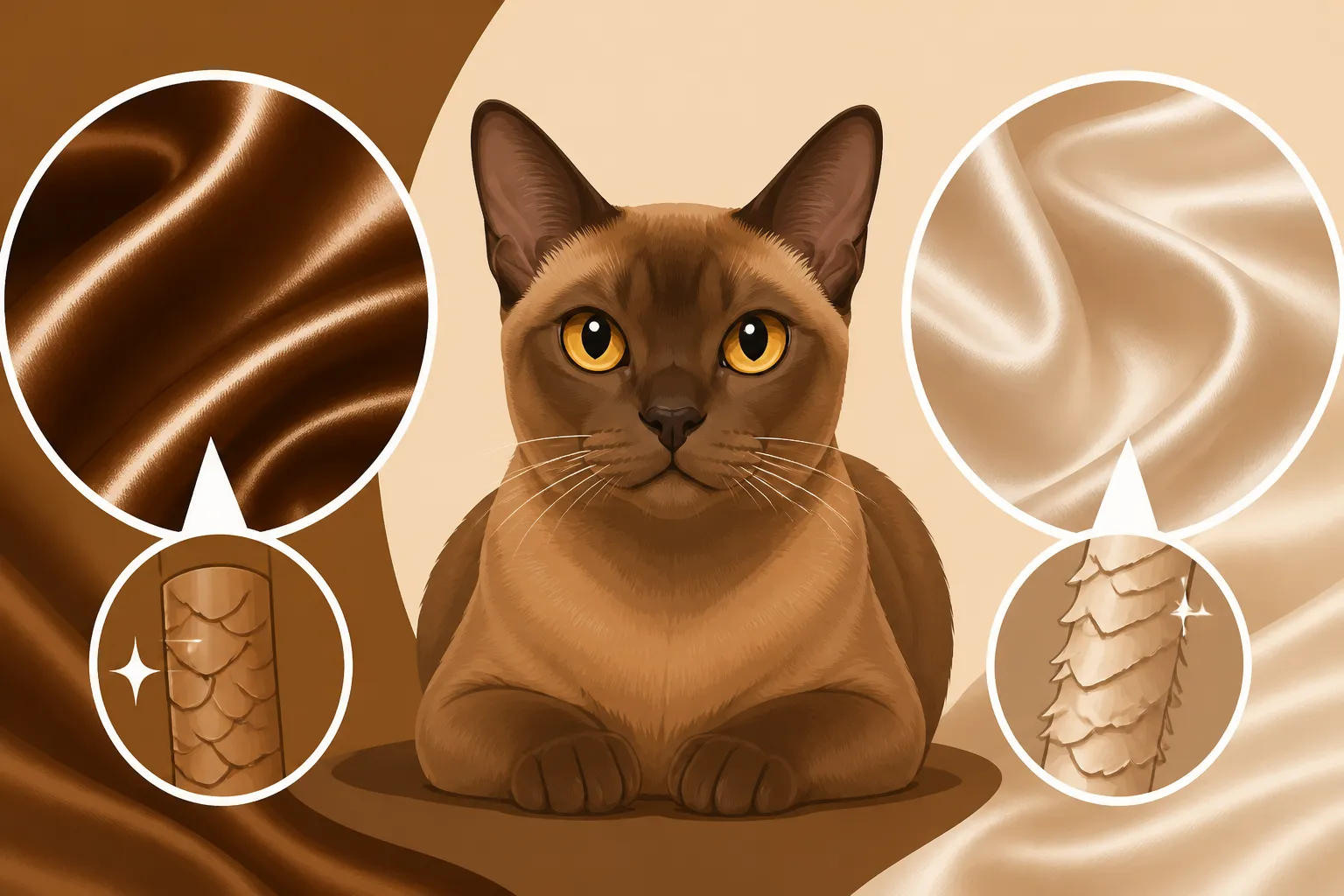
When people think of a short-haired cat, they might imagine a bristly or standard plush coat. The Burmese, however, is in a league of its own. Their fur is incredibly fine, yet remarkably dense, lying extremely close to their muscular body. This combination creates a surface that feels incredibly smooth, almost slick, under your fingertips. It's often compared to the luxurious fabric, satin, for its exquisite texture and the way light seems to glide across it, giving it a distinctive sheen. This isn't a coat you comb; it's one you polish. The experience of petting a Burmese is akin to running your hand over a piece of highly polished wood or, indeed, a length of fine satin. It’s dense without being bulky, sleek without being sparse, a true marvel of feline genetics.
The Absence of a Thick Undercoat
One of the primary reasons for the Burmese's unique satin coat is the virtual absence of a dense undercoat. Many cat breeds, especially those adapted to colder climates or with longer fur, possess a thick, woolly undercoat that provides insulation. Think of a Persian or even some domestic shorthairs that feel quite plush and spongy when you pet them. This undercoat is what often contributes to shedding and matting. The Burmese, by contrast, has minimal to no undercoat. Their hairs are predominantly guard hairs, which are shorter, finer, and lie flat against the body. This characteristic lack of an insulating layer means that when you pet a Burmese, you feel the sleekness directly against your skin, rather than pushing through a fluffy barrier. It also contributes to their appearance of being "a brick wrapped in silk," as their muscular form is clearly defined beneath the close-lying fur. This singular trait is a key factor in Why a Burmese's Coat Feels Like Satin and distinguishes it sharply from other breeds.
The Genetic Science Behind the Satin Sheen
The remarkable coat of the Burmese isn't just a fluke; it's the result of specific genetic traits that have been carefully cultivated over generations. Understanding this genetic foundation helps explain both the appearance and the unique feel of this beloved breed.
The Role of the Burmese Color Gene (cb allele)
At the heart of the Burmese's distinctive appearance, including its coat texture, lies a specific genetic mutation known as the cb allele. This gene is responsible for the unique color restriction seen in Burmese cats, where their bodies are a rich, warm brown (sable in American terminology, brown in European) that darkens at the extremities like the face, ears, and paws. This is a form of temperature-sensitive albinism, similar to the Siamese point coloration, but less extreme. However, beyond just color, this allele also plays a significant role in the structure of the individual hair shaft. The mutation influences how pigment granules are distributed within each hair, leading to less pigment overall and an arrangement that allows light to reflect in a particular way, contributing to the coat's glossy sheen. This isn't just about the external appearance; it's about the very composition of each strand of fur, making it inherently different. It’s fascinating to consider how a single genetic tweak can lead to such a profound and recognizable characteristic in a breed, contributing to What a Burmese Looks Like Against the Standard.
How Pigment Distribution Affects Texture and Luster
The way pigment is distributed within the hair shaft of a Burmese cat is a critical factor in its unique texture and luster. Unlike a fully pigmented black cat, where pigment granules are densely packed throughout the hair, or a Siamese with its extreme point coloration, the Burmese has pigment concentrated more towards the tip of each hair, with less density along the shaft. This affects how light interacts with the hair. Instead of being absorbed or scattered irregularly, light tends to reflect off the smooth surface of the less pigmented hair shaft, creating that characteristic "satin" or polished gleam. This reduced and uneven pigment density, coupled with the fine texture of the individual hairs, gives the coat its sleek, almost luminous quality. It's this precise interplay between genetics, pigment, and hair structure that prevents the coat from feeling like typical "fur" and instead gives it that unparalleled, smooth, and cool-to-the-touch sensation. This genetic subtlety is why Why a Burmese's Coat Lies Flat Against the Body and achieves such a notable shine.
Contrasting Satin with Other Common Cat Coat Types
To truly appreciate the Burmese's satin coat, it's helpful to compare it to other feline fur types. Many cat breeds are admired for their coats, but "satin" describes something very particular that isn't interchangeable with "silky" or "plush."
When a Coat is Truly "Silky"
When we talk about a "silky" coat in cats, we're usually referring to a texture that is incredibly fine, soft, and often has a flowing quality. Think of breeds like the elegant Siamese or some long-haired breeds such as the Angora or even certain types of Persian, where the hair feels like fine silk threads. These coats often have a moderate amount of undercoat, giving them a delicate fluffiness or a soft, almost ethereal drape. While incredibly pleasant to touch, a silky coat usually doesn't have the same dense, close-lying structure or the highly reflective sheen of a Burmese. It might feel softer to the touch initially, but it lacks the weight and solid feel of the Burmese's fur. The hairs in a silky coat tend to move more independently, giving it a more fluid appearance, whereas the Burmese coat acts almost as a single, smooth surface. How a Burmese's Coat Differs From a Siamese's highlights these distinctions vividly.
Why the Burmese Feel is Uniquely "Satin"
The Burmese coat stands apart because its "satin" quality is a combination of several factors: extremely short length, high density, minimal undercoat, and the specific genetic influence on hair structure and pigment distribution. When you run your hand over a silky coat, you feel individual strands that are exquisitely fine. When you touch a Burmese, you feel a cohesive, smooth, and cool surface. It's the density of the fine hairs, combined with their close-lying nature and lack of fluff, that creates this unique sensation. It’s less about individual strands and more about the collective, almost seamless feel of the fur. This is why it’s often described as feeling like "polished velvet" or "hot metal" – it truly has a unique coolness and weight to it. This combination is what prevents it from ever being confused with a simple short-haired or even a silky coat. Its distinctive nature is why How a Burmese's Coat Differs From a Tonkinese's is also a common point of discussion among enthusiasts, as the Tonkinese is closely related but has a slightly different coat texture due to its Siamese heritage.
Here's a quick comparison of various cat coat types:
| Coat Characteristic | Burmese (Satin) | Siamese (Silky) | Domestic Shorthair (Standard) | Maine Coon (Long/Shaggy) |
|---|---|---|---|---|
| Length | Very Short | Short | Short | Long, multi-layered |
| Undercoat | Minimal to None | Minimal | Present, variable density | Dense, insulating |
| Texture | Smooth, Dense, Glossy, Cool | Fine, Soft, Delicate, Flowing | Variable, often slightly coarse | Soft, Shaggy, Water-resistant |
| Sheen | High, reflective | Low to moderate | Low | Low to moderate |
| Shedding | Low | Moderate | Moderate to High | Moderate to High |
| Grooming Needs | Very Low (wipe with chamois) | Low (light brushing) | Low (occasional brushing) | High (daily brushing) |
Living with the Satin Coat: Appearance and Grooming Needs
Beyond the science, the satin coat has practical implications for daily life with a Burmese. Its unique qualities influence everything from how it looks to how much effort you'll put into grooming.
The Visual Appeal and Tactile Experience
There's no denying the visual appeal of a Burmese's satin coat. It possesses a lustrous depth of color that seems to shimmer and change with the light. Whether it's the rich, warm brown of a sable, the cool grey of a blue, the delicate fawn of a champagne, or the pale dove of a platinum, the sheen is constant. This unique reflectivity makes their coats look incredibly healthy and well-maintained, even with minimal intervention. Tactilely, it’s an absolute joy. Running your hands over a Burmese is incredibly soothing, and many owners describe their cats as having a surprisingly solid, heavy feel beneath the fine fur—hence the "brick wrapped in silk" moniker. This dense, muscular body coupled with the incredibly smooth coat creates a unique petting experience that's undeniably addictive. Their willingness to be handled, combined with this lovely texture, is part of Why a Burmese Pushes Its Face Into Your Palm and seeks out constant affection.
Minimal Effort for Maximum Shine
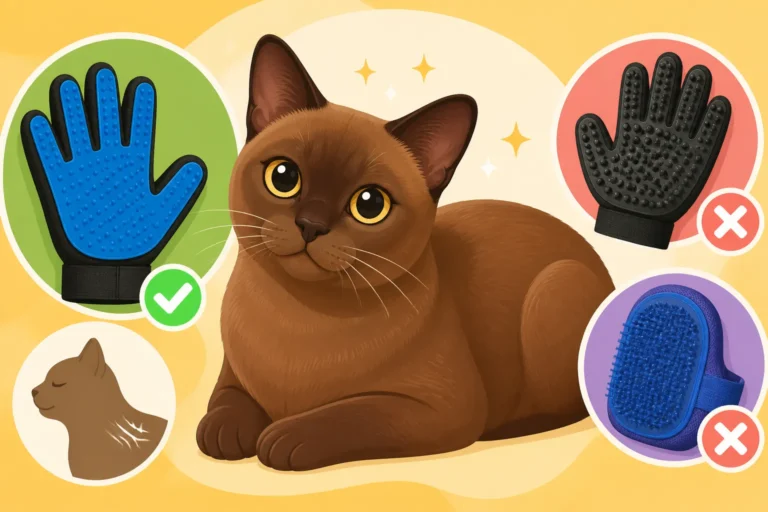
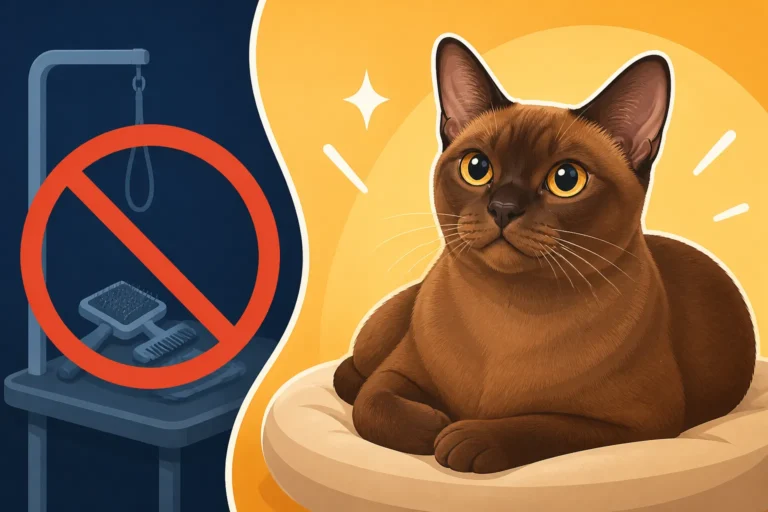
One of the great joys of owning a Burmese is how low-maintenance their gorgeous coat truly is. Because of its short length, lack of undercoat, and close-lying nature, shedding is significantly reduced compared to many other breeds. You won't find tumbleweeds of fur rolling across your floors as often, though no cat is truly non-shedding. The tightly packed hairs also mean that matting is virtually unheard of. This breed doesn't require complex grooming routines, expensive brushes, or frequent trips to a professional groomer. In fact, aggressive brushing can actually be detrimental, potentially irritating their sensitive skin.
To keep that characteristic satin shine, all that's truly needed is a simple, quick wipe-down. A soft cloth, like a chamois or even a silk scarf, is perfect for polishing their coat. A few gentle strokes across their body once or twice a week will remove any loose hairs and enhance that already impressive gleam. This simple act of wiping also serves as a bonding experience. If you need a chamois cloth, you'll find plenty of options on retailers like Amazon or even dedicated pet supply stores through Chewy. This incredibly low-maintenance aspect is why How Many Minutes a Month a Burmese's Coat Takes is surprisingly short.
Health and Comfort: The Practicalities of a Satin Coat
While undeniably beautiful, the unique characteristics of the Burmese coat also have practical implications for their health, comfort, and how they interact with their environment. Understanding these aspects helps you provide the best possible care for your satin-coated companion.
Temperature Regulation and Sensitivity
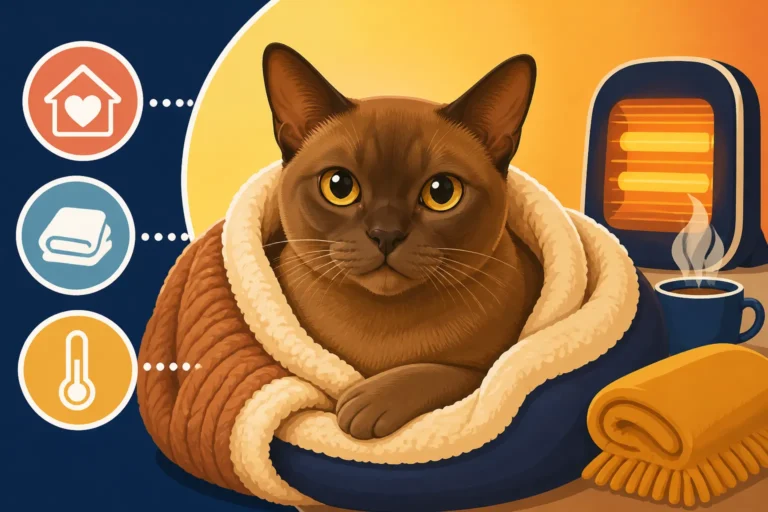
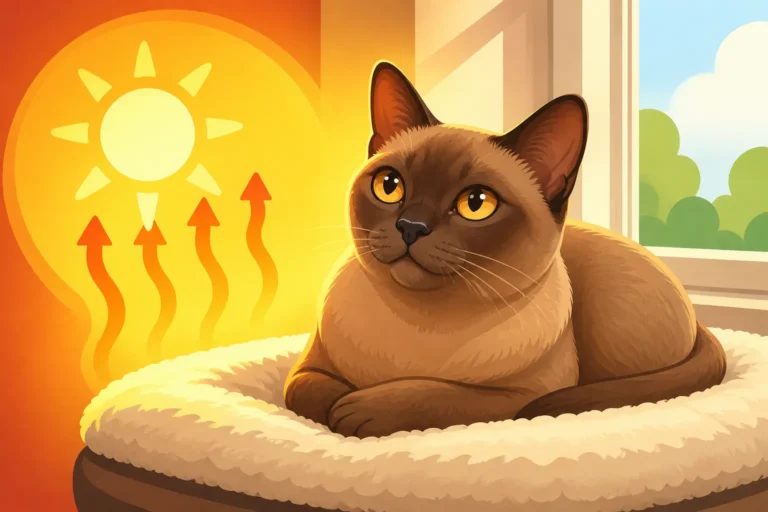
That sleek, close-lying coat with its minimal undercoat is wonderful for keeping shedding down and looking fabulous, but it does come with a trade-off: temperature regulation. A Burmese cat doesn't have the thick, insulating layer that many other breeds possess. This means they are generally more sensitive to cold. You'll often find a Burmese seeking out the warmest spots in the house—curled up on your lap, snuggled under a blanket, or basking in a sunbeam. They absolutely adore warmth and will gravitate towards radiators, heated beds, or even just the warmest person in the room. This isn't just a preference; it's a physiological need. Providing cozy, warm sleeping spots is essential for their comfort and well-being, especially during cooler months. This sensitivity to cold is a key reason why Why a Short Coated Burmese Seeks Body Heat is so important for their overall comfort.
Shedding, Allergies, and General Well-being
While the Burmese coat sheds less than many breeds, it's important to clarify that no cat is truly "hypoallergenic." Allergies are triggered by dander (flakes of skin), saliva, and urine, not just the hair itself. However, because Burmese cats shed less and have such a short, fine coat that lies close to the body, some individuals with mild cat allergies might find them more tolerable than breeds with thicker, longer coats that distribute more dander. It's certainly not a guarantee, but it's a common observation.
From a general well-being perspective, the satin coat is an excellent indicator of health. A healthy Burmese will have a strikingly shiny, smooth coat. Any dullness, patchiness, or changes in texture can be an early warning sign of underlying health issues, such as nutritional deficiencies or illness. Regular, gentle petting and chamois wipes not only maintain the shine but also allow you to perform a quick "health check" on their skin and body condition. The ease of grooming means less stress for both cat and owner, contributing to a happy, healthy feline. This natural resilience and ease of care mean that How Little Hair a Satin Coated Burmese Leaves Behind is a definite bonus for owners.
Disclaimer
This article is for general informational purposes only and does not constitute professional advice. Laws, prices and regulations vary by location and change over time. Consult a qualified professional for guidance on your specific situation.