The Only Times a Burmese Actually Needs a Bath
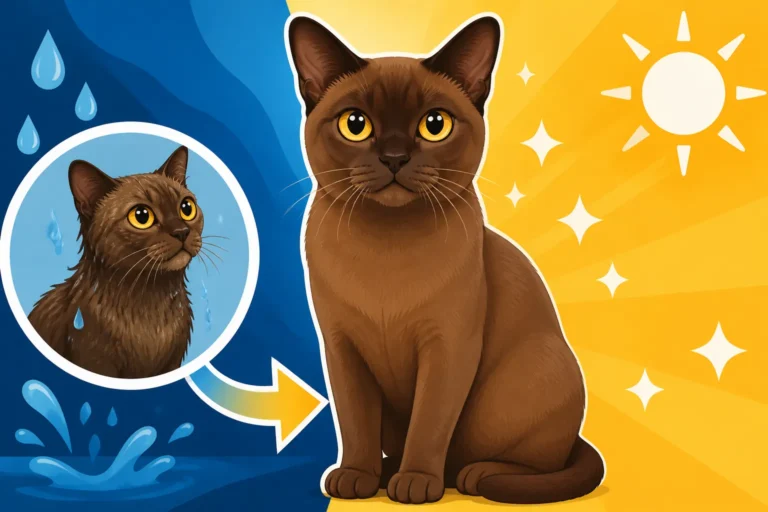
As devoted Burmese cat parents, we often hear that cats are self-cleaning creatures, and for the most part, that’s absolutely true. Our beautiful, meticulous Burmese felines spend a significant portion of their day meticulously grooming themselves, keeping their stunning satin coats pristine. But despite their best efforts, there are indeed rare occasions when your beloved Burmese will genuinely need a bath, and knowing when those times arrive is crucial for their health and well-being. This guide will walk you through those specific circumstances, so you can confidently determine if a bath is truly necessary and how to approach it with minimal stress for both of you.
The Burmese's Self-Grooming Prowess and Why Baths Are Rarely Needed
Let's be honest, one of the many joys of owning a Burmese is how low-maintenance their grooming typically is. They are exceptionally clean animals, and their unique coat structure really helps them keep themselves looking their best without much intervention from us. It’s part of their charm, and also why the idea of bathing them can feel so foreign!
The Efficiency of the Burmese Satin Coat
The Burmese boasts one of the most distinctive coats in the feline world – a short, fine, close-lying "satin" coat that feels incredibly soft and luxurious to the touch. What's even better is that this coat is designed for efficiency. Unlike many other breeds, the Burmese has almost no undercoat, which means fewer tangles, less shedding, and less material for dirt and debris to cling to. It truly makes them self-cleaning superheroes in the cat world.
Because their hair lies so flat against their body, dirt, dust, and even loose hairs don't get trapped easily. This anatomical advantage means that when your Burmese licks and grooms, they are incredibly effective at removing anything that shouldn't be there. It’s why you'll find that for routine cleanliness, your Burmese rarely needs anything more than their own tongue to maintain their exquisite appearance. This efficiency is a big reason why baths are generally not on the regular care schedule for these wonderful cats, as their natural grooming habits are usually more than sufficient. You might be surprised to learn How Little a Satin Coated Burmese Sheds, which further reduces the need for frequent cleaning.
Natural Grooming Habits
Beyond the coat itself, Burmese cats are just naturally fastidious creatures. They are constantly engaged in self-grooming, using their rough tongues like tiny brushes and combs to keep their fur smooth, clean, and free of loose hairs. They are incredibly flexible, able to reach almost every part of their body to ensure thorough cleaning. Watching them twist and turn to meticulously lick every inch is a testament to their dedication to hygiene.
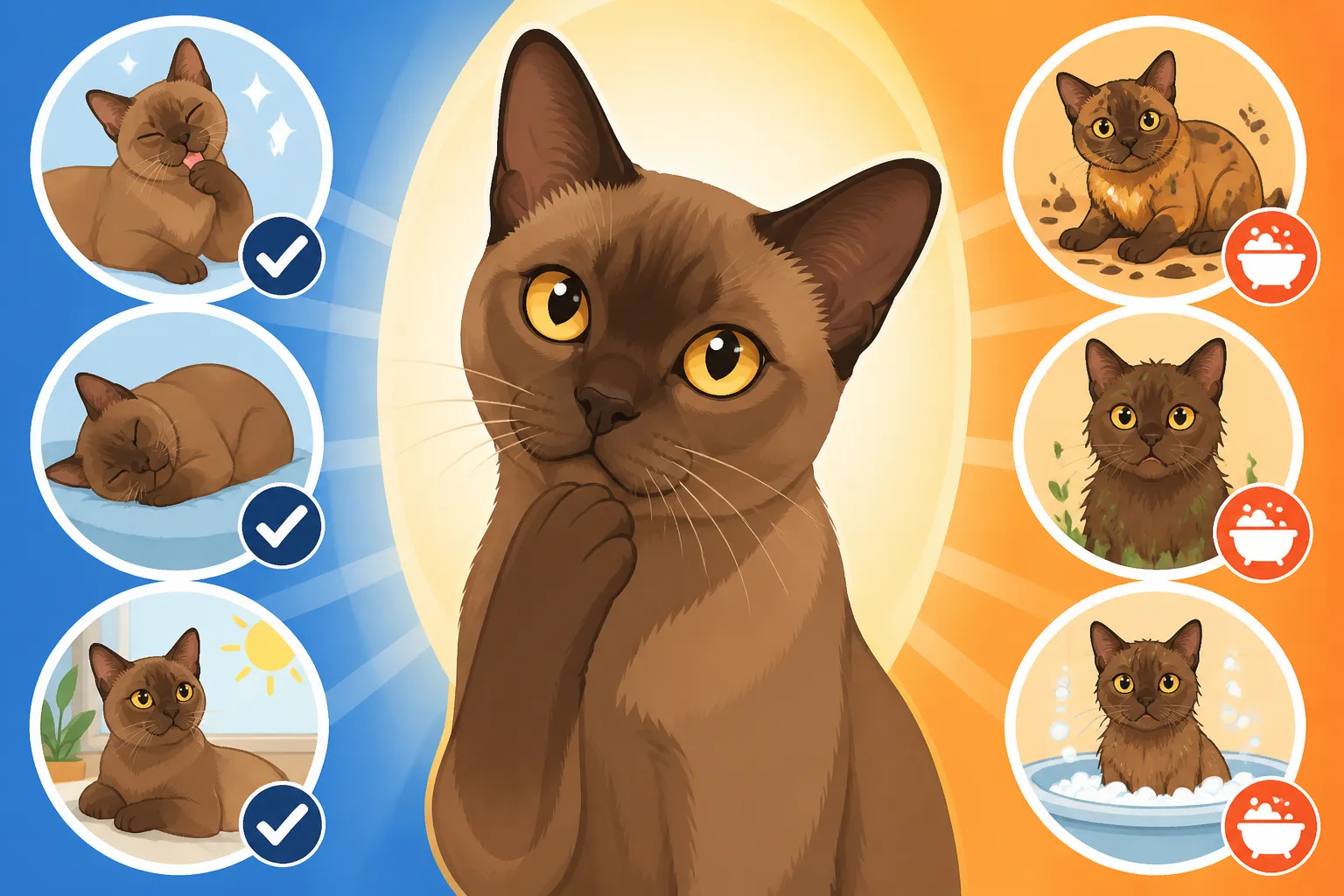
This constant, diligent self-care serves multiple purposes: it keeps their coat healthy, removes parasites, distributes natural oils to maintain coat luster, and can even be a form of stress relief for them. For a healthy Burmese in a clean home environment, this natural routine is typically all they need to stay spotless and smelling fresh. It's truly a marvel of feline evolution, allowing them to remain impeccably groomed without human assistance in most cases.
When Routine Grooming is Enough
Given their natural capabilities and efficient coats, the vast majority of "grooming" for a Burmese owner consists of very minimal effort. Think of it less as active grooming and more as a bonding activity. A soft cloth or a chamois passed over their coat a couple of times a week is often more than enough to enhance their natural shine and pick up any stray hairs that their own grooming might have missed. This gentle attention is usually welcomed by the affectionate Burmese, who thrives on human interaction.
These brief sessions also give you a chance to check their skin for any issues, feel for lumps, or simply enjoy the silkiness of their fur. It's a testament to the breed's low-maintenance nature that even this light touch is often considered a luxury rather than a necessity. The aim is to supplement, not replace, their own impeccable self-care. Many owners find that a simple wipe with a Why a Weekly Chamois Is All a Burmese Needs is incredibly effective at keeping their coat glistening.
Specific Scenarios That Absolutely Call for a Bath
While it's true that Burmese cats are champions of self-grooming, there are definitely those moments when their efforts, however diligent, just won't cut it. These are the times when you have to step in, for their health, safety, and sometimes, your own sanity. These situations are usually quite obvious and demand immediate attention.
Encountering Unpleasant or Toxic Substances
This is arguably the most common and critical reason a Burmese will absolutely need a bath. Cats are naturally curious, and sometimes that curiosity leads them into messes that are not only unpleasant but potentially dangerous. If your Burmese gets into something sticky, oily, greasy, or—worst of all—toxic, a bath isn't just a good idea; it's a necessary intervention to protect their health.
Imagine your normally pristine Burmese somehow tiptoeing through a spilled can of motor oil in the garage, or perhaps brushing against a freshly painted fence, or even stepping in some adhesive. The immediate danger isn't just the mess on their fur; it's the fact that they will instinctually try to lick it off. Ingesting toxic chemicals like antifreeze, paint thinner, or strong cleaning agents can lead to serious illness, organ damage, or even be fatal. Even non-toxic but sticky substances can mat their fur, cause skin irritation, or make them incredibly uncomfortable. In these situations, getting them into a lukewarm bath with cat-safe shampoo quickly and thoroughly rinsed off is your best course of action. Speed is key here to prevent ingestion and further complications.
Severe Dirt or Mud Accumulation
Sometimes, despite our best efforts to keep them safe indoors, our Burmese might find themselves in an outdoor adventure that goes awry, or perhaps an unexpected household mishap. If your cat somehow manages to roll around in a mud puddle, or knock over a bag of potting soil and decide to investigate with their entire body, their meticulous self-grooming simply won't be enough. You’ll know it when you see it: a coat caked in dirt, matted with mud, or otherwise so thoroughly soiled that their natural tongue-brush simply can't penetrate the grime.
In these instances, not only will they track dirt all over your home, but the sheer volume of foreign material can irritate their skin, block pores, and create a breeding ground for bacteria if left unchecked. While it’s rare for an indoor Burmese to get this dirty, accidents happen. Maybe they explored a dusty attic space or got caught in a sudden rain shower during a supervised garden visit. A bath in these circumstances isn't just about aesthetics; it's about restoring their comfort and preventing potential skin issues caused by prolonged exposure to heavy dirt. You want to make sure you're cleaning them, not just pushing dirt around.
Medical Necessity: Skin Conditions or Flea/Tick Treatment
There are specific health reasons why a veterinarian might recommend or prescribe a bath for your Burmese. These are not routine hygiene baths but therapeutic treatments aimed at addressing underlying medical issues. If your Burmese is suffering from a skin condition such as ringworm, a bacterial skin infection, or certain types of allergies, your vet might prescribe a medicated shampoo. These shampoos often need to be applied directly to the skin, lathered, and left on for a specific amount of time before being thoroughly rinsed. This process ensures the active ingredients can work effectively.
Similarly, in cases of severe flea or tick infestations, especially if other treatments aren't working or if the cat is too young for certain spot-ons, a flea-specific shampoo might be recommended. These baths aim to kill parasites on contact, providing immediate relief. It’s important to only use shampoos specifically formulated for cats, and always follow your vet’s instructions precisely when dealing with medicated baths. Never use human shampoos or dog shampoos, as these can be too harsh or even toxic for feline skin and coats. Regular vet check-ups can help identify these issues early, as knowing Which Diseases the Burmese Actually Carries can help you be proactive.
How to Make Bath Time as Stress-Free as Possible for Your Burmese
Okay, so you've determined a bath is absolutely necessary. Now what? The thought of bathing a cat can strike fear into the hearts of even the bravest cat owners. But with a little preparation and a calm approach, you can make the experience as low-stress as possible for your beloved Burmese. Remember, they pick up on our emotions, so staying cool and collected is half the battle.
Preparation is Key
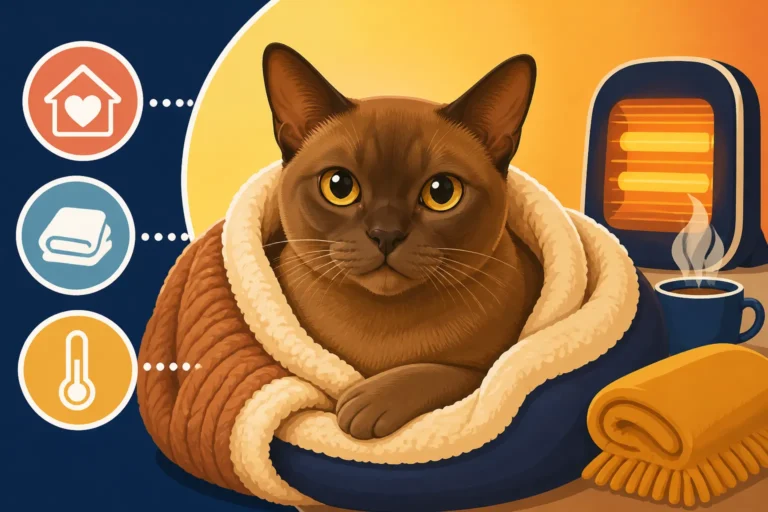
Before you even think about putting your Burmese near water, gather everything you will need. This isn't a task to be rushed or done on a whim. The last thing you want is to be fumbling for a towel while your cat is soaked and trying to escape. First, choose a calm, quiet time when you won't be interrupted. Make sure the bathroom or bathing area is warm to prevent your short-coated Burmese from getting chilled.
Lay out several soft, absorbent towels within easy reach. Have your cat-specific shampoo ready – you can find excellent options on sites like Chewy or Amazon, ensuring they're pH-balanced for felines and free from harsh chemicals. Never use human shampoo! Place a non-slip mat in the tub or sink to give your cat traction and make them feel more secure. You might also want a small cup or pitcher for rinsing, and perhaps a washcloth for their face. Having treats ready for post-bath rewards is also a brilliant idea. A little foresight goes a long way in making the process smoother for everyone involved. Investing in Which Shampoo Keeps a Burmese's Satin Coat Glossy can make a difference not only in shine but also in skin health.
The Bathing Process: Gentle and Efficient
Once everything is ready, bring your Burmese into the bathroom. Speak to them in a calm, soothing voice. Gently place them into the prepared tub or sink. Start by wetting them slowly with lukewarm water, either from a handheld shower sprayer on a very low setting or using the cup to pour water over their body, avoiding their head and face initially. Focus on getting their coat thoroughly wet.
Next, apply a small amount of cat shampoo, working it into a gentle lather. Concentrate on the soiled areas, but ensure you cover their entire body, from neck to tail, while still avoiding their eyes, ears, and nose. Talk to them throughout, offering praise. The most crucial step is rinsing. You must rinse thoroughly, and then rinse again. Any residual shampoo can irritate their skin and cause discomfort. Use the cup or sprayer to completely wash away all suds until the water runs clear and their fur feels squeaky clean. Be quick but gentle, keeping the whole process as brief as possible to minimize their distress. Remember, Why a Short Coated Burmese Feels the Cold means speed and a warm environment are extra important.
Post-Bath Care and Comfort
The bath itself is only half the battle; drying and comforting your Burmese afterwards are just as important. Immediately after rinsing, wrap your cat snugly in one of your absorbent towels. Gently blot and rub their fur to remove as much moisture as possible. You might need to use a second, dry towel. If your cat tolerates it, you can use a hairdryer on the lowest, coolest setting, keeping it at a safe distance and constantly moving it to avoid burning their delicate skin. However, many cats are terrified of hairdryers, so air drying in a warm room with frequent towel-drying might be a better option.
Keep your Burmese in a warm, draft-free room until they are completely dry to prevent chilling, especially with their short coat. Offer them praise, cuddles, and perhaps some special treats from brands like Amazon or Chewy to create a positive association with the experience. This helps to rebuild their trust and makes future (hopefully rare) baths less traumatic. Ensuring their coat is fully dry is vital to prevent fungal infections or skin irritation, so be patient during this stage. Remember, a quick rub with a chamois later can restore their satin shine without re-wetting them. You want them to feel safe and loved, even after such an unusual event. How Quickly a Burmese's Coat Dries is usually quite fast, which helps!
Preventing Unnecessary Baths Through Proactive Care
While knowing when to bathe your Burmese is important, preventing the need for a bath in the first place is always the ideal scenario. Much of this comes down to good husbandry, a keen eye, and understanding your Burmese's unique needs. After all, a clean cat is a happy cat, and a cat that cleans itself is even happier!
Regular Grooming and Environmental Control
The best defense against needing an unexpected bath is a consistent, gentle grooming routine and managing their environment. Even though your Burmese is a self-grooming marvel, a few minutes of your time each week can make a huge difference. Regular wiping with a soft cloth or a chamois not only helps remove surface dust and loose hairs but also strengthens your bond. It also gives you a regular opportunity to visually inspect their coat and skin for any early signs of issues that might escalate into needing a bath.
Beyond direct grooming, keeping their living space clean is paramount. This means regularly cleaning litter boxes, ensuring spills are promptly cleaned up, and keeping household chemicals and potential toxins stored securely out of reach. If your Burmese has supervised outdoor access, be mindful of muddy areas or potential hazards. Simple precautions, like quickly wiping paws after an outdoor excursion, can prevent a lot of mess from being tracked into the house or, worse, ingested by your diligent self-groomer. Remember, How Many Minutes a Month a Burmese's Coat Takes is surprisingly low for basic care.
Diet and Skin Health
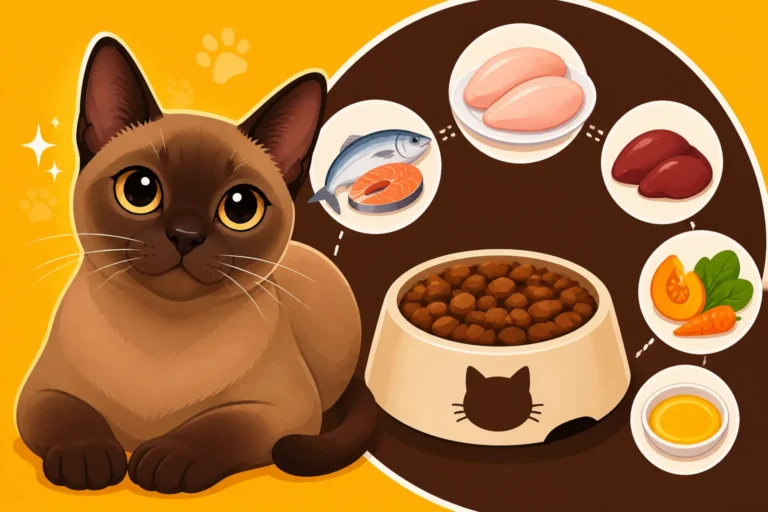
What your Burmese eats plays a significant, often underestimated, role in the health and quality of their coat and skin. A well-balanced, high-quality diet provides the necessary nutrients, fatty acids, and vitamins that contribute to a strong skin barrier and a healthy, resilient coat. Cats are obligate carnivores, meaning their diet should be rich in animal protein. A diet that lacks essential nutrients can lead to dry, flaky skin, excessive shedding, or a dull coat, which might make them more prone to skin issues or simply looking less clean.
Choosing quality cat food, whether it's wet food, dry kibble, or even fresh options, can genuinely make a difference. Always read labels to ensure the food is complete and balanced for your cat's life stage. A healthy coat is less likely to suffer from issues that might necessitate a medicated bath, and a strong immune system from good nutrition helps fight off minor skin irritations. Think of it this way: Why a Burmese's Food Bill Is a Health Decision, because it impacts their overall health, including the skin and coat that keeps them looking so splendid and rarely needing a bath from you!
Disclaimer
This article is for general informational purposes only and does not constitute professional advice. Laws, prices and regulations vary by location and change over time. Consult a qualified professional for guidance on your specific situation.