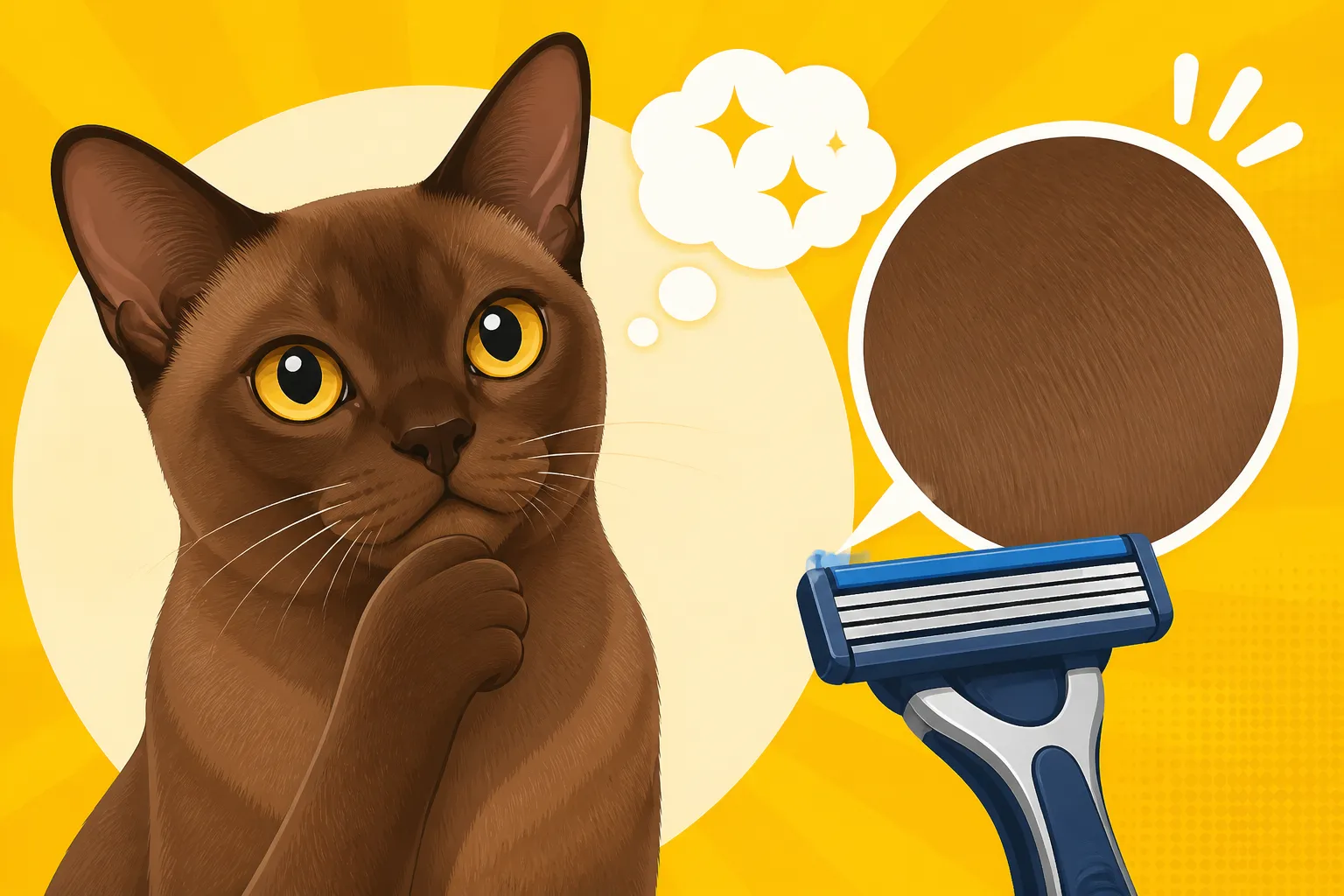
Why There Is Nothing on a Burmese to Shave
One common misconception I hear from folks new to the Burmese cat world is about their grooming needs, especially when they see other breeds getting all sorts of fancy cuts and trims. It's easy to wonder if your sleek, muscular Burmese needs similar intervention. This guide is here to clear up any confusion and explain exactly why your Burmese really doesn't need to be shaved, ever, and what kind of care does keep their famous coat looking its absolute best.
Understanding the Unique Burmese Coat: A Silk-Wrapped Brick
When you first pet a Burmese, you immediately notice something different. Their coat isn't just short; it's incredibly fine, lying flat against their muscular body, giving them that signature "satin" feel. This isn't by accident; it's a defining characteristic of the breed that dictates their grooming needs – or lack thereof!
The Anatomy of a Burmese Coat: More Than Just Short Hair
Unlike many other cat breeds that boast luxurious double coats or dense, plush fur, the Burmese has a very simple, single coat. There's virtually no undercoat to speak of. Imagine running your hand over pure silk – that's the sensation. This unique structure is why we often refer to them as "bricks wrapped in silk" because beneath that incredibly fine, close-lying coat is a surprisingly solid, heavy cat. This lack of an insulating undercoat means they are built differently from cats with thick, fluffy fur that can trap heat or get matted. There simply isn't excess hair that needs to be removed for comfort or hygiene because their coat naturally manages itself. You can learn more about Why a Burmese's Coat Feels Like Satin.
This single-layer design means the individual hairs are smooth, fine, and uniform in length, clinging to the contours of their body. It's a coat designed for elegance and minimal fuss, not for heavy-duty insulation or forming tangles. When people think of shaving a cat, they often picture breeds with long, dense hair prone to matting or severe shedding. The Burmese coat, however, is the antithesis of this. There's no fluff to remove, no thick woolly layer to shed in great clumps, and certainly no matting that would necessitate a clipper.
Shedding, Dander, and Allergies: Dispelling Myths
While the Burmese doesn't shed profusely like some long-haired breeds, it would be a myth to say they don't shed at all. All cats shed hair to some degree as part of their natural hair cycle. However, with the Burmese, the shedding is minimal, and the fine hairs are less noticeable than the coarser, longer hairs of other breeds. You might find a few stray hairs on your clothes or furniture, but nothing like the tumbleweeds some cat owners contend with. This low shedding is a blessing, reducing the amount of loose hair around the house. It's often remarked How Little Hair a Satin Coated Burmese Leaves Behind.
It's important to clarify that low shedding does not equate to being hypoallergenic. The primary cause of cat allergies isn't the hair itself, but a protein called Fel d 1, found in a cat's saliva, urine, and dander (dead skin flakes). While a Burmese might spread less dander and saliva-coated hair around due to their minimal shedding, they still produce these allergens. So, if you're allergic, you'll still react. However, for those without severe allergies, the low shedding can definitely be a plus in terms of household cleanliness. The fact that they don't shed heavily means there's no practical reason to shave them for shedding control – it just isn't an issue that requires such drastic measures.
Why Shaving a Burmese Is Unnecessary and Even Harmful
Given the unique properties of the Burmese coat, it becomes clear that shaving them is not only unnecessary but can actually be detrimental to their well-being. Their coat is perfectly adapted for their needs, and messing with it can cause more problems than it solves.
The Natural Grooming Habits of Your Burmese
Burmese cats are fastidious groomers by nature. Their short, sleek coats are incredibly easy for them to maintain on their own. They spend a good portion of their day meticulously licking and cleaning themselves, keeping their fur in pristine condition. This self-grooming is usually more than sufficient to keep their coat healthy and shiny. Think about it: they don't have long tangles to work through, or dense undercoats that get packed with debris. Their tongues can easily reach every part of their body, and their fine fur means dirt and loose hairs are quickly removed.
Compared to breeds with thick, curly, or long hair that might develop mats requiring professional grooming or even shaving, the Burmese is a dream. You won't find yourself wrestling with a matted rump or tangled armpits. Their coat naturally lies flat, preventing knots and tangles from forming. This means that How Many Minutes a Month a Burmese's Coat Takes is incredibly minimal, and that time is typically spent on enjoyable interaction, not arduous grooming. This also means Why a Burmese's Coat Never Sees a Grooming Bill for anything beyond the occasional bath or nail trim, saving owners time and money.
Potential Risks and Disadvantages of Shaving
So, what happens if you decide to shave your Burmese, perhaps thinking it'll keep them cooler in summer or reduce shedding even further? You'd likely be doing more harm than good.
Firstly, shaving can expose their delicate skin to the elements. Their short coat, while providing some protection, is not designed to be completely stripped away. This can lead to:
- Sunburn: Just like humans, a cat's skin can get sunburned, especially if they enjoy lounging in sunny spots. Without the natural protection of their fur, they become highly susceptible.
- Skin Irritation and Injury: Shaving can be stressful for a cat, and nicks or razor burn are always a risk, even with experienced groomers. The process itself can be uncomfortable or scary for them.
- Impaired Thermal Regulation: While it might seem counterintuitive, a cat's coat actually helps them regulate their body temperature. It provides insulation in cooler weather and helps to dissipate heat in warmer weather by trapping a layer of air. Removing this natural insulation can make them less comfortable, potentially leading to them feeling colder or overheating more easily. Remember, Why a Burmese Seeks Out the Warmest Spot is often due to their lack of an insulating undercoat.
- Abnormal Coat Regrowth: The texture and growth pattern of the coat can sometimes change after shaving, growing back unevenly, coarser, or simply not as beautifully as it was before. This can permanently alter that lovely "satin" feel.
- Stress and Behavioral Changes: A drastic change like shaving can be very stressful for some cats, leading to anxiety, hiding, or even over-grooming in attempts to "fix" their altered appearance.
In short, the Burmese's coat is precisely what it needs to be. It's short, manageable, and self-cleaning. Attempting to "improve" it by shaving runs counter to their natural biology and can introduce a host of new problems.
Optimal Coat Care for the Burmese: Enhancing Natural Beauty
Rather than shaving, the focus for Burmese coat care is all about enhancing its natural beauty and maintaining overall health. It's a low-maintenance breed, which is one of its many charms!
Simple Brushing and Wiping Routines
The real secret to a gleaming Burmese coat isn't a brush, but a chamois cloth. Yes, you read that right – the same kind you might use to polish your car! A damp chamois, gently wiped over their fur, can do wonders. It picks up any loose hairs, stimulates the skin, and buffs the coat to an incredible shine, bringing out that deep, rich color. This process is often a bonding experience, as most Burmese adore the attention. They are truly affectionate creatures and will usually purr with delight during this simple routine. This is why many owners say Which Chamois Brings Up a Burmese's Satin Shine is the only tool they need.
If you prefer a brush, opt for a very soft bristle brush or a rubber grooming glove. These tools are gentle and effective at removing any stray hairs without irritating their skin. Avoid slicker brushes or deshedding tools designed for cats with thick undercoats; these are simply too harsh for a Burmese's fine, single layer of fur and can damage the delicate hair shafts or scratch their skin. The goal is gentle stimulation and polishing, not aggressive de-shedding. This gentle approach is usually all that is needed to keep their coat looking magnificent.
Beyond the Coat: Comprehensive Burmese Hygiene
While their coat care is minimal, comprehensive care for your Burmese involves other important hygiene practices that contribute to their overall health and well-being. These elements are crucial for a long, happy life and often reflect in the health and luster of their coat.
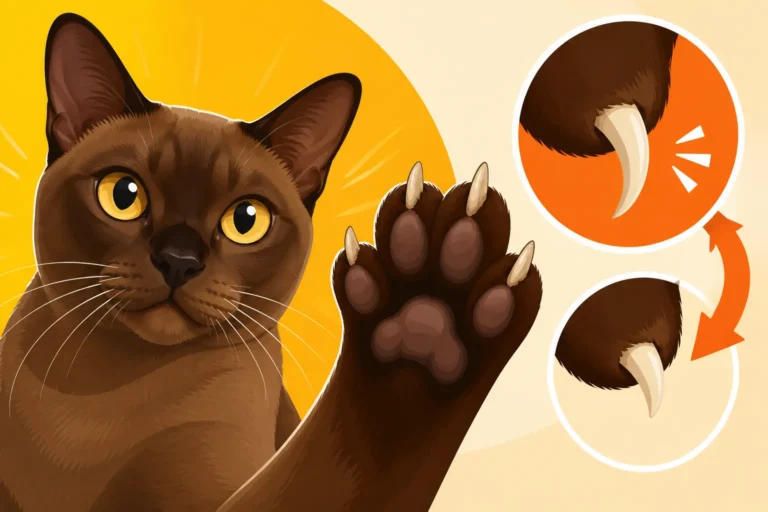
- Nail Trimming: Regular nail trims are important to prevent nails from becoming too long, which can be uncomfortable or lead to snagging. This is generally a quick and easy task, especially if started when they're young.
- Ear Cleaning: Check your Burmese's ears regularly for any dirt or wax buildup. A gentle wipe with a vet-approved ear cleaner on a cotton ball is usually sufficient if needed.
- Dental Care: Dental hygiene is paramount for all cats, and Burmese are no exception. They can be prone to gum issues, so brushing their teeth from a young age is highly recommended. You can learn more about Brushing a Burmese's Teeth Before It Loses Them. Regular dental care can prevent painful conditions and contribute to their overall health.
- Nutrition: A high-quality diet is the foundation of a healthy coat. Feed your Burmese a balanced, species-appropriate diet rich in protein and essential fatty acids. A poor diet will quickly show up in a dull, dry coat. Remember, Feeding a Burmese Is a Medical Decision, Not a Preference, especially considering the breed's predispositions to certain health conditions. Many owners find that foods with fresh, human-grade ingredients can contribute to a shiny coat.
- Weight Management: Keeping your Burmese at a healthy weight is crucial. Their muscular build means Why a Burmese Feels Heavier Than It Looks, so it's easy to misjudge. Excess weight can lead to a less active cat, which in turn might reduce their self-grooming efficiency. A healthy weight supports a healthy coat and body. What a Burmese's Body Type Is Called often emphasizes their dense muscle, which means fat can hide easily.
By focusing on these holistic care aspects, you'll ensure your Burmese remains healthy, happy, and sporting that gorgeous, low-maintenance satin coat that makes them so special.
When a Vet Might Suggest Trimming (Not Shaving) – And Why
It's important to differentiate between routine grooming and medical necessity. While a full body shave is never recommended for a Burmese, there might be very specific, rare instances where a veterinarian will suggest localized trimming.
Medical Necessity vs. Aesthetic Preference
There are extremely limited circumstances where a small area of a Burmese's coat might need to be trimmed, and these are almost exclusively for medical reasons, not for aesthetics or comfort. For example:
- Surgical Procedures: If your Burmese needs surgery, the area around the incision site will be shaved to ensure sterility and a clear field of vision for the vet. This is a small, localized area, not a full body shave.
- Wound Care: For injuries or skin conditions that require topical treatment, the fur around the affected area might need to be trimmed to allow for proper cleaning, application of medication, and air circulation.
- Diagnostic Imaging: In some cases, for ultrasounds or other imaging techniques, a small patch of fur might be shaved to ensure good contact between the probe and the skin.
These are precise, targeted trims, performed by a professional, and are always in the best interest of the cat's health. They are not to be confused with a "lion cut" or other aesthetic shaves that some owners might consider for long-haired breeds. For a Burmese, such extensive shaving is completely unwarranted.
Keeping Your Burmese Comfortable During Medical Care
Even for necessary medical trims, your Burmese's comfort is paramount. Vets and vet techs are trained to handle cats gently and minimize stress. You can help by:
- Socialization: From a young age, accustom your Burmese to being handled, especially in areas that a vet might need to examine. Regular positive handling experiences can make vet visits much less stressful.
- Carrier Training: Make the carrier a safe, comfortable space rather than something only associated with vet trips. This reduces anxiety before even leaving the house.
- Communication with Your Vet: Discuss any concerns you have about your cat's stress levels with your vet. They can often suggest calming techniques or products to make the experience easier.
These small, medically necessary trims are a far cry from a cosmetic shave. They are part of providing the best possible healthcare for your beloved companion, ensuring they can heal effectively and comfortably. Understanding this distinction is key to being a responsible Burmese owner.
Here's a quick look at typical cat grooming needs versus what your Burmese requires:
| Grooming Aspect | Typical Cat Breed Needs (e.g., Persian, Maine Coon) | Burmese Cat Specific Needs | Why the Difference? |
|---|---|---|---|
| Coat Brushing | Daily or several times a week, detangling, removing mats, de-shedding | Weekly gentle wipe with chamois or soft brush | Single, very short, fine coat with no undercoat; resistant to mats. |
| Shaving | Occasionally for severe matting, hygiene, or aesthetic "lion cuts" | Almost never, except for small medical areas (surgery, wounds) | No dense undercoat or long hair to mat; shaving can harm skin and temperature regulation. |
| Bathing | Regular baths to prevent matting, remove oils and dander | Rarely needed; self-grooming is highly effective; quick drying. | Self-cleaning, close-lying coat. How quickly a Burmese's coat dries. |
| Nail Trimming | Regular (every 2-4 weeks) | Regular (every 2-4 weeks) | Standard for all domestic cats for comfort and safety. |
| Ear Cleaning | As needed, check for wax/dirt buildup | As needed, generally low maintenance | Standard for all domestic cats. |
| Dental Care | Regular brushing, vet checks | Regular brushing, vet checks (prone to gum issues) | Crucial for all cats, especially important for Burmese health. |
This table clearly illustrates that when it comes to coat maintenance, the Burmese stands apart with its exceptionally low-fuss requirements, emphasizing gentle care over invasive procedures like shaving.
Disclaimer
This article is for general informational purposes only and does not constitute professional advice. Laws, prices and regulations vary by location and change over time. Consult a qualified professional for guidance on your specific situation.