When an Old Burmese Stops Keeping Its Coat Glossy
It's a familiar and often disheartening moment for any Burmese owner: you run your hand over that famously glossy, satin-like coat, and instead of the usual luxurious sheen, you feel something a little drier, a little less vibrant. As our beloved Burmese companions age, their once-impeccable coats can start to lose that distinctive gloss, leaving us wondering what's going on and what we can do to help. This guide will explore the natural reasons for this change, delve into potential underlying health concerns, and offer practical advice on nutrition and grooming to help your senior Burmese maintain as much of their glorious coat health as possible.
The Natural Evolution of the Burmese Coat with Age
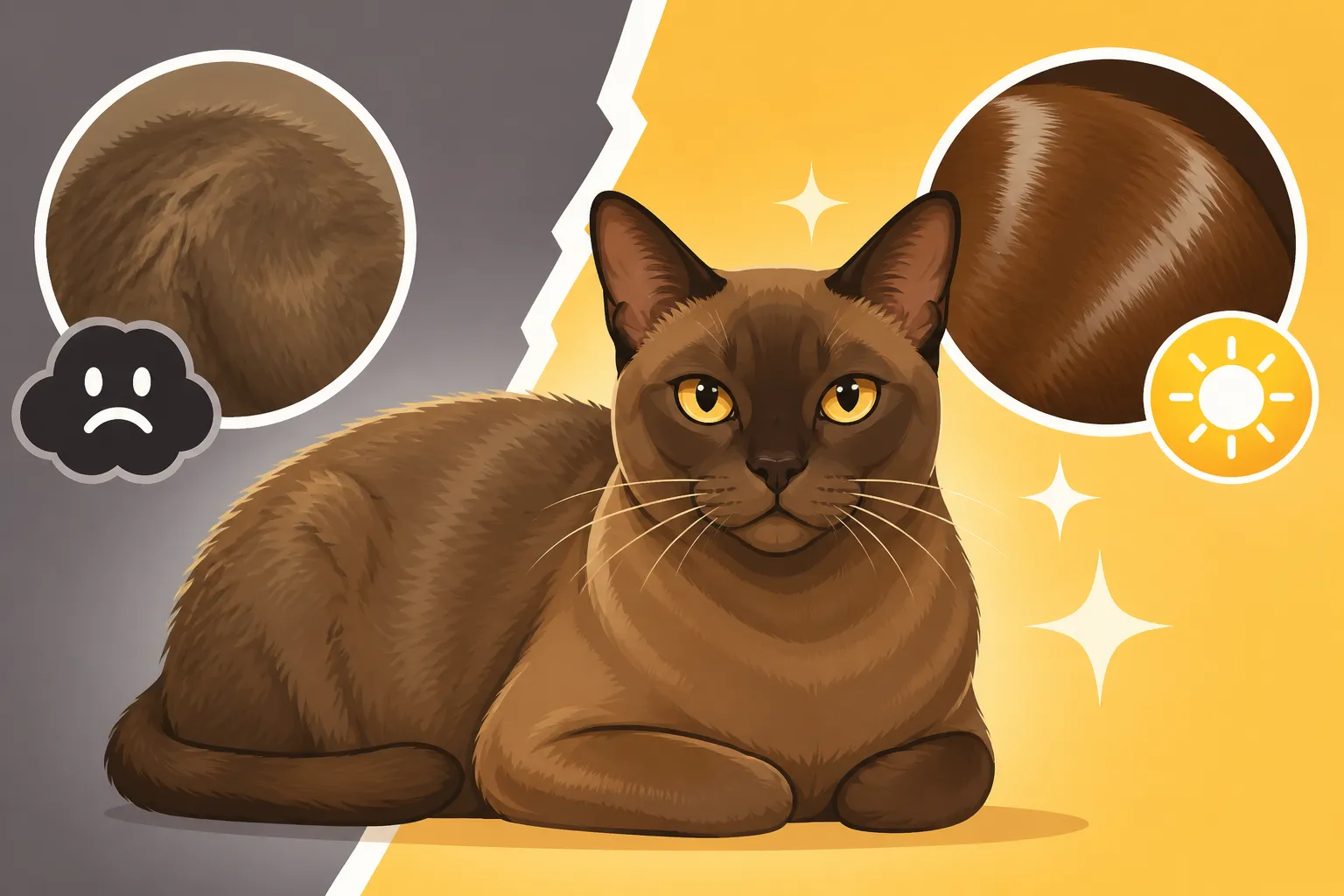
Just like with people, aging brings changes to a cat's body, and the coat is often one of the first places these shifts become visible. What was once a smooth, lustrous satin-like covering can gradually become duller, perhaps a bit coarser, and certainly less glossy. This isn't just about aesthetics; it's a window into their overall well-being.
Reduced Sebum Production and Skin Elasticity
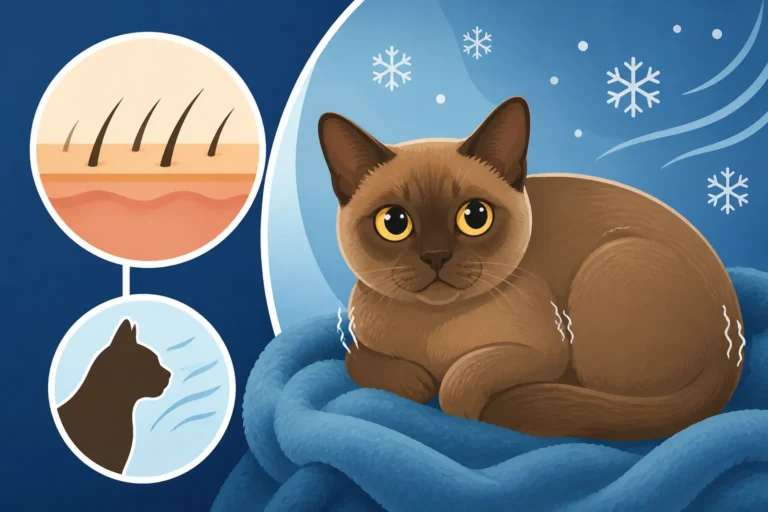
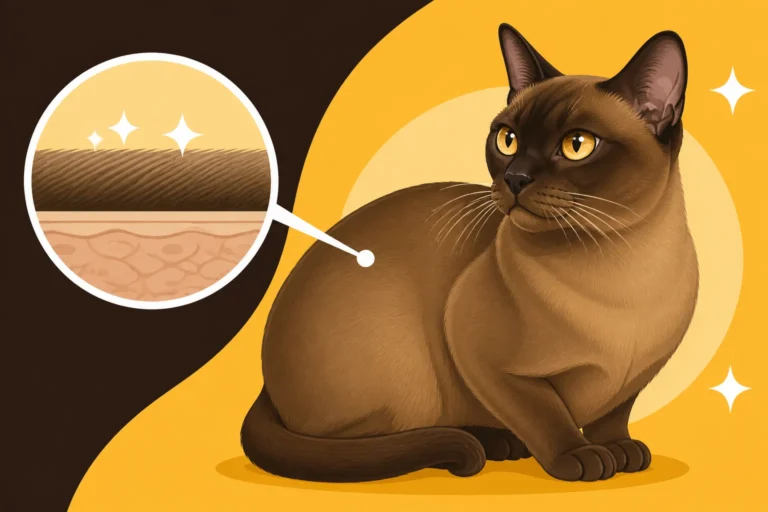
As Burmese cats get older, their skin undergoes changes that directly impact the quality of their coat. One of the most significant factors is a natural decrease in sebum production. Sebum is the oily substance secreted by glands in the skin, and it's essential for keeping both skin and fur moisturized and supple. Think of it as their natural conditioner. When less sebum is produced, the hair shaft can become drier, leading to a duller appearance and a less smooth texture.
Imagine a young Burmese, full of youthful oils, their coat literally shimmering. Now, consider your senior friend; their skin might be a little less elastic, a bit thinner, and those oil glands aren't quite as active. This reduction isn't necessarily a sign of illness, but a normal part of the aging process. The hair follicles themselves might not produce as robust a hair shaft, contributing to a weaker, less reflective coat. It's a subtle change at first, but over time, that iconic gloss really does diminish, and it's entirely natural. This is why even with the best care, you might not get back the exact same "new kitten" shine, but you can definitely support their comfort and health.
Decreased Self-Grooming Habits
Another very common reason for a duller coat in an older Burmese is a decline in their ability or willingness to self-groom. Young, spry cats are meticulous groomers, spending a significant portion of their day keeping their coats immaculate. This isn't just about cleanliness; their tongues distribute those natural oils, remove loose hairs, and stimulate circulation in the skin.
As a Burmese reaches its senior years, which typically begin around When a Burmese Counts as Senior, they might start to experience arthritis, joint stiffness, or other discomforts that make it painful or difficult to contort their bodies into the positions needed for thorough grooming. They might struggle to reach their backs, tails, or hindquarters effectively. You might notice they spend less time licking themselves, or they simply can't bend far enough to reach certain spots. This leads to a buildup of loose fur, dander, and a lack of proper oil distribution, resulting in a matted, dull, or greasy appearance in certain areas, particularly those hard-to-reach ones. It's not that they've suddenly become unhygienic; it's often a sign that their bodies are feeling the effects of age. Recognizing this shift means it's time for us to step in and offer a helping hand with their grooming needs.
Underlying Health Issues That Affect Coat Condition
While some coat dullness is a normal part of aging, a sudden or significant deterioration in coat quality can be a red flag for underlying health problems. Our Burmese are masters at hiding discomfort and illness, often purring right through veterinary examinations or continuing to seek out attention even when they're not feeling their best. Why a Burmese Hides Illness Behind Its Affection is a crucial read for any owner, because a dull coat can be one of the subtle cues they give us.
Nutritional Deficiencies and Malabsorption
What your Burmese eats directly impacts their skin and coat health. As cats age, their nutritional needs can change, and they might become less efficient at absorbing nutrients from their food. This means that even if they're eating the "same old" diet, they might not be getting everything they need. A diet lacking in essential fatty acids (omega-3 and omega-6), high-quality protein, or certain vitamins and minerals will inevitably show up in their coat. Without these vital building blocks, the hair shafts become weak, brittle, and lose their natural luster.
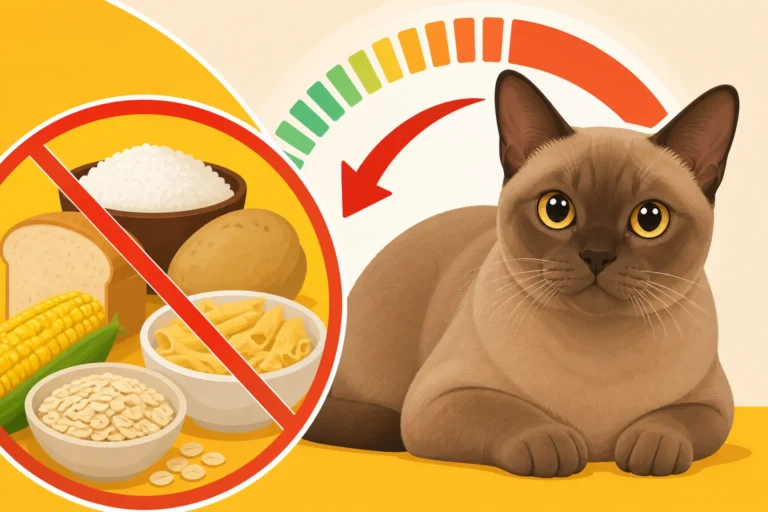
For instance, a senior Burmese might require a diet higher in easily digestible protein to maintain muscle mass and support healthy skin and coat. If their kidneys are starting to show signs of decline, a vet might recommend a specific therapeutic diet. A diet that's too high in carbohydrates, a common issue with many dry kibbles, can also contribute to poor coat health and other serious conditions down the line, especially considering Why Carbohydrate Load Matters More in a Burmese. It's not just about getting enough food; it's about getting the right kind of food. Fresh, human-grade foods or high-quality wet foods can make a real difference, focusing on the protein and moisture content vital for aging cats.
Systemic Diseases and Organ Dysfunction
Many systemic diseases, particularly those affecting the kidneys, liver, or thyroid, can manifest as a dull, unkempt coat. These organs play crucial roles in metabolism, detoxification, and hormone regulation, all of which indirectly impact skin and hair health.
- Kidney Disease: As How Kidney Disease Arrives in an Old Burmese explains, kidney issues are common in older cats. When kidneys aren't functioning optimally, toxins can build up in the body, affecting overall health and often leading to a poor appetite, dehydration, and a dry, dull coat.
- Hyperthyroidism: This condition, where the thyroid gland produces too much hormone, is also prevalent in senior cats. While some cats with hyperthyroidism might have a greasy, matted coat due to increased oil production and frantic, ineffective grooming, others can develop a dry, brittle, or sparse coat. Why Hyperthyroidism Catches an Older Burmese details this common senior ailment.
- Diabetes: Unfortunately, Burmese cats have a significantly higher risk of developing diabetes. A diabetic cat, particularly one whose condition is not well-controlled, often presents with a dull, dry, and scruffy coat, along with other symptoms like increased thirst and urination. Regular glucose checks, particularly from age seven onwards, are vital. Why a Burmese's Glucose Should Be Checked From Seven underscores this importance.
- Dental Disease: While seemingly unrelated, severe dental pain can make grooming excruciating. If a cat's mouth hurts from receding gums or infected teeth, they'll avoid self-grooming. Why a Burmese's Gums Recede Early highlights this common problem in the breed. Imagine trying to lick yourself clean when every movement of your jaw sends a jolt of pain through your mouth. This discomfort can significantly reduce their grooming efforts, leading to a neglected, dull coat.
These conditions highlight the importance of regular veterinary check-ups for senior Burmese cats. A yearly comprehensive blood panel, as discussed in Which Blood Panel a Burmese Should Have Yearly, can catch these issues early, allowing for intervention before they severely impact your cat's quality of life and coat.
Nutritional Strategies for Maintaining Coat Health in Senior Burmese
The old saying "you are what you eat" holds especially true for our senior Burmese. Their bodies are working harder to maintain themselves, and providing them with optimal nutrition is paramount to supporting their overall health, including that glorious coat. When an old Burmese stops keeping its coat glossy, one of the first places to look is their food bowl.
Prioritizing High-Quality Protein and Essential Fatty Acids
As your Burmese enters its golden years, maintaining muscle mass becomes increasingly important, and a high-quality protein diet is key. Protein provides the amino acids necessary for building and repairing tissues, including skin cells and hair shafts. Look for cat foods with named meat sources (chicken, turkey, salmon, etc.) as the first few ingredients, rather than vague "meat by-products" or excessive plant proteins.
Beyond protein, essential fatty acids, particularly Omega-3s and Omega-6s, are non-negotiable for a healthy, glossy coat. These fats reduce inflammation, nourish the skin barrier, and contribute to the softness and shine of the fur. While many commercial cat foods include these, older cats sometimes benefit from supplementation. You might consider adding a small amount of fish oil (ensure it's specifically formulated for pets) to their food. Always check with your vet before introducing any supplements, especially for a senior cat, to ensure it's appropriate for their individual health needs. Brands on Amazon often carry reputable fish oil supplements for pets, but again, a vet's recommendation is best.
The Importance of Hydration and Moisture-Rich Foods
Dehydration can quickly lead to a dry, flaky skin and a dull, brittle coat. Many cats, especially older ones, don't drink enough water, particularly if they're primarily on a dry kibble diet. This is where moisture-rich wet food truly shines. Switching your senior Burmese to an all-wet food diet, or at least significantly increasing their wet food intake, can dramatically improve their hydration levels and, in turn, their skin and coat condition.
Wet food not only provides essential moisture but often contains fewer carbohydrates than kibble, which is a major win for the diabetes-prone Burmese. Why Low Carbohydrate Food Matters for a Burmese explains this in detail. If your Burmese has few teeth or receding gums, as is common in older cats, wet food is also much easier to eat, ensuring they get the nutrition they need without pain. Why an Old Burmese With Few Teeth Needs Wet Food offers more insights into this specific challenge. Consider using a cat water fountain to encourage drinking, as many cats prefer flowing water over stagnant bowls. Monitoring their water intake is also crucial, as a significant increase can be a sign of underlying health issues like diabetes or kidney disease. Why a Burmese Drinking More Needs Testing That Week is a dire warning that should never be ignored.
Here’s a quick comparison of food types for senior Burmese coat health:
| Food Type | Pros for Senior Burmese Coat Health | Cons for Senior Burmese Coat Health |
|---|---|---|
| Wet Food | High moisture, generally lower carbs, easier to digest, high protein. | Can be more expensive, less convenient than dry food. |
| Dry Kibble | Convenient, can be good for dental health (some formulations). | Often high in carbs, low moisture, can contribute to dehydration. |
| Raw/Fresh | High moisture, unprocessed nutrients, excellent protein. | Requires careful preparation, higher cost, potential for bacterial contamination. |
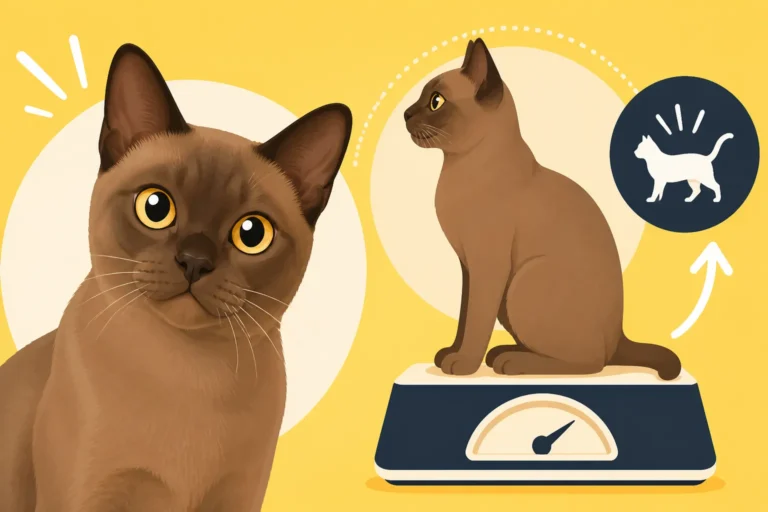
Regardless of the food type, always ensure you're weighing their portions. How to Reweigh an Old Burmese's Rations is a useful guide for ensuring your senior cat gets the precise amount of food needed to maintain a healthy weight without over or under-feeding, which both impact coat quality.
Grooming Adjustments for an Aging Burmese
When an old Burmese stops keeping its coat glossy, it's a clear signal that they might need more help with their grooming routine. Their declining ability to self-groom means we, as their devoted caretakers, need to step in and make adjustments to ensure they remain comfortable, clean, and as shiny as possible. This isn't just about vanity; regular grooming is vital for their skin health, circulation, and overall well-being.
Gentle Brushing and Chamois Polishing
Given that an older Burmese might find contorting themselves painful, regular, gentle brushing becomes essential. The Burmese has a wonderfully short, satin-like coat, meaning they don't require the intense grooming of a long-haired breed. A soft bristled brush or a grooming glove can help remove loose hairs, distribute natural oils that are still being produced, and stimulate blood flow to the skin without causing discomfort. Avoid harsh brushes or excessive pulling, especially if you suspect arthritis might be an issue.
After a gentle brush, consider using a chamois cloth to "polish" their coat. Which Chamois Brings Up a Burmese's Satin Shine delves into this technique. Simply dampen a soft chamois cloth and gently wipe it over their coat. This helps to further remove any lingering dust or loose hairs, and the slight friction can enhance the natural sheen of their satin fur. It's a quick, bonding activity that can make a noticeable difference in their coat's appearance. Regular grooming also gives you an opportunity to check for any lumps, bumps, skin irritations, or changes in their body condition, all important aspects of Caring for a Burmese Past Twelve.
Addressing Specific Grooming Challenges
Older Burmese cats might face particular grooming challenges that require extra attention:
- Matted or Greasy Patches: Due to reduced flexibility, certain areas like the hindquarters, under the chin, or armpits can become matted or greasy. Gently tease apart mats with your fingers or a wide-toothed comb, being very careful not to pull the skin. For greasy areas, a light wipe with a pet-safe grooming wipe or a damp cloth might help, though stubborn greasiness might warrant a veterinary check-up as it could indicate a health issue.
- Dull or Flaky Skin: If the skin underneath the fur seems dry or flaky, it reinforces the need for internal hydration and potentially a reassessment of their diet. Consider incorporating those essential fatty acid supplements discussed earlier, always with vet approval. You can also gently massage their skin during brushing to encourage natural oil production.
- Claw Trimming: While not directly related to coat gloss, older cats often have overgrown claws because they scratch less actively. Overgrown claws can get caught, cause pain, and deter them from stretching and moving, which indirectly impacts their overall well-being and willingness to groom. Regularly trimming their claws, perhaps while they're relaxed and purring on your lap, is a simple act of care. Trimming a Burmese's Claws While It Sits on You offers tips for making this a pleasant experience.
Remember, the goal is to make grooming a positive, comfortable experience for your senior Burmese. If they show any signs of pain or discomfort during brushing, stop and consult your veterinarian. Their comfort is always the top priority, and sometimes a change in grooming tools or technique is all that's needed to help them feel better and look their best.
Disclaimer
This article is for general informational purposes only and does not constitute professional advice. Laws, prices and regulations vary by location and change over time. Consult a qualified professional for guidance on your specific situation.