How a Burmese Differs From a Tonkinese
It's incredibly easy to get your gorgeous brown cat home and then start wondering, "Is this a Burmese, or is it a Tonkinese?" The two breeds share a common ancestor and often look similar to the casual observer, leading to a lot of understandable confusion. This comprehensive guide will walk you through the distinct differences between the Burmese and the Tonkinese, from their fascinating origins and physical traits to their unique personalities and care needs, so you can truly appreciate what makes each one special.
The Shared Roots and Divergent Paths of Burmese and Tonkinese
The story of the Burmese and Tonkinese is deeply intertwined, starting with a single cat that captured the hearts of early breeders. Understanding where they came from is key to appreciating their distinct characteristics today.
Wong Mau: The Shared Matriarch
Our journey begins with a captivating cat named Wong Mau, brought to America from Burma in 1930 by Dr. Joseph C. Thompson. She was a small, compact, walnut-brown cat with a darker brown mask, ears, and tail. Dr. Thompson was immediately struck by her unique appearance, which was different from any Siamese he had seen before. He believed she represented a new, distinct breed. To understand her genetic makeup, he bred Wong Mau to a Siamese cat. The offspring from this first breeding were revelatory: they produced kittens that were distinctly Siamese, kittens that looked like Wong Mau, and a third type with an intermediate color pattern. This experimental breeding program laid the groundwork for both the Burmese and, later, the Tonkinese. Dr Joseph Thompson and the Burmese He Bought in 1930
Wong Mau's unusual genetic profile, specifically carrying what we now know as the cb allele for Burmese coloring and the cs allele for Siamese pointing, meant she was essentially a natural hybrid. This was a groundbreaking discovery in cat genetics at the time. The initial focus, however, was on establishing the unique, solid-brown "Burmese" type. Thompson and his colleagues carefully bred Wong Mau and her descendants to isolate the specific genes responsible for her rich, dark brown coat. The Burmese Began With One Cat Called Wong Mau They were trying to create a true-breeding line, meaning that when two Burmese cats were bred together, they would only produce Burmese kittens, ensuring the stability and recognition of the new breed.
The Development of the Burmese Breed
The initial breeding program meticulously selected for the distinct dark brown (sable) coloring that defines the traditional Burmese. Breeders focused on refining the physical characteristics that made Wong Mau so unique: a compact, muscular body, a round head, and expressive golden eyes. The goal was to establish a cat that was distinctly different from the slender, angular Siamese. This process wasn't without its challenges; early breeders sometimes introduced Siamese back into the lines, leading to a temporary suspension of the Burmese breed by the Cat Fanciers' Association (CFA) in 1947 due to issues with outcrossing and inconsistent types. CFA Suspended the Burmese in 1947 and Took It Back
After being reinstated, Burmese breeders recommitted to creating a pure and consistent type. Over decades, the Burmese developed into the "brick wrapped in silk" we know today—a surprisingly heavy cat for its size, with a dense, short, satin-like coat. During this time, the breed also began to diverge into two distinct types: the American Burmese and the European Burmese. While both share the same genetic foundation, they developed slightly different appearances based on the preferences of breeders in their respective regions. The American Burmese retained a more rounded, cobby body and a distinctly short, rounded muzzle, while the European Burmese developed a slightly longer, more elegant body and a wedge-shaped head. How the American and European Burmese Split
The Emergence of the Tonkinese
The Tonkinese breed emerged from the deliberate crossing of Burmese and Siamese cats, a move that harked back to Dr. Thompson's original experiments with Wong Mau. Breeders loved the idea of a cat that embodied the best traits of both parent breeds: the sturdy build and affectionate nature of the Burmese, combined with the elegant appearance and vocal charm of the Siamese. The Tonkinese was essentially a recreation of Wong Mau's own hybrid phenotype, and for a long time, the cats produced from Burmese x Siamese crosses were actually known as "Tonkanese" or "Burmese-Siamese."
It wasn't until the 1960s that serious efforts began to establish the Tonkinese as a recognized breed in its own right. Breeders specifically aimed to create a cat with a distinct "mink" color pattern, which is an intermediate between the Burmese's solid color and the Siamese's pointed pattern. This meant carefully selecting cats that displayed the unique blend of characteristics—a medium build, a rounded wedge head, and aquamarine eyes—that would become the hallmark of the Tonkinese. The breed was eventually recognized by major cat registries, celebrating its status as a deliberate blend rather than a divergence. How the Tonkinese Was Made From a Burmese
Physical Distinctions: Body, Head, and Eyes
While both breeds share a certain exotic charm, a closer look reveals clear differences in their physical standards. These aren't just subtle nuances; they're foundational to how each breed is judged and recognized.
Body Type and Build
The Burmese is famously described as a "brick wrapped in silk." This isn't just a cute phrase; it speaks to their incredibly muscular and compact body. They are surprisingly heavy for their size, feeling substantial when you pick them up. Their build is cobby, meaning short and stocky, with a broad chest and a strong, straight back. Even their legs are well-muscled and in proportion to their body. When you look at a Burmese, you see density and power, cloaked in a remarkably soft, short coat. This solid build is a key part of their breed standard, emphasizing strength and robustness. What a Burmese Looks Like Against the Standard
In contrast, the Tonkinese presents a more intermediate body type, often called "moderate" or "slinky." They are less cobby than the Burmese but not as svelte and angular as the Siamese. A Tonkinese will feel firm and muscular, but with a more athletic and graceful build compared to the Burmese's compact frame. Their body is medium-length, well-proportioned, and finely muscled, leading to a more elegant silhouette. They are agile and powerful, a perfect blend of their parent breeds. When comparing the two side-by-side, the Burmese will always appear more substantial and densely built, while the Tonkinese will show a leaner, more graceful athletic quality.
Head Shape and Facial Features
The head of an American Burmese is distinctly round. Imagine a perfect circle when viewing their head from the front. They have full, rounded cheeks, a short, rounded muzzle, and a definite "stop" or indentation at the nose. Their ears are medium-sized, set well apart, and rounded at the tips, contributing to the overall soft, round impression of their face. This specific head shape is a hallmark of the American Burmese, giving them a sweet, almost perpetually youthful expression. What an American Burmese's Head Should Look Like The European Burmese, while still rounder than a Tonkinese, has a slightly longer face and a more moderate wedge shape.
The Tonkinese head, on the other hand, is a modified wedge, falling perfectly between the roundness of the American Burmese and the extreme wedge of the Siamese. It's neither round nor sharply pointed, but a gentle, medium-length wedge with high cheekbones. Their muzzle is moderate in length, not too short or too long, and their chin is firm. The ears are medium-sized to large, wide at the base, and tapering to an oval tip, set so that they frame the face gracefully. When you compare them, the Tonkinese will have a more angular, less "baby-faced" appearance than the American Burmese, but won't possess the extreme, long wedge of a modern Siamese. This moderate profile gives the Tonkinese a sophisticated, alert look.
Eye Color and Shape
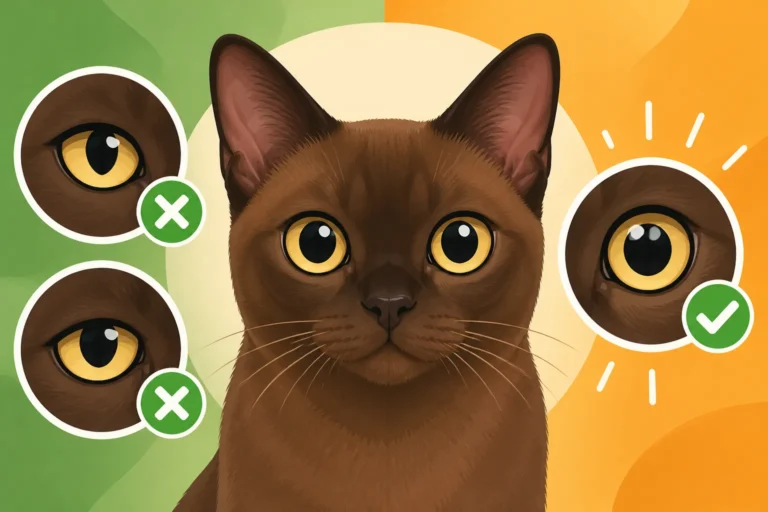
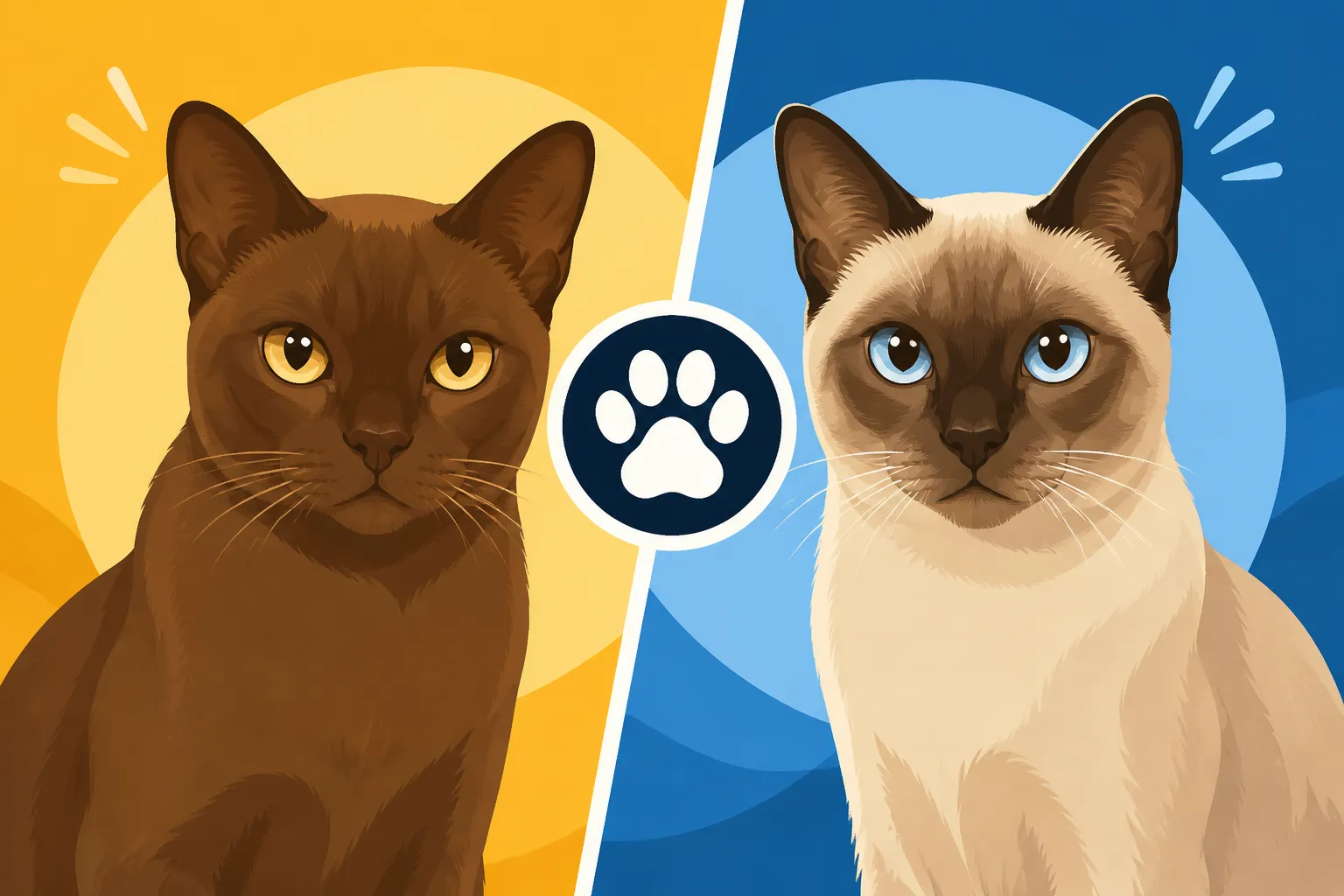
One of the most immediate visual differentiators between the two breeds is eye color. Burmese cats traditionally have expressive, large, rounded eyes that range from gold to amber. The deeper and richer the gold, the more prized the eye color within the breed standard. These golden eyes, set in their dark, velvety faces, give the Burmese a striking and often captivating gaze. The intensity of their eye color is a crucial trait and contributes significantly to their overall appeal.
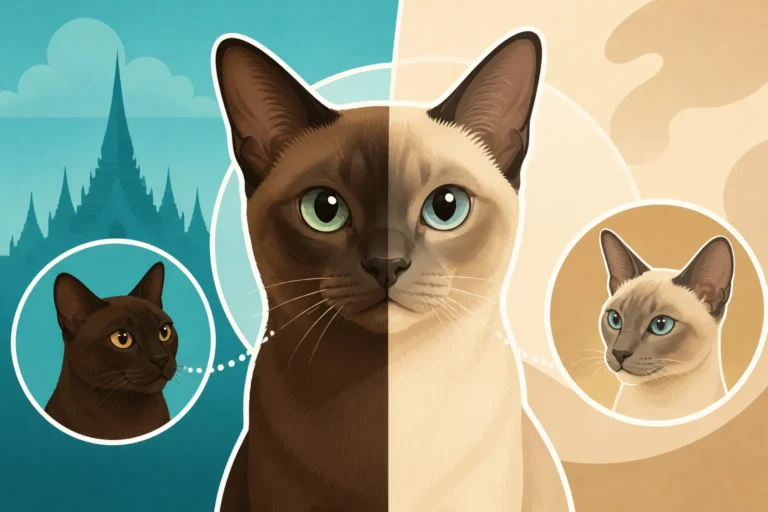
The Tonkinese, however, boasts a unique and truly stunning eye color: aquamarine. This vibrant blue-green shade is distinct from the sapphire blue of the Siamese and the gold of the Burmese. Their eyes are typically almond-shaped, set at a slight angle, which further enhances their moderate, balanced appearance. The aquamarine eye color is a direct result of their mixed heritage, a beautiful intermediate expression of the Siamese blue eye gene and the Burmese gold eye gene. If you see a cat with a "mink" coat pattern and those mesmerizing aquamarine eyes, you're almost certainly looking at a Tonkinese. This eye color is so specific that it's often the quickest way to differentiate the two if you're unsure about body or head shape.
Coat and Color Genetics: Understanding the Palette
Both Burmese and Tonkinese are celebrated for their stunning coats, but the way their colors are expressed—and the underlying genetics—are quite different. These differences are a direct result of their unique genetic inheritance.
The Burmese Color Genes: Sable and Beyond
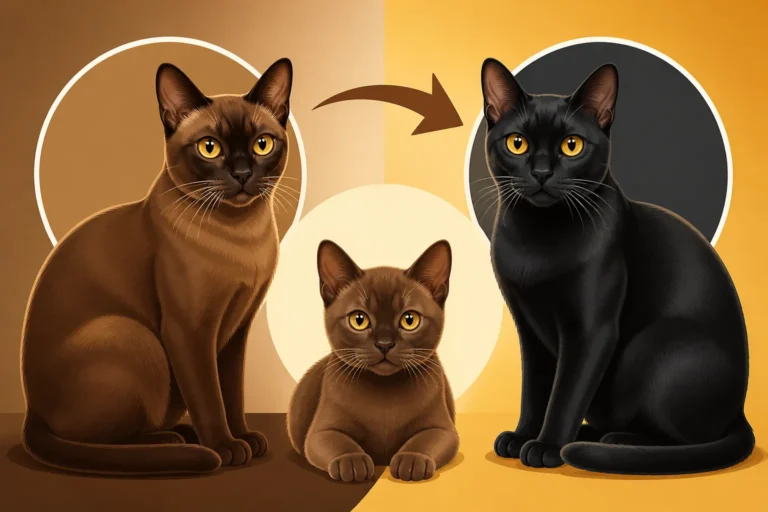
The characteristic color of the traditional Burmese is a rich, warm brown, known as "sable" in the American standard and "brown" in the European standard. This color is caused by a gene called cb (Burmese Restriction gene). Unlike a truly solid-colored cat, the Burmese has a subtle restriction of pigment, which means their color is slightly darker on their points (face, ears, paws, tail) where the body temperature is cooler, and a lighter, warmer tone on their body. This creates a beautiful, subtle shading rather than a stark contrast. The Four Colors a Burmese Comes In However, this color restriction is less pronounced than in a Siamese.
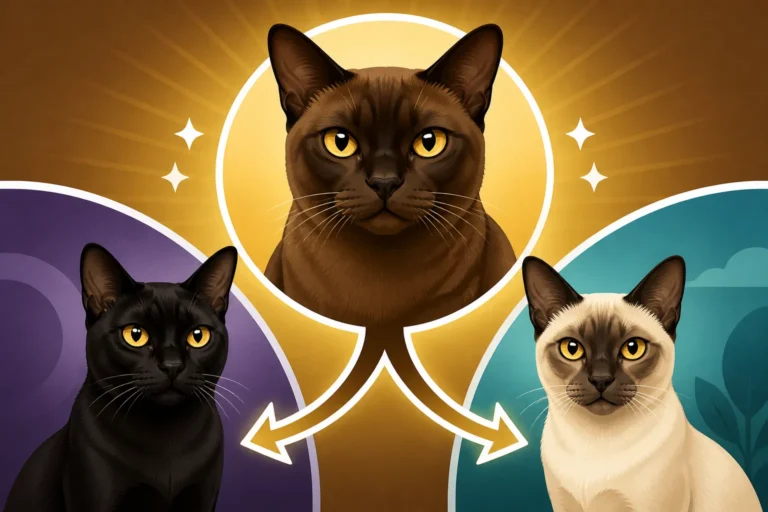
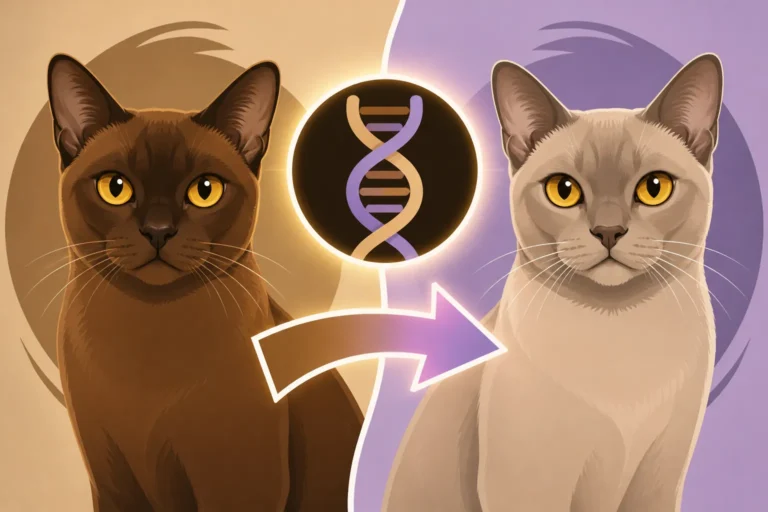
Beyond sable, Burmese also come in three other recognized dilute colors: champagne (a warm beige or honey tone, equivalent to chocolate), blue (a soft, warm grey), and platinum (a pale, silvery fawn, equivalent to lilac). All these colors maintain the same subtle darker points and lighter body, giving them their distinctive Burmese look. The genetic basis for these colors means that a Burmese cat must inherit two copies of the cb gene (cb/cb) to express the Burmese pattern. This is why when you breed two Burmese together, you always get Burmese kittens, though they may be different colors depending on the parents' own color genes. What the cb Allele Does to a Burmese's Color
The Tonkinese Color Patterns: Mink, Solid, and Pointed
The Tonkinese, being a hybrid, exhibits three distinct coat patterns, each a stunning blend of its Burmese and Siamese ancestors:
-
Mink Pattern: This is the most iconic Tonkinese pattern and the one most people associate with the breed. A mink Tonkinese carries one copy of the Burmese cb gene and one copy of the Siamese cs gene (cb/cs). This genetic combination results in a coat that is darker on the points than the body, but with less contrast than a Siamese and more contrast than a Burmese. The body color is richer and more saturated than a Siamese's, but the points are still clearly defined. This moderate contrast, combined with their aquamarine eyes, is what makes the mink Tonkinese so striking.
-
Solid Pattern (Burmese-like): A Tonkinese with a solid pattern carries two copies of the Burmese cb gene (cb/cb), just like a Burmese. These cats will look very much like a Burmese, with the subtle point restriction, but often possess the Tonkinese body type and aquamarine eyes (though some may have golden eyes, making identification even trickier!). These kittens appear in Tonkinese litters if both parents carry the cb gene.
-
Pointed Pattern (Siamese-like): A Tonkinese with a pointed pattern carries two copies of the Siamese cs gene (cs/cs). These cats will resemble a Siamese, with very distinct darker points and a lighter body, often with blue eyes. Again, these kittens appear in Tonkinese litters if both parents carry the cs gene.
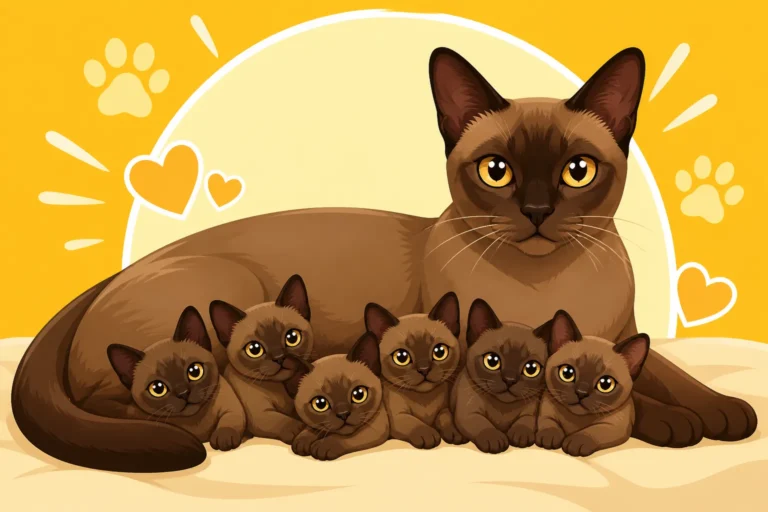
This genetic variability means that a single litter of Tonkinese kittens can potentially include all three patterns, depending on the genetic makeup of the parents. This is a crucial distinction from the Burmese, which will only produce Burmese-patterned kittens. It highlights the Tonkinese's unique position as a natural bridge between the two older breeds.
Temperament and Social Needs: Companionship at its Core
Both the Burmese and Tonkinese are renowned for their exceptional personalities, often described as "dog-like" in their devotion. However, there are subtle differences in their energy levels, vocalization, and how they express their need for companionship.
The Velcro Cat: Burmese Affection
The Burmese truly lives up to its nickname: "the Velcro cat of the cat fancy." These cats form incredibly strong bonds with their human companions, often shadowing them from room to room, insisting on being part of every activity. They love to be held, carried, and will happily ride on your shoulder or snuggle under the covers with you at night. Their need for attention and interaction is profound; they thrive on being included in family life and can become quite anxious or depressed if left alone for extended periods. Why the Burmese Is the Velcro Cat of the Cat Fancy
A Burmese will greet you at the door with enthusiasm, engage in playful antics well into old age, and demand cuddles with persistent nudges and a characteristic purring rumble. They are known for being incredibly gentle and patient, making them excellent companions for families with children or other pets, as they see everyone as potential friends and playmates. A Burmese Is Still Playing at Fifteen Their intelligence also shines through in their love for interactive games, retrieving toys, and even learning tricks. If you're looking for a constant companion who will shower you with affection, the Burmese is an unparalleled choice.
The Engaging Blend: Tonkinese Playfulness
The Tonkinese offers a wonderfully balanced personality, combining the best of its Burmese and Siamese heritage. They are just as affectionate and people-oriented as the Burmese, often described as social butterflies who love to be at the center of attention. They will follow you around, jump into your lap for snuggles, and engage in conversations with their distinctive chirps and trills. While not quite as intensely "velcro" as the Burmese, they are still highly dependent on human interaction and do not do well in solitary environments.
Tonkinese cats are known for their high intelligence and boundless energy. They are perpetually playful and curious, always investigating new things and turning everyday objects into exciting toys. Many Tonkinese enjoy playing fetch and can be taught a variety of tricks with positive reinforcement. They are often described as having a mischievous streak, always ready for an adventure or a game. Their vocalizations are typically softer and more melodic than the sometimes-rasping rumble of the Burmese or the piercing cry of the Siamese, making them charming conversationalists without being overwhelmingly loud. They integrate well into active households, often befriending other pets and delighting visitors with their outgoing personalities.
Health and Lifespan: Breed-Specific Considerations
Both Burmese and Tonkinese are generally healthy breeds with impressive lifespans, often reaching into their mid-teens. However, like all purebred cats, they are predisposed to certain genetic conditions that prospective owners should be aware of.
Burmese Health Concerns
The Burmese is known for a few breed-specific health concerns, some of which are genetic and have been extensively studied. One of the most significant is diabetes mellitus. Burmese cats, particularly neutered males, have a higher genetic predisposition to developing diabetes compared to other breeds. This makes diligent portion control and a low-carbohydrate diet crucial from a young age to mitigate risk. Why Portion Control Is Medical Care in a Burmese Regular monitoring of weight and water intake is also vital, as early detection greatly improves prognosis. Why a Burmese Is Four Times More Likely to Become Diabetic
Another notable genetic condition is Hypokalemia, also known as Burmese Head Defect or Familial Episodic Hypokalemic Polymyopathy. This is an inherited muscle weakness condition where the cat experiences periods of low potassium, leading to symptoms like muscle weakness, especially in the neck, making it difficult for them to hold their head up. Fortunately, a DNA test is available for hypokalemia, allowing responsible breeders to screen their cats and avoid breeding carriers together, thus preventing affected kittens. Hypokalemia Is the Burmese Disease With a DNA Test Other issues that can affect Burmese include flat-chested kitten syndrome and certain forms of gum disease, for which regular dental care is paramount. Why a Burmese Is Prone to Gum Disease
Tonkinese Health Considerations
As a hybrid breed, the Tonkinese often benefits from "hybrid vigor," meaning they may have a broader genetic pool that makes them less susceptible to some of the specific genetic issues seen in their parent breeds. However, they can still inherit conditions from both the Burmese and Siamese lines. One area of concern can be dental health, similar to the Burmese, with a tendency towards gum disease and tooth resorption. Regular home dental care and professional vet check-ups are highly recommended to prevent serious issues. How Often a Burmese Needs a Dental
While generally robust, the Tonkinese can also be susceptible to conditions prevalent in either the Burmese or Siamese. For example, some Tonkinese may carry the genes for dilated cardiomyopathy (a heart condition) or amyloidosis (a protein deposition disease), both of which are found in Siamese lines. Responsible Tonkinese breeders will conduct health screenings for these and other potential inherited conditions. Because of their intermediate genetics, the incidence of specific diseases like diabetes or hypokalemia tends to be lower in Tonkinese compared to purebred Burmese, but it's not entirely absent. Overall, a Tonkinese that comes from health-tested parents and receives proper preventative care can enjoy a long and healthy life, often living The Sixteen to Eighteen Years a Well Bred Burmese Gets.
Here's a quick comparison of some key differences:
| Feature | Burmese | Tonkinese |
|---|---|---|
| Origin | Descended directly from Wong Mau, refined to a pure breed | Deliberate cross of Burmese and Siamese cats |
| Body Type | Compact, muscular, "brick wrapped in silk," surprisingly heavy | Moderate, "slinky," athletic, intermediate between parent breeds |
| Head Shape | American: Round with full cheeks, short muzzle. European: Slightly longer wedge. | Modified wedge, high cheekbones, moderate muzzle |
| Eye Color | Gold to amber | Striking aquamarine (blue-green) |
| Coat Pattern | Subtle point restriction (sable, champagne, blue, platinum) | Mink (most common), solid (Burmese-like), pointed (Siamese-like) |
| Vocalization | Rasping rumble, low-pitched meows, persistent | Chirps, trills, softer vocalizations than Siamese |
| Social Need | "Velcro cat," demands constant interaction, can get anxious alone | Highly affectionate, social, playful, thrives on companionship |
| Diabetes Risk | Higher genetic predisposition, especially neutered males | Lower risk than Burmese, but still possible due to shared lineage |
| Hypokalemia | Genetic predisposition, DNA test available | Less common, but possible if carrying Burmese gene |
Living with a Burmese vs. a Tonkinese
Deciding which of these wonderful breeds is right for you often comes down to understanding their daily needs and how they fit into different household dynamics. Both are incredibly loving, but their nuances can make a difference.
The Demands of a Burmese Companion
Living with a Burmese means welcoming a furry shadow into every aspect of your life. These cats thrive on companionship and genuinely want to be where you are, always. If you have a busy household with lots of activity, children, or other pet-friendly animals, a Burmese will absolutely flourish. They are incredibly tolerant and adaptable, seeing everyone as an opportunity for interaction. However, if you work long hours or travel frequently, a single Burmese might struggle. Their profound need for attention means they can develop separation anxiety if left alone too much. This is why many Burmese breeders strongly recommend getting them in pairs, or ensuring they have another pet companion, so they are never truly alone. Why Burmese Breeders Sell Them in Pairs
Their short, satin-like coat, which How a Burmese's Coat Differs From a Tonkinese's, requires minimal grooming—a quick wipe with a chamois cloth once a week is usually sufficient to maintain its sheen. However, their active minds and bodies mean they need plenty of interactive play. Wand toys, puzzle feeders, and even learning tricks will keep them stimulated and happy. Feeding a Burmese requires particular attention due to their diabetes predisposition; a high-protein, low-carbohydrate diet, often found at places like Chewy, is generally recommended, and their portions should be carefully weighed.
The Engaging Tonkinese Household
A Tonkinese is also an excellent choice for an active, engaging household, perhaps one that appreciates constant interaction but might not want the intense "velcro" attachment of a Burmese. They are incredibly social and bond deeply with their families, often integrating seamlessly with children and other pets, much like the Burmese. Their intelligence and curiosity mean they need plenty of enrichment; puzzle toys, scratching posts, and regular play sessions are essential to keep their sharp minds occupied. They are known for being quite acrobatic, so providing vertical space like cat trees or shelves will be much appreciated.
Like the Burmese, the Tonkinese coat is short and requires minimal grooming, making them relatively low-maintenance in that regard. Their dietary needs are generally similar to other active, healthy cats, but attention to a high-quality, balanced diet will always benefit them. You can find excellent options on Chewy that support their energy levels. While they can tolerate being alone for slightly longer periods than a Burmese, they are still highly social creatures and will be much happier if they have company, whether human or animal. If you're looking for an active, affectionate, and intelligent companion who will constantly entertain you with their antics, the Tonkinese is a fantastic choice. Both breeds offer immense joy and companionship, and understanding their subtle differences ensures you bring home the perfect feline friend for your lifestyle.
Disclaimer
This article is for general informational purposes only and does not constitute professional advice. Laws, prices and regulations vary by location and change over time. Consult a qualified professional for guidance on your specific situation.