How a Burmese Is Monitored on Insulin at Home
Receiving the news that your beloved Burmese has diabetes can feel like a punch to the gut. The initial shock, the fear, and then the overwhelming prospect of daily insulin injections and constant monitoring at home can leave any pet parent feeling lost and anxious. You want nothing more than to ensure your furry family member lives a happy, stable life, but the sheer amount of information and the responsibility can be daunting. This guide is here to demystify the process, walking you through the practical, day-to-day steps of monitoring your diabetic Burmese on insulin at home, offering reassurance and clear, actionable instructions to help you both thrive.
Understanding Your Burmese's Diabetic Journey at Home
When your Burmese is diagnosed with diabetes and starts insulin, it's not just about administering a shot twice a day. It's about becoming an active participant in their health management, understanding how their body reacts, and learning to interpret the subtle cues they give you. This journey requires dedication, patience, and a close partnership with your veterinarian, but it's entirely manageable, and you'll become incredibly adept at it over time.
The Importance of Consistency in Insulin Administration
The cornerstone of successful diabetes management in your Burmese is unwavering consistency with insulin administration. Think of it like a delicate dance where timing and dosage are absolutely critical. Your vet will prescribe a specific type of insulin, often glargine or PZI, and a precise dose to be given at set times, usually every 12 hours. Sticking to this schedule as closely as possible is paramount. Giving insulin too early, too late, or skipping a dose can lead to dangerous fluctuations in blood glucose levels, potentially causing hypoglycemia (low blood sugar) or hyperglycemia (high blood sugar). It’s not just about the shot itself, but the routine surrounding it. Your Burmese thrives on routine, and establishing a consistent feeding and injection schedule will greatly contribute to their stability. For instance, if you usually give insulin at 7 AM and 7 PM, try your best to adhere to that, even on weekends or holidays. A few minutes here or there are usually fine, but significant deviations can upset their metabolic balance. If you're struggling with the technique, remember that your vet or vet tech can offer hands-on demonstrations to show you How to Give a Burmese Its Insulin at Home, building your confidence.
Meal timing is also deeply intertwined with insulin consistency. Most diabetic Burmese cats are fed a low-carbohydrate, high-protein wet food, typically twice a day, right before or immediately after their insulin injection. This helps the insulin coincide with the peak glucose absorption from their meal. Free-feeding is absolutely out of the question for a diabetic cat because it makes glucose regulation impossible. The type of food is also a medical decision, not a preference, so understanding Why Low Carbohydrate Food Matters for a Burmese is crucial. Consistency extends to the food itself – sudden changes in diet can also impact glucose levels. If you need to switch foods, do so gradually and under veterinary guidance. The ultimate goal is to find a routine that you can maintain reliably, allowing the insulin to work predictably day in and day out, preventing those scary highs and lows.
Recognizing the Signs of Stable vs. Unstable Glucose
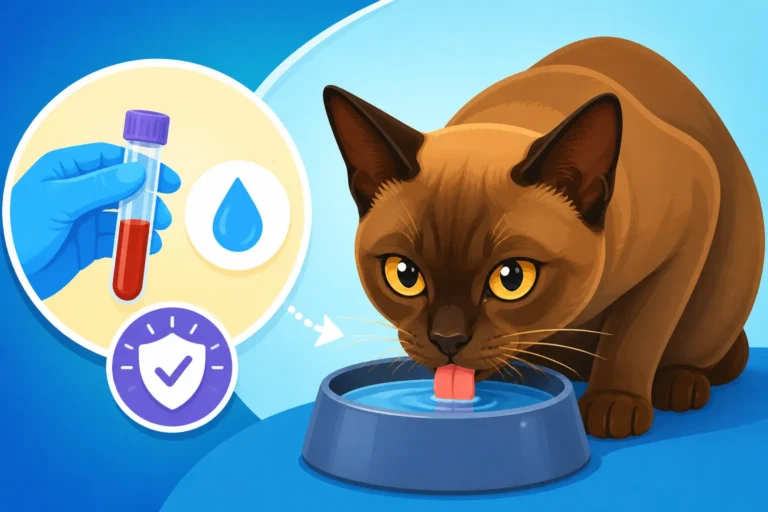
As you become more attuned to your Burmese, you'll start to recognize the subtle signs that indicate whether their diabetes is well-controlled or if they're experiencing fluctuations. A stable diabetic Burmese will generally act like themselves: energetic, affectionate, maintaining a good appetite, and exhibiting normal litter box habits. Their thirst and urination should normalize, moving away from the excessive drinking and frequent trips to the litter box that are hallmark signs of uncontrolled diabetes. You might also notice their coat quality improving, as prolonged high glucose can affect skin and fur health. Many owners report a renewed zest for life in their cats once their diabetes is properly managed, and this is a wonderful indicator of stability.
On the other hand, signs of unstable glucose can be subtle or quite pronounced. If your Burmese suddenly starts drinking excessive amounts of water again, is urinating more frequently, or has "accidents" outside the litter box, these are red flags for hyperglycemia. Increased appetite, even bordering on ravenous, despite eating their regular meals, can also be a sign that their body isn't properly utilizing glucose for energy. Conversely, a sudden loss of appetite, lethargy, weakness, or stumbling could indicate hypoglycemia, which is a medical emergency. It's important to remember that a Burmese is exceptionally good at hiding illness behind its affection, so being vigilant about these changes is key. Don't dismiss a sudden change in behavior as just "being a cat." Even slight shifts in personality, like becoming more withdrawn, can be an early indicator that something is amiss with their glucose regulation, requiring immediate vet consultation. Regularly tracking their weight can also be an early warning system, as unexplained weight loss can point to uncontrolled diabetes.
Home Glucose Monitoring Techniques for Burmese Cats
While your vet will conduct periodic blood glucose curves, monitoring your Burmese's glucose levels at home gives you invaluable real-time data and helps you identify trends. This empowers you to respond quickly to problems and provides your vet with a much clearer picture of your cat's daily glucose fluctuations, leading to more precise insulin adjustments. It might seem intimidating at first, but with practice, these techniques become second nature.
Capillary Blood Sampling Made Easy
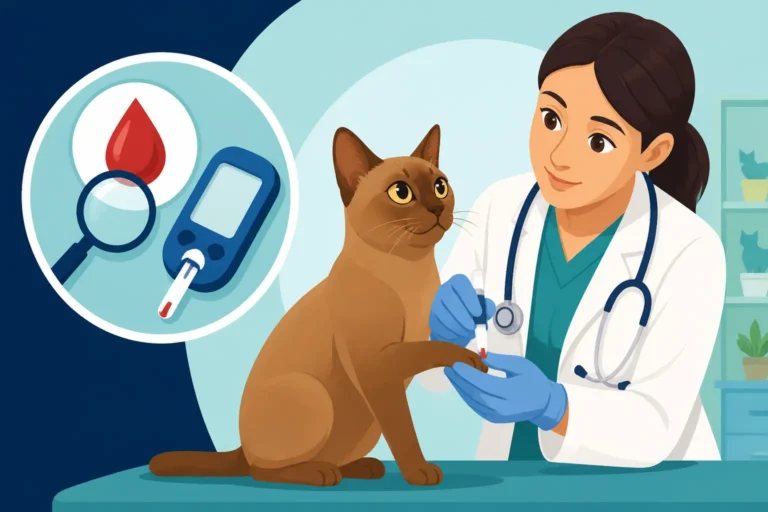
Taking a tiny blood sample from your Burmese at home for glucose testing is a skill many owners master, and it’s less scary than it sounds. The most common site for sampling is the ear margin – the small vein running along the edge of the ear. You'll need a small lancet device, glucose test strips, and a pet-specific glucometer (human glucometers can be inaccurate for cats due to differences in blood cell size). To prepare, gently warm your cat's ear with your fingers or a warm, damp cloth for about 30 seconds; this helps dilate the blood vessels, making it easier to get a droplet. The trick is to be quick and confident. Hold the lancet device firmly against the ear margin and press the button. A tiny prick is all it takes.
Once a small bead of blood appears, touch the test strip to it, and the glucometer will provide a reading. It’s crucial to praise and reward your Burmese immediately with a favorite low-carb treat or some extra cuddles after each successful poke, regardless of the reading. This positive reinforcement makes the process much smoother and less stressful for both of you. Many cats quickly learn to tolerate, and even anticipate, the routine, associating it with treats and attention. The initial attempts might be fumbling, but don't give up. Practice makes perfect, and the data you gather is incredibly valuable for managing your Burmese's diabetes effectively.
| Parameter | What to Look For (General Range) | Why It Matters |
|---|---|---|
| Blood Glucose | 80-250 mg/dL (4.4-13.9 mmol/L) | Primary indicator of diabetes control; high values mean uncontrolled, low mean risk of hypoglycemia. |
| Water Intake | 30-50 ml/kg/day | Excessive drinking (polydipsia) is a key sign of hyperglycemia. |
| Urine Output | Normal frequency/volume | Increased urination (polyuria) also points to high glucose, straining kidneys. |
| Appetite | Consistent, eager, not ravenous | Sudden changes can indicate hypo/hyperglycemia or other issues. |
| Body Weight | Stable, ideal body condition | Unexplained loss can mean uncontrolled diabetes; gain can worsen insulin resistance. |
| Energy Level | Normal playfulness, alertness | Lethargy or sudden hyperactivity can signal glucose imbalances. |
| Urine Ketones | Negative | Presence indicates severe glucose dysregulation and metabolic acidosis. |
Continuous Glucose Monitors (CGMs) as an Alternative
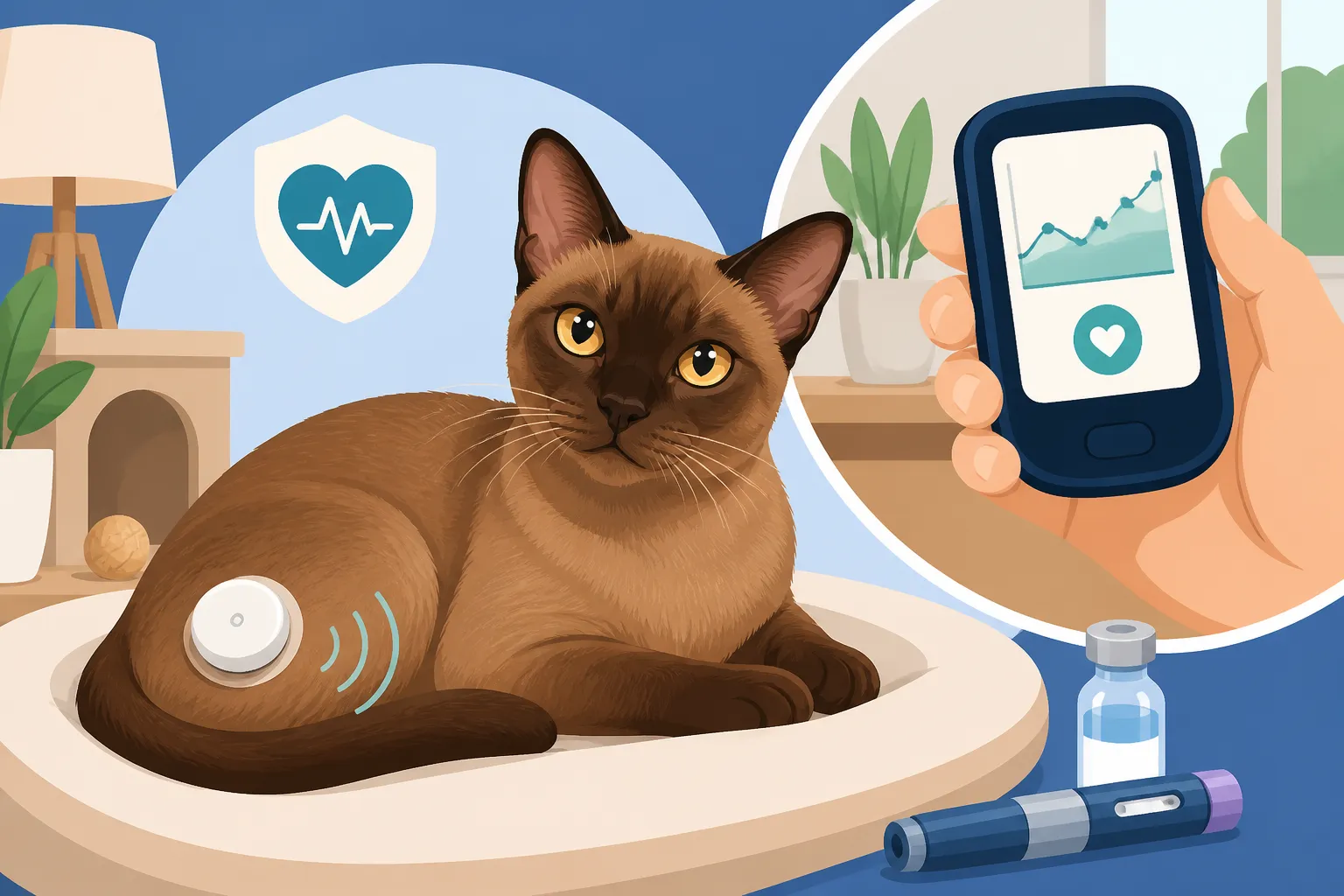
For some Burmese owners, the thought of daily ear pricks is simply too stressful for their cat or themselves. This is where continuous glucose monitors (CGMs) can be a game-changer. These small, coin-sized devices are painlessly attached to your cat's skin, usually on the back or shoulder, by your vet. They have a tiny filament that sits just under the skin, continuously measuring interstitial glucose levels (which correlate closely with blood glucose) for typically 10 to 14 days. You then use a scanner (often your smartphone with a special app) to wirelessly read the glucose levels as often as you like, without any further pokes.
CGMs provide a comprehensive glucose curve over their entire wear time, showing you the peaks, valleys, and trends throughout the day and night, including how your cat's glucose responds to meals, insulin, and even activity. This data is incredibly useful for your vet to fine-tune insulin dosages. Brands like the Freestyle Libre are commonly used off-label in veterinary medicine for this purpose. While CGMs offer unparalleled data and reduce stress, they do come with a higher upfront cost, and some cats might try to dislodge them. However, for many, the peace of mind and detailed insights they provide are well worth the investment, particularly in the initial stages of treatment or if you have a cat that is highly resistant to ear pokes. Discussing this option with your veterinarian is a great step to see if a CGM is right for your particular Burmese.
Keeping Detailed Records and Communicating with Your Vet
Effective diabetes management is a collaborative effort between you and your vet. Your observations and records are vital, acting as the eyes and ears of your veterinary team between appointments. Without this detailed information, they are essentially flying blind, making it harder to adjust insulin doses or spot emerging problems.
What to Track and Why It Matters
Keeping meticulous records of your Burmese's daily activities and health metrics is non-negotiable for proper diabetes management. This isn't just about glucose readings; it's a holistic view of their well-being. Here’s what you should be tracking:
- Insulin Dose and Time: Record the exact time and amount of insulin given (e.g., "7:05 AM, 2 units Vetsulin"). This helps confirm consistency.
- Glucose Readings: Note the time, reading, and method (e.g., "7:00 AM, 180 mg/dL, ear poke"). If using a CGM, record trends.
- Meal Times and Amounts: Keep track of when they eat and how much, ensuring they're finishing their meals. Remember, Why a Burmese's Food Bill Is a Health Decision, making this tracking even more important.
- Water Intake: Estimate or measure daily water consumption. A sudden increase can indicate rising glucose.
- Urination Frequency/Volume: Note any changes in litter box habits. More frequent or larger clumps of urine can signal poor control.
- Appetite and Behavior Changes: Any instances of increased hunger, refusal to eat, lethargy, increased activity, or unusual behaviors should be recorded with the date and time. This includes observing Which Signs Come First in a Diabetic Burmese, such as excessive thirst.
- Weight: Weigh your Burmese weekly at home, always at the same time of day (e.g., before breakfast). A small digital kitchen scale is usually perfect for this. Tracking How Much Weight Raises a Burmese's Diabetes Risk highlights why consistent weight monitoring is essential for stability.
A simple notebook, a dedicated app on your phone, or a spreadsheet can work wonders. The goal is to collect consistent data that paints a clear picture of your Burmese's health between vet visits. This historical data is crucial for your vet to identify patterns, evaluate the effectiveness of the current insulin dose, and make informed adjustments. It provides objective information beyond just your memory.
When to Reach Out to Your Veterinary Team
Your vet is your most important ally in managing your Burmese's diabetes. Don't hesitate to communicate with them; it's always better to be proactive than reactive. You should definitely reach out if:
- Glucose Readings are Consistently High or Low: If home glucose readings are consistently outside the target range (as determined by your vet) for several days, it's time to discuss an insulin adjustment.
- Signs of Hypoglycemia: If your Burmese shows any signs of low blood sugar – weakness, lethargy, disorientation, vocalization, seizures – contact your vet immediately. This is an emergency. You should know What a Hypoglycemic Burmese Looks Like to react quickly.
- Loss of Appetite: If your Burmese refuses to eat for more than one full meal, call your vet. Administering insulin without sufficient food can lead to dangerous hypoglycemia.
- Excessive Thirst or Urination Returns: These are classic signs that diabetes control is slipping.
- Changes in Behavior or Energy: Any unexplained lethargy, withdrawal, or significant change in their usual demeanor warrants a call. Remember, Burmese cats are masters of disguise when it comes to illness.
- Concerns about Injection Technique: If you're unsure if you're administering insulin correctly or if you're noticing leakage, your vet or vet tech can offer guidance.
- General Concerns: Even if you just have a gut feeling that something isn't quite right, a quick call to your vet can provide reassurance or prompt necessary action.
Many veterinary clinics offer phone consultations for diabetic pet owners, understanding the ongoing nature of the condition. Don't feel like you're bothering them; they want your Burmese to be as healthy as possible. They might even recommend specific blood tests like a fructosamine test, which gives an average blood glucose level over the past 1-3 weeks. Understanding What a Fructosamine Test Shows in a Burmese can help you interpret those results when your vet discusses them. This partnership is vital for ensuring your Burmese receives optimal care.
Managing Potential Complications and Ensuring Safety
Even with the best home monitoring and consistent care, complications can arise with feline diabetes. Being prepared to identify and address these issues promptly is crucial for your Burmese's safety and long-term health. Knowledge is power, especially when it comes to managing a chronic condition. Having pet insurance, like a policy from Healthy Paws, can also provide significant financial relief when unexpected complications or ongoing medical needs arise, allowing you to focus on your cat's health without the added stress of exorbitant vet bills.
Identifying and Addressing Hypoglycemia
Hypoglycemia, or dangerously low blood sugar, is the most immediate and life-threatening complication for an insulin-dependent diabetic cat. It occurs when there's too much insulin relative to the available glucose, often due to an overdose, a skipped meal, excessive exercise, or even if your cat is going into remission. Recognizing the signs quickly is paramount. Early signs might include weakness, lethargy, disorientation, uncoordinated movements (ataxia), or a wobbly gait. Your Burmese might seem unusually quiet, seek solitude, or become strangely vocal. As hypoglycemia progresses, it can lead to tremors, seizures, and ultimately, coma. You absolutely need to know What a Hypoglycemic Burmese Looks Like so you can act fast.
If you suspect hypoglycemia, the first step is to check their blood glucose if you can do so safely and quickly. If the reading is low (below 80 mg/dL or 4.4 mmol/L) or if your cat is showing severe symptoms and you can't get a reading, administer a fast-acting sugar source immediately. This could be a small amount of corn syrup, maple syrup, or honey rubbed onto their gums. Do not try to force them to eat solid food if they are weak or seizing, as they could choke. Once they are more alert, offer a small meal. Even if they seem to recover, contact your vet right away. They will likely want to examine your Burmese and adjust the insulin dose to prevent future episodes. It's a terrifying experience, but knowing what to do can save your cat's life.
Long-Term Well-being and Quality of Life
Managing diabetes in your Burmese isn't just about controlling glucose levels; it's about ensuring their overall long-term well-being and maintaining an excellent quality of life. This means a holistic approach that includes diet, exercise, emotional support, and regular veterinary check-ups. Maintaining a low-carbohydrate, high-protein diet is critical, not just for glucose control but for preventing weight gain, which can exacerbate insulin resistance. Regular, gentle play sessions also contribute to their overall health and help utilize glucose. Remember, a Burmese is still playing at fifteen, so keep those wand toys handy!
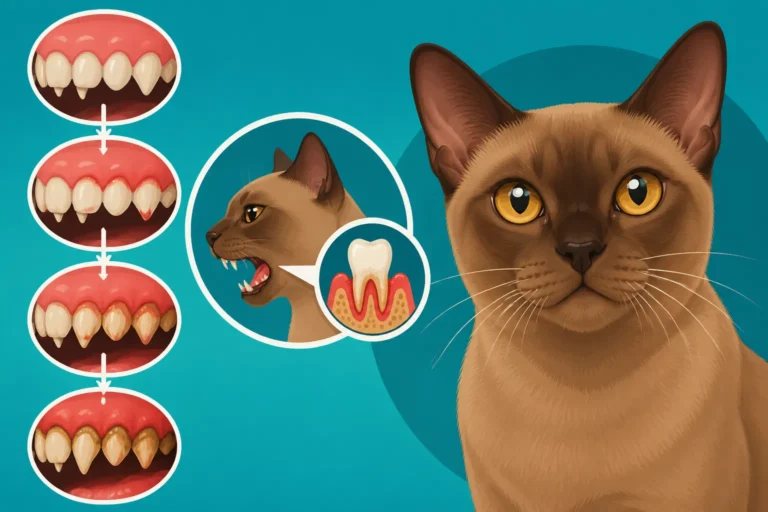
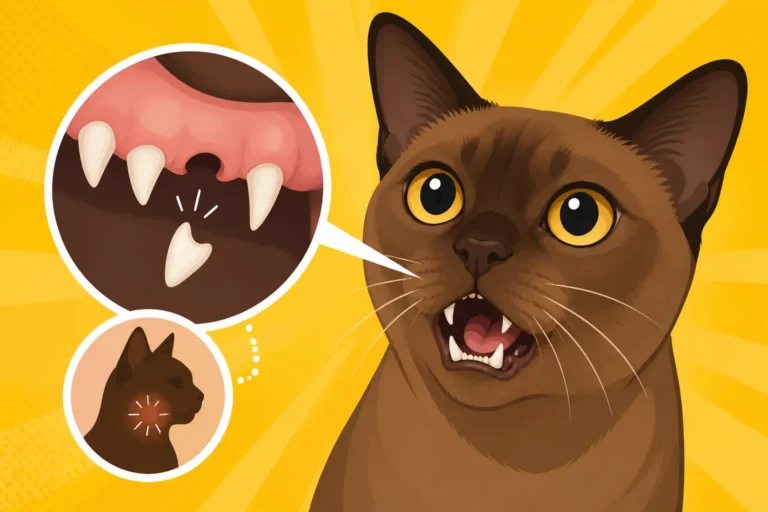
Regular vet visits are essential for ongoing monitoring, including comprehensive bloodwork to check kidney and liver function, and a fructosamine test to assess long-term glucose control. These check-ups also allow your vet to identify any other age-related issues that might complicate diabetes management, such as thyroid problems or dental disease, especially since Why a Burmese's Gums Recede Early is a known concern. Moreover, be aware that some diabetic cats, with consistent management and a proper diet, can even go into diabetic remission, meaning they no longer require insulin injections. This is a fantastic outcome, but it requires continued vigilance with diet and regular monitoring, as relapses can occur. Learning about How a Burmese Goes Into Diabetic Remission can offer hope and motivation. Investing in good pet insurance early, perhaps through Healthy Paws, can help cover the long-term costs of diabetes medication, special diets, and unexpected health issues, giving you peace of mind to focus on their quality of life.
Finally, remember the unique emotional needs of your Burmese. They are incredibly affectionate and thrive on companionship. While you're busy with injections and monitoring, don't forget the importance of cuddles, play, and simply being present. A happy, stress-free Burmese is often a more stable Burmese. Providing a loving, consistent environment, coupled with diligent medical care, will give your diabetic Burmese the best chance at a full, joyful life. Don't be surprised if your bond deepens through this journey; facing challenges together often makes relationships stronger, and your Burmese will undoubtedly appreciate your unwavering dedication.
Disclaimer
Please remember that this article provides general information and should not replace professional veterinary advice. Always consult with your veterinarian for any health concerns or before making any decisions about your Burmese cat's care, diet, or treatment plan. Individual circumstances can vary greatly.