Whether a Burmese Kitten Can Be Screened for GM2 at Birth
The moment you welcome a tiny, purring Burmese kitten into your home, your heart just melts. They're such bundles of joy, full of playful antics and endless affection. But alongside that joy often comes a whisper of anxiety for responsible owners: "What if something is wrong?" This is especially true when it comes to genetic health conditions, and one that causes particular worry for Burmese families is GM2 Gangliosidosis. It's a devastating neurological disorder, and a common question is whether these precious kittens can be screened for it right at birth. This guide will walk you through what GM2 means for your Burmese, the realities of kitten screening, and how truly responsible breeders work to prevent this tragedy long before a kitten ever arrives.
Understanding GM2 Gangliosidosis in Burmese Kittens
Finding out about genetic disorders can be incredibly daunting for any prospective cat parent. With their unique genetic predispositions, Burmese cats, in particular, come with a specific set of health considerations. GM2 Gangliosidosis is one of the most heartbreaking.
What Exactly Is GM2 Gangliosidosis?
GM2 Gangliosidosis, often simply referred to as GM2, is a severe, inherited neurological disorder that primarily affects certain breeds of cats, including our beloved Burmese. At its core, it's a metabolic disease where the body lacks a specific enzyme needed to break down a fatty substance called ganglioside GM2. Imagine your cat's cells, particularly in the brain and nervous system, like tiny houses. Inside these houses, there are waste disposal units that process all sorts of materials. In a kitten with GM2, that specific waste disposal unit for GM2 gangliosides is faulty or missing. As a result, these fatty substances build up, becoming toxic and progressively damaging the nerve cells.
This accumulation doesn't just happen quickly; it's a slow, insidious process that leads to severe neurological decline. For owners, witnessing this unfold in their vibrant, affectionate kittens is nothing short of devastating. The early signs can be subtle, almost indistinguishable from a clumsy kitten, but they inevitably worsen, robbing the kitten of its coordination, senses, and ultimately, its life.
The Genetic Basis of GM2 in Burmese
GM2 Gangliosidosis in Burmese cats is inherited in an autosomal recessive pattern. Now, don't let the scientific jargon intimidate you; it's actually quite straightforward once you understand it. Essentially, for a kitten to be affected by GM2, it must inherit two copies of the faulty gene – one from its mother and one from its father.
Here’s a quick breakdown:
- Clear Cat: Has two normal copies of the gene. Will not develop GM2 and cannot pass it on.
- Carrier Cat: Has one normal copy and one faulty copy of the gene. Will not develop GM2 themselves, but they can pass the faulty gene on to their offspring. They are perfectly healthy cats.
- Affected Cat: Has two faulty copies of the gene. Will develop GM2.
The key takeaway here is that carrier cats show no symptoms, making careful genetic screening absolutely critical for breeders. If two carrier cats are bred together, statistically, 25% of their kittens will be affected, 50% will be carriers, and 25% will be clear. This is why understanding the genetic background is paramount to preventing this disease from ever emerging in a litter.
Why Early Detection Matters So Much
With GM2, early detection isn't about finding a cure – unfortunately, there isn't one. The condition is always fatal, and affected kittens rarely live past their first year, often much sooner. Instead, early detection, or more accurately, early prevention, is about sparing both the kitten and its family immense suffering. For a kitten, it means avoiding a prolonged period of neurological decline that diminishes their quality of life. For families, it means not having to watch their beloved pet slowly deteriorate, face agonizing decisions about palliative care, and eventually, euthanasia.
Responsible breeding practices, which focus on preventing the birth of affected kittens in the first place, are the true goal. If a kitten is born affected, understanding the diagnosis early allows for compassionate care focused on comfort and minimizing suffering, rather than a prolonged and ultimately futile search for a cure. It also provides invaluable information for breeders to ensure such a pairing is never repeated.
Screening for GM2 in Burmese Kittens: At Birth vs. Before Breeding
The question of whether a Burmese kitten can be screened for GM2 at birth is a deeply important one, rooted in the desire to protect these vulnerable little ones. However, the most effective strategy for managing GM2 lies not in screening kittens after they are born, but in screening their parents before any mating even occurs.
The Challenge of Screening Kittens at Birth
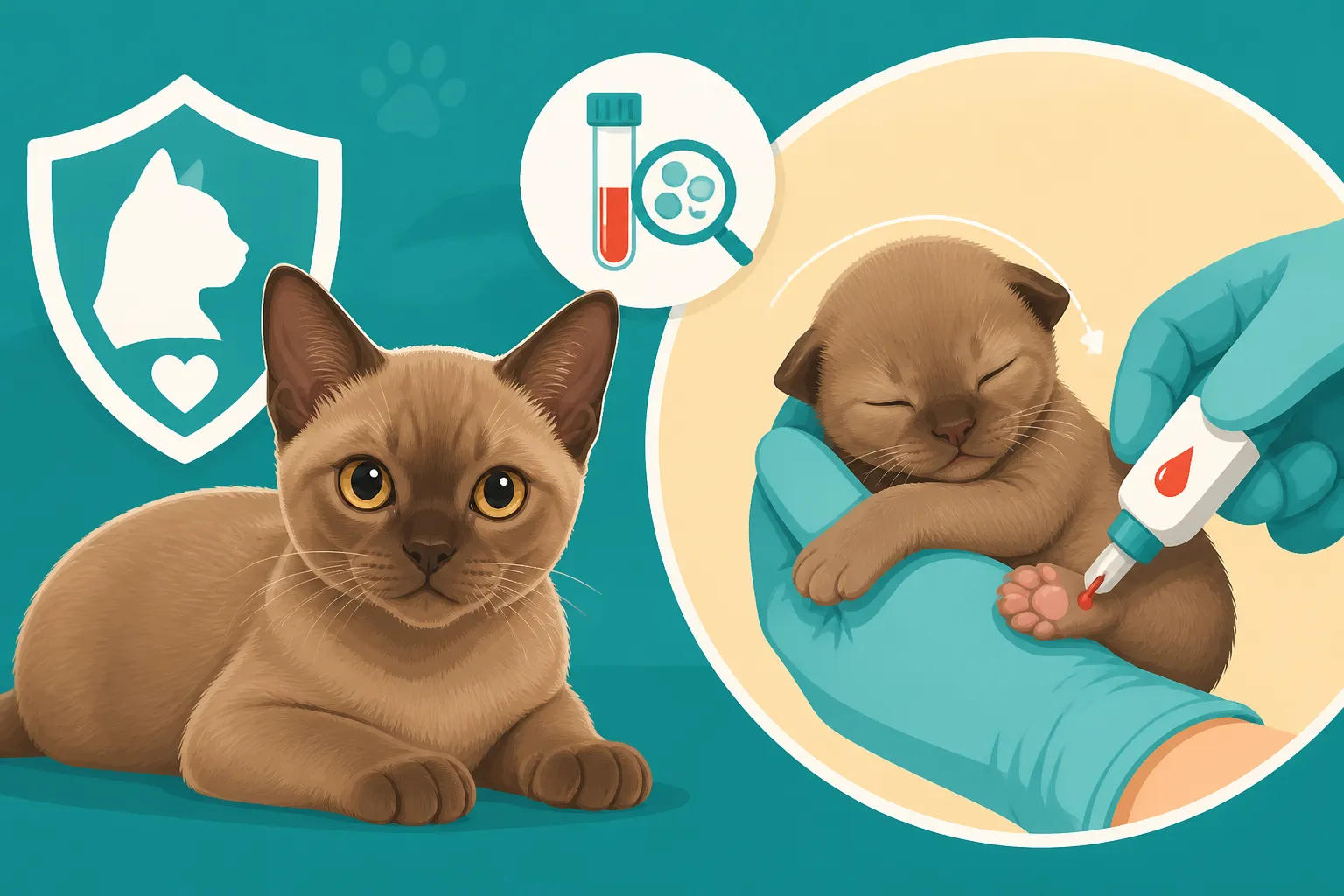
While it's technically possible to take a DNA sample from a newborn kitten – a cheek swab or a small blood sample – and send it for GM2 testing, this is rarely the primary or most practical approach. Think about it: a kitten is born, and then you have to wait for the results to come back from the lab, which can take days or even weeks. In the case of GM2, symptoms, though subtle, might already be starting to manifest by the time results are in. How Early GM2 Shows in a Burmese
The logistical challenges are significant. Handling fragile newborns for sample collection, the stress on a nursing queen, and the delay in getting results means that by the time you have an answer, precious time has passed. If a kitten is affected, the emotional impact on a family who has already fallen in love and invested in their care is immense. It's a reactive approach to a problem that can, and should, be proactively prevented. For a truly devastating condition like GM2, prevention is always better than detection after the fact.
The Gold Standard: Parent Screening Before Mating
This is where responsible breeders truly shine. The absolute best time to screen for GM2, and indeed many other genetic conditions, is long before any kittens are conceived: by DNA testing the potential parent cats. This proactive approach is the cornerstone of ethical breeding. A simple, non-invasive cheek swab from both the prospective queen (mother) and stud (father) can be sent to a specialized veterinary genetics laboratory. These labs can accurately determine if a cat is clear, a carrier, or, in rare cases, affected.
A reputable breeder will meticulously test all their breeding cats for GM2, as well as a comprehensive panel of other breed-specific conditions. What a Burmese Breeder Must Test Before Any Mating This allows them to make informed decisions about pairings. If two cats are both identified as carriers for GM2, a responsible breeder will never breed them together. This ensures that no kitten destined to suffer from GM2 is ever born. It’s a crucial step in ensuring the health and future of the breed. If you're looking for a Burmese, always ask for proof of genetic testing for both parents. This transparency is a hallmark of a breeder who prioritizes health above all else. Which Tests Belong on a Burmese DNA Panel
When Kitten Screening Might Still Occur (and its limitations)
While not the ideal primary screening method, there are rare scenarios where a kitten might be tested for GM2:
- Uncertain Parentage/Rescue: If a kitten comes from unknown parentage, perhaps a rescue situation, and begins to show neurological symptoms, a GM2 test might be performed to help with diagnosis. This is, however, a diagnostic test for an already-suspected problem, not preventative screening.
- Breeder Due Diligence (Post-Birth Confirmation): In some cases, even with tested parents, a breeder might choose to test a kitten for confirmation, especially if a parent's status was ambiguous or if new genetic information has emerged. This is less common now with highly reliable parent tests.
- Research Purposes: Occasionally, for scientific research into the disease, samples might be collected from kittens, though this is distinct from routine pet ownership.
The limitations of kitten screening remain. Even if a test exists for the Burmese Whether a GM2 Test Exists for the Burmese, waiting for results means enduring agonizing uncertainty while a kitten potentially deteriorates. It can be a harrowing experience for everyone involved. This is why focusing on preventing the disease through rigorous parent screening is universally advocated as the most humane and effective strategy.
The Impact of a GM2 Diagnosis and Moving Forward
Receiving a diagnosis of GM2 Gangliosidosis for your Burmese kitten is one of the hardest things a cat owner can face. It's a journey filled with heartbreak, tough decisions, and the profound need for compassion.
What GM2 Gangliosidosis Does to a Burmese Kitten
The progression of GM2 in a Burmese kitten is devastating and relentless. While symptoms can vary slightly in their exact onset and severity, the general course of the disease is a steady neurological decline. Typically, signs might begin to emerge around 2-4 months of age, though sometimes it can be earlier or later. How Early GM2 Shows in a Burmese
Initially, you might notice subtle issues with coordination. Your once agile kitten might seem a bit clumsier, stumbling more often, or have difficulty jumping. They might develop a tremor, especially when they're trying to focus or move purposefully. As the disease progresses, these neurological deficits become more pronounced. Vision can be affected, leading to blindness. Muscle weakness becomes evident, and the kitten might struggle to stand, walk, or even hold its head up. They often lose their playful spirit, becoming withdrawn or distressed as their bodies betray them. Seizures can also occur, adding another layer of distress.
Watching a vibrant, affectionate kitten slowly lose its ability to move, play, and interact is profoundly difficult. The neurological damage is irreversible and progressive, meaning there is no recovery. This is why it's so critical for breeders to understand What GM2 Gangliosidosis Does to a Burmese Kitten and prevent it from happening in the first place.
Supporting Affected Kittens and Their Families
When a GM2 diagnosis is confirmed, the focus shifts entirely to palliative care and ensuring the kitten's comfort and dignity. This means working closely with your veterinarian to manage any pain, discomfort, or secondary issues that arise. It’s about making sure their remaining time is as gentle and loving as possible. This often involves:
- Comfort Measures: Providing soft bedding, easy access to food and water, and a quiet, safe environment.
- Nutritional Support: Ensuring they can eat and drink, even if it requires assisted feeding as motor skills decline.
- Symptom Management: Addressing issues like seizures or severe tremors with appropriate medication if recommended by a vet.
- Emotional Support: Giving the kitten ample affection, cuddles, and reassurance.
Ultimately, families face the incredibly painful decision of humane euthanasia when the kitten's quality of life deteriorates beyond what can be comfortably managed. This decision is always made out of love and a desire to prevent further suffering, and it requires immense courage. Reputable breeders will often offer significant support during this time, whether it’s financial or emotional, reflecting their commitment to the health of their lines and the well-being of their cats and their families. While pet insurance companies like Healthy Paws may offer policies, congenital conditions like GM2 are typically excluded from coverage, making breeder responsibility even more paramount.
Choosing a Responsible Burmese Breeder
The most powerful way to avoid the heartbreak of GM2 Gangliosidosis is to choose a truly responsible breeder. This is not a decision to rush. A good breeder will:
- Provide Extensive Health Testing: They should be transparent and openly share the DNA test results for both parents of your kitten, specifically showing they are clear for GM2. They should also test for other significant Burmese conditions like Hypokalemia Is the Burmese Disease With a DNA Test and be aware of the line's diabetes history. What to Ask About a Burmese Line's Diabetes History
- Prioritize Health Over Aesthetics: While conformation and beauty are important for showing, health and temperament should always be the absolute top priorities.
- Ask You Questions: A responsible breeder will interview you as much as you interview them. They want to ensure their kittens are going to loving, appropriate homes.
- Offer a Health Guarantee: They should have a clear contract with a health guarantee, outlining their responsibilities if a kitten develops an inherited illness.
- Be Knowledgeable and Approachable: They should be able to answer all your questions about the breed, its health, and their breeding practices. They should be a resource for you throughout your cat's life.
- Maintain Clean, Socialized Environments: Kittens should be raised in a clean, stimulating home environment, well-socialized, and accustomed to household sights and sounds. A Burmese Kitten's First Year of Never Being Alone
Choosing a breeder who performs all necessary genetic testing is your best defense against hereditary diseases like GM2. It's an investment in a healthy, happy future with your beloved Burmese.
Beyond GM2: Other Important Burmese Kitten Health Considerations
While GM2 Gangliosidosis is a grave concern, it's just one piece of the larger puzzle of Burmese cat health. Understanding other important aspects of their care and potential health challenges ensures you can provide the best possible life for your furry companion.
Essential Health Checks for a New Burmese Kitten
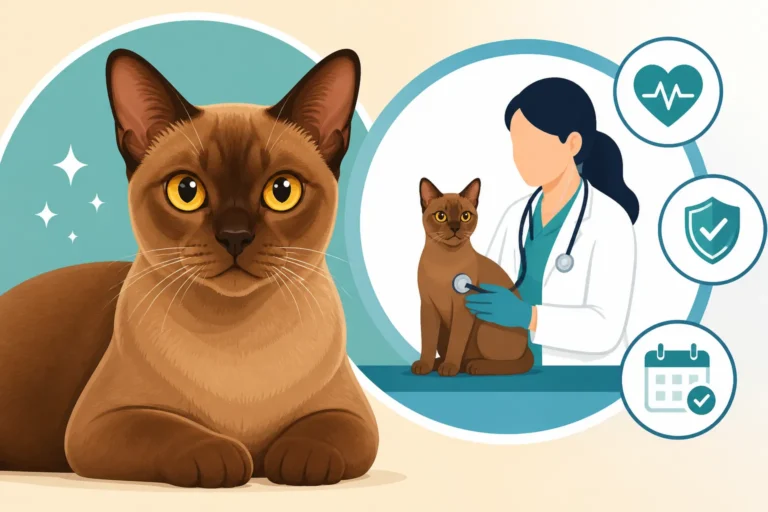
Bringing home a new kitten is exhilarating, but it's also a crucial time for establishing good health habits. Your first stop after settling in should always be a visit to your veterinarian for a thorough check-up. Why a Burmese Kitten Needs an Early Vet Check This initial exam is vital for:
- Comprehensive Physical Assessment: Your vet will check everything from nose to tail, listening to their heart and lungs, palpating their abdomen, and checking their teeth and gums. They'll look for any signs of congenital issues or conditions that might not have been immediately obvious.
- Vaccinations: Ensuring your kitten is on schedule for core vaccinations to protect against common feline diseases.
- Parasite Screening and Prevention: Checking for internal and external parasites and advising on preventative treatments.
- Microchipping and Registration: Confirming the microchip is present and registered to you for identification and safety.
- Dietary Guidance: Discussing appropriate nutrition, especially for a breed like the Burmese which has specific dietary needs due to their predisposition to diabetes. Feeding a Burmese Is a Medical Decision, Not a Preference
- Behavioral Advice: Addressing any initial behavioral questions, from litter training to socialization.
This early vet visit sets the stage for a lifetime of good health and provides a baseline for your kitten's well-being.
Understanding Other Inherited Conditions
The Burmese is a robust breed, but like all purebreds, they do have a handful of inherited conditions that responsible owners should be aware of, beyond just GM2. Genetic testing is a powerful tool in mitigating many of these risks.
- Hypokalemia (Familial Episodic Hypokalemic Polymyopathy): This is another well-known inherited condition in Burmese cats, characterized by episodes of muscle weakness, particularly in the neck. Thankfully, there's a DNA test for this too, allowing breeders to make informed pairing decisions. Hypokalemia Is the Burmese Disease With a DNA Test
- Diabetes Mellitus: While not a "birth defect" in the same way GM2 is, Burmese cats have a significantly higher predisposition to developing diabetes, often later in life. This isn't usually tested for at birth, but it’s a critical consideration for their long-term care and diet.
- Flat Chested Kitten Syndrome (FCKS): This is a developmental anomaly where a kitten's chest wall flattens. Some kittens recover, while others struggle with respiratory issues. It’s a complex condition with likely genetic components, and while there isn't a simple DNA test, reputable breeders carefully monitor their litters. What Flat Chested Kitten Syndrome Does to a Burmese
- Other Potential Concerns: While less common or less conclusively linked to a simple genetic test in the Burmese, conditions like HCM (Hypertrophic Cardiomyopathy) or certain dental issues are also discussed in the broader context of breed health.
Understanding these conditions allows you to ask targeted questions of your breeder and work proactively with your veterinarian throughout your cat's life.
Ongoing Care and Preventative Measures
Beyond specific genetic screening, a commitment to excellent ongoing care is paramount for a long and healthy Burmese lifespan.
- Dietary Management: Given their propensity for diabetes, feeding a high-protein, low-carbohydrate wet food diet is often recommended for Burmese cats throughout their lives. Avoiding free-feeding and carefully portioning meals is crucial. Why Portion Control Is Medical Care in a Burmese
- Weight Control: Burmese are naturally muscular and can easily become overweight, further increasing their diabetes risk. Regular weight monitoring and strict portion control are non-negotiable.
- Dental Hygiene: Burmese are prone to gum disease and dental issues. Establishing a regular dental care routine, including tooth brushing, from a young age is highly beneficial, and regular professional dental cleanings may be needed.
- Regular Veterinary Check-ups: Even healthy adult Burmese cats benefit from annual vet visits to catch any emerging issues early. For older cats, or those with known predispositions, more frequent checks might be advised.
- Enrichment and Exercise: While their deep affection means they thrive on human interaction, mental and physical stimulation through play and enrichment is still vital for their overall well-being.
- Pet Insurance: While not covering congenital conditions like GM2, comprehensive pet insurance from providers like Healthy Paws can be a lifesaver for unexpected illnesses, accidents, or chronic conditions that may develop later in your Burmese's life. It can significantly ease the financial burden of advanced diagnostics or treatments.
By combining responsible breeding practices with vigilant, loving care, you can help ensure your Burmese kitten grows into a happy, healthy, and cherished member of your family for many years to come.
| Feature | Parent Screening (Before Breeding) | Kitten Screening (At Birth/Symptoms) |
|---|---|---|
| Timing | Before mating prospective breeding cats | Shortly after birth (for screening) or when symptoms appear (for diagnosis) |
| Purpose | Prevention of affected kittens | Detection/Diagnosis of affected kittens |
| Sample Type | Cheek swab, blood sample (from adult cat) | Cheek swab, blood sample (from kitten) |
| Effectiveness | Highly effective at preventing affected offspring when used responsibly | Limited effectiveness for prevention; primarily diagnostic for existing issue |
| Cost | Investment for breeder (per breeding cat) | Potentially additional cost for owner (if not covered by breeder/guarantee) |
| Emotional Impact | Avoids heartbreak for owners and suffering for kittens | Involves waiting anxiously for results while kitten may be declining; significant emotional toll |
| Outcome | Informed breeding decisions; no affected kittens born | Confirmation of devastating diagnosis; focus shifts to palliative care |
Disclaimer
This article is for general informational purposes only and does not constitute professional advice. Laws, prices and regulations vary by location and change over time. Consult a qualified professional for guidance on your specific situation.