How Far Ahead a Burmese Litter Is Booked Out
You've decided a Burmese cat is the perfect addition to your home – congratulations! Their affectionate nature, playful spirit, and undeniable charm make them truly special companions. But as you start reaching out to breeders, you might quickly realize that finding a kitten isn't as simple as picking one out next weekend. The truth is, reputable Burmese litters are often booked out far in advance, leaving prospective owners feeling a bit bewildered about how long they'll actually have to wait. This guide will walk you through the typical timeline, what factors influence the wait, and how to navigate the process so you can bring your new Burmese family member home as smoothly as possible.
Understanding the Burmese Breeder's Process
When you're looking for a purebred Burmese kitten, you're not just buying a pet; you're seeking a carefully bred companion from lines known for health, temperament, and adherence to the breed standard. This meticulous approach by responsible breeders is the primary reason for longer wait times, and it's something to appreciate, not get frustrated by. It means your future kitten has the best possible start in life.
Why Reputable Breeders Have Waitlists
Reputable breeders don't operate like puppy mills or large-scale pet stores. They are passionate about the Burmese breed, deeply invested in the health and welfare of each cat, and committed to upholding the breed's integrity. This means they typically have only a few breeding queens, and those queens will only have one or two litters a year, if that. Ethical breeding dictates careful timing, allowing the queen to fully recover between litters and ensuring she is in peak health. This limited availability naturally creates a demand that often outstrips supply, leading to waitlists that can span many months. It’s a sign that you’re dealing with someone who prioritizes animal welfare over profit, which is exactly what you want.
Moreover, these breeders spend countless hours socializing their kittens, ensuring they are well-adjusted, confident, and ready for their new homes. They don't just hand over a kitten at eight weeks; they often keep them until they are at least 12 to 14 weeks old, sometimes even longer. This extended period allows the kittens to learn crucial social skills from their mother and littermates, reducing the likelihood of behavioral issues later on. When a breeder tells you there's a wait, it's often because they are managing their breeding program with the utmost care and responsibility.
The Role of Health Testing in Booking Times
A cornerstone of responsible Burmese breeding is comprehensive health testing. The Burmese breed, unfortunately, is prone to certain genetic conditions, notably hypokalemia and a predisposition to diabetes. Ethical breeders rigorously screen their breeding cats to minimize the risk of passing these conditions on to kittens. This involves DNA testing for specific mutations and ongoing health checks. For example, What a Burmese Breeder Must Test Before Any Mating includes DNA panels for known genetic markers.
The results of these health tests directly impact a breeder's ability to plan litters. If a potential breeding cat tests as a carrier for a specific condition, the breeder must carefully select a mate that is clear of that gene to ensure no kittens are born with two copies of the gene, which could lead to severe health problems. This careful genetic matching takes time and can limit the pool of suitable breeding pairs, thus influencing how often and when litters are planned. The more thorough a breeder is with these tests, the longer the planning phase can be, and consequently, the longer the waitlist might stretch. But trust me, knowing your kitten comes from parents who have been thoroughly screened for health issues like the WNK4 mutation associated with hypokalemia is absolutely worth the extra patience. You can check out Which Tests Belong on a Burmese DNA Panel to get an idea of the comprehensive screening involved.
How Kitten Availability Is Determined
Once a litter is on the way, the breeder still has to determine which kitten goes to which home. This isn't a first-come, first-served free-for-all on decision day. Instead, it's a thoughtful process where the breeder matches each kitten's unique personality and characteristics to the prospective owner's lifestyle and preferences. For instance, a very confident, outgoing kitten might be perfect for a busy family with children and other pets, while a slightly shyer one might thrive in a quieter, single-person household.
Factors like gender and color also play a role in availability. While some people might be open to any kitten, others have their hearts set on a specific color, like a blue or a platinum, or a particular gender. Certain colors, like platinum and blue, might result in Why Platinum and Blue Burmese Litters Are Smaller and thus, fewer kittens available. If you have very specific requests, your wait time might be longer as the breeder needs to ensure a kitten matching your criteria is born and deemed suitable for your home. It’s less about arbitrary selection and more about ensuring a lifelong, happy match for both the kitten and its new family.
Factors Influencing Waitlist Lengths
The length of a Burmese kitten waitlist isn't set in stone; it's a dynamic thing, influenced by a variety of factors, from the overall popularity of the breed to individual breeder practices and even your specific preferences. Understanding these variables can help you set realistic expectations and make informed choices.
The Popularity of the Breed and Specific Lines
The Burmese cat is a beloved breed known for its distinctive personality often described as "a dog in a cat's body." This makes them highly sought after by those who appreciate their social, affectionate, and playful nature. This consistent demand, combined with the responsible breeding practices we just discussed, means waitlists are pretty much the norm. How Popular the Burmese Is in CFA Rankings might give you an idea of the breed's general popularity.
Beyond the general breed popularity, individual breeder lines can also influence wait times. Some breeders gain a reputation for producing exceptionally well-socialized kittens, show-quality cats, or lines known for particularly robust health and longevity. These breeders often have longer waitlists because their kittens are in higher demand. Geographic location also plays a part; in regions where there are fewer reputable breeders, or for specific types, like the European Burmese, which might have Why European Burmese Breeders Are So Few in certain areas, the wait can be even longer. People are often willing to travel or wait longer for a kitten from a breeder they trust implicitly.
Color and Sex Preferences
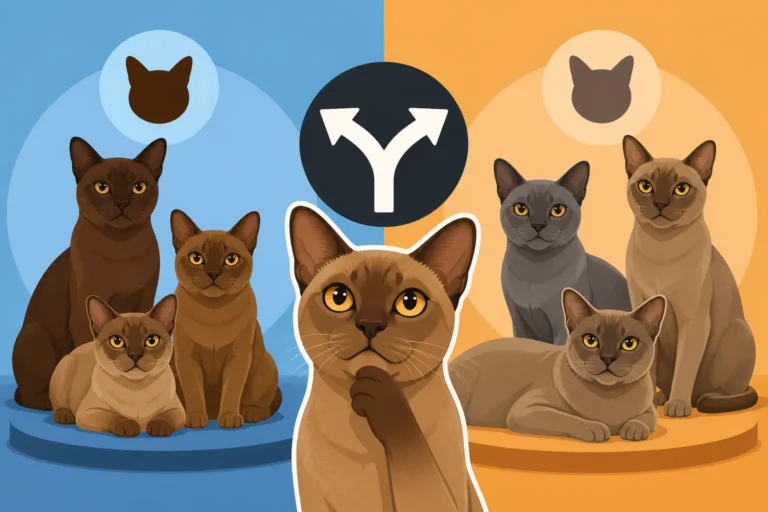
While all Burmese cats are wonderful, many prospective owners have specific preferences when it comes to coat color or gender. The Burmese comes in four main recognized colors: sable (dark brown), champagne (a warm beige-brown), blue (a soft grey), and platinum (a pale, almost lavender-grey). Then there are other colors, like red, cream, and tortie, that might be recognized by certain registries, especially in the European standard. Why Color Adds to a Burmese's Price, and certain colors are simply less common or produced in smaller litter sizes.
If you are set on a less common color, such as a platinum male, your wait might be significantly longer than someone who is open to a sable female or male. Breeders don't always know exactly what colors or genders a litter will produce until they arrive. Even if a breeding pair can produce a certain color, the statistical probability might mean it only happens in a fraction of their litters. For example, getting a blue male kitten might mean waiting for several litters to be born, especially if you're looking for a specific quality. You can see How Much a Blue Burmese Kitten Costs for an idea of demand based on color. The more flexible you are with color and sex, the better your chances of getting a kitten sooner.
Breeder Philosophy and Scale
The individual philosophy and scale of a breeder's operation are huge determinants of waitlist length. Most reputable Burmese breeders are small-scale, home-based operations. This is not a business for them, but a passion. They typically have one or two active breeding queens living as beloved family pets, and they raise their kittens underfoot, ensuring constant human interaction and socialization. These breeders simply cannot produce a large number of litters. Their focus is on quality, not quantity.
On the other hand, a slightly larger, but still ethical, breeding program might have a few more queens, or perhaps co-own cats with other breeders, allowing for a slightly higher, but still controlled, number of litters annually. However, even these operations will have waitlists because demand still outstrips supply, and the commitment to health and socialization remains paramount. Be wary of any breeder who claims to have kittens readily available year-round without a waitlist; this could be a red flag indicating a less-than-ideal breeding environment. The shorter the wait, the more questions you should be asking about their practices.
Navigating the Waitlist Experience
So, you've found a reputable breeder, filled out their application, and now you're on the waitlist. What comes next? The waiting period can feel long, but it's also a valuable time to prepare for your new arrival and build a relationship with your breeder. This part of the journey is about patience and proactive engagement.
Making Initial Contact and Deposit Etiquette
When you first reach out to a Burmese breeder, expect a thorough screening process. They will likely ask you detailed questions about your lifestyle, living situation, previous pet experience, and why you want a Burmese. This isn't being nosy; it's the breeder's way of ensuring their precious kittens go to suitable, loving homes. Be honest and open. This initial conversation is your chance to ask questions too, about their breeding philosophy, health testing, and what their typical wait times are.
If both parties feel it's a good match, the next step is usually placing a deposit. A deposit secures your place on the waitlist for a future kitten. The amount can vary, and it's important to understand the breeder's policy regarding refunds or transfers. Often, a single deposit might cover one kitten, but some breeders, especially if they recommend you get a pair, might discuss options like Whether a Burmese Deposit Covers Both of a Pair. Always ensure you get a receipt and a clear understanding of the terms. This deposit signals your serious commitment and allows the breeder to plan accordingly. It’s an investment in a future family member, and a sign of good faith.
Estimated Wait Times and Realistic Expectations
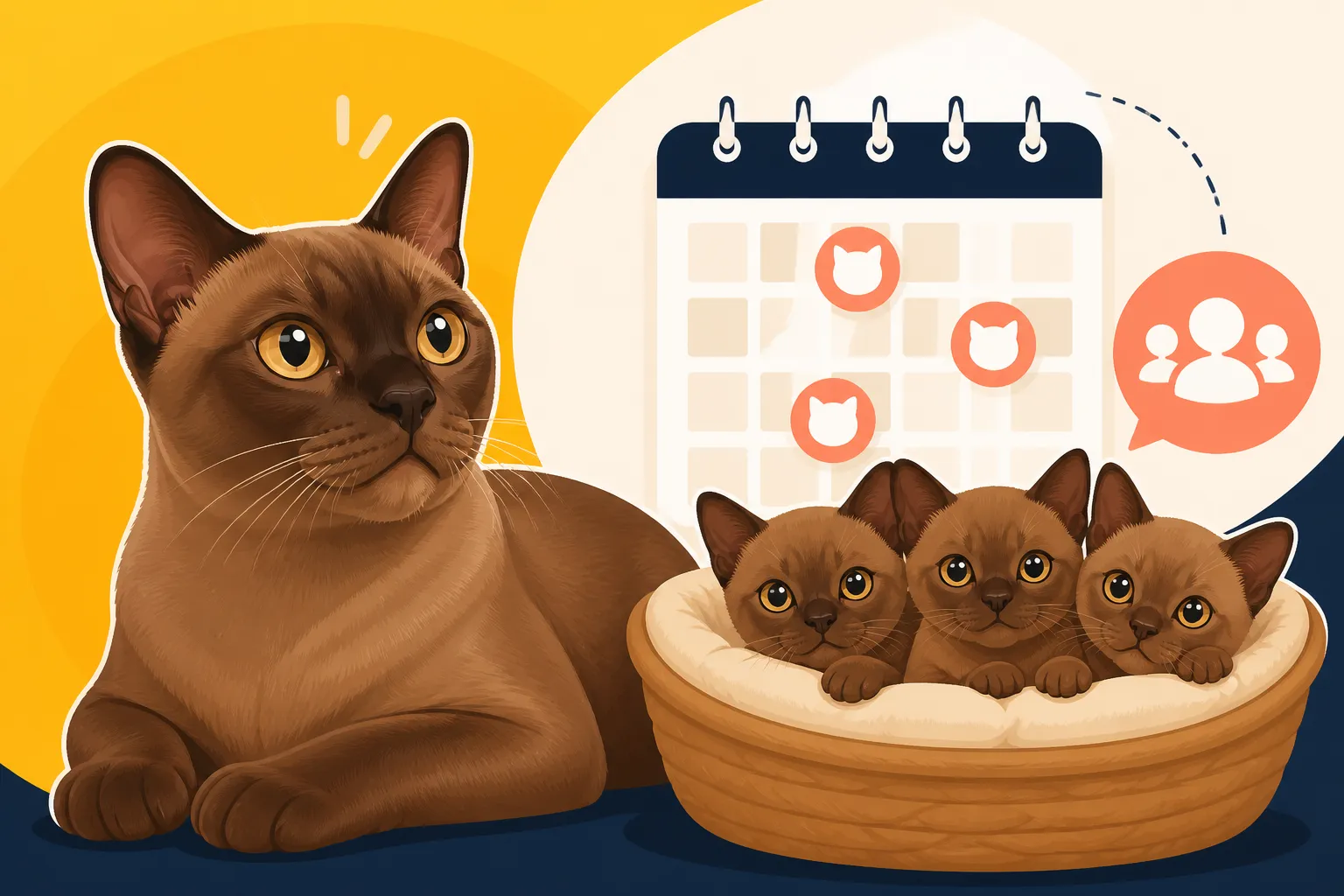
This is the million-dollar question: how long will you actually wait? The honest answer is, it varies wildly. For a very popular breeder, especially for specific colors or genders, waitlists can extend from six months to over a year, or even longer. For others, particularly if you are flexible on gender or color, it might be shorter, perhaps three to six months. Some breeders might even have a retired breeding cat available sooner, if you are open to an adult cat, which we'll discuss later.
A good breeder will give you a realistic estimate based on their current litters, upcoming breeding plans, and the number of people ahead of you on the list. Keep in mind that these are estimates, not guarantees. Nature has its own schedule, and litter sizes or compositions can be unpredictable. Be prepared for some flexibility. The most important thing is transparency from your breeder. They should keep you updated on general timelines and let you know when they anticipate a litter that might have a kitten for you. It takes time to get How Many Years a Well Bred Burmese Lives, so a few months wait at the start is a small price to pay.
Staying Engaged and Prepared During the Wait
While you're waiting, don't just sit by idly! This is an excellent opportunity to prepare your home and your family for the arrival of your Burmese kitten. Stay in touch with your breeder, but respect their time. A polite check-in every few months is usually fine, especially if you haven't heard from them. Many breeders will share updates on their social media or through newsletters.
Use this time to gather all the necessary supplies: food bowls, litter boxes, toys, scratching posts, and a carrier. Researching cat-friendly vets in your area and understanding the breed's specific needs, such as their predisposition to diabetes and the importance of a low-carbohydrate diet, can be invaluable. Researching high-quality food options, such as those with fresh, human-grade ingredients, can get you ahead of the game. Also, consider pet insurance from a provider like Healthy Paws; it's always best to get it in place before any health issues arise. Remember, your Burmese kitten will likely stay with the breeder until Why a Burmese Kitten Stays Until It Is Socialized, giving you plenty of time to get everything ready. Thinking about getting a pair? Read A Burmese Kitten's First Year of Never Being Alone to see why it's a great idea.
Alternative Paths to Burmese Ownership
While waiting for a kitten from a reputable breeder is often the best route, it's not the only way to bring a Burmese into your life. Sometimes, circumstances align, and you can find a wonderful Burmese companion through other avenues that might offer a shorter wait or an older, already settled cat.
Retired Breeding Cats
One often-overlooked option is adopting a retired breeding cat. After a queen has had a few litters, or a stud has contributed to the gene pool, responsible breeders often seek loving forever homes for them. These cats are typically between four and eight years old, have had all their health screenings, and are already spayed or neutered. They come with the benefit of being fully socialized and house-trained, often having lived their lives in a busy, loving household.
Adopting a retired queen, for instance, means you bypass the kitten phase entirely and get a cat with an established personality. While they might take a little time to adjust to a new environment, they often bond incredibly deeply with their new families. The wait time for a retired adult is usually much shorter, as breeders don't plan these rehomings years in advance; they happen as needed. Plus, you're giving a deserving cat a wonderful retirement home where they can be the center of attention without the responsibilities of breeding. Why a Retired Burmese Queen Needs Rehoming discusses this process further. It's a fantastic way to welcome a Burmese without the extensive wait.
Burmese Rescues and Organizations
Another path is through breed-specific rescue organizations or general animal shelters. While finding a purebred Burmese in a shelter might be less common than finding a domestic shorthair, it does happen. Unforeseen life changes for owners, such as relocations, health issues, or financial difficulties, can unfortunately lead to beloved pets needing new homes. Sometimes, entire litters might even end up in rescue situations, though this is rarer for a purebred.
Breed-specific rescues often have networks across regions and may be able to notify you when a Burmese becomes available. They usually have a thorough adoption application process to ensure a good match, similar to a breeder. The advantage here is that you're giving a second chance to a cat in need, and the adoption fee is typically much lower than the purchase price of a kitten. The wait time can be unpredictable – you might find a cat quickly, or it might take months for the right one to appear. You can learn more about where these cats might end up by reading Where Burmese Surrendered for Yowling End Up. If you're open to an adult cat and prepared to be patient for the right match, rescue can be an incredibly rewarding option.
Considering a Pair
Many Burmese breeders strongly recommend adopting two kittens together, or bringing home a pair rather than just one. This isn't just about selling more kittens; it's about the well-being of the Burmese. These cats are incredibly social and thrive on companionship. Left alone for long periods, a single Burmese can develop separation anxiety or destructive behaviors. Two Burmese kittens will keep each other entertained, reducing the likelihood of boredom and loneliness. Why a Burmese Breeder Recommends Buying a Pair is a common piece of advice.
The interesting side effect of this recommendation is that sometimes, being open to a pair can actually shorten your wait time. If a breeder has two kittens from the same litter that are a perfect match for each other, and you're prepared to take both, you might be prioritized over someone who only wants a single kitten, especially if the breeder believes strongly in placing their kittens in pairs. A breeder might feel more comfortable placing two kittens together if they know Why Two Burmese Settle Each Other and will enrich each other's lives. It’s a win-win: you get two delightful companions, and the kittens get to grow up with a built-in playmate and confidante. While it means a double initial investment, the long-term benefits for the cats' happiness and your peace of mind are often invaluable.
Disclaimer
This article is for general informational purposes only and does not constitute professional advice. Laws, prices and regulations vary by location and change over time. Consult a qualified professional for guidance on your specific situation.