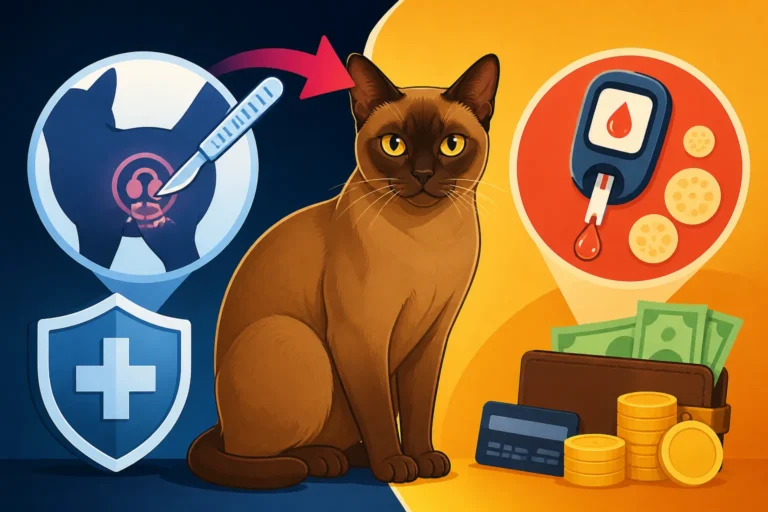
Why Breeding Rights on a Tested Clear Burmese Cost Most
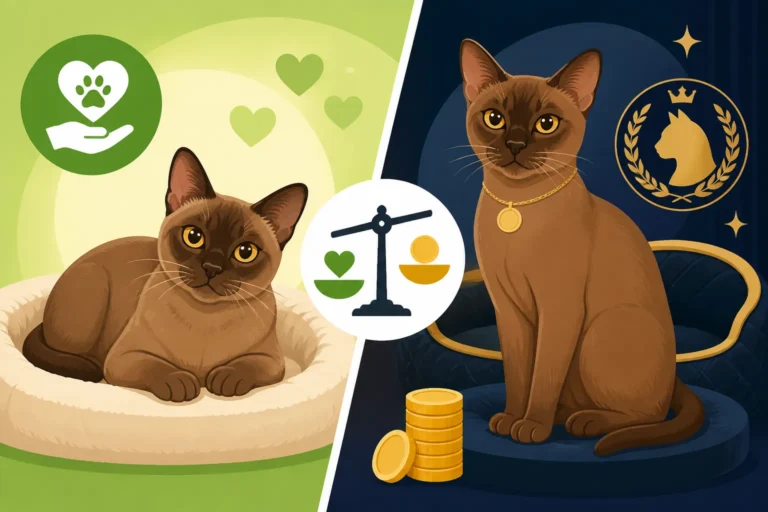
Many aspiring Burmese cat owners, especially those interested in breeding, can be taken aback by the price tag associated with breeding rights for a "tested clear" cat. It’s easy to look at a number and feel a pinch, wondering why it’s so much higher than a pet-only price. But this isn't just a random markup; it's a reflection of immense dedication, significant financial investment, and a deep commitment to the health and integrity of the Burmese breed itself. This guide will walk you through precisely why those breeding rights, especially for a thoroughly screened Burmese, command a premium, revealing the layers of care and responsibility involved.
Understanding the Value: What 'Tested Clear' Really Means for a Burmese
When a breeder talks about a Burmese being "tested clear," they're not just throwing around a fancy term. They're communicating a profound commitment to the health and future of the breed, a commitment that comes with considerable investment. This phrase represents a rigorous process of screening for genetic diseases that, if ignored, could lead to immense heartache and financial burden for future owners. It's about knowing the genetic blueprint of that particular cat inside and out, ensuring that it doesn't carry hidden risks that could compromise its offspring.
The Weight of Genetic Health Testing
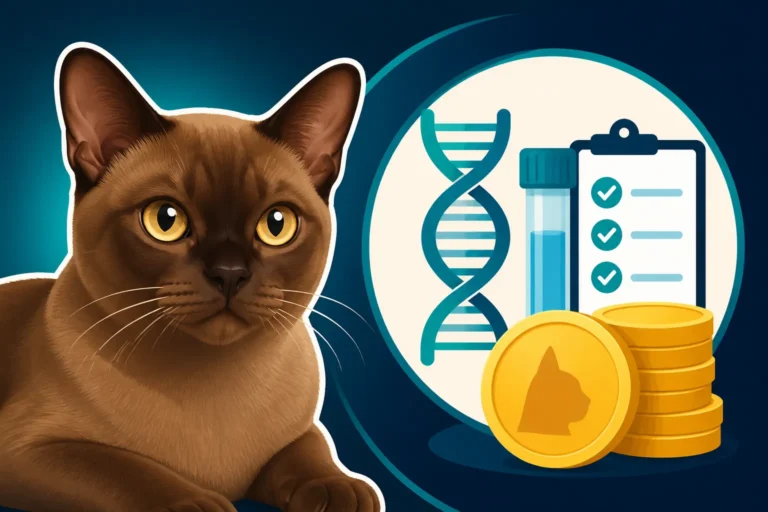
Genetic health testing involves a comprehensive panel of DNA tests designed to identify specific mutations known to cause inherited diseases in the Burmese breed. This isn't a quick or cheap endeavor; it requires sending samples, usually cheek swabs, to specialized veterinary genetics laboratories. The results provide a clear picture of whether a cat is clear, a carrier, or affected by particular conditions. For a breeder, getting a "clear" result for a potential breeding cat is like striking gold, as it means that cat can contribute to the gene pool without passing on these specific identified risks. This peace of mind is invaluable, not just for the breeder but for every future owner of a kitten from that line. Without this testing, you're essentially breeding blind, crossing your fingers and hoping for the best, which is simply not a responsible approach in modern cat breeding. Knowing Which Tests Belong on a Burmese DNA Panel is the first step in understanding this critical process.
Beyond the Basics: Specific Burmese Concerns
The Burmese breed, like many purebreds, has a few specific genetic predispositions that responsible breeders actively work to manage and eliminate. One of the most critical is Hypokalemia, a genetic condition linked to the WNK4 gene that can cause muscle weakness and episodes of collapse. A "tested clear" status for this particular gene is non-negotiable for ethical breeding. Similarly, the breed can carry a recessive gene for Burmese Head Defect, a truly devastating and lethal condition that affects kittens. Breeding a cat that is tested clear for this mutation means actively preventing future suffering. Then there's the predisposition to diabetes, a complex inherited risk that while not always a simple 'clear/carrier' genetic test, is understood through careful lineage tracking and responsible breeding practices, aiming to produce lines less prone to this condition. Knowing Why a Burmese Is Four Times More Likely to Become Diabetic and understanding Hypokalemia Is the Burmese Disease With a DNA Test or Burmese Head Defect Is Lethal and Recessive highlights the profound importance of "tested clear."
The Long-Term Impact on a Breeding Line
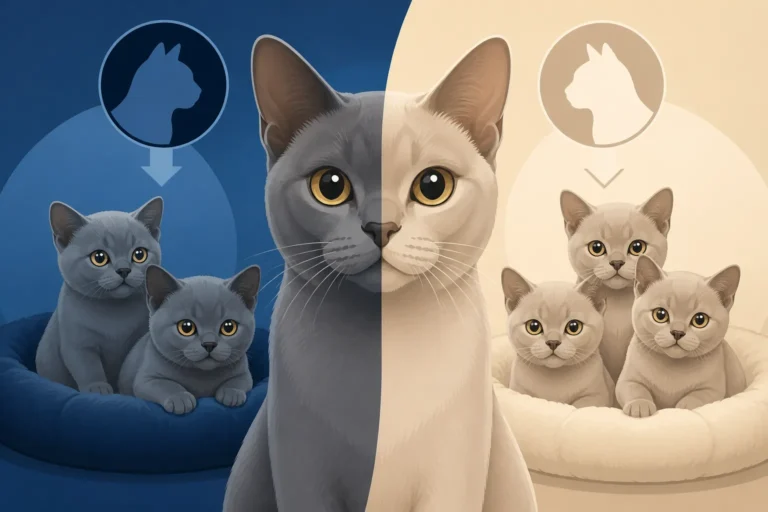
The decision to only breed "tested clear" Burmese cats has a ripple effect that extends far beyond a single litter. It's a foundational principle for improving the overall health of the breed over generations. By systematically removing or carefully managing genetic risks, breeders contribute to a stronger, healthier gene pool. This ensures that the beautiful, affectionate traits of the Burmese can continue to thrive without the shadow of debilitating inherited conditions. It's an ethical obligation to the breed itself, safeguarding its future by making informed choices today. The extensive work a breeder undertakes to ensure that What a Burmese Breeder Must Test Before Any Mating covers all relevant conditions directly impacts the health and longevity of every kitten sold.
The Investment Behind 'Tested Clear': Time, Effort, and Expense
Achieving and maintaining the "tested clear" status for a breeding Burmese isn't a passive process; it demands continuous investment of both time and money. This isn't just about a one-off payment for a test; it's an ongoing commitment that underpins the value of those breeding rights. Every dollar spent and every hour dedicated adds to the intrinsic worth of the cat and its potential contribution to the breed.
The Financial Outlay for DNA Panels
A comprehensive DNA panel for a Burmese cat isn't inexpensive. It's a suite of tests, sometimes bundled by specialized labs, that scrutinize various genes for known mutations. These costs can add up quickly, especially when you consider that a breeder might test multiple cats, or re-test as new genetic markers are discovered or new lines are introduced. Think of it this way: the upfront cost of thorough genetic testing, while significant, pales in comparison to the potential veterinary bills and emotional distress of dealing with a kitten that develops a severe genetic disease later in life. Responsible breeders factor in these expenses, knowing that they are investing in health, which in turn justifies the higher cost of breeding rights. If you're wondering about the direct expense, understanding How Much a Full Burmese DNA Panel Costs can give you a clearer picture.
Time and Resources for Health Screening
Beyond the direct financial cost of the tests, there's the substantial investment of time and resources. Breeders dedicate countless hours to researching reputable genetic labs, meticulously collecting samples, and then patiently waiting for results. Interpreting these results and making informed breeding decisions based on complex genetic information also requires a good deal of knowledge and diligence. Furthermore, "tested clear" doesn't mean "never needs a vet." Breeding cats still undergo regular, thorough veterinary check-ups to monitor their overall health, dental condition (given Why a Burmese Is Prone to Gum Disease), and general well-being, which are all part of maintaining a healthy breeding program. This constant vigilance and proactive care are integral to proving a cat's health status beyond just a DNA certificate. Regular monitoring, as outlined in How Often a Healthy Adult Burmese Needs Checking, is just as crucial as initial screening.
Maintaining a Healthy Environment for Breeding Cats
A truly "tested clear" cat is more than just its genetic certificates; it's a cat raised in an optimal environment that fosters peak health. This means a top-tier diet, often specialized and sourced from reputable suppliers like Chewy, to ensure proper nutrition and weight management. Feeding a Burmese Is a Medical Decision, Not a Preference after all, especially given their predisposition to certain health issues. It means providing a stress-free, clean, and enriching environment that supports strong immune systems and overall vitality. Preventative care, including vaccinations, parasite control, and even regular dental hygiene from a young age, all contribute to the cat's health. These are ongoing costs and efforts that ensure the breeding cat is not only genetically sound but also robust and thriving, capable of producing healthy, vigorous kittens. Every aspect of their care is carefully managed, adding to the inherent value of the breeding program.
Breeding Rights: Why the Cost Reflects the Future of the Breed
The price tag on breeding rights for a tested clear Burmese isn't arbitrary; it's a strategic decision by ethical breeders to protect their lines and the breed as a whole. This cost serves as a filter, ensuring that only those genuinely committed to responsible breeding and the long-term health of the Burmese will obtain these valuable genetics. It's about safeguarding a legacy.
Protecting the Breed's Legacy
The higher cost of breeding rights acts as a natural deterrent for individuals who might be looking to breed casually, without understanding or committing to the significant responsibilities involved. By investing in tested clear lines, a breeder ensures that their carefully cultivated genetics, which have been screened and vetted for generations, are not diluted or mishandled. This protection helps to maintain the integrity of the Burmese breed standard, not just in appearance but, more importantly, in health and temperament. It's a guard against irresponsible practices that could introduce genetic diseases back into otherwise healthy lines. After all, the Burmese was one of the first breeds to be intensely studied genetically, a testament to the scientific approach to its development. Understanding Why the Burmese Was the First Breed Studied by Geneticists underscores the historical commitment to the breed's health.
The Breeder's Responsibility and Reputation
A reputable breeder pours years, if not decades, into developing healthy, well-tempered lines. Their reputation is built on the quality and health of the kittens they produce. The cost of breeding rights for a tested clear cat includes not just the cat's genetics, but also the extensive knowledge, mentorship, and ongoing support that often comes with buying from such a breeder. This isn't just a transaction; it's an entry into a community committed to the breed. The breeder stands behind their cats, and that commitment extends to ensuring that anyone acquiring breeding rights from them will uphold the same high standards. For future owners of your kittens, knowing the parental lines are healthy also provides peace of mind, potentially making it easier to secure comprehensive pet insurance plans like those offered by Healthy Paws, which are often more favorable for animals with documented healthy lineage.
The Ethical Implications of Low-Cost Breeding Rights
While a lower price tag on breeding rights might seem attractive at first glance, it often signals that corners have been cut. These shortcuts can include skipping essential genetic health tests, neglecting proper socialization, or failing to provide optimal care for the breeding cats. The long-term consequences of such practices are dire: the potential propagation of genetic diseases, temperament issues, and significant financial and emotional burdens for future kitten owners. A breeder who offers cheap breeding rights without proof of extensive health testing is essentially passing their lack of responsibility down the line. It's critical for anyone considering breeding to understand Which Diseases a Burmese Breeder Must Declare and to insist on full transparency. Ultimately, choosing a tested clear Burmese, even with a higher price for breeding rights, is an ethical decision to contribute positively to the breed's future, rather than perpetuate potential problems.
The True Cost of a Well-Bred Burmese: Beyond the Purchase Price
When you invest in breeding rights for a tested clear Burmese, you're not just paying for a piece of paper; you're investing in a future. It’s a decision that impacts not only your own breeding program but also the well-being of every kitten born under your care. This upfront cost, while substantial, often proves to be a significant saving in the long run, both financially and emotionally.
The Lifelong Health Benefits for Your Kitten
The most profound benefit of securing breeding rights for a tested clear Burmese is the significant reduction in risk for inherited health conditions in the resulting kittens. This means less heartbreak, fewer agonizing decisions, and considerably lower veterinary expenses over the lifetime of those cats. Imagine the peace of mind knowing that you've done everything in your power to ensure your kittens have the best possible start, free from the burden of genetic diseases like Hypokalemia or Head Defect. This proactive approach significantly increases the likelihood that your kittens will live full, healthy lives, potentially reaching The Sixteen to Eighteen Years a Well Bred Burmese Gets. While premium food and enrichment from sources like Chewy contribute to a cat's well-being, a strong genetic foundation is paramount.
Supporting Responsible Breeding Practices
By choosing to pay for breeding rights on a tested clear Burmese, you are actively supporting and validating responsible breeding practices within the larger cat fancy. You are signaling that you value health, transparency, and ethical commitment over simply acquiring a cat for a low price. This collective effort among responsible breeders helps to elevate the standards for the entire breed, pushing for greater genetic screening, better care practices, and a stronger focus on the welfare of the cats. It's a virtuous cycle: your investment enables the selling breeder to continue their important work, which in turn helps strengthen the breed for future generations. Knowing what a Burmese breeder owes you goes beyond paperwork; it's about a commitment to ethical standards that you, as a buyer of breeding rights, then inherit and uphold.
The Hidden Costs of Unscreened Lines
The allure of cheaper breeding rights for an unscreened Burmese can be tempting, but it's a dangerous path fraught with hidden and devastating costs. These aren't just monetary; they include the emotional toll of watching a kitten suffer from a preventable genetic disease, the constant stress of managing chronic conditions, and the potential for a significantly shortened lifespan. Veterinary bills for inherited conditions can quickly skyrocket into the thousands, dwarfing any initial savings on the purchase price. As an example, consider What a Diabetes Prone Burmese Costs to Keep Every Year – a cost that can be significantly influenced by genetic predisposition. Choosing unscreened lines risks propagating these problems, contributing to a cycle of illness and suffering. In this light, the higher cost for tested clear breeding rights isn't an expense; it's an investment in health, happiness, and the long-term well-being of the Burmese breed.
| Factor | Untested/Unknown Line (Lower Breeding Rights Cost) | Tested Clear, Reputable Line (Higher Breeding Rights Cost) |
|---|---|---|
| Initial Breeding Right Cost | Lower | Significantly Higher |
| Genetic Health Risks | High (unknown potential for inherited diseases) | Low (known status, risks mitigated through testing) |
| Potential Vet Bills for Progeny | Very High (treating inherited diseases) | Lower (proactive prevention through genetics) |
| Reputation of Your Progeny | Risky (unpredictable health outcomes) | Strong (backed by documented health and ethics) |
| Ethical Responsibility | Compromised (potential to spread unknown issues) | Upholds breed integrity (contributes to healthier gene pool) |
| Long-term Breed Impact | Potentially harmful (could introduce or perpetuate diseases) | Positive, strengthens gene pool (reduces disease burden) |
| Emotional Toll | High (heartbreak over sick kittens, difficult decisions) | Lower (peace of mind, confidence in health) |
Disclaimer
This article is for general informational purposes only and does not constitute professional advice. Laws, prices and regulations vary by location and change over time. Consult a qualified professional for guidance on your specific situation.