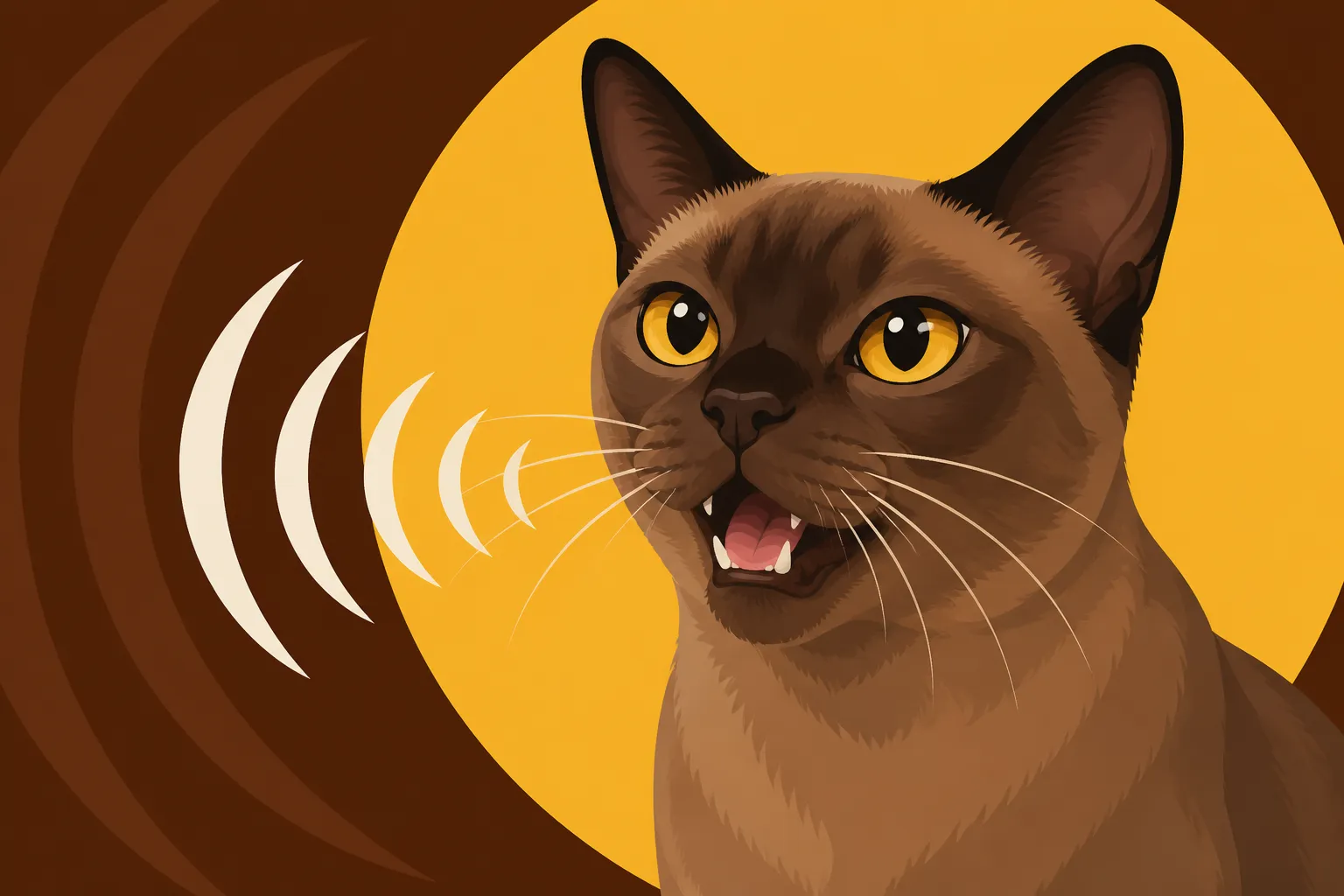
The Rasping Rumble a Burmese Uses Instead of a Meow
Many cat breeds are known for their distinctive voices, from the quiet purr of a Persian to the insistent chirps of a Maine Coon, but few are as famously unique as the Burmese. If you're expecting the typical "meow" you hear from most cats, prepare to be surprised. Burmese cats don't really meow in the way other felines do; instead, they have a deeply resonant, almost guttural sound that’s been affectionately dubbed a "rasping rumble." This guide will take a deep dive into this fascinating vocalization, exploring why Burmese cats sound the way they do, what their various rumbles communicate, and how to understand and appreciate this integral part of their charming personalities.
Understanding the Burmese Vocal Repertoire: More Than Just a Meow
When you first encounter a Burmese, especially if you're used to other cat breeds, their vocalizations can be quite striking. It's not a loud, piercing cry like a Siamese, nor is it the gentle, almost imperceptible purr of some quieter breeds. It's something else entirely, a sound that quickly becomes a signature of their presence.
The Distinctive Rasping Rumble
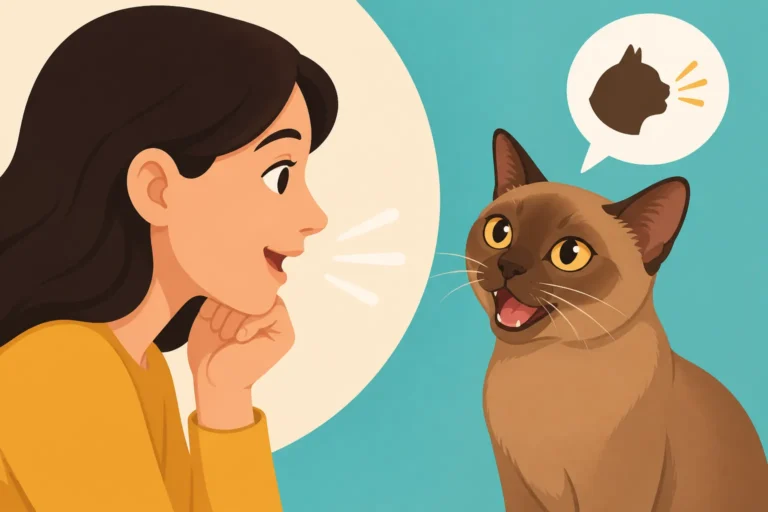
Imagine a sound that sits somewhere between a deep purr and a soft growl, with a distinct, slightly raspy quality to it. That's the Burmese rumble. It's a continuous, low-frequency vocalization that seems to vibrate from deep within their chest, often accompanied by a whole-body vibration that you can feel when they lean against you. Unlike a standard meow, which is typically a discrete sound used for specific requests or greetings, the Burmese rumble is often sustained, flowing from them almost constantly when they are happy, seeking attention, or simply following you from room to room.
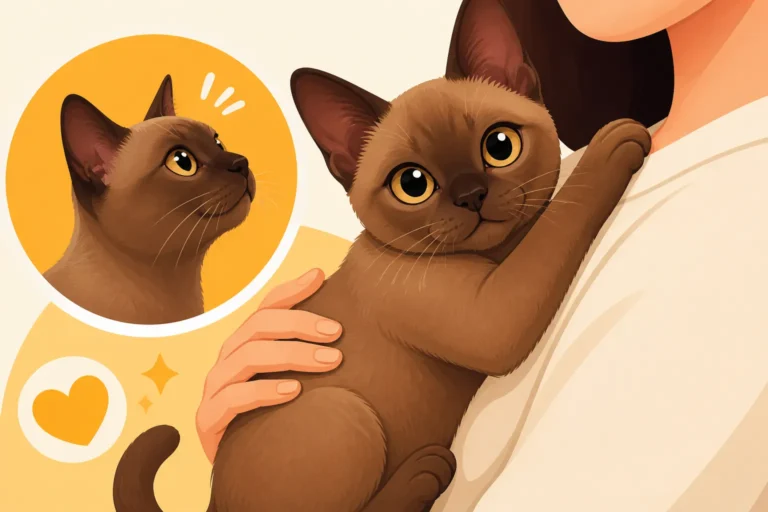
It’s often mistaken by newcomers for a sign of mild annoyance or even a warning growl, but nothing could be further from the truth. For a Burmese, this sound is their primary mode of verbal communication, an expression of their contentment, their demands, and their overwhelming desire for interaction. They might be rubbing against your legs, pushing their head into your hand, or even sitting squarely on your shoulder, and all the while, this characteristic rumble vibrates through them, a constant soundtrack to their affectionate antics.
Why the Burmese Sounds Different
The unique vocalization of the Burmese is largely attributed to their physiology and genetic lineage. While not entirely unique among cat breeds in having a distinct voice, the Burmese truly stands apart. Their vocal cords and throat structure seem to be adapted to produce this specific, throaty sound rather than the higher-pitched, more distinct meow. It’s part of the rich tapestry of their breed characteristics, something that developed over generations.
Think of it as an evolutionary quirk that became a beloved trait. The Burmese is closely related to the Siamese, a breed renowned for its loud, insistent, almost mournful "yowl." However, the Burmese’s voice, while equally distinctive, is much less piercing and more conversational. Where a Siamese might yell for attention, a Burmese will rasp and rumble, a continuous, lower-key murmur that nonetheless conveys the same urgent demand. This difference in vocal quality is a fascinating aspect of their shared, yet divergent, ancestry. If you’re interested in the nuances, we have an article on Why a Burmese Sounds Throatier Than a Siamese that delves deeper into this comparison.
Decoding the Rumble's Volume and Intensity
Just like human speech, the Burmese rumble isn't a single, monolithic sound. Its volume and intensity can vary significantly, offering subtle clues about your cat's mood and intentions. A soft, almost whispered rumble, barely audible but felt through their vibrating body, usually signifies deep contentment. This is the sound of a Burmese nestled on your lap, purring its heart out, or sleeping soundly against you. It's a sign of profound relaxation and trust.
On the other end of the spectrum, when a Burmese is truly intent on getting your attention or making a demand, the rumble can become louder, more insistent, and almost urgent. It might intensify into a continuous, driving sound as they weave between your legs before mealtime, or when they jump onto your shoulder, making eye contact and demanding a pet. This isn't aggressive, but rather a direct and unabashed request for interaction. Understanding these subtle shifts in volume and intensity is key to fully communicating with your Burmese companion.
What a Burmese's Rumble Means: A Language of Affection and Demand
The Burmese cat is often described as a "dog in a cat's body" due to its highly social, affectionate, and people-oriented nature. Their unique rumble plays a central role in expressing these traits, serving as their primary tool for bonding and communicating with their human companions.
The Rumble as a Greeting and Affection
One of the most heartwarming uses of the Burmese rumble is as an expression of affection and greeting. When you walk through the door, your Burmese will likely be there to meet you, tail held high, body weaving through your legs, and the moment you bend down to greet them, the rumble begins. It's a continuous, welcoming sound, signaling their joy at your return. They might rub their face against your leg or hand, pushing into you with surprising force, and the rumble will intensify, a physical manifestation of their happiness.
This isn't just a brief greeting; it often continues as they follow you from room to room, a constant companionable murmur indicating their presence and desire to be near you. It’s their way of saying, "I love you, I'm here with you, and I want to be involved in whatever you're doing." This deep, vibrating vocalization is truly the soundtrack to their profound attachment to their people. If you've ever wondered What a Burmese Wants When It Rumbles at You, it's almost always attention, affection, or simply to be close.
Communicating Needs and Wants
While the rumble is a beautiful expression of affection, it's also a highly effective tool for getting what they want. A hungry Burmese will make its needs known through an insistent, unwavering rumble that often increases in volume and urgency. They might lead you to their food bowl, glance back at you expectantly, and then resume their demanding vocalization. This isn't subtle; it’s a clear and direct communication of their desire for a meal or a treat.
Similarly, if they want to play, or if they feel they haven't had enough attention, the rumble will begin. It’s common for a Burmese to jump onto your lap, press its head firmly against your chest, and rumble directly into you until you respond with pets or a game. They are masters of persuasion, and their persistent, throaty rumble is their most potent weapon. They don't give up easily, and they'll keep rumbling until their needs are met, making it very clear What a Burmese Is Asking For When It Rumbles.
The "Burmese Follow" and its Soundtrack
Burmese cats are famous for their desire to be involved in every aspect of your life. This often manifests as the "Burmese follow," where they shadow you from room to room, never wanting to be far from your presence. And, of course, this constant companionship is almost always accompanied by their signature rumble.
Whether you're doing chores, working at your desk, or simply moving between rooms, your Burmese will likely be right there, a low, continuous rumble emanating from them. It's a reassuring sound, a sign of their unwavering devotion. They might jump onto the counter to watch you cook, settle into a chair beside you as you read, or even just sit patiently at your feet, all the while rumbling gently. This constant vocal presence reinforces their reputation as the "Velcro cat," and it’s a beautiful testament to their bond with their humans. For more about their constant presence, check out Why a Burmese Cannot Let You Leave the Room.
The Rumble in Daily Life: Sounds of a Busy Burmese Household
Living with a Burmese means living with the rumble. It’s not just a sporadic sound; it’s an integral part of the daily rhythm of life with these engaging cats. From the moment you wake up until you go to bed, their distinctive vocalizations are a constant, comforting, and sometimes demanding, presence.
Morning Rumbles and Wake-Up Calls
If you own a Burmese, you quickly learn that sleeping in isn't always an option. These cats are not shy about declaring that the day has begun, and they expect you to participate. The morning rumble often starts subtly, a soft vibration against your leg if they've snuck under the duvet, or a gentle purr-growl from the side of the bed. However, if their initial overtures are ignored, the rumble can escalate dramatically.
They might jump onto the bed, walk across your chest, nudge your face, or even begin a persistent head-butt, all while letting out a continuous, urgent rumble that leaves no doubt about their intentions. This isn't just about food; it's about getting you up and engaged with them. They want company, breakfast, and playtime, and they believe the day should start when they decide it does. It’s part of their charm, albeit a demanding one, and you’ll find tips on handling it in How to Stop a Burmese Asking for Company at Five.
Dinner Time Din: The Rumble for Food
Perhaps no other time of day elicits a more intense and focused rumble than mealtime. Burmese cats are famously food-motivated, and their rumbling takes on an almost desperate quality when their internal clocks signal it's time to eat. As you prepare their food, expect a crescendo of vocalizations. They will likely be underfoot, winding through your legs, jumping onto countertops (if allowed), and performing a medley of acrobatic maneuvers, all accompanied by a throaty, insistent rumble that sounds like the most urgent request imaginable.
This isn't just a brief vocal outburst; it's a sustained performance that lasts until the food is placed before them. Their intense focus on food, combined with their strong vocal tendencies, means that meal prep is rarely a quiet affair in a Burmese household. This deep-seated drive often leads them to beg harder than other breeds, as detailed in Why a Burmese Begs Harder Than Any Other Cat.
Playtime Excitement and Rumbles
The Burmese love to play, and their vocalizations are a significant part of their playful interactions. During a lively chase with a wand toy, a game of fetch (yes, many Burmese will fetch!), or a wrestling match with another cat, you'll hear excited rumbles, often punctuated by soft chirps or trills. These sounds convey their exhilaration and engagement, creating a joyful cacophony of feline fun.
When a toy is caught, or a successful pounce is made, the rumble might momentarily cease as they "kill" their prey, only to resume as they bring the toy back for another round. It’s a dynamic vocal display that perfectly complements their energetic and interactive play style. They are always eager for interaction, making even mundane tasks an opportunity for connection and vocal expression.
The Absence of the Traditional Meow: It's Not a Problem, It's a Trait
Many first-time Burmese owners are initially puzzled by the lack of a conventional meow. They might even worry that something is wrong with their cat's vocal cords. However, it’s crucial to understand that this is entirely normal and, in fact, a defining characteristic of the breed.
Why You Won't Hear a "Meow"
The simple truth is that most Burmese cats just don't produce the classic "meow" sound that's so common in other domestic felines. Their vocal anatomy, combined with their breed-specific communication style, means they've developed other ways to express themselves. Instead of a distinct, drawn-out meow, they rely on their diverse range of rumbles, rasps, chirps, and trills to convey their thoughts and feelings. This isn't a deficiency; it's just how they're built and how they've learned to interact with the world around them.
So, if your Burmese never says "meow," don't fret. They are communicating with you constantly through their unique vocal repertoire. In fact, if you listen closely, you'll discover a surprising array of tones and inflections within their rumbles. For a deeper dive into their characteristic sounds, consider reading How Often a Burmese's Rasp Is Heard in a Day.
Distinguishing from Other Silent Breeds
It's important to distinguish the Burmese's vocal habits from those of truly "silent" cat breeds. Some breeds are known for being very quiet, rarely vocalizing at all. The Burmese is not a silent cat. Far from it! They are often one of the most vocal breeds you'll encounter; they simply use a different "vocabulary." Their constant rumbling is a clear indicator that they are not quiet or reserved communicators.
Instead, they are deeply engaged in conversation with their humans, expressing everything from profound contentment to urgent demands, all through their unique, throaty sounds. The distinction lies in the type of vocalization, not the frequency of it. They might not meow, but they are certainly not quiet.
When a Change in Vocalization Does Matter
While the absence of a meow is normal for a Burmese, any sudden or significant change in their usual vocalizations should be noted. A normally talkative, rumbling Burmese that suddenly goes silent, or one that starts making unusual, strained, or painful-sounding cries, warrants attention. This could be a subtle sign of discomfort, illness, or even pain.
Cats are masters at hiding discomfort, and sometimes a change in their established patterns, even vocal ones, is the only clue they provide. If your usually vociferous Burmese suddenly becomes quiet and withdrawn, or if their rumble sounds hoarse or different, it's wise to consult your veterinarian. Such a change could indicate respiratory issues, throat irritation, or general malaise. Paying attention to these subtle shifts is part of being a responsible Burmese owner. We explore related behavioral changes in Why a Burmese That Stops Following You Is Unwell.
Living with the Rumble: Embracing the Burmese Communication Style
Once you understand that the rumble is your Burmese's primary language, living with it becomes a delightful experience. It's about learning to interpret their unique sounds and integrating them into your daily interactions.
Responding to the Rumble Effectively
Learning to respond appropriately to your Burmese's rumble is key to a harmonious relationship. When they rumble affectionately, acknowledge it with pets, cuddles, or a gentle conversation. This reinforces their positive communication and strengthens your bond. However, if the rumble turns into an incessant demand for something you cannot immediately provide (like endless treats), it's important to find a balance.
You can acknowledge their vocalization without always giving in to the specific demand. For instance, if they are rumbling for food an hour before dinner, you can say, "Not yet, sweetie," and offer a brief pet instead. This helps them understand that you hear them, but also teaches them patience. Consistency is crucial, as Burmese cats are intelligent and quickly learn what behaviors get them what they want.
Training and the Rumble
The Burmese cat's high intelligence and food motivation make them excellent candidates for training, and their vocalizations can play an interesting role in this. You can incorporate their natural inclination to vocalize into positive reinforcement training. For example, if you're teaching them to "sit" before receiving a treat, their rumbling might be part of their anticipation. You can use clicker training to mark the desired behavior (sitting quietly, for instance, before the food bowl is placed down), even if they are rumbling in excitement.
While you wouldn't typically train them to rumble more, you can certainly use their vocal enthusiasm as a sign of engagement during training sessions. Their strong motivation, highlighted in Why Food Motivates a Burmese Too Well, means they're always eager to learn, and their rumbles are often a joyous accompaniment to their learning process. Many owners find effective training aids, like puzzle feeders or treat dispensers, on sites like Amazon, which can help channel their intelligence and vocal energy.
The Charm of the Unique Burmese Voice
Ultimately, the rasping rumble of the Burmese cat is one of their most endearing and unforgettable qualities. It’s what makes them stand out, a constant reminder of their affectionate, demanding, and deeply communicative nature. While it might take a little getting used to for those accustomed to traditional cat meows, most Burmese owners wouldn't trade it for anything.
This unique voice becomes part of the fabric of your home, a comforting sound that fills the quiet spaces and lets you know your beloved companion is always near, always connected. It’s a language of love, demand, and companionship that once learned, becomes utterly indispensable.
Comparative Vocalizations: Burmese vs. Other Breeds
Understanding the Burmese rumble is often best achieved by comparing it to the vocalizations of other popular cat breeds. This helps highlight its distinctiveness and reinforces just how unique these cats truly are.
Burmese vs. Siamese: Similar but Separate
The Siamese cat is infamous for its loud, insistent, and often piercing "yowl" or "Meezer talk." Given that the Burmese breed was partly developed using Siamese genetics, it's a common misconception that their vocalizations are similar. However, while both breeds are highly vocal, their sounds are distinctly different. The Siamese yowl is typically high-pitched, drawn-out, and can sometimes sound like a baby crying. It's often described as quite demanding and can be startling for those not used to it.
The Burmese rumble, by contrast, is lower in pitch, throaty, and much less jarring. It's more of a continuous, vibrating murmur that carries conversational tones rather than the sharp, often urgent cries of a Siamese. While a Siamese might "yell" at you from across the room, a Burmese prefers to be right next to you, rumbling directly into your personal space. They both demand attention, but their methods are audibly different. We explore this in more detail in Why a Burmese Sounds Throatier Than a Siamese.
Burmese vs. Domestic Shorthairs
The vast majority of domestic shorthair (DSH) cats have a wide range of vocalizations, including the classic "meow" in various pitches and lengths, chirps, trills, and purrs. Their vocal repertoire is incredibly diverse, and the specific sounds can vary greatly from one DSH to another.
The Burmese stands in stark contrast to this. While DSH cats might use a short, sharp meow for attention or a soft, melodic one as a greeting, the Burmese sticks to its characteristic rumble. It’s less varied in its fundamental sound, relying instead on changes in volume, intensity, and accompanying body language to convey different messages. This makes the Burmese truly unique; it's like they've opted for a specialized, highly effective vocal tool rather than a general-purpose one.
The Tonkinese Connection
The Tonkinese breed, a delightful hybrid of the Siamese and Burmese, often offers a fascinating blend of both parental vocal styles. Tonkinese cats are known for being vocal, but their voice is typically described as softer than the Siamese yowl, yet more distinct than the Burmese rumble. They often have a gentle, chirping "tonk" sound, sometimes accompanied by a softer version of the Siamese's more traditional "meow."
Living with a Tonkinese can feel like experiencing a bridge between the two distinct vocal worlds of the Siamese and Burmese. They inherit the intelligence and affection of both breeds, and their vocalizations reflect this heritage. If you're curious about how these wonderful cats compare, you might find our article How a Burmese Compares to a Tonkinese as a Pet insightful.
The Social Implications of the Burmese Rumble
The Burmese cat's unique vocalization isn't just a personal quirk; it profoundly influences their interactions within a household, whether with other animals or with human visitors. Their constant conversational rumble shapes the social dynamics of their environment.
Rumbles in a Multi-Cat Household
In a home with multiple cats, a Burmese's rumble can serve various social functions. It can be a way of asserting their presence, a continuous "I'm here!" that lets other felines know where they are. More often, however, it's an invitation to interact or a sign of contentment while engaging with their feline friends. Burmese cats are known for their profound need for companionship, often preferring the company of another cat to being alone. When curled up with a fellow feline, especially another Burmese, the rumbling can be a shared, continuous melody of contentment.
They might use a softer rumble to invite play or a more insistent one if another cat is ignoring them. It's rare for their rumble to be aggressive; it's far more commonly used to foster connection and belonging. Many Burmese owners find that having another Burmese helps meet their profound social needs, as detailed in Why a Burmese Prefers Another Burmese.
Interacting with Dogs and Humans
The Burmese rumble transcends species barriers. They treat dogs and other pets as extensions of their social circle, and their rumbling often accompanies their interactions with them. A Burmese might rub against a dog, or even curl up on a sleeping canine, all while letting out a gentle rumble. This communicates trust, affection, and a desire for closeness, regardless of who they are interacting with. They often see dogs as just another warm body to snuggle against, a topic explored in Which Dogs Will Let a Burmese Sleep on Them.
With humans, the rumble is a constant, personalized serenade. It's their way of staying connected, asking for interaction, and expressing their deep bond. Their vocalizations are such an integral part of their personality that many owners feel they are having full conversations with their rumbling Burmese.
The Rumble and Its Impact on Visitors
New visitors to a Burmese household are often surprised by the breed's unique vocalizations. Expect your Burmese to greet guests with their characteristic rumble, often accompanied by head-butts and weaving through legs. They are generally outgoing and curious, eager to introduce themselves and engage with anyone who enters their space. This isn't typical shy cat behavior; it’s a full-on, rumbling welcome committee.
While some visitors might initially be taken aback by the unusual sound, most quickly find it endearing and charming. The rumble conveys warmth and a desire for interaction, quickly winning over even the most skeptical cat-averse guest. For more on their welcoming nature, see Why a Burmese Introduces Itself to Every Visitor.
Ensuring a Happy, Vocal Burmese
A happy Burmese is a vocal Burmese, and their unique rumble is a clear indicator of their well-being. Ensuring their physical and emotional needs are met will encourage their characteristic vocalizations and deepen your bond.
Meeting Their Social Needs to Encourage Positive Vocalization
The most critical factor in a Burmese's happiness and healthy vocalization is companionship. These are profoundly social cats who genuinely suffer from loneliness. A Burmese left alone for extended periods can become anxious, withdrawn, and may even suppress their natural vocalizations, which is a heartbreaking sign of distress. They thrive on interaction, whether it's with their human family or another pet.
To keep your Burmese happy and rumbling, ensure they have plenty of company. If you work long hours or have a busy lifestyle, seriously consider getting two Burmese cats so they can keep each other company. This isn't just a nice-to-have; it's often a necessity for their emotional health. Our article Why a Burmese Cannot Be Left Alone All Day provides more insights into their need for companionship. A lonely Burmese may become silent, which is a symptom of unhappiness, not a quiet demeanor.
Nutrition and a Healthy Voice Box
While specific dietary interventions for a "voice box" aren't generally necessary, overall good nutrition is vital for a healthy cat, which in turn supports a healthy vocal system. A well-nourished Burmese will have the energy and vitality to engage vocally. A balanced diet, rich in protein and appropriate for their age and activity level, helps maintain general health, including healthy mucous membranes and respiratory function, all of which contribute to their ability to vocalize clearly.
Ensuring they have constant access to fresh water is also important for hydration. Many Burmese owners find that a good quality automatic water fountain, easily found on Amazon, encourages their cats to drink more, which contributes to overall health. Avoid cheap, low-quality foods that can lead to health issues that might indirectly impact their vocal health. High-quality food provides the building blocks for a thriving, vocal cat.
Regular Vet Checks for Vocal Health
Routine veterinary examinations are crucial for ensuring your Burmese remains in top physical condition, which includes their vocal health. While issues directly affecting a cat's vocal cords are relatively rare, a vet check can identify underlying problems that might cause a change in vocalization. For example, respiratory infections, allergies, or dental issues can sometimes lead to hoarseness or a change in their rumble.
During their annual check-up, your vet can examine their mouth, throat, and lungs, ruling out any physical issues that might be impacting their distinctive voice. Being proactive with veterinary care is always the best approach, ensuring your beloved Burmese can continue to express their charming personality through their inimitable rasping rumble for many years to come.
Here's a quick comparison of Burmese vocalizations versus typical cat vocalizations:
| Characteristic | Burmese Vocalization | Typical Cat Vocalization |
|---|---|---|
| Primary Sound | Rasping rumble, throaty, continuous | Meow (various pitches), purr, chirp, trill, hiss, growl |
| Pitch | Generally lower, guttural | Varies widely, often higher-pitched |
| Continuity | Often sustained, a constant murmur when content | Discrete, distinct sounds for specific interactions |
| Volume Range | From soft, vibrating purr to urgent, demanding rumble | From quiet purr to loud yowl/meow |
| Common Usage | Affection, greeting, demanding attention/food, companionship | Greeting, demanding food, expressing distress, playful invitations |
| Effect on Owner | Endearing, constant presence, easily understood | Varied, can be demanding, comforting, or startling |
| Misconceptions | Often mistaken for a growl or general noise | Assumed to be universal for all cats |
Disclaimer
This article is for general informational purposes only and does not constitute professional advice. Laws, prices and regulations vary by location and change over time. Consult a qualified professional for guidance on your specific situation.