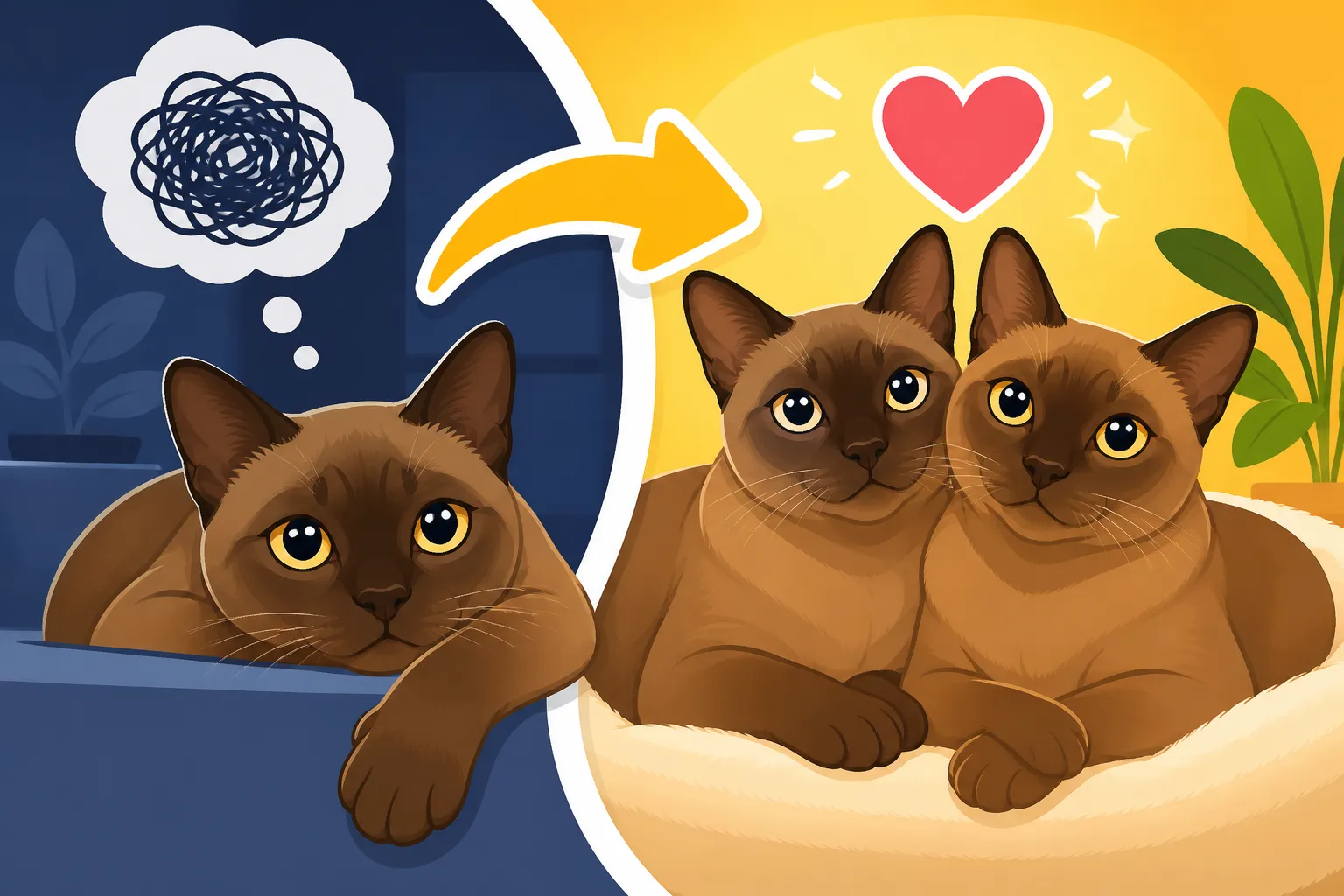
Why a Second Cat Fixes Most Burmese Problems
It’s a heartbreaking sight to come home to a shredded sofa, or even worse, find that your beloved Burmese has been over-grooming to the point of bald patches, all because they’ve been left alone too long. These beautiful, affectionate cats thrive on companionship, and when that bond is missing, their anxiety can manifest in ways that are painful for both them and you. This guide is all about understanding why your Burmese needs a constant buddy and how bringing a second cat into your home can truly fix so many of these deep-seated problems, transforming their life and yours for the better.
The Burmese Need for Constant Companionship
The Burmese cat isn't just an affectionate breed; they are almost famously dependent on interaction and connection. They are truly the "Velcro cats" of the feline world, known for their unwavering loyalty and desire to be right in the middle of whatever you're doing. This isn't just a cute quirk; it's a fundamental part of their genetic makeup and temperament that drives their entire existence.
The "Velcro Cat" Nature
If you've ever owned a Burmese, you know exactly what I'm talking about when I say they are a "Velcro cat." They aren't content with just being in the same room as you; they want to be on you, under the duvet, or draped across your shoulders. This intense need for physical closeness and constant interaction is one of their most defining traits. They literally crave contact, often pushing their faces into your palm for petting or finding any way to get onto your lap or shoulder. The Burmese Is the Velcro Cat of the Cat Fancy explores this delightful, yet demanding, characteristic in more detail. They follow you from room to room, supervising your every move, and will often sit patiently by a closed door, offering a soft, insistent rumble until you let them in. It's truly a testament to their deep affection, but it also highlights just how much they rely on that constant connection.
This isn't a cat that will happily entertain itself for hours on end, observing you from a distance like some more aloof breeds. A Burmese wants to be an active participant in your life, seeking out warmth and physical touch whenever possible. This means that if you're home, they want to be with you, and if you're not, they crave a substitute presence. Their entire world revolves around the concept of companionship, making them uniquely susceptible to loneliness when left without it. They're wired for connection, and when that connection is absent, their well-being truly suffers.
Why Solitude is a Struggle
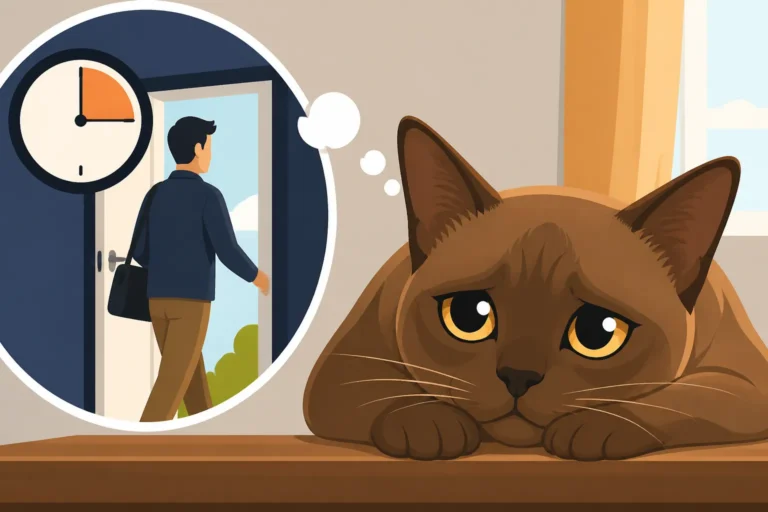
For a Burmese, solitude isn't just boring; it's genuinely distressing. These cats simply cannot be left alone all day without experiencing significant emotional turmoil. Think about it from their perspective: one moment they're bathed in the warmth of your presence, constantly interacting, and the next, their entire world goes silent and empty for hours on end. This abrupt shift can be incredibly disorienting and anxiety-inducing for a breed that thrives on constant social engagement. Why a Burmese Cannot Be Left Alone All Day delves into the specifics of why this is such a profound issue for them.
The problem isn't just about their inherent need for company; it's also about their intelligence and sensitivity. Burmese are highly intelligent cats, capable of forming deep bonds and understanding routines. When those routines involve long periods of isolation, their smart minds start working overtime, often leading to destructive coping mechanisms. They miss the play, the conversation, the shared naps, and the general bustle of a human-filled home. This isn't a cat you can leave for a standard eight-hour workday without consequence, and extended periods away, like a weekend trip without a sitter, can be truly detrimental to their mental and even physical health.
The Affectionate Voice of Demand
One of the charming, yet sometimes insistent, aspects of owning a Burmese is their unique voice. They don't typically "meow" in the traditional sense; instead, they have a distinctive rasping rumble or a throaty, conversational tone. This voice is often used to demand attention, express their desires, and engage with their humans. What a Burmese Wants When It Rumbles at You beautifully captures this communicative trait. When a Burmese is lonely, this voice can become incessant, moving beyond charming chatter to a desperate plea for interaction.
Imagine hearing a persistent, low rumble that follows you around the house, not stopping until you acknowledge them with a pet or a conversation. Now, imagine that sound escalating, becoming more insistent, even a cry, when they feel neglected or abandoned. This isn't just them being "talkative"; it's a profound expression of their need for companionship. Their vocalizations are a barometer of their emotional state, and when they are feeling isolated, their voice becomes a clear signal of distress. It's their way of trying to fill the silence and beckon you back into their world, an undeniable indicator of their deep-seated social requirements.
Recognizing the Signs of a Lonely Burmese
It's crucial for Burmese owners to be attuned to the subtle, and sometimes not-so-subtle, signs that their beloved feline companion is feeling lonely or anxious. These aren't just minor behavioral issues; they are genuine cries for help that, if ignored, can lead to chronic stress and even health problems. Understanding these indicators is the first step toward finding a lasting solution for your cat's well-being.
Destructive Outlets and Anxious Habits
A lonely Burmese will often channel its anxiety into destructive behaviors around the home. This isn't out of malice or naughtiness, but rather a desperate attempt to cope with the stress of isolation. One common manifestation is fabric chewing or sucking. You might find your favorite throw blanket, a corner of a rug, or even your clothes developing holes. This oral fixation can be a self-soothing mechanism, much like a child might suck their thumb, but it signals underlying distress. What a Lonely Burmese Chews Fabric provides more insight into this particular habit. It's their way of trying to manage overwhelming feelings when you're not there to provide comfort.
Beyond chewing, you might notice inappropriate urination or spraying. A Burmese that sprays isn't necessarily being defiant; they are often marking their territory as a response to feeling insecure or anxious, trying to create a sense of control in an environment where they feel out of control due to loneliness. Similarly, excessive scratching on furniture, beyond what's typical for nail maintenance, can be another sign. They might target specific items associated with your presence, like your favorite armchair, almost as if trying to draw your attention to their distress, even in your absence. These acts are often misinterpreted as misbehavior, but they are genuine indicators of an unhappy and solitary cat.
Behavioral Shifts and Vocal Cues
The subtle shifts in your Burmese's behavior can be incredibly telling. You might notice them becoming more withdrawn when you are home, as if their enthusiasm has been dampened by long hours of solitude. Alternatively, they might become excessively clingy, almost frantic in their need for your attention the moment you walk through the door, a clear sign of What Separation Anxiety Looks Like in a Burmese. This isn't just excitement; it's an urgent demand to reconnect and fill the emotional void.
Their vocalizations also offer significant clues. While Burmese are naturally communicative, a lonely cat might start vocalizing almost constantly, even when you are present, as if trying to make up for lost time. Their characteristic rasping rumble might escalate into persistent, almost desperate cries, especially if they are shut out of a room or left alone. Conversely, some Burmese might become unusually quiet, their vibrant personality dulled by the lack of interaction, which can be just as concerning. How Many Hours Alone a Burmese Tolerates can give you a benchmark for just how quickly these behavioral changes can set in. These shifts, whether they lean towards hyperactivity or lethargy, are deeply rooted in their profound need for social connection.
Physical Manifestations of Stress
Loneliness and anxiety don't just affect a Burmese's behavior; they can also take a toll on their physical health. One of the most common physical signs of stress is over-grooming, also known as psychogenic alopecia. A Burmese might excessively lick or chew at their fur, particularly on their belly, inner thighs, or flanks, to the point where they create bald spots or skin lesions. Why a Lonely Burmese Pulls Its Satin Coat Out explains this phenomenon in detail. This compulsive grooming is a coping mechanism, a way to self-soothe when external comfort is absent.
You might also observe changes in their appetite. Some lonely Burmese might lose interest in food, leading to weight loss, while others might paradoxically overeat as a form of comfort, contributing to weight gain and potential health issues. Changes in water intake can also be a red flag. Increased thirst can be a sign of stress, but it’s also a critical indicator to watch for given the breed's predisposition to certain conditions; Why a Burmese's Water Intake Is a Diabetes Warning and What Diabetes Looks Like in a Burmese are essential reading for any Burmese owner. Even litter box habits can change, with stress-induced diarrhea or inappropriate elimination outside the box becoming problematic. These physical symptoms are not just nuisances; they are direct manifestations of a deeply unhappy cat.
Here’s a quick overview of how a lonely Burmese might present compared to one with a feline companion:
| Behavior/Symptom | Lonely Burmese | Burmese with a Feline Companion |
|---|---|---|
| Vocalization | Excessive, desperate, persistent cries/rumbles | Contented purrs, conversational rumbles, less urgent |
| Destructive Habits | Chewing fabric, spraying, inappropriate scratching | Minimal destructive behavior, appropriate scratching |
| Attachment to Owner | Overly clingy, frantic greetings, follows everywhere | Affectionate but independent, seeks owner for specific interaction |
| Grooming | Over-grooming, bald patches, skin irritation | Healthy coat, normal grooming habits |
| Appetite | Erratic, either overeating or loss of interest | Stable, healthy appetite |
| Playfulness | Less engaged in solo play, bored, restless | Engaged in play with companion, more active |
| Overall Demeanor | Anxious, withdrawn, restless, stressed | Relaxed, confident, playful, content |
Why Another Cat is the Ideal Solution
If you've identified signs of loneliness in your Burmese, you're probably wondering what the best course of action is. While you can certainly dedicate more time to play and interaction, the reality for most of us is that we have work, errands, and other commitments that take us away from home. This is where a second cat truly shines as the most effective and humane solution for a Burmese's deep-seated need for company.
Built-in Playmate and Confidante
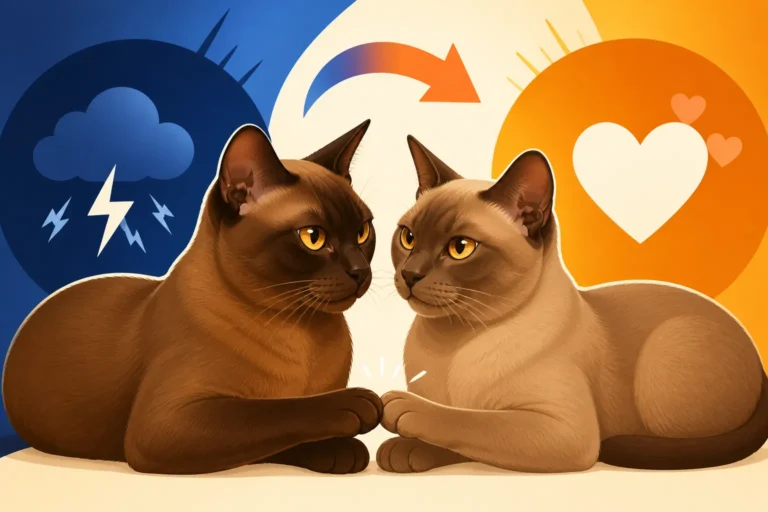
The most immediate and profound benefit of bringing a second cat into your home for your Burmese is providing them with a constant, living playmate and confidante. A human, no matter how dedicated, cannot replicate the specific type of companionship a fellow feline offers. Cats, especially highly social breeds like the Burmese, communicate through scent, body language, and subtle cues that are unique to their species. A second cat provides that essential peer interaction, filling the void that even the most attentive human simply cannot.
Imagine your Burmese no longer staring forlornly out the window during your work hours, but instead, chasing a wand toy with their new friend, engaging in wrestling matches, or grooming each other. This constant presence means they are never truly alone. The second cat acts as a mirror, reflecting their energy, stimulating their minds, and providing an outlet for their natural instincts to play, hunt, and socialize. This companionship reduces boredom and anxiety, transforming a solitary, anxious cat into a more confident, well-adjusted individual. Why a Burmese Is Still Playing at Fifteen illustrates their enduring playfulness, a trait best nurtured with a feline partner.
Shared Warmth and Comfort
Burmese cats absolutely adore warmth and physical closeness. Their short, satin coats mean they feel the cold more acutely than breeds with thicker fur, and they will instinctively seek out the warmest person or spot in the house. This preference for warmth extends to their desire for snuggling with other creatures. When a second cat is introduced, it provides an immediate, always-available source of shared body heat and comfort. You’ll often find them curled up together, intertwined in a fuzzy, purring pile.
This isn't just about physical warmth; it's about emotional comfort. The presence of another cat can provide immense reassurance, especially during times of stress or when you're away. They have someone to lean on, someone to groom, and someone to simply be with. This constant, reassuring presence can drastically reduce separation anxiety, making the house feel less empty and daunting. The soothing purrs and gentle grooming exchanges between two cats create a calm, nurturing environment that a single cat often misses. Why a Short Coated Burmese Seeks Body Heat explains this phenomenon further, showing how a companion becomes a vital source of comfort.
Reducing Owner Guilt and Stress
Let's be honest: as much as we adore our Burmese, the constant worry about their loneliness can be a heavy burden. The guilt of leaving them alone for hours, even with the best intentions, can weigh heavily on your mind. Seeing the signs of their distress, whether it's destruction, over-grooming, or incessant vocalization, adds another layer of stress. You might find yourself rushing home, declining social engagements, or constantly feeling guilty about your work schedule.
Bringing home a second cat drastically alleviates this emotional load. Knowing that your beloved Burmese has a constant companion, someone to interact with, play with, and snuggle with while you're away, offers immense peace of mind. You’ll find yourself less stressed about leaving them, and you can focus on enjoying your time with them rather than constantly trying to compensate for their loneliness. Why Two Burmese Cost Less Than One Anxious One highlights the practical and emotional benefits of this decision. This allows you to relax, knowing that you've provided the best possible environment for your highly social cat, turning a source of anxiety into a source of joy.
Choosing the Right Feline Friend for Your Burmese
Deciding to bring a second cat into your home is a big step, but it’s crucial to choose the right companion to ensure a harmonious household. Not just any cat will do for a Burmese, as their intense social needs and playful nature require a compatible partner.
Matching Temperaments and Energy Levels
The most critical factor in choosing a companion for your Burmese is ensuring a good match in temperament and energy levels. A Burmese is incredibly playful and social, often staying kittenish well into old age. They thrive on interaction and can be quite boisterous. Therefore, a very shy, reserved, or low-energy cat might become overwhelmed or stressed by a Burmese's constant demands for play and attention. Ideally, you want a cat that is equally outgoing, confident, and enjoys playing.
Consider a cat that is curious and adaptable, willing to engage in games of chase and wrestle. A mellow cat might tolerate a Burmese, but it won't truly fulfill their need for interactive play. Which Cats Are Sociable Enough for a Burmese can offer some guidance on compatible breeds, but individual personality is always paramount. Spend time observing potential companions, if possible, to gauge their play style and general demeanor. You're looking for a cat that will meet your Burmese's energy rather than shrink from it, fostering a relationship built on mutual enjoyment rather than tolerance.
Age and Breed Considerations
While temperament is key, age and breed can also play a role in finding a suitable companion. For age, a younger cat or kitten (perhaps between 6 months and 2 years) can often adapt more easily to a new home and match the energy of an adult Burmese. However, an older, well-socialized cat with a proven friendly disposition can also be an excellent choice, especially if your Burmese is past its most boisterous kitten phase but still loves to play. Avoid bringing in a very young kitten that might be fragile or easily intimidated by an adult Burmese's robust play.
When it comes to breed, other social, playful breeds often do well with a Burmese. For instance, another Burmese is almost always an ideal match, as they share the same intense need for companionship and play style. Whether a Burmese Prefers Another Burmese confirms that they truly thrive with their own kind. Siamese, Tonkinese, and even some domestic shorthairs with outgoing personalities can also be great candidates. Ultimately, the cat's individual personality trumps breed, but breeds known for their sociability tend to be a safer bet. Look for a cat that is confident and not easily startled, as a Burmese is unlikely to give a timid cat much space.
Finding Companions Through Reputable Sources
When you're ready to find that special companion, always go through reputable sources. This means contacting breeders who specialize in social breeds, or reputable local shelters and rescue organizations. A good breeder will understand the temperament of their kittens and can help you select one that would be a good fit for your existing Burmese. They might even have a retired breeding cat who is looking for a quiet home and would appreciate the company of another cat.
Shelters and rescues are also fantastic resources. Many cats end up in shelters through no fault of their own, and staff or experienced foster parents can often provide invaluable insights into a cat's personality, energy level, and past interactions with other animals. They often have cats who have lived in multi-cat households before and are known to be friendly. When searching on sites like Amazon for cat supplies for the new arrival, remember to also spend time researching local reputable adoption centers. Be honest about your Burmese's personality and needs, and ask for a cat that is known to be playful and tolerant. Bringing Home the Second Cat a Burmese Needs provides further practical advice for this exciting process.
Seamless Introductions and Nurturing the Bond
Bringing a new cat home, even for a social breed like the Burmese, requires careful planning and a gradual introduction process. Rushing things can lead to stress, fear, and a rocky start to their relationship. Your goal is to foster a positive, lasting bond built on comfort and trust.
Slow and Gradual Integration Steps
The key to a successful introduction between cats is patience and a slow, gradual approach. Never just throw two cats together and hope for the best, especially with a Burmese who can be quite assertive in their desire for interaction. Start by giving the new cat its own "safe room" with food, water, litter box, and a comfortable bed. This allows them to decompress and get used to the smells and sounds of their new home without direct interaction. This safe space should have essentials, perhaps a new cat tree from Amazon, to help them feel secure.
For the first few days, focus on scent swapping. Rub a cloth on one cat and then let the other sniff it, doing the same in reverse. Feed them on opposite sides of the closed door to the safe room, associating each other's presence with positive experiences. After a few days of positive scent exchange, move to supervised visual introductions through a baby gate or cracked door, again with positive reinforcement like treats or play. Keep these sessions short and positive, gradually increasing the duration and proximity over several days or even weeks. Making a Room Bearable for a Burmese Left Alone offers tips on creating safe spaces that can be adapted for new introductions. This measured approach minimizes stress and allows a natural, positive relationship to develop.
Ensuring Fair Resources and Attention
Once your Burmese and their new companion are starting to get along, it's vital to ensure that both cats feel secure and have access to all necessary resources. This means having enough litter boxes (the general rule is one per cat, plus one extra), multiple feeding stations, and plenty of water bowls. Resource guarding can be a source of tension, so scattering resources throughout the house prevents competition and promotes harmony. You might consider elevated feeders or puzzle feeders to keep things interesting.
Equally important is ensuring both cats receive ample individual attention from you. While the goal is for them to bond, your Burmese still cherishes their one-on-one time with you. Make sure to have separate play sessions, cuddle times, and petting moments for each cat. This reinforces your bond with each of them and prevents any jealousy from developing. If you're buying new toys or beds, consider getting two of each so there's no fighting over prized possessions. Providing separate cat trees or high perches can also give each cat their own space to observe their kingdom.
Long-Term Harmony in a Multi-Cat Home
Nurturing a long-term bond between your Burmese and their companion involves ongoing attention to their needs and a commitment to maintaining a peaceful environment. Continue to provide ample opportunities for shared play, using wand toys, laser pointers, or even a variety of interactive toys you can find on Amazon. Regular interaction helps solidify their bond and keeps them mentally and physically stimulated. Pay attention to their body language and subtle cues; if one cat seems stressed or overwhelmed, give them space and intervene gently.
Remember that even with a companion, your Burmese will still cherish their lap time and individual affection from you. A multi-cat home brings immense joy and peace, but it still requires your active participation in fostering positive relationships. Celebrate their shared naps, their synchronized grooming sessions, and their playful chases through the house. The sight of two Burmese cats, or a Burmese and a compatible friend, curled up together, purring in contentment, is the ultimate reward for your efforts. It’s a testament to the fact that for a highly social breed like the Burmese, two truly are better than one, providing a life filled with companionship, warmth, and endless affection.
Disclaimer
This article is for general informational purposes only and does not constitute professional advice. Laws, prices and regulations vary by location and change over time. Consult a qualified professional for guidance on your specific situation.