How Long a Burmese Will Ride on a Shoulder
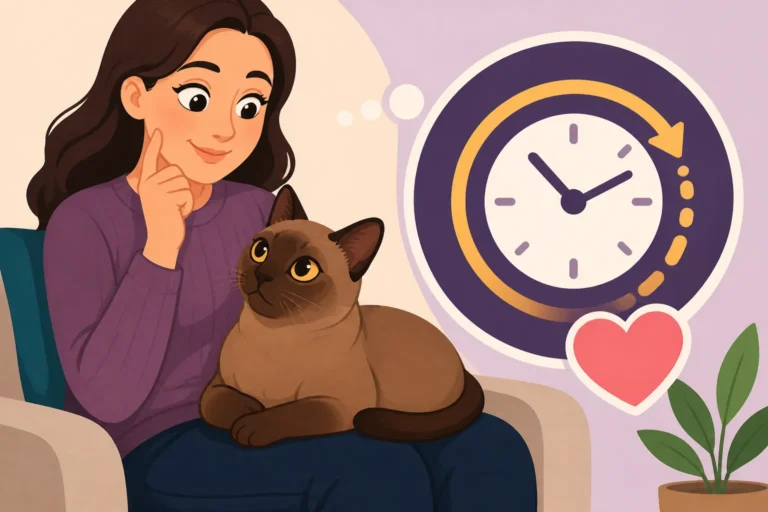
It’s a universally recognized, and often deeply beloved, trait of the Burmese cat: they aren't content to merely be in the same room as you; they want to be on you. And not just your lap, but your shoulder, perched like a confident parrot, surveying their domain from the highest point available. Many first-time Burmese owners are delightfully surprised by this behavior, while seasoned enthusiasts simply know it’s part of the package. This guide dives deep into how long you can expect your Burmese to claim your shoulder as their personal mobile throne, and what makes this unique bond so enduring.
The Instinct Behind the Burmese Shoulder Ride: Why They Crave the High Ground
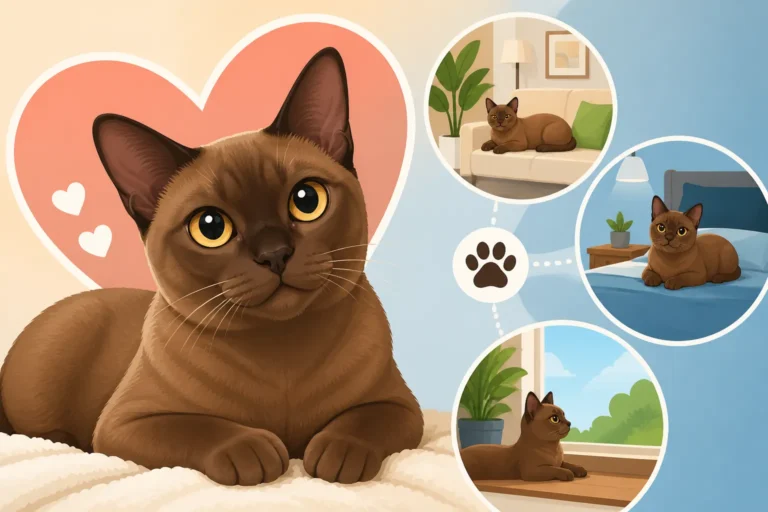
There’s a reason Burmese cats are often called "dog-like" or "Velcro cats" – they form incredibly strong bonds with their human companions and express that affection in very physical ways. Unlike some more aloof breeds, a Burmese thrives on constant contact and inclusion in your daily life. This isn't just a casual preference; it's a deep-seated need for connection and warmth that drives much of their unique behavior, including their affinity for shoulder rides.
The "Velcro Cat" Phenomenon and Your Burmese
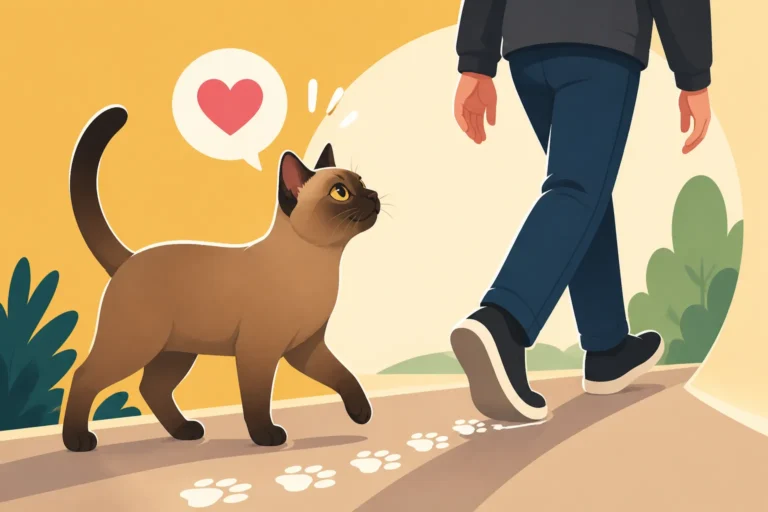
From the moment you bring a Burmese kitten home, you’ll notice an intensity in their affection. They don't just follow you from room to room; they want to be an active participant in whatever you're doing. This can manifest as them weaving through your legs while you cook, demanding attention during your morning coffee, or, yes, attempting to scale you like a furry mountain. It’s their way of saying, "I'm part of your world, and I want to be as close to the action—and to you—as possible." This innate desire for proximity is the bedrock of their shoulder-riding habit. They are seeking to maximize contact, warmth, and engagement, and your shoulder offers a prime spot for all three. It’s why you might find your Burmese nudging your arm or even launching themselves up with surprising agility. It's an invitation, or perhaps a demand, to join you on your current adventure, even if that adventure is just walking from the kitchen to the living room. They truly are The Burmese Is the Velcro Cat of the Cat Fancy, and your shoulder is often their preferred patch of "velcro."
Seeking Warmth, Security, and Attention All at Once
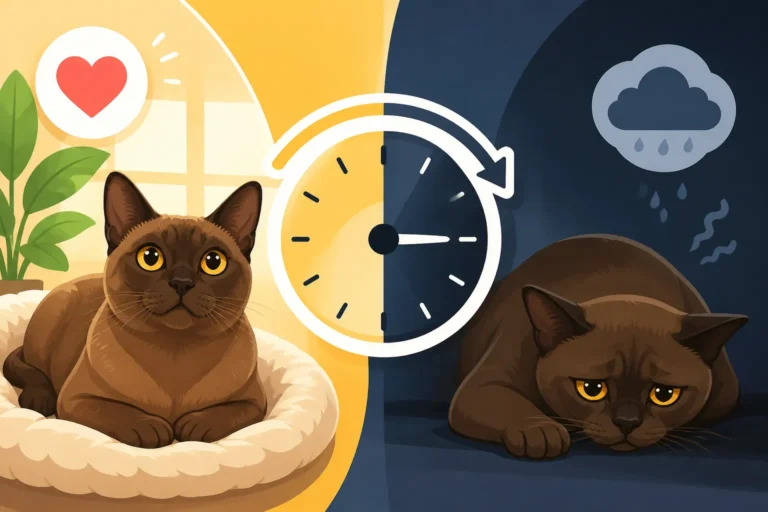
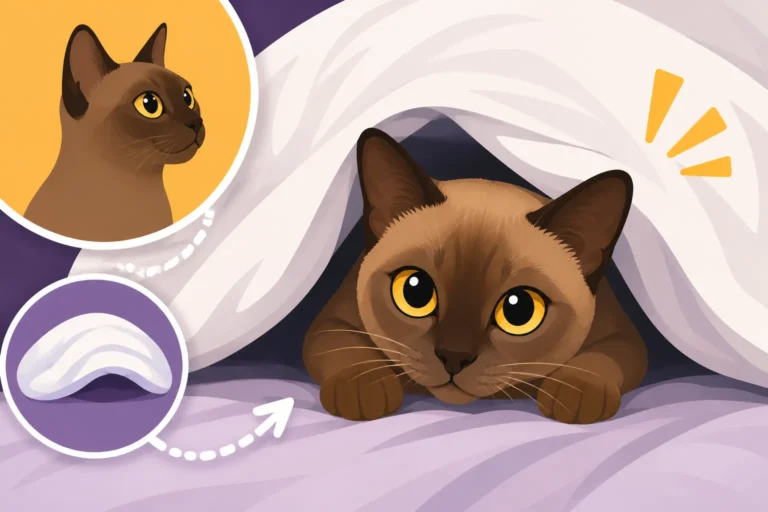
A Burmese's short, sleek, satin-like coat is beautiful, but it means they don't have the dense undercoat of some other breeds to keep them toasty. They are constantly seeking out warmth, which is why you’ll often find them curled up in sunbeams, under blankets, or nestled against you. Your shoulder, with its natural body heat, is an ideal warmth source. But it's more than just warmth. From your shoulder, they gain a vantage point that offers a sense of security. They can observe their surroundings from a height, feeling safe and in control, knowing they are right beside their trusted human. This elevated position also puts them face-to-face with you, allowing for direct communication – nose boops, head rubs, and intense eye contact that some cats reserve only for their closest companions. They know that by being up high, they are literally at your level, making it easier to receive and give affection. It’s also an incredible attention-grabbing maneuver. It’s hard to ignore a purring, kneading cat on your shoulder, is it? This multi-layered motivation ensures that the shoulder ride is a deeply satisfying experience for your Burmese.
How Long Is a "Shoulder Ride"? Understanding the Duration
So, you've got a Burmese on your shoulder. Now what? Will they stay there all day, or is it a fleeting moment? The answer, as with many things feline, is "it depends." The duration of a Burmese shoulder ride can vary wildly based on a number of factors, from your cat's individual personality to what you're doing at the moment. It's rarely a rigid commitment, but rather a fluid interaction that adapts to the situation.
The Burmese "Perch": Factors Influencing Their Stay
First and foremost, your Burmese's individual personality plays a huge role. Some Burmese are bolder, more adventurous climbers, and will happily stay put through various activities. Others might prefer shorter, more intense bursts of shoulder time before hopping down to explore or find a new warm spot. What you're doing is also critical. If you're sitting still, reading a book, or working at a computer, your shoulder transforms into an ideal perch for a cat nap or a quiet observation post. They can settle in for a good long while, purring contentedly. If you're moving around, doing chores, or walking through doorways, the ride might be shorter. A confident Burmese might cling on, enjoying the ride, while a slightly less secure one might opt to disembark. Age can also be a factor. Energetic kittens might use your shoulder as a launchpad for further adventures or simply be too wiggly to stay put for long. Older Burmese, however, might appreciate the stability and warmth of a prolonged shoulder perch, settling in for a genuine snooze. What an Old Burmese Still Wants to Play is still true, but they might also appreciate a good, long cuddle.
When a Shoulder Becomes a Mobile Throne
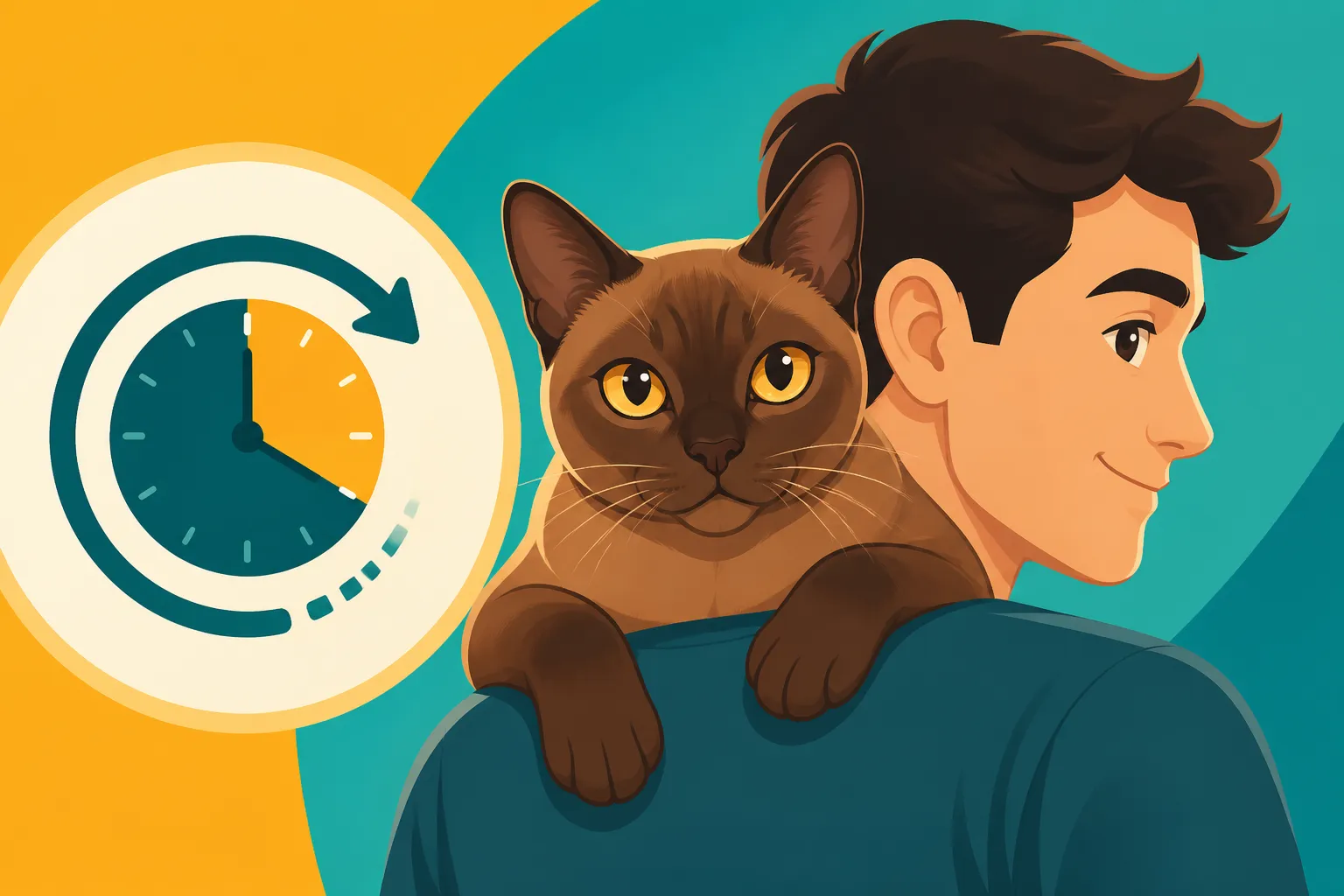
When conditions are just right – you’re relaxed, warm, and relatively still – your Burmese might transform your shoulder into their mobile throne for quite an extended period. I've known Burmese who have ridden on shoulders for an entire evening of television watching, only dismounting when their human gets up for a snack. They become an extension of you, draped across your back, perhaps with a paw resting gently on your chest or a head tucked into your neck. It’s a profound sign of trust and affection. They might even fall asleep up there, their soft purr rumbling right next to your ear.
This isn't always a passive experience for them. From their vantage point, they might gently bat at your hair, rub their cheek against yours, or simply observe the room with keen interest. If you decide to move, a well-balanced Burmese will adjust their weight, often clinging on surprisingly tightly with unextended claws (a blessing!). They are highly adaptable creatures, and if your shoulder offers comfort, security, and proximity to you, they will make the most of it. It’s an intimate form of companionship that speaks volumes about their personality and the bond you share. This is part of Why a Burmese Pushes Its Face Into Your Palm and truly seeks that deep, personal contact.
Navigating the Shoulder Passenger: Tips for Owners
Having a shoulder-riding Burmese is a unique and often incredibly heartwarming experience. But like any close relationship, it requires a bit of understanding and sometimes, a little management. Whether you want to encourage this behavior or gently redirect it, there are ways to ensure it’s a positive interaction for both you and your feline friend.
Encouraging the Bond (and Your Shoulders)
If you adore your shoulder-riding companion, there are simple ways to make the experience more comfortable and enjoyable. First, think about your clothing. A soft, sturdy fabric gives them better grip and feels nicer under their paws. Be mindful of sudden movements; try to move smoothly and predictably, especially when turning or bending. Talk to your Burmese when they're on your shoulder; this reinforces the bond and their sense of security. Gentle strokes along their back or behind their ears can turn a simple perch into a blissful cuddle session.
You can also engage them while they're up there. A small, lightweight feather wand or a toy mouse can be dangled within their reach, allowing for playful interaction without requiring them to dismount. Check out options on Amazon for wand toys that are easy to manipulate with one hand. This kind of shared activity deepens the bond and fulfills their need for play, even when they’re in their favorite elevated spot. Remember, Why a Burmese Insists on Being Handled from a young age means they're usually quite amenable to being picked up and placed where they feel comfortable, including your shoulder.
Gentle Discouragement and Safe Disembarkation
Sometimes, you just need your shoulders back! Whether you’re cooking, carrying something fragile, or simply need a break, there are ways to encourage your Burmese to dismount without causing stress. The key is never to force them or simply pull them off. Instead, gently slide your hand under their chest and hindquarters, lifting them slightly and moving them to a nearby, equally appealing surface – perhaps a tall cat tree, a comfortable chair right next to you, or even your lap. Making the alternative location attractive, perhaps with a soft blanket or a favorite toy, helps them transition.
If your Burmese tends to get underfoot or insists on climbing when you’re busy, consider giving them appealing alternatives. A cat tree that offers height and warmth can be a fantastic substitute. You can find a wide range of tall, sturdy cat trees on Amazon that cater to a Burmese's climbing instincts. Sometimes, having a second Burmese cat can also help. Why Two Burmese Settle Each Other means they often divert some of their intense need for contact onto each other, though they'll still absolutely want your attention too. If you only have one Burmese, and they seem overly clingy or anxious when you're away, it might be a sign they're struggling with solitude, and this shoulder-riding is their way of maximizing contact. Why a Burmese Cannot Be Left Alone All Day is a real concern, and sometimes another cat is the best solution for their emotional well-being.
Practical Considerations for a Shoulder-Riding Life
Living with a shoulder-riding Burmese is a joy, but it does come with a few practical considerations to ensure the safety and comfort of both you and your beloved feline. Being prepared for their spontaneous aerial maneuvers and understanding their core needs will make your shared life even smoother.
Ensuring Safety for Both You and Your Cat
The primary safety concern for a shoulder-riding cat is, of course, their claws. While a Burmese is generally gentle and unlikely to deliberately scratch you, an accidental dig-in can happen if they lose balance or get startled. Regular nail trims are absolutely essential for a shoulder cat. Making it a routine, quick task can save your clothes (and your skin!). Trimming a Burmese's Claws While It Sits on You can become a shared, calm activity rather than a struggle.
Beyond claws, simply being aware of your cat's presence on your shoulder is crucial. Before you stand up quickly, bend over, or walk through a narrow doorway, do a quick "shoulder check." I've heard too many tales of owners accidentally bumping their beloved passenger or forgetting they were there! Teach children in the household how to interact safely with a cat on your shoulder, emphasizing gentle movements and avoiding sudden grabs. A calm, predictable environment will make your Burmese feel more secure and less likely to panic and use their claws if they feel unstable.
The Role of Socialization and Companionship
The shoulder-riding behavior, at its heart, is an expression of the Burmese's profound need for connection and companionship. They are deeply social animals, thriving on interaction. This is why many breeders advocate for getting Burmese in pairs or ensuring they have ample human company. Why a Burmese Sleeps Against Another Cat highlights their need for physical closeness, which translates to their human relationships too.
Even with another feline companion, your Burmese will still want their "human time," and your shoulder offers a prime location for that. The social needs of a Burmese are high, and while a shoulder ride is a wonderful way to fulfill some of those needs, it’s part of a larger picture of consistent affection, play, and inclusion in family life. If you're a busy individual, or out of the house for long periods, consider whether you can truly meet the high social demands of a single Burmese. Often, Why a Burmese Pair Halves the Damage Bill not just in terms of house damage from anxiety, but in reducing the burden of being their sole source of interaction. If you ever need to transport your shoulder-riding duo, be sure to have a sturdy, comfortable carrier. Which Carrier Two Burmese Will Share is an important consideration for their comfort and safety when on the go, perhaps one you scouted on Amazon for its secure design and ample space.
Understanding that their shoulder-riding isn't just a quirky habit, but a deep-seated behavioral trait, allows you to appreciate and manage this endearing aspect of Burmese ownership with both affection and practicality.
| Aspect of Shoulder Riding | Pros for Owner | Cons for Owner | Pros for Burmese | Cons for Burmese |
|---|---|---|---|---|
| Duration | Prolonged bonding, warm cuddles | Limited mobility, potential inconvenience during tasks | Maximized contact, warmth, security, high vantage point | Accidental falls if owner moves suddenly |
| Nature of Interaction | Unique display of affection, constant companionship | Risk of accidental scratches, hair on clothes | Direct access to human, ability to participate in activities | Over-reliance on human for comfort, potential anxiety if alone |
| Management | Easy positive reinforcement, deepens bond | Requires conscious effort to discourage, need for alternative perches | Fulfills need for height and warmth, consistent affection | Potential frustration if forced down abruptly |
| Environment | Promotes calm, loving household atmosphere | Can be challenging in busy, active settings | Sense of belonging, inclusion in family unit | Can be overwhelming if not managed gently |
Disclaimer
This article is for general informational purposes only and does not constitute professional advice. Laws, prices and regulations vary by location and change over time. Consult a qualified professional for guidance on your specific situation.