The Meerkat Neck That Tells You a Burmese Has Hypokalemia
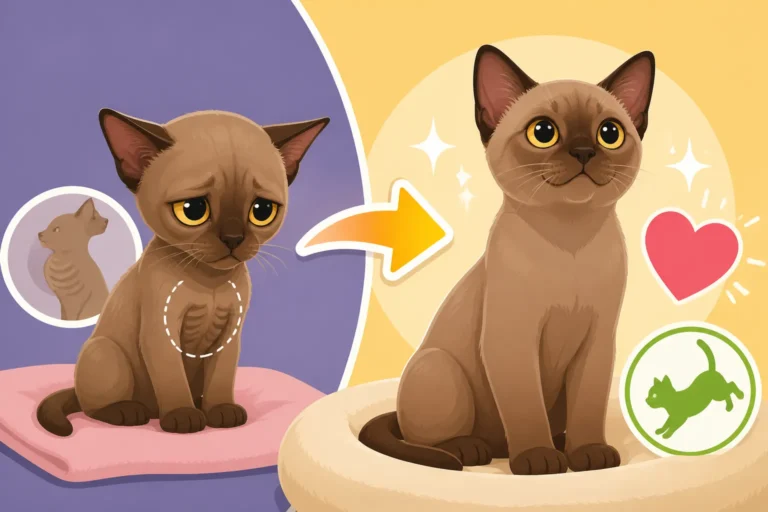
Seeing your beloved Burmese cat suddenly unable to hold its head up, with their neck stiffly extended and their gaze fixed, can be one of the most frightening experiences a cat owner can face. This alarming posture, often described as a "meerkat neck," is a classic indicator of a serious condition known as Hypokalemia, a drastic drop in blood potassium levels. This guide will walk you through understanding Hypokalemia in Burmese cats, recognizing its signs, and learning how to manage and prevent this inherited health challenge.
What is Hypokalemia and Why is it So Serious?
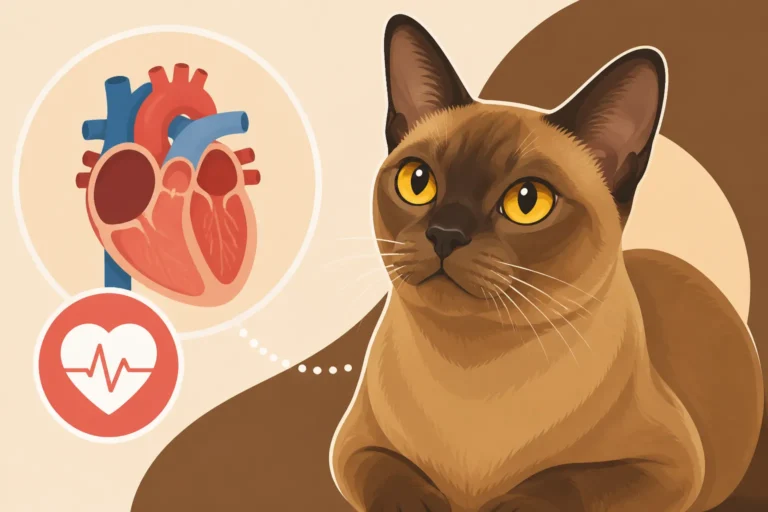
Hypokalemia is a medical term that simply means "low potassium in the blood." While potassium might not sound like the most exciting electrolyte, it's absolutely vital for every single cell in your cat's body to function correctly. It plays a crucial role in nerve impulse transmission, muscle contraction (including the heart!), and maintaining fluid balance. When potassium levels dip too low, these essential bodily functions start to falter, leading to a cascade of noticeable and often severe symptoms. For Burmese cats, this isn't just a minor imbalance; it's a serious, sometimes life-threatening, inherited condition.
The Role of Potassium in Your Cat's Body
Think of potassium as the unsung hero working behind the scenes. It's an electrolyte, meaning it carries an electrical charge, which is exactly why it's so important for things like muscle movement and nerve signals. Every time your cat walks, jumps, purrs, or even just blinks, potassium is involved in making those muscles respond. It helps their heart beat steadily and efficiently, ensuring blood circulates throughout their body. Beyond movement, potassium also helps regulate the body's pH balance and ensures that nutrients can enter cells while waste products are removed. It's a fundamental part of staying healthy, and a deficiency can quickly throw the entire system into chaos.
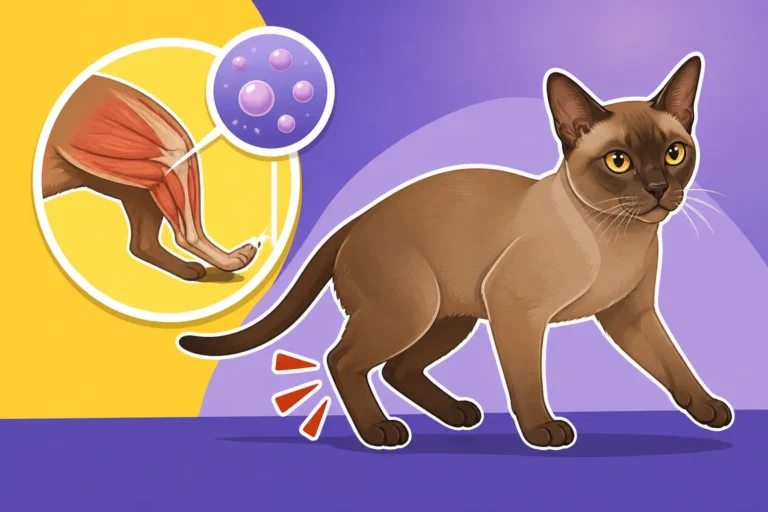
When potassium levels drop, one of the first and most noticeable effects is muscle weakness. This isn't just a bit of tiredness; it can manifest as profound inability to use muscles. Imagine trying to lift your arm but finding it completely unresponsive – that's the kind of profound weakness a cat with severe hypokalemia experiences. This muscular impact is precisely what leads to the distinct "meerkat neck" posture we often see, as the neck muscles simply can't sustain the weight of the head. It's a terrifying sight, and understanding the underlying mechanism helps highlight the urgency of seeking veterinary attention.
How Hypokalemia Specifically Impacts Burmese Cats
While any cat can theoretically develop hypokalemia due to various causes like severe vomiting, diarrhea, or kidney disease, Burmese cats have a genetic predisposition that makes them uniquely vulnerable to a specific form called Familial Hypokalemic Polymyopathy. This means it's passed down through their genes, making it a condition that responsible breeders must actively screen for. This inherited form usually presents as episodes of muscle weakness that can range from mild stiffness to complete collapse. The episodes often come and go, making it particularly frustrating and worrying for owners who see their cat fluctuate between seemingly normal and severely affected.
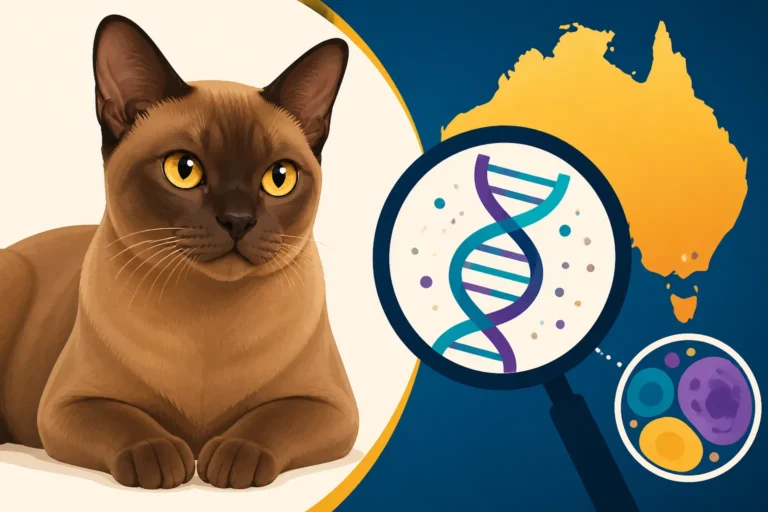
The specific genetic mutation linked to this condition in Burmese cats is in the WNK4 gene. This gene is involved in regulating kidney function, specifically how the kidneys reabsorb electrolytes, including potassium. A defect here means the kidneys aren't holding onto potassium efficiently, leading to it being excessively excreted in the urine. This constant loss, even if diet is adequate, makes it incredibly challenging for a Burmese to maintain healthy potassium levels. Understanding Why the WNK4 Gene Matters in a Burmese is key to grasping the root cause of this breed's unique susceptibility.
The "Meerkat Neck" and Other Alarming Signs
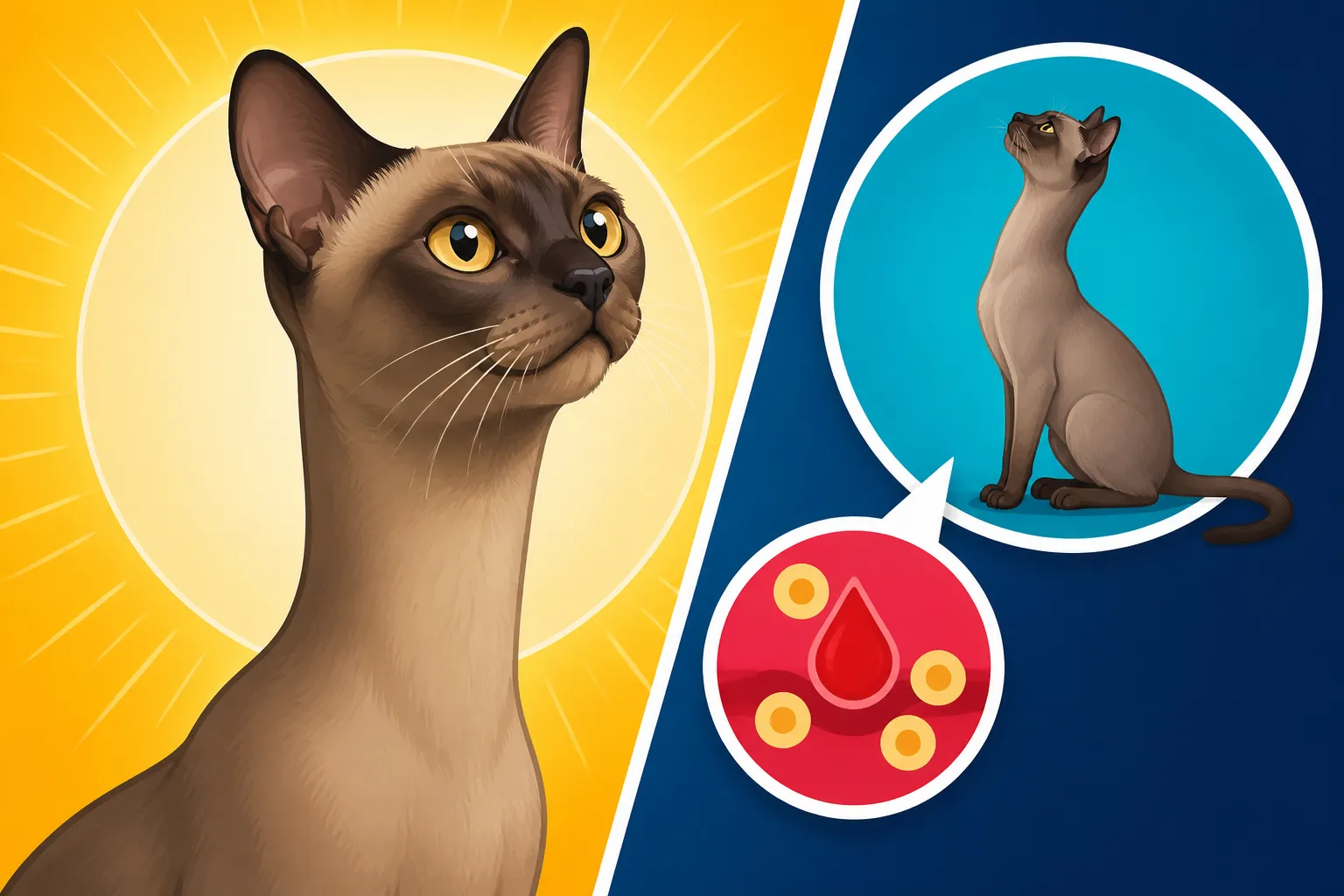
When a Burmese cat suffers from a hypokalemic episode, the symptoms can be incredibly unsettling. The term "meerkat neck" is often used because the cat’s neck muscles become so weak that they can’t support the head, causing the head to drop down towards their chest. To compensate, the cat will often stretch their neck upwards and forwards, looking like a meerkat standing on its hind legs, trying to get a better view. This posture is not only distinctive but also a clear sign of severe discomfort and muscular distress, making it impossible for them to eat, drink, or even lift their head properly.
Recognizing the Classic Meerkat Posture
The "meerkat neck" is perhaps the most iconic and distressing symptom of hypokalemia in Burmese cats. When you see it, your cat won't just be a little stiff; they will actively struggle to lift their head. Their chin might be resting on their chest, and if they try to look up, they might extend their entire neck, keeping it rigid and straight, often with a slight tremor. It's an involuntary posture, born out of sheer muscle weakness. Imagine trying to hold up a bowling ball with a noodle – that's a bit like what their neck muscles are contending with. This isn't just a quirky habit; it’s a red flag waving frantically that something serious is happening.
Beyond the neck, you might notice other signs of generalized muscle weakness. Your cat might seem reluctant to move, have difficulty jumping onto furniture they usually scale with ease, or even struggle to walk steadily. Their gait might appear stiff or wobbly, and they might seem unusually tired or lethargic. It's a dramatic change from the usually energetic and agile Burmese. If you're wondering How Hypokalemia First Shows in a Burmese Kitten, these generalized signs of weakness might be the initial clues before the full "meerkat neck" develops. Any sudden, unexplained weakness warrants immediate veterinary attention, especially in this predisposed breed.
Other Physical and Behavioral Indicators
While the neck posture is a hallmark, hypokalemia can manifest in other ways that might be less dramatic but equally concerning. Affected cats might experience profound muscle pain, making them reluctant to be touched or picked up. Their playful demeanor might vanish, replaced by quiet withdrawal. You might notice changes in their appetite, not necessarily due to a loss of interest in food, but because the weakness makes it difficult or impossible to lower their head to eat or drink from a bowl. This can quickly lead to dehydration and further complications.
Beyond the obvious physical symptoms, there can be subtle behavioral shifts. An otherwise vocal and affectionate Burmese might become unusually quiet or irritable. They might seek out isolated places to rest, trying to avoid activity or interaction. In more severe cases, their breathing might become shallow or labored due to the weakening of the respiratory muscles. It’s a full-body assault. Owners might also notice that the cat walks stiffly or has a strange, uneven gait, even before the neck becomes fully affected. If you observe any of these symptoms, it's critical to contact your vet immediately, as prompt treatment can prevent more severe complications and even save your cat's life. Don't wait to see if it improves on its own.
Why Burmese Cats Are Prone to Hypokalemia
The frustrating reality for Burmese owners is that this condition isn't typically caused by something you did or didn't do in their daily care. It's largely genetic, a inherited fault passed down through generations. This makes understanding the breed's genetic background incredibly important for both prospective owners and responsible breeders.
The Genetic Link and WNK4 Mutation
The scientific community has pinpointed a specific genetic mutation as the primary culprit for Familial Hypokalemic Polymyopathy in Burmese cats. This mutation affects the WNK4 gene, which plays a critical role in the kidney's ability to retain potassium. Normally, kidneys are efficient at recycling vital electrolytes, but in Burmese cats with this mutation, their kidneys essentially leak potassium, flushing it out of the body at an accelerated rate. This constant depletion leads to the episodic drops in blood potassium levels that characterize the condition.
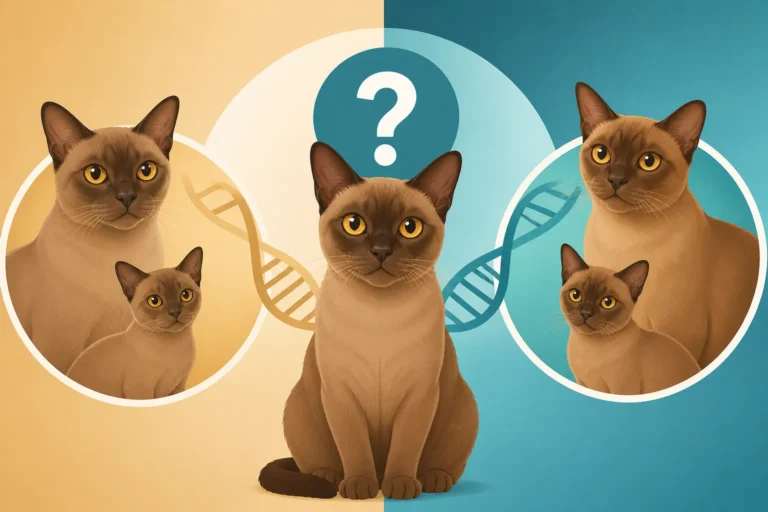
The inheritance pattern for this form of hypokalemia is autosomal recessive. This means a cat must inherit two copies of the mutated gene (one from each parent) to actually develop the disease. Cats that inherit only one copy of the gene are considered carriers. They don't typically show symptoms themselves, but they can pass the gene on to their offspring. This makes genetic testing incredibly important for breeders to avoid inadvertently producing affected kittens. Knowing Why Two Burmese Carriers Must Never Be Bred is crucial for the future health of the breed and to prevent heartbreaking situations for new owners.
Triggers for Hypokalemic Episodes
Even with the genetic predisposition, hypokalemic episodes aren't usually constant. They are often triggered by certain stressors or physiological demands. One of the most common triggers is stress, which can include anything from a trip to the vet, a new pet in the house, or even just changes in their routine. Stress can cause a release of hormones like adrenaline, which can temporarily shift potassium from outside cells to inside cells, leading to a drop in blood potassium. This is why a cat might be perfectly fine one moment and then suddenly collapse.
Another significant trigger can be intense physical exertion or excitement. A particularly vigorous play session, for example, could precipitate an episode. Even simple changes in diet or periods of illness, such as vomiting or diarrhea, can exacerbate the issue by further depleting potassium stores or interfering with its absorption. It’s also important to consider the impact of certain medications that might affect electrolyte balance. Understanding What Triggers a Burmese Hypokalemic Episode can help owners minimize these stressors and potentially reduce the frequency or severity of attacks. Keeping a log of when episodes occur and what might have preceded them can be invaluable information for your veterinarian.
Diagnosis and Emergency Treatment
If you suspect your Burmese cat is experiencing a hypokalemic episode, the very first thing you need to do is get them to a veterinarian immediately. This is not a condition you can "wait and see" with. Prompt diagnosis and treatment are absolutely critical, as severe hypokalemia can lead to life-threatening complications, including respiratory failure or heart problems. The "meerkat neck" is a clear sign that emergency care is needed.
Confirming the Diagnosis with Your Vet
When you arrive at the vet's office, they will perform a thorough physical examination, observing your cat's posture, mobility, and overall condition. They'll be looking for signs of muscle weakness, the classic neck posture, and any other neurological deficits. However, the definitive diagnosis of hypokalemia relies on a simple blood test to measure the potassium levels in your cat's bloodstream. Typically, a quick in-house blood panel can provide these results within minutes, allowing for rapid intervention.
Your vet will likely also want to rule out other conditions that might present with similar symptoms, such as neurological disorders or other electrolyte imbalances. They might ask about your cat's medical history, any recent changes in diet or behavior, and whether there's a known history of hypokalemia in their lineage. Providing a detailed account of when the symptoms started, what they look like, and how long they've lasted is incredibly helpful. The rapid confirmation of low potassium allows the veterinary team to move swiftly to the most crucial step: replenishing those vital electrolytes.
Immediate Steps and Potassium Supplementation
Once hypokalemia is confirmed, the immediate treatment involves administering potassium. For cats experiencing severe symptoms, this is often done intravenously (IV) in a veterinary clinic. IV potassium supplementation allows for rapid and controlled delivery directly into the bloodstream, helping to stabilize levels quickly. It's a delicate balance, as administering potassium too quickly or in too high a dose can also be dangerous, potentially causing heart rhythm abnormalities. Therefore, this treatment must always be done under strict veterinary supervision, with careful monitoring of your cat's heart rate and potassium levels.
In less severe cases, or once the immediate crisis has passed, oral potassium supplements may be prescribed. These come in various forms, such as powders, gels, or tablets, and your vet will advise on the correct dosage and frequency. Your vet will also address any underlying triggers, if identifiable, such as dehydration or concurrent illness. Watching your cat go through an episode is terrifying, but knowing How a Vet Treats a Burmese Hypokalemic Episode can give you peace of mind that there are effective interventions available to help them recover quickly. The goal is to restore normal potassium levels as safely and swiftly as possible to alleviate the muscle weakness and prevent further complications.
Long-Term Management and Living with Hypokalemia
Living with a Burmese cat diagnosed with hypokalemia means committing to long-term management. While the immediate crisis is addressed by your vet, ongoing care at home is crucial to prevent future episodes and maintain your cat's quality of life. This usually involves a combination of dietary adjustments, potassium supplementation, and careful monitoring.
Ongoing Potassium Supplementation and Monitoring
For most Burmese cats with familial hypokalemia, long-term oral potassium supplementation becomes a regular part of their daily routine. Your veterinarian will prescribe the appropriate type and dosage of potassium, often in a palatable powder or gel form that can be mixed with food. It’s absolutely vital to follow these instructions precisely and not to adjust the dose without veterinary guidance. Too little potassium, and you risk another episode; too much, and you could cause hyperkalemia, which is equally dangerous.
Regular veterinary check-ups and blood tests will be necessary to monitor your cat's potassium levels and ensure the supplementation is effective. Initially, these checks might be more frequent, gradually spacing out as your cat's condition stabilizes. You might also be asked to monitor for any subtle signs of returning weakness at home. This proactive approach is key to keeping episodes at bay and ensuring your Burmese remains healthy. It's a journey, but with consistent care, many affected cats can lead full, happy lives. Understanding What Potassium Supplementation Does for a Burmese helps reinforce the importance of adherence to the treatment plan.
Dietary Adjustments and Environmental Control
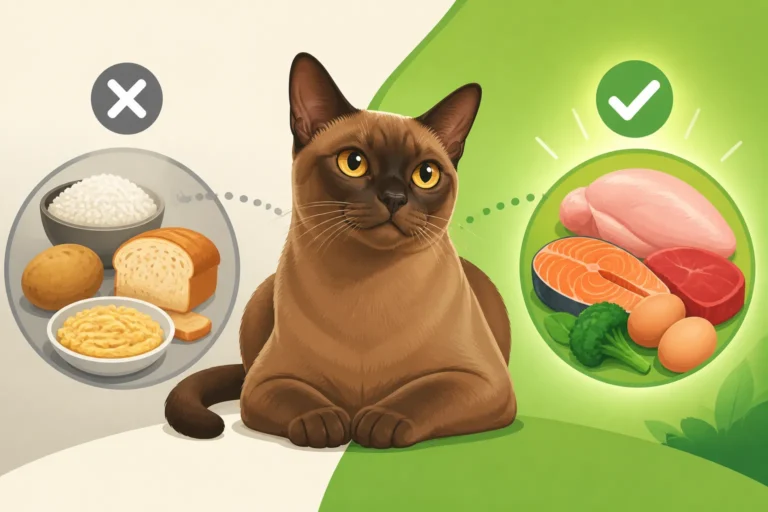
While genetics are the root cause, diet can play a supportive role in managing hypokalemia. Your vet might recommend a diet that is naturally higher in potassium or easily digestible. Generally, good quality wet food is preferred over dry kibble, as it often has better electrolyte balance and water content. Always consult your vet before making significant dietary changes, as some prescription diets are formulated for specific health needs.
Environmental control is also important, particularly minimizing stress, which, as we discussed, can trigger episodes. Try to maintain a consistent routine for your cat, provide safe and comfortable spaces, and be mindful of any changes in the household that might cause anxiety. If your cat is prone to anxiety, discussing calming aids or strategies with your vet could be beneficial. Creating a calm, predictable environment and feeding a consistent, high-quality diet are fundamental pillars of supportive care. The good news is, many Burmese cats, especially kittens, seem to improve with age, leading to the question of Why a Burmese Kitten Grows Out of Hypokalemia, often linked to maturation of kidney function or ability to manage the electrolyte imbalance more effectively.
Life Expectancy and Quality of Life
With proper diagnosis and diligent long-term management, many Burmese cats with hypokalemia can live a normal lifespan with an excellent quality of life. It’s not necessarily a death sentence. The key is consistent monitoring, strict adherence to medication, and proactive management of triggers. Episodes can still occur, but with a well-established care plan, their severity and frequency can often be significantly reduced.
It's a testament to the dedication of Burmese owners and advances in veterinary medicine that a condition once viewed as severely debilitating is now largely manageable. While it requires commitment, the strong bond you share with your Burmese makes it all worthwhile. For owners wondering Whether a Hypokalemic Burmese Lives a Normal Life, the answer is a resounding "yes" with proper care. These beloved cats continue to be the playful, affectionate companions they are renowned for, even with their unique health considerations.
Preventing Hypokalemia in Burmese Breeding
For the future health of the Burmese breed, preventing the transmission of the hypokalemia gene through responsible breeding practices is paramount. This isn't just about individual cats; it's about the breed as a whole. Ethical breeders take great care to ensure they are not inadvertently contributing to the problem.
The Importance of DNA Testing for Breeders
Thanks to advances in veterinary genetics, a reliable DNA test is available to identify Burmese cats that carry the WNK4 mutation responsible for familial hypokalemia. This test can determine if a cat is clear (two normal copies of the gene), a carrier (one normal, one mutated copy), or affected (two mutated copies, though affected cats often don't reach breeding age or are too ill to breed). Responsible breeders absolutely must test all their breeding cats before mating. This is non-negotiable for anyone serious about producing healthy Burmese kittens.
Knowing a cat's genetic status allows breeders to make informed decisions about breeding pairs. For example, a carrier can still be bred, but only to a cat that is genetically clear. This ensures that no kitten born from that pairing will inherit two copies of the mutated gene and thus develop the disease. How the Burmese Hypokalemia Test Is Read can be complex for those unfamiliar, so breeders should be transparent with test results and explain them clearly to prospective kitten buyers. This commitment to testing significantly reduces the incidence of this distressing disease in subsequent generations.
Responsible Breeding Practices
Beyond just testing, responsible breeding involves a holistic approach to genetic health. Breeders should openly share the DNA test results of both parents with prospective buyers. They should also be transparent about the health history of their cattery and the lineage of their cats. A good breeder will prioritize health over aesthetics or trendy colors, ensuring that they are producing robust and resilient kittens. This also includes screening for other potential genetic issues common to the breed.
When considering a Burmese kitten, always ask the breeder about their testing protocols for hypokalemia. A reputable breeder will not only readily provide copies of the parents' DNA test results but will also be able to explain their breeding philosophy and how they work to minimize health risks. They should be knowledgeable about Which Tests Belong on a Burmese DNA Panel to offer a truly comprehensive health guarantee. Choosing a kitten from such a breeder is the best way to ensure you're bringing home a healthy companion and supporting ethical breeding practices.
Supporting Your Cat Through an Episode
Experiencing a hypokalemic episode with your Burmese cat can be incredibly scary, but knowing how to respond calmly and effectively can make a huge difference for your pet. While immediate vet care is paramount, your actions at home during and after an episode play a crucial role in their comfort and recovery.
What to Do During an Episode
If your cat suddenly develops the "meerkat neck" or shows other signs of severe weakness, the most important first step is to stay calm and contact your veterinarian immediately. Explain your cat's symptoms clearly and inform them that you suspect hypokalemia, as this will help them prepare for your arrival. During this time, handle your cat as gently as possible. Their muscles are weak and potentially painful, so avoid sudden movements or forcing them into positions.
Offer them a quiet, warm, and safe space where they can rest without disturbance. If they struggle to move, you might gently move their food and water bowls closer, or even offer water with a syringe if they can swallow safely, though be careful not to force it to avoid aspiration. Crucially, do not attempt to give them human potassium supplements or any other medication without direct veterinary instruction. Over-the-counter supplements can be dangerous in incorrect doses and could worsen their condition. Your immediate priority is safe transport to the vet.
Home Care During Recovery
Once your cat has received emergency treatment at the vet and is stable enough to come home, their recovery period will require continued attentive care. Your vet will likely prescribe oral potassium supplements to continue at home. Administering these as directed, usually mixed into their food or given as a separate treat, is vital for preventing a relapse. You'll need to keep a close eye on their appetite, water intake, and energy levels. Report any concerning changes to your vet promptly.
Creating a comfortable recovery environment is also key. Ensure they have easily accessible food and water bowls, perhaps raised slightly if their neck muscles are still weak. Keep their litter box close by to minimize exertion. Monitor their general demeanor – while they should gradually regain their strength and playful nature, any lingering weakness, stiffness, or return of the "meerkat neck" warrants another call to your vet. Consistent home care is a partnership with your vet that ensures the best possible long-term outcome.
Adjusting Your Home for Long-Term Comfort
For Burmese cats prone to recurrent hypokalemia, making some long-term adjustments around the house can significantly improve their quality of life. This includes ensuring all their essential resources are easily accessible without the need for high jumps or difficult maneuvers. Consider ramps or steps for access to favorite sleeping spots on the sofa or bed. Keep their food and water bowls on the ground or on slightly raised platforms that don't require them to strain their neck.
Think about managing potential stressors that might trigger episodes. This could involve providing plenty of quiet, safe hiding spots, using Feliway diffusers to promote calmness, or being mindful of introducing new pets or major household changes. Regular, gentle play sessions are good for muscle maintenance, but avoid over-exertion, especially if your cat has a history of episodes. Proactive adjustments based on your cat's needs ensure that even with a challenging diagnosis, their home remains a sanctuary where they can thrive.
Understanding the Cost of Care
Caring for a Burmese cat with hypokalemia involves financial considerations, from initial emergency treatment to ongoing medication and veterinary visits. It's important for owners to be aware of these potential costs and plan accordingly, especially given the breed's predispositions to certain conditions.
Emergency and Diagnostic Costs
The initial costs associated with diagnosing and treating an acute hypokalemic episode can be significant. Emergency veterinary visits are typically more expensive than regular office visits, and the diagnostic blood work, IV fluids, and potassium supplementation, along with any necessary overnight hospitalization, can quickly add up. A single emergency visit, depending on the severity and duration of care, could range from several hundred to over a thousand dollars.
These costs highlight the importance of being financially prepared for potential health emergencies. For a condition like hypokalemia, which can strike suddenly, having an emergency fund or pet insurance is invaluable. When discussing insurance options, it's worth noting that some pet insurance providers, like Healthy Paws, offer comprehensive plans that can help cover these unexpected emergency costs. Being able to say "yes" to critical care without financial strain can be a huge relief in a stressful situation.
Long-Term Medication and Monitoring Expenses
Beyond the initial emergency, the ongoing management of hypokalemia also incurs regular costs. This primarily includes the price of daily oral potassium supplements, which will be a recurring monthly expense for the duration of your cat's life. The cost will vary depending on the specific formulation and dosage prescribed by your vet. Additionally, regular follow-up blood tests to monitor potassium levels will be necessary, particularly in the initial phases of management, adding to the overall veterinary bill.
These routine costs are often more predictable but still require budgeting. While the individual cost of a single supplement dose might be low, it accumulates over months and years. Your veterinarian will provide a clear estimate of these ongoing costs. It's a long-term commitment, but one that ensures your beloved Burmese can lead a healthy and active life despite their genetic predisposition. Organizations like Healthy Paws can also assist with these ongoing prescription costs, depending on your policy.
Pet Insurance Considerations
For Burmese owners, especially those with a breed known for specific health challenges like hypokalemia and The Burmese Has the Highest Diabetes Rate of Any Cat Breed, pet insurance can be a critical financial tool. It helps mitigate the financial burden of unexpected illnesses and ongoing chronic conditions. However, it's essential to understand the specifics of your policy. Most pet insurance plans, including those from providers like Healthy Paws, consider pre-existing conditions. This means if your cat is diagnosed with hypokalemia before you enroll them, future treatments for that condition may not be covered.
Therefore, the best time to consider pet insurance is when your cat is young and healthy, ideally before any genetic conditions manifest. Review different policies carefully, paying attention to coverage for hereditary conditions, annual limits, deductibles, and reimbursement percentages. While an insurance policy might not cover every single cost, it can provide significant peace of mind and ensure you can always make the best health decisions for your Burmese cat without financial stress weighing you down. You might also want to explore Whether a Burmese Policy Is Worth It Once Diabetes Is Excluded if you're concerned about multiple breed-specific conditions.
Comparative Overview of Hypokalemia Management
To help you visualize the different aspects of managing hypokalemia in Burmese cats, here's a table summarizing key points from diagnosis to long-term care.
| Aspect of Management | Description | Immediate Action (Acute Episode) | Long-Term Action (Chronic Care) |
|---|---|---|---|
| Diagnosis | Identifying low potassium levels in blood and ruling out other conditions. | Emergency blood test for potassium, physical exam, rule out other causes. | Regular blood tests to monitor potassium levels (e.g., every 3-6 months), ongoing veterinary oversight. |
| Symptoms | Muscle weakness, "meerkat neck," lethargy, stiffness, difficulty moving, eating, or drinking. | Immediate vet visit, gentle handling, keep calm. | Daily observation for subtle signs of weakness or discomfort, recording any changes. |
| Treatment | Replenishing potassium levels. | Intravenous (IV) potassium supplementation, hospitalization if severe, careful monitoring of heart and electrolytes. | Daily oral potassium supplements (powder, gel, or tablet) as prescribed by vet, strict adherence to dosage. |
| Triggers | Stress, intense activity, illness, certain medications. | Reduce stress during transport to vet. | Minimize household stressors, maintain consistent routine, avoid over-exertion, inform vet of all medications. |
| Diet & Environment | Supporting overall health and reducing strain. | N/A (focus on immediate vet care). | High-quality wet food, ensure easy access to food/water, provide ramps/steps, ensure warm, quiet resting spots. |
| Prevention | Stopping the genetic transmission of the WNK4 mutation. | N/A (focus on immediate treatment). | Responsible breeding: DNA testing all breeding cats, pairing clear with clear or clear with carrier, transparency with kitten buyers. |
| Financials | Costs associated with emergency care, medication, and veterinary visits. | Emergency fund or pet insurance activation. | Budgeting for ongoing medication and vet visits, consider pet insurance for future unexpected events (pre-existing condition clauses apply). |
Disclaimer
This article is intended for informational purposes only and does not constitute professional veterinary advice. Always consult with a qualified veterinarian for any health concerns or before making any decisions related to your pet's care.