The Sixteen to Eighteen Years a Well Bred Burmese Gets
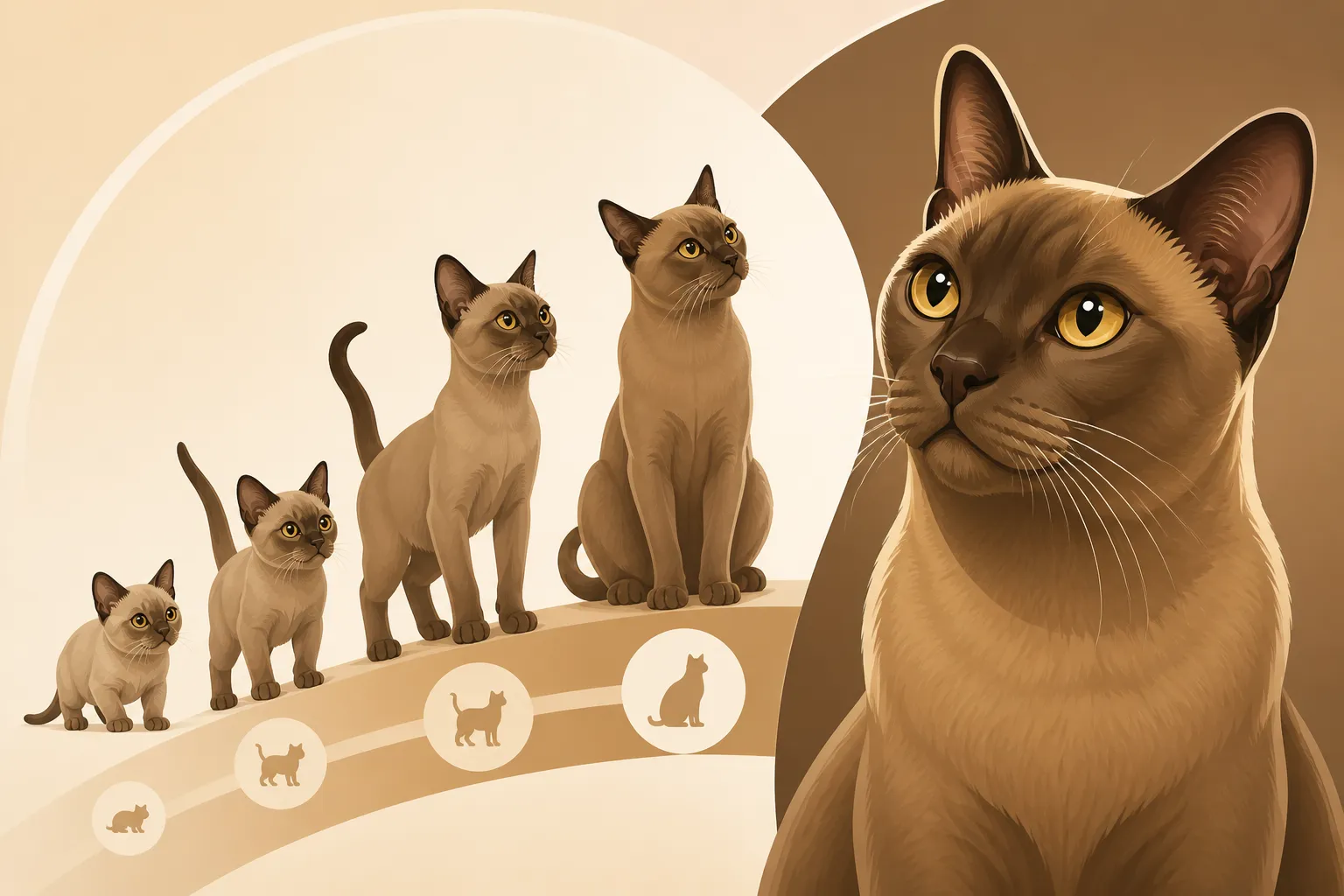
It’s a heartbreaking reality for any cat owner: our beloved feline companions never stay with us long enough. But with a Burmese, there's a unique comfort in knowing that a well-bred, properly cared-for individual can grace your life for a truly impressive span – often reaching a ripe old age of 16 to 18 years, sometimes even longer. This guide will walk you through what contributes to such a remarkable lifespan and how you can maximize every precious year with your cherished Burmese.
Understanding the Burmese Lifespan
When you bring a Burmese into your home, you're not just getting a pet; you're welcoming a devoted family member who, with the right care, can be by your side for nearly two decades. This extended companionship is one of the many joys of owning this incredible breed, but it doesn't happen by accident. It's the culmination of responsible breeding, diligent care, and a deep understanding of their unique needs.
What "Well-Bred" Truly Means for Longevity
The term "well-bred" often gets thrown around, but for a Burmese, it carries profound implications for their potential lifespan. It signifies a kitten that comes from a lineage where health, temperament, and adherence to the breed standard have been paramount. This isn't just about good looks; it's about robust health passed down through generations. An ethical breeder meticulously screens their breeding cats for genetic predispositions that could shorten a life or lead to chronic illness. They invest in DNA testing, keep impeccable health records, and are transparent about any health concerns within their lines. This proactive approach significantly reduces the risk of inherited diseases, laying a strong foundation for a long, healthy life. Conversely, a kitten from a less scrupulous background might carry hidden genetic time bombs that could dramatically cut short those cherished years.
Factors Influencing a Burmese's Lifespan
While good genetics are foundational, they are just one piece of the puzzle. A Burmese's lifespan is a complex interplay of several factors, each contributing significantly to their overall health and longevity. Think of it like building a sturdy house: you need a strong foundation, quality materials, and consistent maintenance.
Firstly, nutrition is paramount. A diet tailored to their specific needs, particularly their predisposition to certain metabolic conditions, can prevent diseases that often shorten lives. Secondly, environmental enrichment and mental stimulation keep their active minds and bodies engaged, preventing boredom and stress-related issues. A happy cat is often a healthy cat. Thirdly, regular, comprehensive veterinary care from kittenhood through their senior years ensures early detection and management of any health concerns, preventing minor issues from becoming major problems. Finally, their social environment plays a huge role. Burmese thrive on companionship and can suffer physically and emotionally if left alone too often or for too long. These elements, when combined diligently, create an optimal environment for your Burmese to live a full and vibrant life.
How Long a Burmese Lives
It's truly wonderful to consider that the average, healthy, well-cared-for Burmese cat can live for 16 to 18 years. This is a significantly long lifespan compared to many other cat breeds and certainly longer than the average lifespan of a mixed-breed domestic cat, which often hovers around 12 to 15 years. Some exceptionally lucky and well-tended Burmese have even been known to reach their early twenties!
Of course, this is an average, and individual cats can fall outside this range due to unforeseen circumstances or unique genetic factors. However, the breed is generally known for its hardiness and longevity, provided they receive appropriate care. This robust lifespan is a testament to careful breeding and the dedicated ownership these affectionate cats inspire. If you're wondering How Long a Burmese Lives, it's clear that with proper attention, you're looking at a long-term commitment filled with love and companionship.
Genetics and Longevity in Burmese Cats
Understanding the genetic underpinnings of the Burmese breed is absolutely crucial for any owner or prospective owner. This isn't just academic; it directly impacts the quality and length of your cat's life. Knowledge about inherited conditions allows for preventative measures, informed breeding decisions, and early intervention should a problem arise.
The Importance of Genetic Testing
Genetic testing is an invaluable tool in ensuring a long and healthy life for your Burmese. Reputable breeders utilize these tests to identify carriers of specific genetic mutations, thereby preventing the mating of two carriers, which would result in affected offspring. For the Burmese, these tests are not just a luxury; they are a necessity, especially given the breed's predispositions. When you look at a healthy, vibrant Burmese kitten, it's easy to overlook the unseen risks that can lurk in their genetic code.
By understanding Which Tests Belong on a Burmese DNA Panel, you empower yourself to make informed decisions and support breeders who prioritize the health of the breed above all else. These tests provide peace of mind and, more importantly, a healthier future for the cats themselves. Without genetic screening, breeders are essentially operating in the dark, and kitten buyers are taking a significant gamble on their future companion's health.
Common Inherited Conditions and Their Impact
While Burmese are generally robust, they do carry a predisposition to a few significant inherited conditions that can profoundly impact their lifespan and quality of life if not managed. Being aware of these helps owners and breeders alike to stay vigilant.
One such condition is Hypokalemia, or episodic weakness. This is a dominant genetic disorder, but its severity can vary. Affected cats experience episodes of muscle weakness, often triggered by stress or exertion, where they may struggle to lift their heads or walk. While treatable with potassium supplementation, severe or unmanaged episodes can lead to serious complications. Thankfully, a DNA test exists for this condition, making it largely avoidable in responsible breeding programs. For a deeper dive, Hypokalemia Is the Burmese Disease With a DNA Test explains this condition in detail.
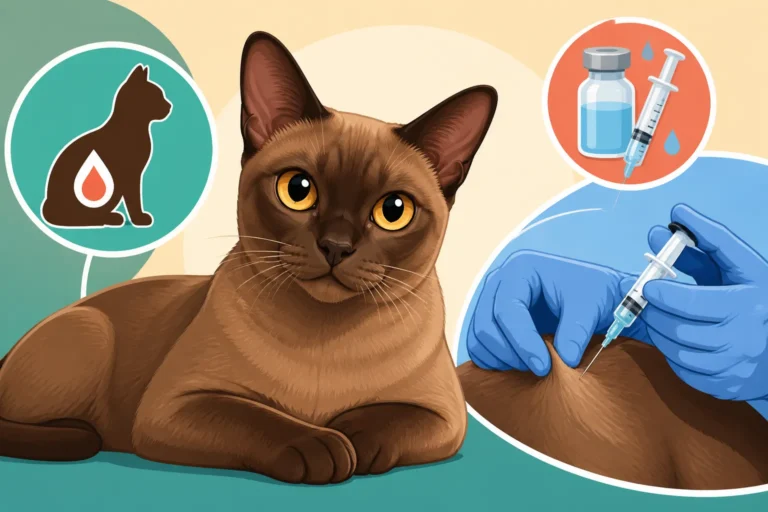
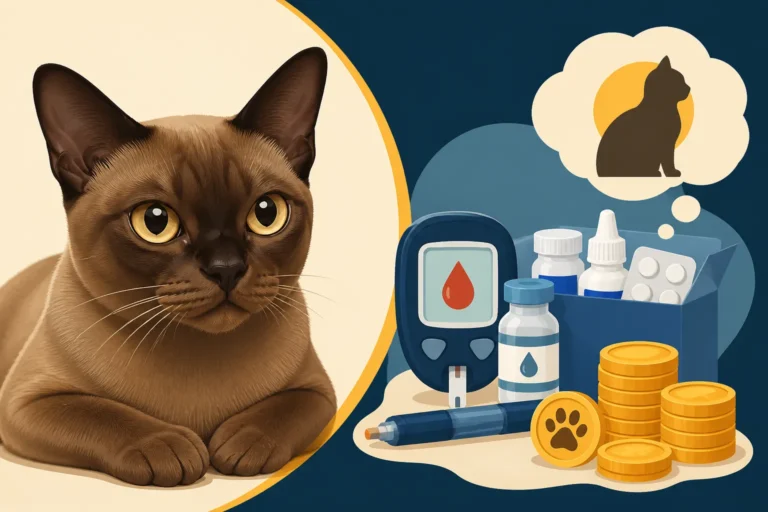
Another significant concern is Diabetes Mellitus. The Burmese breed has a notoriously high predisposition to diabetes, making it Why a Burmese Is Four Times More Likely to Become Diabetic compared to other breeds. Obesity is a major exacerbating factor, and many diabetic Burmese cats require lifelong insulin injections and strict dietary management. While diabetes can be managed, it is a serious condition that requires diligent care and can impact overall lifespan due to secondary complications.
Perhaps the most tragic inherited condition is Burmese Head Defect, also known as Congenital Craniofacial Anomaly. This is a lethal recessive genetic disorder. Kittens born with this condition have severe deformities of the skull and face, are unable to nurse, and sadly do not survive. This devastating condition underscores the critical importance of genetic testing for breeders. Understanding Burmese Head Defect Is Lethal and Recessive highlights the ethical imperative for responsible breeding.
Responsible Breeding Practices
The cornerstone of a long-lived Burmese lies firmly in the hands of responsible breeders. These individuals are the guardians of the breed's health and future. Their practices go far beyond simply mating two cats; they involve a deep commitment to genetic health, meticulous record-keeping, and an unwavering ethical compass. A responsible breeder will prioritize the health and well-being of their cats above all else, ensuring that genetic conditions are screened for and eliminated from their lines wherever possible.
This means every breeding cat undergoes comprehensive genetic testing for known Burmese predispositions, such as hypokalemia and ideally screening for diabetes risk factors. They will not breed two carriers of a recessive condition together, preventing affected kittens from being born. They also consider the overall health history of the pedigree, looking for patterns of illness or longevity. Asking a breeder What a Burmese Breeder Must Test Before Any Mating is not just a good idea; it's essential. This dedication to health, paired with excellent kitten rearing and socialization, sets the stage for a lifetime of health and happiness for your Burmese companion.
Nutritional Strategies for a Long and Healthy Life
When it comes to the Burmese, what you put in their food bowl is far more than just sustenance; it's a medical decision that profoundly impacts their longevity and quality of life. Given their unique genetic predispositions, particularly to diabetes and obesity, dietary choices become a frontline defense against disease.
Why Diet is a Medical Decision for Burmese
Unlike many other breeds, the Burmese simply cannot thrive on a "one-size-fits-all" diet. Their lineage gives them a higher risk of developing diabetes, which makes every meal a critical health choice. A diet high in carbohydrates, common in many commercial dry kibbles, can wreak havoc on their delicate insulin regulation system, pushing them towards pre-diabetes and eventually full-blown diabetes. This isn't about being overly cautious; it's about acknowledging a known biological vulnerability.
Therefore, for a Burmese, feeding should always be considered a medical decision, not merely a preference. Prioritizing low-carbohydrate, high-protein wet food is often recommended, as this mimics their natural carnivorous diet and helps stabilize blood sugar levels. This proactive approach to nutrition is one of the most powerful tools you have as an owner to extend their healthy years. To truly grasp the significance of this, it's worth understanding that Feeding a Burmese Is a Medical Decision, Not a Preference is a fundamental truth for this breed.
Portion Control and Weight Management
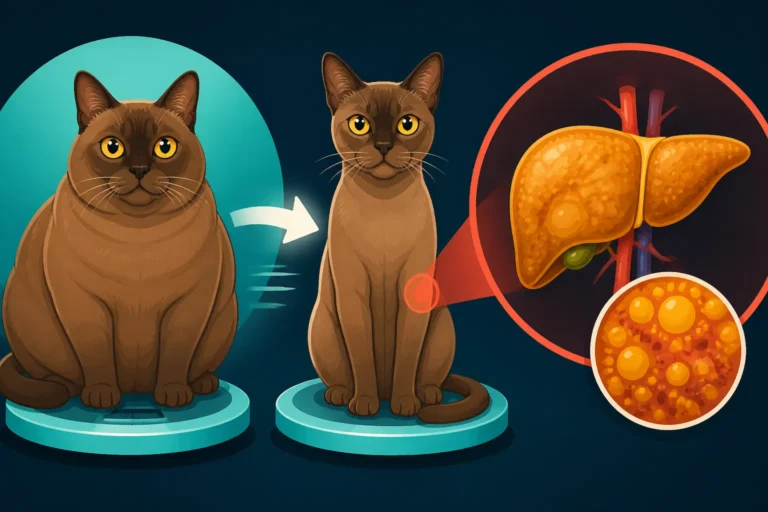
Given the Burmese's muscular build and their tendency to gain weight, portion control isn't just good practice—it's absolutely essential for preventing obesity, which is a major precursor to diabetes. These cats are often highly food-motivated, leading them to constantly beg for more, making it easy for owners to accidentally overfeed them.
Every meal should be a precisely measured amount, weighed on a kitchen scale, rather than scooped. This meticulous approach ensures they receive the exact caloric intake needed to maintain a lean body condition. Free-feeding, where food is left out all day, is a definite no-go for a Burmese; it almost guarantees weight gain and increases their diabetes risk. Establishing a strict feeding schedule with two measured meals a day helps regulate their metabolism and keeps them at a healthy weight, which directly contributes to a longer, healthier life. You see, Why Portion Control Is Medical Care in a Burmese isn't an exaggeration; it's a statement of fact for this breed.
Hydration and Kidney Health
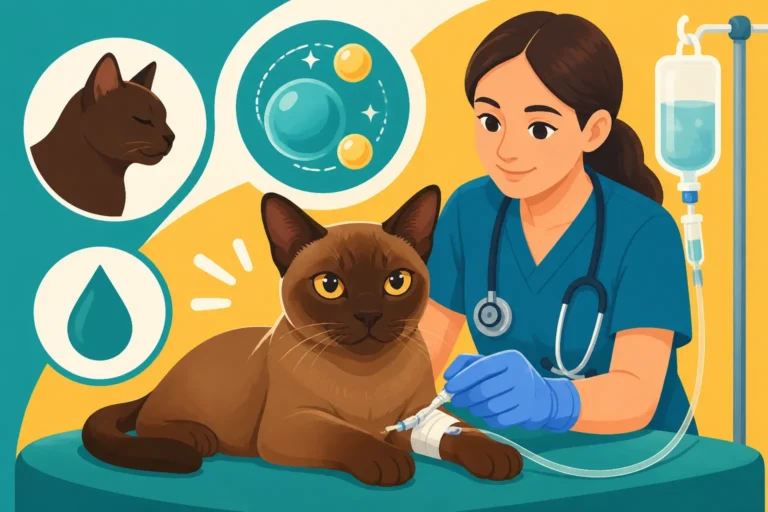
Adequate hydration is a silent hero in the quest for Burmese longevity, especially concerning kidney health, which can become a concern as cats age. Many cats, being desert animals by nature, have a low thirst drive, and their bodies are designed to extract most of their moisture from their prey. Commercial dry kibble, which is often very low in moisture, forces them to drink significantly more water to compensate, and many simply don't drink enough.
This chronic mild dehydration can put a strain on their kidneys over years. Therefore, feeding a diet rich in moisture, primarily through high-quality wet food, is incredibly beneficial. Providing multiple water sources, such as ceramic or stainless steel bowls placed throughout the house, and even investing in a pet drinking fountain, can encourage increased water intake. Ensuring your Burmese stays well-hydrated supports healthy kidney function, helps flush toxins, and is a simple yet effective way to add quality years to their life, particularly as they transition into their senior years.
Creating a Stimulating and Secure Environment
A long and healthy life for a Burmese isn't just about physical care; it's deeply intertwined with their emotional and mental well-being. These highly social and intelligent cats thrive in an environment that caters to their unique needs for companionship, play, and security.
Meeting the Burmese's Social Needs
The Burmese is famously known as the "Velcro cat" or "dog in a cat's body" for a reason. They form incredibly strong bonds with their human companions and absolutely crave interaction. Leaving a Burmese alone for long periods can lead to significant stress, anxiety, and even behavioral issues that manifest physically. A lonely Burmese can become destructive, excessively vocal, or even self-mutilate by over-grooming their beautiful satin coat.
This profound need for companionship means that households where everyone is away for long workdays may struggle to meet their needs. Many breeders recommend adopting Burmese in pairs so they always have a companion, especially if human company isn't constant. This isn't just about their happiness; it's about their fundamental well-being. A stressed cat is a cat prone to illness, so ensuring their social needs are met is a direct contribution to their longevity. For anyone considering this breed, it's vital to understand Why a Burmese Cannot Be Left Alone All Day.
Play, Enrichment, and Mental Stimulation
A Burmese's playful spirit doesn't wane with age; they remain kitten-like well into their senior years. This sustained activity level is fantastic for their physical health, helping them maintain muscle mass and a healthy weight. But beyond the physical, regular play and mental stimulation are crucial for their cognitive health and emotional contentment. Boredom can lead to destructive behaviors, anxiety, and even depression, all of which indirectly impact their physical health.
Providing a variety of toys, rotating them to keep things fresh, and engaging in interactive play sessions with wand toys or laser pointers are all vital. Puzzle feeders can satisfy their intelligent, food-motivated minds, while cat trees and vertical spaces fulfill their natural climbing instincts. Even an older Burmese needs to feel engaged and challenged. Witnessing A Burmese Is Still Playing at Fifteen is a common and joyful experience for owners, and it speaks volumes about the importance of continued enrichment throughout their lives. Keeping their minds and bodies active keeps them youthful and vibrant for longer.
Safe Indoor Living
While the idea of a cat exploring the great outdoors might seem appealing, for a trusting and often naive breed like the Burmese, an indoor-only lifestyle is almost always the safest and longest-lasting option. The outside world presents a myriad of dangers that can drastically shorten a cat's life, from traffic accidents to encounters with aggressive animals, exposure to diseases (like Feline Leukemia or Feline Immunodeficiency Virus), parasites, and even theft.
The Burmese's outgoing and friendly nature makes them particularly vulnerable to strangers and less street-smart than some other breeds. Keeping them safely indoors allows you to control their environment, protect them from infectious diseases, and prevent traumatic injuries. A secure indoor environment, perhaps complemented by a "catio" (an enclosed outdoor space), provides stimulation without the inherent risks. This simple decision to keep your Burmese inside is one of the most effective ways to ensure they reach their full lifespan potential, protecting them from preventable tragedies.
Comprehensive Veterinary Care Throughout Their Life
Just like humans, cats benefit immensely from consistent medical care. For a Burmese, with their specific breed predispositions, this ongoing relationship with a trusted veterinarian is not just about treating illness, but proactively preventing it and managing any conditions that arise to ensure the longest, healthiest life possible.
Early Life Vet Visits and Preventive Care
The journey toward a long and healthy life for your Burmese begins even before they come home, with early, consistent veterinary care. From the moment you welcome a kitten, a thorough initial vet check is paramount. This initial visit isn't just for vaccinations; it's an opportunity for your vet to establish a baseline for your kitten's health, screen for any congenital issues, and discuss preventive measures like parasite control and appropriate nutrition.
Your vet will also guide you on the optimal timing for spaying or neutering, which can have long-term health benefits, including reducing the risk of certain cancers. These early life appointments are crucial for setting your kitten up for success. Understanding Why a Burmese Kitten Needs an Early Vet Check means recognizing that preventative care starts from day one. This proactive approach helps nip potential problems in the bud and lays the groundwork for a robust immune system and overall well-being.
Annual Health Checks and Screenings
Even a seemingly healthy adult Burmese benefits enormously from annual veterinary check-ups. These yearly visits are not just a formality; they are a critical component of preventive healthcare. During these appointments, your vet will perform a comprehensive physical examination, checking everything from their teeth and gums to their heart and joints. Early detection of issues like dental disease, which Burmese are prone to, can prevent more serious health problems down the line.
As your Burmese matures, typically starting around age seven, annual bloodwork becomes increasingly important. This includes a complete blood count, chemistry panel, and critically, a glucose check to monitor for the early signs of diabetes. Given their breed predisposition, vigilance here is key. Regular dental cleanings under anesthesia, as recommended by your vet, are also vital, as How Often a Burmese Needs a Dental can impact their overall health and comfort. Investing in pet insurance, such as a policy from Healthy Paws, can be a wise financial decision, helping to cover the costs of these crucial annual screenings and any unexpected health issues that may arise, ensuring your Burmese always receives the best care without financial stress.
Senior Cat Care and Age-Related Conditions
As your Burmese enters their senior years, typically around age 12, their healthcare needs shift and become even more important. Regular vet visits, often twice a year, are recommended to monitor for age-related conditions. This might include more frequent blood and urine tests to check kidney function, thyroid levels (hyperthyroidism is common in older cats), and blood pressure.
Arthritis can also become a concern, even in playful Burmese, and your vet can recommend pain management strategies or supplements to improve their comfort and mobility. Dietary adjustments, such as switching to a senior-specific food that supports kidney health or joint function, may be necessary. Providing a warm, comfortable sleeping environment and easy access to food and water bowls can also make a significant difference to their quality of life. The goal is not just to extend their life, but to ensure those golden years are comfortable and fulfilling. To learn more about how to support them during this time, consider resources on Caring for a Burmese Past Twelve. Healthy Paws insurance can be particularly helpful during these later years, as chronic conditions and age-related ailments can lead to higher vet bills, providing a safety net for ongoing treatments and medications.
Recognizing Subtle Signs of Illness
One of the most challenging aspects of owning a cat, and particularly a Burmese, is their innate ability to mask illness or pain. This evolutionary trait, designed to hide vulnerability from predators in the wild, means that by the time a cat shows obvious symptoms, their condition can be quite advanced. For Burmese owners, this requires an extra layer of attentiveness and a keen eye for subtle changes.
The Burmese Tendency to Hide Pain
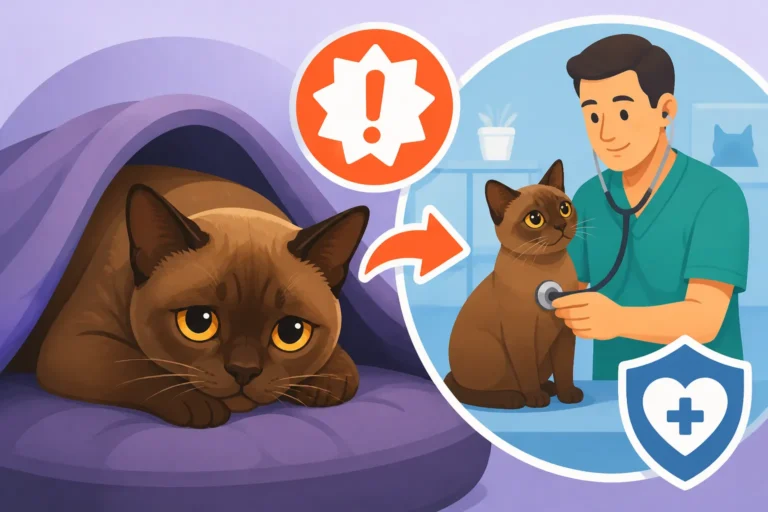
The Burmese, for all their affectionate and outgoing nature, are masters at hiding discomfort. They often continue to purr, seek attention, and even play, all while silently battling an underlying health issue. This can be incredibly frustrating and distressing for owners, who might only notice something is truly wrong when the condition has progressed significantly. It's not that they're being deceptive; it's an instinctual survival mechanism.
This makes their close bond with humans a double-edged sword: while they crave interaction, their stoicism about pain means you must learn to read their subtle cues, rather than waiting for overt signs of suffering. A slight change in their favorite sleeping spot, a subtle shift in their usual greeting, or a minor decrease in appetite might be the only indicators you get. This is why Why a Burmese Hides Illness Behind Its Affection is such a crucial piece of knowledge for any owner; it demands a proactive and observant approach to their daily behavior.
Key Indicators to Watch For
Since overt signs are often late, it's vital to be familiar with the more subtle indicators that your Burmese might be unwell. Even minor changes in routine or behavior can signal a brewing problem.
- Changes in Appetite or Thirst: A sudden decrease or increase in food intake, or a noticeable increase in water consumption, are red flags. For a breed prone to diabetes, an increase in thirst, accompanied by more frequent urination, is particularly concerning and warrants immediate veterinary attention. In fact, Why a Burmese Drinking More Needs Testing That Week cannot be stressed enough, as it's a classic early sign of diabetes.
- Litter Box Habits: Changes in frequency, volume, or consistency of urine or stool can indicate issues ranging from urinary tract infections to kidney problems or digestive upsets.
- Activity Level: While some slowing down is normal with age, a sudden disinterest in play, reluctance to jump, or excessive lethargy should be investigated.
- Grooming: A sudden lack of grooming can indicate pain or illness, while excessive grooming (over-licking a specific spot) might point to discomfort or even stress.
- Behavioral Shifts: Any unexplained changes in temperament—becoming withdrawn, unusually clingy, irritable, or even aggressive—can be a sign of pain or illness.
- Weight Changes: Unexplained weight loss or gain, especially if their diet hasn't changed, is always a concern.
The Urgency of Vet Intervention
Given their propensity to hide illness, any noticeable change in your Burmese, no matter how minor it seems, should prompt a call to your veterinarian. Hesitation or a "wait and see" approach can often lead to a more advanced and difficult-to-treat condition. Remember, for a cat, seeming "fine" doesn't necessarily mean they are fine.
A quick vet visit to rule out a serious problem is always better than delaying and facing a crisis. Early diagnosis often leads to more effective treatment, better outcomes, and ultimately, a longer and higher quality of life for your beloved Burmese. Trust your instincts; you know your cat best, and if something feels off, it probably is. Don't be afraid to advocate for your furry friend. Even a routine check might uncover something subtle that Healthy Paws insurance can help cover, giving you peace of mind to act quickly.
Supporting Your Burmese Through Their Golden Years
Watching your energetic, playful Burmese transition into their senior years can be a bittersweet experience. While their boundless energy might mellow, their need for love and comfort intensifies. Supporting them through these golden years means adapting their care to meet their changing needs, ensuring every moment of their extended life is filled with dignity and comfort.
Adapting the Home Environment for Senior Cats
As your Burmese ages, their physical capabilities may naturally decline, even if their spirit remains youthful. Simple adaptations to your home environment can make a world of difference to their comfort and accessibility. Consider providing ramps or steps to their favorite elevated spots, like the bed or a sunny windowsill, if jumping becomes difficult due to arthritis. Ensure their litter box has lower sides for easier access.
Warmth is incredibly important for older, short-coated Burmese who can feel the cold more acutely. Provide extra soft blankets, a heated cat bed, or ensure their favorite sleeping spots are away from drafts. Food and water bowls should be easily accessible and perhaps raised slightly to prevent neck strain. Sometimes, an older Burmese may prefer a quieter area of the house for naps, away from household hustle and bustle. These thoughtful adjustments help maintain their independence and comfort, reducing stress on their aging bodies.
Maintaining Quality of Life
Beyond environmental adjustments, maintaining a high quality of life for a senior Burmese involves a holistic approach to their well-being. Regular, gentle exercise and play sessions, tailored to their energy levels, are still important to keep their joints mobile and minds engaged. Puzzle feeders can continue to provide mental stimulation without requiring excessive physical exertion.
Dietary needs might change, too. Your vet might recommend a senior-specific food or one formulated for specific conditions like kidney disease. Pain management for arthritis, often through vet-prescribed medications or supplements, is crucial for ensuring they remain comfortable and happy. Perhaps most importantly, continue to shower them with affection and attention. An old Burmese still wants a lap and thrives on the deep bond they share with their human family. This emotional support is just as vital as their physical care, letting them know they are cherished until their very last purr.
The Gift of a Long Life
Reaching 16 to 18 years, or even beyond, is a remarkable achievement for a Burmese, a testament to responsible breeding and dedicated care. These extended years are a true gift, offering you even more time with a companion renowned for their affectionate nature and playful spirit. It's a privilege to share so many milestones, so many quiet moments, and so many purrs with a single feline soul.
While the inevitability of saying goodbye is always painful, the depth of the bond formed over nearly two decades is unparalleled. Supporting your Burmese through their golden years, adapting to their changing needs, and ensuring their comfort is the final, most profound act of love an owner can give. It's a journey filled with joy, challenges, and ultimately, the profound satisfaction of knowing you gave your beloved Burmese the longest, happiest, and most fulfilling life possible.
Burmese Health Concerns and Prevention
| Condition | Impact on Lifespan | Key Preventive Measures |
|---|---|---|
| Diabetes Mellitus | Can shorten lifespan due to complications | Low-carb, high-protein diet; strict portion control; weight management; annual glucose checks (especially from age 7) |
| Hypokalemia | Can cause episodes of muscle weakness, stress | Responsible breeding (DNA testing); potassium supplementation for affected cats; stress reduction |
| Head Defect | Lethal (kittens do not survive) | Responsible breeding (DNA testing for carriers); avoid breeding carrier-to-carrier |
| Obesity | Exacerbates diabetes, joint issues, heart strain | Strict portion control; measured feeding; high-protein, low-carb diet; regular play |
| Dental Disease | Can lead to systemic infections, organ damage | Regular tooth brushing; professional dental cleanings (as recommended); dental-specific chews/foods |
| Kidney Disease | Common in older cats, progressive | High-moisture diet (wet food); consistent hydration; regular vet check-ups with blood/urine tests (especially senior cats) |
| Hyperthyroidism | Common in older cats, metabolic issues | Regular vet check-ups with blood tests (especially senior cats); early detection and treatment |
Disclaimer
This article is intended for informational purposes only and does not constitute veterinary advice. Always consult with a qualified veterinarian for any health concerns or before making any decisions about your pet's health or treatment plan.