What Happens When Burmese and Siamese Genes Meet
It's quite fascinating, and often a little confusing, when we talk about the genetic history of certain cat breeds, especially those with such intertwined pasts as the Burmese and the Siamese. Many cat lovers are curious about what happens when these two distinct, yet related, genetic lines meet, wondering if the outcome is always clear-cut or if there are unexpected surprises. This comprehensive guide will delve deep into the genetic interplay between Burmese and Siamese cats, exploring their shared history, the unique color genes at play, and what kind of beautiful kittens result from their union.
The Historical Foundation: Wong Mau and Early Breeding Programs
To truly understand what happens when Burmese and Siamese genes meet, we have to go back to the very beginning, to a cat named Wong Mau. Her story is the cornerstone of the Burmese breed and highlights the foundational connection between these two stunning feline lines. It’s not just a dry historical fact; it’s a living narrative of discovery and dedication.
The Enigma of Wong Mau
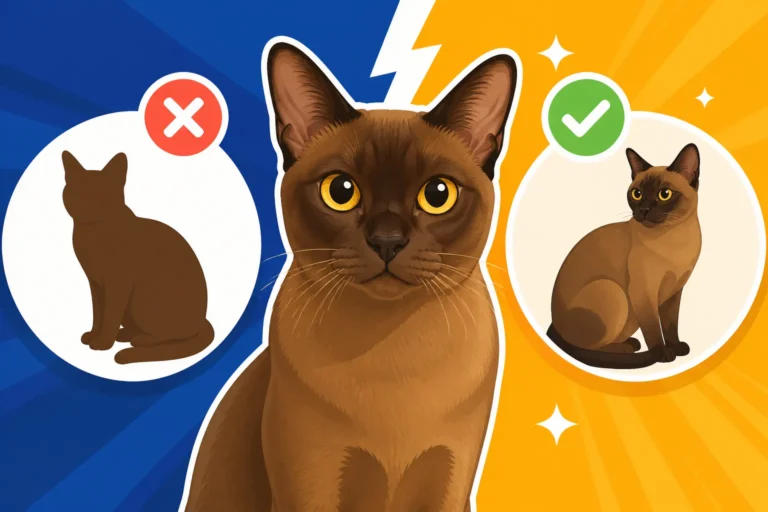
Imagine a time when the cat fancy was still relatively new, and unique felines from exotic lands were often brought back by travelers. This is how Wong Mau, a small, dark-brown female cat, arrived in the United States from Burma in 1930. She wasn’t what we would call a "purebred" Burmese by today's standards, but rather a fascinating natural hybrid. Her rich, warm sable brown coat, slightly darker at the points (ears, face, paws, and tail), was distinctly different from the sharply contrasting points of a Siamese, yet not a solid color like a domestic shorthair. People often refer to her arrival as Where the Founding Burmese Wong Mau Came From, a pivotal moment that would forever change the landscape of the cat world. She was the seed from which a whole new breed, and later, an intermediary breed, would grow.
This unique combination of traits intrigued Dr. Joseph Thompson, a U.S. Navy medical officer, who immediately recognized that Wong Mau represented something truly special. She had a distinctive appearance and an engaging personality that was captivating. He believed she held the key to understanding a new genetic mutation responsible for her coat color, a color that would later become known as "sable" in the American Burmese standard, or "brown" in the European standard. It was her very existence, this beautiful enigma, that spurred the initial breeding experiments, setting the stage for the meeting of Burmese and Siamese genes.
Dr. Joseph Thompson's Experiment
Dr. Thompson wasn't just a cat enthusiast; he was a keen observer with a scientific mind. He set out to unlock the genetic secrets of Wong Mau's coat. His groundbreaking work, which began shortly after Wong Mau's arrival, involved a deliberate and calculated breeding program. He paired Wong Mau with a Siamese cat. This wasn't a random pairing; it was a carefully considered scientific endeavor to understand how her unique color was inherited. The assumption was that if Wong Mau carried a gene for a "new" color, breeding her to a known, established color like the Siamese point would reveal its inheritance pattern.
The result of this initial mating was truly revelatory. The litter contained kittens with three distinct coat patterns: some looked like pure Siamese with striking dark points and light bodies, some resembled Wong Mau with her rich sable sepia pattern, and crucially, some displayed an entirely new, intermediate pattern, later known as mink. This experiment, detailed in Dr Joseph Thompson and the Burmese He Bought in 1930 and Why the First Burmese Was Bred to a Siamese, proved several things. Firstly, Wong Mau herself was not genetically "pure" for her sepia color; she carried the Siamese colorpoint gene alongside her own unique Burmese gene. Secondly, it demonstrated that the sepia trait was also recessive to the solid coat color found in many domestic cats, but expressed differently from the Siamese point. This early breeding laid the genetic groundwork for understanding both the Burmese and, later, the Tonkinese breeds.
Decoding the Color Genes: The cb Allele
The journey to understanding the distinct colors of the Burmese, Siamese, and Tonkinese cats is a fascinating dive into feline genetics, specifically focusing on a particular gene locus and its various alleles. It’s not just about what you see on the surface; it’s about the hidden codes within their DNA that dictate those beautiful hues.
The Siamese Gene (cs) vs. The Burmese Gene (cb)
At the heart of these three breeds' distinctive coat colors is a single gene, known as the Tyrosinase gene (TYR), which is responsible for pigment production. Specifically, we're interested in the C locus (short for 'color'). Within this locus, there are several alleles, or variations of the gene, that determine pigment distribution. The wild-type allele, C, results in a full-color cat, where pigment is evenly distributed throughout the fur. However, the Burmese and Siamese carry mutated versions of this gene.
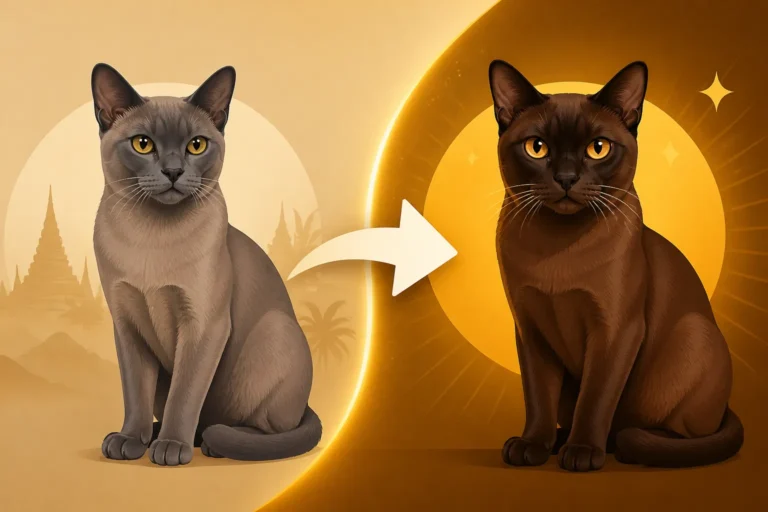
The Siamese gene, denoted as cs, is responsible for the classic colorpoint pattern. Cats with two copies of cs (cs/cs) have severely restricted pigment production at normal body temperatures, resulting in a very light body and dark points where the body temperature is cooler (ears, face mask, paws, tail). This is the hallmark of the Siamese cat. On the other hand, the Burmese carries a different allele, cb. This allele, when present in two copies (cb/cb), produces the sepia pattern, characterized by a rich, warm brown or sable body color with slightly darker points, but much less contrast than a Siamese. This is The cb Allele Is What Makes a Burmese Brown, giving the breed its signature satin-like appearance. The distinction lies in the degree to which these mutated genes allow pigment to be expressed, with cs being more restrictive than cb.
Homozygous vs. Heterozygous Expression
The magic truly happens when we look at how these alleles combine. If a cat inherits two identical copies of an allele from its parents, it's considered homozygous for that trait. So, a purebred Siamese is cs/cs, and a purebred Burmese is cb/cb. In both cases, the cat will display the characteristic coloration of its breed.
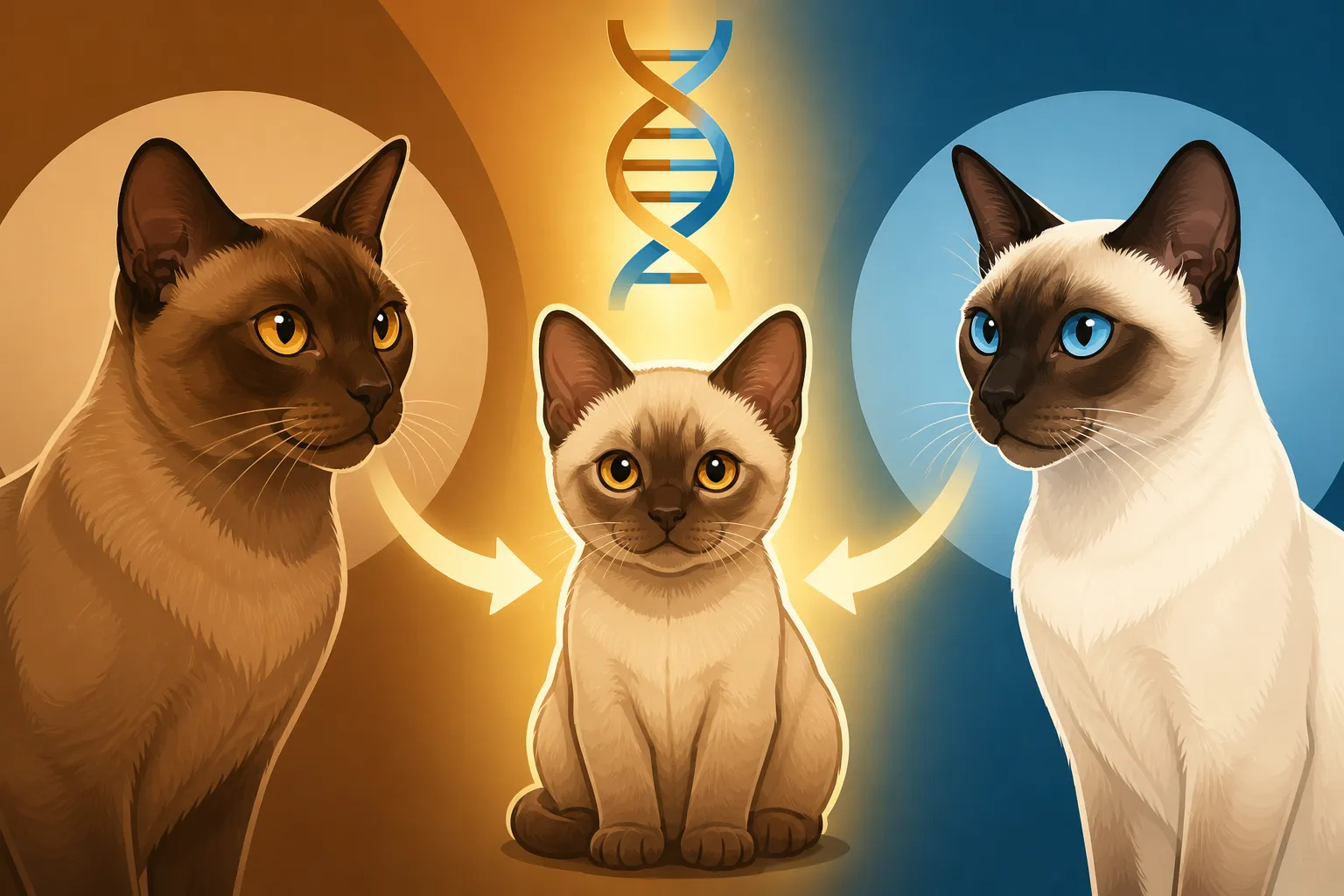
However, when a cat inherits one cs allele from one parent and one cb allele from the other, it becomes heterozygous (cs/cb). This is where the concept of incomplete dominance comes into play. Instead of one allele completely dominating the other, they both express themselves, resulting in an intermediate phenotype. This combination creates the gorgeous "mink" pattern, which is the defining characteristic of the Tonkinese breed. These cats have more pigment than a Siamese but less than a Burmese, with a medium body color and distinct, but not stark, points. Their eye color is also unique, often a captivating aqua. Understanding this genetic dance helps us appreciate the intricate beauty of these breeds and truly answers the question of What Happens When Burmese and Siamese Genes Meet at a fundamental level. It’s a perfect example of how specific genetic pairings can lead to stunning and distinct variations within the feline family.
The Phenotype: What the Offspring Look Like
The theoretical genetics are one thing, but seeing the results in a litter of kittens is truly where the science comes to life. When Burmese and Siamese genes meet, the visual outcomes are predictable and utterly captivating, creating a spectrum of beauty that showcases the interplay of these unique alleles.
The Three Distinct Patterns
As Dr. Thompson discovered with Wong Mau's initial litter, breeding a Burmese (or a cat carrying the cb gene) with a Siamese (carrying the cs gene) typically produces three distinct coat patterns, provided the Burmese parent is heterozygous for the color gene (which Wong Mau was). If we consider a cross between a true Siamese (cs/cs) and a cat like Wong Mau (cb/cs), or even a Tonkinese (cs/cb) with another Tonkinese, you'll observe all three.
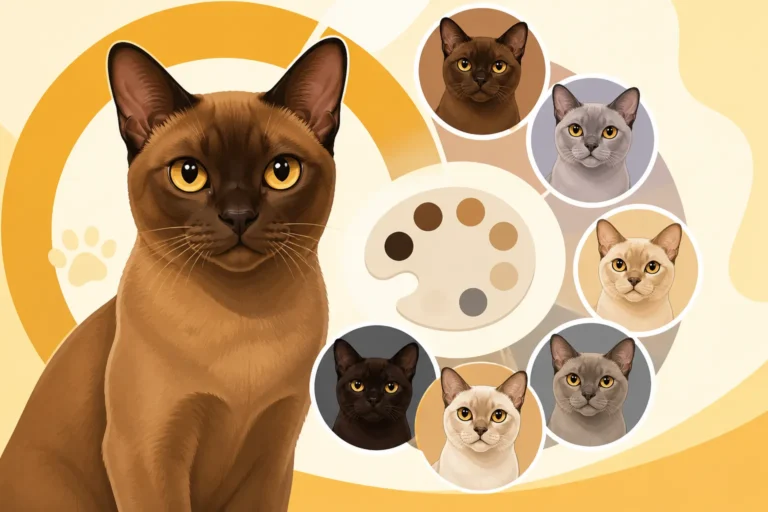
First, you'll see true Siamese kittens. These are the classic pointed cats, with their pale bodies and sharply contrasting dark brown (seal point), blue (blue point), chocolate (chocolate point), or lilac (lilac point) points. Their eyes will be a piercing blue. These kittens carry two copies of the cs allele.
Second, you'll find Burmese-patterned kittens, which will resemble Wong Mau herself with her rich sepia coloration. These cats have a solid, warm body color that is only slightly lighter than their points, creating a softer, more blended look. Their eyes are typically gold or yellow-green. These kittens have two copies of the cb allele.
Finally, and perhaps most excitingly, you'll encounter the "mink" patterned kittens. These are the Tonkinese, the true intermediaries. They exhibit a moderate contrast between their body and point color, striking a beautiful balance between the Siamese and Burmese. Their body color is richer than a Siamese but not as solid as a Burmese, and their points are clearly defined but not as stark. Their signature feature is their stunning aqua eye color, a direct result of the heterozygous cs/cb genotype. This outcome, observed in What the First Burmese Litter Told Thompson, was monumental in understanding feline genetics and establishing new breeds.
Color Deepening and Temperature Influence
One of the most fascinating aspects of these color genetics is their sensitivity to temperature. The enzymes responsible for producing pigment (melanin) are heat-sensitive. This means they are less active in warmer areas of the cat's body and more active in cooler areas.
For Siamese cats (cs/cs), this sensitivity is very pronounced. Kittens are often born nearly white because they've developed in the warm environment of their mother's womb. As they are exposed to cooler ambient temperatures after birth, pigment develops in the extremities, leading to their distinct points. A cat living in a warmer climate might have slightly lighter points than one in a cooler climate, and even scar tissue, being cooler, can develop darker pigment.
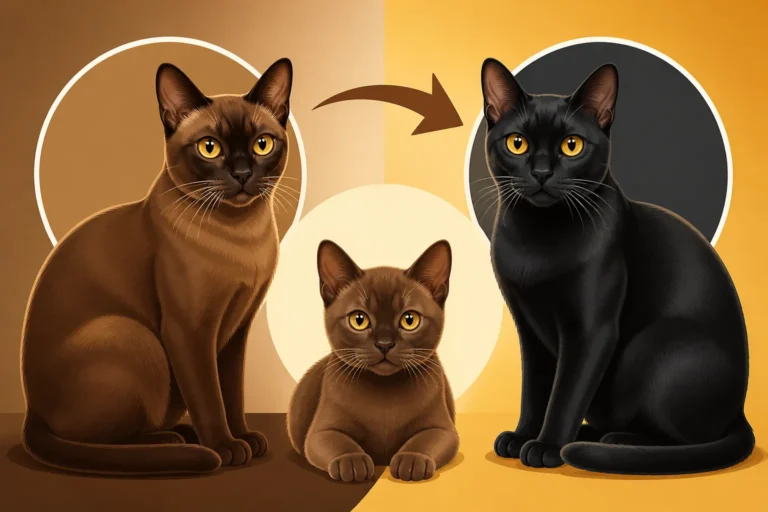
Burmese cats (cb/cb) also show this temperature sensitivity, but to a lesser degree. While their kittens are born lighter than their adult color, they still have a noticeable sepia hue from birth. As they grow and their body cools, their overall body color deepens, and their points become slightly darker. However, the contrast remains subtle, giving them their characteristic "sable" or "brown" appearance. A Burmese cat's coat is often darker on the back and lighter on the belly. Even a How a Burmese's Color Gene Reacts to Temperature can influence the exact shade, making each cat's coat a unique expression of its genes and environment. This phenomenon underscores the intricate biological processes behind the beauty we admire in these breeds.
The Birth of the Tonkinese: A Happy Medium
The intentional, and sometimes unintentional, meeting of Burmese and Siamese genes gave rise to more than just scientific understanding; it gifted the cat fancy with a truly enchanting new breed: the Tonkinese. This breed perfectly embodies the concept of a genetic middle ground, combining the best traits of its foundational parents.
The "Goldilocks" Cat
If the Siamese is celebrated for its dramatic points and the Burmese for its rich, sepia tone, then the Tonkinese is the "Goldilocks" cat – just right. Born from the crossbreeding of Burmese and Siamese, the Tonkinese possesses a unique blend of their genetic traits, resulting in a distinct "mink" pattern and an eye color that is truly its own. They are neither as starkly contrasted as a Siamese nor as uniformly colored as a Burmese. Their body color is a beautiful, medium shade, often a warm brown, blue, chocolate, or lilac mink, with points that are clearly visible but gently blended into the body.
But it’s not just their coat that makes them special. The Tonkinese are renowned for their captivating aqua eyes, a color rarely seen in other cat breeds. This mesmerizing shade of blue-green is a direct genetic consequence of carrying one copy of the Siamese colorpoint allele (cs) and one copy of the Burmese sepia allele (cb). These cats are the living proof of How the Tonkinese Was Made From a Burmese, representing a deliberate effort by breeders in the mid-20th century to create a cat that truly captured the best of both worlds. They inherited the affectionate, social nature of both parent breeds, resulting in a cat that is often described as intelligent, playful, and incredibly people-oriented.
Distinguishing Features
While the genetic lineage of the Tonkinese clearly ties them to both the Burmese and the Siamese, they have developed their own set of distinguishing characteristics that make them stand out. Physically, beyond the mink coat and aqua eyes, Tonkinese often have a muscular, athletic build that is often described as intermediate between the svelte, long lines of the Siamese and the cobby, compact structure of the American Burmese. They possess moderate wedge-shaped heads and medium-sized ears, again striking a balance between their ancestors.
Temperamentally, the Tonkinese are often described as having the best of both their parent breeds. They combine the playful, vocal, and outgoing nature of the Siamese with the sweet, gentle, and lap-loving affection of the Burmese. They are incredibly social cats who thrive on interaction and companionship, often following their humans from room to room. Their intelligence makes them highly trainable, and many enjoy playing fetch or learning tricks. Understanding How to Tell a Burmese From a Tonkinese involves appreciating these nuanced differences in physical appearance and personality, recognizing that the Tonkinese isn't just a mix, but a beautifully curated breed in its own right, celebrated for its unique charm and balanced attributes.
Modern Breeding Practices and Ethical Considerations
While the historical crossbreeding of Burmese and Siamese cats was instrumental in founding the Burmese breed and later creating the Tonkinese, modern breeding practices generally take a different approach. The focus has shifted from initial genetic exploration to maintaining breed integrity and health.
Why Deliberate Crosses Are Rare Now
Today, deliberate crossbreeding between purebred Burmese and Siamese cats is uncommon within established breeding programs. For breeds like the Burmese and Siamese, which have long-established standards and distinct genetic lines, the goal of ethical breeding is typically to maintain the purity and specific characteristics of each breed. Breeders work tirelessly to preserve the unique traits, health, and temperament that define their chosen breed. Introducing genes from another breed, even a related one, would dilute these carefully cultivated lines and likely produce offspring that do not meet the breed standard for either.
Therefore, you won't typically find breeders actively crossing a Burmese with a Siamese to produce "new" Tonkinese, at least not in established registries. The Tonkinese itself is now a recognized breed with its own breeding programs, where Tonkinese are bred to other Tonkinese to maintain their mink pattern and aqua eyes. Any current crossing between a Burmese and a Siamese would likely be either a part of a very specific, approved outcross program for genetic diversity (which is rare for these established breeds), or perhaps in less formal, unregistered breeding scenarios. This is similar in principle to Why the Two Burmese Types Are Not Crossed (referring to American and European Burmese) – maintaining the distinct lines is paramount for breed preservation.
Genetic Health and Pedigree Tracking
In modern breeding, genetic health is a paramount concern. Both Burmese and Siamese, despite their robust nature, can be predisposed to certain inherited conditions. For the Burmese, conditions like Hypokalemia, Craniofacial Defect, and even a higher propensity for diabetes are crucial considerations. Siamese cats also have their own set of potential genetic predispositions, though generally considered a healthy breed.
Ethical breeders meticulously track pedigrees and perform extensive DNA testing on their breeding cats to ensure they are not passing on undesirable genetic traits. This includes comprehensive panels that screen for known conditions. For instance, a responsible Burmese breeder will conduct Which Tests Belong on a Burmese DNA Panel to identify carriers of certain diseases, ensuring that potential mates are compatible and don't risk producing affected kittens. They understand that What a Burmese Breeder Must Test Before Any Mating is not just about producing beautiful kittens, but healthy ones.
This diligent approach means that any deliberate crossbreeding would introduce a complex array of genetic considerations from both sides, potentially complicating health screening and making it harder to predict outcomes. Reputable breeders prioritize transparency, providing detailed health records and genetic test results to potential owners. When looking for a kitten, whether Burmese, Siamese, or Tonkinese, always ask about the parents' health screening, ensuring you're bringing home a healthy, well-bred companion. Organizations like Chewy offer fantastic resources for breed-specific dietary needs and toys that cater to the energy and intelligence of these wonderful cats, ensuring they thrive throughout their lives.
Genetic Comparison: Burmese, Siamese, and Tonkinese
To help visualize the genetic and phenotypic differences between these closely related breeds, here's a table summarizing their key characteristics. This highlights how a small difference in the C locus gene can lead to such distinct and beloved feline companions.
| Feature | Burmese (Sepia) | Siamese (Colorpoint) | Tonkinese (Mink) |
|---|---|---|---|
| Genotype (C Locus) | cb/cb | cs/cs | cb/cs |
| Coat Pattern | Rich, warm, nearly solid body color with subtle point contrast. | Pale body with sharp, distinct, dark points. | Medium body color with moderate point contrast; points are blended but visible. |
| Eye Color | Gold to yellow-green | Brilliant blue | Aqua (blue-green) |
| Body Build | Muscular, compact (American type) or svelte (European type) | Svelte, long, athletic | Medium build, athletic |
| Vocalization | Soft, rumbly, less vocal than Siamese | Loud, distinctive, often described as a "yowl" | Vocal, but generally softer and more varied than Siamese |
| Temperament | Affectionate, lap-loving, playful, dog-like | Intelligent, extroverted, demanding, talkative | Highly social, playful, intelligent, gentle, balanced |
This table clearly illustrates the fascinating spectrum created when Burmese and Siamese genes meet. From the deep sepia of the Burmese to the striking points of the Siamese, and the perfect mink medium of the Tonkinese, each cat is a testament to the intricate beauty of feline genetics. Finding the right food for any of these breeds, particularly those with a higher metabolism or the specific nutritional needs of highly active cats, can be easily done through online retailers like Chewy, which offers a wide array of specialized diets. Providing plenty of engaging toys, also readily available at Chewy, will keep these intelligent felines happy and stimulated.
Disclaimer
This article is for general informational purposes only and does not constitute professional advice. Laws, prices and regulations vary by location and change over time. Consult a qualified professional for guidance on your specific situation.