What Diabetes Looks Like in a Burmese
It's an absolute gut punch when you notice subtle changes in your beloved Burmese cat, especially when you know this particular breed carries a higher risk for certain health conditions. Finding out your energetic, affectionate companion might be facing something as serious as diabetes can feel overwhelming and confusing. You might be seeing things that don't quite add up, like a ravenous appetite paired with weight loss, or an uncharacteristic increase in trips to the litter box. This guide is here to shed light on exactly what diabetes looks like in a Burmese, helping you recognize the signs early and understand the path forward.
Understanding the Burmese Predisposition to Diabetes
Let's be real, no one wants to hear their cherished pet is more prone to a chronic illness. But with Burmese cats, diabetes isn't just a random occurrence; it's a known genetic susceptibility that every owner should be aware of. These gorgeous, intelligent cats, with their sleek coats and vibrant personalities, unfortunately, come with a higher chance of developing this metabolic disorder compared to many other breeds.
Why Burmese Cats Are at Higher Risk
The science behind it is fascinating, though perhaps not comforting when it's your cat. The truth is, the Burmese breed carries a genetic predisposition that makes them more susceptible to developing diabetes mellitus. Research has pointed to specific genetic markers within the breed, particularly in certain lines, that increase their risk. For instance, studies have shown that Burmese cats are, on average, Why a Burmese Is Four Times More Likely to Become Diabetic compared to the general cat population. This isn't just a slight increase; it's a significant jump that demands our attention as owners.
This heightened risk isn't something that just popped up overnight. Veterinary scientists have delved into the breed's genetic makeup, with What Genome Studies Found in Australian Burmese providing crucial insights into the specific genes and mutations that contribute to this unfortunate predisposition. These studies help us understand that while diet and lifestyle play a huge role, there's an inherent biological factor at play that makes prevention and early detection even more critical for Burmese owners. It's not about blame; it's about being informed and proactive.
The Role of Weight and Diet in Burmese Diabetes
Even with a genetic predisposition, environmental factors are powerful, and for Burmese cats, weight and diet are arguably the biggest levers we have as owners. These cats are known for their voracious appetites and their ability to convince you they haven't eaten in days. This charming begging, combined with their dense, muscular build, can easily lead to overfeeding and, consequently, obesity. And obesity is a major accelerator for diabetes in any cat, let alone one already predisposed.
Think of it this way: for a Burmese, Why Weight Is the Only Lever a Burmese Owner Has when it comes to managing their diabetes risk. Maintaining a lean, healthy weight is paramount. Free-feeding, where food is left out all day, is a huge no-no for a Burmese, as it often leads to excessive calorie intake. Instead, Why Portion Control Is Medical Care in a Burmese, not just a dietary suggestion. A strictly portion-controlled, high-protein, low-carbohydrate diet, often predominantly wet food, is crucial for keeping their blood sugar stable and reducing the strain on their pancreas. This dietary vigilance isn't just about preventing diabetes; it's a cornerstone of their overall health and longevity.
Early Warning Signs of Diabetes in Your Burmese
Catching diabetes early is critical for a better prognosis and easier management. The tricky part is that cats are masters at hiding illness, and Burmese, despite their affectionate nature, are no exception. They might continue to cuddle and play, masking underlying symptoms. This is why paying close attention to even subtle changes in their routine and habits is so important.
Changes in Thirst and Urination (PU/PD)
One of the most classic and often the earliest signs of diabetes in any cat, including your Burmese, is a noticeable increase in thirst (polydipsia) and urination (polyuria), often referred to as PU/PD. You might start refilling their water bowl more frequently than usual, or perhaps they're seeking out unusual water sources like dripping faucets. This isn't just a minor increase; it's a significant, consistent change.
Accompanying the increased thirst, you'll likely see a change in their litter box habits. The litter box might need scooping more often, and you might notice larger, wetter clumps of litter. This is because the excess sugar in their blood "spills" into their urine, pulling more water with it. If you observe your Burmese drinking more water, or if you find the litter box significantly wetter, it's a huge red flag. In fact, Why a Burmese Drinking More Needs Testing That Week is not an exaggeration – swift veterinary attention is truly warranted to rule out or confirm diabetes and other serious conditions like kidney disease.
Unexplained Weight Loss Despite a Good Appetite
This particular symptom can be incredibly confusing for owners. You're watching your Burmese practically inhale their food, maybe even begging more than usual, yet they're getting thinner. How can that be? It's a hallmark sign of uncontrolled diabetes. Despite eating, their body can't effectively use the glucose from their food for energy because there's not enough insulin (or their body isn't responding to it).
So, what happens instead? Their body starts breaking down its own fat and muscle for fuel. This leads to muscle wasting and weight loss, even while the cat feels constantly hungry (polyphagia) because their cells are essentially starving. If you're noticing your usually robust Burmese feeling a bit bonier along their spine or hips, despite them chowing down with gusto, it's definitely time to pay attention. This combination of increased appetite and weight loss is one of the Which Signs Come First in a Diabetic Burmese and should prompt an immediate call to your vet.
Behavioral and Physical Manifestations of Diabetic Burmese
Beyond the immediate physiological changes, diabetes can cast a shadow over your Burmese's vibrant personality and even alter the appearance of their iconic coat. These changes can be subtle at first, easily dismissed as "just getting older" or a temporary mood, but taken together, they paint a clearer picture of a cat struggling with its health.
Changes in Appetite and Energy Levels
We've already touched upon the increased appetite, or polyphagia, where your Burmese seems perpetually hungry, often begging for food more intensely than usual. This insatiable hunger can be quite startling in a cat known for its love of food, as it becomes less about enjoyment and more about a desperate need for calories that the body isn't absorbing. They might even try to steal food, a behavior uncharacteristic of a well-fed feline.
Coupled with this heightened hunger is a noticeable dip in energy. The normally tireless Burmese, famous for their playful antics well into their senior years, might start slowing down significantly. While A Burmese Is Still Playing at Fifteen, a diabetic Burmese might show signs of lethargy much earlier. They might be less interested in their favorite wand toy, spend more time sleeping, or decline their usual wrestling matches with housemates. You might also notice they're not as keen to ride on your shoulder or demand attention as much as they used to. This reduction in their characteristic zest for life, especially when paired with increased hunger and thirst, is a strong indicator something is amiss. Even at ages where What a Burmese Is Still Doing at Twelve is still climbing and playing, a diabetic one might be noticeably subdued.
Coat and Skin Changes
The Burmese is renowned for its short, fine, satin-like coat that lies flat against its muscular body. It’s one of their most distinguishing features, feeling incredibly soft and requiring minimal grooming. In fact, The Burmese Satin Coat Is the Shortest in the Cat Fancy, which generally means it's low maintenance. However, diabetes can impact skin and coat health due to poor overall nutrient absorption and compromised immune function.
A diabetic Burmese might develop a dull, unkempt coat that lacks its usual glossy sheen. They might also become less diligent with self-grooming, leading to matted or greasy fur, especially around the hindquarters. You might even notice flaky skin or an increase in dandruff. In some cases, diabetic cats can be more prone to skin infections due to weakened immunity. These changes in their normally pristine coat are a physical manifestation of their body struggling to maintain basic functions, and they certainly warrant a closer look by a vet.
Recognizing Advanced Signs and Complications
If diabetes goes undiagnosed or unmanaged, the symptoms become more severe and can lead to dangerous, life-threatening complications. Recognizing these advanced signs is crucial for immediate intervention, as some situations require emergency veterinary care.
Diabetic Neuropathy and Hind Leg Weakness
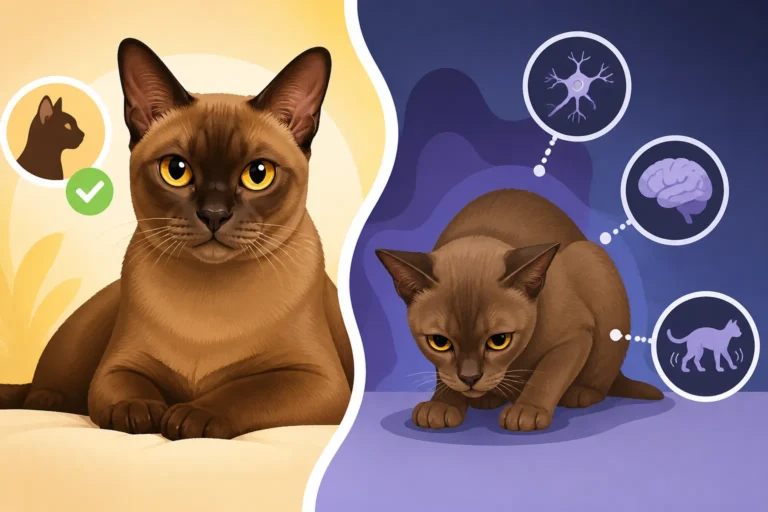
One of the more distressing advanced complications of feline diabetes is diabetic neuropathy, which is nerve damage caused by prolonged high blood sugar levels. This condition primarily affects the hind legs, leading to weakness and a characteristic change in gait. Instead of walking on their toes like healthy cats, a Burmese with diabetic neuropathy might start walking with their hocks (the equivalent of our ankles) touching the ground. This is known as a "plantigrade stance."
It can look like they're squatting or have difficulty jumping onto furniture they once easily scaled. They might appear wobbly, hesitant to move, or even collapse. This nerve damage can be painful and significantly impact their quality of life, making simple movements a challenge. While early intervention with insulin therapy can often reverse or halt the progression of neuropathy, it's a clear sign that the diabetes has been present and uncontrolled for some time.
Diabetic Ketoacidosis (DKA) – A Critical Emergency
Diabetic Ketoacidosis, or DKA, is a severe, life-threatening complication that occurs when the body, unable to use glucose for energy, starts breaking down fat at an alarming rate. This process produces toxic byproducts called ketones, which accumulate in the blood, making the cat's blood dangerously acidic. DKA can develop rapidly and requires immediate, intensive veterinary care.
Signs of DKA are dramatic and unmistakable:
- Profound lethargy and weakness: Your Burmese will be extremely tired, unresponsive, and may struggle to move.
- Loss of appetite and vomiting: They will refuse food and likely be vomiting repeatedly.
- Sweet-smelling breath: The ketones give their breath a distinct, sometimes fruity, smell.
- Severe dehydration: Despite increased thirst earlier, they may now be too weak to drink, or the dehydration is too severe to compensate.
- Rapid breathing: Their body attempts to expel acidic compounds through increased respiratory rate.
If you suspect your Burmese is experiencing DKA, it is an absolute emergency. Do not wait; get your cat to an emergency veterinarian immediately. This condition highlights the urgency of recognizing earlier signs of diabetes, as DKA is often the outcome of undiagnosed or poorly managed disease. Diagnosing and treating DKA requires a comprehensive approach, often including hospitalization, intravenous fluids, and insulin administration, which is why How a Diabetic Burmese Is Diagnosed often involves several tests to confirm the severity.
The Diagnostic Journey for a Suspected Diabetic Burmese
Once you notice any of these worrying signs in your Burmese, the next crucial step is a visit to your veterinarian. This isn't a time for guesswork or delaying; a proper diagnosis is the foundation for effective treatment and managing the disease. Your vet will piece together your observations with diagnostic tests to get a clear picture of what's happening internally.
Initial Veterinary Examination and Bloodwork
During your vet visit, expect a thorough physical examination. Your veterinarian will check your Burmese's weight, body condition score, hydration status, and overall demeanor. They'll listen to their heart and lungs, and palpate their abdomen. They’ll be particularly attentive to signs like muscle wasting, the feel of their coat, and any abnormal gait that might indicate neuropathy. You'll be asked about all the changes you've observed – their drinking habits, urination frequency, appetite, energy levels, and any weight fluctuations. It’s helpful to keep a log of these observations before your appointment.
The cornerstone of a diabetes diagnosis is bloodwork. Your vet will draw blood to check several key indicators:
- Blood Glucose: This measures the amount of sugar in your cat's blood at that moment. A single high glucose reading can be indicative, but stress can also elevate a cat's blood sugar, making interpretation sometimes tricky.
- Fructosamine: This test is invaluable for diagnosing feline diabetes. Unlike a single glucose reading, fructosamine levels reflect the average blood glucose concentration over the past one to three weeks. This provides a more accurate picture of long-term blood sugar control, helping differentiate stress-induced hyperglycemia from true diabetes. Understanding What a Fructosamine Test Shows in a Burmese is key to confirming the diagnosis.
- Complete Blood Count (CBC) and Chemistry Panel: These tests provide a broader view of your cat's health, checking for other issues like infection, kidney disease, liver problems, or pancreatitis, which can sometimes accompany or exacerbate diabetes.
Home Monitoring and Follow-Up
The diagnostic journey doesn't end with the vet visit; it extends into your home life. Once diabetes is confirmed, your vet will work with you to create a management plan, and home monitoring becomes an essential part of it. This isn't just about administering insulin (which we'll cover next); it's about consistently tracking your Burmese's progress and looking for signs of stability or new issues.
You'll likely be asked to continue monitoring their water intake and urine output. Some owners find it helpful to measure the amount of water their cat drinks each day and how many wet litter clumps they produce. Regularly weighing your Burmese is also critical. Even small fluctuations can indicate changes in their condition or the effectiveness of their treatment plan. Learning How to Weigh a Burmese Accurately at Home using a small kitchen scale or pet scale will become part of your routine. These consistent records are vital information for your vet at follow-up appointments, allowing them to adjust medication or diet as needed. Initial follow-up visits will be frequent, then gradually spread out as your cat's condition stabilizes.
Living with a Diabetic Burmese and Management
Receiving a diabetes diagnosis for your beloved Burmese can feel daunting, but it's important to remember that feline diabetes is a manageable condition. With dedication and a consistent routine, many diabetic Burmese cats can go on to live long, happy lives. The key is understanding the treatment modalities and committing to long-term care.
Treatment Modalities: Insulin and Diet
The cornerstone of treating diabetes in Burmese cats is almost always insulin therapy combined with a strict dietary regimen. Insulin injections become a daily, sometimes twice-daily, commitment. Your veterinarian will carefully determine the appropriate starting dose and teach you how to administer the injections. It sounds scary at first, but with a little practice and patience, it becomes second nature. Many Burmese cats, known for their trusting and affectionate nature, adapt remarkably well to receiving their daily injections. This process is detailed further in guides like How a Diabetic Burmese Is Started on Insulin, which outlines the initial steps and what to expect.
Alongside insulin, diet plays an equally critical role. For diabetic cats, a low-carbohydrate, high-protein wet food diet is generally recommended. This type of diet helps to stabilize blood glucose levels, reduce the need for insulin, and can even lead to diabetic remission in some cases. It's a significant shift from the typical dry kibble many cats are accustomed to, but it's a medical necessity. Finding Which Diet Puts a Burmese Into Remission involves careful selection, often leaning towards prescription veterinary diets or specific over-the-counter options approved by your vet. You'll need to strictly portion their meals, feeding at consistent times to align with their insulin injections.
Long-Term Outlook and Quality of Life
The good news is that with proper management, a diabetic Burmese can still enjoy a fantastic quality of life. The goal of treatment isn't just survival, but thriving. Many cats even go into diabetic remission, where their pancreas starts producing enough insulin again, allowing them to come off injections entirely, often aided by careful dietary management. While not every cat achieves remission, it's a hopeful outcome. You might be wondering How Many Diabetic Burmese Go Into Remission, and while it varies, many successfully achieve it, especially with prompt and appropriate intervention.
Living with a diabetic Burmese requires commitment, consistency, and a close partnership with your veterinarian. This includes regular vet visits for monitoring, blood glucose curves, and adjustments to their insulin dose. It’s also important to consider the financial implications of long-term care, which can include the cost of insulin, syringes, specialized food, and vet appointments. This is where pet insurance, such as a comprehensive plan from Healthy Paws, can be invaluable. While many policies exclude pre-existing conditions, having a plan in place before a diagnosis can significantly offset the financial burden, allowing you to focus on providing the best possible care for your cat. A well-managed diabetic Burmese can live for many more years, often reaching or exceeding average lifespans, demonstrating How Long a Diabetic Burmese Lives can be surprisingly long with dedicated care.
Diabetes Symptoms in Burmese Cats: Early vs. Advanced
To help you quickly identify potential issues, here's a table summarizing the key differences between early and advanced symptoms of diabetes in Burmese cats:
| Symptom Category | Early Diabetes Symptoms | Advanced Diabetes Symptoms / Complications |
|---|---|---|
| Thirst/Urination | Increased drinking (polydipsia), increased urination (polyuria), larger urine clumps in litter box. | Severe dehydration, inability to drink due to weakness, infrequent or no urination (severe kidney impact). |
| Appetite/Weight | Increased appetite (polyphagia) coupled with unexplained weight loss. | Complete loss of appetite, vomiting, rapid and severe weight loss, emaciation. |
| Energy/Behavior | Reduced playfulness, increased sleeping, mild lethargy, less active. | Profound lethargy, extreme weakness, unresponsive, collapse, no interest in interaction. |
| Physical Appearance | Dull coat, mild matting, subtle muscle loss. | Unkempt and matted coat, severe muscle wasting, plantigrade stance (walking on hocks). |
| Other | Sweet-smelling breath (ketones), rapid/labored breathing, seizures (rare). |
Disclaimer
This article is intended for informational purposes only and does not constitute medical advice. If you suspect your Burmese cat is exhibiting symptoms of diabetes or any other health concern, please consult with a qualified veterinarian immediately for accurate diagnosis and treatment. Early intervention is crucial for the best possible outcome.