How Much a Full Burmese DNA Panel Costs
It's incredibly frustrating when you're trying to be a responsible Burmese cat parent or a conscientious breeder, and you're faced with a laundry list of health tests, each with an unknown price tag. Understanding the financial commitment for a full Burmese DNA panel can feel like navigating a maze, leaving you unsure of what you truly need and what it will cost. This guide is here to demystify the expenses involved, helping you budget for your beloved Burmese's genetic health.
Why a Full Burmese DNA Panel Is an Essential Investment
When you bring a beautiful Burmese cat into your life, you're not just getting a companion; you're often embracing a cat breed with a specific genetic heritage that, while leading to their unique charm, also brings with it certain predispositions. A comprehensive DNA panel isn't just a fancy extra; it's a vital tool for understanding and proactively managing your cat's health, and by extension, the health of the entire breed. It’s about getting ahead of potential problems before they even show symptoms, which can make all the difference in your cat’s quality of life and your own peace of mind.
Identifying Breed-Specific Genetic Conditions
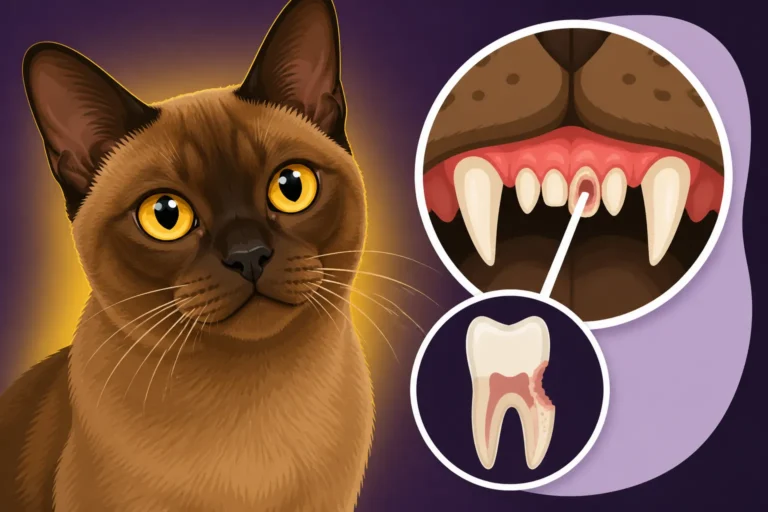
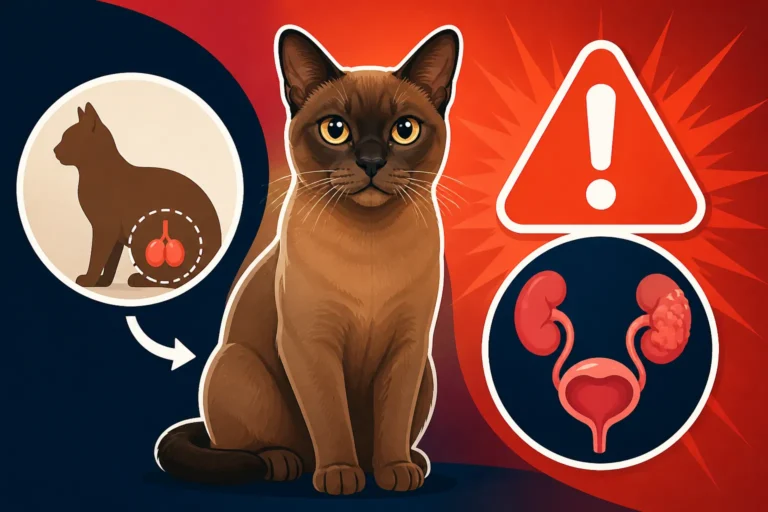
The Burmese breed, both American and European types, is known for several significant genetic health conditions that a DNA panel can accurately detect. These tests look for specific mutations in your cat's genes that indicate whether they are clear of a disease, a carrier, or affected by it. For instance, Hypokalemia Is the Burmese Disease With a DNA Test, a condition that can cause debilitating muscle weakness and paralysis. Knowing your cat's status for this particular gene, the WNK4 mutation, is incredibly important, especially if you're considering breeding.
Beyond Hypokalemia, a full panel will often screen for things like GM2 Gangliosidosis, a rare but devastating neurological disorder, and even genetic markers for conditions like the Burmese Head Defect Is Lethal and Recessive. While some of these conditions are more prevalent in specific lines or regions, a comprehensive test provides a wide net of protection. It gives you an early warning system, allowing you to work with your vet to create a tailored health plan, rather than waiting for symptoms to appear and reacting to a crisis.
The Long-Term Health and Financial Benefits
Thinking about the upfront cost of a DNA panel can sometimes feel daunting, but it's truly an investment that pays dividends over your cat's entire lifetime. Imagine the heartbreak and the significant veterinary bills associated with treating a chronic condition that could have been predicted, or even prevented, through early genetic screening. For example, the Burmese breed is notoriously predisposed to diabetes, with studies showing Why a Burmese Is Four Times More Likely to Become Diabetic than other breeds. While diabetes is complex and not solely genetic, understanding all your cat's predispositions helps you make informed dietary and lifestyle choices to mitigate risks.
Catching potential issues early means you can implement preventive care, dietary adjustments, or regular monitoring, which can dramatically reduce the need for expensive emergency treatments or long-term management of severe illnesses. Consider the financial implications if your cat developed a serious genetic condition later in life; those costs can quickly skyrocket into thousands of dollars for diagnostics, medications, and specialized care. A DNA panel is a comparatively small fee that can potentially save you a fortune and, more importantly, spare your beloved Burmese from unnecessary suffering. It’s part of a proactive approach that ensures your cat has the best possible chance at The Sixteen to Eighteen Years a Well Bred Burmese Gets.
Breaking Down the Costs: What Influences the Price?
The cost of a full Burmese DNA panel isn't a fixed figure you can just pull from a price list; it varies quite a bit depending on several key factors. It’s not unlike buying a car – you have your basic models, and then you have luxury editions with all the bells and whistles. The same applies to genetic testing for your feline friend. Understanding these variables will help you discern why one panel might cost significantly more or less than another and what value you're getting for your investment.
Factors Affecting Testing Prices
One of the biggest factors influencing the price is which laboratory you choose. Reputable laboratories specializing in animal genetics, such as Optimal Selection (part of Wisdom Panel), Langford Vets in the UK, or Orivet in Australia, often offer comprehensive panels. These labs have state-of-the-art facilities, validated testing methods, and often employ geneticists who interpret the results. Their pricing reflects this expertise and the breadth of their testing capabilities. Some smaller labs might offer tests at a lower price, but it's crucial to ensure their accreditation and the reliability of their results. You really want to be sure you're getting accurate information when it comes to your cat's health.
Another significant cost differentiator is the scope of the panel. Are you looking for a single test, like just the WNK4 gene for Hypokalemia, or do you want a full, comprehensive panel that screens for a dozen or more genetic mutations known to affect Burmese cats? Naturally, the more conditions covered, the higher the price. Some breeders might opt for a basic panel for their entire cattery but then select individual tests for specific concerns if a particular line shows a new risk. For pet owners, a comprehensive panel offers the most peace of mind, covering all bases. When considering Which Tests Belong on a Burmese DNA Panel, think about the potential risks inherent in the breed and the specific concerns you might have for your individual cat.
Individual Tests Versus Comprehensive Panels
You might find that ordering individual tests for specific conditions, such as just the Hypokalemia test, can be less expensive upfront than a full panel. However, this piecemeal approach can quickly add up if you need to test for multiple conditions. Most reputable labs offer "breed panels" that bundle all the known genetic health concerns for the Burmese into one comprehensive package at a discounted rate compared to ordering each test separately. This bundling is often the most cost-effective way to get a thorough genetic profile for your cat.
For example, a comprehensive Burmese panel from a specialized lab will typically include tests for Hypokalemia, GM2 Gangliosidosis, and perhaps even some general feline health markers. If you're a breeder, this comprehensive approach is absolutely non-negotiable, as What a Burmese Breeder Must Test Before Any Mating extends to ensuring the health of future generations. For pet owners, it provides an unparalleled level of insight into your cat's genetic makeup, allowing you to be proactive about their care and discuss any predispositions with your veterinarian. This foresight can prevent future heartache and unexpected veterinary expenses down the road.
Typical Cost Ranges for a Full Burmese DNA Panel
Let's get down to the numbers, because that's often what people are really looking for. While prices can fluctuate based on the lab and the comprehensiveness of the panel, we can certainly establish some general ranges to help you budget effectively for your Burmese cat's genetic testing. Keep in mind that these are estimates, and it's always best to check directly with your chosen laboratory for their most current pricing.
What to Expect to Pay
For a basic Burmese DNA panel, which typically includes the most critical breed-specific diseases like Hypokalemia, you might expect to pay in the range of $80 to $150 USD. This usually covers the necessary cheek swab kit, laboratory analysis, and a digital report of the results. This is often the starting point for many breeders or owners who are specifically concerned about the most common and impactful genetic issues. For instance, understanding How the Burmese Hypokalemia Test Is Read is crucial, and getting this specific test done is often prioritized due to its direct impact on a cat's quality of life.
When you move to a comprehensive Burmese DNA panel, which screens for a wider array of genetic conditions—including Hypokalemia, GM2 Gangliosidosis, and potentially other markers for conditions like the Head Defect or even some general feline genetic traits—the cost generally ranges from $150 to $300+ USD. Some labs might offer even more extensive panels that include coat color genetics, blood type, or additional health markers, pushing the price higher. For a truly "full" panel, aiming for this upper range will ensure you're getting the most thorough screening available. Labs like Optimal Selection offer such comprehensive panels, often providing results for dozens of genetic traits and diseases, tailored specifically to the Burmese breed.
Geographic and Lab-Specific Variations
It's worth noting that prices can also vary by geographic location. For example, labs in Europe (like Langford Vets in the UK) or Australia (like Orivet) might have slightly different pricing structures due to local operating costs, currency exchange rates, and the specific genetic panels they offer. Always ensure the lab you choose is recognized and reputable within the veterinary genetics community. Sometimes, a local vet might offer to facilitate the testing, sending the samples to a specialized lab, and they might add a small administrative fee to the overall cost.
Furthermore, some laboratories occasionally offer discounts, especially around major cat shows or during specific promotional periods. If you're a breeder who tests multiple cats, you might even qualify for bulk discounts. It's always a good idea to check the websites of leading genetic testing companies directly and compare their Burmese-specific panels. While pet insurance companies like Healthy Paws focus on covering treatment for illnesses rather than preventive genetic testing itself, having these test results can significantly inform your long-term financial planning for your cat's health. Knowing what you're up against, genetically speaking, makes it easier to anticipate potential future veterinary expenses that insurance would cover.
The Long-Term Value of Investing in DNA Testing
While the initial cost of a full Burmese DNA panel might seem like another expense in a long line of pet-related outlays, it truly represents one of the most proactive and valuable investments you can make in your cat's health and your own peace of mind. It’s about building a foundation of knowledge that informs every aspect of their care, potentially saving you from heartache and significant financial strain further down the road. This foresight is what sets responsible pet ownership apart.
Preventing Future Heartache and Costly Treatments
The emotional toll of watching your beloved Burmese suffer from a preventable genetic disease is immeasurable. Knowing your cat's genetic predispositions allows you to take preventative measures, or at least be prepared for potential challenges. For example, if your Burmese tests as a carrier for a condition, you can discuss with your vet the signs to watch for and what early interventions might be possible. If you happen to acquire a Why a Rescue Burmese Should Still Be Tested, a DNA panel can be even more crucial as you might not have access to their full pedigree or health history. This proactive step can mean the difference between early detection and a distressing crisis situation.
Moreover, the financial burden of managing chronic genetic conditions can be staggering. Treatments for conditions like severe Hypokalemia episodes or uncontrolled diabetes can involve multiple vet visits, specialized medications, and even emergency hospitalization. These costs can quickly eclipse the initial outlay for a DNA panel. By understanding your cat's genetic profile, you can avoid costly diagnostic odysseys, get to a correct diagnosis faster, and focus on effective management or even prevention. This is why having such information can be vital when considering Whether a Burmese Policy Is Worth It Once Diabetes Is Excluded by some insurers due to breed predisposition.
Guiding Responsible Breeding Practices
For breeders, a full Burmese DNA panel is not just valuable; it's absolutely fundamental to ethical and responsible breeding. Genetic testing allows breeders to make informed decisions about mating pairs, ensuring they do not inadvertently produce kittens affected by serious inherited diseases. For example, knowing if a cat is a carrier for Hypokalemia means they can be carefully bred to a clear cat, preventing affected offspring. Without this knowledge, breeders risk perpetuating genetic diseases within the breed, leading to suffering for the cats and distress for their future owners.
This commitment to genetic health also helps preserve the integrity and vitality of the Burmese breed as a whole. By systematically screening breeding stock, breeders contribute to reducing the prevalence of these conditions over generations. This responsible approach is what helps maintain the health and longevity of the breed, something that is important when you consider the overall What a Burmese Costs Over Sixteen Years. It’s an ethical obligation that ensures future Burmese cats are as healthy and happy as possible.
Peace of Mind for Pet Parents
Ultimately, investing in a full DNA panel for your Burmese provides an invaluable gift: peace of mind. Knowing your cat's genetic health status means you are empowered with information. You understand their unique genetic blueprint, allowing you to tailor their care more effectively. Whether it's choosing the right diet to mitigate diabetes risk, understanding behavioral quirks that might have a genetic component, or simply being aware of what to discuss with your vet during routine check-ups, this knowledge is power.
It alleviates the anxiety of the unknown and allows you to enjoy your cat more fully, confident that you’ve done everything possible to safeguard their health. This informed approach extends to your financial planning too; understanding potential health issues can help you prepare for future veterinary expenses, perhaps even factoring in a line for insulin or other medications into your budget if needed, especially if your cat shows a high predisposition to diabetes. This proactive planning is an integral part of responsible Burmese ownership.
Cost Breakdown of a Burmese DNA Panel
To give you a clearer picture, here's a general breakdown of what you might expect when exploring a DNA panel for your Burmese cat. Remember, these are estimates and can vary.
| Test Type | Typical Cost Range (USD) | What it Typically Covers | Key Benefits |
|---|---|---|---|
| Individual Disease Test | $50 – $100 | Single genetic condition (e.g., Hypokalemia, GM2 Gangliosidosis). | Targeted screening for a known specific concern; lower initial cost if only one test is needed. |
| Basic Burmese Panel | $80 – $150 | 2-4 core breed-specific conditions (e.g., Hypokalemia, GM2). | Good starting point for essential breed health screening; more cost-effective than multiple individual tests. |
| Comprehensive Burmese Panel | $150 – $300+ | 5+ breed-specific conditions, general feline health markers, sometimes coat/blood type genetics. | Most thorough screening; best for breeders and concerned owners; provides maximum peace of mind; best long-term value. |
| Vet Consultation Fee | $30 – $70 (Optional) | For vet to collect sample, interpret results, or provide advice (if not doing it yourself or through breeder). | Professional advice; correct sample collection; integrated health plan. |
Always confirm the specific conditions covered by any panel you choose. For instance, some labs might offer a general feline panel that doesn't specifically target all the known Burmese-specific mutations, so it's crucial to look for a Burmese-specific panel. Reputable pet insurance providers like Healthy Paws appreciate when owners are proactive about their cat's health, though the DNA test itself is typically not covered, the information gleaned from it can guide future decisions about care that would be covered.
Disclaimer
The information provided in this article is for general informational purposes only and does not constitute veterinary advice. Always consult with a qualified veterinarian for any health concerns or before making any decisions related to your pet's care. Genetic testing results should always be interpreted in conjunction with a veterinary professional.