Why a European Burmese Costs Twice an American One
Deciding to welcome a Burmese cat into your home is a truly wonderful choice, but as any seasoned cat parent knows, the initial purchase price is just the tip of the iceberg. Many people are surprised to learn that there isn't just one "Burmese" cat, and the cost can vary wildly depending on which side of the pond its ancestry hails from. If you've been researching these incredible felines, you've likely stumbled upon discussions of American and European Burmese, and the often-stark difference in their price tags. This guide will meticulously break down why a European Burmese often commands a price twice that of its American counterpart, exploring everything from breed standards and historical divergence to the economics of rarity and the full spectrum of ownership costs.
The Fundamental Split: Understanding the Two Burmese Types
It’s easy to assume a Burmese is a Burmese, but the reality is a fascinating tale of separate development. What started as one distinctive cat from Southeast Asia, arriving in the West with Dr. Joseph Thompson, eventually branched into two recognizable types, each with its own characteristics and, naturally, its own price point. Understanding this fundamental split is key to grasping the cost difference.
A Tale of Two Standards: American vs. European Burmese
When you look at the breed standards, you quickly see how American and European Burmese breeders have been striving for different ideals for decades. The American Burmese standard emphasizes a more compact, cobby body type. Think of a powerful, rounded cat with a distinctly full, broad head, often described as having "sweet" or "melting" round eyes that are usually gold or yellow. Their muzzle is short and broad, contributing to that distinctive rounded facial expression. Breeders aiming for the American standard focus on these traits, leading to a cat that feels surprisingly solid and heavy for its size, often referred to as a "brick wrapped in silk."
On the other hand, the European Burmese, particularly as defined by the Governing Council of the Cat Fancy (GCCF) in the UK, presents a more elegant and lithe profile. They tend to have a longer, more oriental body structure. Their head is typically a modified wedge, rather than distinctly rounded, with slightly larger ears set further apart. Their eyes are often described as being more almond-shaped or slightly slanted, in shades of gold to green, contributing to a more exotic expression. The European standard calls for a cat that is still muscular and substantial but carries itself with a greater sense of grace and athleticism. These distinct visions for the breed have led to separate breeding programs, and effectively, two visually different cats sharing the same name.
The Historical Divergence: How the Breed Split
The story of the Burmese begins with a single cat named Wong Mau, brought from Burma (now Myanmar) to the United States in the 1930s. Initially, there were very few pure Burmese available, so Dr. Thompson's pioneering breeding program involved outcrossing Wong Mau with Siamese cats to expand the gene pool. This early work helped establish the breed and its unique "cb" gene, which gives the Burmese its distinctive warm brown (sable) coat that darkens at the extremities.
However, after World War II, the British Burmese breeding program faced its own challenges with limited genetic stock. To rebuild and expand, British breeders often incorporated more extensive outcrosses, some of which were different from those used in America. Over time, and with different interpretations of the breed's ideal appearance, the British (and subsequently, European) lines began to develop a distinct look. While both American and European Burmese share that characteristic "cb" allele that defines their color, their physical structures diverged significantly due to these differing breeding priorities and the specific cats chosen for outcrossing in each region. The split wasn't an official decision to create two breeds, but rather a natural evolution born from separate breeding pools and aesthetic goals across continents.
Key Physical Differences Influencing Price
The physical distinctions between the American and European Burmese aren't just subtle nuances for show judges; they significantly influence desirability and, by extension, price. The American Burmese is famed for its "cobby" build—a stout, compact body that feels remarkably heavy. This contributes to its undeniable charm and the feeling of holding a warm, dense little companion. Its round head and large, expressive eyes are endearing, often drawing comparisons to a benevolent owl or a perpetually curious toddler. These are the traits that many North American buyers expect when they look for a Burmese.
In contrast, the European Burmese offers a more svelte, elegant physique. They might feel equally dense, but their longer body and legs give them a more refined silhouette. The wedge-shaped head, longer muzzle, and slightly more oriental eye shape present a distinct aesthetic that appeals to a different set of preferences. For some, the European look embodies a more "classic" or "ancient" feel, harking back to perhaps an earlier, less modified cat. These visual distinctions are not merely cosmetic; they require dedicated breeding programs to maintain. Breeders invest years, sometimes generations, in carefully selecting pairings to consistently produce kittens that conform to one standard or the other. When a European Burmese breeder in North America is working to maintain these specific traits, especially given the challenges of importing and maintaining pure lines, the effort and inherent rarity translate directly into a higher price for their kittens. Each type has its devoted fan base, but the infrastructure and history behind each contribute to their market value.
The Economics of Rarity: Why European Burmese Are More Expensive
The most direct answer to why a European Burmese costs more lies in basic economics: supply and demand. In North America, the European Burmese is simply less common, making it a premium product for those seeking its distinctive traits. This scarcity is not accidental; it's a consequence of historical breeding choices and ongoing logistical challenges.
Smaller Gene Pools and Fewer Breeders
For anyone searching for a European Burmese in the United States or Canada, one of the first things you'll notice is the sheer difficulty in finding a breeder. The European type has a significantly smaller gene pool in North America compared to the well-established American Burmese lines. This means fewer breeding cats, fewer litters, and ultimately, fewer kittens available for sale. When there are only a handful of dedicated breeders working with these lines, the supply is inherently limited.
This scarcity creates a situation where demand, even if not universally high, easily outstrips available kittens. Breeders of European Burmese often have extensive waitlists, and when a kitten does become available, its price reflects this exclusivity. Maintaining genetic diversity within a smaller pool also requires exceptional dedication and careful planning from these breeders. They must meticulously track pedigrees, collaborate with other limited breeders, and sometimes, face the considerable expense and effort of importing new bloodlines to prevent inbreeding and ensure the long-term health and vitality of their cats. This intensive, specialized breeding work is a significant factor in the elevated cost.
The Costs of Importing Lines
Imagine falling in love with the European Burmese aesthetic and deciding you want to establish a breeding program for them in North America. This isn't a simple task. Importing a breeding-quality cat from Europe involves a laundry list of significant expenses, all of which contribute to the higher price of European Burmese kittens. First, there's the initial purchase price of the cat itself, which might already be substantial due to its quality and pedigree in its home country. Then, you're looking at international air travel costs, which can include specialized carriers, pet-friendly cargo services, and even the cost of a human escort if required.
Beyond travel, there are numerous veterinary checks, certifications, and sometimes quarantine periods, all mandated by international regulations. These ensure the cat is healthy and doesn't pose a risk to the local animal population. Factor in the time and administrative effort required to navigate customs, obtain necessary permits, and register the cat with North American associations like Which Registry Calls It a European Burmese, and you can see how the costs quickly skyrocket. A breeder undertaking this arduous and expensive process must, quite naturally, recoup these investments through the sale of their kittens. An imported breeding cat is a substantial asset, and its offspring will reflect that initial outlay.
Demand and Supply in the Burmese Market
The interplay of demand and supply is a critical economic driver behind the European Burmese's higher price point. While the American Burmese has a strong, consistent demand base built over decades, the demand for the European type, particularly in North America, is more niche but equally fervent. Those who seek out the European Burmese are often specifically drawn to its distinct aesthetic and will go to great lengths to find one. This passionate, albeit smaller, segment of buyers is willing to pay a premium for the look they desire.
The limited supply, exacerbated by the fewer breeders and high import costs discussed earlier, creates a bottleneck. When a breeder has a litter of European Burmese kittens, they know there's a dedicated group of prospective owners ready and willing to pay the asking price because their options are so limited elsewhere. This isn't about arbitrary price gouging; it's a reflection of the resources, time, and specialized knowledge required to produce and make these specific lines available. As global awareness of different breed types grows through online communities and social media, demand for specific looks like the European Burmese only increases, even in regions where they are not readily bred. For many, the long-term companionship and joy of owning their ideal cat, like one that could live for The Sixteen to Eighteen Years a Well Bred Burmese Gets, justifies the higher initial investment.
Navigating the Purchase: What to Expect When Buying a Burmese Kitten
Once you've decided on a Burmese, understanding the purchasing process and what constitutes a fair price is essential. The price difference between the American and European types is significant, but a reputable breeder—regardless of type—will always prioritize the health and well-being of their kittens above all else.
Initial Kitten Price Ranges for Each Type
When you begin your search for a Burmese kitten, you'll quickly notice that prices vary. For an American Burmese, particularly a pet-quality kitten (meaning it's not intended for breeding or showing), you might expect to pay a certain range, influenced by the breeder's reputation, location, and the kitten's color. Common colors like sable might be at one end, while less common ones could be slightly higher. These kittens come from well-established lines, and the breeder has invested in their health and socialization.
Now, for a European Burmese kitten, especially in North America, prepare for a significant jump. It's not uncommon for their prices to be at least double, if not more, than that of an American Burmese. This reflects all the factors we've discussed: rarity, import costs, smaller gene pools, and specialized breeding efforts. A European Burmese is often a premium purchase, and prospective owners should budget accordingly. It's crucial to be wary of any price that seems unusually low for either type, as this can be a red flag. Undervalued kittens may come from backyard breeders who skip essential health screenings, provide inadequate care, or lack proper socialization, leading to potential health or behavioral issues down the road. High-quality breeding, with all its inherent costs, delivers a healthy, well-adjusted companion.
Deposits, Waitlists, and Securing Your Kitten
Securing a Burmese kitten from a reputable breeder, especially for the rarer European type, almost always involves a deposit and a waitlist. Once you've found a breeder you trust and decided on a specific type, you'll typically place a non-refundable deposit to be added to their waiting list. This deposit signifies your serious commitment to adopting one of their kittens.
Waitlists can vary greatly in length. For a popular American Burmese breeder, you might wait a few months. For a European Burmese, given the limited number of active breeders and smaller litter sizes, you could be waiting much longer—sometimes a year or more for a specific color or gender. Reputable breeders will be transparent about their wait times and their process. They’ll want to get to know you, understand your living situation, and ensure their kittens are going to loving, appropriate homes. Don’t be surprised if they recommend getting a pair; many Why Burmese Breeders Sell Them in Pairs is a common practice, as Burmese thrive on companionship and two kittens will keep each other entertained, preventing issues like What Separation Anxiety Looks Like in a Burmese. This might mean a higher initial cost, but it can be an investment in a happier, better-adjusted cat in the long run.
The Importance of a Reputable Breeder and Health Clearances
Regardless of whether you choose an American or European Burmese, the most critical factor in your kitten journey is finding a reputable breeder. This isn't just about getting papers; it's about ensuring you bring home a healthy, well-socialized companion who has been given the best possible start in life. A responsible breeder will be passionate about their cats, prioritizing their health, temperament, and adherence to breed standards.
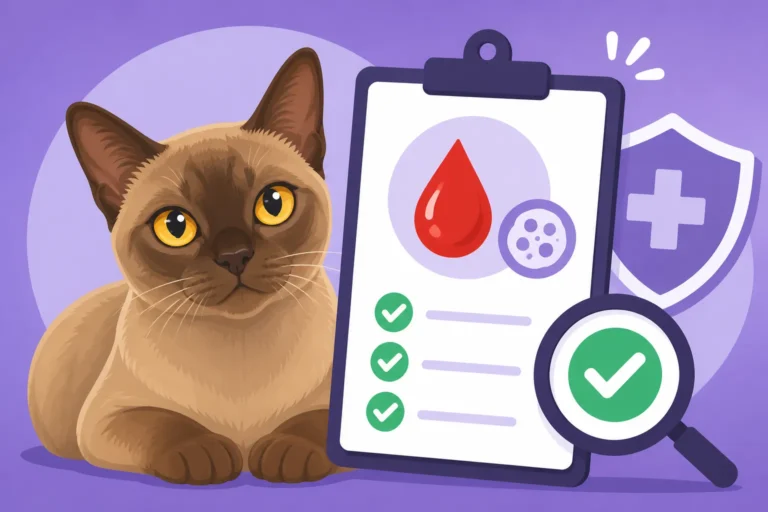
They will conduct extensive DNA testing on their breeding cats for known breed-specific genetic conditions. For the Burmese, this includes conditions like Hypokalemia, and a breeder should readily provide you with documentation for the parent cats. This kind of upfront genetic screening, as detailed in What a Burmese Breeder Must Test Before Any Mating, helps ensure your kitten won't inherit debilitating diseases. Additionally, a reputable breeder will perform early health checks on their kittens. For instance, a check for conditions like flat-chested kitten syndrome, as highlighted in Why a Burmese Kitten's Chest Should Be Checked at Birth, is a vital part of a kitten's first veterinary exam. They will typically provide a health guarantee, a clear contract, and be a lifelong resource for you, offering advice and support long after you’ve taken your kitten home. This level of care and commitment is invaluable and contributes to the overall cost, but it's an investment in a healthy, long-lived cat.
Beyond the Sticker Price: Ongoing Costs of Burmese Ownership
The purchase price is just the beginning. Owning a Burmese, whether American or European, means committing to years of care, and their unique needs often translate into specific ongoing expenses. Smart budgeting means looking far beyond that initial kitten cost.
Food and Nutrition: A Medical Decision
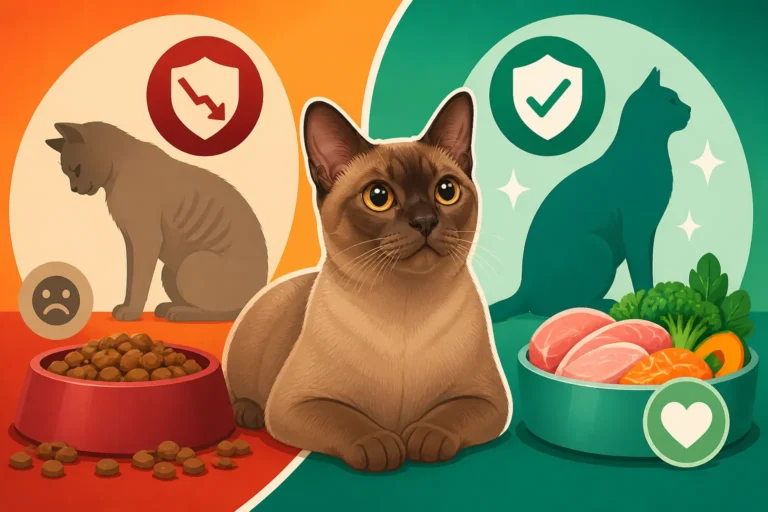
For a Burmese, food isn't just about filling a bowl; it's a medical decision that directly impacts their long-term health, particularly given that The Burmese Has the Highest Diabetes Rate of Any Cat Breed. Burmese cats are predisposed to diabetes, and a high-quality, low-carbohydrate diet is often recommended by veterinarians as a preventative measure. This typically means feeding premium wet food rather than dry kibble, which often contains a higher percentage of carbohydrates.
Choosing this specialized diet means a higher monthly food bill. While a bag of generic kibble might seem economical, the cost of premium wet food from trusted retailers like Chewy or your local pet store can add up. For example, some owners choose freeze-dried raw or high-protein, low-carb canned foods, which are fantastic for their health but come at a premium. The principle that Feeding a Burmese Is a Medical Decision, Not a Preference means that this isn't an area to cut corners. Investing in the right nutrition from the start can help mitigate the risk of developing diabetes, which would lead to significantly higher veterinary and insulin costs later in life. It's a prime example of how proactive care can save money and heartache in the long run.
Veterinary Care: Routine and breed-specific concerns
Regular veterinary care is non-negotiable for any pet, but for a Burmese, it includes specific considerations that can influence your annual budget. Beyond standard vaccinations and annual check-ups, Burmese cats have known breed-specific health predispositions. As mentioned, diabetes is a significant concern, but they are also prone to conditions like Hypokalemia and certain dental issues, as outlined in Which Diseases the Burmese Actually Carries.
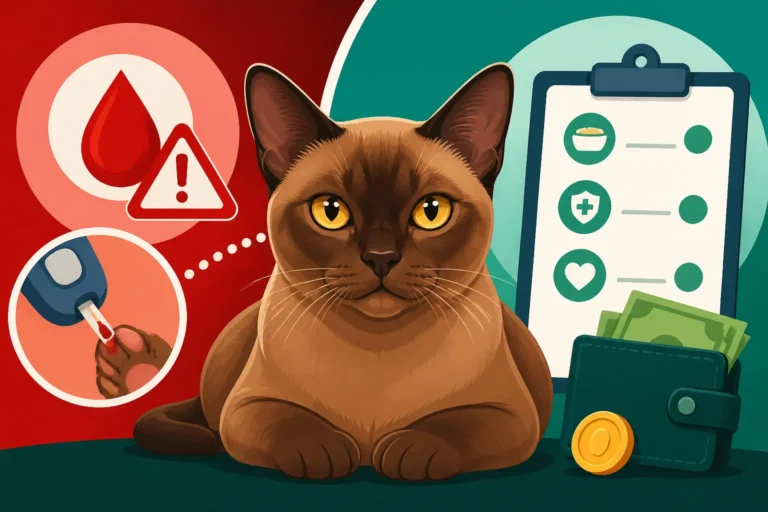
This means your routine vet visits might become more focused on screening for these conditions, especially as your cat ages. For example, regular blood tests, including glucose checks, are crucial, particularly once a Burmese reaches middle age. If a dental issue arises, professional cleaning and possibly extractions can be costly. Being proactive and budgeting for these potential breed-specific health needs is key. Your veterinarian might recommend a slightly more rigorous wellness schedule or specific diagnostic tests earlier than they would for other breeds, all aimed at catching any emerging issues as promptly as possible. This vigilant approach ensures your Burmese lives its healthiest, happiest life, but it does mean a slightly higher ongoing veterinary expense.
Insurance and Unexpected Expenses
Even with the best preventative care and a reputable breeder, unexpected health issues can arise, making pet insurance a wise consideration for many Burmese owners. Companies like Healthy Paws offer policies that can significantly offset the financial burden of accidents, illnesses, and emergency veterinary care. While a monthly premium might seem like an added cost, it can provide immense peace of mind. Imagine your Burmese developing an unexpected illness or having an accident; the diagnostic tests, treatments, and potential surgeries can run into thousands of dollars. Having insurance in place means you can focus on your cat's recovery rather than the daunting vet bill.
When researching pet insurance, be sure to understand what is covered and what might be excluded, especially pre-existing conditions. Many policies will have waiting periods, so it’s wise to enroll your kitten early. Beyond medical costs, remember to budget for other ongoing essentials: quality litter (a diabetic Burmese, if one were to develop, would produce more urine, requiring more litter), toys, scratching posts, and occasional grooming tools, even for their low-maintenance satin coat. If you travel, consider the cost of a trusted pet sitter, as Burmese notoriously Why a Burmese Cannot Be Left Alone All Day and thrive on constant companionship. These seemingly small expenses add up over a cat’s lifetime.
The Value of a Lifetime: Why a Burmese is a Long-Term Investment
Choosing a Burmese isn't just about bringing a pet into your home; it's about inviting a devoted, playful, and deeply affectionate family member who will be with you for many years. This long-term commitment profoundly influences their true "cost" and the immense value they add to your life.
Lifespan and Senior Care Considerations
One of the most heartwarming aspects of the Burmese breed is their impressive longevity. Many Burmese cats live well into their mid-to-late teens, with some even reaching their twenties. This means that when you bring a Burmese kitten home, you're committing to a companion for a significant portion of your life, often How Long a Burmese Lives. This extended lifespan, while a blessing, naturally means a longer period of financial responsibility.
As your Burmese transitions into its senior years, typically around When a Burmese Counts as Senior (12-14 years), their care needs will evolve and often increase. Just like humans, older cats are more prone to age-related conditions such as arthritis, kidney disease, or hyperthyroidism. This can translate into more frequent veterinary check-ups, specialized diets, daily medications, and perhaps additional diagnostic tests like blood work or ultrasounds. These senior care expenses can add up significantly, contributing to the overall What a Burmese Costs Over Sixteen Years. While the joy of having your beloved cat by your side for so long is immeasurable, it’s crucial to anticipate and budget for these escalating costs as part of responsible long-term ownership.
Behavioral Needs and the "Velcro Cat" Lifestyle
The Burmese is famously known as The Burmese Is the Velcro Cat of the Cat Fancy for a very good reason: they are incredibly people-oriented and thrive on constant companionship. This isn't a breed that's content to be an aloof observer; they want to be actively involved in everything you do, riding on your shoulder, snuggling under the covers, or following you from room to room. Their intense need for social interaction means they genuinely Why a Burmese Cannot Be Left Alone All Day.
This characteristic has important financial and lifestyle implications. If you work long hours or travel frequently, a single Burmese may develop separation anxiety, leading to destructive behaviors like excessive vocalization, spraying, or even self-mutilation (pulling out their fur). To prevent this, many breeders and experienced owners recommend getting two Burmese cats, or another highly sociable companion animal. While this doubles some initial costs (like purchase price) and ongoing costs (food, litter), it can mitigate potential behavioral issues and associated vet bills or property damage that stem from loneliness. Investing in another companion for your Burmese is often seen as a necessary expense to ensure their emotional well-being and a peaceful home environment.
The Emotional Return on Investment
While we've focused heavily on the financial aspects of Burmese ownership, it's impossible to discuss their value without acknowledging the profound emotional return on investment they offer. A Burmese cat isn't just a pet; they become an integral, deeply cherished member of the family. Their playful antics, intelligent nature, and unparalleled affection create a bond that many owners describe as unlike any other.
Imagine coming home to a cat that genuinely greets you at the door, engages in interactive play well into their senior years, and insists on sleeping snuggled against you every night. Their unique, rasping purr and constant desire for interaction fill a home with warmth and life. They are renowned for their unwavering loyalty and their ability to forge deep connections with every member of the household, often treating children and even dogs as more company to cherish. While the initial purchase price, whether for an American or European type, and the ongoing costs of their specialized care are substantial, the sheer joy, companionship, and unconditional love a Burmese brings into your life are truly priceless. For those prepared to meet their needs, the financial commitment becomes a small price to pay for such a devoted and loving companion.
Making the Decision: Is a European Burmese Worth the Higher Price?
Ultimately, the decision between an American and European Burmese, and whether the higher price tag for the latter is "worth it," comes down to a blend of personal preference, availability, and your own financial circumstances. Both types offer the quintessential Burmese charm, intelligence, and affection, but they express it with distinct visual styles.
Personal Preferences in Appearance and Temperament
The primary driver for choosing a European Burmese, especially for North American buyers, is almost always aesthetic preference. Do you find yourself drawn to the more elegant, lithe body and wedge-shaped head with almond eyes of the European type? Or do you prefer the distinctly cobby, rounded look with broad head and round eyes of the American Burmese? Neither is superior; they are simply different interpretations of a beloved breed. Spending time looking at photos, videos, and ideally, meeting both types of Burmese if possible, will help you determine which visual standard resonates most deeply with you.
While both types share the core Burmese temperament—highly affectionate, playful, and intelligent—some enthusiasts suggest there can be subtle differences in their perceived energy levels or vocalizations. However, these are often anecdotal and can vary significantly from one individual cat or specific bloodline to another, regardless of type. The fundamental "Velcro cat" personality, the engaging playfulness, and the devotion to their human family are hallmarks of the Burmese breed across the board. Your personal connection to a kitten's look will likely be the strongest influence here.
Access to Specific Bloodlines and Genetic Diversity
For some, particularly those interested in showing or breeding, the choice to pay more for a European Burmese might be driven by access to specific bloodlines and the desire for broader genetic diversity. In North America, where the American Burmese is more prevalent, introducing European lines can bring fresh genetics, which can be valuable for strengthening a breeding program or simply for the inherent benefit of diversifying the gene pool. If you are a breeder yourself, understanding Why a Burmese Contract Bans Crossing the Two Types between the American and European types is crucial, as most registries consider them separate varieties that should not be interbred.
However, it's also important to remember that responsible American Burmese breeders are equally dedicated to maintaining robust, healthy lines with good genetic diversity within their own type. They carefully plan matings and track health clearances to ensure the vitality of their kittens. So, while European lines can offer an alternative genetic stream, it doesn't automatically mean they are inherently healthier or "better" than well-bred American lines. The breeder's commitment to health testing and ethical practices, whether American or European type, remains the paramount consideration.
The Role of Budget in Your Burmese Journey
Let's be realistic: budget plays a significant role in any major purchase, and bringing a new family member home is no exception. While the emotional return on investment for a Burmese is invaluable, the financial commitment, particularly the higher initial cost of a European Burmese, is a practical consideration that cannot be overlooked. It's important to assess your financial situation honestly and determine what you can comfortably afford, not just for the kitten's purchase price, but for the years of ongoing care.
If the higher cost of a European Burmese stretches your budget too thin, it is always a wiser decision to choose a healthy, well-socialized American Burmese from a reputable breeder. A well-bred American Burmese will provide all the love, companionship, and joy characteristic of the breed, without the added financial strain that could impact their long-term care. Remember that the initial price is a one-time expense, but the costs of high-quality food, routine vet visits, potential breed-specific health care, and enriching their environment are ongoing. Prioritizing the health and well-being of your future companion by selecting a reputable breeder, regardless of which type you choose, is the best investment you can make in a long and happy life together.
Disclaimer
This article is for general informational purposes only and does not constitute professional advice. Laws, prices and regulations vary by location and change over time. Consult a qualified professional for guidance on your specific situation.