Why a Burmese Deposit Often Holds Two Kittens
Many prospective Burmese cat owners are initially surprised when they hear that their breeder might be suggesting, or even outright requiring, that they take two kittens instead of just one, or that a single deposit might cover the reservation of a pair. It feels counterintuitive at first glance – surely one kitten is enough, and doubling up means double the work and expense, right? This guide is here to unravel the common practice of Burmese breeders placing kittens in pairs, shedding light on the deep-rooted reasons behind it and why it often leads to happier cats and owners in the long run.
The Burmese is a Highly Social Breed
This breed isn't just friendly; they're incredibly bonded creatures who thrive on constant companionship. Unlike some of their more aloof feline cousins, a Burmese truly struggles with solitude, and this isn't just a quirk – it's a fundamental aspect of their well-being. Their need for connection runs deep, making them one of the most interactive and affectionate breeds you could ever hope to own, but also one of the most dependent on companionship.
The Velcro Cat Reputation: Deep Affection Needs
If you've spent any time researching Burmese cats, you've likely encountered the term "Velcro cat." It's not an exaggeration; it's an accurate description of their need to be physically close to their humans, almost constantly. Imagine a shadow that purrs and occasionally demands to ride on your shoulder – that's a Burmese. This isn't just about wanting attention; it's an inherent part of their genetic makeup and temperament. They absolutely thrive on interaction, whether it's snuggling under the duvet with you, following you from room to room, or simply being in the same space. They absorb your presence, and when that presence is absent, they genuinely feel it. This deep need for connection isn't something that can be trained out of them, nor should it be. It's what makes them such incredibly loving and interactive companions, but it also means they require a certain lifestyle to truly flourish. They are deeply sensitive to the emotional atmosphere around them and will seek out warmth and contact relentlessly.
How Separation Anxiety Manifests in a Single Burmese
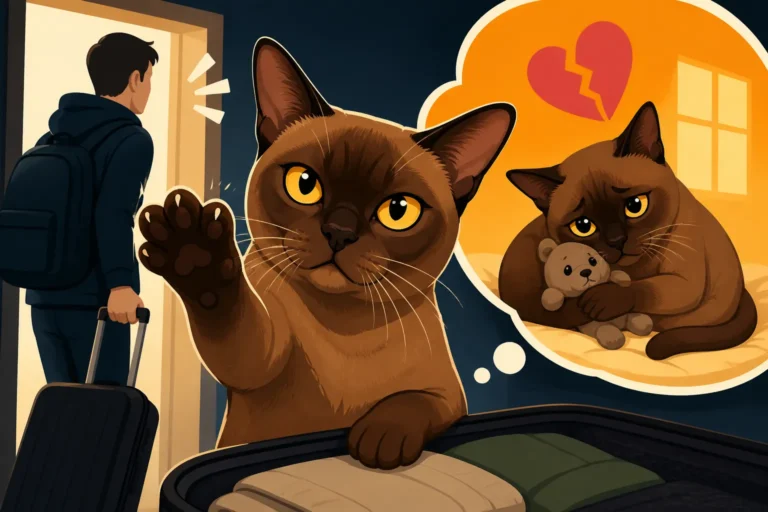
When a Burmese is left alone for extended periods, especially day after day, that deep need for companionship can quickly morph into full-blown separation anxiety. This isn't just a cat being a bit miffed you left; it's a profound emotional distress that can manifest in various destructive and heartbreaking ways. I've heard countless stories from owners who, despite their best intentions, found their single Burmese struggling immensely. They might start by simply yowling excessively or destroying furniture, but it can escalate. You might come home to scratched doors, urine marking outside the litter box (despite a clean box), or even self-mutilation like pulling out their own fur. The cat isn't being "bad"; it's a cry for help, a visible sign of distress because their fundamental need for connection isn't being met. Imagine a child left completely alone all day, every day – it's a similar emotional void for a Burmese. This is why understanding what separation anxiety looks like in a Burmese is so crucial before you even bring a kitten home. Their intelligence means they often understand your routine, making your departure even more impactful.
Why a Single Burmese Isn't a Happy Burmese
Ultimately, for many Burmese, a solitary existence simply doesn't lead to a truly happy and fulfilled life. While you might provide all the love and enrichment in the world when you're home, the hours you're away, especially if you work full-time, can be profoundly lonely for them. They need constant engagement, whether that's with a human or another animal. A single Burmese can literally pine for company, leading to a duller existence where their playful, inquisitive nature is suppressed by loneliness. They might sleep more, eat less, or become lethargic, all subtle signs that something isn't quite right. Breeders know this inherent trait, which is why the recommendation, or even insistence, on a pair is so common. It's about ensuring the kitten thrives, not just survives. A pair provides that continuous interaction, playtime, and comforting presence that a lone human, no matter how devoted, simply cannot replicate 24/7. This fundamental truth underpins the advice you'll often hear that a Burmese cannot be left alone all day. Their entire genetic programming points towards being part of a social unit.
The Breeder's Perspective on Placing Burmese Kittens
Burmese breeders aren't just selling pets; they are guardians of the breed, deeply invested in the health, temperament, and future well-being of the kittens they bring into the world. Their recommendations, including the suggestion of a pair, stem from decades of experience and a profound understanding of what makes these cats truly flourish. They've seen the outcomes of various placements and prioritize the long-term welfare of their kittens above all else.
Ensuring Kitten Welfare Beyond the Sale
For a reputable breeder, the responsibility doesn't end when a kitten leaves their home. They've poured countless hours into raising these little beings, ensuring they are healthy, well-socialized, and ready for their new families. This includes making sure they have received all necessary vaccinations and health checks, often covering what a Burmese kitten has had done by thirteen weeks. The breeder wants to know that each kitten is going to a home where its unique needs will be met, not just for a few months, but for its entire life – which, for a well-bred Burmese, can be sixteen to eighteen years. This commitment extends to their emotional well-being. They understand the profound social needs of the breed and have witnessed firsthand the struggles of single Burmese cats. Therefore, recommending a pair isn't a sales tactic; it's a welfare decision, aimed at preventing future heartache for both the cat and the owner. They truly believe it sets the kittens up for the best possible start and a happier life, reducing the chances of them being rehomed later.
The Ethical Rationale for Paired Placements
The ethical considerations for breeders are paramount. When working with a highly social breed like the Burmese, sending a single kitten to a home where it will be alone for significant portions of the day can feel irresponsible. Breeders are acutely aware of the potential for behavioral problems, stress, and anxiety that can arise from isolation. They are, in essence, trying to mitigate future issues before they even begin. This is precisely why Burmese breeders sell them in pairs. They often have a long waiting list of hopeful owners, and they carefully screen each potential home not just for financial capacity, but for lifestyle compatibility with the breed's needs. If a home cannot provide near-constant human companionship, a second Burmese kitten becomes the next best, and often essential, solution for preventing loneliness. It's a testament to their dedication to the breed's intrinsic welfare, prioritizing the cats' happiness above all else. This approach reflects a deep understanding of feline psychology specific to the Burmese.
Identifying Suitable Homes for Two Burmese
A good breeder will also take the time to assess whether a prospective owner is truly ready for the commitment of two cats. This isn't about being judgmental, but realistic. Owning two Burmese isn't just double the initial cost; it's double the ongoing care, vet visits, and general maintenance. They'll ask detailed questions about your lifestyle, work schedule, living situation, and previous pet experience. They're looking for signs that you understand the breed's needs for constant interaction and play. If you're out of the house for long hours, the idea of a single Burmese might be immediately dismissed, with a pair being the only option considered. They might even suggest that a Burmese breeder asks how long you work precisely for this reason. They want to ensure the kittens are going to a home that can not only financially support them but also provide the emotional and social environment they need to thrive. This diligence helps prevent cats from being rehomed later due to behavioral problems stemming from unmet social needs.
Addressing the Logistical Concerns of Owning Two Kittens
Understandably, the thought of bringing home two bundles of energy instead of one can feel daunting. There are practical considerations that come with a pair, but many owners find that the benefits far outweigh the initial logistical hurdles, especially for a breed as energetic and affectionate as the Burmese.
Managing Double the Energy and Play
Two Burmese kittens mean double the zoomies, double the wrestling matches, and double the demands for playtime. These are incredibly active and playful cats, known for their kittenish antics even into old age. While a single kitten might direct all its boundless energy onto you, a pair can entertain each other for hours. This is actually a huge benefit for busy owners. Instead of feeling guilty about not being able to dedicate every waking moment to chasing a wand toy, you'll often find your two kittens engaged in elaborate games of chase, hide-and-seek, and mock battles. They become their own entertainment committee. You'll still need to provide interactive play sessions – a Burmese needs how many play sessions a Burmese asks for even with a buddy – but the pressure is significantly reduced. They learn crucial social skills from each other, how to bite softly, how to share, and how to respect boundaries through play, which is something a human simply can't teach in the same way. This peer-to-peer interaction is vital for their development.
The Impact on Space and Resources
You might worry that two cats will take up too much space, or require an overwhelming amount of "stuff." While it's true you'll need two litter boxes (the general rule is one per cat plus one extra, perhaps even in separate locations), two food bowls, and a few more toys, the impact on your overall living space isn't usually as dramatic as you might imagine. Burmese cats are compact, muscular creatures, often described as "bricks wrapped in silk," but they don't demand vast amounts of individual territory like some other breeds. Instead, they often prefer to share spaces, curling up together in the same cat bed or on your lap. They find comfort in proximity. When it comes to consumables like food, yes, you'll go through more, but buying in larger quantities from places like Chewy can often be more economical in the long run. The critical thing is ensuring they each have access to food, water, and litter without competition, which usually means providing duplicates of these essentials in different locations.
Vet Visits and Healthcare for a Pair
One of the most practical aspects of owning two kittens is navigating initial vet care. Your kittens will need a series of vaccinations, deworming, and health checks, including discussions on spaying/neutering. This means double the appointments, double the examination fees, and double the cost of preventative medications. It's a significant upfront investment. Beyond kittenhood, you'll have ongoing annual check-ups. It's crucial to budget for this. A good breeder will have ensured what a Burmese kitten has had done by thirteen weeks, but the rest is up to you. You'll need to find a vet practice that is comfortable seeing both cats, or be prepared for consecutive appointments. The benefit, however, is that if one cat shows signs of illness, you have a baseline from the other cat's behavior to compare against, and they can support each other through recovery. You should also be aware of the breed's predisposition to certain conditions, like diabetes, so regular vet checks including glucose screenings are vital, especially as they get older.
The Financial Reality of a Double Deposit and Ownership
Let's be honest, the cost is often the biggest sticking point for prospective owners considering a pair. While the initial deposit and purchase price are doubled, it’s essential to look at the broader financial picture over their potentially long lifespan, and recognize that certain costs don't simply multiply by two.
Breaking Down the Initial Deposit Structure
When a breeder asks for a deposit that effectively secures two kittens, it’s not simply a ploy to maximize profit. It’s part of their strategy to ensure the best possible homes for their cats, knowing that the paired placement is ideal. The price of a Burmese kitten can vary, with factors like type (American vs. European Burmese) and color influencing the cost. For instance, what a pet European Burmese costs from a breeder might be significantly different from an American one. A breeder might specify that a certain percentage of the total purchase price for two kittens is required upfront as a deposit. This deposit signifies your serious commitment to taking a pair, confirming your understanding of the breed's social needs and the breeder's philosophy. It secures your place for a compatible pair from an upcoming litter, ensuring that when the time comes, two littermates (or closely bonded siblings) are held for your home, ready to embark on their new life together. This initial commitment ensures the breeder doesn't waste time on applicants who aren't serious about providing the ideal environment.
Understanding the Lifetime Costs for Two Burmese
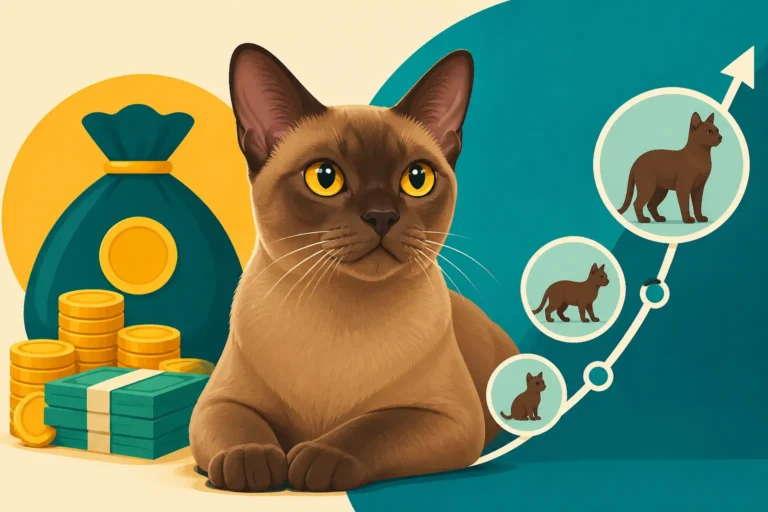
While the initial double deposit might feel like a pinch, it’s the ongoing lifetime costs that really add up. You're looking at double the food bills, double the routine vet care, and potentially double the emergency care if one falls ill. However, this isn't always a linear doubling. For example, buying high-quality food in larger quantities can sometimes offer a slight bulk discount. Your litter bill will definitely increase, as will the cost of toys (though two cats often share and entertain each other with fewer toys than two separate cats would need). It’s also important to factor in potential health issues. Burmese cats have a higher predisposition to certain conditions like diabetes, so budgeting for what a diabetes prone Burmese costs to keep every year becomes twice as relevant when you have two. This is why a Burmese owner should budget for two cats even if they initially only planned for one. The cost of daily necessities generally scales with the number of cats, but the hidden costs of anxiety (like property damage) are often reduced by having a pair.
Insurance Considerations for a Pair
Pet insurance is a crucial aspect of responsible pet ownership, and it becomes even more vital when you have two cats, especially a breed like the Burmese with specific health predispositions. Many owners look into providers like Healthy Paws to help manage unexpected vet bills. You'll need separate policies for each cat, which means double the premiums. However, the peace of mind knowing you can provide the best care without financial strain for both your beloved companions is invaluable. When budgeting, consider that some policies might offer a discount for multiple pets, but this varies greatly by provider. It’s important to research what each policy covers, paying close attention to any exclusions related to breed-specific conditions. Insuring them young is always recommended, as pre-existing conditions won't be covered if they develop later. This proactive financial planning ensures that if one of your pair ever faces a serious illness, you're prepared. Considering that how many Burmese become diabetic in a lifetime is higher than many other breeds, having good insurance is a wise investment.
The Long-Term Benefits of a Paired Placement
While the initial concerns about cost and logistics are valid, the long-term benefits of bringing home two Burmese kittens are profound, impacting their happiness, your peace of mind, and the overall harmony of your home. These advantages often become evident very quickly and continue to enrich your life for years to come.
Enhanced Mental and Physical Well-being
Having a companion means constant stimulation, both mentally and physically, for your Burmese. They have a built-in playmate for wrestling, chasing, and grooming. This continuous interaction helps burn off their abundant energy, which in turn reduces the likelihood of boredom and destructive behaviors. Physically, they stay more active throughout the day, which can contribute to maintaining a healthy weight – a critical factor for a breed prone to diabetes. Emotionally, the presence of another cat provides immense comfort and security. They can curl up together for naps, offering warmth and a sense of belonging that a human, no matter how present, cannot always replicate. This consistent companionship fosters a more confident, well-adjusted cat, contributing to their overall lifespan and quality of life. The mental enrichment they provide for each other is something truly special to witness. Watching them interact and solve "problems" together (like getting to a favored toy) is endlessly entertaining.
Reduced Behavioral Issues and Destruction
Perhaps one of the most compelling long-term benefits for owners is the significant reduction in behavioral problems. A lonely or bored Burmese is a recipe for disaster. As discussed earlier, separation anxiety can manifest in house soiling, destructive scratching, excessive vocalization, or even self-harm. With a companion, these issues are dramatically minimized because the root cause – loneliness and boredom – is largely addressed. Instead of tearing up your sofa or chewing on electrical cords, your Burmese pair will likely be engaging in mutual play, grooming, or simply snoozing together. This is why two Burmese cost less than one anxious one in terms of potential repair bills and emotional stress. The companionship acts as a natural buffer against many of the common behavioral pitfalls associated with this highly social breed. You're not just getting two cats; you're getting a built-in feline support system that stabilizes their environment and mood.
Shared Experiences and Deeper Bonds
Observing the bond between two Burmese kittens is one of the greatest joys of owning this breed. They learn from each other, comfort each other, and simply understand each other in a way humans cannot. They become an inseparable unit, their lives intertwined in a beautiful dance of feline camaraderie. They’ll chase each other up cat trees, share sunbeams, and always have a warm body to curl against. When you go on vacation, having a familiar companion means they are less stressed by your absence, making boarding a Burmese alone a less ideal option. They provide continuity and comfort for one another, creating a more stable and harmonious home environment. This shared journey, from rambunctious kittenhood to serene old age, enriches their lives and yours immeasurably. It's often said that a Burmese's first year includes a second kitten because the benefits become so clear so quickly. You'll quickly see that what an adult Burmese should weigh is often maintained better when they have a playmate.
Here's a quick comparison of what you might expect with a single versus a paired Burmese:
| Feature/Consideration | Single Burmese | Paired Burmese |
|---|---|---|
| Social Interaction | Relies entirely on humans; prone to loneliness | Constant feline companionship; less reliance on human presence for happiness |
| Activity & Play | Directs all play energy onto humans; may be destructive from boredom | Play with each other; less destructive, self-entertaining |
| Separation Anxiety Risk | High, especially if left alone frequently | Significantly lower; companionship provides comfort |
| Initial Purchase Cost | Lower deposit, lower initial purchase price | Double deposit, double initial purchase price |
| Ongoing Costs | Food, litter, vet bills for one | Food, litter, vet bills for two (some bulk savings possible) |
| Emotional Support | Dependent on human for all emotional needs | Provides and receives emotional support from sibling, reducing human pressure |
| Behavioral Issues | Higher risk of stress-related behaviors (spraying, scratching, excessive vocalization) | Lower risk of stress-related behaviors due to companionship |
| Overall Happiness | Can be fulfilled with constant human attention, but vulnerable to loneliness | Generally more consistently fulfilled and balanced |
Disclaimer
This article is for general informational purposes only and does not constitute professional advice. Laws, prices and regulations vary by location and change over time. Consult a qualified professional for guidance on your specific situation.