Whether a Burmese Guarantee Covers Diabetes
One of the most devastating things a cat parent can face is a serious illness in their beloved companion, especially when it’s a condition like diabetes that requires lifelong management. For Burmese owners, this concern is amplified because our wonderful, affectionate felines have a significantly higher predisposition to developing diabetes. When you bring home a new kitten, you naturally hope for a long, healthy life, and understanding what a breeder's health guarantee actually covers – particularly concerning conditions like diabetes – is crucial for both peace of mind and financial preparedness. This guide will walk you through the nuances of breeder guarantees and what they typically mean for diabetes in your precious Burmese.
Understanding the Nature of a Breeder's Guarantee
When you welcome a new Burmese kitten into your home from a reputable breeder, you'll almost always receive a health guarantee. This document is a cornerstone of responsible breeding, meant to protect both you and the breeder, ensuring a healthy start for the kitten. However, it’s not a one-size-fits-all shield against every potential ailment your cat might face over its lifetime. It’s incredibly important to differentiate between what these guarantees are designed to cover and what they realistically can cover, especially when it comes to a complex condition like diabetes.
Typically, a breeder's guarantee focuses heavily on congenital defects and serious hereditary conditions that manifest early in a kitten's life, or within a specific timeframe after purchase. These are usually structural anomalies present at birth or genetic diseases that become apparent during the first few months to a year, such as severe heart defects, certain neurological disorders, or conditions for which specific DNA tests exist. The guarantee is there to assure you that the kitten you're bringing home is sound, healthy, and free from immediate, life-threatening issues traceable directly to its genetic makeup or prenatal development. It acts as a safety net for those early, vulnerable months.
The complexity arises with conditions that are multifactorial, meaning they are influenced by a combination of genetics and environmental factors. Diabetes in Burmese cats falls squarely into this category. While it's widely acknowledged that Burmese cats have a genetic predisposition to diabetes – they are, unfortunately, Why a Burmese Is Four Times More Likely to Become Diabetic compared to other breeds – the actual onset of the disease isn't solely determined by genes. Diet, weight management, and lifestyle choices play a massive role. A guarantee might cover a kitten's immediate health, but it becomes a much greyer area when dealing with a condition that typically develops later in life, often influenced by how the cat is cared for in its new home. It’s not simply a switch that’s on or off from day one.
Why Diabetes Poses a Challenge for Guarantees
Diabetes is not usually a kittenhood disease. In Burmese cats, as with most felines, it tends to manifest in middle to older age, often starting around 7-10 years old, sometimes earlier if environmental factors accelerate it. This timing is a significant hurdle for breeder guarantees. Most health guarantees have a limited timeframe, typically from a few months to maybe a year or two for certain genetic conditions. A guarantee simply isn't set up to cover a chronic illness that might appear many years down the line, long after the cat has been settled in its new home and under the care of its owner.
The multifactorial nature of Burmese diabetes is another key reason it’s rarely covered. While the genetic predisposition is strong, it's often the interplay with diet, obesity, and activity levels that triggers the disease. Imagine a scenario where a kitten is sold, healthy and clear of any immediate diabetic signs. If that cat becomes overweight, is free-fed high-carbohydrate kibble, and leads a sedentary life for five years, and then develops diabetes, how much of that can truly be attributed solely to the breeder's lines versus the owner's management? It's a difficult question to answer definitively, and guarantees are generally written to avoid such ambiguities. How Many Burmese Become Diabetic in a Lifetime and At What Age a Burmese Usually Turns Diabetic are important statistics to consider here, reinforcing that it's a later-onset condition.
A responsible breeder will be transparent about the health history of their lines, especially concerning conditions like diabetes. They should be able to discuss the incidence of diabetes in the parents, grandparents, and other relatives. While there isn't a single definitive DNA test for predisposition to feline diabetes that breeders routinely use, they rely on vigilance, careful breeding practices, and feedback from owners of previous litters. They do, however, test for other crucial genetic health issues. For example, knowing Which Diseases the Burmese Actually Carries and What a Burmese Breeder Must Test Before Any Mating demonstrates a commitment to genetic health, even if diabetes itself isn't a simple "clear or carrier" test. If a breeder is truly dedicated to the breed's health, they will track occurrences and strive to minimize risks where possible, which often means being very proactive about recommending proper nutrition and weight management to their kitten buyers.
Navigating Guarantees and Proactive Steps for Owners
Given the complexities, what's a loving Burmese owner to do? The best approach is a combination of careful contract review, diligent questioning, and proactive, preventative care.
Reading the Contract Carefully
Your breeder's health guarantee is a legal document. Before you sign anything, read it thoroughly, word for word. Look for specific language regarding chronic conditions. Does it mention metabolic diseases, or is it limited to structural and immediate congenital defects? Pay close attention to the timeframe of the guarantee for different conditions. Some guarantees might offer a longer period for hereditary conditions but might exclude anything that could be influenced by environment or management after a certain age. If there's any ambiguity about diabetes, ask for clarification in writing. Don't be shy; a good breeder will appreciate your thoroughness and willingness to understand all aspects of your kitten's care.
Asking the Right Questions
Transparency is key. When you're speaking with a prospective breeder, don't hesitate to ask about diabetes in their lines. Inquire about the health history of the kitten's parents, grandparents, and any previous litters from those pairings. Ask if they've had any cats develop diabetes and at what age. While a guarantee might not cover diabetes, a breeder's honesty and dedication to tracking health issues within their cats is a huge indicator of their integrity and commitment to the breed's long-term well-being. This information, while not a guarantee of future health for your specific kitten, provides valuable insight into the genetic risks you might be taking on.
Preventative Measures as an Owner
This is where you, as the future Burmese parent, have immense power. Even with a genetic predisposition, diligent care can significantly reduce your cat's risk of developing diabetes. It truly is a case of Why Portion Control Is Medical Care in a Burmese.
- Diet: The single biggest lever you have is diet. Burmese cats thrive on a species-appropriate, low-carbohydrate, high-protein diet, ideally wet food. Avoid free-feeding dry kibble, which is often packed with carbohydrates that can stress a Burmese's pancreas over time. Many reputable brands offer excellent low-carb wet food options. Understand Why Carbohydrate Load Matters More in a Burmese and make feeding choices that support metabolic health from day one.
- Weight Management: Keep your Burmese at a lean, healthy weight. Obesity is a major risk factor for diabetes. Regular weighing and body condition scoring are crucial. A Burmese is surprisingly muscular and can carry weight deceptively. Remember, Why Weight Is the Only Lever a Burmese Owner Has in preventing diabetes.
- Regular Vet Checks: Establish a good relationship with your veterinarian early on. Regular check-ups, especially as your Burmese enters its middle years, can help catch early signs of diabetes. Your vet can advise on diet, exercise, and monitor bloodwork, including glucose levels, as your cat ages.
The Role of Pet Insurance
Pet insurance is another vital consideration for any cat owner, especially those with breeds like the Burmese that have known predispositions to certain conditions. It's often the safety net for expenses that a breeder guarantee won't cover.
The crucial caveat with pet insurance and diabetes is pre-existing conditions. If your cat shows any signs of diabetes (even elevated glucose readings) before you enroll in a policy or during its waiting period, that condition will almost certainly be excluded from coverage. This is why it's so important to get pet insurance when your Burmese is a healthy kitten, before any health issues arise. Companies like Healthy Paws offer robust coverage, but they, like all insurers, have clear policies on pre-existing conditions. Understanding Why Insurers Write Diabetes Out of a Burmese Policy for existing conditions and Whether a Burmese Policy Is Worth It Once Diabetes Is Excluded is paramount. Enrolling early, when your kitten is young and healthy, gives you the best chance for comprehensive coverage should diabetes or any other unexpected illness strike later in life. It's an investment in future peace of mind.
| Guarantee Aspect | Typical Coverage | Diabetes Coverage (Burmese) | Owner Action |
|---|---|---|---|
| Congenital Defects | Present at birth, e.g., severe heart defects, cleft palate. | Rarely covered due to later onset. | Review contract, inquire about parental health. |
| Hereditary Diseases | Genetically inherited, often appearing in kitten/young adult. | Extremely rare, due to multifactorial nature and age of onset. | Ask breeder about lineage history, DNA tests for other conditions. |
| Timeframe | Short-term (weeks to 1-2 years max). | Diabetes usually appears 7+ years old. | Get pet insurance early for comprehensive long-term coverage. |
| Causation | Directly traceable to genetics/birth. | Complex: genetic predisposition + diet/lifestyle. | Implement strict diet and weight management, regular vet visits. |
| Resolution | Replacement kitten or partial refund for qualifying conditions. | N/A for diabetes, as it's not typically covered. | Proactive health management and adequate pet insurance. |
Beyond the Guarantee: Long-Term Management and Support
Even with the best preventative care and a thorough understanding of guarantees, some Burmese cats may still develop diabetes. This is the reality of managing a breed with a genetic predisposition. If your beloved Burmese does receive a diabetes diagnosis, the focus shifts entirely to long-term management and providing the best possible quality of life.
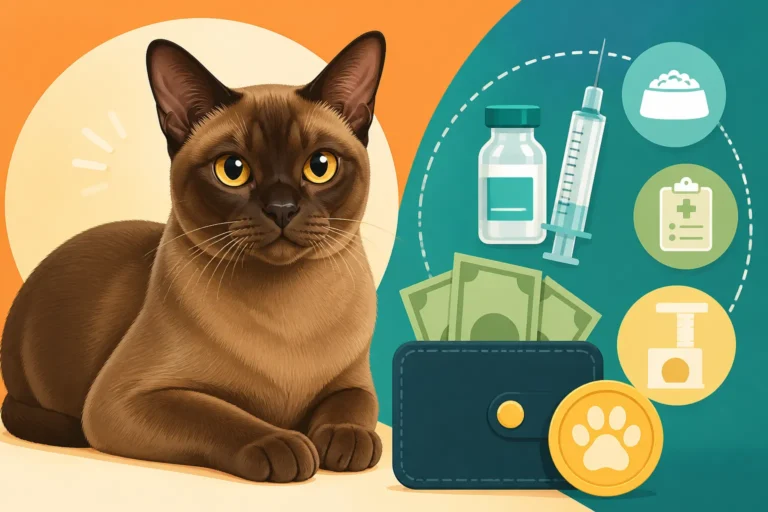
The financial realities of living with a diabetic Burmese can be significant. It often involves daily insulin injections, special low-carbohydrate prescription food, regular vet visits for glucose monitoring, and potential emergency care for complications like hypoglycemia. While I can't give specific figures, it's safe to say that the costs add up quickly. This is where pet insurance, acquired before any symptoms appear, can be an absolute lifesaver, helping to offset the considerable expenses. You can also review articles like What Diabetes Costs a Burmese Owner a Year to gain a broader understanding of the financial commitment involved.
Beyond the financial aspect, there’s the emotional commitment. Managing a diabetic cat means establishing a consistent routine for injections, feeding, and monitoring. It requires vigilance, patience, and a deep bond with your cat. You'll become intimately familiar with their appetite, energy levels, and litter box habits, all of which are critical indicators of their blood sugar control. Learning How a Diabetic Burmese Is Diagnosed and How a Burmese Goes Into Diabetic Remission can empower you with knowledge. Sometimes, with diligent care and diet changes, especially early on, some cats can even achieve diabetic remission, a wonderful outcome where insulin is no longer needed. What a Fructosamine Test Shows in a Burmese is a key diagnostic tool you'll become familiar with.
The bottom line is that while a breeder's guarantee might offer peace of mind for immediate kitten health issues, it's highly unlikely to cover a later-onset condition like diabetes in your Burmese. Your greatest tools are careful selection of a reputable, transparent breeder, proactive preventative care through diet and weight management, and securing comprehensive pet insurance early in your kitten's life. These steps give your wonderful, affectionate Burmese the best possible chance at a long, healthy life, regardless of genetic predispositions.
Disclaimer
This article is for general informational purposes only and does not constitute professional advice. Laws, prices and regulations vary by location and change over time. Consult a qualified professional for guidance on your specific situation.