What a Burmese Is Still Doing at Twelve
One of the most common questions I hear from fellow Burmese cat parents, especially as their beloved companions begin to accumulate a few gray hairs, is a quiet, hopeful whisper: "Will they finally calm down?" It’s a natural thought when you’ve spent a decade or more with a cat whose energy levels put toddlers to shame and whose demand for attention rivals a stage performer. But if you’re wondering what your Burmese is still doing at twelve years old, prepare to be charmed (and perhaps a little exhausted) because, for the most part, they are still doing everything. This guide will walk you through the delightful persistence of the Burmese spirit as they gracefully (and sometimes emphatically) enter their senior years.
Still a "Velcro Cat": The Enduring Affection
Many cat breeds become more independent, more aloof, or simply more "cat-like" in their senior years, content with a quiet nap in a distant sunbeam. If you thought your Burmese might finally follow suit and grant you a little personal space as they approached twelve, you're in for a heartwarming surprise. The profound, almost dog-like need for constant companionship and physical closeness that defines the breed does not simply fade with age; if anything, it often deepens, solidifying their role as the ultimate "Velcro cat."
The Unwavering Need for Proximity
It's a common, if slightly wistful, expectation that a cat who's been your shadow for a decade might finally decide they've had enough of your company. With a Burmese, however, this rarely happens. At twelve, their need to be with you, often on you, is as strong and undeniable as it was when they were a tiny, playful kitten. They haven't suddenly decided that solitude is preferable to your presence; in fact, the opposite is often true. As their world might subtly shrink, their reliance on and connection to their beloved humans becomes an even more central part of their daily existence.
Imagine this scenario: you sit down on the couch, perhaps with a book or to watch some television. Before your derriere has fully settled, there's a warm, insistent nudge against your leg, followed by a sinuous climb onto your lap. Or perhaps, you move from the kitchen to the living room, and a small, muscular form glides after you, weaving between your ankles, then settling patiently just inches away. This isn't just a habit; it's a fundamental aspect of their being. They aren't content merely occupying the same house; they need to be in the same room, ideally actively participating in whatever you’re doing, even if that participation means being a purring, warm lump of cat nestled against your side. This deep attachment is precisely why The Burmese Is the Velcro Cat of the Cat Fancy is such an apt description, and it’s a characteristic they carry proudly into their golden years.
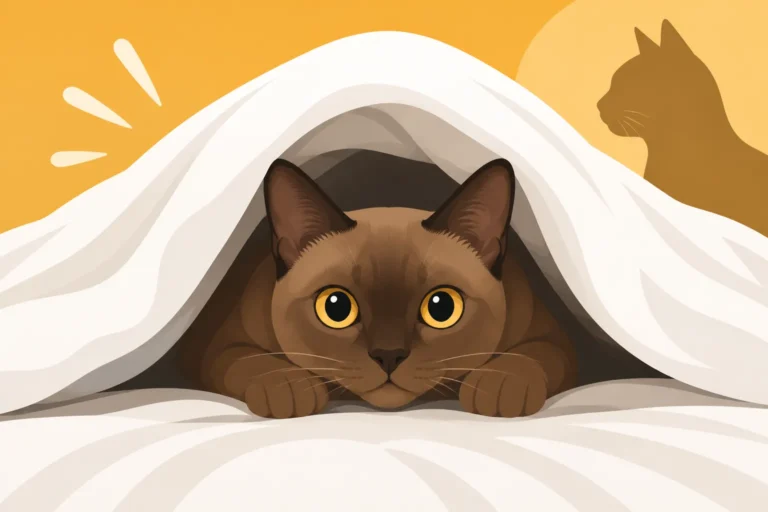
This desire for proximity also manifests in their sleeping arrangements. Many Burmese owners will tell you that their cat has claimed a permanent spot in their bed, often right under the duvet. This isn't just for warmth, though their short coat certainly makes them seek out cozy spots, but for the sheer comfort of being physically close to their favorite person. Even if they're not actively cuddling, simply knowing you are there, feeling the rise and fall of your breath, is enough to bring them peace. This constant shadowing, this persistent presence, serves as a comforting reminder of their enduring love and dependence, validating their place as an indispensable member of the family.
The Lap Is Still the Best Seat in the House
For a Burmese, the lap isn't just a convenient resting place; it's prime real estate, a throne from which to survey their human domain and dispense (or receive) affection. At twelve years old, this particular desire remains firmly intact. You might find yourself locked in a gentle staring contest as your Burmese silently wills you to make space, their amber eyes communicating a clear message: "My lap time begins now." Once settled, they often knead softly, purring with a deep, resonating rumble that vibrates through you, a clear sign of their profound contentment.
Beyond lap-sitting, many senior Burmese still haven't given up their penchant for being carried. They might still offer that characteristic head-nudge into your hand, a subtle but unmistakable request to be picked up. And once aloft, don't be surprised if they attempt to scale your shoulder, a behavior often associated with younger, more agile cats. While a twelve-year-old might not stay perched for as long, or with quite the same acrobatic flair, the impulse to be elevated, to observe the world from your height, and to feel that close bond remains strong. This is a behavior we discuss in more detail when we explore Why a Burmese Rides on Your Shoulder, and it's certainly not exclusive to their kittenhood.
This persistent solicitation of physical affection is a unique aspect of the Burmese personality. They are not cats who tolerate petting; they are cats who demand and revel in it. A senior Burmese will often nudge their head against your hand, rub their cheeks against yours, or press their face into your palm, seeking out that reciprocal touch. These interactions are not just about receiving comfort; they're about giving it too, offering a palpable sense of warmth and reassurance that is incredibly grounding. In a world that often feels chaotic, the steady, purring presence of a twelve-year-old Burmese curled on your lap is a profound source of peace and unconditional love, reminding you that some bonds only grow stronger with time.
Playtime Never Truly Ends: Sustained Activity Levels
If you imagine a senior cat as a creature perpetually draped over a radiator, silently judging the world, you haven't met a twelve-year-old Burmese. While they may have traded some of their youthful acrobatics for more refined pouncing techniques, their enthusiasm for play remains remarkably robust. Don't mistake a few extra naps for a complete retirement from fun; a Burmese’s inner kitten is simply resting, waiting for the right moment (and the right toy) to re-emerge.
The Enduring Love for Interactive Play
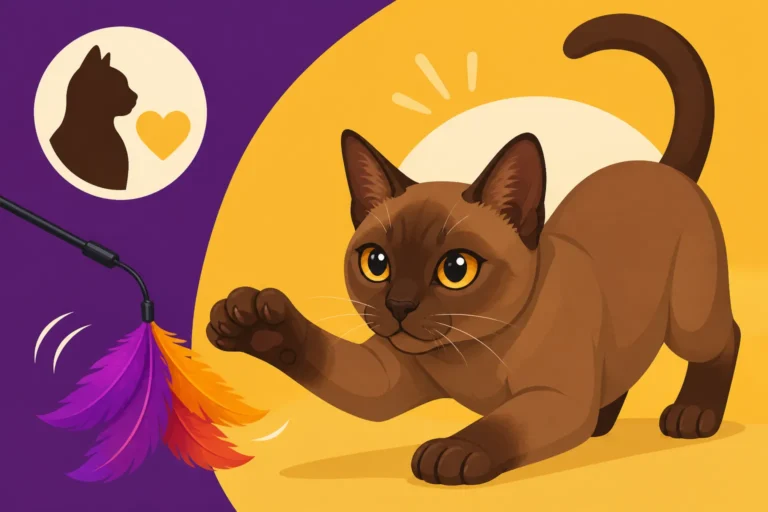
It's a common misconception that senior cats lose all interest in play, preferring instead a life of quiet contemplation. While a twelve-year-old Burmese will certainly enjoy a good, long nap (or several!), their eyes will still light up at the sight of a feather wand or a crinkly ball. They might not launch themselves into the air with the same youthful abandon, or chase the laser pointer for thirty minutes straight without a break, but they will absolutely engage. Their approach to play often becomes more strategic, more deliberate, but the joy they derive from it is absolutely undiminished.
Think of it as a seasoned hunter at work. They might stalk the feather wand with a slow, almost hypnotic grace, their tail twitching with focused intensity before a surprisingly swift, precise pounce. Retrieving toys, especially small, lightweight ones, often remains a favorite pastime. They might bring it back to your feet, drop it with a soft "mrrrow," and wait patiently for you to throw it again. This persistent playfulness is a hallmark of the breed, underscoring why it’s often said that A Burmese Is Still Playing at Fifteen, and even at twelve, they're certainly proving that point. These playful sessions are not just for fun; they are crucial for keeping their bodies mobile and their minds sharp.
Engaging your senior Burmese in play provides vital mental stimulation, helping to stave off cognitive decline and keep them feeling young at heart. Even if the play sessions are shorter and less intense than they once were, the act of hunting, stalking, and "catching" keeps their natural instincts honed. You might notice them still meticulously tracking a stray dust bunny across the floor or batting at a dangling cord with surprising dexterity, demonstrating that their predatory drive, while perhaps refined, is far from retired. These moments of playful engagement are invaluable for their overall well-being and a wonderful way to continue strengthening the bond you share.
Adapting Play to Senior Needs
While the spirit of play remains strong, a twelve-year-old Burmese's body might not be quite as spry as it once was. This means adapting your play techniques to ensure their comfort and prevent strain. Instead of encouraging high jumps or prolonged, strenuous chases, focus on games that involve more ground-level interaction. Wand toys, for example, can be moved slowly along the floor, mimicking prey, allowing for graceful stalks and satisfying pounces without demanding too much aerial acrobatics. Toys that are easily "caught" and "killed" are also excellent for maintaining their confidence and sense of accomplishment.
Puzzle feeders are another fantastic way to provide mental stimulation without physical exertion, and they're particularly beneficial for a breed like the Burmese, who are notorious for their love of food. Given that Why Portion Control Is Medical Care in a Burmese is a critical consideration throughout their lives, especially as they age, incorporating puzzle feeders can slow down their eating, make mealtime more engaging, and provide a healthy dose of mental exercise. You can find many options on Amazon, from simple treat-dispensing balls to more complex mazes, offering varying levels of challenge. This helps keep their minds active and prevents boredom, which can sometimes lead to anxiety or destructive behaviors in such an intelligent and people-oriented breed.
It's crucial to be observant during playtime and respect your senior Burmese's limits. They might still want to play vigorously, but their body might tell a different story. Look for signs of fatigue, such as panting, slowing down, or disinterest. Short, frequent play sessions (perhaps 5-10 minutes, several times a day) are often more beneficial than one long, exhausting one. Providing soft landings, like thick rugs or blankets, can also help protect their joints during any jumps or pounces they do undertake. The goal is to keep them engaged and active, but always within a safe and comfortable range for their age. By thoughtfully adjusting your play routine, you ensure that your twelve-year-old Burmese can continue to enjoy the thrill of the chase and the joy of interaction for many more years to come.
Vocalizations and Communication: The Familiar Rumble
One of the most endearing and distinctive characteristics of the Burmese cat is their unique vocal repertoire. Unlike the piercing cries of a Siamese or the gentle chirps of some other breeds, the Burmese communicates with a rich, throaty rumble, a sound that quickly becomes synonymous with their presence. You might wonder if this charming voice mellows with age, but rest assured, at twelve, the Burmese is still very much a conversationalist.
The Persistent Burmese "Rasp"
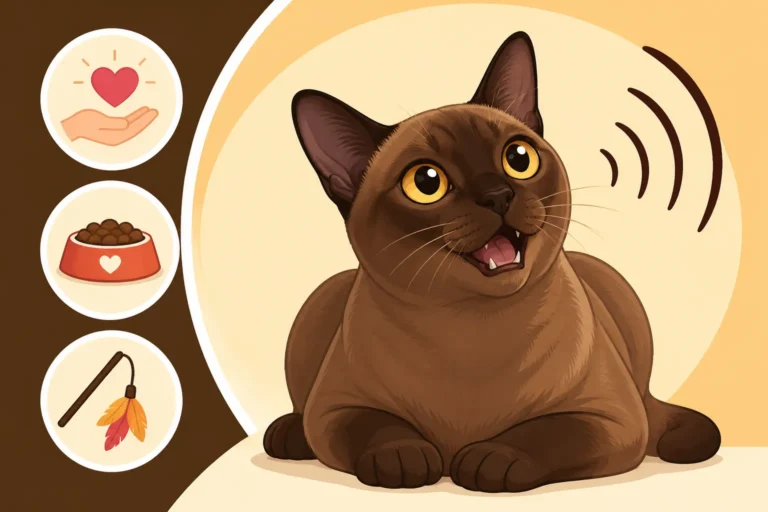
If you've lived with a Burmese for any length of time, you'll instantly recognize their signature sound: a low, resonant purr that deepens into a distinct "rasp" or rumble when they're communicating. This isn't a delicate meow; it's a full-bodied pronouncement, a guttural expression of their thoughts and desires. The good news for devoted owners is that this beloved characteristic doesn't fade with age. In fact, for many twelve-year-old Burmese, their vocalizations might even become more pronounced and varied, as they've had years to perfect their persuasive techniques. This unique sound is often referred to as The Rasping Rumble a Burmese Uses Instead of a Meow, and it remains a constant companion in your home.
This "rasp" isn't just a generic cat sound; it's a language in itself, understood intimately by their human family. There's the low, contented rumble that vibrates when they're curled up on your lap, signifying profound peace. Then there's the more insistent, slightly louder rumble that emerges when the food bowl is empty, or they believe it should be empty. You’ll hear the "hello" rumble when you walk into a room, the "come cuddle" rumble when they want attention, and a myriad of other nuanced rumbles that express everything from curiosity to mild indignation. Each one is a tiny conversation, a reaffirmation of their vibrant personality and their deep engagement with your household.
This constant vocal feedback is one of the many comforts of living with a Burmese. It means your house is rarely silent, not with their purrs, rumbles, and occasional chirps filling the air. It’s a sonic tapestry woven into the fabric of your daily life, a constant reminder of their affectionate and opinionated presence. This isn't just noise; it’s a living, breathing connection, a dialogue that has evolved over a decade or more. Their voice, rich with personality, continues to be a cherished part of their charm, reminding you that their spirited nature is still very much alive and well.
Increased Communicativeness in Senior Years
It’s not uncommon for some Burmese to become even more vocal as they transition into their senior years. This might be due to a slight decline in hearing or vision, prompting them to use their voice more assertively to get your attention. Or, perhaps, after years of successful communication, they simply know that their distinct rumble gets results. You might notice a more insistent rumble when they are hungry, a louder purr when they are particularly content, or more frequent vocalizations throughout the day, guiding you to their favorite sunbeam or indicating that a cuddle session is overdue.
While generally consistent, any sudden or drastic change in your senior Burmese's vocalizations should always be noted. An unusual silence, a sudden cessation of their characteristic rumbles, or, conversely, excessive, distressed yowling could be a subtle sign of discomfort, pain, or illness. Given their stoic nature, cats often hide their ailments, making changes in their communication a critical indicator. If you notice your usually talkative Burmese becoming unusually quiet, or an increase in mournful vocalizations, it's a clear signal that Why a Withdrawn Burmese Should See a Vet That Day applies, and a visit to the veterinarian is warranted.
At twelve, your Burmese has truly mastered the art of communication. They will use their voice not just to express needs, but to direct you, to command your attention, and to generally orchestrate their day. Whether it's leading you to the food bowl with a series of urgent rumbles, or sitting by the door with an expectant meow, they are masters of subtle (and not-so-subtle) persuasion. This constant "talking" is a central aspect of the Burmese experience, a testament to their deep bond with their human companions, and a reminder that their engaging personality remains as vibrant as ever, even with a few more years under their belt.
Adapting to Seniority: Subtle Changes in Routine
While the Burmese maintains an astonishingly youthful spirit well into its senior years, it's also true that time marches on for every creature. At twelve, your Burmese will likely begin to show subtle, gradual signs of aging. These aren't sudden, dramatic declines, but rather a graceful shifting of gears, a gentle acknowledgment that while the spirit is willing, the body might appreciate a little more rest and a few less high-flying stunts.
The Gradual Slowdown
One of the most noticeable, yet often gentle, changes you’ll observe in a twelve-year-old Burmese is a gradual slowdown. Their explosive sprints across the living room might become slightly shorter, their pounces a touch less springy, and their naps, while still frequent and beloved throughout their life, might stretch a little longer. This isn't a sudden descent into immobility but a nuanced, graceful transition into seniority. It’s a testament to their remarkable vitality that this slowdown is often so gradual you might barely notice it, until one day you compare a current video to one from a few years ago. What an Old Burmese Slows Down From can be a combination of factors, including subtle joint stiffness, minor organ changes, or simply the cumulative effect of a lifetime of enthusiastic living.
Their daily routine will likely reflect these subtle shifts. They might spend more time luxuriating in a sunbeam, soaking up warmth and energy, and slightly less time scaling the tallest cat tree. The furious 3 AM zoomies might be replaced by a more sedate, though still present, exploration of the house. This shift isn't a sign of disinterest or unhappiness; it's simply their body's natural way of conserving energy and ensuring comfort. As an owner, observing these subtle changes allows you to adapt their environment and interactions to ensure they continue to live a fulfilling and comfortable life.
While this slower pace can sometimes evoke a bittersweet feeling, reminding us of their fleeting youth, it also offers a new kind of comfort. There's a certain dignity and calm in watching a senior Burmese move through their day, no longer driven by frantic kitten energy but by a wise, deliberate purpose. They are still engaged, still present, just perhaps with a bit more contemplation and a little less frantic action. This is a natural part of their life journey, and by recognizing and embracing it, you can provide the support and understanding they need during this precious stage.
Environmental Adjustments for Comfort
As your Burmese gracefully ages, making a few thoughtful environmental adjustments can significantly enhance their comfort and quality of life. Even the most agile Burmese can start to experience subtle joint stiffness or a slight decrease in mobility at twelve. This means ensuring that their favorite spots remain accessible without undue strain. Perhaps add a small, sturdy step stool or a ramp leading up to their cherished window perch or your bed, eliminating the need for high jumps. Soft, orthopedic beds placed in their preferred lounging areas can provide extra cushioning and support for aging joints, making naps even more luxurious.
Warmth becomes an increasingly important factor for a short-coated breed like the Burmese. With their sleek, close-lying satin coat and minimal undercoat, they are not built for cold temperatures and can feel the chill more keenly as they age. At twelve, you might notice them seeking out heated beds, cozy blankets, or simply curling up in sun-drenched spots more frequently. Understanding that Why a Burmese Needs Somewhere Warm to Sleep is not just a preference but a physical necessity helps you create a supremely comfortable environment. Consider investing in a low-wattage, pet-safe heated bed, especially in cooler climates or during winter months, to provide consistent warmth and soothe any minor aches.
Accessibility to essentials is also key. If your Burmese's litter box has high sides, consider switching to one with a lower entry point to make it easier for them to get in and out without straining. Ensure their food and water bowls are easily accessible, perhaps on a raised platform if bending down becomes uncomfortable, and certainly not requiring them to jump or navigate obstacles. Placing multiple water bowls around the house can also encourage consistent hydration, which is vital for senior cats. These adjustments are not about "babying" your cat, but about demonstrating your love and respect by adapting their environment to their changing physical needs, allowing them to continue enjoying their home with ease and dignity.
Maintaining That Kittenish Spirit: Mental Engagement
While their physical prowess might subtly diminish with age, the sharp wit, intense curiosity, and playful intelligence that defines the Burmese cat remain remarkably intact at twelve years old. This isn't a breed that fades into a quiet, unthinking senescence; rather, their minds remain bright and engaged, often surprising owners with their continued desire for learning and interaction.
The Enduring Curiosity and Intelligence
Don't let the longer naps fool you; a twelve-year-old Burmese still possesses a keen intellect and an insatiable curiosity about their world. They are still actively observing everything you do, problem-solving, and trying to understand the nuances of their environment. You'll catch them watching you intently as you prepare their food, their eyes following every movement, or "helping" you sort laundry by batting at stray socks. Their world, while perhaps physically more contained, remains mentally vibrant and full of fascination. Their deep, thoughtful gaze often seems to suggest they know exactly what you’re thinking, and they probably do.
This enduring mental agility is why the sentiment that A Burmese Is Still Playing at Fifteen holds true not just for physical activity, but for their cognitive engagement as well. They might not be scaling curtains, but they will still investigate every new bag that comes into the house, meticulously sniff out any novel scent, and tirelessly monitor the goings-on outside the window. Their interest in the daily routines and events of their household is unwavering, reflecting their profound social intelligence and their desire to be an active participant in family life.
Providing continued mental stimulation is crucial for a senior Burmese. This can be achieved through interactive puzzle toys, gentle training sessions, or simply engaging them in conversation. Their deep connection to humans means they thrive on interaction, and mental engagement helps prevent boredom and cognitive decline. A bored Burmese, regardless of age, can become anxious or seek out mischief, so keeping their clever minds occupied is vital for their happiness and well-being. Even if their body tells them to slow down, their mind is often still racing with youthful enthusiasm, eager for the next mental challenge.
Learning New Tricks (Yes, Even at Twelve!)
The old adage "you can't teach an old dog new tricks" certainly doesn't apply to a Burmese cat, and especially not a twelve-year-old one. Their intelligence, coupled with their strong food motivation and desire to please their humans, means they are often highly receptive to learning new things, even in their senior years. Don't underestimate their capacity for mental growth and the joy they get from mastering a new skill.
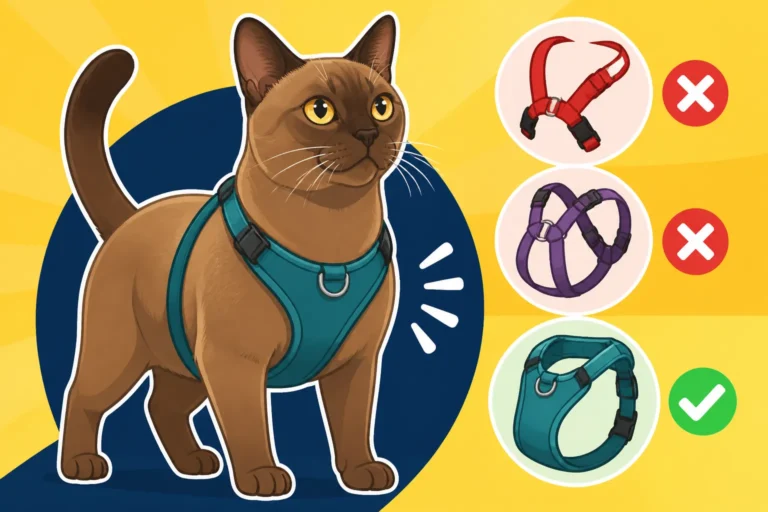
Simple tricks like "sit," "stay," "come," or even target training (touching their nose to a stick for a treat) can be easily taught to a senior Burmese. These activities provide excellent mental exercise, strengthen your bond, and offer a sense of accomplishment for both of you. Given that Burmese are so food-motivated, positive reinforcement with small, healthy treats works wonders. Which Tricks a Burmese Learns for a Piece of Food often includes retrieving, giving a "high five," or even walking on a leash, demonstrating their remarkable adaptability and intelligence. These short, fun training sessions, perhaps 5-10 minutes a few times a week, are not only enriching but also help keep their cognitive functions sharp.
The satisfaction they derive from solving a puzzle or receiving praise and a treat for a new behavior is evident in their bright eyes and purring demeanor. Burmese cats thrive on attention, and these training sessions provide concentrated, positive interaction that they crave. It proves that their "kittenish" spirit isn't just about physical play; it's also about a joyful, engaged approach to life and a continuous desire to interact with their favorite people. So, don't hesitate to introduce new challenges; your twelve-year-old Burmese might just surprise you with their quick wit and eager participation, showing you that age is truly just a number when it comes to their remarkable intelligence.
Sleeping Habits and Comfort: Finding Warmth and Proximity
While a twelve-year-old Burmese remains remarkably active and mentally sharp, there's no denying that as cats age, their need for quality sleep increases. These longer, deeper periods of rest are crucial for physical repair and energy conservation. For a Burmese, however, sleep is rarely a solitary affair; it's another opportunity for connection, warmth, and proximity to their cherished human companions.
Increased Need for Sleep and Warmth
As your Burmese transitions into its senior years, you'll notice an increase in their total sleep time. These naps aren't a sign of boredom or disinterest; they're vital for their overall health, allowing their bodies to repair and rejuvenate. However, a Burmese doesn't just sleep anywhere. They are connoisseurs of comfort, always seeking out the warmest, coziest spots in the house. Given their short, single coat, they are particularly sensitive to cold, and this need for warmth often intensifies with age. You might find them spending more time basking directly in sunbeams, nestled deep in soft blankets, or curled up in a heated pet bed. This inherent need for warmth is a fundamental aspect of their comfort, underscoring Why a Short Coated Burmese Seeks Body Heat throughout their lives.
Their preferred sleeping locations often reflect their desire for proximity. Even when deep in slumber, they'll often position themselves near their humans, or against another bonded pet. This isn't just about absorbing body heat; it's about security and companionship. A twelve-year-old Burmese feels safest and most content when nestled near their beloved family. You might find them draped over your lap, stretched out beside you on the sofa, or buried under the covers in your bed. These positions offer both physical comfort and emotional reassurance, allowing them to truly relax and enjoy their much-needed rest.
To ensure your senior Burmese is as comfortable as possible, provide multiple warm, soft, and draft-free sleeping spots around the house. Think about placing a cozy bed near a sunny window, a soft blanket on their favorite armchair, and, if you don't already, making a permanent space for them in your bed. This proactive approach ensures they always have a comfortable retreat, no matter where the family activity is centered. Paying attention to their sleeping preferences and making these small adjustments shows them you understand and cater to their evolving needs, contributing significantly to their happiness and well-being.
The Bed Is Still a Shared Space
For many Burmese owners, sharing the bed is not just a habit but a cherished nightly ritual. At twelve years old, this bond with your bed often strengthens, becoming an even more important aspect of their comfort and security. Your senior Burmese might burrow deeper under the covers than ever before, seeking maximum warmth and the profound reassurance of physical closeness throughout the night. It's a classic Burmese maneuver, as detailed in Why a Burmese Gets Right Under the Duvet, and it's a behavior that continues well into their golden years.
They'll often position themselves strategically: perhaps pressed right against your back, nestled between your legs, or snuggled in the crook of your arm. These are not random choices; they are deliberate decisions to maximize physical contact and benefit from your body heat. Even if it means slightly less personal space for you, the steady purr and warm weight of your senior Burmese in the bed is often a deeply comforting presence, a silent testament to the depth and longevity of your bond. It's a special connection that many owners wouldn't trade for anything.
It's also worth noting that a significant change in this routine can sometimes be a subtle indicator of a problem. If your typically co-sleeping Burmese suddenly stops wanting to sleep with you, or avoids their usual warm spot, it could be a sign of discomfort, pain, or illness. Cats are creatures of habit, and any drastic deviation from established routines warrants closer observation and potentially a veterinary consultation. For the most part, however, expect your twelve-year-old Burmese to continue claiming their rightful spot in your bed, providing warmth, purrs, and unconditional love throughout the night, reinforcing that some of life's greatest comforts are found right next to you.
The Importance of Company: Why Loneliness Still Hurts
The defining trait of the Burmese cat, beyond their striking appearance and distinctive voice, is their unparalleled need for companionship. They are, in essence, deeply social beings who thrive on interaction. While some breeds might become more solitary with age, for a twelve-year-old Burmese, the need for company remains as fundamental as breathing. To think their decade-long reliance on your presence might simply dissipate is to fundamentally misunderstand the core of their being.
The Unchanging Social Imperative
The idea that a senior cat might finally become self-sufficient, content with long hours alone, is a myth that simply doesn’t apply to the Burmese. At twelve years old, their foundational need for constant company does not diminish. They are still the "Velcro cats" they always were, deeply attached to their humans, and they absolutely cannot be left alone for extended periods without experiencing significant stress and emotional distress. This unwavering social imperative is why Why a Burmese Cannot Be Left Alone All Day is a crucial consideration throughout their entire lifespan, not just in their youth.
Signs of loneliness and separation anxiety in a senior Burmese can be heartbreaking. They might pace restlessly, exhibit excessive vocalization, or even engage in destructive behaviors around the house. Some may become withdrawn, lose their appetite, or over-groom to the point of skin irritation. Their emotional well-being is inextricably linked to companionship, and a lack of it can lead to profound unhappiness. They thrive in busy households, surrounded by the hustle and bustle of family life, whether it's people working, children playing, or other pets providing interaction. This is why Why a Busy Household Suits a Burmese Best continues to hold true even as they mature.
If your lifestyle has changed and you find yourself away from home for longer periods, it's essential to address this for your senior Burmese. They still require consistent interaction. This might mean arranging for a reliable pet sitter to visit them regularly, considering the addition of a second cat for companionship, or exploring options that provide them with consistent social engagement. The principle that Why Two Burmese Cost Less Than One Anxious One is often a wise investment, not just for preventing damage, but for ensuring the mental and emotional health of these inherently social creatures. Their need for companionship is a lifelong commitment, and a twelve-year-old Burmese will remind you of it daily with their loving, persistent presence.
Valuing All Company: Humans and Other Pets
One of the most charming aspects of the Burmese is their generally inclusive nature when it comes to companionship. Their need for social interaction extends beyond just their primary human; they are often remarkably adaptable and welcoming to children and other pets, viewing them as additional sources of company and affection. This trait doesn't disappear in their senior years; a twelve-year-old Burmese will typically still embrace all members of the household, human or animal, as part of their beloved "pack." This is why we often say Why a Burmese Treats Children and Dogs as More Company, a sentiment that proves resilient through the years.
You'll often find a senior Burmese curled up next to the family dog for a nap, patiently enduring (and perhaps even enjoying) gentle strokes from well-behaved children, or simply observing family activities from the comfort of a lap. They are not usually the type of cat to retreat from the noise and activity of a bustling home; instead, they often thrive on it, finding comfort and reassurance in the constant ebb and flow of household life. This inclusivity makes them truly wonderful family pets, capable of integrating seamlessly into diverse living situations, adapting their social needs to whoever is present.
While some senior cats can become less tolerant of boisterous young ones, the inherent affectionate and adaptable nature of the Burmese usually means they remain open and welcoming to friendly faces. Their purr is still readily offered, their head-nudge for attention still insistent, and their desire to be involved in whatever is happening remains strong. This capacity to find comfort and connection with all members of the household, regardless of species or age, is a testament to their incredibly loving and social disposition. For a twelve-year-old Burmese, every warm body in the house is an opportunity for connection, and every interaction a reaffirmation of their place within the family unit.
Physical Health and Well-being: Keeping Them Active
Even with their boundless spirit, a twelve-year-old Burmese is officially a senior cat, and proactive health management becomes paramount. While they may still leap and purr with youthful enthusiasm, their bodies are undergoing the natural processes of aging. Ensuring their continued well-being requires a vigilant eye, regular veterinary care, and a keen understanding of the breed's predispositions.
Regular Vet Checks and Proactive Care
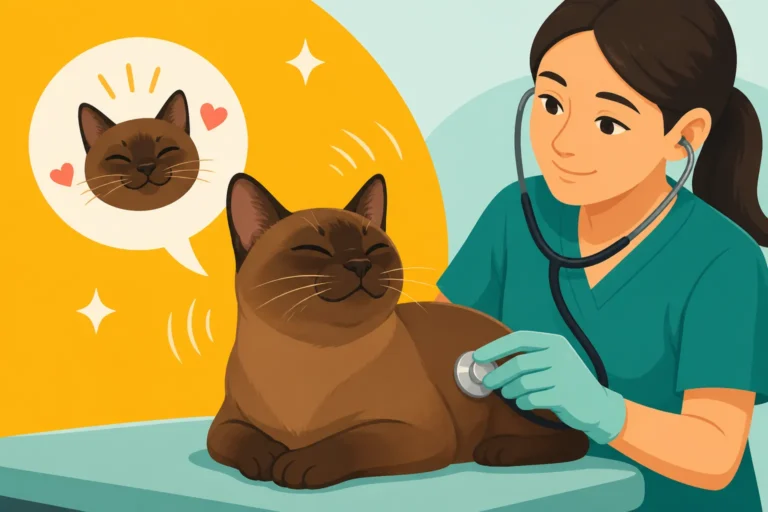
At twelve years old, regular veterinary check-ups transition from routine to absolutely crucial. These visits become opportunities for early detection of age-related health issues, which can significantly improve your Burmese's quality of life and potentially extend their healthy years. Caring for a Burmese Past Twelve is largely about vigilance and partnership with your veterinarian. During these check-ups, your vet will likely recommend a comprehensive senior panel, which includes blood work and urinalysis, to monitor organ function.
Burmese cats, unfortunately, are predisposed to certain health conditions that often manifest in their senior years. Dental disease is rampant in many cats, and Burmese are no exception, with gum recession often starting early. Kidney disease, hyperthyroidism, and diabetes are also common concerns for older cats. For a Burmese, diabetes is a particularly significant threat, and regular glucose checks, starting from a younger age, are vital. This is precisely why Why a Burmese's Glucose Should Be Checked From Seven is a critical recommendation. Early detection of these conditions allows for prompt intervention, whether it's dietary changes, medication, or other supportive therapies, making a huge difference in their comfort and prognosis.
Maintaining a healthy weight is perhaps the single most impactful thing you can do for your senior Burmese's health. Given the breed's significant predisposition to diabetes, even a small amount of excess weight can dramatically increase their risk. Why Weight Is the Only Lever a Burmese Owner Has to prevent or manage diabetes cannot be overstated. Your vet will assess their body condition score, and together you can implement a feeding plan to ensure they stay lean and muscular, which helps protect their joints and reduces the metabolic strain on their system. Being proactive and observant about your Burmese's health means watching for subtle changes in behavior, appetite, or litter box habits, as Burmese are notoriously good at hiding illness until it's advanced.
Nutrition and Hydration for the Senior Burmese
Diet becomes an even more critical component of care for a twelve-year-old Burmese. A high-quality, species-appropriate diet is foundational for supporting their aging organs, maintaining muscle mass, and preventing the onset or progression of common senior ailments. For the Burmese, this almost invariably means a low-carbohydrate, high-protein wet food diet. Feeding a Burmese Is a Medical Decision, Not a Preference is a philosophy that becomes even more imperative in their senior years, particularly to mitigate their inherent risk for diabetes. High-quality wet food also contributes significantly to their hydration.
Hydration is crucial for senior cats, especially as kidney function can decline with age. Encourage water intake by ensuring multiple fresh water sources are available throughout the house. Cat drinking fountains can be very appealing, as many cats prefer running water. Adding a little extra water to their wet food can also boost their daily fluid intake. Monitoring their water consumption is also a good habit; a sudden increase can be an early indicator of diabetes or kidney issues, so record any changes.
Careful monitoring of their appetite is also essential. A senior Burmese who suddenly loses interest in food, or has a drastic change in eating habits, should be seen by a vet promptly. Why an Old Burmese's Appetite Should Be Watched Closely is important not just for ensuring they get enough nutrition, but also because a sudden loss of appetite can signal underlying health problems. Your veterinarian might also recommend specific dietary supplements, such as those for joint support (glucosamine/chondroitin) or cognitive health (omega-3 fatty acids), to address common age-related concerns. Always consult with your vet before introducing any new supplements to ensure they are appropriate and safe for your individual cat's health needs.
Burmese Lifespan & Seniority Table
To give you a clearer picture of how a Burmese's traits evolve (or stay constant!) as they age, here's a comparison:
| Trait | Younger Burmese (Kitten to ~7 years) | Senior Burmese (12+ years) |
|---|---|---|
| Affection/Proximity | Intense "Velcro cat," constant shadow, demanding lap time. | Still very much a "Velcro cat," often deepens physical closeness. |
| Playfulness | High energy, acrobatic jumps, long play sessions, relentless. | Still playful, but sessions may be shorter, less intense, more strategic. |
| Vocalizations | Frequent, expressive rumbles and rasps, highly communicative. | Consistent, often more pronounced rumbles, still highly communicative. |
| Energy Levels | High, bursts of zoomies, restless if bored. | Still active, but more deliberate, longer naps, graceful slowdown. |
| Curiosity | Explores everything, gets into mischief, highly investigative. | Still curious, observes intently, mentally engaged with environment. |
| Sleeping Habits | Many naps, but often light sleepers, seeks warmth. | More total sleep, deeper sleep, prioritizes warmth and proximity to human. |
| Social Need | Cannot be left alone, thrives with company (human/pet). | Unchanged; loneliness still hurts, needs constant companionship. |
| Physical Appearance | Sleek, muscular, vibrant coat, agile body. | Still muscular, coat may dull slightly, may show subtle stiffness. |
| Health Focus | Prevention, basic care, vaccinations. | Proactive monitoring for age-related diseases (diabetes, kidney, dental). |
Disclaimer
This article is for general informational purposes only and does not constitute professional advice. Laws, prices and regulations vary by location and change over time. Consult a qualified professional for guidance on your specific situation.