Why a Burmese Kitten Socializes Itself
It's easy to worry that a new kitten will be shy, hide away, or struggle to adapt to a bustling household, especially if you're picturing weeks of gentle coaxing and careful introductions. But if you're bringing a Burmese kitten home, you're in for a delightful surprise. These little furballs have an incredible innate ability to socialize themselves, eagerly embracing new people, pets, and experiences with an astonishing confidence that makes them a joy to welcome into any family.
The Innate Sociability of the Burmese Breed
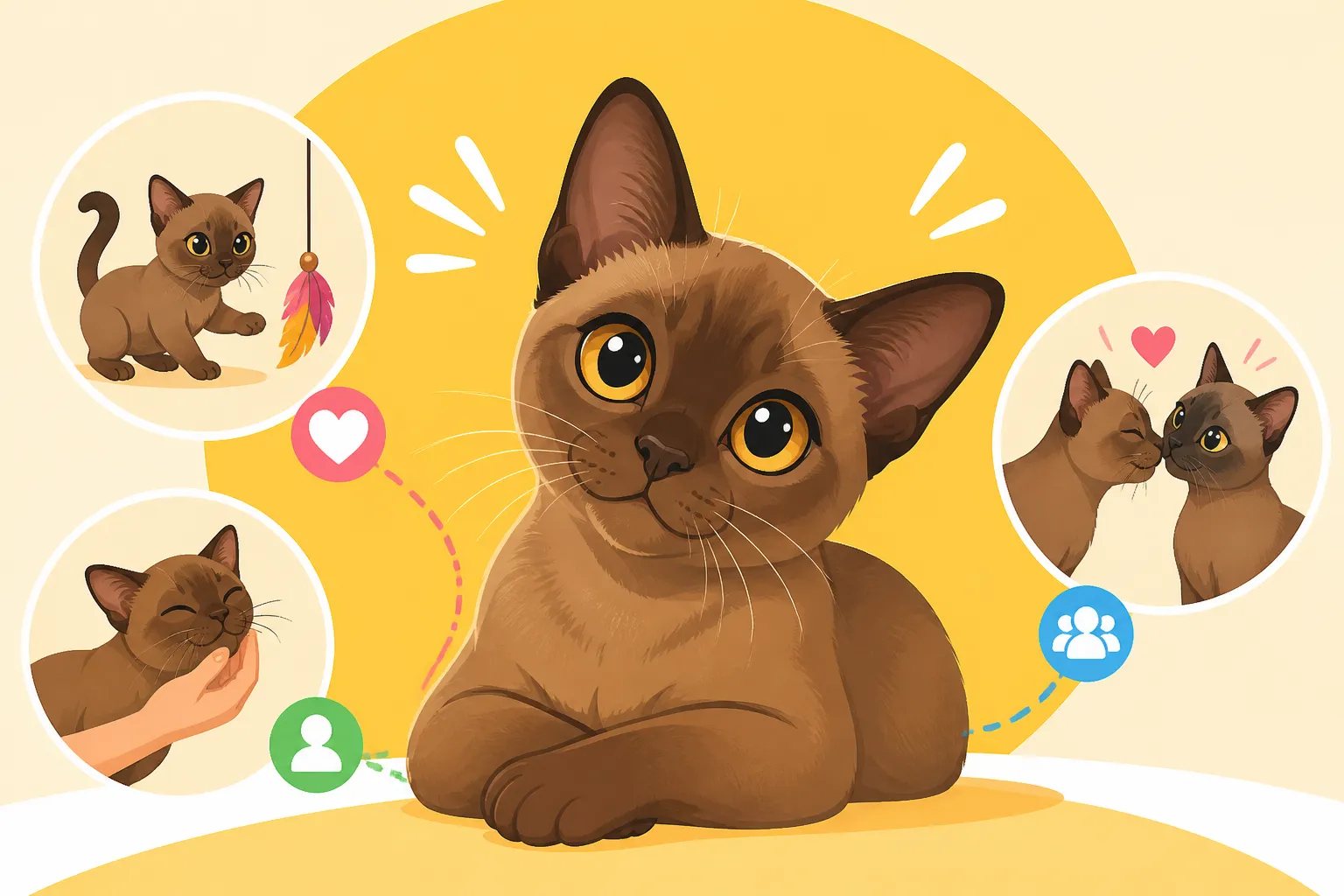
The Burmese cat isn't just a pretty face with a stunning satin coat; they come hardwired with a profound desire for companionship and engagement. This isn't a trait that needs to be painstakingly taught; it's a fundamental part of their genetic makeup. From the moment they can toddle, Burmese kittens are seeking out interaction, whether it's with their littermates, their mother, or the humans around them. They thrive on connection, which naturally leads them to "self-socialize" with remarkable ease.
Born to Connect
Imagine a tiny, curious kitten, barely able to open its eyes, already purring at the slightest touch. That's often the Burmese experience. They seem to emerge into the world with an open-hearted, trusting nature that sets them apart from many other breeds. This isn't to say other cats aren't affectionate, but the Burmese takes it to an entirely different level. They instinctively understand that being close to others, whether human or animal, brings comfort and joy. This inherent desire for connection means they rarely need encouragement to explore, approach, or interact. They're already halfway there just by being themselves.
This natural inclination means that from a very young age, a Burmese kitten is processing social cues and developing its charming personality without much intervention. They learn quickly who the 'givers of pets' are, the 'players of games,' and the 'providers of warmth.' They don't just observe; they participate. This proactive approach to their social environment is why they integrate so seamlessly into new homes. You'll find them right in the thick of family life, rather than observing from a distance. Their self-socializing tendencies mean less stress for you and a more confident, well-adjusted cat from day one. It's a testament to The Burmese Is the Velcro Cat of the Cat Fancy.
A Genetic Predisposition to Openness
It’s not just anecdotal; this extraordinary sociability is deeply rooted in the Burmese's genetic history. The breed's foundation, starting with Wong Mau, emphasized a compact, muscular build combined with an exceptionally friendly and people-oriented temperament. Breeders have carefully selected for these traits over generations, creating a line of cats known for their outgoing personalities. Unlike some breeds that might display a more reserved or cautious demeanor, the Burmese default setting is "friendly." They don't typically exhibit the fear-based behaviors often seen in other kittens when confronted with new stimuli.
This genetic predisposition means that a Burmese kitten views new experiences as opportunities rather than threats. A new face isn't something to hide from; it's a potential source of attention and play. A new sound isn't frightening; it's something to investigate. This inherent courage and curiosity are key components of their self-socialization. They are constantly learning, constantly engaging, and constantly building their understanding of the world around them through direct, enthusiastic interaction. This background makes them incredibly resilient and adaptable, proving that a well-bred Burmese often steps into a new life with remarkable grace and confidence. You'll observe their inherent trust, which is why Why a Burmese Purrs Through a Vet Examination is a common experience.
Early Development and Learning Through Play
For a Burmese kitten, the world is their playground, and every interaction is a learning opportunity. Their early weeks are not just about feeding and sleeping; they are a critical period of intense social development, primarily driven by their playful nature. They learn boundaries, communication, and confidence through the rough-and-tumble of kitten play, developing social skills that will serve them well throughout their lives.
Littermate Lessons and Communication Skills
Long before a Burmese kitten ever leaves its mother, it’s already learning crucial social lessons from its littermates. These aren't just cute wrestling matches; they are intensive workshops in feline communication. Through biting, swatting, chasing, and tumbling, kittens learn how much pressure is too much, when a playmate wants to stop, and how to express their own desires. They develop bite inhibition and understand the subtleties of body language and vocalizations. This constant interaction teaches them to navigate social dynamics, a skill they then transfer to humans and other pets.
This early, immersive experience means that by the time a Burmese kitten is ready for its forever home, it's already a savvy communicator. They understand the give-and-take of social interaction. This is why a reputable breeder will ensure kittens stay with their littermates for an adequate period, typically until at least 12-13 weeks. This extended time allows for full social maturation, ensuring the kitten has "self-socialized" properly with its own kind before tackling the human world. They come to you already having a solid foundation in social graces, making them much easier to integrate into a multi-pet household or a family with children. It's truly amazing What a Burmese Kitten Has Already Learned by Twelve Weeks.
Embracing New Environments with Confidence
One of the most remarkable aspects of a Burmese kitten's self-socialization is their fearless approach to new environments. While many kittens might cower under furniture or take days to emerge, a Burmese kitten is often exploring every nook and cranny within hours. Their innate curiosity and self-assuredness drive them to investigate, sniff, and claim new spaces as their own. This proactive exploration is a key part of how they socialize themselves to their surroundings, rather than passively waiting to be acclimated.
This isn't about being reckless; it's about confidence. A Burmese kitten's natural self-possession means they feel safe enough to explore, even when things are unfamiliar. They quickly establish scent markings, identify safe zones, and learn the layout of their new territory. This confidence is a huge asset for owners, as it means less worry about a timid cat and more enjoyment of a kitten that quickly makes itself at home. You might find them scaling your bookshelves or investigating the bathroom sink, all part of their charming, self-socializing process. Providing them with a variety of safe, engaging toys, perhaps from an online retailer like Amazon, can further encourage this exploratory behavior.
The Role of the Breeder in Fostering Social Skills
While Burmese kittens are inherently social, a responsible breeder plays an indispensable role in nurturing and amplifying these natural tendencies. Their environment, handling, and daily interactions lay the groundwork for a kitten's confident transition into its forever home. It's a partnership between nature and nurture, where the breeder provides the perfect launchpad for a naturally outgoing personality.
Early Handling and Exposure
A good breeder doesn't just feed and clean; they actively engage with their kittens from day one. This early, consistent handling is crucial for building a kitten's trust in humans. Regular gentle petting, holding, and playing accustoms the kittens to human touch, scent, and voices. It teaches them that humans are sources of comfort and positive interaction, reinforcing their natural sociability. This isn't about 'training' a shy kitten, but rather enhancing the inherent confidence of a Burmese.
Imagine a breeder who ensures each kitten receives individual attention daily, not just group playtime. This personalized interaction builds a strong foundation, making the kitten accustomed to being picked up, cuddled, and examined. This makes future vet visits less stressful and daily interactions more rewarding for both cat and owner. The more positive human interaction a kitten receives in these formative weeks, the more effortlessly it will continue its self-socialization journey in its new home. It’s part of the reason Why a Burmese Kitten Insists on Being Handled.
A Stimulating and Safe Environment
Beyond direct human contact, the breeder's environment itself is a critical factor. A stimulating, yet safe, environment encourages exploration and play, which are vital components of self-socialization. Kittens need space to run, climb, and hide, but also a stable, predictable routine. Exposure to normal household sounds – a vacuum cleaner, a television, children's voices – helps them habituate to the hustle and bustle of family life. This desensitization means that when they arrive at your home, they are less likely to be startled by everyday noises and activities.
A breeder who provides a rich environment, perhaps with various climbing structures, tunnels, and interactive toys (many of which can be found easily on Amazon), helps the kittens develop agility and problem-solving skills. This kind of setup fosters confidence and independence, even within their inherently social nature. They learn to navigate their world, solve small challenges, and understand their own capabilities, all of which feed into their remarkable self-socialization.
Expanding Their World: Introducing New Experiences Gracefully
A Burmese kitten's natural sociability means they're eager to embrace new experiences, but a thoughtful approach from owners can make these introductions even smoother. It’s about leveraging their inherent confidence and curiosity to gently expand their world, ensuring they continue to thrive as well-adjusted, confident companions.
Gradual Introductions to Other Pets
Bringing a new kitten into a home with existing pets can be a delicate dance, but a Burmese kitten’s self-socializing nature often makes it less challenging. While caution is always advised, their friendly disposition and keen interest in other animals mean they are usually quick to try and make friends. They don’t typically hide or hiss for extended periods; instead, they approach with curiosity, often initiating contact rather than waiting for the other animal to do so.
When introducing a Burmese kitten to, say, a resident dog or another cat, start with supervised interactions, perhaps through a baby gate or carrier. This allows them to sniff and observe each other safely. You'll likely find the Burmese kitten, driven by its self-socializing instinct, attempting to play or investigate its new companion much sooner than expected. Their bold yet often respectful approach tends to disarm even the most skeptical resident pets. Many owners find that Why a Burmese Treats Children and Dogs as More Company means a surprisingly harmonious multi-pet household.
| Aspect | Typical Kitten Socialization | Burmese Kitten Socialization (Self-Socialization) |
|---|---|---|
| Initiation | Often requires human encouragement to approach | Instinctively approaches new people, pets, and objects with curiosity |
| Fear Response | May hide, hiss, or be slow to adapt | Rarely hides; confident and eager to explore new environments |
| Learning Pace | Gradually learns social cues through repeated exposure | Rapidly absorbs social dynamics from littermates, humans, and other pets |
| Human Contact | Benefits greatly from consistent, gentle handling | Actively seeks out and enjoys human interaction; often initiates cuddles |
| New Environments | Can be overwhelmed, needing quiet and time to adjust | Explores confidently and quickly adapts, making itself at home almost immediately |
| Other Pets | May be wary or take time to accept new companions | Shows keen interest and often attempts to play or make friends with other animals |
Welcoming Visitors and Children
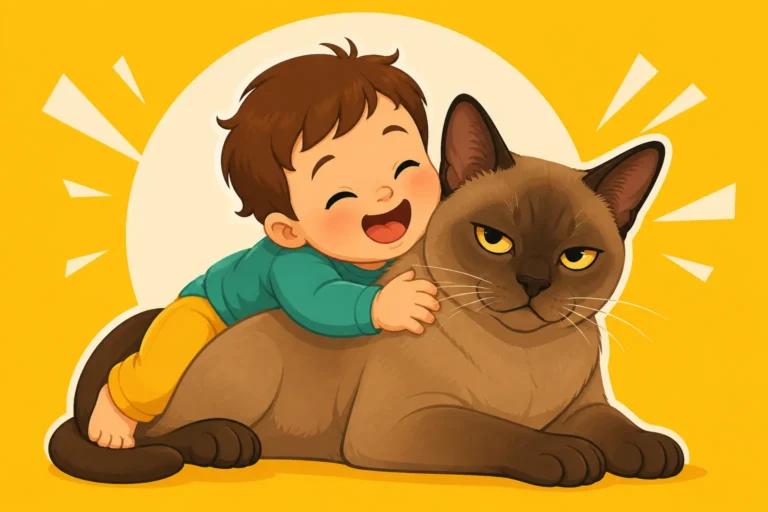
One of the true joys of owning a Burmese is how they embrace visitors and children. Instead of retreating, a Burmese kitten will often be the first to greet a new face, rubbing against legs and purring for attention. This is their self-socialization in action: they see a new person not as a stranger, but as a potential friend and source of affection. They are excellent at making everyone feel welcome and quickly integrate new people into their social circle. This trait is particularly valuable for families with young children, as the Burmese is famously patient and playful.
Their robust build and tolerant nature mean they often cope well with the unpredictable movements and noise levels that come with children. They understand how to engage in play without being overly aggressive and are generally quite forgiving. Of course, supervision is always key when children and pets interact, but a Burmese kitten's natural inclination to socialize means fewer worries about fear-based reactions. They truly become part of the family, embracing everyone within it. This is why Why a Burmese Attaches to Whoever Is Home Most can also extend to visitors.
Why a Single Burmese Kitten Isn't Enough
While a Burmese kitten is exceptional at self-socialization, this doesn't mean they thrive in solitude. In fact, their intense need for companionship, which drives their self-socializing abilities, means they truly flourish when they have a consistent companion. Many breeders will strongly advise against getting just one, and for very good reason: a lonely Burmese is an unhappy Burmese, no matter how good they are at making friends.
The Problem with Solitude for a Social Cat
A Burmese kitten's ability to "socialize itself" is rooted in its profound need for connection. This isn't a solitary learning process; it's about engaging with others. If there are no others, their natural inclinations can turn into anxiety and destructive behaviors. Leaving a Burmese kitten alone for long stretches, day after day, goes against every fiber of its being. They are not independent observers; they are active participants in the social fabric of your home. A single Burmese left alone can quickly become stressed, leading to issues like over-grooming, destructive chewing, or inappropriate urination.
This isn't just about boredom; it’s about deep emotional distress. Imagine someone who loves being around people and thrives on conversation, suddenly left in an empty room for eight hours a day, five days a week. That's how a solitary Burmese can feel. They might be excellent at greeting you when you return, but the hours spent waiting can take a heavy toll. Their self-socializing instinct needs an outlet, and without one, it can manifest in negative ways. It's a sad reality that Why a Burmese Cannot Be Left Alone All Day can lead to profound unhappiness for these otherwise joyful cats.
The Joy of a Burmese Pair
This is why many experienced Burmese owners and reputable breeders recommend acquiring two Burmese kittens, or pairing a Burmese with another similarly social and confident cat. When you have two Burmese kittens, they continue their self-socialization journey together, providing each other with constant companionship, play, and comfort. They reinforce each other's confidence, learn from each other, and simply fill each other's lives in a way no human, no matter how devoted, can entirely replicate during your absence.
The benefits are immense. Two kittens will keep each other entertained, reducing the likelihood of boredom-induced mischief. They will snuggle, groom each other, and chase away any loneliness. This doesn't diminish their bond with you; it actually enhances it, as they come to you for extra love and attention, rather than desperately needing to fill a void. Owners often report that Why Two Burmese Cost Less Than One Anxious One is not just a financial truth (due to fewer vet bills for anxiety-related issues or property damage), but also an emotional one. They bring double the joy and significantly less stress than a single, lonely Burmese. Providing them with multiple snuggle spots and vertical spaces, perhaps a stylish cat tree from Amazon, helps them bond in their shared environment.
Nurturing Their Lifelong Sociability
The self-socializing nature of a Burmese kitten is a gift that keeps on giving, but it's important for owners to continue nurturing this trait throughout their lives. Their desire for connection and engagement doesn't wane with age; it simply matures. By understanding and consistently meeting their social needs, you ensure your Burmese remains the confident, affectionate, and utterly charming companion you fell in love with as a kitten.
Continued Engagement and Play
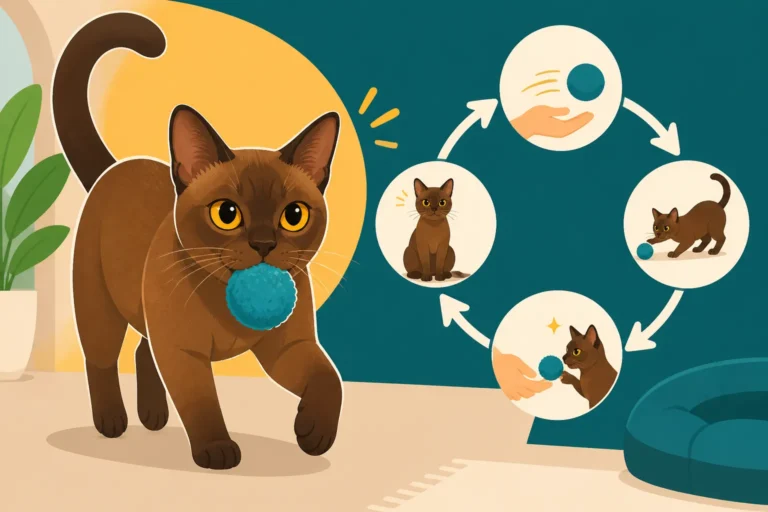
Even as they grow into adulthood, Burmese cats retain their playful, kittenish spirit. They will continue to seek out interaction, whether it's a game of fetch, chasing a wand toy, or simply curling up on your lap. Their self-socializing isn't a one-time event; it's an ongoing process of engagement with their world and the people in it. Therefore, providing them with regular playtime and mental stimulation is not just for fun; it's essential for their well-being. A variety of interactive toys can be found on Amazon, offering endless possibilities for keeping their sharp minds engaged.
This continuous engagement reinforces their natural confidence and keeps their social skills sharp. A Burmese that feels connected and stimulated is a happy Burmese. Don't be surprised if your adult Burmese still demands multiple play sessions a day, or brings you a favorite toy to initiate a game. They truly believe they are part of every activity, and their playful invitations are just another aspect of their naturally social personality. You’ll find that A Burmese Is Still Playing at Fifteen is not an exaggeration.
Embracing Their "Velcro" Nature
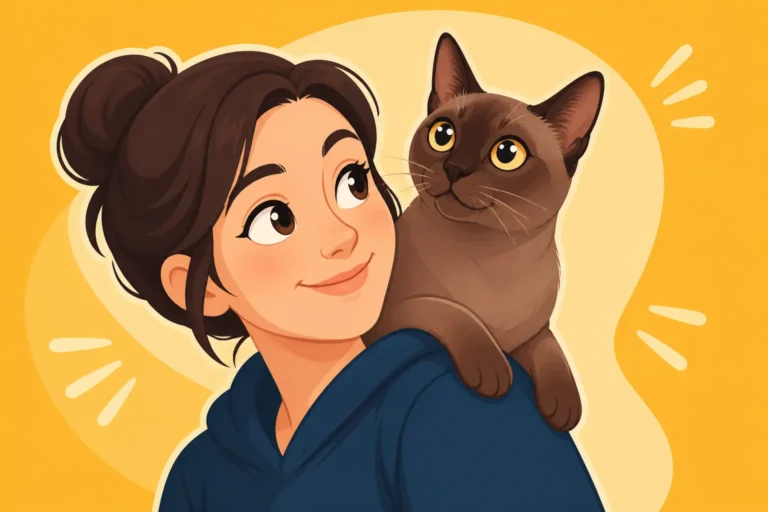
Ultimately, nurturing a Burmese's lifelong sociability means embracing their famous "Velcro" nature. They want to be where you are, doing what you're doing. This means they'll follow you from room to room, supervise your chores, and insist on being close during quiet moments. This isn't clinginess; it's simply how they express their profound connection and their natural inclination to be part of the social unit. Their self-socialization leads them directly into your heart and lap.
Resisting this urge or constantly pushing them away can be confusing and disheartening for a Burmese. Instead, lean into it. Enjoy their constant presence, their purrs, and their soft head-butts. Make space for them on your couch, in your bed, and on your desk. Their innate ability to self-socialize makes them incredibly adaptable, but their desire for companionship is unwavering. By welcoming their affectionate overtures, you are simply allowing them to be the best, most confident version of themselves. They'll show you how quickly How Fast a Burmese Attaches to a New Household.
Disclaimer
This article is for general informational purposes only and does not constitute professional advice. Laws, prices and regulations vary by location and change over time. Consult a qualified professional for guidance on your specific situation.