What Diabetes Costs a Burmese Owner a Year
Discovering that your beloved Burmese has developed diabetes can feel like a punch to the gut. Beyond the immediate worry for their health, the financial implications can quickly become overwhelming, turning a joyous companionship into a source of constant stress. Many owners feel unprepared for the ongoing expenses of managing a chronic condition, and it’s a perfectly valid concern. This guide is here to break down the real costs involved in caring for a diabetic Burmese cat, offering a realistic look at what to expect annually, from diagnostic tests to daily insulin and specialized diets.
The Initial Shock: Diagnosis and Starting Treatment
The first hurdle in your Burmese’s diabetes journey is often the diagnostic process itself, followed by the immediate steps to stabilize their blood sugar. This period can be intense, both emotionally and financially, as your vet works to pinpoint the issue and get your cat on the right path. It’s not just one visit; it's a series of consultations, tests, and learning curves.
Unraveling the Mystery: Diagnostic Tests
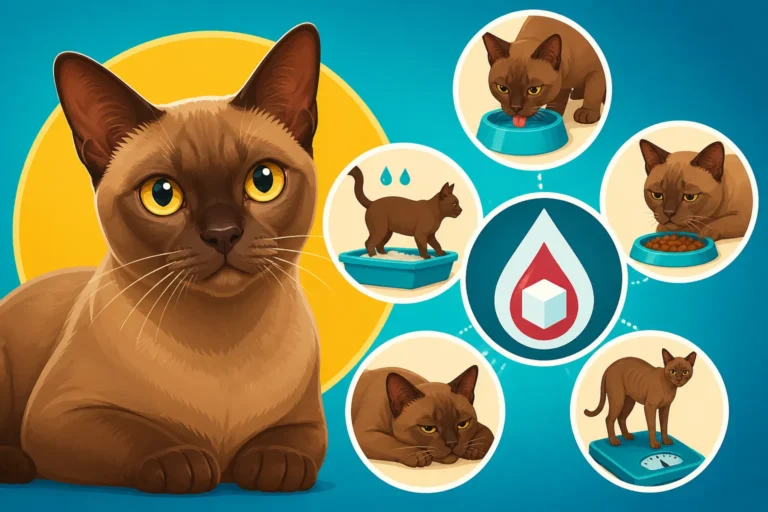
When your Burmese starts exhibiting classic signs of diabetes, such as increased thirst, frequent urination, or unexplained weight loss despite a healthy appetite, your vet will need to perform several tests to confirm the diagnosis. You might have noticed that your otherwise lively companion is suddenly constantly at the water bowl, and their litter box is filling up much faster than usual. This is often the first red flag, and it's a critical moment to act. Remember, Why a Burmese Drinking More Needs Testing That Week is a crucial sign that needs prompt veterinary attention.
Typical initial diagnostics include a full blood panel, which will reveal elevated blood glucose levels and often other indicators like increased liver enzymes or electrolyte imbalances. A urinalysis is also essential to check for glucose and ketones in the urine, which are definitive signs of diabetes. These initial tests can range from $150 to $300, depending on your clinic and region. Beyond these, a specific test called a fructosamine test is usually recommended. Unlike a single glucose reading, which can be elevated due to stress (a common occurrence for cats at the vet!), a fructosamine test provides an average of your cat's blood glucose levels over the past 1-2 weeks. This gives a much clearer picture of their long-term glucose control. This additional test typically adds $50 to $100 to the initial bill. Getting a definitive diagnosis is the first crucial step, but it certainly isn't the cheapest one. Understanding What a Fructosamine Test Shows in a Burmese can help you make sense of this particular diagnostic tool.
Learning the Ropes: Initial Treatment and Training
Once diabetes is confirmed, the real work begins. Your Burmese will likely be started on insulin immediately. This often involves an initial consultation where your vet explains the condition, demonstrates how to give insulin injections, and outlines the dietary changes necessary. This educational session is vital, but it’s often included as part of a longer vet visit fee, which might be another $100-$200. You'll also need to purchase your first vial of insulin and a box of syringes. A vial of insulin, such as Vetsulin or ProZinc, can cost anywhere from $40 to $100 and typically lasts for several weeks to a few months, depending on the dosage. A box of 100 insulin syringes might be $20-$30.
It's a steep learning curve, especially if you've never given an injection before. The thought of piercing your beloved cat's skin can be daunting, but your vet team will patiently guide you. Many clinics offer follow-up calls or even hands-on demonstration appointments to ensure you're comfortable. This initial phase is not just about the monetary cost, but also the investment of your time and emotional energy into learning these new care routines. This is often the point where you truly start to grasp the commitment involved, and it’s completely normal to feel overwhelmed. The good news is that with consistency, it becomes second nature. For a deeper dive into the first steps, you might find information on How a Diabetic Burmese Is Started on Insulin particularly helpful.
The Daily Routine: Ongoing Management Expenses
Diabetes in a Burmese isn't a one-time fix; it's a chronic condition that requires diligent, daily management for the rest of their life. These ongoing costs are what truly accumulate over the years, making long-term financial planning essential.
Insulin and Syringes: A Constant Need
Insulin is the cornerstone of diabetic management for most Burmese cats. They will typically need two injections a day, administered at consistent intervals, usually every 12 hours. The cost of insulin, as mentioned, can be $40-$100 per vial, and depending on your cat's dosage and the insulin type, you might go through 2-4 vials a year, totaling $80-$400 annually. Some specific types of insulin, or if your cat requires a higher dose, could push this cost even higher.
Along with insulin, you'll need a steady supply of insulin syringes. These are single-use needles to ensure sterility and sharpness, which makes injections more comfortable for your cat. A box of 100 syringes usually lasts about 1-2 months, costing around $20-$30 per box. So, yearly, you're looking at $120-$360 just for syringes. It might seem like a small item, but it adds up quickly. Over the course of a year, these two items alone can easily tally up to $200 to $760. Knowing How Often a Diabetic Burmese Is Injected is key to understanding the sheer volume of supplies you'll go through.
Fueling Health: Specialized Diet
Diet plays a profoundly critical role in managing feline diabetes, especially for a Burmese. These cats are known to be prone to diabetes, and dietary choices are paramount. Most diabetic cats, including Burmese, benefit immensely from a high-protein, low-carbohydrate wet food diet. This approach helps stabilize blood sugar levels and can even lead to diabetic remission in some cases. It's not just about what they like to eat, but what their body needs to manage their illness.
Premium low-carb wet cat food is often more expensive than standard kibble or even lower-quality wet food. Expect to pay anywhere from $2 to $4 per can or pouch. For a cat eating two meals a day, that could be $4 to $8 daily, translating to $1,460 to $2,920 annually. Brands like Purina Pro Plan Veterinary Diets DM, Royal Canin Veterinary Diet Glycobalance, or Hill's Prescription Diet m/d are common choices, though many over-the-counter options also meet the low-carb criteria. Always consult your vet for the best dietary recommendations for your specific cat. Making this switch can be a significant upfront cost, but it's a medical decision that can dramatically improve your cat's prognosis and quality of life. Understanding Why Low Carbohydrate Food Matters for a Burmese is paramount, as is knowing that Which Diet Puts a Burmese Into Remission is often a strict low-carb regimen.
Staying on Track: Glucose Monitoring Supplies
Regular monitoring of your Burmese's blood glucose levels is crucial to ensure their insulin dosage is correct and to prevent dangerous fluctuations. While your vet will perform glucose curves, many owners opt for home monitoring, which can save money on vet visits and reduce stress for the cat. Home monitoring also provides a more accurate picture of their "true" glucose levels, as stress at the vet can artificially elevate readings.
A starter kit for a pet-specific glucose meter can cost $50-$100. The ongoing expense comes from test strips, which are used for each reading. These can range from $0.50 to $1.50 per strip. If you're testing twice a day, that's $365 to $1,095 annually just for strips. You'll also need lancets for pricking a tiny ear vein, which are relatively inexpensive at $10-$20 for a box of 100-200. While the initial outlay for the meter isn't too bad, the strips truly add up over time. However, this investment gives you invaluable insight into your cat's health and allows for prompt adjustments if needed. For guidance on this, see How a Burmese Is Monitored on Insulin at Home.
Vet Visits and Unexpected Complications
Even with diligent daily care, regular vet check-ups are essential, and the unfortunate reality of a chronic condition like diabetes means that complications can arise, leading to unexpected and often expensive emergency visits.
Keeping Tabs: Regular Check-ups and Glucose Curves
Beyond the initial diagnostic phase, your diabetic Burmese will need regular veterinary check-ups to monitor their progress and adjust insulin dosages. This is particularly crucial in the first few months after diagnosis, where visits might be every few weeks. Once stable, your vet might recommend check-ups every 3-6 months. Each of these routine visits, including a physical exam and a basic glucose check, can cost $50-$150.
More involved monitoring often requires a "glucose curve" where your cat's blood sugar is measured multiple times over a 12-hour period. This provides a detailed profile of how their body processes insulin and food throughout the day. A full glucose curve done at the vet clinic can be expensive, ranging from $200 to $500 per session, and you might need 1-2 such curves annually, especially if their blood sugar is proving difficult to regulate. These visits are not optional; they are critical to ensuring your cat's insulin dose remains effective and safe.
The Scary Truth: Complications and Emergencies
Despite your best efforts, diabetic cats can experience complications. The most common and dangerous are hypoglycemia (dangerously low blood sugar) and diabetic ketoacidosis (DKA), a severe metabolic emergency. Hypoglycemia can occur if your cat gets too much insulin, misses a meal, or has an unexpected burst of activity. Symptoms can range from lethargy and disorientation to seizures and coma, requiring immediate veterinary intervention. DKA is even more severe, often requiring hospitalization, IV fluids, insulin drips, and intense monitoring.
An emergency vet visit for hypoglycemia might cost $200-$500, depending on the severity and required treatments. For DKA, hospitalization can easily run into the thousands of dollars ($1,000-$3,000+) for several days of intensive care. These are the truly frightening expenses that can hit without warning, creating immense financial strain. This is where having pet insurance can be a literal lifesaver, as plans from providers like Healthy Paws can help cover a significant portion of these emergency costs, providing critical peace of mind during a crisis. It's a sobering thought, but one that every Burmese owner needs to consider. You'll find that How Many Burmese Become Diabetic in a Lifetime can underscore the importance of preparedness.
Broader Health: Other Considerations
Diabetes doesn't always act alone. It can sometimes affect other aspects of your Burmese's health. For instance, diabetic cats can be more prone to urinary tract infections (UTIs) due to the glucose in their urine. Treating a UTI involves vet visits, urinalysis, and antibiotics, adding another $150-$300 to your yearly expenses if it occurs.
Additionally, Burmese cats are known for developing dental issues, specifically receding gums and tooth resorption, which can be exacerbated by systemic health conditions like diabetes. Regular dental care, which might include professional cleaning under anesthesia, is vital. A dental cleaning, especially with extractions if needed, can range from $400 to $1,000+ every few years. While not directly a diabetes cost, it's an important part of overall health management for a diabetic Burmese. Read more about this specific breed's vulnerability in Why a Burmese Is Prone to Gum Disease.
Understanding Pet Insurance: A Financial Lifeline?
Given the potentially high costs of managing a diabetic Burmese, pet insurance often comes up in conversations about financial planning. It can indeed be a lifeline, but it's crucial to understand how it works, especially with pre-existing conditions.
The Pre-Existing Condition Clause
Most pet insurance policies, including those from providers like Healthy Paws, consider diabetes a pre-existing condition if your cat was diagnosed before you purchased the policy or during the waiting period. This means that, unfortunately, new policies typically will not cover any diabetes-related treatments or medications. This is a huge frustration for many owners who only seek insurance after a diagnosis.
However, if you've had a policy in place for a while and your Burmese develops diabetes after the waiting period, then the costs associated with diabetes management (insulin, syringes, vet visits, emergency care for complications) would generally be covered, subject to your deductible and reimbursement rate. This highlights the importance of getting pet insurance early, ideally when your Burmese is a kitten, before any chronic conditions manifest. It's tough to predict when At What Age a Burmese Usually Turns Diabetic, so early coverage is often the best strategy.
Deductibles and Reimbursement Rates
Even with a policy that covers diabetes, you'll still have out-of-pocket expenses. Pet insurance plans usually have an annual deductible (e.g., $100-$1,000) that you must meet before the insurance starts paying. After your deductible is met, the plan will reimburse a percentage of your vet bills, typically 70%, 80%, or 90%. So, if your vet bill is $500 and your deductible is $250 with an 80% reimbursement rate, you'd pay the $250 deductible, and then the insurance would cover 80% of the remaining $250 ($200), leaving you to pay $50. In total, you'd pay $300.
While it won't cover everything, a good policy from a reputable provider can significantly reduce the financial burden of managing a diabetic Burmese over their lifetime. Even if your current Burmese is already diabetic, having insurance can still be beneficial for covering unrelated illnesses or accidents that might occur down the line. It's a complex topic, and you can explore it further with Whether a Diabetic Burmese Can Be Insured.
Annual Cost Breakdown for a Diabetic Burmese Owner
To give you a clearer picture, here's a general breakdown of the potential annual costs. Keep in mind these are averages, and actual costs will vary based on your location, vet's fees, and your cat's specific needs.
| Category | Low Annual Estimate | High Annual Estimate |
|---|---|---|
| Initial Diagnosis | $200 | $400 |
| Insulin | $80 | $400 |
| Syringes | $120 | $360 |
| Low-Carb Wet Food | $1,460 | $2,920 |
| Home Glucose Strips | $365 | $1,095 |
| Lancets | $10 | $20 |
| Routine Vet Visits | $100 | $300 |
| Vet Glucose Curves | $200 | $500 |
| Emergency Fund (estimated) | $500 | $1,500 |
| Total Annual Cost | $3,035 | $7,500+ |
Note: Initial diagnosis costs are included in the first year's estimate but wouldn't be a recurring annual cost. Emergency fund is an estimated amount to have saved or covered by insurance for unexpected complications.
This table doesn't even account for the initial setup costs for a new cat, or additional routine care like parasite prevention, vaccinations, or potential dental work. As you can see, the expenses for a diabetic Burmese are substantial. The commitment to a diabetic cat is not just emotional, but significantly financial.
Conclusion: Preparing for the Long Haul
Caring for a Burmese with diabetes is a significant undertaking, both in terms of time and finances. The daily routine of insulin injections, careful feeding, and monitoring becomes a fundamental part of your life. From the initial diagnostic tests and learning how to administer insulin, to the ongoing costs of specialized food, monitoring supplies, and regular vet check-ups, the expenses can quickly add up. And the possibility of emergency complications always looms, capable of generating bills in the thousands.
While pet insurance from companies like Healthy Paws can offer a crucial safety net for unforeseen events and new conditions, it's vital to understand its limitations regarding pre-existing conditions. For many, a diabetes diagnosis prompts a deep dive into personal finances and a re-evaluation of household budgets. It's a testament to the love we have for our feline companions that so many owners rise to this challenge. Understanding these costs upfront helps you prepare for the long haul, ensuring your sweet Burmese receives the consistent, loving care they deserve to live a full and happy life, despite their diagnosis.
Disclaimer
This article provides general information and estimates regarding the costs associated with caring for a diabetic Burmese cat. Actual costs may vary significantly based on geographic location, veterinary clinic fees, specific prescribed treatments, and individual cat needs. This content is not a substitute for professional veterinary advice, diagnosis, or treatment. Always consult with your veterinarian for personalized recommendations and care plans for your pet.