Where the Burmese Hypokalemia Mutation Came From
One of the most heart-wrenching realities of purebred cat ownership is the possibility of inherited health conditions. For those of us who adore the affectionate, playful Burmese, the shadow of Hypokalemia, a genetic mutation that can cause severe muscle weakness, hangs heavy. Understanding exactly where this mutation came from isn't just an academic exercise; it's crucial for responsible breeding and for helping owners manage a condition that can sometimes feel overwhelming and frightening.
Unpacking the WNK4 Gene and the Burmese Connection
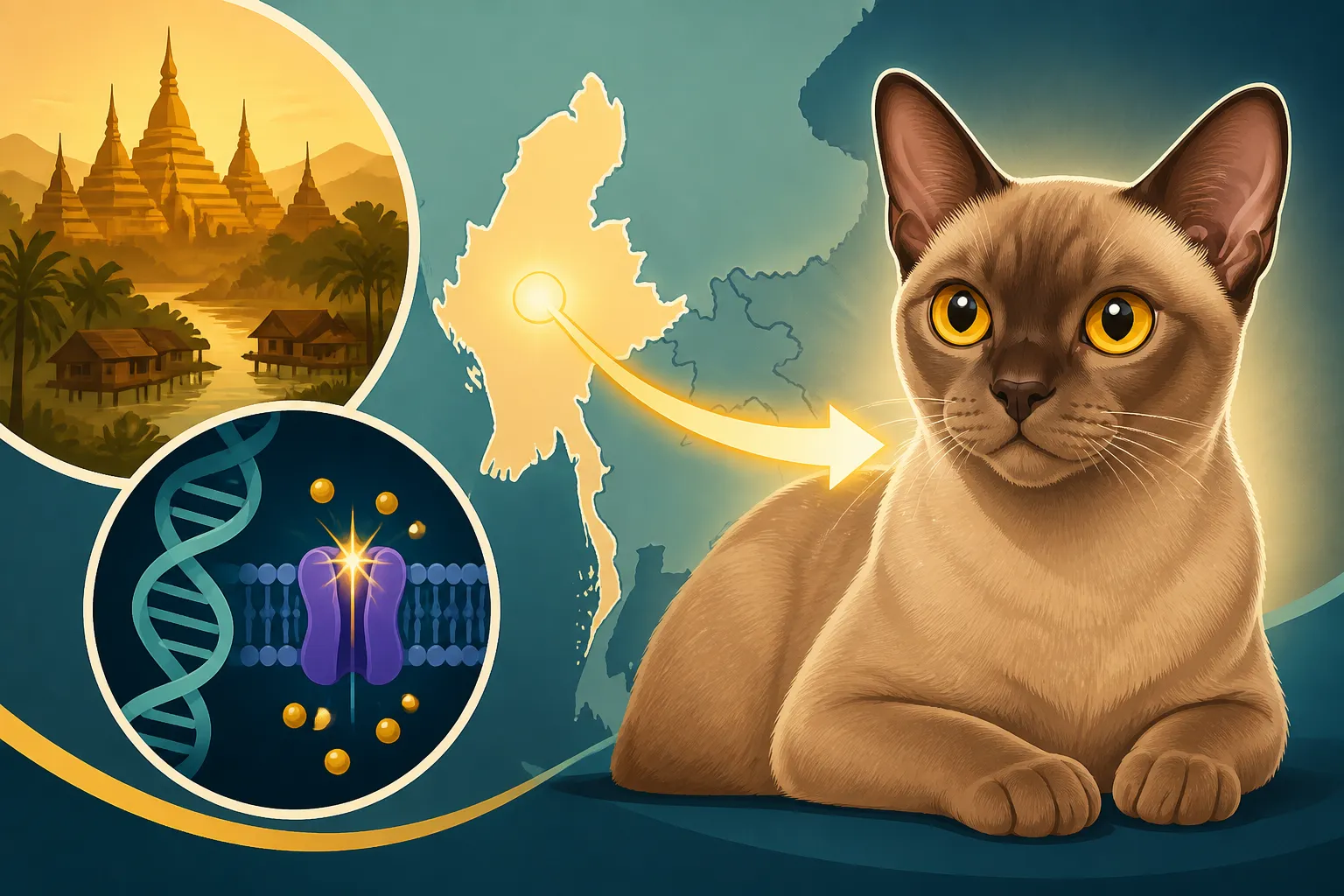
When we talk about hypokalemia in Burmese cats, we're delving deep into their very genetic makeup. It's not just a random illness; it's tied to a specific mutation in a gene known as WNK4. This isn't just a quirky scientific name; the WNK4 gene plays a vital role in how a cat's kidneys handle electrolytes, especially potassium. For our beloved Burmese, a specific change in this gene means their bodies struggle to maintain normal potassium levels.
The Role of Potassium in Feline Health
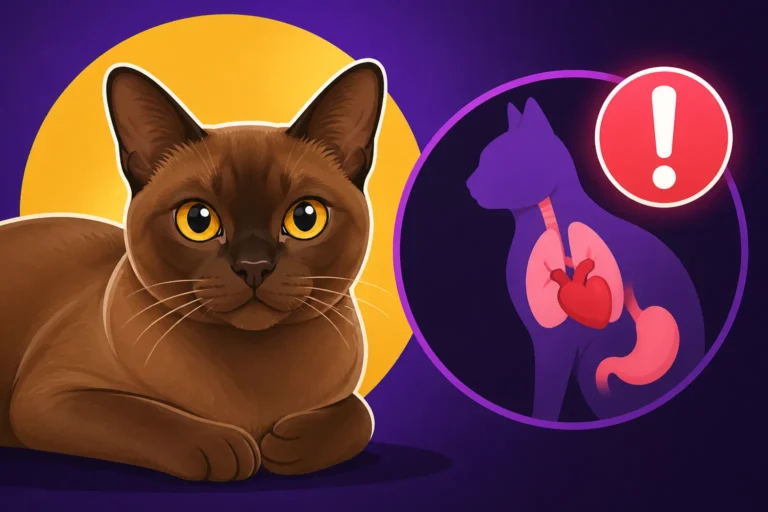
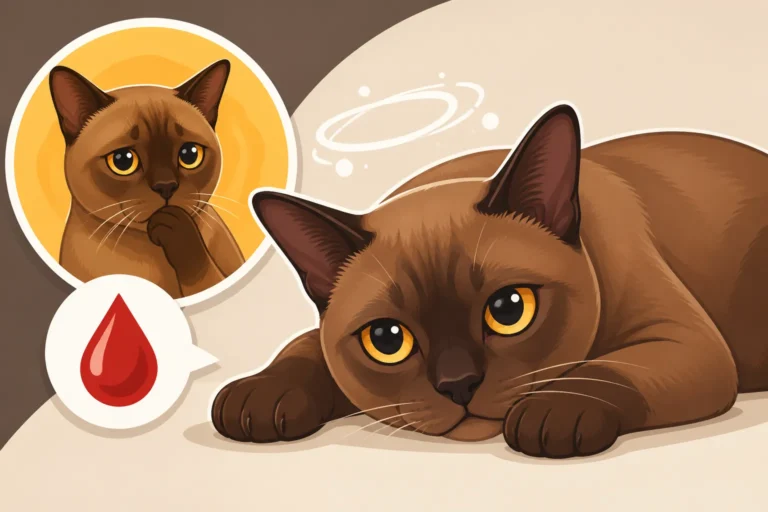
Potassium is one of those unsung heroes of the body, a mineral (or electrolyte, if you want to get scientific) that is absolutely essential for almost every bodily function. Think about muscle contractions, nerve signals, and even heart rhythm – all depend on a steady, balanced supply of potassium. When a cat's potassium levels drop too low, which is the definition of hypokalemia, it's like the body's electrical system starts short-circuiting. Muscles can't function properly, leading to weakness and even paralysis. It’s a terrifying prospect for any owner to witness their vibrant cat suddenly become unable to move.
The Specific WNK4 Mutation in Burmese Cats
So, what exactly is this mutation? Researchers have identified a specific variant within the WNK4 gene that is responsible for hypokalemia in Burmese cats. This isn't a problem caused by poor diet or environmental factors; it's hardwired into their DNA. It’s an autosomal recessive trait, meaning a cat needs to inherit two copies of the faulty gene – one from each parent – to actually develop the condition. Cats with only one copy are carriers; they don't show symptoms but can pass the gene on to their kittens. This is why understanding "What the WNK4 Mutation Does in a Burmese" is so vital for both breeders and prospective owners. Without careful breeding practices, this mutation can easily continue to spread through the population.
Tracing the Origin of the Mutation
The history of the Burmese cat breed is fascinating, starting with a single cat named Wong Mau in the 1930s. Unfortunately, like many popular purebreds, the very process of selective breeding that created their unique looks and personalities also created genetic bottlenecks. This means that a relatively small gene pool was used to establish the breed, and if a founding cat or an early popular sire or dam carried a particular mutation, that mutation could quickly become widespread.
The Early Days and Genetic Bottlenecks
While the specific date and individual cat where the WNK4 mutation first arose are difficult to pinpoint with absolute certainty, geneticists believe it likely originated very early in the breed's development. When a breed is established from a limited number of individuals, any genetic variant present in those founders can become prevalent. The mutation may have been carried silently for generations by cats who didn't show symptoms (carriers) until two carriers were bred together, producing affected kittens. This phenomenon isn't unique to the Burmese; it's a common challenge in the development of many purebred animals, where the desire for specific traits can inadvertently concentrate certain genetic predispositions.
The Spread Through Breed Lines
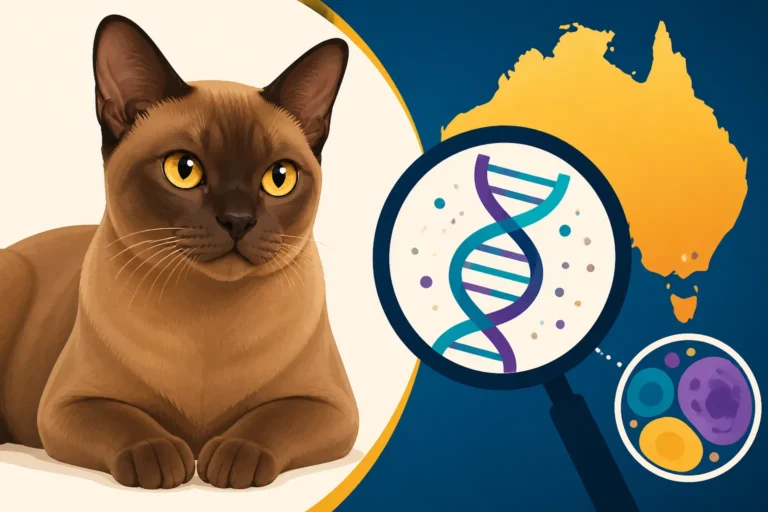
Over time, as Burmese cats were bred and exported around the world, the WNK4 mutation spread internationally. It became particularly prevalent in certain lines, especially within the Australian and European Burmese populations, which diverged somewhat from the American lines over the decades. The popularity of certain breeding cats who happened to be carriers would have further accelerated this spread. It wasn't until genetic testing became more widely available that the full extent of the mutation's presence could be accurately assessed. This is why it’s so important to understand "How Many Burmese Carry the Hypokalemia Mutation" and what those statistics mean for the future of the breed.
Scientific Discovery and DNA Testing
The journey to identify the WNK4 mutation was a triumph of veterinary genetic research. For years, hypokalemia was a recognized, albeit mysterious, problem in Burmese cats. Vets would diagnose it based on clinical signs and blood tests, but the underlying cause wasn't fully understood. Finally, through dedicated research efforts, the specific genetic mutation was identified. This breakthrough paved the way for the development of a DNA test, allowing breeders to screen their cats and make informed decisions. This meant that "Hypokalemia Is the Burmese Disease With a DNA Test", providing a powerful tool for prevention. This test is crucial for anyone involved in the breed, from established catteries to new enthusiasts.
Living with and Managing Burmese Hypokalemia
For owners, discovering their beloved Burmese has hypokalemia can be incredibly frightening. The episodes, characterized by sudden weakness or the famous "Meerkat neck," where the cat struggles to hold its head up, are alarming. However, with proper diagnosis and management, many Burmese cats with hypokalemia can live full, happy lives.
Recognizing the Symptoms and Diagnosis
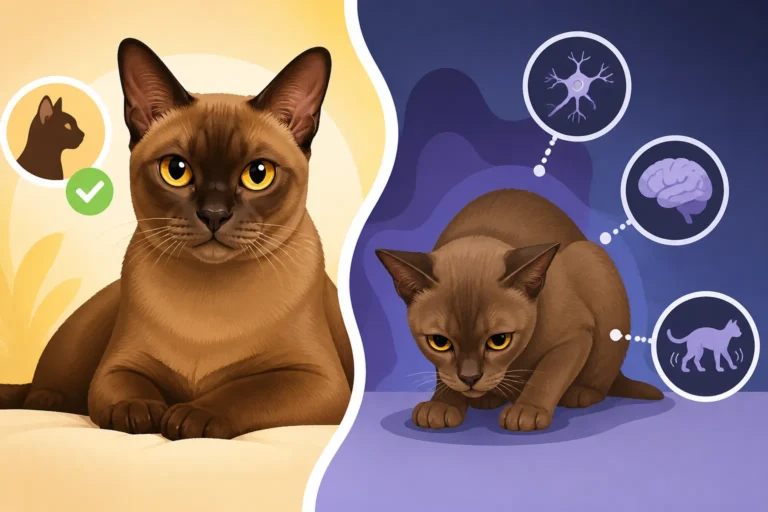
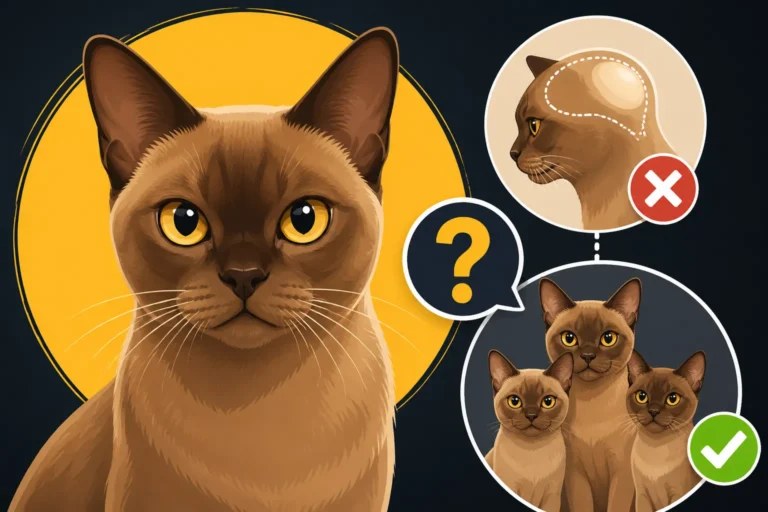
Typically, the first signs of hypokalemia often appear in Burmese kittens or young adults, usually between two weeks and six months of age. You might notice your kitten exhibiting generalized muscle weakness, an unsteady gait, or a reluctance to play. The most iconic sign, and often the one that sends owners rushing to the vet, is when the cat cannot properly lift its head, earning the condition the nickname "Meerkat neck." This is a clear indicator that "The Meerkat Neck That Tells You a Burmese Has Hypokalemia". Episodes can be triggered by stress, excitement, or even strenuous exercise. A vet will confirm the diagnosis with a blood test to check potassium levels, especially during an episode.
Treatment and Long-Term Care
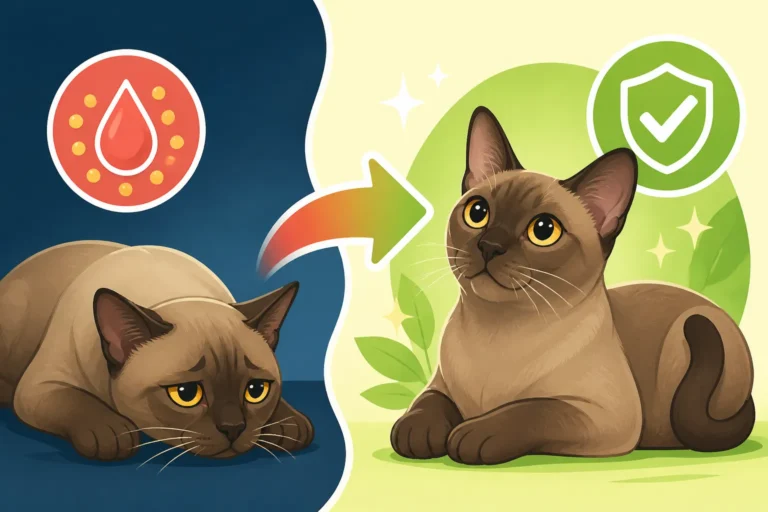
The good news is that hypokalemia is treatable. During an acute episode, a vet will administer potassium supplements, often intravenously, to quickly stabilize the cat. For long-term management, potassium supplementation is usually given orally, often mixed with food. This can involve powders or liquid supplements prescribed by your veterinarian. The goal is to maintain normal potassium levels and prevent future episodes. Owners will learn to monitor their cat closely and administer the supplements as directed. It’s comforting to know that "How a Vet Treats a Burmese Hypokalemic Episode" is a well-established protocol. With consistent care, many Burmese cats "Whether a Hypokalemic Burmese Lives a Normal Life" and thrive.
Financial Considerations and Pet Insurance
Managing a chronic condition like hypokalemia does come with financial implications. There are vet visits for diagnosis, ongoing potassium supplements, and potentially emergency care if an episode is severe. The good news is that pet insurance can be a lifesaver. Companies like Healthy Paws offer comprehensive plans that can cover a significant portion of these costs, easing the burden on owners. It’s always wise to consider insurance early in your pet’s life, as conditions often aren't covered if they're pre-existing. This is precisely "Why a Burmese's Insurance Should Start Before Symptoms" become apparent, protecting you from unexpected bills down the line. When considering a Burmese, especially a rescue, asking about their health history and considering insurance like Healthy Paws for potential future needs is a smart move.
The Breeder's Ethical Imperative and Prevention
The existence of a genetic test places a significant responsibility on Burmese breeders. Preventing the suffering caused by hypokalemia starts long before a kitten goes to its new home. It begins with careful, ethical breeding practices.
The Importance of Genetic Testing for Breeders
Responsible breeders understand that their role extends beyond producing beautiful kittens; they are stewards of the breed's health. This means ensuring that all breeding cats are tested for the WNK4 mutation. A simple cheek swab is usually all that’s needed for "Which Lab Runs the Burmese Hypokalemia Test" to provide a clear result: "clear," "carrier," or "affected." Knowing the genetic status of both parents is paramount. It’s non-negotiable that "What a Burmese Breeder Must Test Before Any Mating" includes this vital screening.
Interpreting Test Results and Breeding Decisions
The beauty of genetic testing is the clarity it provides. A "clear" cat does not carry the mutation. A "carrier" cat has one copy of the mutation but will not develop the disease itself. An "affected" cat has two copies and will likely show symptoms. The rule is simple and crucial: "Why Two Burmese Carriers Must Never Be Bred". Breeding two carriers guarantees that 25% of their offspring, on average, will be affected by hypokalemia. By testing and avoiding such pairings, breeders can gradually reduce the prevalence of the WNK4 mutation in the breed. When you receive your kitten's paperwork, you should be able to see "How to Read a Burmese Hypokalemia Carrier Result" clearly documented.
Ethical Considerations for Burmese Owners
As prospective owners, you have a critical role to play too. Always ask a breeder for proof of genetic testing for both parents. Don't be shy about it; it's a sign of a responsible breeder and a testament to their commitment to healthy kittens. If a breeder is unwilling to provide this documentation, it should be a major red flag. Pet insurance providers like Healthy Paws might even ask for proof of genetic testing for certain breeds when discussing coverage, further highlighting its importance. Choosing a kitten from tested parents is the best way to ensure you're bringing home a healthy companion and contributing to the responsible preservation of the Burmese breed.
Here’s a quick overview of how genetic status can impact a Burmese litter:
| Parent 1 Genetic Status | Parent 2 Genetic Status | Offspring Outcome | Risk for Hypokalemia |
|---|---|---|---|
| Clear | Clear | 100% Clear | None |
| Clear | Carrier | 50% Clear, 50% Carrier | None |
| Clear | Affected | 100% Carrier | None |
| Carrier | Carrier | 25% Clear, 50% Carrier, 25% Affected | High |
| Carrier | Affected | 50% Carrier, 50% Affected | High |
| Affected | Affected | 100% Affected | Very High |
It’s clear from this table that breeding two carriers is a gamble with a kitten's health, something responsible breeders strive to avoid at all costs. The upfront cost of genetic testing is minimal compared to "What Emergency Care for a Hypokalemic Burmese Costs" and the emotional toll on an owner.
Disclaimer
This article is intended for informational purposes only and does not constitute veterinary advice. Always consult with a qualified veterinarian for any health concerns or before making any decisions about your pet's care or treatment.