Why a Burmese Kitten Grows Out of Hypokalemia
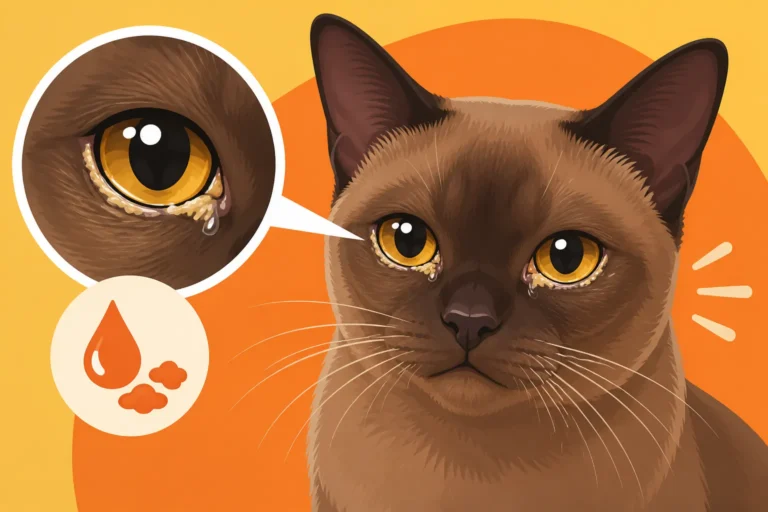
It's incredibly frightening to witness your beloved Burmese kitten suddenly collapse or struggle to lift its head, only to see them bounce back as if nothing happened just a few hours later. This perplexing pattern is often the hallmark of a condition called Hypokalemia, and it leaves many owners wondering if their kitten is truly recovering or if it's a temporary reprieve. This guide will delve deep into why some Burmese kittens appear to "grow out of" these debilitating episodes, offering clarity and practical insights for worried cat parents.
Understanding Hypokalemia in Burmese Kittens
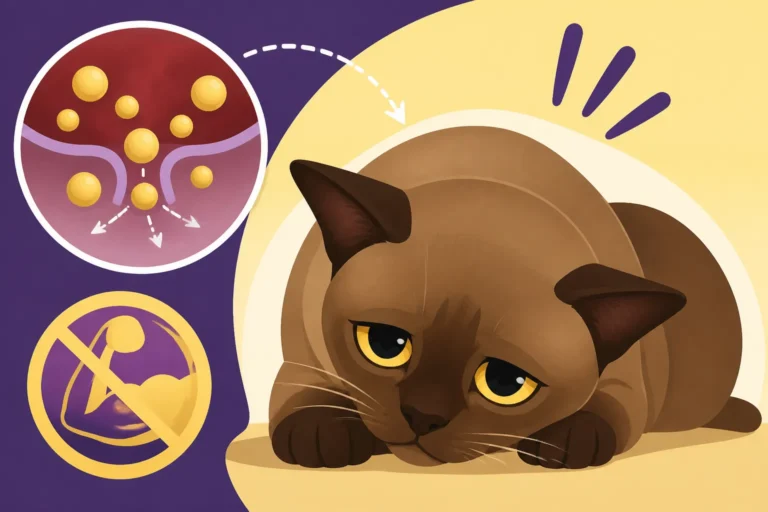
Hypokalemia, also known as Familial Episodic Hypokalemic Polymyopathy, is a genetic disorder that primarily affects Burmese cats. It's characterized by bouts of extreme muscle weakness caused by dangerously low levels of potassium in the blood. For an owner, seeing their vibrant, playful kitten suddenly become weak can be terrifying. It's not just a momentary lapse; it's a serious medical event.
The Genetic Basis of the Condition
At its heart, Hypokalemia is a genetic issue, passed down through generations. Specifically, it's linked to a mutation in the WNK4 gene. This gene plays a crucial role in regulating electrolyte balance, particularly potassium, within the body. When a kitten inherits two copies of this mutated gene (one from each parent), they are affected by the condition. Kittens inheriting only one copy are considered carriers, meaning they won't typically show symptoms but can pass the gene on.
The understanding of this condition has evolved significantly. Research, including genome studies on Australian Burmese, has shed light on exactly What the WNK4 Mutation Does in a Burmese. This genetic predisposition means that Hypokalemia isn't something a cat "catches" but rather something they are born with, a factor that breeders now screen for rigorously. Owners might be surprised to learn that How Many Burmese Carry the Hypokalemia Mutation is a significant number, underscoring the importance of responsible breeding practices.
Recognizing the Symptoms and Early Onset
The initial signs of Hypokalemia in a Burmese kitten can be quite subtle, or they can be dramatically severe. Most commonly, owners observe muscle weakness, particularly in the neck, which can manifest as the kitten struggling to hold its head up – often described as a "meerkat neck." Other signs might include a stiff or stilted gait, reluctance to move, or generalized weakness. For a detailed look at how these symptoms first appear, you might find our article on How Hypokalemia First Shows in a Burmese Kitten helpful.
These episodes are typically episodic, meaning they come and go. A kitten might be perfectly fine one moment, then collapse or be unable to stand the next, only to recover within hours or a day or two. This fluctuating nature is what makes it so confusing and concerning for owners. They might think their kitten simply overdid it playing, when in reality, a critical potassium imbalance is at play. Stress, excitement, or even strenuous exercise can often trigger these episodes.
The Unique Physiology Behind Burmese Kitten Recovery
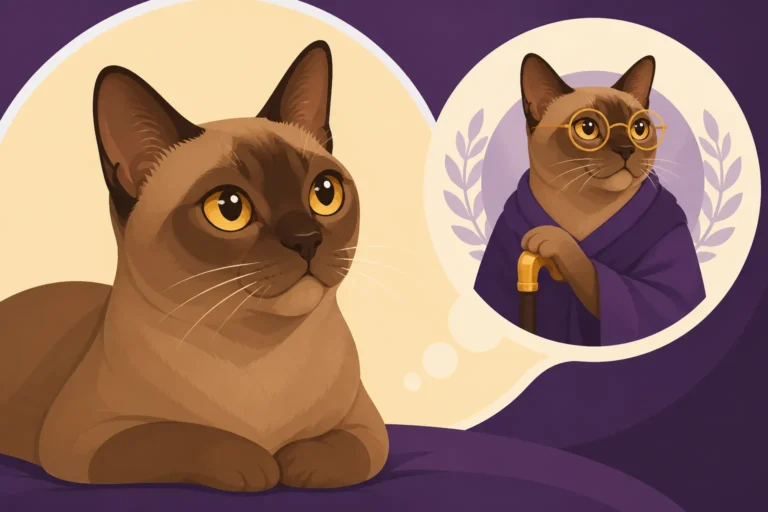
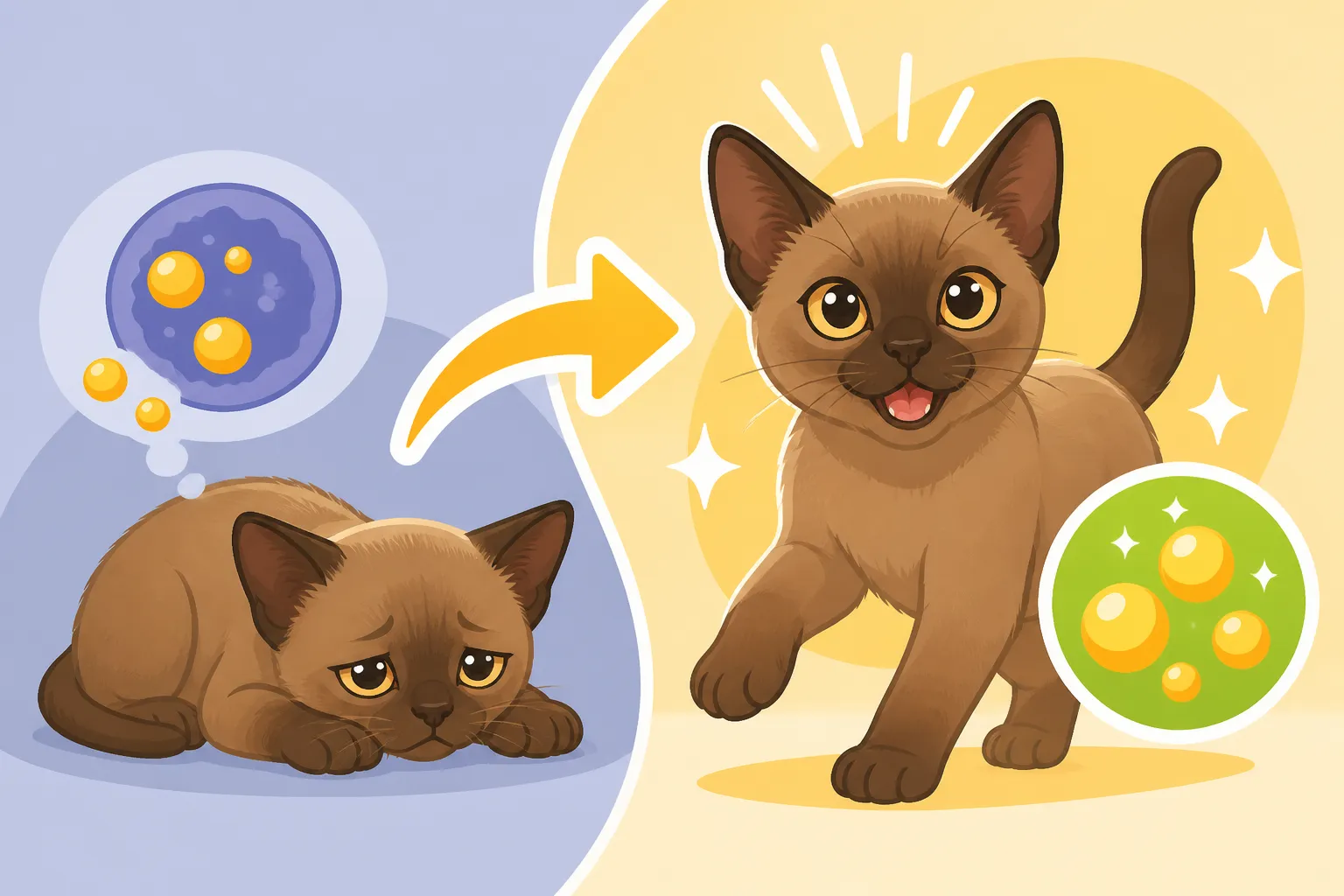
The phenomenon of Burmese kittens "growing out of" Hypokalemia symptoms is a fascinating aspect of this condition. It doesn't mean the genetic mutation disappears, but rather that the clinical manifestation of the disease often lessens or resolves as the cat matures. This isn't a guarantee for every single affected cat, but it's a common observation and one that offers hope to many owners.
The Developing Feline Body and Kidney Function
One of the primary reasons kittens might show more severe signs of Hypokalemia, and then improve, lies in the development of their renal (kidney) system and overall physiology. Young kittens, much like human infants, have kidneys that are still maturing. Their ability to regulate electrolytes, including potassium, is not as robust as an adult cat's. This means that even minor fluctuations can have a more pronounced effect on their delicate system.
As a kitten grows, its kidneys become more efficient at filtering waste products and maintaining electrolyte balance. The body's homeostatic mechanisms strengthen, allowing for better regulation of potassium levels. This maturation process can help affected cats better manage their potassium fluctuations, reducing the frequency and severity of symptomatic episodes. It’s less about the gene changing and more about the body becoming better equipped to cope with the genetic predisposition.
Increased Muscle Mass and Metabolic Changes
Another contributing factor to the apparent resolution of symptoms is the increase in muscle mass as a Burmese kitten grows into adulthood. Hypokalemia directly impacts muscle function. When potassium levels drop too low, muscle cells struggle to function correctly, leading to weakness and paralysis. Young kittens have relatively less muscle mass, so any widespread muscle weakness can be more debilitating.
As a Burmese cat matures, it develops significant muscle mass, giving it that characteristic "brick wrapped in silk" feel. This larger muscle mass might provide a buffer, meaning that while potassium levels might still fluctuate, the overall impact on muscle function might be less noticeable or less severe. Additionally, a cat's metabolism changes as it ages. The high metabolic demands of rapid kitten growth might exacerbate potassium depletion, whereas a more stable adult metabolism could be less taxing on the body's potassium reserves.
This doesn't mean the genetic risk vanishes, but the body's ability to compensate improves. It's a testament to the incredible adaptability of the feline body.
Managing Hypokalemia During the Vulnerable Period
Even with the hope of a kitten growing out of the most severe symptoms, the early period is critical and requires careful management. The goal is to support the kitten through its vulnerable stages and minimize the impact of any episodes.
Supportive Care and Veterinary Intervention
When a Burmese kitten experiences a Hypokalemic episode, prompt veterinary attention is crucial. The primary treatment involves potassium supplementation to quickly raise blood potassium levels. This can be given orally or, in more severe cases, intravenously. It's amazing to see how quickly a kitten can respond once their potassium is rebalanced. For specific details on how veterinarians approach these situations, you can read about How a Vet Treats a Burmese Hypokalemic Episode.
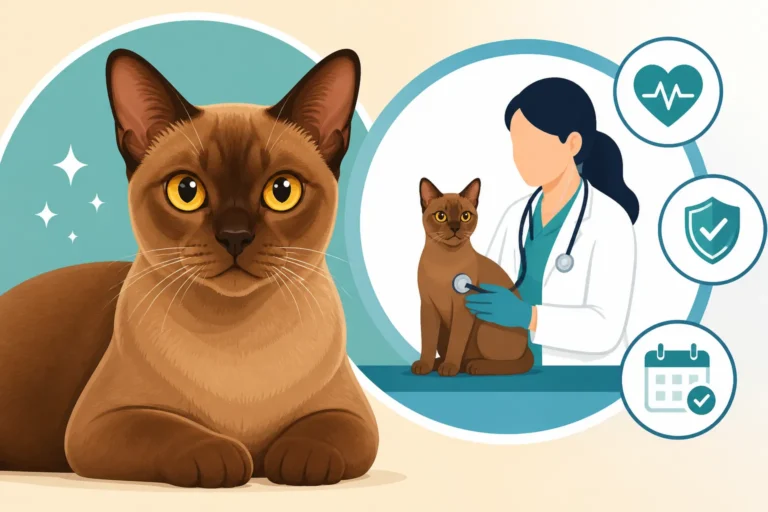
Beyond immediate treatment, ongoing supportive care includes monitoring the kitten's food intake, water consumption, and overall activity. Owners are often advised to provide a quiet, stress-free environment, as stress can sometimes trigger episodes. Regular vet check-ups are essential, especially during kittenhood. Remember, a Burmese kitten needs an early vet check for various reasons, and screening for genetic conditions like Hypokalemia is certainly one of them.
Dietary Management and Environmental Considerations
Diet plays a role in managing Hypokalemia. While it can't cure the genetic condition, a high-quality diet that provides adequate nutrition and doesn't place undue stress on the kitten's system can be beneficial. Some veterinarians may recommend specific dietary adjustments, though potassium supplementation remains the cornerstone of treatment for active episodes. Maintaining consistent meal times and ensuring easy access to fresh water can also contribute to overall stability.
The environment also matters. As mentioned, stress can be a trigger. A calm household, predictable routines, and avoiding situations that might cause excessive excitement or fear can help reduce the frequency of episodes. It's about creating a safe haven where your kitten feels secure and can thrive. Remember that while a kitten may appear to improve, the underlying genetic predisposition remains. This is why many owners, despite seeing improvement, opt for pet insurance, even from a brand like Healthy Paws, to help cover unexpected vet costs if symptoms were to re-emerge later or for ongoing monitoring.
The Role of Genetic Testing for Breeders and Owners
Understanding the genetic nature of Hypokalemia is paramount. Responsible breeders will perform genetic testing on their breeding cats to identify carriers and affected individuals. This allows them to make informed decisions to avoid breeding two carriers together, which would result in affected kittens. For current owners of a Burmese, especially if considering breeding or simply wanting to understand their cat's health profile, genetic testing is readily available.
A simple cheek swab can determine a cat's status: clear, carrier, or affected. Understanding How the Burmese Hypokalemia Test Is Read empowers owners to interpret results. Knowing the genetic status helps breeders ensure the health of future generations and allows owners of affected kittens to be prepared for potential episodes. Even if a kitten seems to outgrow symptoms, knowing they are affected means you should always be vigilant and consider all future health decisions through that lens. For a comprehensive look at what tests are available, check out Which Tests Belong on a Burmese DNA Panel.
Long-Term Outlook and Continued Care
While many Burmese kittens do seem to grow out of the overt symptoms of Hypokalemia, it's crucial to understand what this truly means for their long-term health and the continued responsibilities of their owners.
What 'Growing Out Of It' Truly Means
When we say a Burmese kitten "grows out of" Hypokalemia, it means that the clinical signs, such as muscle weakness and collapse, become less frequent or disappear entirely as they mature. It does not mean that the genetic mutation has vanished from their DNA. They still carry the gene and, if affected, still have the predisposition for low potassium. Their body simply becomes better at regulating potassium levels or compensating for minor fluctuations.
This distinction is vital for a few reasons. Firstly, while episodes might cease, continued vigilance is wise. Stress, illness, or changes in diet could potentially trigger a milder episode, even in an adult cat that has been symptom-free for years. Secondly, if the cat is a breeding animal (though breeding affected animals is generally not recommended), they will still pass on the genetic mutation. For owners, this means that even a "recovered" cat still benefits from a mindful approach to their health and well-being. Knowing the genetic status of your cat provides peace of mind, and if you've already invested in pet insurance from a provider like Healthy Paws, you'll have coverage in case symptoms ever return.
Monitoring and Lifestyle Adjustments for Adults
Even if an adult Burmese no longer shows overt signs of Hypokalemia, ongoing monitoring is a good practice. This doesn't necessarily mean daily potassium checks, but being attuned to subtle changes in behavior, energy levels, or gait can be beneficial. Regular veterinary check-ups remain important, and discussing your cat's history of Hypokalemia with your vet is crucial so they can tailor any diagnostic tests or treatments as needed.
Lifestyle adjustments might include ensuring a consistent, high-quality diet, managing stress, and avoiding overexertion if your particular cat showed sensitivity to physical stress as a kitten. While many affected Burmese can live a full, normal life without further episodes, understanding that Whether a Hypokalemic Burmese Lives a Normal Life often depends on careful management and a bit of luck, helps manage expectations. Keeping a record of your cat's health, even if they appear perfectly fine, can provide valuable data over their lifespan.
The Importance of Breeder Responsibility
Ultimately, the best way to prevent the heartache of Hypokalemia is through responsible breeding. Breeders who regularly test their cats for the WNK4 mutation and avoid breeding affected cats or two carriers together play a critical role in reducing the incidence of this condition. When looking for a Burmese kitten, always ask to see the genetic test results for both parents. This transparency is a hallmark of a reputable breeder dedicated to the health of the breed.
Burmese cats are known for their vibrant personalities and deep affection, and ensuring their health through informed decisions allows them to thrive. While the idea of a kitten "growing out of" a serious condition can be a relief, it's the underlying understanding and proactive care that truly makes a difference in their lives. Having comprehensive pet insurance, such as a plan from Healthy Paws, can also provide a financial safety net for these kinds of specific breed-related health concerns, offering peace of mind no matter how symptoms evolve.
| Symptom Category | Burmese Kitten (Hypokalemia Episode) | Adult Burmese (Post-Resolution) |
|---|---|---|
| Muscle Weakness | Severe, sudden onset, often neck/generalized | Generally absent, or very mild/subtle |
| Head Carriage | Difficulty lifting head, "meerkat neck" | Normal, robust head carriage |
| Gait | Stiff, stilted, reluctant to move, collapse | Normal, agile |
| Potassium Levels | Dangerously low during episodes | Within normal range, or managed |
| Triggers | Stress, excitement, exertion | Less sensitive, but still possible |
| Frequency | Episodic, potentially frequent | Rare or absent |
| Genetic Status | Affected (two copies of WNK4 mutation) | Affected (gene still present, but compensated) |
Disclaimer
This article is intended for informational purposes only and does not constitute veterinary advice. Always consult with a qualified veterinarian for any health concerns or before making any decisions about your pet's care.