Whether a Burmese Should Be Neutered Early
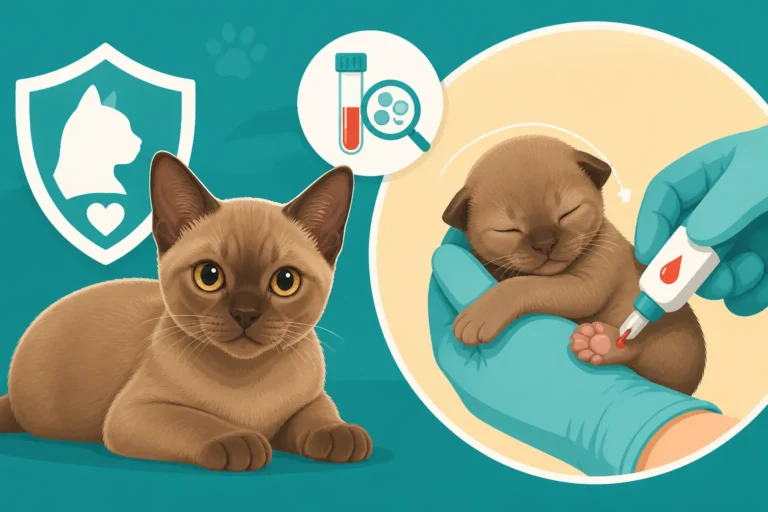
Deciding when to neuter your beloved Burmese cat can feel like a minefield, with so much conflicting advice swirling around. You want to do what’s best for their long-term health and happiness, but it’s hard to know if early neutering, or waiting a bit longer, is the right path, especially for a breed with such specific health predispositions. This comprehensive guide will cut through the noise, helping you understand the pros and cons of different neutering timelines for your Burmese companion.
Understanding Traditional Neutering Timelines and Their Rationale
For years, the recommendation for spaying or neutering cats has largely hovered around the six-month mark. This isn't just a random number; it's based on a long history of veterinary practice and a set of widely accepted benefits for feline health and behavior. It’s a standard most veterinary schools still teach, and it’s what many general practitioners will advise.
The Standard Six-Month Recommendation
The primary driver behind the six-month recommendation is straightforward: preventing unwanted pregnancies. Cats can reach sexual maturity surprisingly early, sometimes as young as four to five months, making that six-month window a crucial time to act before accidental litters become a possibility. From a public health perspective, this timing helps control feral cat populations and reduces the burden on shelters.
Beyond population control, this timeline also aims to nip certain behavioral issues in the bud. Intact male cats, driven by hormones, are notorious for spraying urine to mark territory, roaming far and wide in search of mates, and getting into fights with other cats. Similarly, intact female cats in heat can be incredibly vocal, yowling loudly and incessantly, which can be a real challenge for owners. Neutering at six months typically prevents these behaviors from becoming established habits. Think about the frustration of a gorgeous Burmese suddenly marking your favorite rug, or the sleepless nights spent listening to persistent cries for a mate – the six-month mark often preempts these headaches.
Moreover, there are significant health benefits. For female cats, spaying before their first heat cycle drastically reduces the risk of mammary cancer, which can be aggressive and life-threatening. It also eliminates the risk of pyometra, a severe uterine infection that is common in older, unspayed females and requires emergency surgery. For males, neutering removes the risk of testicular cancer entirely and can reduce the incidence of prostate issues.
Benefits of Neutering for General Cat Health and Behavior
The advantages of neutering extend well beyond simply preventing reproduction. For many cat owners, the behavioral changes are a huge relief. You’ll often find your cat becomes calmer, less prone to anxiety-driven behaviors like excessive vocalization or destructive scratching born from hormonal frustration. A neutered male is far less likely to feel the intense urge to escape your home, reducing the risk of them being hit by a car or getting into dangerous confrontations with other animals.
In multi-cat households, neutering can foster a more peaceful environment, as territorial squabbles are often mitigated. It can also significantly reduce the risk of your cat contracting serious infectious diseases like Feline Immunodeficiency Virus (FIV) and Feline Leukemia Virus (FeLV), which are frequently spread through bites during fights between intact cats. Essentially, neutering can lead to a longer, healthier, and much more harmonious life for your cat, making them an even more integrated and cherished member of the family.
Specific Considerations for the Burmese Cat and Neutering Age
While the general guidelines for neutering are helpful, the Burmese cat is a unique breed, and its specific characteristics warrant a closer look when deciding on the best timing for surgery. This isn't just about their stunning looks or their famously affectionate personalities; it's about their distinct genetic predispositions and physical development.
Burmese Growth and Development Considerations
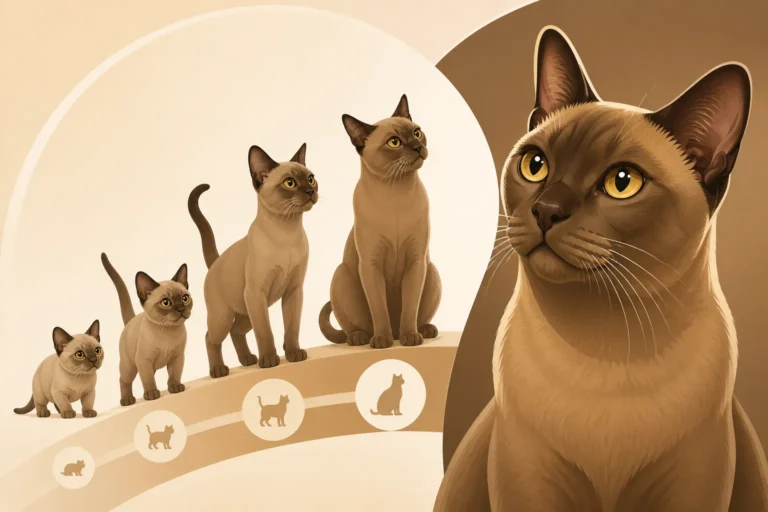
The Burmese is often described as a "brick wrapped in silk" – a testament to their surprisingly solid, muscular build despite their sleek, short coats. They are heavier than they look, with a compact, well-muscled body. This unique physicality means their skeletal development is a crucial consideration. Bones, joints, and growth plates are still maturing during a cat's first year, and sex hormones play a role in this process. Some research in dogs, and to a lesser extent in cats, suggests that removing these hormones too early could potentially influence growth plate closure, leading to slightly longer limb bones or altering joint development. While strong conclusive evidence for significant negative impacts in cats is still being gathered, it's a point of discussion among breeders and veterinarians, especially for robust breeds like the Burmese.
You’ll want your Burmese to reach its full, magnificent adult size and musculature unimpeded. Understanding how their body matures is part of ensuring their long-term orthopedic health. You can learn more about this by reading about How Big an Adult Burmese Gets and When a Burmese Reaches Full Size. While these effects are generally subtle in cats compared to large dog breeds, it's worth considering given the Burmese's athletic nature.
Behavioral Traits Influenced by Neutering in Burmese
Burmese cats are renowned for being incredibly people-oriented, often called "Velcro cats" due to their intense desire for human companionship. They thrive on interaction and are known for their playful, almost dog-like personalities. You'll often find them riding on your shoulder or snuggled under the covers with you, a truly unique and endearing trait. For more on their famous personality, check out The Burmese Is the Velcro Cat of the Cat Fancy.
The good news is that for most Burmese, neutering tends to enhance these desirable traits by reducing any hormonally-driven undesirable behaviors. An intact male Burmese might, despite his affectionate nature, feel the urge to spray or roam. A female might become excessively vocal during heat cycles, uttering a throaty rumble rather than the piercing yowl of a Siamese, but persistent nonetheless. Neutering typically alleviates these issues, allowing their inherent sweetness and playfulness to shine even brighter, uninterrupted by hormonal urges. It means less stress for both you and your cat, fostering a stronger bond built on affection rather than frustration.
The Impact of Neutering on a Burmese's Diabetes Risk
Now, here's where the Burmese cat truly stands apart in the neutering discussion: their alarming predisposition to diabetes. It's a sobering fact that neutering, particularly in male Burmese, is linked to a significantly increased risk of developing feline diabetes. This isn't a minor concern; it's a major genetic health issue for the breed. If you're wondering Why a Neutered Male Burmese Is Highest Risk, it boils down to metabolic changes post-surgery. The removal of sex hormones can lead to a slower metabolism and an increased tendency to gain weight, both of which are major risk factors for developing insulin resistance and, subsequently, diabetes.
This means that for a Burmese owner, the decision of when to neuter, and perhaps more critically, how to manage their cat's health afterwards, becomes a medical decision of paramount importance. It's not just about preventing unwanted kittens; it's about actively mitigating a known, inherited health vulnerability. Monitoring your Burmese's weight and diet becomes absolutely critical after neutering. This is not just about keeping them svelte for aesthetics; it's genuinely part of their medical care. For more on this, consider reading Why Portion Control Is Medical Care in a Burmese and Feeding a Burmese Is a Medical Decision, Not a Preference. Owners of Burmese cats often find themselves becoming experts in feline nutrition and weight management out of necessity, and it's something any prospective owner needs to be prepared for.
Health Implications: Early Versus Later Neutering in Burmese
When it comes to the Burmese, the timing of neutering isn't just a convenience; it's a decision loaded with potential long-term health implications, particularly given their unique genetic makeup. It's a balancing act, weighing the immediate benefits against possible future challenges.
Potential Long-Term Health Risks of Early Neutering
While the standard six-month neutering recommendation offers many benefits, there are ongoing discussions in the veterinary community about potential long-term risks, especially for breeds with specific anatomical or genetic predispositions. For the Burmese, one primary concern revolves around skeletal development. Hormones play a role in the closing of growth plates in bones. Neutering before these plates fully close could theoretically lead to slightly different bone growth patterns. While concrete, breed-specific studies for Burmese cats are limited, the general concern in other species has led some to advocate for waiting until a cat is closer to full skeletal maturity, perhaps 9-12 months. This allows the natural hormonal processes to complete their course, potentially supporting optimal bone and joint development.
However, the most significant risk associated with neutering in Burmese cats isn't orthopedic, but metabolic: obesity and, subsequently, diabetes. Neutering almost inevitably leads to a slower metabolism. This means a neutered Burmese needs fewer calories to maintain a healthy weight. If their diet isn't adjusted immediately and strictly, weight gain is practically guaranteed. For a breed that is already genetically predisposed to diabetes – with studies showing them Why a Burmese Is Four Times More Likely to Become Diabetic than other breeds – this metabolic shift is a massive concern. A few extra pounds on a Burmese can dramatically increase their risk of developing this chronic condition. This is a critical point when considering How Much Weight Raises a Burmese's Diabetes Risk.
While less common, some anecdotal reports and older studies have also pondered links between early neutering and certain urinary tract issues or behavioral changes that manifest later in life, though scientific consensus is often mixed and the evidence less robust for cats compared to dogs. Still, for owners seeking to minimize any potential risk, these discussions are part of the larger consideration.
Advantages of Waiting for Later Neutering
For those considering waiting until a Burmese is a bit older – perhaps 9 to 12 months – the primary advantage is allowing the cat to reach full physical maturity with the natural influence of sex hormones. This means theoretically optimized skeletal development, ensuring bones and joints have reached their full potential before hormonal influences are removed. For a breed as robust and muscular as the Burmese, allowing this natural development could be seen as beneficial for their overall physical soundness.
Furthermore, a slightly delayed neutering might allow owners to establish solid dietary habits and accurately assess their cat's mature caloric needs before the metabolic shift post-surgery. This could give them a head start on preventing the weight gain that so often leads to diabetes. However, it's crucial to acknowledge the significant trade-offs with this approach. Waiting longer increases the risks of accidental litters, the development of ingrained undesirable behaviors like spraying or persistent calling, and the potential for mammary tumors or pyometra in females. It's a delicate balance, and the "sweet spot" will vary depending on your individual cat, your living situation, and your tolerance for these increased risks.
Managing Diabetes Risk Post-Neutering
Regardless of when you decide to neuter your Burmese, managing their diabetes risk must become a central part of their long-term care plan. This is not optional; it's a lifeline. The moment your Burmese is neutered, especially if it's a male, you must assume an increased susceptibility to diabetes. This requires unwavering vigilance regarding their diet and weight. You need to be deeply familiar with How Diabetes Develops in a Burmese to recognize early warning signs.
The cornerstone of this management is a strictly controlled, low-carbohydrate, high-protein wet food diet. Free-feeding dry kibble is practically an invitation for diabetes in this breed. Every meal should be weighed, not scooped, to ensure precise caloric intake. Regular weekly weight checks at home are non-negotiable, allowing you to catch any upward creep in weight before it becomes problematic.
| Factor | Early Neutering (e.g., 4-6 months) | Later Neutering (e.g., 9-12 months) |
|---|---|---|
| Pros | Prevents unwanted litters earlier, reduces roaming/spraying, lower risk of mammary tumors/pyometra, less chance of marking habits. | Allows for full skeletal maturity, potential for better metabolic stability before hormonal changes. |
| Cons (Burmese Specific) | Potentially higher diabetes risk due to early metabolic shift, theoretical influence on growth plates. | Increased risk of unwanted litters, established spraying/roaming behaviors, higher risk of mammary tumors (if waiting past first heat). |
| Behavioral Impact | Typically prevents development of hormone-driven unwanted behaviors. | May require behavior modification if spraying/roaming habits are already established. |
| Weight Management | Immediate and stringent dietary control crucial to prevent weight gain and diabetes. | Still crucial, but cat may have more fully developed and settled before metabolic changes. |
| Health Monitoring | Vital to start glucose checks earlier in life; consider insurance early. | Still vital for diabetes, but other risks like pyometra increase if female. |
It's also highly advisable to consider pet insurance, like a policy from Healthy Paws, well before any signs of illness appear. Many insurance providers, including Healthy Paws, consider diabetes a pre-existing condition if diagnosed before the policy is in place. So, getting coverage early means you might be financially protected if your Burmese does develop diabetes later. You can delve deeper into this by understanding Whether a Burmese Policy Is Worth It Once Diabetes Is Excluded and Why Insurers Write Diabetes Out of a Burmese Policy.
Making the Right Choice for Your Burmese
The decision about when to neuter your Burmese cat is deeply personal and should be approached with careful thought, not just blanket adherence to general guidelines. It involves understanding your cat, your lifestyle, and the specific predispositions of this wonderful breed.
Consulting with Your Veterinarian and Breeder
The first and most critical step in making an informed decision is to have an in-depth conversation with both your veterinarian and your Burmese breeder. Your vet, especially one experienced with the Burmese breed, can provide invaluable insights tailored to your cat's individual health status, growth trajectory, and any subtle indicators they might observe. Don't hesitate to ask specific questions about the metabolic risks for Burmese cats and their recommendations for managing weight post-surgery. They can guide you through the latest research and best practices.
Equally important is consulting with your breeder. A responsible Burmese breeder will be transparent about their lines' health history, including any prevalence of diabetes. They are intimately familiar with the genetic predispositions of the breed and can offer advice based on generations of experience. Ask them about their typical neutering age recommendations and why. A good breeder also ensures they follow responsible breeding practices, which includes knowing What a Burmese Breeder Must Test Before Any Mating. Their insights, combined with your vet's medical expertise, form a powerful knowledge base for your decision-making.
Weighing the Individual Cat's Needs
While breed-specific information is essential, remember that every cat is an individual. Factors unique to your home and your Burmese should also play a role in your decision. For instance, is your Burmese an indoor-only cat, or does it have supervised outdoor access? Are there other intact animals in your home or neighborhood? Does your kitten show signs of reaching sexual maturity earlier than expected? Has their growth been particularly fast or slow?
Consider your cat's temperament. While Burmese are generally known for their affectionate and adaptable nature, some individuals might develop undesirable hormonal behaviors more intensely or earlier than others. If you're dealing with early spraying, intense roaming attempts, or persistent vocalizations, earlier intervention might be necessary to ensure peace in your home and prevent these behaviors from becoming ingrained. Companies like Healthy Paws can offer peace of mind for unexpected vet visits, helping you focus on your cat's individual needs without added financial stress.
Proactive Health Management Beyond the Surgery
Ultimately, the exact timing of neutering, whether it's at six months or a little later, often matters less than the commitment to proactive health management that follows. Neutering is not a "fix-it-and-forget-it" procedure, especially for a Burmese. It marks the beginning of a heightened focus on preventing diabetes and other age-related health issues.
This means a lifelong commitment to precise portion control, a high-quality, low-carbohydrate diet, and regular exercise to maintain an ideal weight. Weekly weigh-ins at home will become a routine, and regular veterinary check-ups are paramount. From around seven years of age, you should expect your vet to recommend annual glucose screenings for your Burmese, as this is when the risk of diabetes really starts to climb. Learning Why a Burmese's Glucose Should Be Checked From Seven is an important step in their preventative care.
Beyond diabetes, remember that Burmese cats are also prone to other conditions, such as gum disease. Regular dental care, including home brushing and professional cleanings, will be crucial. Understanding Why a Burmese Is Prone to Gum Disease can help you stay ahead of potential issues. By integrating these practices into your daily life, you are setting your Burmese up for the longest, healthiest, and happiest life possible, no matter when they were neutered. Having a robust pet insurance plan, such as one from Healthy Paws, can also significantly ease the financial burden of these ongoing wellness checks and any unforeseen health challenges that may arise throughout your Burmese's life.
Disclaimer
This article is intended for informational purposes only and does not constitute veterinary advice. Always consult with a qualified veterinarian for any health concerns or before making any decisions about your pet's care.