Why Burmese Premiums Sit Above a Siamese’s
It's incredibly frustrating when you're trying to do the responsible thing by insuring your beloved feline, only to find that the premiums for your Burmese are significantly higher than for, say, a Siamese. You're left wondering if it's fair, or if you're missing something crucial about why these costs are so different. It often feels like you're being penalized just for loving a particular breed. This guide is here to shed light on exactly why Burmese cat insurance premiums tend to sit above those for a Siamese, diving into the unique health and behavioral aspects that insurers take into account.
Understanding the Factors Behind Pet Insurance Premiums
When an insurance company calculates your pet's premium, they're essentially assessing risk. They look at the likelihood of your cat needing expensive veterinary care over its lifetime. For different breeds, this risk profile can vary wildly, and that's where the Burmese often finds itself in a higher-cost bracket compared to other breeds, even one as well-known as the Siamese.
Breed-Specific Health Risks
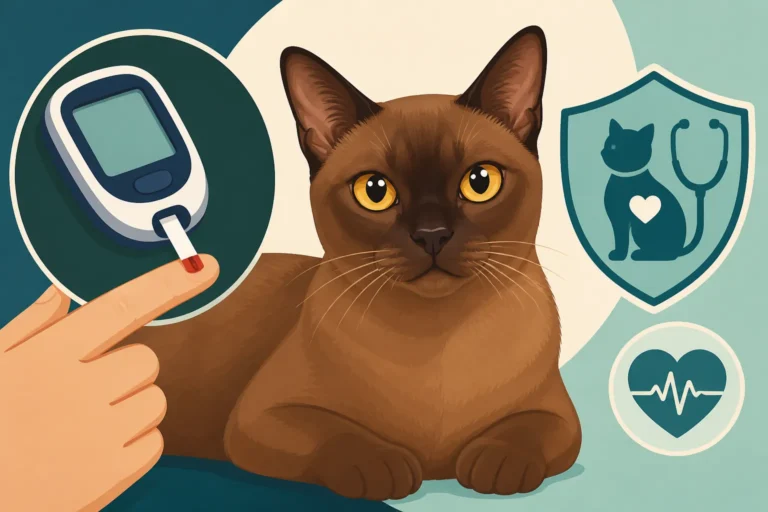
The truth is, Burmese cats, as wonderful and affectionate as they are, come with a handful of well-documented health predispositions that can lead to significant veterinary expenses. The most prominent of these is diabetes mellitus. It's not just a casual risk; studies have shown that Burmese cats have a significantly higher incidence rate of diabetes than many other breeds. How Much Higher the Burmese Diabetes Rate Really Is This isn't just a minor issue; managing diabetes involves ongoing costs for insulin, needles, veterinary check-ups, and specialized diets. A diagnosis often means a lifetime of dedicated care, which translates directly into higher claims for an insurer.
Beyond diabetes, Burmese cats also have a genetic predisposition to hypokalemia, sometimes known as Burmese hypokalemic periodic paralysis. This condition involves episodes of muscle weakness, often severe enough to cause them to be unable to lift their heads or walk properly. While many kittens may outgrow severe episodes, the potential for these sudden, distressing collapses and the need for immediate veterinary intervention and potassium supplementation can be very costly. Hypokalemia Is the Burmese Disease With a DNA Test Then there are dental issues; Burmese are notorious for receding gums and early tooth loss, often requiring multiple professional dental cleanings under anesthesia throughout their lives, a procedure that is far from inexpensive. Why a Burmese Is Prone to Gum Disease
Genetic Predispositions and Testing
The very existence of specific genetic tests for certain Burmese conditions plays a role in how insurers view the breed. For instance, the DNA test for hypokalemia, which identifies carriers of the WNK4 mutation, means that breeders can and should screen their breeding stock. What the WNK4 Mutation Does in a Burmese While this is fantastic for responsible breeding practices, it also highlights to insurers that these conditions are prevalent enough to warrant specific genetic investigation. If a cat is purchased without these clear genetic health certifications, the insurer might view it as an elevated risk.
This isn't about blaming the breed; it's about the reality of genetic inheritance. When a breed has a known, identifiable genetic marker for a serious condition, insurers factor in the cost of potential diagnosis and long-term management. They understand that while a genetic test might prevent some cases, the overall breed still carries a higher statistical risk compared to breeds without such high-incidence genetic issues. This informed risk assessment, based on years of veterinary data, is a primary driver behind the higher premiums.
The Burmese Lifestyle and Its Impact on Insurance
It's not just genetics that influence insurance premiums; a cat's typical behavior and lifestyle also play a significant role. The Burmese, with its incredibly social and demanding nature, presents a unique set of considerations for insurers that differ from many other breeds.
Social Needs and Anxiety
The Burmese is famously known as the "Velcro cat" of the cat fancy for a reason – they absolutely thrive on human companionship and can struggle immensely if left alone for extended periods. This isn't just a personality quirk; it can have tangible health consequences. A lonely Burmese can develop severe separation anxiety. What Separation Anxiety Looks Like in a Burmese This anxiety can manifest in destructive behaviors, inappropriate urination, overgrooming to the point of skin irritation, or even a suppressed immune system due to chronic stress. All of these can lead to vet visits, medication, and sometimes even behavioral therapy, adding up to costs that an insurer might have to cover.
When a Burmese is unhappy due to a lack of companionship, it can often become withdrawn or even stop eating. Why a Burmese's Appetite Goes When It Is Unhappy While these might seem like minor behavioral issues, they can quickly escalate into serious health problems if not addressed, further increasing the risk of claims for the insurance provider. This intense need for interaction means that owners of a single Burmese often find themselves in a challenging situation if their lifestyle requires them to be away from home for long stretches. Why a Burmese Cannot Be Left Alone All Day
Indoor vs. Outdoor Risks
Generally speaking, a responsible Burmese owner understands that these affectionate, trusting cats are best kept indoors for their safety. Their lack of natural caution and their eagerness to greet strangers make them highly vulnerable if allowed to roam freely. However, while an indoor lifestyle reduces risks like traffic accidents, fights with other animals, or exposure to diseases from other cats, it doesn't eliminate all risk. The fact that the breed is so trusting means that if they ever do slip out, their chances of being stolen or following a stranger home are higher than for a more wary or aloof cat.
Insurers also factor in general cat risks, regardless of whether a cat is strictly indoors. Accidents can happen inside the home, from falls to ingesting foreign objects. While an indoor Burmese mitigates some risks, the underlying predisposition to certain health issues combined with the potential for behavioral issues if their intense social needs aren't met still places them in a higher risk category from an insurer's perspective. The cost of owning two Burmese cats, as often recommended, might be higher initially, but can actually reduce stress-related vet bills in the long run by providing constant companionship. Why Two Burmese Cost Less Than One Anxious One
Comparing Burmese and Siamese Risk Profiles
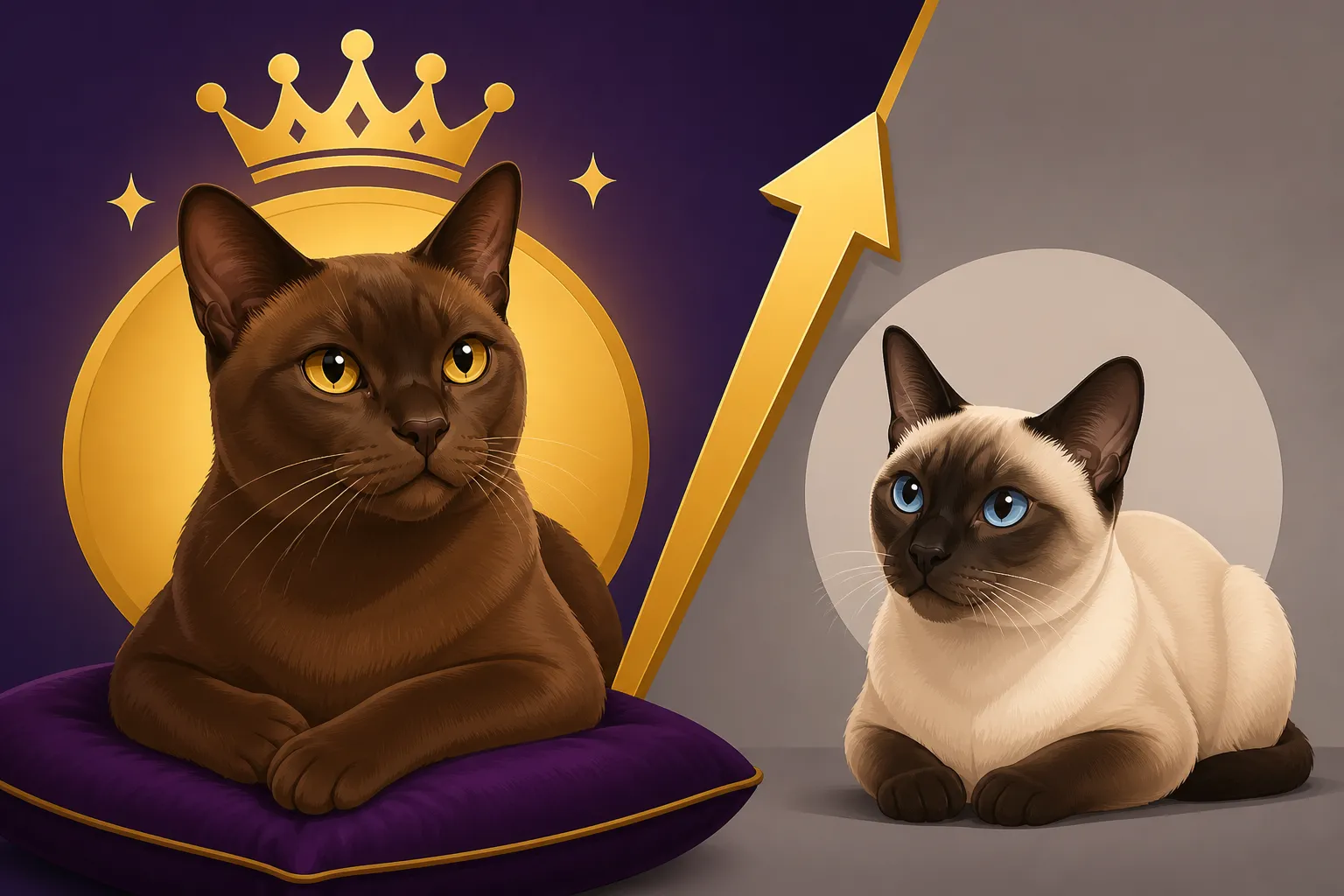
To truly understand why Burmese premiums are higher, it helps to look at them in direct comparison to a breed like the Siamese. Both are incredibly intelligent, vocal, and social, but their inherent health and behavioral tendencies diverge in ways that impact insurance valuations.
Siamese Health Overview
The Siamese is a strikingly beautiful and long-lived breed, generally known for its robust health. While they can be prone to certain conditions, such as some forms of amyloidosis (though less prevalent than in some other breeds), and may have sensitive stomachs, they don't carry the same high-incidence, costly metabolic and genetic conditions seen in the Burmese. Siamese cats are typically lean, active, and less prone to obesity, which is a significant factor in diabetes risk. Why a Burmese Is Four Times More Likely to Become Diabetic Their longevity and generally healthy constitution mean that while they'll certainly need routine vet care and may face age-related issues, the probability of them developing a chronic, expensive disease like diabetes or requiring emergency care for hypokalemic episodes is significantly lower.
While the Siamese can be prone to certain forms of cancer (like mediastinal lymphoma) and some specific dental issues (though not always as severe as the Burmese's rapid gum recession), these are not viewed as widespread, high-cost liabilities across the entire breed population in the same way diabetes is for the Burmese. Insurers, therefore, see a Siamese as a statistically lower risk for major veterinary claims compared to their Burmese cousins.
Behavioral Nuances and Vet Visits
Both breeds are highly interactive, but their expressions of affection and independence can differ. A Siamese is very vocal and will certainly let you know if something is amiss, often with a loud, distinctive "meezer" cry. This can be beneficial from a health perspective, as a Siamese is less likely to suffer in silence. Their complaints often prompt earlier vet visits, potentially leading to quicker diagnoses and less severe, therefore less expensive, interventions.
The Burmese, on the other hand, is a master of hiding illness behind its affectionate nature. They might still curl up in your lap, purring, even when they're feeling unwell, making it harder for an owner to spot subtle signs of discomfort or disease. Why a Burmese Hides Illness Behind Its Affection This stoicism can delay diagnosis, meaning a condition might be more advanced and require more intensive, costly treatment by the time it's discovered. Why a Burmese That Stops Following You Is Unwell Their constant need for interaction, if not met, can lead to stress, which can suppress the immune system and make them more susceptible to other ailments. These subtle behavioral differences can add another layer of risk, and thus cost, from an insurance perspective.
Practical Implications for Burmese Owners
Understanding why Burmese premiums are higher is only half the battle. As a Burmese owner, you need to navigate the world of pet insurance strategically to ensure your beloved companion gets the best care without breaking the bank.
When to Insure Your Burmese
Given the Burmese's known predispositions, insuring them as early as possible is absolutely critical. Most pet insurance policies have waiting periods before coverage for certain conditions begins, and crucially, they exclude pre-existing conditions. If your Burmese develops diabetes, hypokalemia, or significant dental disease before you enroll them or before the waiting period ends, those conditions (and any related care) will likely not be covered. This is why many experienced Burmese owners advise getting a policy in place when your cat is a kitten. Why to Insure a Burmese Before It Turns Seven
Think about the long-term financial implications. A condition like diabetes can cost thousands of dollars a year in insulin, needles, special food, and vet visits. While Healthy Paws and other reputable insurers can provide peace of mind, that peace only comes if you're proactive. Starting early means that if your Burmese is diagnosed with a breed-specific condition later in life, you'll have coverage, making the overall cost of care much more manageable. What Diabetes Costs a Burmese Owner a Year
Navigating Policy Exclusions
It's a harsh reality, but some insurance policies may have breed-specific exclusions, or they might impose higher deductibles or lower maximum payouts for conditions known to affect the Burmese. Specifically, diabetes is a big one. You might find that some insurers explicitly write out diabetes coverage for Burmese cats, or offer it with significantly higher premiums or caveats. Why Insurers Write Diabetes Out of a Burmese Policy This makes it essential to read the fine print of any policy before committing. Don't just look at the monthly premium; dig into what's covered, what the deductibles are, and what the annual limits are for common Burmese ailments.
Consider looking for policies that offer strong coverage for chronic conditions and dental care. When comparing options, explicitly ask about coverage for diabetes, hypokalemia, and ongoing dental treatments. While it might seem like a lot of homework, understanding these details upfront will save you from major financial heartache down the road. Shopping around can help manage the cost of specialized diets or supplies once a condition is diagnosed, but insurance is your first line of defense against the veterinary bills themselves.
Considering Contextual Brands
When it comes to managing the health and well-being of your Burmese, particularly with their predispositions, it's worth considering how various brands and services can support your efforts. For pet insurance, thoroughly research providers like Healthy Paws to compare their coverage plans, waiting periods, and exclusions specific to breed-related conditions. Remember, finding the right policy can make a world of difference if your Burmese does develop a chronic condition.
Beyond insurance, managing a Burmese's health often involves careful dietary choices. For a breed prone to diabetes, a low-carbohydrate, high-protein wet food diet is often recommended, both for prevention and management. Why Low Carbohydrate Food Matters for a Burmese Companies like Chewy offer a vast selection of prescription and specialized cat foods that fit these nutritional requirements, often at competitive prices and with convenient delivery options. Similarly, fresh food providers might offer tailored meal plans that prioritize high-quality protein and controlled carbohydrates, which can be beneficial for a diabetes-prone cat. While these food costs are part of routine care, selecting the right nutrition can significantly impact your Burmese's long-term health and potentially reduce the severity or onset of certain conditions, indirectly helping manage overall costs. Feeding a Burmese Is a Medical Decision, Not a Preference
Cost Comparison: Burmese vs. Siamese Insurance Factors
Here's a quick overview of how the factors typically stack up when insurers consider premiums for Burmese and Siamese cats:
| Factor | Burmese Cat | Siamese Cat | Impact on Premium (Relative) |
|---|---|---|---|
| Diabetes Risk | Significantly higher prevalence | Generally lower | High (Burmese higher) |
| Hypokalemia Risk | Known genetic predisposition, test available | Not a known breed-specific risk | Moderate (Burmese higher) |
| Dental Disease | Prone to severe gum recession, early tooth loss | Can have dental issues, but often less severe or early onset | Moderate (Burmese higher) |
| Separation Anxiety | High potential if left alone, leading to stress-related issues | Generally social, but often more independent | Low-Moderate (Burmese higher) |
| Hidden Illness | Tends to hide symptoms, delaying diagnosis | Vocal, often prompts earlier vet visits | Low (Burmese higher) |
| Overall Genetic Load | Specific, high-cost conditions identified | Fewer widespread, high-cost genetic conditions | High (Burmese higher) |
| Typical Vet Care | Potentially more specialized care for chronic conditions | More focused on general health and aging | Moderate (Burmese higher) |
Disclaimer
This article is for general informational purposes only and does not constitute professional advice. Laws, prices and regulations vary by location and change over time. Consult a qualified professional for guidance on your specific situation.