How Many Hours Alone a Burmese Tolerates
It's a common dilemma we Burmese cat parents face: we adore our affectionate, shadow-like companions, but life often calls us away for hours at a time. The worry gnaws at us—are they truly okay alone? Unlike many other felines who are perfectly content to snooze their day away in quiet solitude, a Burmese has a unique and profound need for companionship, and understanding just how much time they can realistically tolerate on their own is crucial for their well-being and your peace of mind. This guide will delve deep into the Burmese cat's social requirements, help you identify the subtle and not-so-subtle signs of loneliness, and provide actionable strategies to ensure your beloved cat thrives, even when you can't be by their side every minute.
The Burmese: A Cat That Craves Company
If you've ever owned a Burmese, you know they're not just "a cat." They're a furry, purring, highly interactive family member who often prefers your company to their own. This isn't just a quirky trait; it's deeply ingrained in their very nature, making them one of the most companion-dependent breeds in the cat fancy. Their need for interaction and connection isn't something to be ignored or underestimated, as it fundamentally shapes their happiness and behavior.
Why the "Velcro Cat" Nickname Isn't an Exaggeration
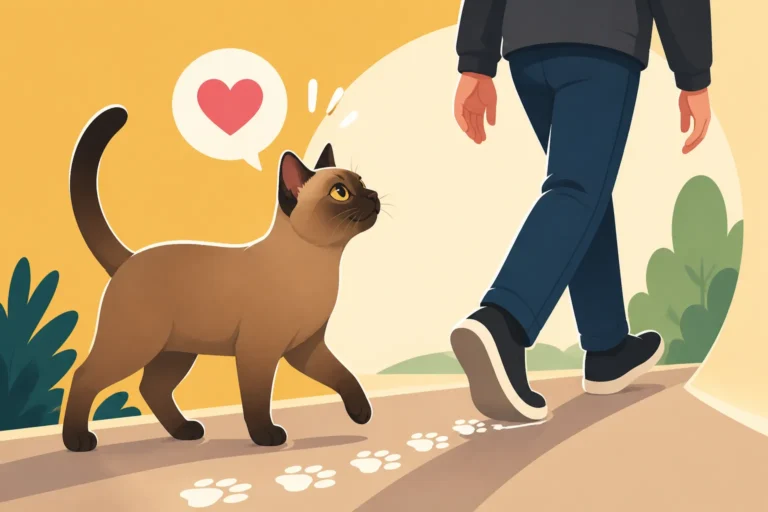
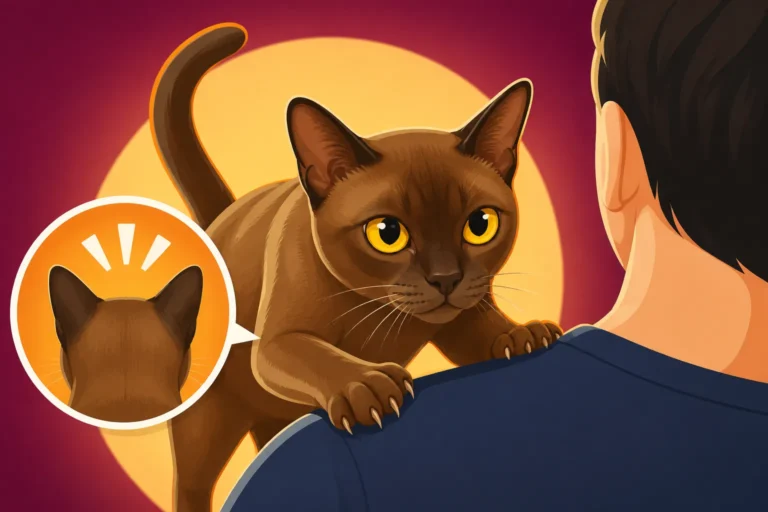
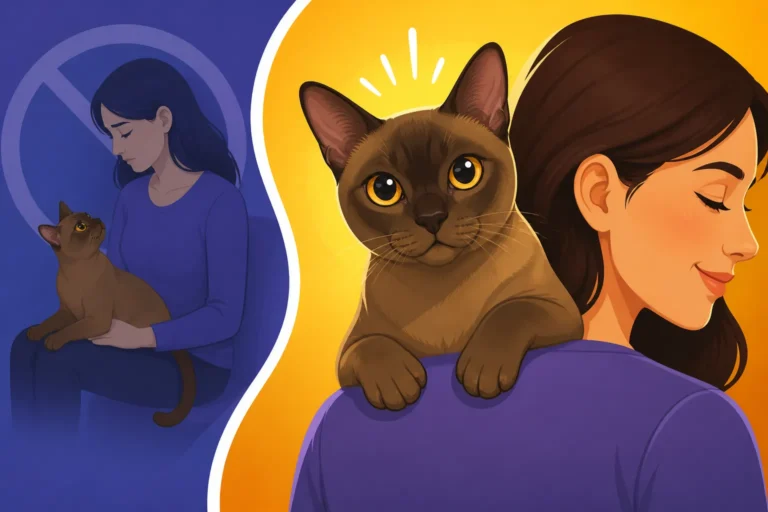
The term "Velcro cat" might sound cute, but for a Burmese, it's an incredibly accurate description. These cats are known for their unwavering devotion and their desire to be involved in every aspect of your life. Whether you're cooking dinner, working on your computer, or simply relaxing on the couch, your Burmese will likely be right there, often perched on your shoulder, draped across your lap, or weaving through your legs. They don't just tolerate human presence; they actively seek it out and thrive on it. This constant physical and emotional proximity is what truly makes them feel secure and loved.
This level of attachment is far more intense than what you'd typically see in many other cat breeds. A Maine Coon might enjoy a good cuddle, and a Siamese will certainly chat your ear off, but the Burmese takes it to another level entirely, often following you from room to room with an almost dog-like loyalty. They truly want to be part of the action, whatever that action might be. This innate desire for constant interaction is why leaving them alone for extended periods can be such a profound challenge for the breed, impacting their emotional state far more deeply than it would a more independent feline.
Beyond Just Wanting Attention: The Deeper Need for Connection
It's easy to dismiss a cat's constant presence as simply "attention-seeking," but for a Burmese, it goes much deeper. Their need stems from a genuine desire for connection, a bond that provides comfort, security, and mental stimulation. This isn't about being pampered; it's about feeling intrinsically linked to their human companions. They are highly intelligent and empathetic creatures, capable of forming incredibly strong attachments, and these attachments are vital to their emotional well-being.
Historically, the Burmese breed's development emphasized their affectionate nature. The very first Burmese cat, Wong Mau, who arrived in the US in the 1930s, was quickly recognized for her unique personality as much as her striking appearance. Dr. Joseph Thompson, who founded the breed, observed her incredibly friendly and people-oriented disposition, which became a defining characteristic passed down through generations. The Burmese Began With One Cat Called Wong Mau This deep-seated need for interaction means they genuinely miss you when you're gone, rather than simply being annoyed by your absence. It's an emotional void that can be difficult for them to fill on their own, setting them apart from many of their feline cousins who might greet your return with a casual blink.
How Many Hours is Too Many? Unpacking the Loneliness Threshold
Understanding the "how long" question for a Burmese isn't about setting an arbitrary number, but rather about recognizing their inherent limits and how various factors can stretch or shrink that tolerance. There's a big difference between an occasional long day and a consistent pattern of extended solitude.
The Absolute Limit: When Alone Time Becomes Detrimental
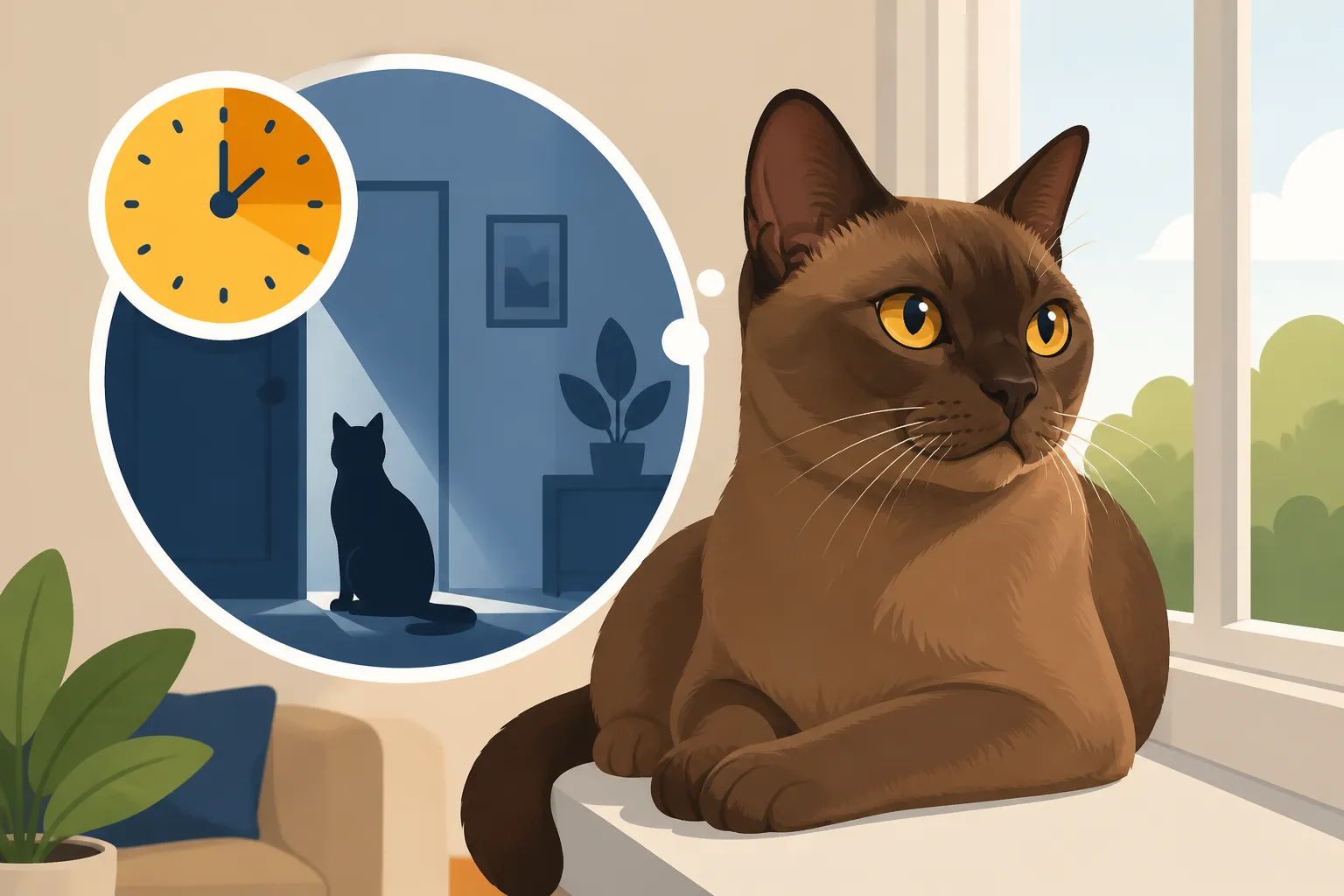
Realistically, for an adult Burmese cat, consistently being left alone for more than 8-10 hours a day can begin to have a noticeable, negative impact on their well-being. This isn't to say an occasional longer stretch, like a 12-hour workday, will cause irreparable harm, but it should be the exception, not the rule. Think of it from their perspective: they wake up, they look for you, and you're simply not there. The silence stretches, the opportunities for interaction are zero, and their ingrained need for company goes unmet.
The problem compounds when this becomes their daily reality. A Burmese thrives on routine and interaction. When that routine primarily consists of long periods of isolation, they can start to exhibit signs of stress, anxiety, and even depression. It’s not just boredom; it’s a profound sense of missing their main source of comfort and engagement. While some cats might simply sleep through such a day, a Burmese is more likely to pace, vocalize excessively, or develop unhealthy coping mechanisms. They simply aren't built for prolonged periods of self-entertainment, especially if they are your only pet.
Factors Influencing a Burmese's Tolerance for Solitude
Several factors can influence how well a Burmese tolerates being alone, and it’s important to consider all of them when evaluating your household's situation.
Firstly, age plays a significant role. A young Burmese kitten, especially during its first year, requires almost constant interaction and supervision. They are still learning about the world, developing their personality, and solidifying their bond with you. Leaving a kitten alone for more than a few hours can hinder their social development and cause severe anxiety. A Burmese Kitten's First Year of Never Being Alone Similarly, a senior Burmese, perhaps over the age of twelve, might also struggle with extended solitude. While they may sleep more, their cognitive functions can decline, making them more prone to confusion or distress if left without their familiar human presence. What a Burmese Is Still Doing at Twelve An adult Burmese between these stages might have a slightly higher tolerance, but still nowhere near that of a truly independent cat.
Another critical factor is the environment and enrichment available. A bland, quiet house with no toys or mental stimulation will exacerbate loneliness. Conversely, a home with engaging window perches, puzzle feeders, and a rotation of interactive toys can make alone time more bearable. However, even the best toys are a poor substitute for genuine human (or feline) interaction. Lastly, and perhaps most importantly, is whether your Burmese has a companion. A second cat, especially another equally social breed, can make an enormous difference, providing the constant company and play that your Burmese craves. We’ll delve more into that soon, but it truly is a game-changer for many owners.
| Factor | High Tolerance (Longer Alone Time) | Low Tolerance (Shorter Alone Time) |
|---|---|---|
| Number of Cats | Two or more social cats | Single Burmese cat |
| Age of Cat | Healthy adult (2-7 years) | Kitten (<1 year), Senior (>12 years) |
| Temperament | Exceptionally rare independent Burmese | Typical "Velcro" Burmese |
| Home Environment | Richly enriched, views, puzzle toys | Sparse, quiet, few stimulating items |
| Owner Schedule | Variable, shorter absences, WFH days | Predictable, long daily absences |
| Pre-Absence Play | Extended, vigorous play session before leaving | No dedicated play before leaving |
The Unmistakable Signs of a Lonely Burmese
Your Burmese can't tell you in words that they're feeling lonely, but they will certainly communicate it through their actions and even their physical state. As their primary caregiver, learning to read these signals is vital. Ignoring them won't make the problem go away; it will only allow stress and anxiety to fester, potentially leading to more serious issues.
Behavioral Cues: When Your Burmese Is Crying for Help
One of the most common ways a lonely Burmese expresses their distress is through destructive behaviors. You might come home to scratched furniture that was previously untouched, or find objects knocked off shelves that your cat usually leaves alone. This isn't maliciousness; it's often a desperate attempt to burn off pent-up energy, relieve anxiety, or simply get a reaction when you finally return. Imagine the frustration of an intelligent, active animal with no outlet for their social needs. What a Burmese Does to a House It Is Left In They might chew on fabrics, shoes, or even household plants, seeking sensory input to cope with their boredom and solitude.
Excessive vocalization is another huge indicator. While Burmese cats are known for their distinct, raspy rumble, a lonely cat might take this to extremes. Instead of their usual "hello" greeting, you might hear prolonged, mournful cries or insistent meows that don't stop even when you're home. How Often a Burmese's Rasp Is Heard in a Day This isn't just about demanding attention; it's a cry of distress, a protest against the silence and absence they've endured. Additionally, you might notice changes in their litter box habits. While medical issues should always be ruled out first, inappropriate urination or defecation outside the litter box can sometimes be a sign of extreme stress or protest against being left alone. It's a clear signal that something in their environment, or their emotional state, is severely out of balance.
Physical Manifestations: Stress Taking a Toll
The emotional toll of loneliness can also manifest physically in a Burmese, sometimes in very subtle ways that are easy to miss if you're not paying close attention. One tell-tale sign is over-grooming, often to the point of creating bald patches or skin irritation. A stressed Burmese might excessively lick or chew at their fur, typically on their belly, inner thighs, or paws, as a self-soothing mechanism. Why a Lonely Burmese Pulls Its Satin Coat Out This can lead to fur loss and even skin infections if not addressed. It’s a sad sight to see their beautiful satin coat marred by anxiety-induced habits.
Changes in appetite are another critical warning sign. A lonely or stressed Burmese might suddenly become a picky eater, refusing food they usually enjoy, or conversely, they might overeat as a form of comfort, leading to unhealthy weight gain. Why a Burmese's Appetite Goes When It Is Unhappy Either extreme warrants attention. Furthermore, a general lethargy or withdrawal, which is highly unusual for such an outgoing and playful breed, can signal underlying distress. If your typically vibrant, curious Burmese starts to seem subdued, less interested in play, or even hides away more than usual, it's a red flag. Why a Burmese That Stops Following You Is Unwell They are masters at masking illness, but prolonged emotional discomfort can break through their stoic facade. These physical symptoms are your cat's way of telling you that their environment, particularly the amount of time they spend alone, is negatively impacting their health.
Strategies for Minimizing Alone Time and Maximizing Happiness
Recognizing the problem is the first step; taking action is the crucial next. If your Burmese is struggling with solitude, there are several effective strategies you can implement to dramatically improve their quality of life. These aren't just temporary fixes; they are long-term commitments to nurturing their social needs.
The Power of a Companion: Why Two Burmese Are Better Than One
This is, hands down, the most impactful solution for a lonely Burmese: get them a companion. Burmese breeders almost universally recommend selling kittens in pairs for this very reason. Why Burmese Breeders Sell Them in Pairs Another Burmese is ideal because they share the same intense need for companionship and active play. They'll chase each other, wrestle, groom each other, and most importantly, they'll always have someone there. This mutual companionship can alleviate much of the anxiety and boredom that a single Burmese experiences when left alone. Imagine the difference between staring at an empty room all day and having a playmate to share adventures with.
Bringing home a second cat isn't just about providing physical presence; it’s about fulfilling their innate social drives. Two cats can entertain each other in ways no human can, and they provide comfort and security when you're away. It's an investment that pays dividends in reduced behavioral problems and a happier, healthier home. Why Two Burmese Cost Less Than One Anxious One While introducing a new cat requires patience and careful planning, the long-term benefits for your original Burmese are immense. They learn from each other, play together, and provide that crucial constant companionship that prevents the deep loneliness this breed is so susceptible to.
Environmental Enrichment: Making Solo Hours More Bearable
While no toy can replace a living companion, a thoughtfully enriched environment can make a significant difference for a Burmese who must spend some time alone. Think about stimulating all their senses. Tall cat trees or wall-mounted perches provide vertical space, allowing them to survey their territory from a height, which many cats find comforting. Window perches where they can watch birds or squirrels are also fantastic, offering hours of passive entertainment. You can find a wide variety of sturdy cat trees and window beds on Amazon.
Interactive toys are also essential. Puzzle feeders, which dispense treats or kibble only when manipulated, can keep their intelligent minds engaged and slow down fast eaters, which is a bonus for a breed prone to diabetes. You can browse many different types of puzzle feeders on Amazon. Rotating their toys regularly prevents boredom; what was exciting last week might be old news today. Automated toys that move or light up can offer bursts of activity. Lastly, ensure they have plenty of scratching posts and surfaces, both vertical and horizontal, to satisfy their natural urge to scratch and keep their claws healthy. Even turning on a cat-specific TV channel or leaving a radio on softly can provide some auditory stimulation, breaking up the oppressive silence of an empty house. These measures won't cure loneliness, but they can certainly ease the burden.
The Human Element: Quality Over Quantity
Even if your Burmese has a companion, your interaction remains paramount. When you are home, make that time count. Instead of just passively coexisting, actively engage with your cat. Schedule dedicated playtime before you leave for work and immediately when you return. Fifteen to twenty minutes of vigorous play with a wand toy can burn off energy, reduce stress, and strengthen your bond. How Many Play Sessions a Burmese Asks For This signals to your cat that even though you were gone, you are now fully present and engaged.
Physical affection is also non-negotiable for a Burmese. These cats crave closeness. Spend time petting them, holding them, and letting them sit on your lap or shoulder. Why a Burmese Pushes Its Face Into Your Palm Even simply acknowledging them with a gentle stroke or a kind word as you move through the house makes a difference. Establish routines: feeding times, play times, and cuddle sessions at predictable moments can provide a sense of security and predictability, helping them feel less anxious about your absences. Your consistent presence and loving interactions when you are there are powerful antidotes to the potential loneliness they might feel when you're not.
When "Alone" Isn't Really Alone: Other Companionship Options
Sometimes, despite our best efforts, life throws us a curveball. Longer trips, unexpected emergencies, or even just particularly demanding workdays mean our Burmese might face extended periods without their preferred human or feline companions. In these situations, having a reliable support system in place is not just helpful—it's absolutely essential.
Pet Sitters and Drop-in Visits: A Crucial Backup Plan
For those times when you simply cannot be home for your usual schedule, a trusted pet sitter is an invaluable resource. This isn't just about feeding your cat; it's about providing crucial social interaction. A good pet sitter will not only refresh food and water and clean the litter box, but they will also spend quality time with your Burmese, engaging in play, offering cuddles, and simply being a warm, comforting presence. For a Burmese, a quick drop-in might not be enough; they truly benefit from sitters who can spend at least 30-60 minutes per visit, twice a day, especially if they are your only cat. Why a Burmese Sitter Has to Come Twice a Day
The consistency of a familiar sitter coming to your home can greatly reduce stress, as your cat remains in their known environment. It’s far less disruptive than boarding them, which can be highly anxiety-inducing for such a sensitive and home-loving breed. When looking for a sitter, seek out recommendations from fellow Burmese owners or your vet. Ask specific questions about their experience with highly social breeds and their approach to interactive care, not just basic tasks. Ensuring your Burmese has human interaction even when you're away is paramount, and a dedicated pet sitter provides that peace of mind.
Compatible Other Pets: Beyond Just Another Cat
While another Burmese is often the ideal companion, sometimes life circumstances or availability mean a different type of pet might be the solution. Many Burmese cats get along famously with dogs, especially gentle, cat-friendly breeds. A dog that is calm and accepting of a cat's affection can provide a wonderful sense of companionship for a Burmese, often becoming a snuggle buddy and a playmate. Why a Burmese Curls Up Against a Dog It’s not uncommon to see a Burmese curled up against a Golden Retriever or a Cavalier King Charles Spaniel, soaking up their warmth and company.
If another cat is an option, consider breeds known for their equally social and affectionate natures. Breeds like the Siamese, Tonkinese, or even some domestic shorthairs with outgoing personalities can be excellent matches for a Burmese. Which Breeds Are Affectionate Enough for a Burmese The key is to find a cat that won't be overwhelmed by the Burmese's intense desire for interaction and play, but will reciprocate it. Avoid very shy or highly independent breeds, as they might find the Burmese's constant advances irritating or frightening. Careful, slow introductions are always necessary to ensure a harmonious multi-pet household, but when successful, these alternative companions can truly transform the daily life of a Burmese that would otherwise face too many solitary hours.
Disclaimer
This article is for general informational purposes only and does not constitute professional advice. Laws, prices and regulations vary by location and change over time. Consult a qualified professional for guidance on your specific situation.