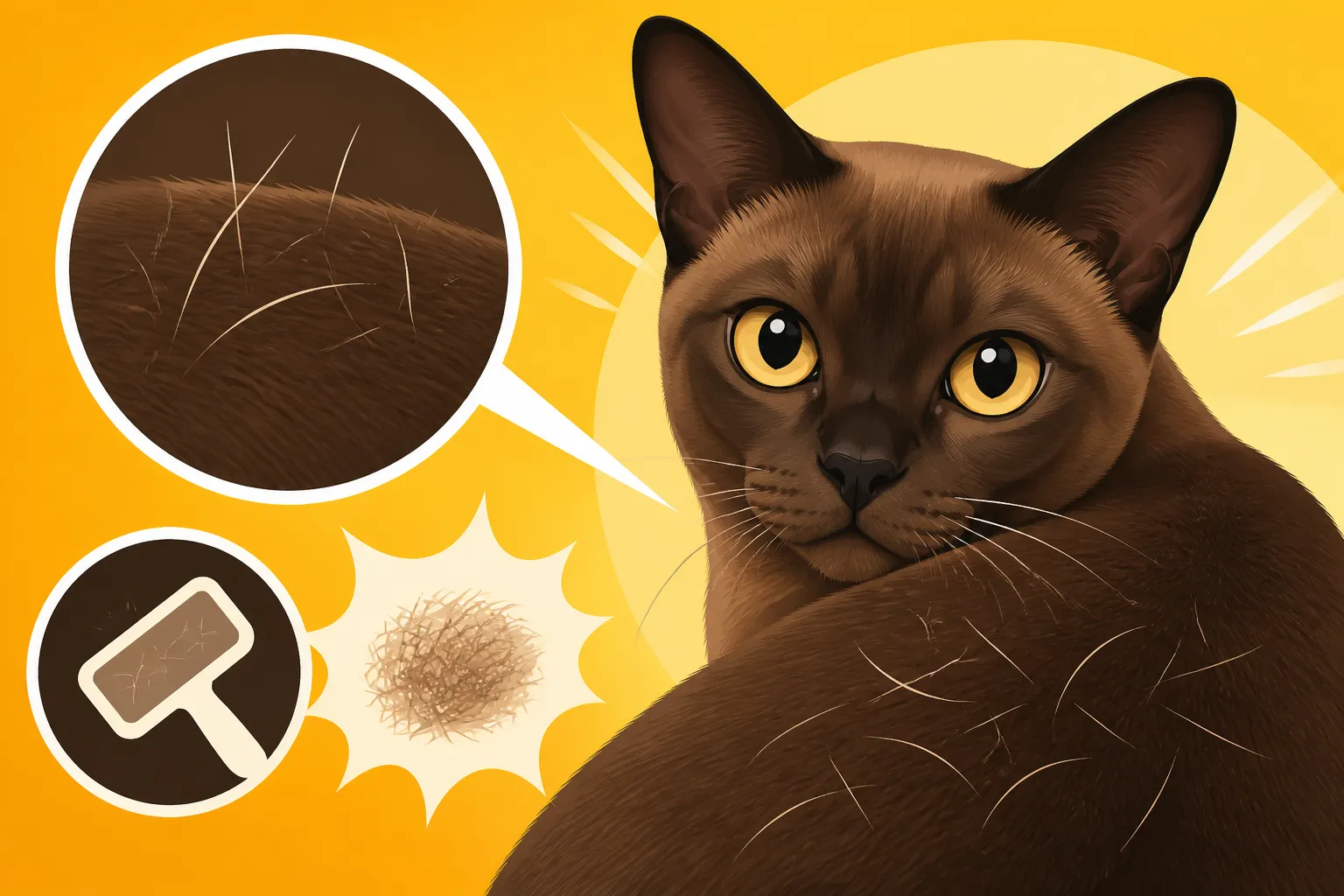
Why a Burmese’s Coat Shows Every Loose Hair
If you're a proud parent to a magnificent Burmese, you know the frustration: despite that famously short, sleek coat, it seems like every single loose hair stands out against your favorite sweater, your dark furniture, or even just the floorboards. It's not that your Burmese is shedding more than other cats; it's that their unique coat makes every stray strand impossible to ignore. This guide is going to dive deep into why your Burmese's luxurious satin coat acts like a spotlight for shed hair, and what you can do to manage it, so you can spend less time lint-rolling and more time enjoying those cuddles.
The Unique Nature of the Burmese Coat
The Burmese cat is renowned for its stunning, close-lying coat that feels like pure satin. It’s one of their most defining features, setting them apart from many other breeds. But what makes this coat so special also makes it a bit of a paradox when it comes to visible shedding. Owners often wonder why a cat with such short hair seems to leave such an obvious trail. It all comes down to the coat's structure and texture.
Short, Fine, and Close-Lying Hair
Unlike many domestic cats, who might have a dense double coat or long, fluffy fur, the Burmese boasts a coat that is strikingly short and fine. Each individual hair lies incredibly close to the body, creating a smooth, almost painted-on appearance. Think of it like a perfectly tailored silk gown – every crease, every fold, every tiny imperfection is immediately noticeable.
Other breeds, like a Persian or a Maine Coon, have longer hair that can intertwine and hold onto shed hairs within the coat itself. When they shed, a lot of that loose hair might stay trapped in the deeper layers until it's brushed out or forms a mat. A British Shorthair, with its plush, dense coat, also holds onto shed fur, creating "tumbleweeds" of hair when it finally detaches. But with a Burmese, there's nowhere for shed hair to hide. As soon as a hair follicle releases its strand, that short, fine hair is free to detach and migrate. It doesn't get caught in an undercoat, because the Why a Burmese Has Almost No Undercoat means there's no secondary layer to trap it. This characteristic makes their shedding more visually pronounced, even if the sheer volume of hair shed isn't necessarily higher than that of a long-haired cat. The lack of bulk means each individual hair, no matter how small, becomes a distinct entity when it detaches.
The "Satin" Texture and Its Implications
The term "satin coat" isn't just a poetic descriptor; it's a precise way to describe the feel and look of the Burmese's fur. This coat has a distinctive glossy sheen that reflects light beautifully. It feels incredibly smooth and luxurious to the touch, almost like polished silk. This unique texture, combined with the fact that the hairs lie so flat, creates an almost mirror-like surface.
This reflective quality, while beautiful, is a double-edged sword when it comes to loose hair. Imagine a highly polished wooden floor: every dust particle, every tiny crumb, stands out in stark contrast. The same principle applies to your Burmese's coat. A shed hair, even a minuscule one, disrupts the smooth, reflective surface of the remaining fur. The light hits the detached hair differently, highlighting its presence rather than allowing it to blend in. This is why you might groom your Burmese thoroughly and still spot a few stray hairs almost immediately. It’s not a failure of your grooming; it’s the inherent nature of their magnificent Why a Burmese's Coat Feels Like Satin. It just means the coat is doing its job of being perfectly sleek and shiny, and anything that isn't perfectly sleek and shiny, like a loose hair, becomes visually amplified.
Understanding the Burmese Shedding Cycle
All cats shed; it’s a natural process of hair renewal. However, the way a Burmese sheds, and how that shedding is perceived, can be quite different from other breeds. It’s crucial for owners to understand this distinction to avoid unnecessary worry about their cat's health or excessive frustration over visible hair.
Seasonal Shedding vs. Constant Turnover
Many animals experience pronounced seasonal shedding, where they "blow" their coat in spring and fall to adjust to changing temperatures. While Burmese cats do exhibit some degree of seasonal variation, with slightly heavier shedding during warmer months, their unique coat means that any shedding can appear more significant. The lack of a dense undercoat means that there isn't a huge amount of thick fur to shed en masse. Instead, it's often more of a continuous, low-level turnover of individual hairs.
Because each hair is so visible once it detaches, this constant turnover creates the impression that your Burmese is always shedding. You might not see large clumps of fur coming off, but rather a consistent scattering of single hairs on surfaces. Indoor cats, like most Burmese, tend to shed more consistently year-round due to stable indoor temperatures and artificial lighting, which can disrupt natural seasonal cues. So, while your Burmese isn't likely to create giant fur balls like a long-haired cat during a seasonal shed, the visible evidence of their constant, fine-hair shedding can actually be more pervasive on your clothes and furniture day-to-day. It’s less about the sheer volume of hair and more about the constant, highly visible presence of individual strands.
Factors Influencing Shedding
While some level of shedding is normal for a Burmese, various factors can influence the amount and apparent intensity of it. Recognizing these can help you identify if shedding is within normal parameters or if it signals an underlying issue.
One of the most significant factors is diet. A Burmese fed a diet lacking essential nutrients, particularly high-quality protein and beneficial fatty acids, might experience increased shedding or a dull, brittle coat. Think of it this way: hair is primarily protein, so if your cat's diet isn't providing enough quality building blocks, their coat health can suffer, leading to weaker hair and more shedding. Additionally, stress can trigger increased shedding in cats. A sudden change in environment, the introduction of a new pet, or even a shift in routine can cause a Burmese, highly sensitive and attached to their people, to shed more. A sick cat will also often show signs in their coat, which might become dull, greasy, or shed excessively. Skin conditions, allergies, or internal health problems can all manifest as changes in coat quality and shedding patterns. Even a simple flea infestation can cause excessive scratching and hair loss. Lastly, as cats age, their skin and coat can change. Older Burmese might have a slightly coarser coat, or their shedding patterns might become more erratic due to metabolic changes. It’s always a good idea to monitor changes in shedding, especially if accompanied by other symptoms, as a shift in health can sometimes be spotted first through changes in their coat.
The Visual Impact of Loose Burmese Hair
The unique characteristics of the Burmese coat mean that loose hairs don't just exist; they announce their presence with a flourish. This visual impact is what truly distinguishes Burmese shedding from that of other breeds, leading to the common observation that their "coat shows every loose hair."
Contrast on Different Surfaces
Because Burmese cats come in beautiful, rich colors like sable, champagne, blue, and platinum, their shed hair often creates a striking contrast against common household surfaces and clothing. If you have a sable Burmese, those dark brown hairs will pop against a light-colored couch or a cream-colored carpet. Conversely, if your Burmese is platinum, their silvery-grey hairs will be remarkably visible on dark trousers or a black throw blanket. It’s rarely a subtle affair.
This phenomenon is less pronounced with cats whose fur color closely matches your decor, but with a Burmese, you're likely to encounter high contrast. Smooth fabrics like polished cotton or silk will showcase every single hair, as there's no texture for the hair to blend into. Even on textured surfaces, the fine, short nature of the Burmese hair often means it doesn't embed deeply but rather rests on the surface, making it easier to see. On hard floors, a single rolling hair can seem like an army, especially in direct sunlight. And let's not forget the infamous "halo effect" on dark wooden furniture, where a fine dust of Burmese fur becomes perfectly outlined by reflected light. It’s a constant reminder of their presence, no matter how much you adore them.
Why Even a Single Hair Stands Out
It really does feel like just one hair from a Burmese can be seen across the room. This isn't an exaggeration; it's a consequence of the hair's physical properties. Unlike the downy undercoat hairs of some breeds that might clump together or be so fine they almost disappear, Burmese hairs are typically strong, individual strands. They don't have the fluffiness that allows them to clump into larger, more ignorable balls. Instead, they often detatch individually, lying flat and distinct on any surface they land on.
The smooth, dense nature of their coat means that when a hair comes loose, it's rarely tangled with other hairs still attached to the cat. It's a clean break, leaving a single, undeniable testament to your cat's existence. Furthermore, their hair is not static-prone in the same way some longer, finer hair types might be, so it doesn't necessarily cling together in discrete clumps. Instead, it spreads out, giving the impression of wider coverage. It's truly a testament to the unique quality of their coat that such a small amount of shedding can make such a big visual impact. The How Little Hair a Satin Coated Burmese Leaves Behind might surprise you, given how much you see.
Minimizing the Appearance of Loose Hair
While you can't stop a Burmese from shedding entirely – it’s a natural bodily function – you can significantly reduce the amount of visible loose hair around your home. The key is consistent, effective grooming and smart environmental management.
Regular Grooming Practices
The most effective way to combat visible loose hair is to remove it from your Burmese before it has a chance to land on your furniture or clothes. This means regular grooming, but not with just any brush. Traditional slicker brushes or combs often aren't ideal for a Burmese’s unique coat. Their hair is too short and lies too flat for many bristled brushes to be truly effective at removing loose hair from the surface.
Instead, think about tools that gently rub and collect the hair. A chamois cloth, like those used for drying cars, is remarkably effective. The slight texture and absorbency of the chamois pick up loose hairs, polishing the coat at the same time. You’ll be amazed at how much hair comes off onto the cloth, even after a quick pass. Another excellent option is a rubber grooming glove or mitt. These have soft rubber nubs that gently massage the skin, stimulating circulation, and effectively grab loose hair without irritating the delicate skin beneath that fine coat. For optimal results, aim for a quick daily session, or at least two to three times a week. It doesn't need to be a long, drawn-out affair; a few minutes will make a significant difference. Your Burmese will likely enjoy the attention, turning grooming into a bonding experience. Seriously, a Why a Chamois Beats a Comb on a Burmese every few days can make all the difference, and the How Many Minutes a Month a Burmese's Coat Takes is surprisingly low for such a visually impactful result.
Environmental Management
Beyond grooming your cat, there are steps you can take around the house to minimize the visual impact of shed hair. A proactive approach to cleaning and furniture choices can go a long way.
Firstly, regular vacuuming is your best friend. Even if you don't see much hair, a quick run over high-traffic areas daily or every other day will pick up what has fallen. Consider investing in a vacuum designed for pet hair, as these often have stronger suction and specialized attachments. Lint rollers, while seemingly simple, are absolutely invaluable for Burmese owners. Keep them strategically placed near your front door, in your car, and in your main living areas. A quick pass over your clothes before you leave the house or before sitting on the couch can remove a surprising amount of hair. Many online retailers like Amazon offer multi-packs of lint rollers, making it easy to stock up. Another tip is to consider your soft furnishings. If you have a dark-colored Burmese, perhaps opt for lighter-colored throw blankets or slipcovers that won't highlight every stray hair. Alternatively, if your Burmese is platinum, dark fabrics might be more forgiving. Regular washing of pet blankets, beds, and throws can also help remove embedded hair. For high-quality grooming tools and specialized pet care items, check out Chewy – they often have a great selection of chamois cloths and rubber mitts that work wonders on a Burmese coat.
Nutritional Support for a Healthy Coat and Reduced Shedding
The saying "you are what you eat" applies just as much to our feline friends, especially when it comes to the quality of their fur. A healthy, well-nourished Burmese will naturally shed less excessively and maintain a more vibrant coat.
The Role of Diet in Coat Health
A cat's coat is a direct reflection of its internal health, and diet plays a starring role in this. Hair is composed primarily of protein, so providing a diet rich in high-quality, easily digestible animal protein is fundamental for a strong, healthy coat. If your cat's food is full of cheap fillers or by-products, their body simply won't have the best building blocks to produce strong, resilient hair. This can lead to brittle fur that sheds more easily and frequently.
Beyond protein, essential fatty acids, particularly Omega-3 and Omega-6, are crucial for skin and coat health. These fats help maintain the skin's barrier function, keeping it hydrated and supple, and reducing dryness and flakiness that can lead to excessive shedding. They also contribute to the natural oils that keep the coat shiny and smooth. Many commercial cat foods, especially premium ones, include these fatty acids. Some owners even add a small amount of fish oil supplement, under vet guidance, to boost their cat's intake. The right diet isn't just about reducing shedding; it's about providing the foundation for overall vitality and well-being. This is why Why a Burmese's Food Bill Is a Health Decision often means choosing quality ingredients.
Specific Dietary Considerations
When choosing food for your Burmese, focusing on certain nutritional profiles can directly benefit their coat health and potentially mitigate shedding. Given the breed's predisposition to certain health issues, particularly diabetes, a high-protein, low-carbohydrate diet is often recommended for overall health, which in turn benefits the coat.
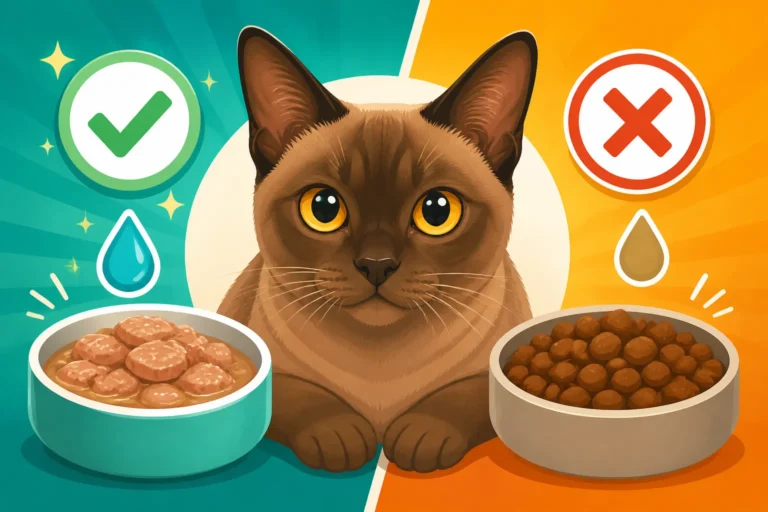
Look for cat foods where meat is the primary ingredient, appearing first on the ingredient list. Avoid foods with excessive grains, corn, soy, or other plant-based fillers, as these offer little nutritional value for an obligate carnivore and can contribute to poor coat quality. Wet food is generally preferred over dry kibble for Burmese cats, not only for its lower carbohydrate content but also for its higher moisture content. Good hydration is vital for skin health, and wet food helps ensure your cat is getting enough water, which can contribute to a healthier, less flaky skin and coat. Fresh, human-grade cat food options that prioritize high-quality protein and limited fillers could be an excellent choice for supporting coat health. When considering specific options, always aim for foods with a Which Carbohydrate Percentage a Burmese Should Stay Under if you're trying to manage diabetes risk or support a diabetic Burmese. Essentially, feeding a diet tailored to their carnivorous needs, rich in quality protein and healthy fats, and low in unnecessary carbohydrates, provides the best foundation for a luscious, healthy coat that sheds optimally, rather than excessively. This focus on nutrition goes hand in hand with managing their overall health, as discussed in Why Low Carbohydrate Food Matters for a Burmese.
| Grooming Tool | Description | Effectiveness for Burmese Coat | Pros | Cons |
|---|---|---|---|---|
| Chamois Cloth | Soft, absorbent cloth, often used for drying cars. | High: Excellent for picking up fine, loose hairs and polishing the coat. | Gently removes hair, leaves coat shiny, often enjoyed by cat. | Needs to be cleaned frequently, may not get deeper loose hairs. |
| Rubber Grooming Mitt | Glove with soft rubber nubs on the palm. | High: Grabs loose hair, massages skin, stimulates circulation. | Very effective for surface hair, good for bonding, easy to clean. | May not penetrate extremely dense areas if any, though rare for Burmese. |
| Fine-toothed Comb | Metal or plastic comb with closely spaced teeth. | Moderate: Can catch some loose hairs, but less efficient. | Good for checking for fleas or small mats. | Less effective at polishing or stimulating skin; can pull if not careful. |
| Slicker Brush | Brush with fine, wire bristles. | Low: Generally not effective for the very short, close-lying coat. | Designed for longer or denser coats. | Bristles can be too harsh for Burmese skin, ineffective on short hair. |
| Deshedding Tool | Specialized tool with fine, rake-like teeth (e.g., FURminator). | Low: Overkill and potentially damaging for Burmese's delicate coat. | Designed for cats with dense undercoats to strip loose fur. | Can cut or irritate the skin, unnecessary for single-layer coat. |
Distinguishing Normal Shedding from Health Concerns
While visible shedding is a normal, albeit sometimes annoying, part of owning a Burmese, it’s important to know when shedding crosses the line from normal turnover to a sign of a health issue. Your cat’s coat is often the first indicator that something might be amiss internally.
Signs of Excessive Shedding or Coat Issues
Normal shedding for a Burmese typically means you find individual hairs or small clusters, but the overall coat remains lustrous, full, and intact. If you start to notice bald patches, thinning areas, or a significant increase in shedding volume that's out of character for your cat, it's time to pay closer attention. A dull, greasy, or brittle coat that sheds excessively can indicate a nutritional deficiency, a skin infection, or an underlying systemic disease. Similarly, if your Burmese is constantly licking, scratching, or chewing at their fur, especially to the point of creating sores or hair loss, this is a clear sign of discomfort.
Parasites like fleas, mites, or ringworm are common culprits for excessive itching and shedding. Allergies, whether to food or environmental factors, can also manifest as skin irritation and hair loss. More serious internal conditions, such as hormonal imbalances (like hyperthyroidism, especially in older cats) or kidney disease, can also impact coat quality and lead to noticeable changes in shedding. It’s important not to dismiss these signs, as a change in coat condition is often an early warning signal from your otherwise stoic feline friend. If you ever see bald spots, or excessive fur coming out when you gently stroke your cat, it's a good idea to consult your veterinarian. These symptoms can be distressing, and sometimes, they are the first sign of What an Untested Burmese Most Often Dies Of.
Regular Vet Check-ups
The best defense against serious health issues manifesting in your Burmese’s coat is consistent preventive care. Regular veterinary check-ups are paramount, even if your cat seems perfectly healthy. These visits allow your vet to perform a thorough physical examination, including a close inspection of your Burmese’s skin and coat. They can detect subtle changes that you might miss or might not recognize as significant.
During these check-ups, your vet can also discuss your cat’s diet, lifestyle, and any concerns you might have about shedding. They can advise on appropriate parasite control, which is essential for maintaining skin and coat health. If your vet suspects an underlying medical condition, they can recommend diagnostic tests to pinpoint the cause and initiate appropriate treatment. Early detection of issues like allergies, skin infections, or more serious conditions can prevent them from escalating and becoming more challenging to manage. These routine visits are an investment in your Burmese’s long-term health and comfort, ensuring that their gorgeous satin coat remains a sign of vibrant health, not hidden problems. Your vet is the best person to help you understand How Often a Healthy Adult Burmese Needs Checking to catch these things early.
Disclaimer
This article is for general informational purposes only and does not constitute professional advice. Laws, prices and regulations vary by location and change over time. Consult a qualified professional for guidance on your specific situation.