Why a Burmese’s Water Intake Is Worth Tracking
Many Burmese cat owners find themselves scratching their heads, wondering if their beloved "Velcro cat" is drinking enough water, or perhaps even too much. It’s a subtle thing, easy to miss in our busy lives, but monitoring your Burmese's water intake is far more crucial than you might imagine for their long-term health. This guide will dive deep into why keeping an eye on their drinking habits is an invaluable tool for early detection of potential health issues, especially those pesky ones our stoic Burmese are so good at concealing.
Why Hydration is Crucial for Burmese Health (and often overlooked)
Our beautiful Burmese, with their expressive eyes and affectionate nature, are masters at concealing discomfort or illness. This stoic quality, while endearing in its independence, can make it incredibly challenging to spot health issues early. Hydration, or the lack thereof, is one of those silent battles that often goes unnoticed until a problem becomes quite advanced. It's not just about quenching thirst; it's about supporting every single bodily function, from organ health to nutrient absorption, and in the Burmese, it plays an even more critical role due to their unique predispositions.
The Silent Signs of Dehydration in a Cat (and why Burmese hide it)
Cats, in general, are not known for being avid drinkers. Their ancestors in arid environments evolved to get most of their moisture from their prey. Our domestic companions still carry this trait, which means they often don't drink enough from a still water bowl to meet their needs, particularly if their diet is primarily dry kibble. For a Burmese, this natural tendency to conserve water can be a double-edged sword. They are so good at maintaining their composure that outward signs of dehydration like lethargy, sunken eyes, or dry gums might not become obvious until the situation is quite serious. Why a Burmese Hides Illness Behind Its Affection is something every owner grapples with, and dehydration is a prime example.
You might notice more subtle cues if you're tuned in to your Burmese's routine. Perhaps they're a little less bouncy during playtime, or their silky coat, which normally shines with health, seems a bit duller. Maybe their litter box habits shift slightly – fewer or smaller urine clumps. These aren't always glaring red flags, but rather whispers that something isn't quite right. We often dismiss these minor changes, attributing them to a quiet day or just an aging cat, but for a Burmese, these can be the early indicators that their hydration levels are suboptimal and could be setting the stage for more serious health concerns down the line.
The reality is, by the time your Burmese is clearly showing signs of advanced dehydration, like a noticeable loss of skin elasticity (the skin stays tented when gently pulled up on their neck), they are already in a critical state requiring immediate veterinary attention. This is why proactive monitoring of their water intake, even when they seem perfectly fine, is a fundamental part of responsible Burmese care. Don't wait for the dramatic signs; learn to read the subtle language of their well-being.
How Poor Hydration Impacts Vital Organ Function
Every single organ system in your Burmese's body relies on adequate hydration to function correctly. Think of it like a car engine needing oil; without enough, things start to grind to a halt. The kidneys, in particular, bear a heavy burden when a cat is chronically dehydrated. Their job is to filter waste products from the blood and produce urine. If there isn't enough fluid circulating, the kidneys struggle to efficiently remove these toxins, leading to a buildup that can cause serious damage over time. This isn't just about acute dehydration; consistent, mild dehydration day after day can slowly chip away at kidney function.
Beyond the kidneys, the digestive system also suffers. Water is essential for the smooth passage of food through the gut and for proper nutrient absorption. A dehydrated Burmese might experience constipation, which can be incredibly uncomfortable and lead to further health complications. Their circulation is also affected; blood volume can decrease, making the heart work harder. Even their joints, which rely on adequate fluid for lubrication, can become stiffer and more prone to discomfort, especially as they get older, impacting their famously playful nature.
Considering how long these wonderful cats live, often The Sixteen to Eighteen Years a Well Bred Burmese Gets, supporting their organs with consistent hydration is a lifelong commitment. It's an investment in their comfort and longevity. Ensuring they have access to fresh, appealing water sources and incorporating moisture-rich foods are simple, yet profoundly impactful, ways to safeguard their vital organ health and keep them purring contentedly by your side for many years.
The Link Between Water Intake and Urinary Tract Health
For many cat owners, urinary tract issues are a common and frustrating problem. Cystitis, urinary crystals, and even blockages can be incredibly painful and frightening. In Burmese cats, as with all felines, adequate water intake is a primary defense against these problems. When a cat drinks enough water, their urine is more dilute, meaning there's less concentration of minerals and waste products that can form crystals or stones. Dilute urine also helps to flush out bacteria that might try to colonize the urinary tract, reducing the risk of infections.
Conversely, a cat that consistently drinks too little water will have highly concentrated urine. This creates an environment where crystals are more likely to form, acting like tiny, sharp irritants in the bladder. These crystals can lead to inflammation, pain, and even obstruction, especially in male cats, which is a life-threatening emergency. It's a cruel twist that something as simple as water intake can have such a profound effect on such a critical system.
Keeping your Burmese well-hydrated is one of the easiest and most effective preventative measures you can take against common feline urinary woes. It empowers their body's natural defense mechanisms and helps maintain a healthy urinary pH. This proactive approach can save your cat from considerable discomfort and potentially expensive, stressful veterinary interventions down the road. It’s a testament to the power of prevention in feline health, especially for our beloved Burmese.
The Hidden Diabetes Connection: More Than Just a Thirst Quencher
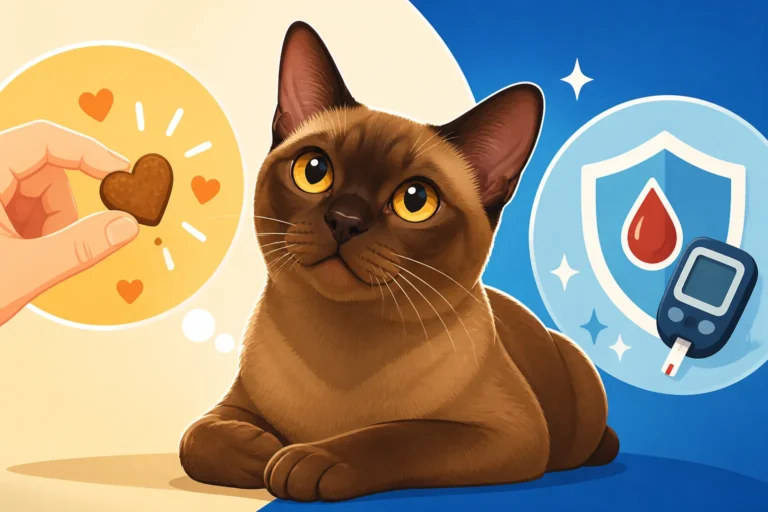
When we talk about Burmese cats, there's one significant health concern that often comes up: diabetes. Unfortunately, the Burmese breed has a genetic predisposition to diabetes, making them significantly more susceptible than many other cat breeds. The Burmese Has the Highest Diabetes Rate of Any Cat Breed is a stark reality that every Burmese owner needs to be aware of. This isn't just a fleeting mention; it’s a critical piece of their health puzzle, and their water intake becomes a primary, early indicator of potential issues. It's not an exaggeration to say that observing their drinking habits can literally be life-saving.
Why Increased Thirst is a Red Flag for Burmese Diabetes
One of the hallmark signs of undiagnosed diabetes in any cat, but particularly in a predisposed breed like the Burmese, is polyuria and polydipsia – increased urination and increased thirst. When a cat is diabetic, their body isn't effectively using insulin to transport glucose (sugar) from the bloodstream into the cells for energy. This means glucose builds up in the blood. When blood glucose levels get too high, the kidneys try to filter out the excess sugar. This process "drags" water along with it, leading to a higher volume of urine.
Naturally, if your cat is urinating more frequently and passing a larger volume of urine, they are losing more fluids from their body. To compensate for this fluid loss and prevent dehydration, their thirst mechanism kicks in, and they will drink more. So, if you suddenly notice your Burmese spending a lot more time at the water bowl, refilling it more often than usual, or even seeking out unusual water sources (like dripping faucets), it should immediately ring alarm bells. This isn't just them being extra thirsty; it's their body desperately trying to regulate itself in the face of metabolic imbalance. This is why Why a Burmese Drinking More Needs Testing That Week is not an overstatement.
How Water Intake Fluctuations Signal Blood Sugar Issues
It's not always a dramatic, overnight change in water intake. Sometimes, it's a gradual increase, a little more each day, that goes unnoticed unless you're deliberately tracking it. You might find yourself refilling the water bowl once a day instead of every other day, or perhaps adding water to their food more frequently. These subtle shifts, particularly if accompanied by other minor changes like a slight increase in appetite (without weight gain, or even with weight loss), or increased litter box usage, are your Burmese's way of whispering for help.
These fluctuations are directly tied to how well their body is handling blood sugar. On days when their blood sugar might be running higher, their kidneys will work harder to excrete it, leading to more fluid loss and thus, increased thirst. If you're a keen observer, you might even notice these patterns – perhaps more drinking after a particularly stressful day for them, or after inadvertently getting into a carb-heavy treat. Regular monitoring allows you to spot these trends before they become established problems.
Recognizing these nuances is crucial because early diagnosis of diabetes in a Burmese offers the best chance for successful management and even remission. Catching it when the signs are subtle can mean the difference between minor dietary adjustments and daily insulin injections. This really emphasizes why being acutely aware of your Burmese's water consumption is more than just a passing observation; it's a vital part of their preventative healthcare strategy.
Monitoring for Subtle Changes Before They Become Obvious
The cunning way Burmese cats hide their discomfort means we, as their devoted caregivers, need to be extra vigilant. While it might sound tedious, a simple, consistent habit of monitoring their water intake can provide invaluable insights. Don't wait until they're visibly gaunt or experiencing severe symptoms. The subtle signs are often there first, if you know what to look for and how to track them.
Think about establishing a baseline. For a healthy adult Burmese, how much do they typically drink in 24 hours? This will vary based on diet (wet food vs. dry), activity level, and environmental temperature. Once you have a sense of their normal, any significant deviation becomes noteworthy. Are they draining their bowl much faster? Are you topping it up more often? Are they hovering around the faucet or trying to drink from the shower? These are all data points.
Combining this water intake data with observations about their appetite (is it increasing?), energy levels (are they less playful?), and litter box output (more urine, maybe stickier litter), creates a more comprehensive picture. For a breed like the Burmese, where How Many Burmese Become Diabetic in a Lifetime is a real concern, this kind of diligent, proactive observation is truly the best defense. It allows you to approach your vet with specific, trackable changes, rather than vague concerns, making their diagnostic process much more efficient. It is also why Why a Burmese's Glucose Should Be Checked From Seven is so important.
Practical Ways to Monitor Your Burmese's Drinking Habits
Alright, so we've established why it's so important to track your Burmese's water intake. Now for the practical part: how do you actually do it without turning into a water-watching fanatic? It's easier than you might think, and once it becomes a routine, you'll feel much more confident in understanding your cat's hydration status. The goal here isn't to be obsessive, but to create a system that gives you a clear picture of their normal, so you can spot the abnormal quickly.
The Simple Act of Measuring Daily Water Consumption
The most straightforward way to track your Burmese's water intake is to measure it. Grab a measuring cup! In the morning, fill their bowl with a known quantity of water – say, 2 cups (or 500ml). At the same time the next day, before refilling, measure how much water is left in the bowl. Subtract that amount from what you started with, and you have a good estimate of their daily intake. If you have multiple cats, this becomes a bit trickier, but you can still get a general idea or consider separate bowls if one cat is under suspicion.
Consistency is key here. Try to do it at the same time each day and use the same bowl. Note any changes in the environment – a particularly hot day might lead to increased drinking, for example. You can jot these numbers down in a small notebook, a spreadsheet on your computer, or even use a simple app on your phone. Over a week or two, you'll start to see a pattern, establishing that crucial baseline for your individual Burmese. This data can be incredibly valuable to your vet, especially when discussing concerns about diabetes or kidney health, as described in How a Vet Confirms Diabetes in a Burmese. Remember, How to Measure a Burmese's Water Intake for accurate readings is simpler than you might imagine.
Remember, most domestic cats should ideally consume around 2-4 ounces of water per 5 pounds of body weight per day, but this is a general guideline. A cat eating primarily wet food will naturally drink less than one on dry kibble. The important thing is your cat's personal baseline and any significant changes from it. For a healthy adult, it's worth knowing How Much Water a Healthy Burmese Should Get Through.
Choosing the Right Water Bowls and Fountains to Encourage Drinking
Cats can be notoriously picky about their water. A stale, warm bowl in a busy corner might be ignored, leading to inadequate hydration. To encourage your Burmese to drink more, consider their natural preferences. Many cats prefer running water, which is why pet water fountains are often a hit. A fountain simulates a fresh, flowing source, which can be much more appealing than a still bowl. Brands like Chewy and Amazon offer a wide variety of cat water fountains, from ceramic to stainless steel, with different flow settings. You can often find a good selection on Chewy, making it easy to compare features and read reviews.
The material of the bowl matters too. Plastic bowls can sometimes retain odors or develop tiny scratches where bacteria can hide, making the water unappetizing. Stainless steel or ceramic bowls are often preferred as they are easier to keep clean and don't retain odors. Also, consider the size and depth of the bowl. Some cats dislike their whiskers touching the sides of a deep bowl, a phenomenon known as "whisker fatigue." A wider, shallower bowl might be more comfortable for your Burmese.
Placement is another factor. Just like humans, cats don't necessarily want to drink where they eat or use the toilet. Place water bowls in multiple locations around the house, away from their food and litter box. Experiment with different types and locations. You might find your Burmese has a strong preference for a particular spot or type of waterer. Remember, the goal is to make drinking as appealing and accessible as possible.
Integrating Wet Food to Boost Overall Hydration
This is perhaps one of the most effective strategies to increase your Burmese's overall hydration, especially considering their genetic predisposition to diabetes. Wet food typically contains around 70-80% moisture, while dry kibble can be as low as 5-10%. By feeding a diet rich in wet food, you're essentially providing a significant portion of their daily water requirements disguised as a delicious meal. This is particularly beneficial for our Burmese friends, helping them get that vital moisture without relying solely on their instinct to drink. Why Low Carbohydrate Food Matters for a Burmese and Why Portion Control Is Medical Care in a Burmese tie directly into this, as good quality wet food is often lower in carbohydrates and higher in protein, making it ideal for diabetes prevention and management.
When choosing wet food, always look for high-protein, low-carbohydrate options. Many premium brands found on sites like Chewy or pet specialty stores offer excellent choices. Some owners even add a little extra water to their cat's wet food, mixing it in to create a “soupier” consistency. Just ensure the added water is fresh and clean. This strategy not only aids hydration but also helps with satiety and provides a more biologically appropriate diet for our obligate carnivores. Fresh food options can also be a great way to ensure high moisture content.
Consider a mixed diet – perhaps wet food for two main meals and a small portion of low-carb kibble (if necessary for variety or dental health) that has had water added to it, creating a paste. Always make dietary changes gradually to avoid upsetting their digestive system. The benefits of a moisture-rich diet for a Burmese cannot be overstated, acting as a powerful tool in preventing dehydration, supporting kidney function, and managing the risk of diabetes. It's also critical to understand What a Diabetic Burmese Eats and How to Time a Diabetic Burmese's Meals Around Insulin if your cat is already diagnosed, as dietary moisture becomes even more critical.
When to Be Concerned: Recognizing Abnormal Water Intake
It's one thing to track water intake; it's another to know what those numbers actually mean. When should a casual observation turn into a cause for concern and a call to the vet? Understanding the normal range for your individual Burmese is the first step, but being able to identify deviations that warrant medical attention is absolutely critical. Our goal is always early intervention, especially for a breed like the Burmese with specific health predispositions.
What Constitutes Too Much or Too Little Water for a Burmese
Once you've been tracking your Burmese's water intake for a few weeks, you'll have a good sense of their "normal." But let's talk about what constitutes "too much" or "too little" in general terms, keeping in mind individual variations.
Too Much Water (Polydipsia): If your Burmese is consistently drinking significantly more than their established baseline, especially if it's more than double what you'd expect, this is a major red flag. For example, if your 10-pound Burmese usually drinks 6-8 ounces a day (from food and bowl), and suddenly they're drinking 15-20 ounces from the bowl alone, that's concerning. As discussed, this often accompanies increased urination and is a primary symptom of conditions like diabetes (How Diabetes Develops in a Burmese) or kidney disease. It could also indicate hyperthyroidism or other metabolic issues. Any sustained increase in thirst should prompt a vet visit.
Too Little Water (Dehydration/Hypodipsia): Conversely, if your Burmese is drinking noticeably less than usual, and especially if they are also eating less, this is also a concern. A sudden drop in water intake might indicate pain, nausea, dental issues (Why a Burmese's Gums Recede Early), or a general feeling of unwellness. Cats can get dehydrated quickly, and prolonged low intake can rapidly lead to serious health problems. Again, if their intake is significantly below their normal baseline, or if they show any other signs of lethargy, decreased appetite, or vomiting, a vet visit is essential.
| Sign of Water Intake Change | Potential Implications (Burmese Specific) | Action Required |
|---|---|---|
| Increased Drinking | Diabetes, Kidney Disease, Hyperthyroidism | Contact vet immediately, especially if accompanied by increased urination or appetite changes. |
| Decreased Drinking | Nausea, Pain, Dental Issues, General Illness, Dehydration | Contact vet if sustained for more than 24 hours or accompanied by lethargy, loss of appetite, or vomiting. Offer tempting water sources. |
| Drinking from Unusual Places | Increased thirst (diabetes), Boredom, Pickiness | Assess overall intake and other symptoms. Try different bowls/fountains. If excessive, contact vet. |
| Reduced Urination | Dehydration, Urinary Blockage (emergency!) | Emergency vet visit if straining or unable to urinate. Otherwise, contact vet if sustained. |
| Increased Urination | Diabetes, Kidney Disease, UTI | Contact vet for testing. This often pairs with increased drinking. Which Signs Come First in a Diabetic Burmese are often subtle. |
The Importance of a Vet Visit for Sudden Changes
Let's be clear: any sudden, significant change in your Burmese's water intake, whether it's a dramatic increase or decrease, warrants a call to your veterinarian. Our beloved cats are incredibly adept at masking illness, and waiting to see if things "get better" can often mean waiting until a condition has progressed to a more serious stage. This is particularly true for conditions like diabetes or kidney disease, where early intervention can make a world of difference in prognosis and quality of life.
When you call your vet, be prepared to share the specific observations you've made. How much more or less are they drinking? How long has this been going on? Have you noticed any other symptoms like changes in appetite, litter box habits, energy levels, or weight? Providing your vet with a clear, concise picture of the changes will help them prioritize and determine the necessary diagnostic steps. This proactive approach not only benefits your cat but can also help you feel more in control and less anxious about their health.
Remember, veterinarians are partners in your cat's health journey. They understand that you know your cat best, and your observations are invaluable. Don't hesitate to reach out if you have concerns, even if you feel like you're "bothering" them. It's always better to be safe than sorry, especially when dealing with the health of such a special and sensitive breed.
How to Keep a Water Log for Your Vet
When you suspect an issue with your Burmese's water intake, the more data you can provide your vet, the better. A simple water log can be incredibly helpful. It doesn't need to be fancy – a small notebook and a pen will do. Dedicate a page to your cat's water intake for a week or two, or longer if needed.
Here's what to record:
- Date and Time: Each entry should have this.
- Amount Offered: How much fresh water you put in the bowl (e.g., 2 cups).
- Amount Remaining: How much water is left when you next measure it (e.g., 0.5 cups).
- Net Intake: The difference (e.g., 1.5 cups).
- Additional Observations: Note anything else relevant. Did they drink from the tap? Did they eat more wet food that day? Was it unusually hot? Did they have a particularly active play session? Also, record litter box activity: number of urine clumps, size, and whether they seem larger or smaller than usual.
- Other Symptoms: Any changes in appetite, energy, vomiting, diarrhea, or unusual behaviors.
This detailed log transforms vague concerns into concrete evidence. Instead of saying, "I think Whiskers is drinking more," you can tell your vet, "Whiskers has been drinking an average of 15 ounces a day this week, up from his usual 8 ounces, and his urine clumps seem larger." This kind of information is gold for a diagnostic process, allowing your vet to quickly zero in on potential causes and recommend the most appropriate tests, helping them to discern How a Vet Distinguishes Burmese Hypokalemia From Injury or other conditions. Keeping such a log demonstrates your commitment and aids in providing the best possible care for your beloved Burmese.
Disclaimer
This article is for general informational purposes only and does not constitute professional advice. Laws, prices and regulations vary by location and change over time. Consult a qualified professional for guidance on your specific situation.