How Quickly Treats Undo a Burmese’s Glucose Control
It’s a tale as old as time for cat parents: you want to spoil your beloved feline, and what better way than with a tasty treat? But for us Burmese owners, that innocent gesture can carry a much higher risk, silently undermining the careful glucose control we strive for. This guide is here to shed light on just how quickly those seemingly harmless treats can disrupt your Burmese's delicate blood sugar balance and why understanding this is crucial for their long-term health.
The Burmese and the Diabetes Predisposition
It’s no secret among Burmese enthusiasts and veterinarians alike: our sweet, affectionate companions are unfortunately predisposed to diabetes. This isn't just a random occurrence; it's a deeply ingrained part of their genetic makeup and metabolic profile, making glucose control an absolute priority from day one. It's a heavy burden to carry, knowing that something as simple as their breed can put them at such a disadvantage, but being aware is the first step to protecting them.
Why Burmese are Uniquely Susceptible
The science is pretty clear on this one: Burmese cats, particularly those from certain Australian and European lines, carry a genetic predisposition that makes them highly susceptible to developing Type 2 diabetes. We’re not talking about a slight increase; studies have shown that Burmese are significantly more likely to become diabetic than other breeds. This heightened risk is linked to insulin resistance, a condition where the body’s cells don't respond effectively to insulin, leading to elevated blood sugar levels. Imagine your car's engine not recognizing the gas pedal – it's a similar principle for their cells and insulin. This inherent vulnerability means that while many cats can tolerate an occasional indulgence, a Burmese often cannot without consequences. You might read The Burmese Has the Highest Diabetes Rate of Any Cat Breed and feel a pang of worry, and honestly, that's a perfectly valid reaction.
This isn't a flaw in your cat, nor is it your fault if they develop it, but it does mean we, as their guardians, need to be extra vigilant. Their metabolism seems to be on a knife-edge when it comes to processing sugars and carbohydrates. Unlike some breeds that can burn through carbs with relative ease, a Burmese’s system is often less efficient, leading to glucose spikes that can, over time, wear down their pancreatic function. It's like their system is always running a little hotter, more prone to overheating with too much fuel. This biological reality means we have to approach their diet, and especially treats, with a level of caution that might seem excessive to owners of other cat breeds.
The Fine Line of Glucose Balance in Burmese
Think of your Burmese's glucose levels as a tightrope walker. For most cats, that tightrope is relatively wide, offering a good margin for error. For a Burmese, however, that tightrope is incredibly thin, requiring constant, precise balance. Their bodies are less forgiving of fluctuations. When blood glucose levels repeatedly spike after eating, their pancreas has to work harder and harder to produce enough insulin to bring those levels back down. This constant overexertion eventually leads to pancreatic exhaustion, where the organ can no longer keep up with the demand. It's a gradual process, but every high-carb treat adds to the strain. This is precisely why Why Portion Control Is Medical Care in a Burmese isn't just a suggestion, but a fundamental pillar of their preventative care.
The implications of this fine balance are profound. It means that consistency in diet isn't just about weight management (though that's hugely important too); it's about preserving the long-term health and function of their insulin-producing cells. Even small, seemingly insignificant dietary indiscretions can have a cumulative effect, pushing them closer to the edge. This isn't to say life with a Burmese has to be austere, but it does mean understanding that their physiology demands a more disciplined approach to what goes into their bowl – and into their mouths as a treat.
Understanding Treats: More Than Just a Little Bite
When we think of treats, we often picture those small, crunchy bits or soft chewy morsels. But the truth is, many commercial cat treats are far from benign for a Burmese, especially when it comes to their impact on blood glucose. It’s easy to be fooled by clever marketing or the sheer joy your cat expresses, but for a Burmese, every ingredient matters, and what seems like a harmless nibble can be a concentrated dose of trouble.
The Hidden Sugar and Carbs in Many Commercial Treats
It’s astonishing how many cat treats are essentially junk food for felines, packed with fillers like corn, wheat, soy, and various sugars disguised under names like "corn syrup," "maltodextrin," or "dextrose." These ingredients are cheap, palatable, and unfortunately, extremely high in carbohydrates. For a cat, which is an obligate carnivore, these carbs are unnatural and unnecessary, and for a diabetes-prone Burmese, they are actively harmful. Reading the ingredient list can be an eye-opener; you might be surprised to find that many popular brands from places like Chewy or your local pet store often feature these problematic ingredients prominently. We want to reward our cats, not inadvertently harm them.
Even treats marketed as "healthy" or "natural" can sometimes contain surprisingly high carbohydrate levels. It’s crucial to scrutinize the guaranteed analysis and ingredient list to look for meat-first formulations and avoid anything with unnecessary plant-based fillers or added sugars. Think about it this way: if a treat contains grains or starchy vegetables in the first few ingredients, it's likely too high in carbs for a Burmese. This is where being an informed consumer truly makes a difference in your cat's health.
How Even "Healthy" Treats Can Disrupt the Balance
Now, you might be thinking, "But I buy the good stuff! Freeze-dried chicken or salmon!" And you're absolutely right, single-ingredient meat treats are vastly superior to carb-laden options. However, even these can disrupt glucose control if given in excess. While they lack the problematic sugars and starches, any caloric intake beyond their carefully portioned meals can add up. Overfeeding, regardless of the treat's quality, contributes to weight gain, and weight gain is a massive risk factor for diabetes in Burmese cats. You can look at How Much Weight Raises a Burmese's Diabetes Risk to understand this better.
Consider the energetic nature of a Burmese; they can be very persuasive when asking for food. Giving in to those adorable pleas, even with high-quality protein, can lead to calorie creep. Furthermore, introducing new proteins or larger quantities of even 'safe' treats can sometimes cause minor digestive upset, which, while not directly glucose-related, can stress the system in other ways. The goal is always balance and moderation, even with the best intentions and the best ingredients.
The Difference Between a Tiny Morsel and a Full Treat
Let's be realistic: we all want to give our cats something special. The key, particularly for a Burmese, lies in the quantity. There's a world of difference between a tiny, pea-sized morsel of freeze-dried chicken given for positive reinforcement during training, and half a dozen larger treats handed out because your cat looked cute. The cumulative effect is what truly matters. A single, very small piece of meat-based treat might have a negligible impact on blood sugar, especially if it's integrated into their daily caloric intake.
However, a full-sized commercial treat, or several small ones throughout the day, can quickly add up in carbohydrates and calories. Imagine it like a human with a sensitive metabolism: a single grape is fine, but a whole bag of grapes will cause a sugar rush. For our Burmese, the impact is even more pronounced due to their unique physiology. We need to be honest with ourselves about what constitutes a "treat" and how often we're actually giving them.
The Swift Impact: How Treats Spike Blood Sugar
It’s often hard to grasp just how rapidly certain treats can send a Burmese's blood sugar soaring because we can't see it happening in real-time. But understanding the physiological response makes it clear why vigilance is so important. These spikes aren't just transient blips; they contribute to a cumulative strain on your cat's system that can have lasting consequences.
The Physiological Response to a Sugar/Carb Spike
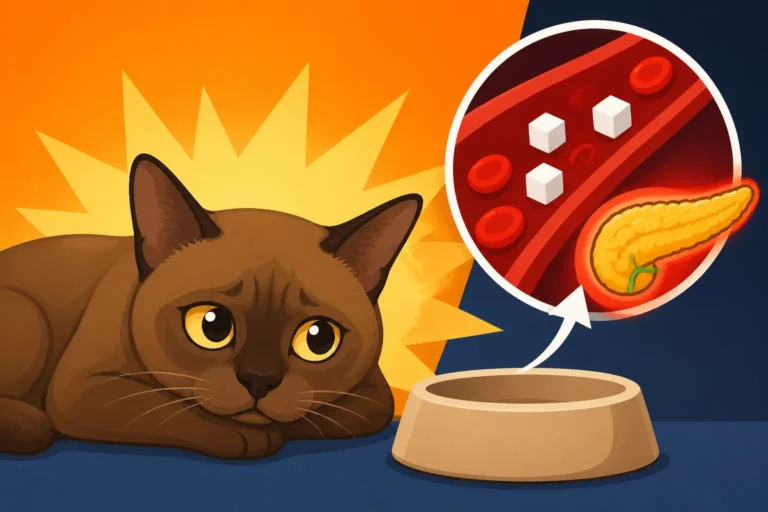
When your Burmese ingests a treat high in carbohydrates or sugar, their digestive system quickly breaks these down into simple glucose molecules. This glucose is then absorbed into the bloodstream, causing a rapid increase in blood sugar. In response, the pancreas releases insulin to transport this glucose into the cells for energy or storage. For a normal cat, this system works efficiently. For a Burmese, however, whose cells may already be experiencing some level of insulin resistance, the pancreas often has to produce more insulin to achieve the same effect. This constant overproduction is exhausting for the pancreatic beta cells, which are responsible for insulin synthesis.
A sudden, sharp spike means the pancreas is hit with a wallop of demand. It's like asking a small engine to suddenly perform at maximum output, repeatedly. Over time, these cells become damaged or simply wear out, leading to insufficient insulin production – the hallmark of Type 2 diabetes. This is why you need to know Why a Burmese Drinking More Needs Testing That Week, because increased thirst and urination are classic signs of the body struggling to manage high blood sugar. Each treat that causes a spike nudges them further down this path.
Why These Spikes Are So Detrimental Over Time
The problem isn't just one high blood sugar episode; it's the repeated nature of these spikes. Chronic, elevated blood glucose levels and the accompanying insulin resistance lead to a cascade of negative effects throughout the body. Beyond the pancreas, high glucose can damage blood vessels, nerves, and organs. It contributes to systemic inflammation and oxidative stress, essentially accelerating cellular aging. Imagine a leaky faucet: one drip isn't a disaster, but constant dripping over years causes significant damage. That’s what chronic glucose spikes do to a Burmese's internal systems.
Moreover, these repeated fluctuations can make it incredibly difficult for a cat already teetering on the edge of pre-diabetes to maintain any semblance of stability. For a Burmese that is managing diabetes, even small deviations can throw their carefully calibrated insulin regimen completely off balance, making regulation much harder for both you and your vet. It undermines all the hard work you put into How a Diabetic Burmese Is Started on Insulin and How Often a Diabetic Burmese Is Injected. It’s a silent, insidious process that chips away at their health one treat at a time.
Real-Life Scenarios: One Treat Today, What Happens Tomorrow?
Let’s imagine a common scenario. You give your Burmese a few pieces of a popular crunchy treat during your evening cuddle session. It’s not a huge amount, just a small handful. That evening, their blood sugar might spike for a few hours. Your cat might seem fine, perhaps a bit more energetic initially, then sleepy. The next day, you do the same. Over a week, these small spikes accumulate. The pancreas is working overtime, and the cells are becoming less responsive.
Now, fast forward a few months or even a year. These seemingly innocent daily treats have pushed your Burmese's system to its limit. They start exhibiting signs of diabetes: increased thirst, frequent urination, unexplained weight loss despite eating normally, or even an insatiable appetite. You take them to the vet, and lo and behold, a diagnosis of diabetes. It’s not that one single treat caused it, but the consistent, cumulative effect of treats that slowly but surely eroded their glucose control. You might then face the question of How a Diabetic Burmese Is Diagnosed and embark on a new, more complex care routine. It's a sobering thought, but a crucial one for responsible Burmese ownership.
Maintaining Glucose Control: A Lifelong Commitment
For Burmese owners, managing glucose isn't just a concern after a diabetes diagnosis; it's a preventative measure from the moment they enter your home. This commitment extends beyond meal times and into every little treat or snack you might consider giving them. It’s about building a sustainable lifestyle that supports their unique metabolic needs.
Strategies for Treating a Burmese Safely
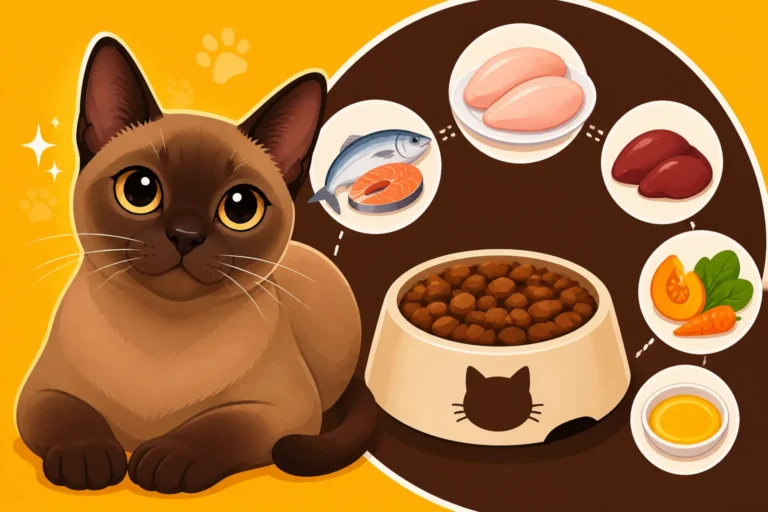
The good news is that "no treats ever" isn't necessarily the only answer. The trick is to choose wisely and sparingly. Opt for single-ingredient, high-protein treats. Freeze-dried chicken, salmon, or liver are excellent choices. Many brands available through online retailers like Amazon or Chewy offer these simple, unadulterated options. Even a tiny piece of cooked, unseasoned chicken or fish (fresh from your plate, if you're preparing it) can be a fantastic reward. The key is tiny amounts. Think of a piece no larger than your pinky fingernail, and only occasionally.
Another strategy is to use their regular, measured wet food as a “treat.” If you feed two meals a day, you can reserve a minuscule portion of their regular, low-carb wet food to offer by hand as a special reward or during training sessions. This way, you're not introducing extra calories or carbohydrates outside of their carefully calculated daily intake.
The Role of Diet in Overall Glucose Management
Beyond treats, the foundation of glucose control for a Burmese lies in their everyday diet. A high-protein, low-carbohydrate wet food diet is paramount. Dry kibble, even "premium" brands, often contains far too many carbohydrates, which rapidly turn into sugar in a cat's system. Transitioning to an all-wet, low-carb diet is one of the most impactful decisions you can make for your Burmese's health. This dietary approach helps to keep blood sugar levels stable throughout the day, minimizing those detrimental spikes and giving their pancreas a much-needed break. Why Low Carbohydrate Food Matters for a Burmese cannot be stressed enough; it truly is a game-changer.
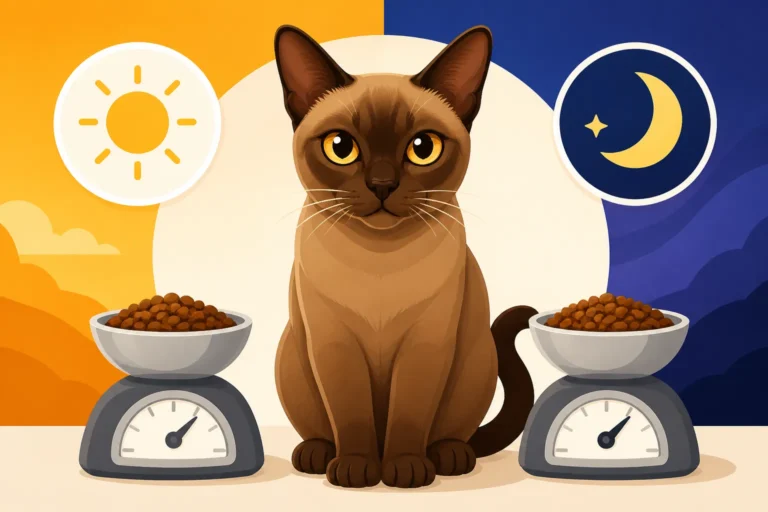
Regular, accurate portion control is equally vital. Free-feeding, where food is left out all day, is a recipe for disaster for a Burmese. It leads to overeating, weight gain, and constant grazing that keeps blood sugar levels fluctuating. Instead, weigh out precise portions for two distinct meals a day. This consistency is not just about preventing obesity; it's a direct intervention in managing their glucose metabolism.
Monitoring and Adjusting Based on Treat Intake
Even with the best intentions and the safest treats, monitoring your Burmese is crucial. Pay close attention to changes in appetite, thirst, urination, and energy levels. If you've introduced new treats or increased the frequency, observe if these symptoms appear or worsen. Regular weigh-ins at home, perhaps monthly, can also catch subtle weight gain before it becomes a problem. You can learn How to Weigh a Burmese Accurately at Home for best practices.
For Burmese already diagnosed with diabetes, any treat introduction must be discussed with your veterinarian and may require adjustments to their insulin dosage or a more frequent blood glucose monitoring schedule. Your vet might suggest using a home glucose monitor to see the immediate impact of a small treat. The goal is to integrate any treats into their overall management plan, not have them undermine it. It's a delicate dance, but one that is essential for the long, healthy life of your cherished Burmese.
Comparison of Treat Types for Burmese
Here's a quick look at common treat types and their potential impact on your Burmese's glucose control:
| Treat Type | Examples | Carbohydrate Content | Glucose Impact | Recommended for Burmese? |
|---|---|---|---|---|
| High-Carb Commercial | Crunchy kibble-like treats, soft chews | High | Significant spike | Avoid |
| Human Food Scraps | Bread, pasta, sugary items, fatty meats | Varies, often high | Significant spike / GI upset | Avoid |
| Catnip (Dried/Fresh) | Dried catnip, catnip spray | Negligible | None directly | Safe (in moderation) |
| Single-Ingredient Meat | Freeze-dried chicken, salmon, liver (Amazon, Chewy) | Very Low | Minimal | Yes, sparingly |
| Wet Food Morsel | Tiny piece of regular low-carb wet food | Low | Minimal | Yes, sparingly |
| Dental Chews | Many dental treats contain starch/grain | Moderate to High | Moderate spike | Check ingredients; often avoid |
Disclaimer
This article is for general informational purposes only and does not constitute professional advice. Laws, prices and regulations vary by location and change over time. Consult a qualified professional for guidance on your specific situation.