The Burmese Satin Coat Is the Shortest in the Cat Fancy
Many cat owners dream of a feline companion with a luscious, flowing coat, but often dread the endless grooming that comes with it. If you've ever found yourself wishing for a cat that combines stunning beauty with truly minimal fuss in the fur department, then the Burmese might just be your ideal match. This guide will dive deep into the unique characteristics of the Burmese cat's coat, explaining why its satin-like texture and incredible brevity make it a true standout in the cat fancy, and what that means for caring for your beloved companion.
The Distinctive Feel of the Burmese Coat
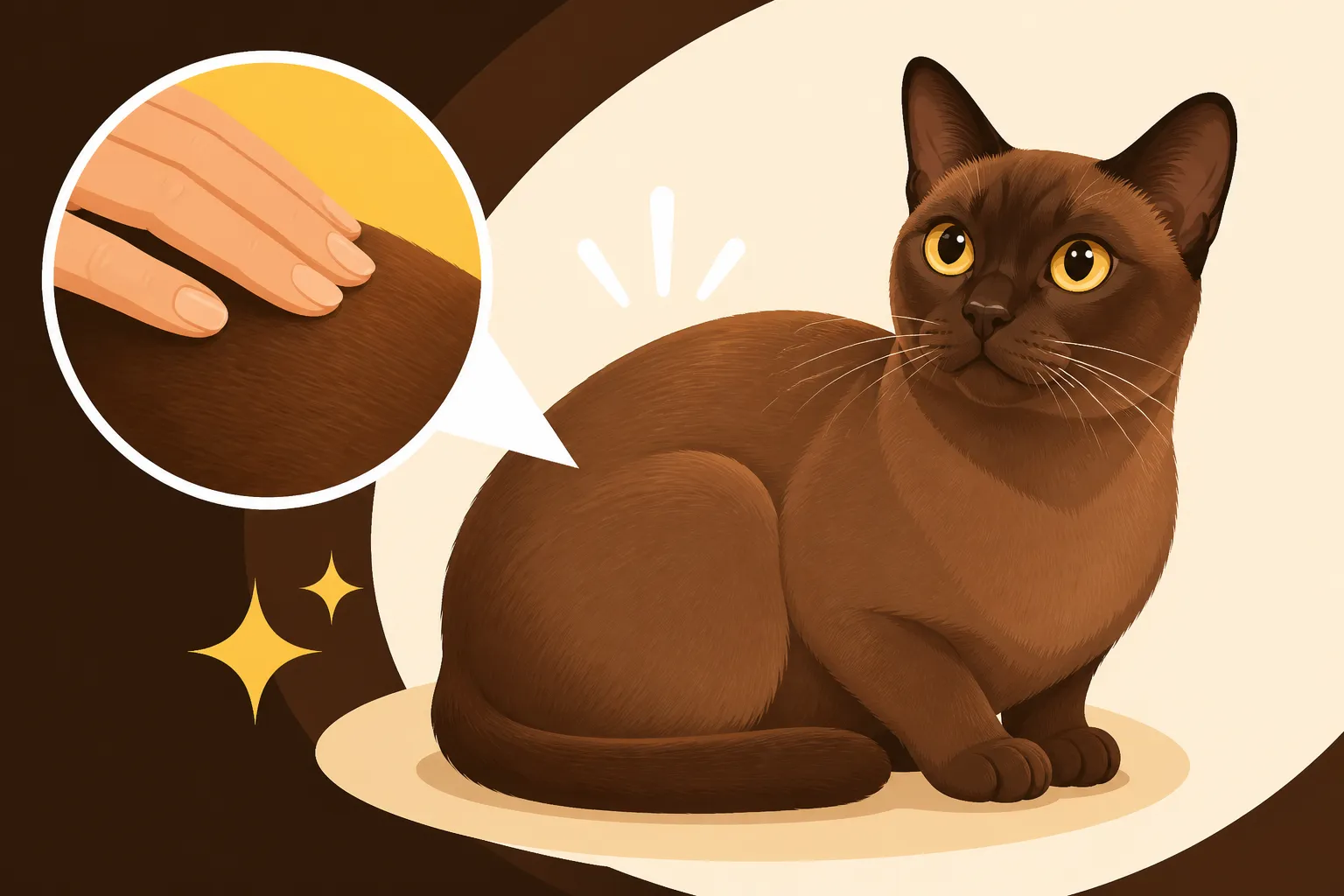
When you run your hand over a Burmese, it's immediately clear why their coat is so legendary. It's not just short; it's an experience in tactile delight, often described as feeling like warm satin. This isn't merely a poetic description; it's a precise one, referring to the unique structure of their fur that truly sets them apart from other breeds.
Why "Satin" Is the Perfect Description
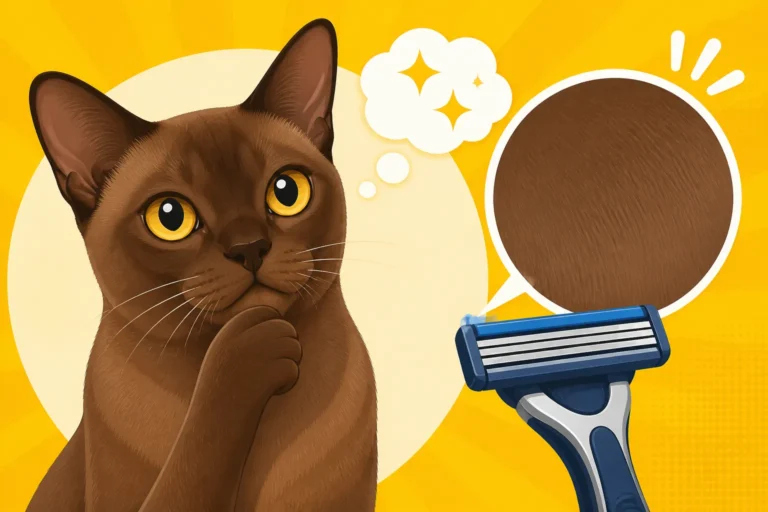
The term "satin coat" isn't thrown around lightly for the Burmese; it perfectly captures the texture and appearance of their fur. Unlike many other breeds, which might have coarser guard hairs or a dense, fluffy undercoat, the Burmese boasts an incredibly fine, soft, and short single coat. There's no harshness, no wiriness, just a sleek, smooth expanse that feels almost impossibly soft to the touch. It lies so close to their muscular body that it highlights every contour, making them truly feel like a "brick wrapped in silk," as the old saying goes. This lack of bulk in their fur contributes to their elegant, streamlined appearance and the almost liquid way their coat seems to flow when they move. The light catches it in a way that gives it a subtle, shimmering luster, much like high-quality satin fabric. You’ll find yourself constantly stroking them, not just for their affectionate nature, but simply for the sheer pleasure of their unique fur. This specific quality is a hallmark of the breed, a defining characteristic that breeders strive to maintain and enhance.
The Mystery of the Missing Undercoat
One of the key reasons behind the Burmese's distinctive satin texture and minimal shedding is the almost complete absence of an undercoat. Most cat breeds, especially those originating from colder climates, have two distinct layers of fur: a soft, downy undercoat for insulation and a layer of coarser guard hairs that protect from elements and give the coat its color and pattern. The Burmese, however, essentially skips that insulating underlayer. What you feel is primarily the very short, fine guard hairs that lie flat against their skin. This makes their coat incredibly thin and sleek, contributing to its famous shine and smooth feel. Why a Burmese's Coat Lies Flat Against the Body is directly related to this lack of an undercoat and the fine texture of their individual hairs. This genetic trait is what allows their coat to feel so much like velvet or satin, rather than the fluffy plushness of some other short-haired breeds. It also means they don't have that seasonal "blowing out" of the undercoat that can make shedding a nightmare for owners of double-coated cats.
How a Burmese Coat Differs from Others
If you've ever owned a Siamese or a Tonkinese, you might think you know short-haired cats, but the Burmese coat is a different beast entirely. While a Siamese has a short, close-lying coat, it tends to be a bit silkier and perhaps less dense in feel compared to the Burmese's compact, almost plush satin. The Tonkinese, being a hybrid of the Siamese and Burmese, often falls somewhere in between, with a slightly more resilient, mink-like texture. But the Burmese stands alone in its unique density and warmth despite its brevity. It’s not just short, it’s remarkably fine and lies incredibly flat, giving it that characteristic sheen. Compared to a domestic shorthair, which can have a wide variety of coat textures from coarse to soft, the Burmese coat is consistently uniform and luxurious. This distinction is important not just for aesthetics, but also for understanding their unique needs, particularly regarding temperature sensitivity, which we'll delve into later. The feel of a Burmese coat is truly one of the breed's most cherished and distinguishing features, setting it apart in the feline world.
Minimal Shedding, Maximum Impact
Let's be real, one of the biggest frustrations for any cat owner is the constant battle against shedding fur. It gets everywhere – on your clothes, furniture, and seemingly out of nowhere. With a Burmese, you'll find that while they do shed (all cats do!), the experience is remarkably different, and often far less overwhelming, than with many other breeds.
The Truth About Burmese Shedding
No cat is truly "non-shedding" – it's a biological process vital for coat health. However, the Burmese comes pretty darn close to being a dream for those who hate cat hair. Because their coat is so incredibly short and they lack that dense undercoat, the amount of hair they shed is significantly less than what you'd find from many other breeds. When they do shed, the hairs are so fine and short that they're often much less noticeable. You won't find yourself pulling enormous clumps of fur from your couch or lint-rolling your clothes incessantly. Instead, it's more of a steady, very light trickle of hair throughout the year, rather than dramatic seasonal molts. This is fantastic news for keeping your home cleaner and for those who might have mild allergies, though it's important to remember that no cat is truly hypoallergenic. The reduced shedding is a direct benefit of their unique coat structure, making them a relatively low-mess companion compared to their fluffier counterparts.
Where Does All the Hair Go?
Even though they shed minimally, it's not like the hair just magically disappears. What often happens with a Burmese is that the loose hairs tend to cling to the other hairs in their short, dense coat. Instead of floating freely through the air and settling on every surface, the shed hair remains somewhat 'trapped' within their existing fur, especially on their back and flanks. This is why a simple stroke with a damp hand or a chamois cloth can often pick up a surprising amount of loose hair, even if you don't see much floating around. How Little Hair a Satin Coated Burmese Leaves Behind is genuinely impressive, but it does mean that what hair is shed often stays close to the cat until a little grooming attention dislodges it. This can be a huge relief, as it means less hair contaminating your home environment, and a quicker, more effective cleanup when you do a quick once-over on your furniture. It also means less ingested hair for your Burmese, potentially reducing hairball issues.
Minimizing Visible Shedding on Furniture
While the Burmese's minimal shedding is a blessing, those short, dark hairs can still be visible on lighter fabrics or vice-versa. The key to keeping your home looking its best is a combination of regular, light grooming and strategic home care. A weekly wipe-down with a damp chamois cloth (more on that later!) will pick up most of the loose hair before it has a chance to drop. Consider investing in furniture in colors that complement or camouflage your cat's fur. If your Burmese is a beautiful sable, a dark brown leather couch might be a good choice, or a patterned fabric that helps hide stray hairs. Regular vacuuming, especially with an attachment designed for pet hair, will go a long way. Many Burmese owners find that simply owning a pair of cats helps, because the cats groom each other, further reducing the amount of fur shed directly onto furniture. You might find great pet hair removal tools on Amazon, ranging from specialized rollers to handheld vacuums. Ultimately, managing Burmese shedding is less about battling an avalanche of fur and more about maintaining a consistent, easy routine.
The Simplicity of Burmese Grooming
If the thought of elaborate grooming routines sends shivers down your spine, you're in luck with a Burmese. Their coat is remarkably self-sufficient, requiring far less intervention than most breeds. This isn't just about convenience; it's about understanding and respecting the natural design of their beautiful satin fur.
Why a Slicker Brush is Wasted on a Burmese
Forget the bristly slicker brushes, de-shedding tools, or rakes that are standard for many cat breeds. A Burmese simply doesn't need them, and in fact, these tools can be too harsh for their delicate, single coat. Why a Deshedding Tool Is Pointless on a Burmese comes down to their lack of an undercoat; there's simply nothing for those tools to grab onto. Using such brushes can actually irritate their skin or pull out healthy hairs, rather than effectively removing loose ones. Instead, the focus for a Burmese is on gentle polishing and conditioning. Their coat is designed to lie flat and shine, and abrasive tools can disrupt this natural flow. The simplicity of their grooming needs is one of the joys of owning a Burmese, freeing up your time for more cuddles and play. It's a testament to the elegant efficiency of their natural design, meaning you spend less time on tedious tasks and more on bonding.
The Magic of the Chamois Cloth
So, if not a brush, then what? The secret weapon of many a Burmese owner is the humble chamois cloth. Yes, the same kind you might use to dry your car or polish windows. A damp chamois cloth, gently wiped over your Burmese's coat, works wonders. It gently collects any loose hairs, stimulates the skin, and helps to distribute natural oils, bringing out that exquisite satin shine. You'll be amazed at how much loose hair a simple chamois picks up, even when you thought their coat was pristine. It’s a very satisfying process for both you and your cat; for them, it feels like a gentle massage, and for you, it’s instant gratification seeing their coat gleam. This weekly ritual is usually all they need, taking mere minutes. You can easily find high-quality chamois cloths on Amazon or Chewy. It’s not just about cleaning; it’s about enhancing the natural beauty of their coat, making it sparkle and shimmer under the light. This simple tool is far more effective and kind to their skin than any harsh brush.
Bathing: A Rarity, Not a Routine
Most Burmese cats rarely, if ever, need a full bath. Their short, dense coats are remarkably adept at self-cleaning, and they are meticulous groomers themselves. Unless your Burmese has rolled in something truly messy or has a specific skin condition requiring medicated washes, bathing is generally unnecessary. Frequent bathing can strip their skin of essential natural oils, leading to dryness, dullness, or even irritation. If a bath is absolutely necessary, use a gentle, cat-specific shampoo, and ensure thorough rinsing to prevent residue. After bathing, their short coat dries relatively quickly, but make sure they are completely dry to avoid chills, especially given their susceptibility to cold. How Quickly a Burmese's Coat Dries is a definite advantage, but always prioritize their comfort and warmth. For most owners, a damp chamois wipe is more than enough to keep their Burmese looking and feeling fresh. It's another aspect of their low-maintenance lifestyle that makes them such a joy to live with.
Beyond the Brush: Holistic Coat Health
A beautiful coat isn't just about what you do to it on the outside; it's a reflection of what's happening on the inside. For your Burmese, maintaining that luxurious satin sheen and overall coat health is deeply intertwined with their diet and general well-being. Thinking holistically about their care is key to ensuring their coat always looks its best.
The Nutritional Foundation for a Glossy Coat
What your Burmese eats plays a monumental role in the quality of their coat. A diet rich in high-quality protein and essential fatty acids (like Omega-3 and Omega-6) is crucial for healthy skin and a lustrous coat. These nutrients help maintain skin elasticity, reduce inflammation, and promote strong, shiny fur. If your Burmese's coat looks dull, feels coarse, or seems to be shedding more than usual, the first place to look might be their food bowl. Avoid foods with excessive fillers or artificial ingredients. Many premium wet cat foods, which are also vital for overall health and diabetes prevention in Burmese cats, offer the right balance of nutrients. Feeding a Burmese Is a Medical Decision, Not a Preference because their unique genetic predispositions, like a higher risk of diabetes, mean their diet isn't just about coat health, but about their entire lifespan. Foods with high-quality, whole-food ingredients or options specifically formulated for skin and coat health could be beneficial. A well-nourished Burmese will naturally exhibit that famous satin gleam without much external effort.
Hydration: An Unsung Hero of Coat Health
Just like for humans, adequate hydration is absolutely vital for a cat's skin and coat health. A dehydrated cat will often have dry, flaky skin and a dull, brittle coat. Burmese cats, particularly, benefit from a high-moisture diet, typically meaning wet food. Cats naturally get much of their water intake from their food, so relying solely on a water bowl (especially if they're on a dry kibble diet) might not be enough. Encouraging water consumption through water fountains or adding a little extra water to their wet food can make a big difference. Why a Burmese's Water Intake Is Worth Tracking is also important because increased thirst can be an early indicator of health issues like diabetes, which Burmese are prone to. A well-hydrated cat will have supple skin and a vibrant coat, reflecting their internal state of health. It’s a simple yet powerful aspect of care that often gets overlooked in the quest for external solutions.
The Role of Stress and General Health
Beyond diet and hydration, a Burmese's overall health and stress levels can manifest in their coat. A stressed or unwell cat might over-groom, leading to bald patches or skin irritation, or conversely, neglect their grooming, resulting in a greasy, matted appearance. The Burmese is a highly social and affectionate breed, and prolonged loneliness or anxiety can take a toll on their well-being, which often shows up in their fur. Ensure your Burmese has a stimulating environment, plenty of interaction, and ideally, another feline companion. Why a Burmese Cannot Be Left Alone All Day is a crucial piece of advice for their mental and physical health. Regular veterinary check-ups are also paramount, as underlying health conditions can often present initially as changes in coat quality. A healthy, happy, and stress-free Burmese will almost invariably have a beautiful, gleaming satin coat, a clear indicator of their contentment and vitality. It's a holistic approach that connects their physical well-being to their environment and emotional state.
Understanding Burmese Color Variations and Their Coat
The Burmese coat isn't just about its unique texture; it's also about its beautiful, distinctive colors. While the classic sable (often called brown in the UK) is iconic, Burmese cats come in a palette of stunning hues, all of which exhibit that characteristic satin finish. Understanding how these colors develop and interact with their coat structure adds another layer to appreciating this magnificent breed.
How a Burmese Kitten's Adult Color Settles
When a Burmese kitten is born, its coat is often much lighter than it will be as an adult. This is a fascinating aspect of their genetics, specifically related to the "cb" allele that gives them their unique color restriction. This gene causes color to develop more intensely in cooler areas of the body, and less so in warmer areas. Since kittens are warm all over, their pigment doesn't fully express itself until they are older and their body temperature regulation is more established. As they grow, their extremities (ears, paws, tail, and face) gradually darken, and their body color deepens and evens out. When a Burmese Kitten's Adult Color Settles typically by 12-18 months of age, though subtle changes can continue throughout their lives. A sable kitten, for example, might be a pale fawn at birth and mature into a rich, warm brown. This gradual darkening is a delightful process for breeders and owners to observe, watching their little feline blossom into their full, glorious color.
The Impact of Temperature and Sunlight on Coat Color
The temperature-sensitive nature of the Burmese color gene means that environmental factors can influence their coat shade. A Burmese living in a cooler climate or spending more time in cooler rooms might develop a slightly darker body color than one consistently in a very warm environment. Similarly, prolonged exposure to direct sunlight can cause some lightening or "bleaching" of the coat, especially in darker colors like sable. Why Sunlight Lightens a Burmese's Coat is something owners might notice if their cat loves to bask by a sunny window. This isn't a sign of poor health but simply an interaction between their unique genetics and their environment. It highlights the dynamic nature of their coat color. While these changes are usually subtle, they add a fascinating dimension to the breed, making each Burmese unique in its exact shade. It's another reason why their coat is so endlessly captivating to observe and appreciate.
The Four Classic Burmese Colors
While there are other recognized colors in some European standards, the American Burmese typically comes in four main colors, each breathtaking with the satin sheen:
- Sable (Brown): This is the original and most well-known color, a rich, warm, dark brown that looks like highly polished mahogany. It’s often the color most associated with the breed and is stunningly deep.
- Champagne (Chocolate): A lighter, warmer brown, often described as a warm honey-beige or milk chocolate. It’s softer than sable but still carries that distinct warmth and glow.
- Blue: A lovely, medium grey with a warm, silvery sheen. It’s not a stark slate grey but has a beautiful, almost dove-like quality that glistens.
- Platinum (Lilac): The palest of the four, a soft, delicate grey with a pinkish or mushroom undertone. It’s incredibly elegant and subtle, a true pastel shade.
Each of these colors, from the deepest sable to the softest platinum, showcases the Burmese's unique coat texture perfectly, reflecting light in a way that truly highlights their sleek, muscular physique. How a Burmese's Color Is Registered often uses specific codes, but the beauty lies in their visual impact. These colors are not just cosmetic; they are integral to the breed's identity and visual appeal, making them universally admired for their stunning appearance.
Addressing Common Burmese Coat Myths
The Burmese coat, being so unique, often gives rise to a few misconceptions. As an owner, it’s helpful to understand the reality behind these myths, not just for your cat's health, but also for appreciating their true nature. Let's debunk some common ideas that might come up.
"Short Hair Means No Grooming"
This is perhaps the biggest myth about short-haired cats in general, and the Burmese specifically. While it's true that they don't require the extensive daily brushing that a long-haired Persian might, "no grooming" is still inaccurate. The Burmese benefits immensely from regular, albeit minimal, attention to their coat. As discussed, a weekly wipe-down with a damp chamois cloth is highly recommended. This isn't just for aesthetics; it helps remove loose hairs, distributes natural skin oils, and provides a gentle massage that many Burmese adore. How Many Minutes a Month a Burmese's Coat Takes is truly minimal, maybe 5-10 minutes a week, but those few minutes make a real difference in keeping their coat pristine and their skin healthy. It's a bonding opportunity, too. So, while it's low maintenance, it's not no maintenance. Dismissing grooming entirely can lead to a dull coat and potentially more hair shed around the house, even if it's minimal.
"Short Hair Means Hypoallergenic"
Another persistent myth is that all short-haired cats are hypoallergenic. Unfortunately, this isn't true for the Burmese, or for most other short-haired breeds. Allergies to cats are primarily caused by a protein called Fel d 1, which is found in a cat's saliva, dander (dead skin cells), and urine, not just the fur itself. While a Burmese may shed less fur, they still produce dander and saliva, and they meticulously groom themselves, spreading the allergen. Whether a Burmese's Short Coat Helps With Allergies is complex. While less fur might mean less airborne allergen for some individuals, it doesn't eliminate it. Some people with very mild allergies might find a Burmese more tolerable than a long-haired, heavy-shedding breed, but there's no guarantee. If you have severe cat allergies, spending time with a Burmese before committing is essential to see how you react. Always remember that "hypoallergenic" is often a marketing term, not a scientific one, when it comes to cat breeds.
"Burmese Coats Are Always the Same Color"
While the four classic colors (sable, champagne, blue, platinum) are quite stable, the idea that a Burmese coat is rigidly one unchanging shade is a myth. As we've explored, their temperature-sensitive gene means that their base color can fluctuate slightly with age, environment, and even ambient temperature. A Burmese might appear a slightly lighter shade in the summer months or a bit darker in winter. Their kitten coat is also considerably lighter than their adult hue. How a Burmese's Sable Darkens or Lightens With Age is a testament to this dynamic quality. These subtle shifts add to the charm of the breed and are a natural part of their unique genetic makeup. It’s not a flaw or a sign of an impure breed, but rather a characteristic that makes them even more interesting to observe over their lifetime. Embrace the subtle nuances and changes; they are part of what makes your Burmese so special.
Why the Burmese Coat Signals Overall Wellness
It might seem simple, but your Burmese's coat is like a little health barometer, offering visual clues about their overall well-being. A dull, sparse, or unhealthy-looking coat can often be the first sign that something isn't quite right, making it a crucial aspect of their care to monitor.
Early Warnings from Coat Changes
Any sudden or significant change in your Burmese's coat quality should prompt a closer look, and potentially a vet visit. If their normally shiny, sleek coat suddenly appears dull, greasy, flaky, or brittle, it could be a sign of dietary deficiencies, dehydration, or an underlying illness. Excessive shedding beyond their normal minimal amount, or the appearance of bald patches, could indicate stress, allergies, parasites, or more serious endocrine issues. Why a Burmese Hides Illness Behind Its Affection means you need to be observant; they are so devoted and people-oriented that they will often push through discomfort to be with you. Therefore, subtle signs like coat changes can be incredibly valuable early warnings. Don't dismiss these changes as just "bad hair days" for your cat; they often tell a deeper story about their internal health. A healthy Burmese has a vibrant, elastic coat, and any deviation from this norm warrants attention.
Skin Health and Parasite Detection
Because the Burmese coat is so short and lies so close to their body, it offers a fantastic window into their skin health. You can easily check for any redness, rashes, bumps, or dry, flaky patches that might indicate allergies, fungal infections, or other dermatological issues. It also makes it much easier to spot external parasites like fleas or mites. Unlike longer-haired cats where these pests can hide deep within the fur, a quick parting of the Burmese's short coat can reveal their presence. Regular physical interaction during grooming (even just a chamois wipe) allows you to perform these quick, visual inspections. Early detection of skin problems or parasites means faster treatment and less discomfort for your cat. This ease of inspection is a real advantage for conscientious owners, giving you confidence in your ability to keep your Burmese healthy and itch-free.
Grooming as a Health Check Ritual
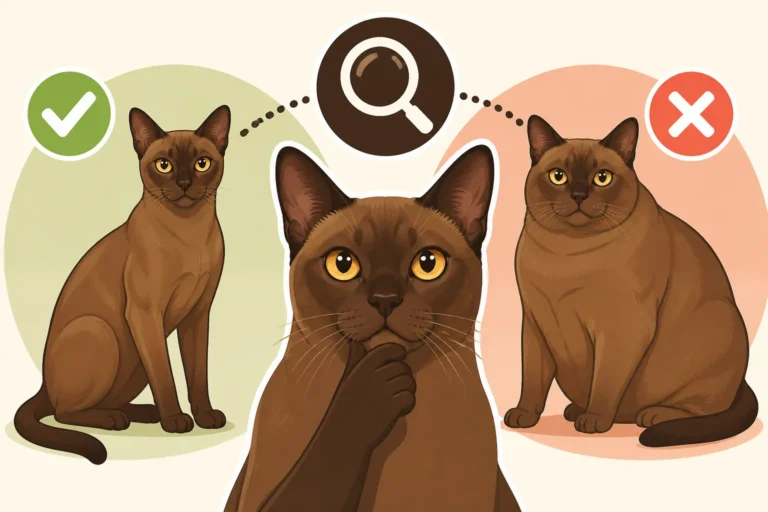
The act of grooming your Burmese, however minimal, should be seen as a valuable health check ritual. As you gently wipe them down with a chamois or pet their fur, use the opportunity to feel for any lumps, bumps, or tender spots on their body. Check their skin for any abnormalities. Look at their eyes and ears for any discharge or signs of infection. Feel their body condition – are they maintaining a healthy weight? How to Feel a Burmese's Ribs Under a Satin Coat is a crucial skill. Because their coat is so short, it's easier to assess their body condition score by touch. This routine, combined with their naturally affectionate nature (they usually love the attention), transforms grooming from a chore into a comprehensive well-being check. It reinforces the bond you share while providing invaluable insights into their physical condition, allowing you to catch potential issues early before they escalate.
Keeping Your Burmese Cozy: Temperature Sensitivity
The very feature that makes the Burmese coat so unique – its incredible shortness and lack of an undercoat – also means they have a reduced ability to regulate their body temperature in cooler environments. Unlike many other breeds, your Burmese is likely to be much more sensitive to the cold, and this is a crucial aspect of their care.
Why a Short Coated Burmese Feels the Cold
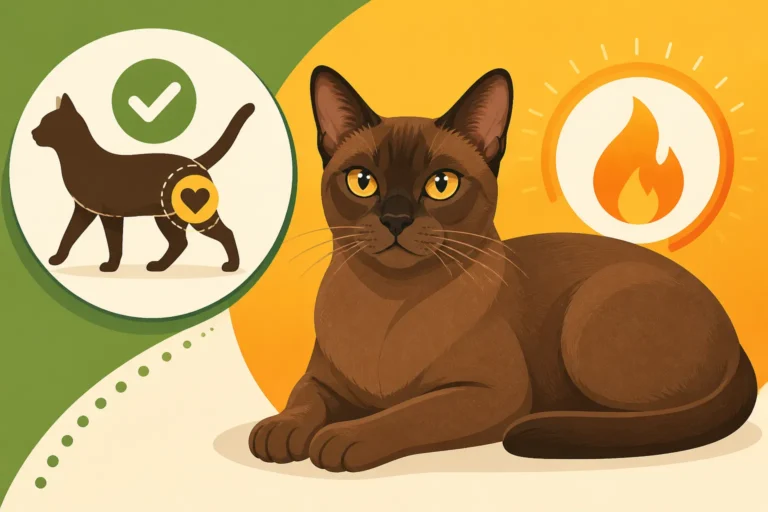
Imagine wearing only a light silk shirt in chilly weather; that's somewhat analogous to how a Burmese feels the cold. Their short, single coat provides minimal insulation compared to cats with a dense undercoat or long, shaggy fur. While they have thick skin, the lack of a thermal layer means body heat dissipates more quickly. This makes them particularly susceptible to drafts and lower temperatures. Why a Short Coated Burmese Feels the Cold is a genetic reality that owners must acknowledge. They are not built for outdoor adventures in anything but very warm climates, and even indoors, they will seek out the warmest spots available. You'll often find them snuggled under blankets, curled up against you or another pet, or basking in a patch of sunlight. This isn't just about comfort; it's about their physiological need to conserve body heat. Providing adequate warmth is not a luxury for a Burmese, but a necessity.
Providing Warm Sleeping Spots
Given their sensitivity to cold, creating warm and inviting sleeping areas for your Burmese is paramount. This can include soft, plush beds in sunny spots, heated cat beds (many excellent options available on Amazon), or simply plenty of soft blankets for them to burrow into. They absolutely adore being under duvets and blankets, seeking out body warmth from their humans or feline companions. Why a Burmese Sleeps Under the Duvet is a classic Burmese trait – they crave warmth and security. Placing beds away from drafts, especially in winter, is also a good idea. Consider positioning their favorite resting spots near a radiator or a warm air vent, but always ensure they can move away if they get too hot. If you work away from home during the day, make sure the house temperature is comfortable for them, or provide a self-heating pad to keep them cozy. Thoughtful placement and provision of warm havens will ensure your Burmese is comfortable and content year-round.
Avoiding Outdoor Exposure in Cold Weather
For a breed as trusting and companion-oriented as the Burmese, allowing them free-roaming access outdoors, especially in anything but the warmest weather, is generally ill-advised. Their lack of a thick coat makes them vulnerable to hypothermia in cold temperatures. Furthermore, their trusting nature and lack of "street smarts" mean they are not well-equipped to navigate the dangers of the outdoors, such as traffic, other animals, or even being taken in by strangers. Why a Burmese Refuses to Go Out in Cold Weather is often their instinct guiding them, a clear signal they are uncomfortable. If you wish for your Burmese to experience the outdoors, a secure "catio" or supervised leash walks in a safe, enclosed area are much better options. Even then, on cooler days, ensure they have appropriate protection and limited exposure. Their health and safety depend on your understanding of their unique physical needs and their trusting, vulnerable personality.
Essential Grooming Tools for Your Burmese
While their needs are minimal, having the right tools on hand will make the occasional grooming task even easier and more enjoyable for both you and your Burmese. These aren't fancy, elaborate items, but rather simple, effective tools that work with their unique coat.
| Tool | Purpose | Frequency | Notes |
|---|---|---|---|
| Damp Chamois Cloth | Removes loose hair, polishes coat | Weekly | Essential for maintaining shine and cleanliness. |
| Soft Microfiber Cloth | For eye and ear cleaning | As needed | Gentle, non-abrasive, and absorbent. |
| Cat-Specific Nail Clippers | Trimming claws | Every 2-4 weeks | Keep sharp to ensure a clean cut. |
| Cat Toothbrush & Toothpaste | Oral hygiene, prevents gum disease | Daily/Few times a week | Crucial given the Burmese's predisposition to dental issues. |
| Shedding Brush/Glove | Not recommended | Never | Avoid slickers or deshedders; too harsh for their single coat. |
The Humble Chamois Cloth
As previously mentioned, the chamois cloth is your best friend for Burmese coat care. A high-quality, absorbent chamois, dampened with warm water, is perfect for wiping down their coat. It effectively picks up loose hairs, distributes natural skin oils, and buffs their fur to a brilliant shine. You can find excellent ones on Amazon or even at automotive stores. It's gentle on their skin and feels like a luxurious massage for them, making it a pleasant bonding experience. This simple tool is far more effective than any brush for achieving that signature Burmese gleam and keeping loose hair under control. Which Chamois Brings Up a Burmese's Satin Shine isn't about a specific brand, but rather the material itself and using it damp.
Nail Clippers for Gentle Paw Maintenance
While not directly coat care, keeping your Burmese's claws trimmed is an essential part of their overall hygiene and comfort. Their claws grow continually and can become sharp, leading to accidental scratches during play or getting snagged on furniture. Regular clipping also prevents discomfort when they walk. Choose a good quality, cat-specific pair of nail clippers. Introduce the clippers gently when they are kittens, making it a calm routine. Many Burmese are very amenable to having their paws handled, especially if it's accompanied by treats and praise. Trimming a Burmese's Claws While It Sits on You can be a surprisingly easy task with their cooperative nature. Aim for every 2-4 weeks, taking just the very tip of the claw to avoid the quick.
Oral Hygiene Tools
Though not coat-related, good oral hygiene is critical for a Burmese and often overlooked in general grooming discussions. Burmese cats are unfortunately prone to dental issues, including gingivitis and tooth resorption. Brushing their teeth from a young age is highly recommended. You'll need a small, soft cat toothbrush (or a finger brush) and cat-specific toothpaste (never human toothpaste). This daily or every-other-day routine can significantly reduce tartar buildup and the risk of periodontal disease, saving you potential vet bills and discomfort for your cat down the line. Brushing a Burmese's Teeth Before It Loses Them is proactive care that makes a huge difference. Starting early, making it positive, and consistency are key to getting your Burmese to accept this vital grooming step.
Disclaimer
This article is for general informational purposes only and does not constitute professional advice. Laws, prices and regulations vary by location and change over time. Consult a qualified professional for guidance on your specific situation.