Sable Is the Cheapest Burmese in Every Litter
When you’re dreaming of bringing a beautiful Burmese cat into your home, it’s natural to wonder about the financial commitment. Many prospective owners get hung up on the initial purchase price, often assuming that certain rare colors will always fetch a premium. While color can play a role, especially if you're looking for something specific, it's a common misconception that sable is always the cheapest Burmese in every litter. The truth is far more nuanced, deeply intertwined with the cat's type, pedigree, and the breeder's dedication. This guide will help you understand the true economics of owning a Burmese, from the moment you consider a kitten to their long, happy life with you.
Decoding the Burmese Kitten Price Tag
It’s easy to get caught up in the excitement of choosing a kitten, perhaps falling in love with a particular shade or pattern. But when it comes to the Burmese, the initial price tag isn't just about the charming color of their coat. There are foundational factors at play that significantly impact what you’ll pay, and understanding these is crucial to navigating the market and making an informed decision.
The Fundamental Divide: American vs. European Burmese
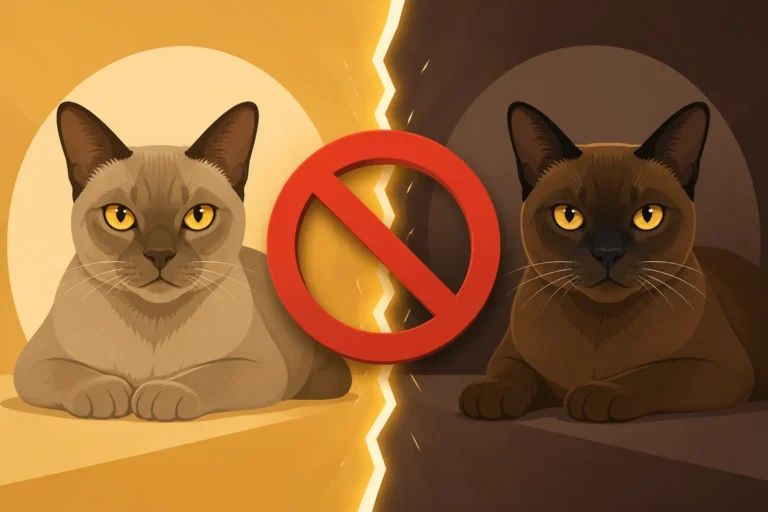
Before you even consider color, you need to understand that the world of Burmese cats is divided into two distinct types: the American Burmese and the European Burmese. This split is arguably the biggest driver of price differences, often outweighing color preferences. The American Burmese typically has a rounder head, shorter muzzle, and stockier build, reflecting the breed standard developed in the US. They are often more widely available in North America, which can sometimes lead to a slightly lower entry price point, though this is not universally true. Expect to find more breeders specializing in this type in the US and Canada, which influences accessibility and pricing.
On the other hand, the European Burmese, often referred to as the British Burmese, presents a more elegant, slightly longer body, with a wedge-shaped head and larger, more expressive eyes. These cats were developed with a different standard, leading to a more refined appearance. Because the European lines are less common in North America and often require specific breeding programs to maintain their type, their kittens tend to command a higher price. Importing lines and maintaining distinct breeding programs adds considerable overhead for breeders, which naturally translates to the cost you'll see. It's vital to recognize that There Are Two Burmese and They Are Priced Apart, and this fundamental difference dictates much of their market value.
Quality, Pedigree, and Breeder Reputation
Beyond the type, the quality of the kitten and the reputation of the breeder are paramount. A breeder selling "pet quality" kittens will naturally price them differently than those designated for show or breeding. Pet quality simply means they might have a minor conformational fault that makes them unsuitable for the show ring, but they are perfectly healthy and wonderful companions. These kittens are usually sold with spay/neuter contracts to ensure they contribute only as beloved family members.
A reputable breeder invests heavily in their cats. This includes extensive health testing for genetic conditions common in the breed, such as hypokalemia or specific forms of diabetes, providing excellent nutrition, socialization, and proper veterinary care for the queen and her kittens. They will also provide a detailed pedigree and usually a health guarantee. For instance, knowing What a Burmese Breeder Must Test Before Any Mating assures you that your kitten has the best possible start, and the cost reflects this diligence. A breeder who cuts corners on health testing or care might offer lower prices, but this often comes with a much higher risk of future veterinary bills and heartache for you.
Demand also plays a significant role. If a breeder has a strong reputation for producing exceptional, healthy kittens, they will often have a long waiting list, even for pet quality sables. This high demand, coupled with the inherent costs of responsible breeding, ensures that the prices remain consistent with the value provided. Choosing a breeder based solely on the lowest price is a gamble that rarely pays off in the long run with a Burmese.
Why Sable Holds a Special Place in Pricing
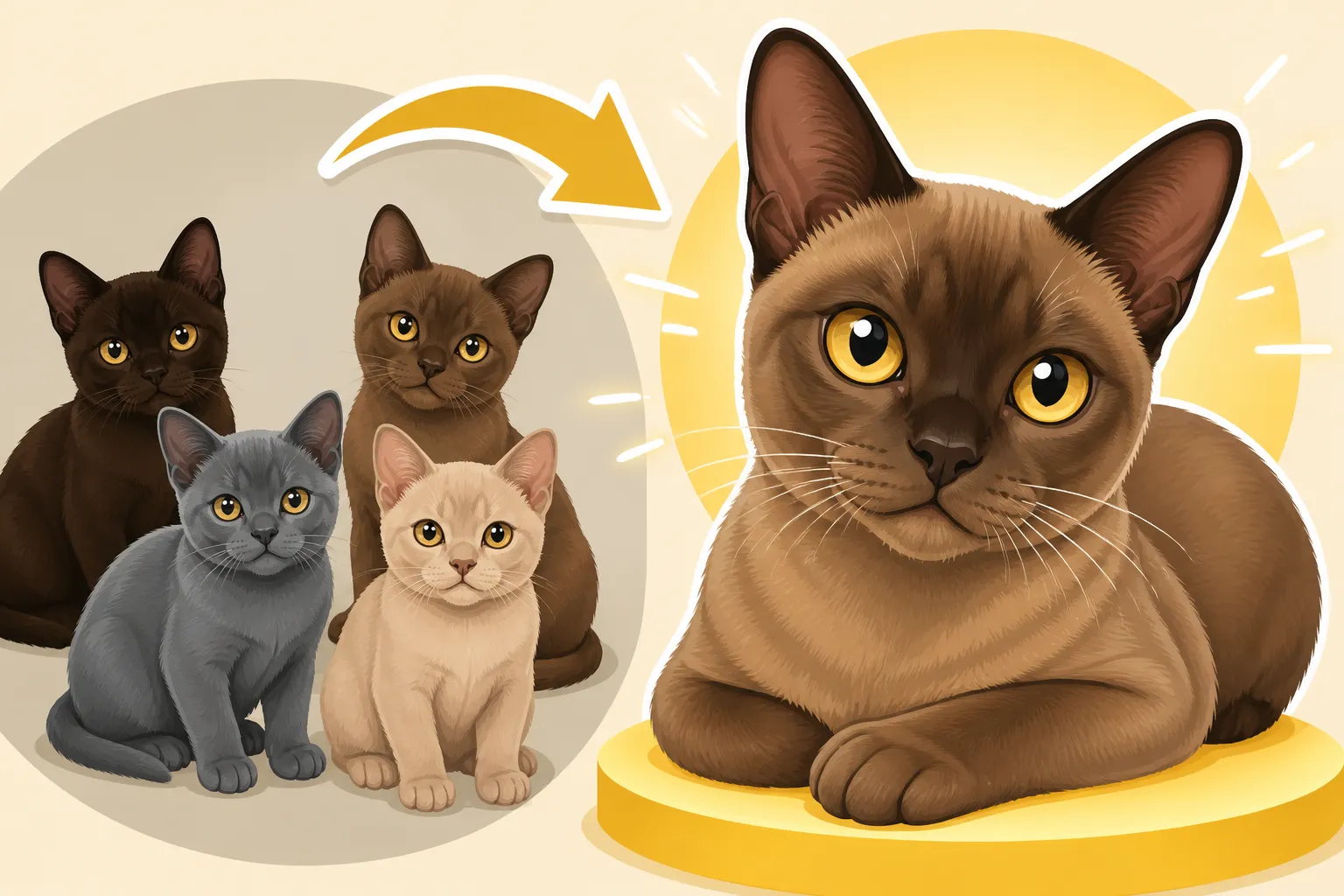
When people talk about the "cheapest" Burmese, they often have the Sable in mind. This isn't just an arbitrary label; there's a good reason why Sable Burmese often sit at the lower end of the price spectrum compared to their more exotic-colored siblings within the same litter or type. It boils down to genetics and the principles of supply and demand.
The Genetic Basis of Burmese Colors
The Sable Burmese, known as "Brown" in many parts of the world, is the original color of the breed. It all started with Wong Mau, the foundational cat of the Burmese breed, who carried the gene responsible for this rich, warm brown hue. This distinctive color is caused by the cb allele, a specific gene that modifies the full-color gene. Instead of producing a solid black or chocolate cat, the cb allele creates a sepia effect, where the color is concentrated at the points (ears, face, paws, tail) and is lighter on the body, though the contrast is much subtler than in a Siamese.
Because Sable is the dominant expression for the Burmese color gene, it is the most common color produced when two Burmese cats are bred, assuming they carry the gene for Sable. The cb Allele Is What Makes a Burmese Brown and its prevalence means that Sable kittens are typically more numerous in litters than any other color. This genetic predisposition means breeders generally have a higher number of Sable kittens available, which, when combined with typical market dynamics, naturally places them as the more accessible option.
Supply and Demand for Sable vs. Dilute Colors
The fundamental principle of supply and demand heavily influences the pricing of different Burmese colors. Since Sable is the most genetically common color, there is generally a larger supply of Sable kittens available from breeders. While a Sable Burmese is undeniably stunning with its lustrous, short coat that feels like satin, its commonality means it doesn't carry the same "rarity" premium as some of the other colors. Breeders often find it easier to place Sable kittens compared to the more exotic or less common dilute colors.
Conversely, the dilute colors like blue, champagne, and especially platinum, are genetically less common. They require specific genetic combinations from both parents to be expressed. This means smaller litters of these colors or fewer occurrences in a breeding program. As such, the demand for these rarer colors often outstrips the supply, allowing breeders to price them higher. This isn't about one color being inherently "better" than another, but rather the simple economics of availability. So, while Why Color Adds to a Burmese's Price is true, it's really a function of how often those colors appear naturally in breeding programs. If you have your heart set on a specific, rarer color, be prepared for a potentially longer wait and a higher price tag.
The Other Three: Champagne, Blue, and Platinum
While Sable might often be the most budget-friendly option, the Burmese breed offers a stunning palette of other recognized colors, each with its own unique charm and, yes, often a higher price point. Understanding these variations helps you appreciate the genetic artistry behind the breed and why certain colors carry a premium.
Champagne Burmese: The Diluted Brown
The Champagne Burmese, sometimes called Chocolate in other registries, is essentially a diluted version of the Sable. Genetically, it's still a brown-based cat, but with a modification that lightens the pigment to a warm, milky chocolate brown. This color is absolutely gorgeous, often with amber eyes that beautifully complement its coat. It carries a sophisticated, understated elegance that appeals to many.
In terms of pricing, Champagne usually falls somewhere between Sable and the rarer dilutes like Blue or Platinum. It's not as common as Sable, but generally more available than the truly rare colors. This means that while it might be a step up in price from a Sable kitten, it won't typically reach the heights of a Platinum. If you're seeking a distinct color that's a bit more unique than Sable but without the top-tier price, Champagne can be an excellent choice. How Much a Champagne Burmese Kitten Costs will vary by breeder and region, but expect it to be a moderate increase.
Blue Burmese: The Grey Elegance
The Blue Burmese is a striking color, a diluted version of black, resulting in a soft, medium grey with a subtle blue cast. Their coats often have a shimmering quality, and their eyes tend to be a brilliant gold or amber, creating a captivating contrast. Blue Burmese cats are quite popular, and their elegant appearance often makes them highly sought after.
Genetically, blue requires a specific dilution gene to be present. While not as rare as Platinum, it’s less common than Sable and Champagne. This slightly decreased availability, coupled with strong demand, often means that Blue Burmese kittens are priced a bit higher than both Sable and Champagne. The subtle beauty of a Blue Burmese is undeniable, making it a desirable choice for many enthusiasts. So, if you're asking How Much the Blue Dilution Adds to a Burmese, know that it generally bumps the price up a notch from the most common colors, reflecting its slightly rarer genetic combination.
Platinum Burmese: The Rarest Jewel
If you're looking for the true unicorn of Burmese colors, you've found it in Platinum. Also known as Lilac or Lavender in some parts of the world, Platinum is a very pale, almost silvery-grey with a pinkish or mushroom undertone. It’s the rarest of the four traditional colors and often considered the pinnacle of Burmese color breeding due to its unique and delicate hue. This color arises from a double dilution: it's a diluted brown that is then diluted again. This complex genetic combination makes it challenging to consistently produce.
Because of its rarity and the specific genetic requirements, Platinum Burmese kittens almost always command the highest prices. Breeders who successfully produce healthy Platinum kittens invest a significant amount of time and resources into their breeding programs to ensure these complex genetics are managed responsibly. This makes How Much a Platinum Burmese Kitten Costs a substantial investment. Furthermore, you might find that Why Platinum and Blue Burmese Litters Are Smaller means a longer wait time, as these dilute color combinations don't occur as frequently in litters compared to Sables. If your heart is set on a Platinum Burmese, be prepared for a premium price and potentially a longer wait.
Beyond the Purchase Price: Hidden Costs of Ownership
While the initial purchase price of a Burmese kitten is a significant upfront expense, it's truly just the tip of the iceberg when it comes to the financial commitment of owning one of these magnificent felines. Many first-time owners are surprised by the ongoing costs, which can quickly add up. To be a responsible Burmese parent, it's essential to budget for all the "hidden" expenses that come with daily life and long-term care.
Initial Setup Costs: More Than Just the Kitten
The day your new Burmese kitten comes home, you'll need more than just a cuddle-ready lap. There's an entire shopping list of essentials to ensure they settle in comfortably and safely. This includes a sturdy, secure cat carrier for transport and vet visits, which is non-negotiable. You'll also need food and water bowls, ideally stainless steel or ceramic for hygiene. Multiple litter boxes (the general rule is one per cat plus one extra), along with high-quality litter, are crucial. Scratching posts or pads are vital to direct their natural clawing instincts away from your furniture.
Then there are the initial vet costs. Even if your kitten comes with its first set of vaccinations from the breeder, there will be follow-up shots, deworming, and a thorough initial health check. Why a Burmese Kitten Needs an Early Vet Check cannot be overstated; it establishes a baseline for their health and catches any potential issues early. Spaying or neutering is another significant cost, usually done before six months of age. Don't forget toys – lots of them! Burmese are incredibly playful, and a variety of interactive toys are necessary to keep them stimulated. Investing in high-quality, species-appropriate food from the start is also crucial, especially considering their predisposition to certain health issues. Many owners find value in ordering supplies from reputable online retailers like Chewy, which can help manage these initial and ongoing costs efficiently.
The Lifetime Health Investment
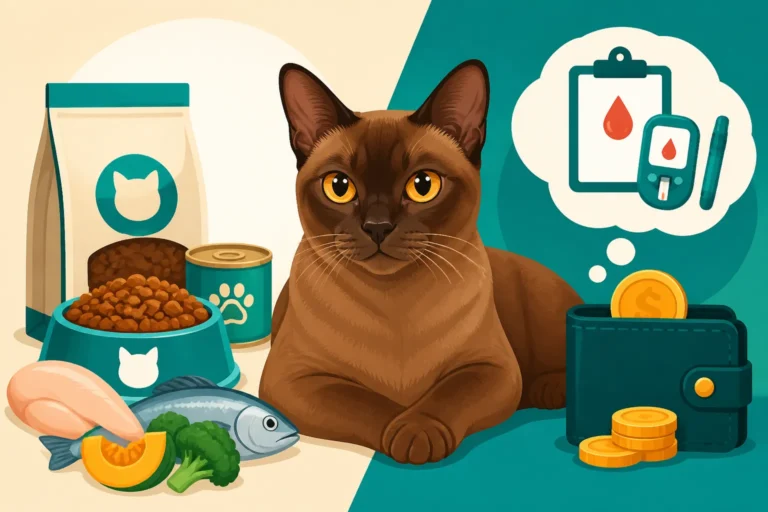
Owning a Burmese means signing up for a long-term health investment. While they are generally robust cats, the breed does have certain genetic predispositions that require careful monitoring and potential intervention. Perhaps the most well-known is their heightened risk of diabetes. Why the Diabetes Risk Belongs in a Burmese Budget is a fact no prospective owner should ignore. This means annual vet check-ups should include glucose screenings, and any changes in appetite or water intake need immediate attention. Regular veterinary visits, even for a healthy adult Burmese, are essential; How Often a Healthy Adult Burmese Needs Checking allows your vet to catch subtle changes before they become major problems.
Should your Burmese develop diabetes, the costs of insulin, syringes, special prescription diets, and frequent vet visits for glucose curve monitoring can be substantial. Beyond diabetes, Burmese are also known for potential issues like hypokalemia (though responsible breeders test for this), and later in life, conditions like kidney disease or dental issues. Pet insurance can be a lifesaver, and providers like Healthy Paws offer plans that can help offset unexpected veterinary expenses. However, be aware that many policies have exclusions for pre-existing conditions, so it's wise to consider insurance early. Understanding Whether a Burmese Policy Is Worth It Once Diabetes Is Excluded is a critical conversation to have with potential insurers and your vet. The key takeaway here is that anticipating and budgeting for potential health challenges is a core part of responsible Burmese ownership.
The "Burmese Pair" Premium: Why Two Can Be Cheaper Than One
This might sound counterintuitive, but for Burmese cats, bringing home two can actually be a more economical and emotionally beneficial decision than just one. These are not your typical aloof felines; Burmese cats are renowned for their intense need for companionship, and trying to deny them this fundamental requirement can lead to costly and heartbreaking consequences.
Understanding the Burmese Need for Company
The Burmese is often called the "Velcro cat" or a "dog in a cat's body" for a very good reason: they are incredibly social, people-oriented, and demand constant interaction. They thrive on companionship and become deeply attached to their human families. This intense need for connection means they absolutely detest being left alone for extended periods. What Separation Anxiety Looks Like in a Burmese can manifest in destructive behaviors, excessive vocalization, or even self-mutilation. Imagine coming home to shredded furniture, inappropriate urination, or a cat that has literally pulled its own fur out. These aren't just minor inconveniences; they're signs of deep distress and stress-related behaviors that require significant intervention, usually involving vet visits and potentially costly behaviorists.
Why a Burmese Cannot Be Left Alone All Day is a message echoed by every responsible breeder and experienced owner. If you work long hours or travel frequently, a single Burmese will likely suffer. They aren't content to simply snooze the day away; they need mental stimulation, physical play, and consistent interaction. A lonely Burmese can quickly develop habits that are expensive to fix and heartbreaking to witness. The emotional toll on both you and your cat can be immense.
The Economics of Two
This is where the "two is cheaper than one" philosophy comes into play. If you're a busy individual or family, providing a constant companion for your Burmese through another cat (or a cat-friendly dog) can be a game-changer. Two Burmese kittens will entertain each other, play together, and provide that essential social contact when you're not around. This significantly reduces the likelihood of boredom, loneliness, and the destructive behaviors that stem from separation anxiety.
Consider the cost of replacing chewed furniture, repairing scratched walls, or paying for professional cleaning due to inappropriate urination. These "damage bills" can quickly surpass the initial cost of a second kitten. As many experienced owners will attest, Why a Burmese Pair Halves the Damage Bill because the cats keep each other occupied and content. Breeders often understand this dynamic perfectly, which is why Why Burmese Breeders Sell Them in Pairs is a common recommendation, sometimes even offering a slight discount for two littermates. While the initial food and litter costs will double, the savings in potential property damage, vet bills for stress-related illnesses, or even the need for a cat sitter every single day you're out can make a pair a much more sensible long-term financial decision. Ultimately, Why Two Burmese Cost Less Than One Anxious One is a truth born from experience for many Burmese owners.
Long-Term Financial Planning for Your Burmese
Adopting a Burmese is a commitment that spans well over a decade, often reaching into their late teens. This isn't a short-term fling; it's a long, loving relationship that requires careful financial foresight. Thinking beyond the monthly food budget and annual vet check-up is essential for ensuring your beloved companion receives the best care throughout their entire life.
Budgeting for a Sixteen-Year Commitment
Burmese cats are known for their impressive longevity. A well-bred Burmese can easily live The Sixteen to Eighteen Years a Well Bred Burmese Gets, which means you're looking at a substantial number of years of ongoing expenses. Beyond the basics of food, litter, and routine vet care, you need to factor in potential dietary changes. As mentioned, their predisposition to diabetes often necessitates a low-carbohydrate, high-protein wet food diet. This specialized food can be more expensive than generic kibble, so comparing brands can help find suitable options within your budget. Litter consumption will also be higher if your Burmese becomes diabetic, as Why a Diabetic Burmese Needs a Bigger Box and uses it more frequently.
Routine preventative care also includes things like annual dental cleanings. Burmese are prone to gum disease and tooth resorption, and How Many Dentals a Burmese Needs in a Lifetime can add up significantly. These procedures require anesthesia and are not inexpensive, but they are crucial for your cat's overall health and comfort. You'll also have parasite prevention (flea, tick, and heartworm medication) to consider, along with toys, scratching posts, and occasional grooming tools, though their satin coats are thankfully low maintenance. All these costs contribute to What a Burmese Costs Over Sixteen Years – a figure that can truly astound if not properly anticipated.
Preparing for Senior Years and Special Needs
As your Burmese enters their senior years, typically around the age of 10-12, their needs will inevitably change, and so will your budget. Caring for a Burmese Past Twelve often involves more frequent vet visits, specialized diets, and potentially medication for age-related conditions. Just like people, older cats can develop a range of ailments. Kidney disease is a common concern in senior felines, and understanding How Kidney Disease Arrives in an Old Burmese will help you recognize symptoms early. This often requires prescription renal diets, regular blood tests, and supportive care.
Hyperthyroidism is another condition that can affect older Burmese cats. Why Hyperthyroidism Catches an Older Burmese is a question your vet can answer, but treatments can range from daily medication to more advanced therapies. Arthritis, though they may still seem playful, can also start to become an issue, requiring pain management. These chronic conditions aren't just one-off expenses; they often mean ongoing medication, specialized food, and more frequent diagnostic tests, such as blood panels, radiographs, or ultrasounds. Having a financial cushion or comprehensive pet insurance that covers senior care is invaluable during these years. While they remain affectionate and playful even in old age, their physical needs become more demanding, and being financially prepared ensures you can provide them with the comfort and dignity they deserve in their twilight years.
Burmese Color Pricing and Associated Long-Term Costs
Here’s a general overview of how Burmese colors typically influence initial purchase price, alongside a reminder of the significant ongoing health and behavioral costs common to the breed, which are not color-dependent. Remember, these are ranges and can vary wildly based on breeder reputation, location, demand, and whether you're getting an American or European type. Always confirm specific pricing with a reputable breeder.
| Factor | Sable (Brown) | Champagne (Chocolate) | Blue | Platinum (Lilac/Lavender) | Impact on Total Cost Over 16 Years |
|---|---|---|---|---|---|
| Initial Purchase Price (General Range) | Lower to Mid | Mid-Range | Mid-to-High | Highest | Varies significantly based on type and breeder. |
| Genetic Commonality | Most Common | Moderately Common | Less Common | Rarest | Higher commonality usually means lower initial price. |
| Demand | Consistent | Moderate | High | Very High | High demand for rarity drives up price. |
| Predisposition to Diabetes | HIGH | HIGH | HIGH | HIGH | Constant & Significant across all colors. |
| Risk of Hypokalemia | YES (genetic) | YES (genetic) | YES (genetic) | YES (genetic) | Genetic testing crucial; ongoing if affected. |
| Need for Companionship | EXTREME | EXTREME | EXTREME | EXTREME | Often necessitates a second cat; prevents destructive behavior. |
| Dental Care Needs | HIGH | HIGH | HIGH | HIGH | Regular vet cleanings and home care are a must. |
| Senior Care Costs | INCREASED | INCREASED | INCREASED | INCREASED | More frequent vet visits, medications, special diets. |
Disclaimer
This article is for general informational purposes only and does not constitute professional advice. Laws, prices and regulations vary by location and change over time. Consult a qualified professional for guidance on your specific situation.